
Reviewed · KAMAKURA TOURS
Kamakura 4hr Private Trip with Government-Licensed Guide
Four hours in Kamakura beats wandering alone. I like how the tour starts with an easy meet at Kamakura Station and gets you moving right away, plus you can tailor the day by choosing 2–3 of the area highlights that fit your interests. The Great Buddha and Hasedera are the headliners, but you will want to plan around a key downside: most temple and shrine entrance fees are not included, and this is a walking, public-transit style outing.
What makes this one feel worth it is the human factor. Guides on this experience, including people like Shinji, An, Hiro, Kappa, and Isao, are repeatedly praised for being flexible, kind with families, and good at answering the practical how-do-we-get-there questions. You get a private group, not a packed bus-to-bus shuffle, and the structure helps you avoid the common do-the-famous-thing-and-miss-everything-else problem.
Key things to look forward to
- Government-licensed English guide for a smoother, less stressful day
- Pick 2–3 sites from major Kamakura highlights, so you do not feel rushed
- Meet at Kamakura Station and roll into your walk from there
- A Great Buddha plus viewpoint temples combo that is hard to top in four hours
- Optional Zen temple variety plus nature breaks like bamboo and hiking trails
- Enoshima as the easy sea-side add-on west of Kamakura
Why a private licensed guide matters in Kamakura
Kamakura is close enough to Tokyo that you will see it on lots of itineraries. But close does not mean easy. Once you are in town, temples are scattered along hillsides and side streets, and the best route depends on what you want most, plus the day’s crowds.
That is where a private, licensed English-speaking guide pays off. Instead of guessing which stop comes next, you get someone who can connect the dots between famous sights and nearby atmosphere. This matters especially in Kamakura, where the difference between a great visit and a mediocre one often comes down to timing, walking order, and choosing the right amount of temples for a half day.
A few more Kamakura days worth comparing
- Tokyo: Kamakura & Enoshima Day Trip including Temple Tickets
★ 4.5 · 1,375 reviews - From Tokyo: Kamakura & Enoshima 1-Day Bus Tour
★ 4.5 · 189 reviews - Kamakura Historical Walking Tour with the Great Buddha
★ 5.0 · 129 reviews
Price and logistics: what the $108.99 really buys
At about $108.99 per person for roughly four hours, you are paying for more than someone showing you a list of places. You are buying:
- A private guide for your group
- A custom plan where you select 2–3 focus stops
- A smooth start with meeting at Kamakura Station
- A walking route that uses public transport where needed, instead of paying for private transfers
What you should budget for: entrance fees, lunch, and transportation fees are not included. Some stops are free (for example Tsurugaoka Hachimangu and Zeniarai Benten), but others are explicitly marked as not included. The “value” here is that your guide helps you choose the right mix so you are not paying for admissions you do not care about.
How the day is paced: walking, public transit, and your energy level
This is a walking tour. Even though it is designed for most travelers to participate, you should expect steady walking between stops and some stair climbing at temple sites. It is the kind of day where you feel the rhythm of Kamakura, but you also need practical basics:
- Wear comfortable shoes with grip
- Bring water, especially on warm or humid days
- Use the restroom when you spot a convenient one, not after you are already tired
If you are traveling with kids, the guide flexibility is a real plus. People have mentioned guides like Shinji and Hiro being especially patient, which helps when your group pace is not identical.
Starting at Tsurugaoka Hachimangu, the samurai-era heartbeat
Most Kamakura days should begin at Tsurugaoka Hachimangu Shrine, and this tour does exactly that. It is dedicated to Hachiman, the patron god of the Minamoto family and samurai in general. That matters because Kamakura’s identity is tied to that era, and this shrine is like the city’s political and spiritual front door.
What you get here:
- A quick, meaningful introduction to Kamakura’s religious and historical tone
- A strong orientation point for the rest of your walking route
The practical tip: on busy special dates, timing can make or break the experience. One guide response specifically highlighted that visiting the shrine earlier helps you avoid long waits, and it noted that Wakamiya-oji becomes a pedestrian precinct during New Year conditions. Translation for you: if your trip overlaps a festival or holiday, your guide’s order can be a crowd-control trick.
Same corner of Japan, a different kind of day:
- Kamakura Private Tour: Temples, Nature, and the Great Buddha
★ 5.0 · 121 reviews - Kamakura Walking Tour – The City of Shogun
★ 5.0 · 100 reviews - Kamakura: Private Guided Walking Tour with Local Guide
★ 4.8 · 60 reviews - When Emperors Reigned and Shoguns Ruled
★ 5.0 · 43 reviews
Kotoku-in and the Great Buddha: the “yes, that’s real” moment
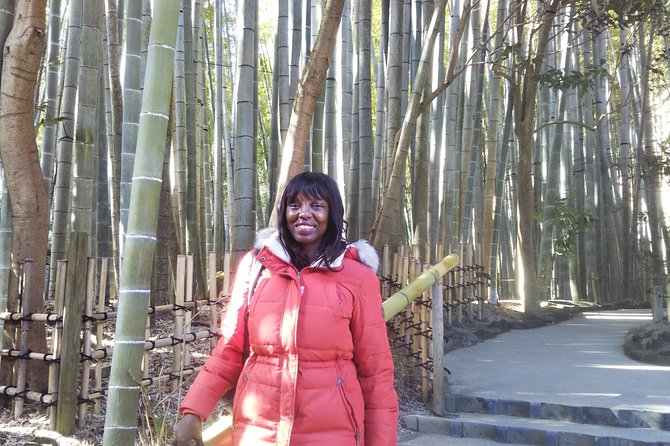
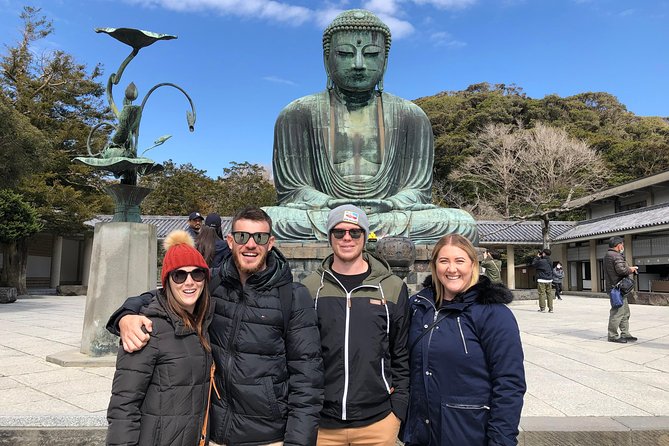
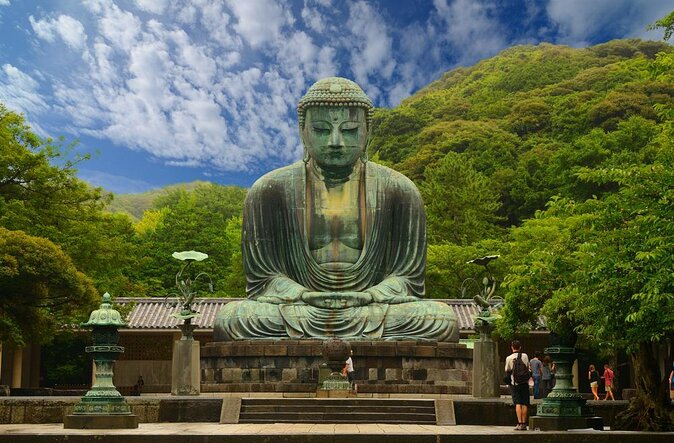
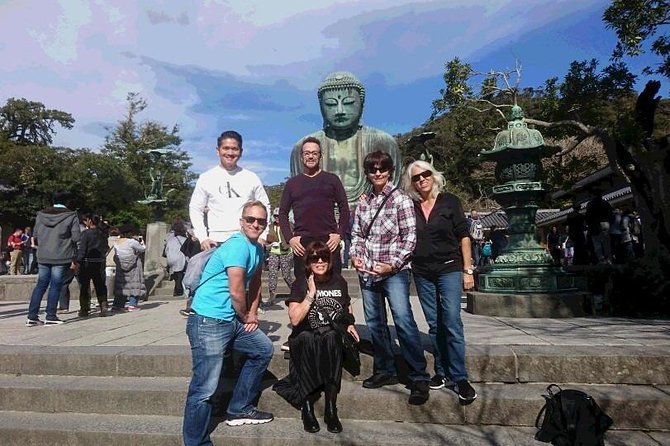
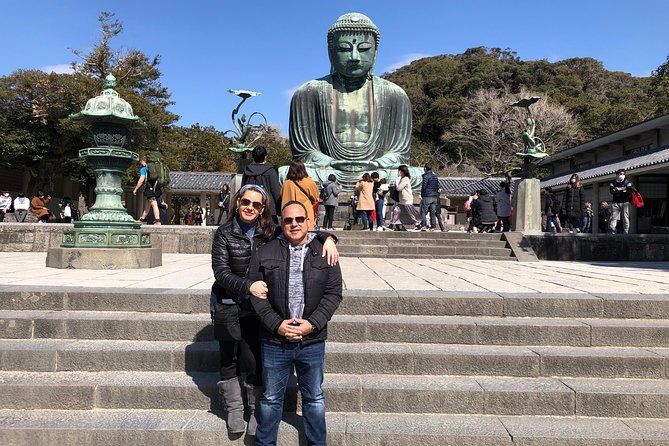
Next up is the Kotoku-in Great Buddha of Kamakura, a bronze statue of Amida Buddha. It is about 11.4 meters tall, and it is one of those landmarks that looks legendary in photos but somehow still manages to feel bigger in person.
Key detail: admission for this stop is not included, so plan for it. But as a target for a half day, it is a smart pick. If you only have time for one “big famous” stop, this is the one that anchors your day.
What to do at this statue:
- Look at it from different angles around the grounds
- Pause long enough to notice how the courtyard layout frames the Buddha
If you are a photographer, this stop is also a good place to test your lens and get comfortable, because the lighting shifts quickly in open spaces.
Hasedera Temple: viewpoint payback and the Kannon connection
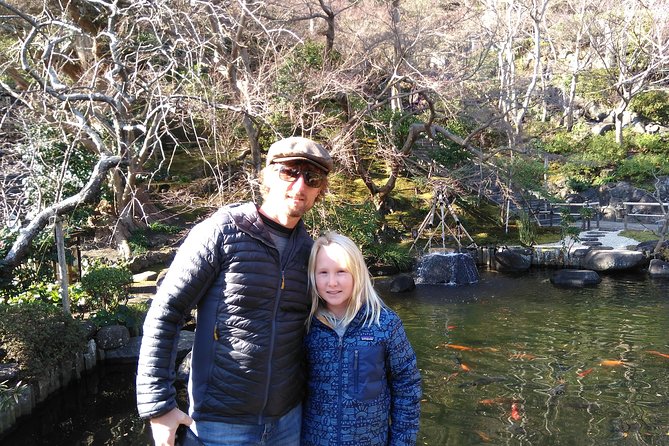
Hasedera (長谷寺) is where the trip earns its view. It is famous for an eleven-headed statue of Kannon, the goddess of mercy. The scale is impressive, and Hasedera is also known for being a temple where the scenery and the sacred space feel connected.
This stop’s admission is not included, so again, budget for it if it is on your short list. The payoff is the climb and the reward: the temple is the kind of place where you understand why people come to Kamakura for more than just one icon.
What you should know before you go:
- Wear shoes you trust on temple paths
- Expect stairs and slopes, plus a bit of walking on uneven ground
If your group likes art, devotion, and dramatic sightlines, this is one of the best “pick this” options.
Hokoku-ji bamboo grove: a quiet reset from big crowds
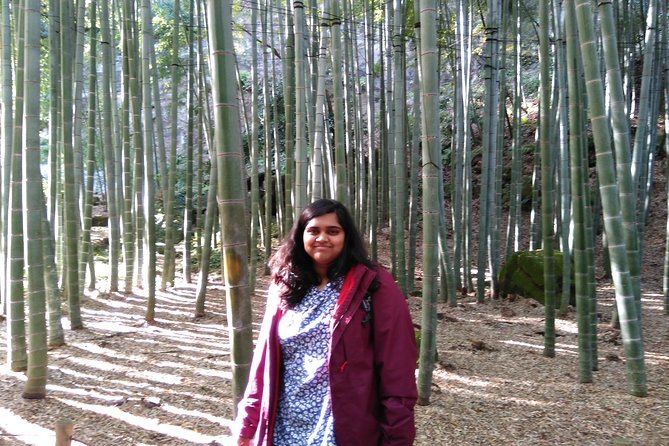
If you want your day to breathe, add Hokoku-ji Temple. The highlight is the bamboo grove behind the main hall, with over 2,000 dark green stalks. It is small compared to some temple complexes, but bamboo groves have a way of slowing your brain down.
Admission for this stop is not included. Still, it is often a great choice if you want contrast after the Great Buddha and Hasedera. It also works well for families because it is more about walking a gentle path and taking in the atmosphere.
How to choose the Zen temple cluster without overloading your feet
Kamakura’s real power is that it has a concentration of temples. The tour includes several of them, including major Zen names like:
- Engaku-ji (円覚寺), a leading Zen temple in Eastern Japan
- Kencho-ji (建長寺), the oldest Zen temple in Kamakura and number one of the five great Zen temples
It also includes other Zen and Nichiren branch temples such as Hokoku-ji, Jufukuji, Jomyo-ji, Zuisen-ji, Tokeiji, Zeniarai Benten (though it is a shrine), and more.
Here is the practical way to choose, so you do not waste time:
- If you want the “big brand” Zen experience, prioritize Engaku-ji and Kencho-ji.
- If you want variety and calm pockets, pick one additional lesser site like Jomyo-ji or Zuisen-ji.
- If you want a photo-friendly garden or seasonal color, look at Meigetsuin (Hydrangea Temple), which is known for hydrangea blooms and is part of this temple set.
Admission for these temples is not included on the program description, with the exception of a few free stops like Zeniarai Benten and hiking trails.
Zeniarai Benten and the coin-washing tradition
In western Kamakura you will find Zeniarai Benten Shrine, famous for coin washing. The idea is simple and very Kamakura: people wash their money at the shrine’s spring and believe it brings good fortune.
This stop is free, which makes it a smart add-on if your guide is building a route around both famous sights and smaller experiences. Even if you do not do the coin ritual, it is a nice cultural break in the middle of a temple-heavy day.
Meigetsuin and hydrangea season: pick by season, not just reputation
Meigetsuin (明月院) is also called Hydrangea Temple because hydrangea blooms are a big part of the seasonal draw. It is part of a Rinzai Zen framework and it fits well if you want a “living postcard” feeling from Kamakura.
Admission is not included. Still, it can be a high-return choice if you are traveling when hydrangeas are actually in bloom. If you are there in a different season, you might still enjoy the gardens, but you should set expectations: this stop is most famous for that flower story.
Hiking trails between temples: the slow way to feel Kamakura
One of the most underrated parts of the area is the Kamakura hiking trails. The terrain here connects temples along wooded hills. This is not a wilderness trek, but it is a real change from city sidewalks.
This portion is free. It works best when:
- You are choosing just two main admissions stops and want something additional
- Your group prefers nature and views over another shrine gate photo
The guide role is important here, because choosing the right trail segment is about pacing and keeping you on schedule.
Enoshima Island: a sea-side pause west of Kamakura
If you want a change of scenery, add Enoshima Island. It is only a short train ride west of Kamakura, and it is described as a touristy island connected by bridge. The island offers a shrine, views, and coastal variety, which makes it ideal for a half day when you want temples plus sea air.
This stop is free for admission on the program notes. That is useful because you might want Enoshima as your “no extra tickets” add-on while reserving your paid admissions for places like Great Buddha and Hasedera.
A realistic sample route that fits four hours
Because you choose 2–3 sites, your best route is usually built like this:
1) Start with an orientation anchor like Tsurugaoka Hachimangu
2) Add one of the big icon stops like Kotoku-in Great Buddha
3) Choose either Hasedera for viewpoint energy or one Zen or bamboo stop for variety
Then, if timing and your pace allow, you can add something lighter like Zeniarai Benten or a short hiking trail segment. If you want sea views, swap a temple stop for Enoshima.
This structure is also why guides praised for flexibility, like Shinji, An, and Hiro, tend to stand out. They can steer the route based on your interests without making you sprint.
What guides really do that you cannot DIY as easily
The program promises a licensed guide, but the best guides also handle the invisible stuff:
- Adjusting the walking order if crowds are heavier than expected
- Explaining what you are looking at in plain language
- Helping you with practical choices like where to eat nearby (lunch is not included, but good guidance saves time)
One guide, Isao, was specifically noted for helping with train planning plus bringing people to an excellent restaurant when requested. That kind of support matters because Kamakura is easy to reach but not always easy to navigate smoothly once you are there.
And if you get a guide like Kappa or Andy, you may also find a more visual style of explanations, including the use of materials like booklets of images to help you understand religious symbolism. That makes your temple stops feel less like checkmarks and more like comprehension.
Who this tour suits best
I think this experience is a great fit if:
- You want a private day without the stress of figuring out routes
- You care about a mix of big landmarks and meaningful temples
- Your group wants a pace that matches you, not a bus schedule
It can also work well for families because guides in this experience have been praised for patience with children and for staying calm when arrivals are delayed.
Should you book it?
If your goal is a focused half day in Kamakura and you want to prioritize the classics like the Great Buddha and Hasedera, this is an easy yes. The price feels fair when you remember what you are getting: a licensed English guide, a private format, and a plan that is built around selecting the right 2–3 stops instead of trying to conquer everything.
Skip it only if you already have a strong Kamakura game plan, you love wandering without structure, and you are comfortable paying for the admissions yourself while doing all the routing on your own.
FAQ
Where do we meet the guide?
You meet your guide at Kamakura Station for an easy start, and the meetup is described as being within a designated area with the guide meeting you on foot.
Is this tour private or shared?
This is a private tour. Only your group participates.
How long is the tour?
The duration is about 4 hours.
How many attractions do we visit?
The tour is described as customizable, letting you choose 2–3 sites from the available top attractions.
Are entrance fees included?
Entrance fees are not included for many of the sights listed. Some items are free (for example Tsurugaoka Hachimangu is free, and the hiking trails and Enoshima are noted as free). The Great Buddha of Kamakura and Hasedera are listed as not included.
Is pickup available?
Pickup is offered, and the tour is described as a walking tour where pickup is on foot. You will still meet your guide in the Kamakura Station area.
How do we get around during the tour?
Travel is by public transportation and on foot. The format is a walking route between stops.
Is cancellation free?
You can cancel for a full refund if you cancel at least 24 hours before the experience’s start time.
Fresh options around Kamakura
- Kamakura Bamboo Forest and Great Buddha Private Tour★ 5.0 · 12 reviews
- Tokyo Yokohama Night View Tour With Kamakura And Enoshima★ 3.5 · 14 reviews
- First time in Kamakura? Enjoy a Tour of All Must-sees!★ 5.0 · 15 reviews
- Kamakura and Enoshima: Private Guided Day Tour with Vehicle★ 3.9 · 17 reviews
- Kamakura Half Day Tour with a Local Expert Guide★ 4.4 · 23 reviews
- Your Own HANKO Name Seal Activity in Kamakura.★ 5.0 · 24 reviews
- Buddha, Bamboo & Zen – Bespoke Kamakura Private Walking Tours★ 5.0 · 25 reviews
- Kamakura: A Journey Through Medieval Japan★ 4.9 · 32 reviews
Kamakura Tours, compared.
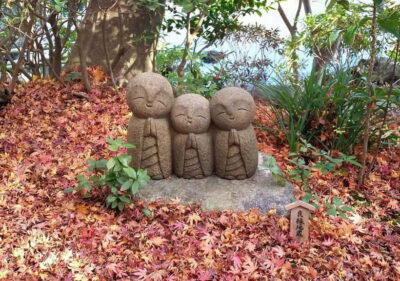
Kamakura & Enoshima Day Trip including Temple Tickets
Read our review →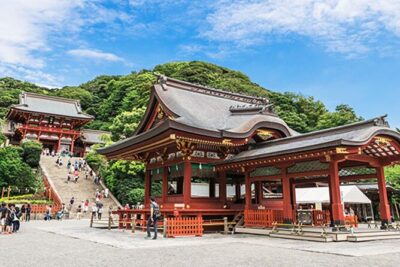
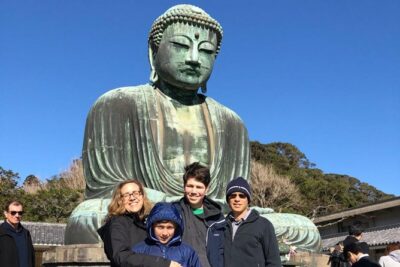
Kamakura Historical Walking Tour with the Great Buddha
Read our review →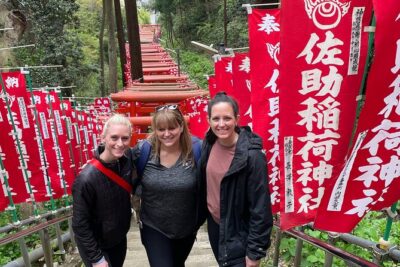
Kamakura Private Tour: Temples, Nature, and the Great Buddha
Read our review →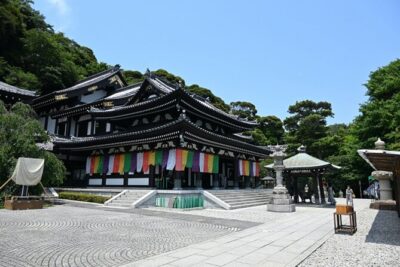
Kamakura: Private Guided Walking Tour with Local Guide
Read our review →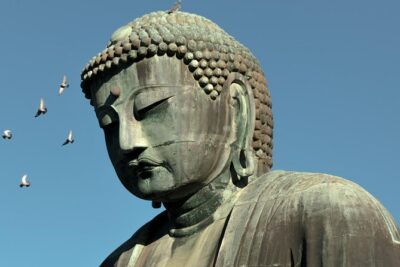
Kamakura Full Day Tour with a Local Expert Guide
Read our review →Browse the lists this tour appears in