
Reviewed · GEISHA & GION TOURS
Kioto: Gion Tour, recorrido a pie (Español/Castellano)
Kyoto’s Gion is not just for photos. I like this tour because it helps you read the neighborhood like a local, not like a postcard. You get a small group walk led by a Spanish-speaking guide who keeps the pace friendly and the explanations practical.
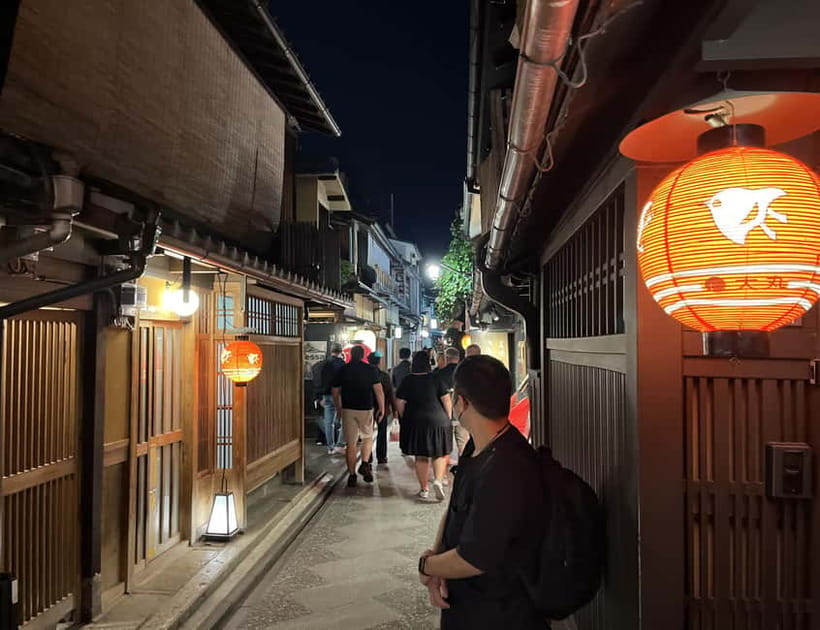
What I love most is the focus on everyday meaning. You’ll walk through the alleys and preserved streets while learning how the hanamachi (geisha districts) work, plus what Maiko and Geiko life looks like in real terms.
One thing to keep in mind: a Maiko or Geiko sighting is not guaranteed, and the famous Hanamikoji-dori isn’t part of the route.
Key highlights worth planning around
- Three hanamachi in two hours: Pontocho, Gion-Kobu, and Gion-Higashi, so you see more than the single “default” area.
- Questions are encouraged: the guide answers what you notice, not just a fixed script.
- Yasaka Shrine connects to the district name: you get the origin story from the former Gion Shrine area.
- River-to-alley transitions: the route links Pontocho, the Kamo River area, and classic bridges.
- Photo stops without the rush: you have pauses at key crossings like Sanjo Ohashi and Tatsumi Hashi.
- No guarantee of performers: you still get the cultural context even if you do not spot a Maiko or Geiko.
Why Gion feels bigger than geisha pictures
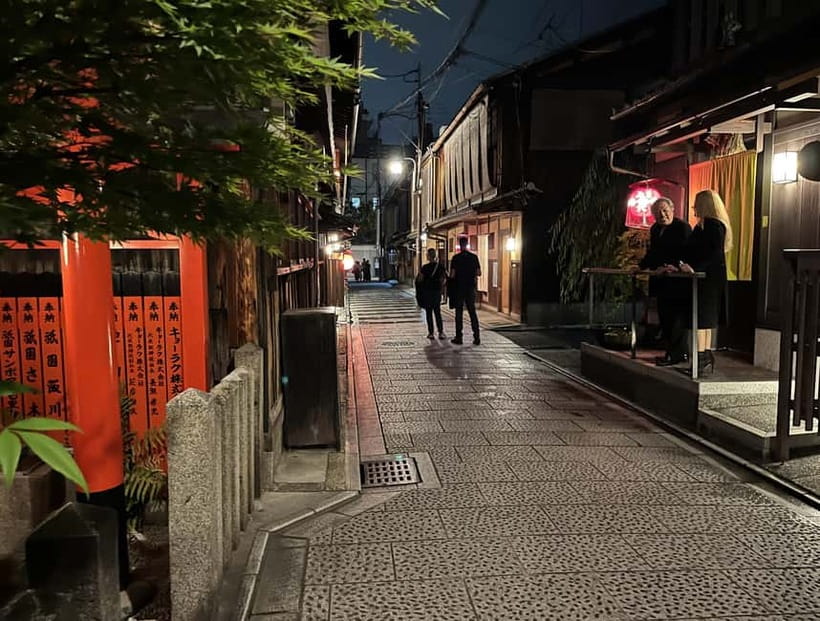
Gion is famous, sure. But the best part of this tour is that it treats Gion as a living district, not a stage set. You move through streets where history shows up in the buildings, street layout, and small details people walk past every day.
I also like that the tour frames Gion as one piece of downtown Kyoto. You are not only chasing lantern-lit scenes. You are learning how this neighborhood fits Kyoto’s bigger story, which makes everything you see later in the city click faster.
And because the group is limited to 6 people, the walk stays conversational. If you have an interest, the guide can usually steer the explanation your way.
More geisha experiences in Kyoto:
- Kyoto Geisha Walking Tour: Gion District & Hidden Gems
★ 4.7 · 3,273 reviews - Kyoto: Gion Magical Night Walking Tour with Geisha Trivia
★ 4.9 · 2,393 reviews - Kyoto: Gion Geisha District Walking Tour – Stories of Geisha
★ 4.7 · 2,187 reviews
Small group, personal feel, and why it matters
At $35 per person for about 2 hours, the goal here is clear: you are paying for guided time in a compact area, not for a long bus ride or a big production. The value lands when you actually want context. If you prefer wandering alone, you might find you are overpaying for stories you could read in a guidebook.
The small group size helps a lot. When you only have a handful of people, it is easier to ask questions and get specific answers. The vibe is personal, and you are less likely to feel like you are following a rushing slideshow.
This also explains why the tour works well for people who like culture but do not want museum rules. You are outdoors, moving at walking pace, and the guide turns what you see into something you can picture.
Meeting the guide near Disney Kyoto Shijo-Kawaramachi
You start right in the downtown flow. Look for the guide sitting in front of the store Disney – Kyoto Shijo-Kawaramachi. The guide will be holding an iPad showing the tour image.
That sounds oddly specific, but it is useful. In a place like Kyoto, meeting points can get fuzzy fast. A clear reference like this makes it easier to start on time and keep the day calm.
Bring your patience too. In Kyoto, the best photos often happen after you slow down a little, not before.
Pontocho alley scenes: starting where you can feel the atmosphere
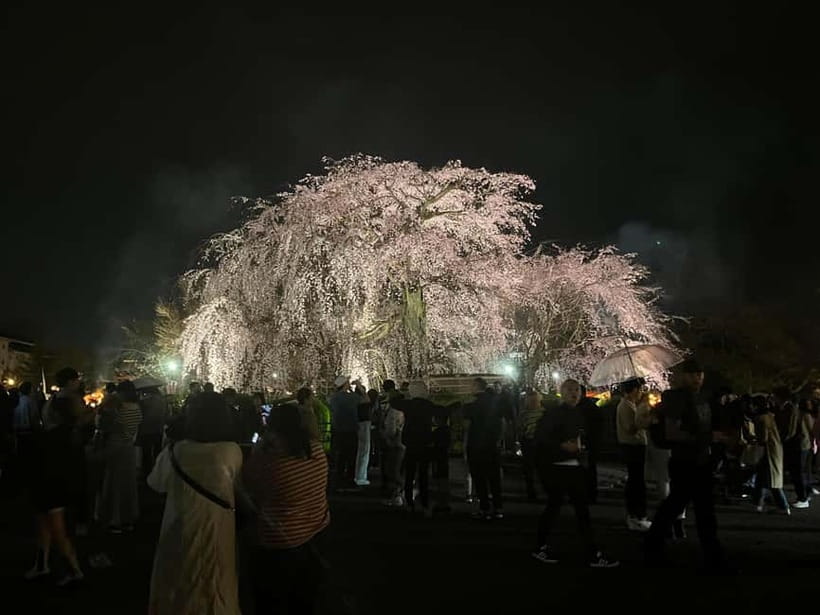
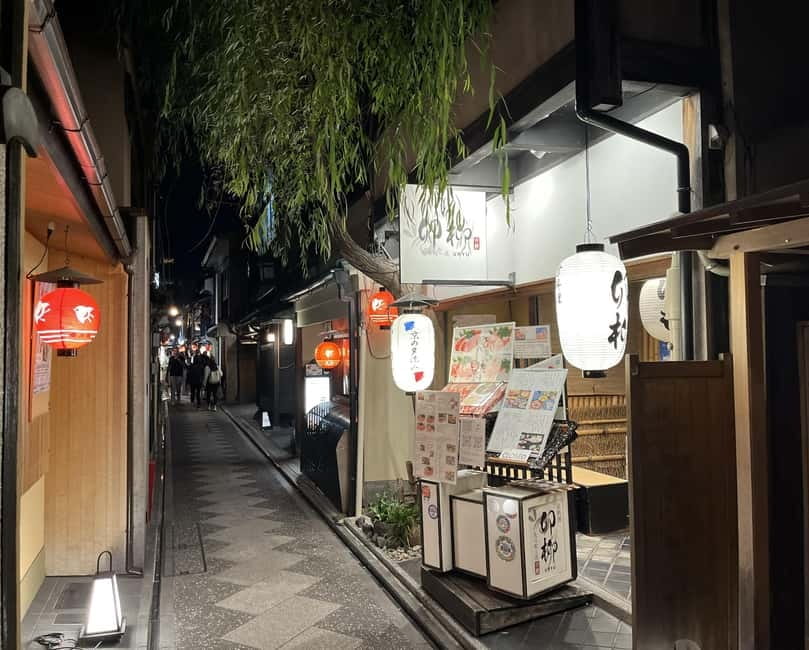
The walk begins around Pontocho, one of the most atmospheric areas in the city. Expect alley-style streets where the river area is part of the mood. Even if you have seen Pontocho in pictures, walking there lets you understand the geometry of the place, the way buildings face inward, and how the neighborhood creates its own rhythm.
From there, the route connects toward the Kamo River side with stops linked to recognizable moments in Kyoto. You will see places associated with classic Kyoto river-life views and get guidance on what to notice as you look.
This opening stretch is a smart choice. It sets you up to understand later hanamachi differences, because you start by learning how Kyoto’s downtown space feels when people actually live and move through it.
A few more Kyoto days worth comparing
- PERFECT KYOTO 1-Day Bus Tour
★ 5.0 · 13,518 reviews - Kyoto: Fushimi Inari, Kinkakuji, Bamboo Grove 1 Day Bus Tour
★ 4.8 · 4,316 reviews - Kyoto: Tea Ceremony in a Traditional Tea House in Kiyomizu
★ 4.9 · 3,519 reviews - Kyoto: Tea Ceremony Ju-An at Jotokuji Temple
★ 4.9 · 3,207 reviews
Kamogawa statues and bridges: turning landmarks into meaning
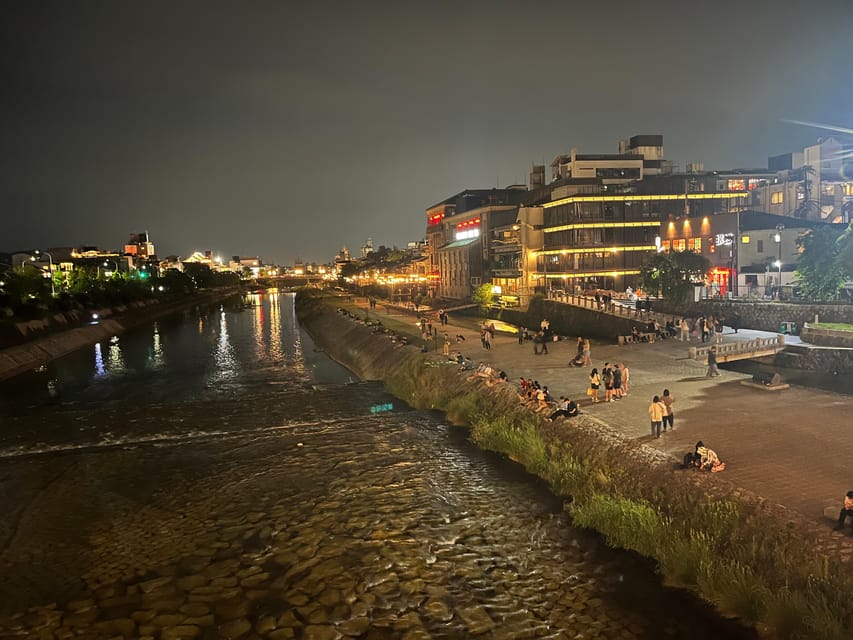
After Pontocho, you move into a zone where bridges matter. Kyoto is full of famous crossings, but you do not just walk across and forget them here. You pause, look, and get an explanation of what the area represents.
Along this section, you will encounter the Yagi-san and Kita-san statues, plus a stop at Sanjo Ohashi. Bridges in this part of Kyoto are not only transit. They are viewpoints and meeting lines between neighborhood texture and city movement.
I like that the tour uses these “obvious” landmarks to teach you how Kyoto organizes itself. Once you understand why certain spots are where people gather or look, you stop treating the city like separate postcard zones.
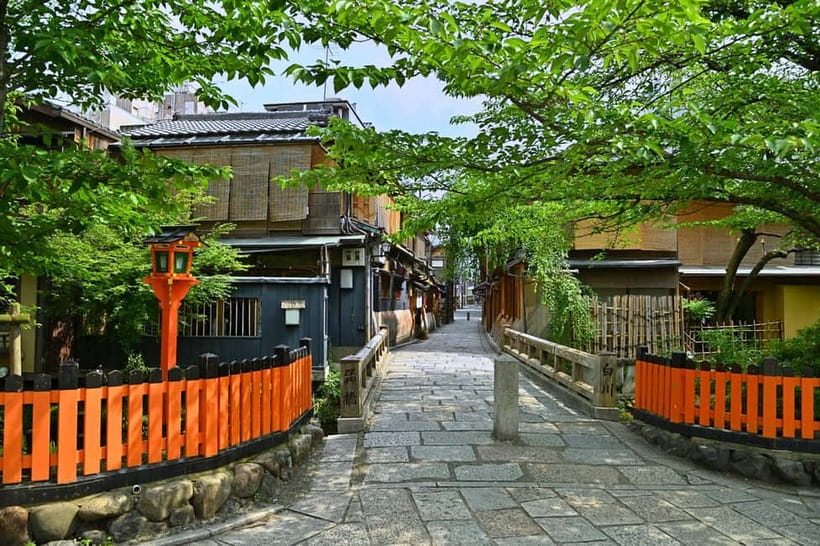
Gion-Kobu (Gion Shinbashi Dori and Shiragawa): where routines take shape
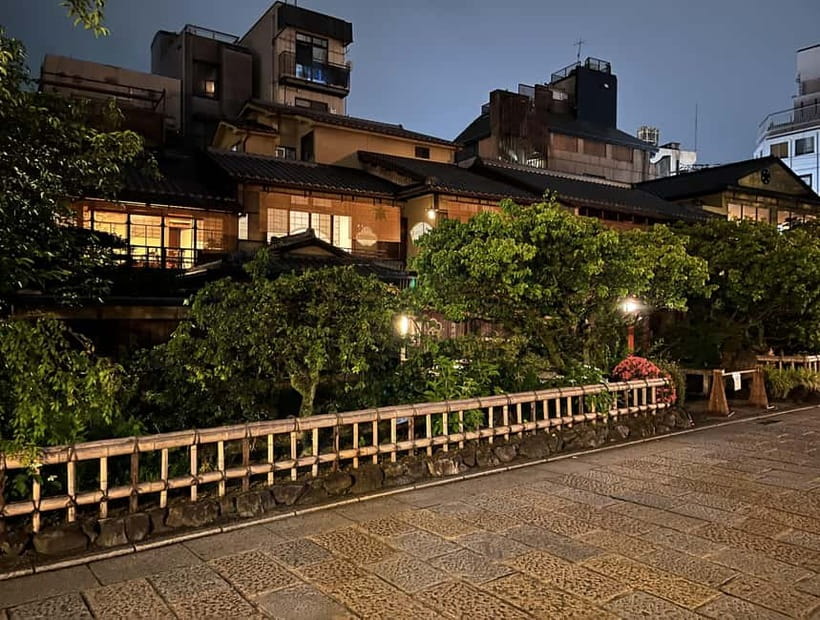
Now you shift into Gion-Kobu, and that is where the tour becomes especially useful. This is the part that helps you understand the hanamachi as a system, not just as a label on a map.
You will walk the Gion-Shinbashi Dori area and the Gion-Shiragawa area, including Gion Shiragawa as a featured stop. The guide explains how the hanamachi function, what Maiko and Geiko do day to day, and what kinds of routines and practices shape the neighborhood.
This is also where the guide’s question-friendly style pays off. If you wonder why certain streets feel quieter, or why traditional elements blend with modern life, this is where you get practical answers.
One reality check
A Maiko-san and/or Geiko-san sighting is not guaranteed. That can disappoint people who think every tour includes a performance-like moment. Still, the cultural explanations make the walk worthwhile even without spotting anyone in motion.
Tatsumi Jinja and Tatsumi Hashi: a calm pause with a purpose
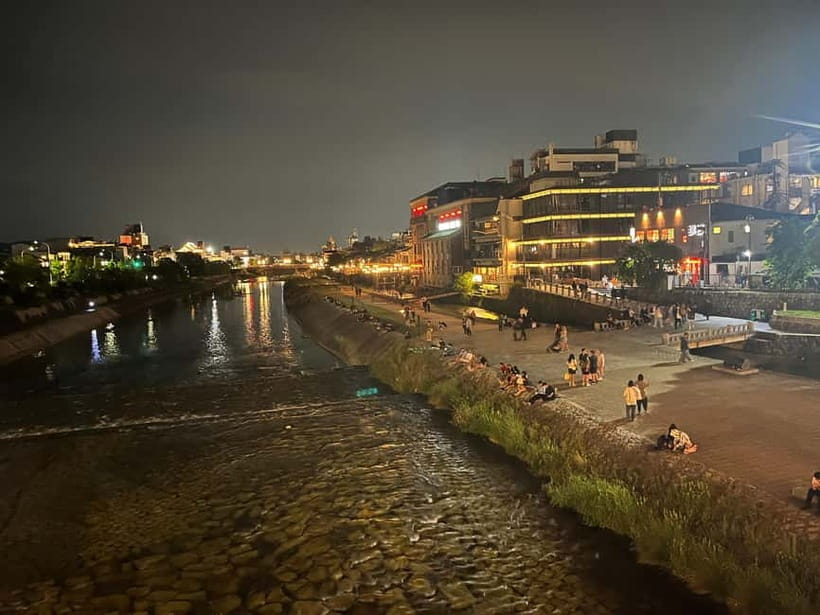
Next comes a breather. You visit Tatsumi Jinja and then cross Tatsumi Hashi. This stop works for two reasons.
First, shrines give you a different lens for Kyoto’s culture. You stop thinking only about entertainment district images and start connecting the area to religious and community rhythms that exist in the city at large.
Second, it gives your legs and brain a reset. The walking distance is about 3.3 km, so you will appreciate the moments where you can pause, look around, and take photos without feeling chased.
Gion-Higashi and Yasaka Shrine: the name behind the neighborhood
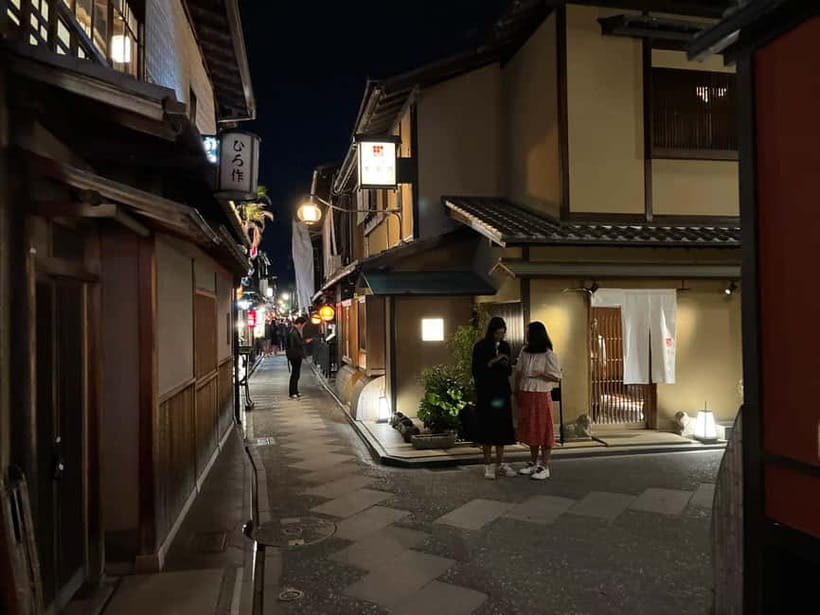
The final major section is Gion-Higashi, which rounds out the set of neighborhoods you started learning about. Gion is often described like one district, but the differences matter. This tour intentionally hits multiple hanamachi, so you get a clearer sense of how Gion is organized across sections.
You also visit Yasaka Jinja, which is tied to the area’s earlier name. The district name originates from the former Gion Shrine, which you are given time to understand before you move on.
If time allows, you may also get an explanation of the Gion Festival, one of Japan’s three most famous and important festivals, with origins in the Gion district from more than 1100 years ago. That historical anchor helps the whole walk feel connected, not like separate stops.
What your Spanish guide helps you actually notice

A big part of the success here is the guide’s teaching style. The tour is built for questions, so you can point at something and ask why it looks that way, or what role it plays in Kyoto life.
In practice, that means you get help sorting out:
- Maiko vs Geiko basics: what the terms mean and how daily life links to visible traditions
- Why the streets feel the way they do: the city layout and preserved neighborhood concept
- How the hanamachi fit downtown Kyoto: you stop viewing Gion as a bubble
- Small details you would miss alone: the kind of things you notice only after someone tells you what to look for
The Spanish instruction is a real strength, especially if your group prefers explanations over silent wandering. And if you are not fully fluent, having the guide clarify based on what you ask can keep the tour comfortable.
Cherry blossoms season reroutes: what changes, and what does not
Late March into early April can shift the route slightly to show cherry blossoms around Gion. Expect a small adjustment, but the focus stays the same: walking the key areas and learning the district story.
If you care about blossoms more than strict coverage of every exact street, this is a win. If you care about a precise path regardless of season, you might want to be flexible and trust the guide to balance beauty with meaning.
Price and walking value for a 2-hour Gion reality check
Let’s talk value. $35 for 2 hours is not a bargain like a free city walk, but it also is not priced like a premium experience with special entry tickets. This cost makes sense when you want two things:
1) a focused route in a tight area
2) a guide who answers questions and turns street-level details into understanding
The walking distance is about 3.3 km, so you are not doing a massive hike. You are doing a concentrated city walk with cultural context layered on top.
If your travel style is more independent, you could see Gion on your own. But you would likely miss some of the district logic, the naming origins, and the practical explanation of how the hanamachi work.
Practical tips to make the tour smoother in Kyoto
Kyoto can be sunny, rainy, and busy all in the same day. So I suggest you plan for comfort like a local, not like an ideal weather brochure.
Bring:
- Comfortable shoes (you are on your feet for the full walk)
- Umbrella (helpful year-round)
- Sun hat and sunscreen (especially if you walk in daylight)
- Water (Kyoto walking stacks up)
Also, go in with the right expectations about sightings. You will get strong cultural learning either way, even if your camera stays ready but empty for a while.
A note on what is not included
Hanamikoji-dori is not included. So if your dream is purely a specific shopping lane vibe, you might need another walk on your own day.
Should you book this Gion walking tour?
I recommend booking if you:
- want a Spanish guide and an interactive walk
- like asking questions as you go
- want more than a single “Gion street” experience, you want Pontocho plus Gion-Kobu plus Gion-Higashi
- prefer cultural context with short landmark stops like Sanjo Ohashi and Yasaka Jinja
I would skip or pair it with something else if you:
- want a high probability of seeing a Maiko or Geiko, because sightings are not guaranteed
- specifically want Hanamikoji-dori included, because it is not part of this route
Overall, this tour fits travelers who want Kyoto to make sense at street level. You leave knowing what you saw, not just seeing more pictures.
FAQ
How long is the Kioto Gion walking tour?
The tour lasts about 2 hours.
What language is the tour guide speaking?
The live tour guide speaks Spanish.
How large is the group?
The group is limited to 6 participants.
Where do we meet the guide?
Meet in front of the store Disney – Kyoto Shijo-Kawaramachi. The guide will be seated and holding an iPad with Kioto Gion Recorrido Guiado ESPAÑOL/CASTELLANO.
Which parts of Gion are visited?
The tour visits three of the five hanamachi areas: Pontocho, Gion-Kobu, and Gion-Higashi.
Is Hanamikoji-dori included?
No, Hanamikoji-dori is not included in the route.
Can we guarantee seeing a Maiko or Geiko?
No. A Maiko-san and/or Geiko-san sighting cannot be guaranteed.
How much walking is involved?
The route is about 3.3 km, around 2 miles.
Is there an optional stop called Gion Gallery?
For the 9:45 and 12:30 tours, a free visit to Gion Gallery can be included if you want to extend your time.
Fresh options around Kyoto
- Kyoto Aquarium Admission Ticket★ 4.7 · 12 reviews
- Kyoto Gion Photoshoot – Private Session | Pro Photographer★ 5.0 · 12 reviews
- Gyoza Cooking Class in Kyoto: Traditional Japanese Dumplings★ 5.0 · 12 reviews
- Kyoto: Guided Food Tour with 12 Dishes & 3 Drinks★ 5.0 · 12 reviews
- Kyoto: Avoid the Crowds at the Hidden Gems of Arashiyama★ 4.9 · 13 reviews
- Kyoto Early Bird English Tour: Gion & Higashiyama(Private opt)★ 5.0 · 13 reviews
- Otsu-e Folk Art Workshop & Local Culture Walk Near Kyoto★ 5.0 · 13 reviews
- Kyoto, Osaka, Nara Full Day tour by Car English speaking Driver★ 3.5 · 13 reviews
Geisha & Gion Tours, compared.
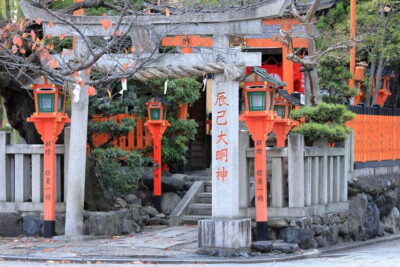
Kyoto Geisha Walking Tour: Gion District & Hidden Gems
Read our review →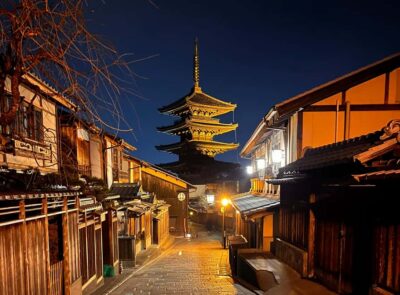
Gion Magical Night Walking Tour with Geisha Trivia
Read our review →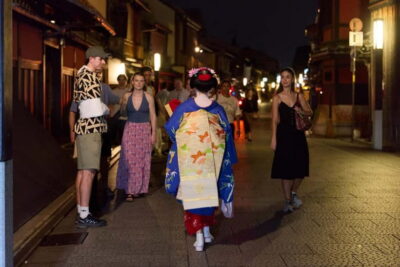
Gion Geisha District Walking Tour – Stories of Geisha
Read our review →
Best of Kyoto: Gion, Geisha, Pagodas & Cobblestones
Read our review →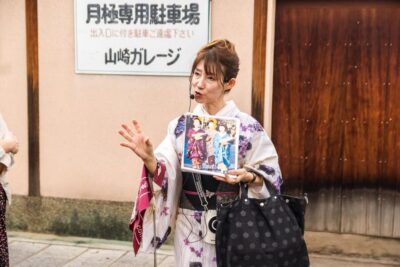
Kyoto Night Foodie Tour in Gion (9+ dishes + 6 Sake tastings)
Read our review →
Kyoto Gion Geisha District Walking Tour – The Stories of Geisha
Read our review →
Kyoto Gion: 2-Hour Geisha Culture & History Walking Tour
Read our review →Browse the lists this tour appears in