
Reviewed · WALKING TOURS
Imperial Palace East Garden and Edo Castle Walking Tour in Tokyo
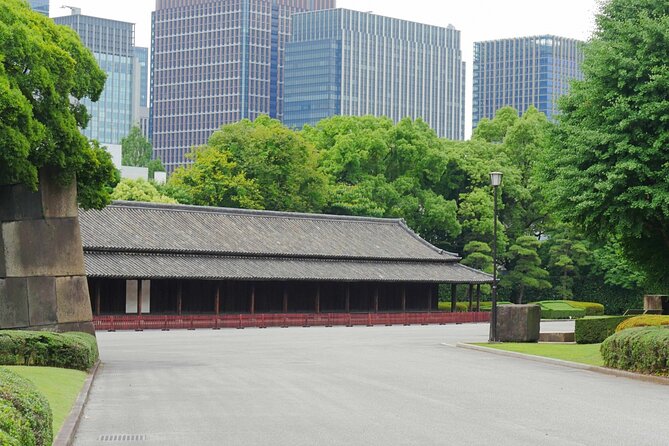
Tokyo history looks best on foot. This small-group walk has you exploring the Imperial Palace East Gardens and Edo Castle ruins with an English-speaking guide, without needing palace building access. I like that you start at Wadakura Fountain Park, a calm place with real royal-wedding history, and I also love the way guides such as Kenta and Glenda translate what you are seeing into clear stories.
One thing to consider: this is still a walk, about 2.5 hours, and you will want comfy shoes for hills and paths that can feel steep at moments. Also, you do not enter the Imperial Palace buildings, so if you want inside-only sights, this route will not be for you.
Key highlights you will actually care about
- Start at Wadakura Fountain Park for an easy warm-up and a meaningful backstory
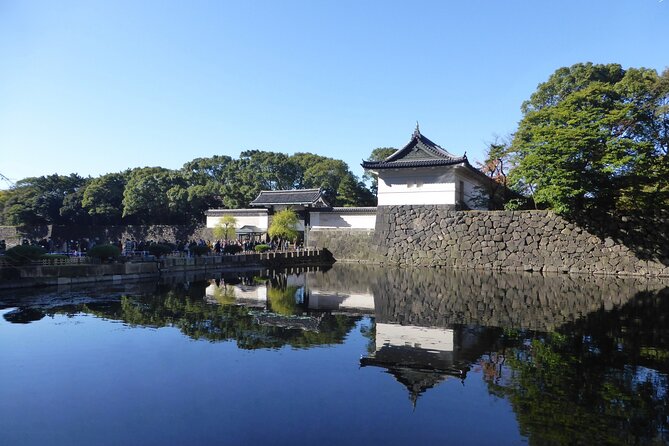
- Imperial Palace East Gardens focus on Edo Castle remnants, ponds, and traditional scenery
- Free entry areas, paid guidance for strong value at a budget-friendly price
- Small group (max 12) so questions and pacing stay personal
- Photo-based explanations from guides who point out details you might miss on your own
- Easier than it sounds, if you pack shoes with some hills, but no palace-inside crowds
Where Wadakura Fountain Park sets the tone for Imperial history
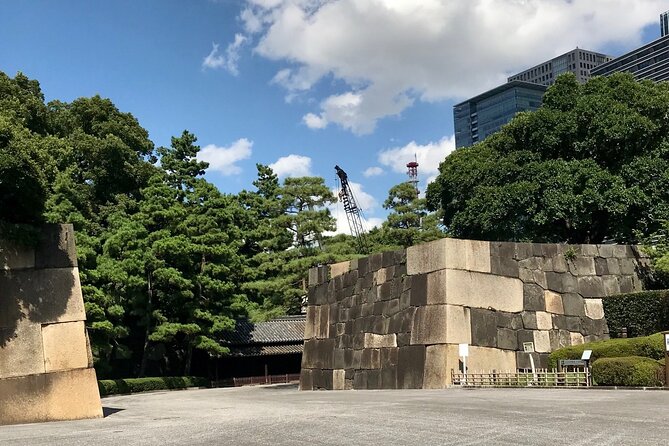
Most Tokyo sightseeing routes jump straight into big landmarks. This one starts softer, right near the Imperial Palace area, at Wadakura Fountain Park. It is a public park designed around water and sightlines, which means you can get your bearings fast before you step into history-land.
Here is what makes this stop more than a quick break. The park was built in 1961 to mark the royal wedding of Emperor Akihito and Empress Michiko. Later, it was redesigned and reopened in 1995 for the wedding of Crown Prince Naruhito and Crown Princess Masako. That timeline matters because it helps you understand how the Imperial setting in Tokyo connects to modern national life, not just old samurai stories.
On this tour, you spend about 30 minutes here. The big practical win: it is the moment you learn what kinds of details your guide will point out later. You also get a calmer start before walking into the East Gardens, which can feel like a slow exhale compared with Tokyo street energy.
More Castle Tours in Tokyo
- Tokyo Castle & Imperial PalaceーShogun Walking Tour
★ 4.7 · 1,068 reviews - Tokyo Castle & Imperial PalaceーShogun Walking Tour
★ 5.0 · 724 reviews - Tokyo Castle, Imperial Palace, Shogun & Garden Walking Tour
★ 5.0 · 211 reviews
Imperial Palace East Gardens and Edo Castle ruins, what you see and why it matters
After Wadakura Fountain Park, you shift into the main show: the East Gardens of the Imperial Palace, which sit on former Edo Castle ground. You are not wandering randomly through trees and ponds. Your guide helps you read the space like a map of power.
A key point up front, and it is worth repeating: you do not enter the Imperial Palace buildings. Entry to palace interiors is not open to the public, so your experience stays in the grounds and ruins. That can sound like a limitation, but it is also why the tour works. Instead of rushing through a few rooms, you get time to understand how Edo Castle functioned as a fortified center, and how later generations used the same landscape.
You will walk around areas tied to the castle layout and its former structures, including:
- Honmaru area with castle remnants
- Ninomaru Garden, known for a traditional Japanese scenery style
These spots are the “why should I care” part. Honmaru was linked to the heart of the castle complex, the kind of place where command and decision-making concentrated. Ninomaru, on the other hand, tends to be the place where you notice the aesthetic planning of the site, not just the defensive one. Your guide’s job is to connect those two modes, showing how feudal function and later ceremonial design can sit on the same ground.
Season notes can help you plan your expectations. In spring, you might catch cherry blossoms. In autumn, the grounds can show colorful foliage. Even if your season is less photogenic, the pond-and-path design gives you a steady flow of views.
The carp, the ponds, and why the details are where the tour shines
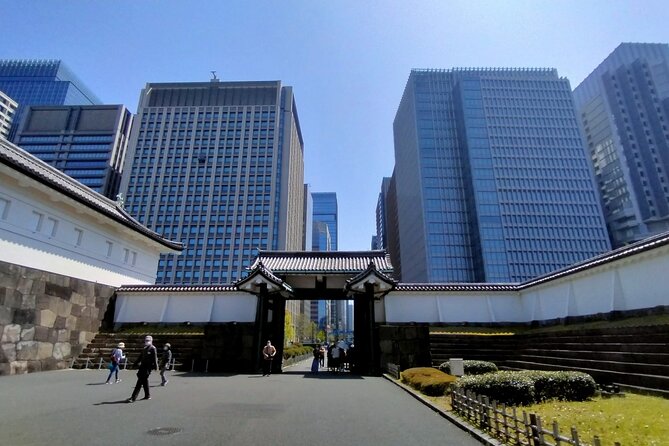
One reason this tour earns such high scores is how much attention goes to what is actually in front of you. The grounds are beautiful, yes, but the best part is when your guide points out small features that are easy to overlook when you are just walking for photos.
A standout example from guide-style storytelling is the way the carp can look dramatic in sunlight. It sounds small, until you realize that ponds and wildlife were part of the visual design of these garden spaces. If you have ever wondered why Japanese garden scenes can feel so intentional, this is the kind of moment that makes it click.
Your guide will also help you identify different spots and explain what they were used for in the past. That transforms the East Gardens from a pretty walk into a usable history lesson you can remember.
How the guides keep the pace and make the history understandable
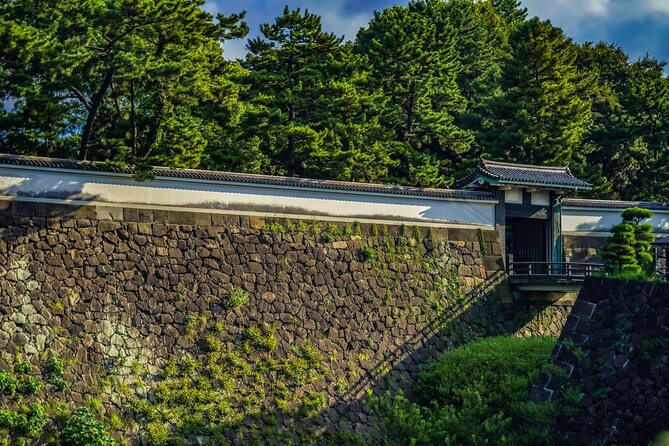
The biggest consistent praise is not just facts. It is delivery.
Guides like Kenta, Glenda, Kaz, Kei, Miko, Sato, and Midori come up again and again in the feedback with the same pattern: clear English, friendly energy, and explanations that match what you can see. Many guides use photos or visuals to anchor the story, which is a smart approach in a space where there are no big “look here” signs in English.
You should also plan for weather and terrain realism. This experience works best in good conditions, and you will be walking. One review mentioned steep paths at times, and another noted hills but no stairs. So do what I recommend for any long Tokyo walk, even the “easy” ones: bring shoes with grip and wear clothes that let you move.
If rain shows up, the general strategy on this tour has been to keep things moving and adjust locations so the discussion continues. The key is not to treat the tour like a museum schedule. It is a walk, guided by the environment.
More Walking Tours in Tokyo
- Tokyo Tsukiji Fish Market Food and Culture Walking Tour
★ 5.0 · 3,184 reviews - Tokyo: Imperial Palace and Shogun Historical Walking Tour
★ 5.0 · 2,251 reviews - Tokyo: Shinjuku Local Bar and Izakaya Guided Walking Tour
★ 4.9 · 1,794 reviews - Tokyo: Tsukiji Fish Market Food and Walking tour
★ 5.0 · 1,724 reviews
Small-group size changes the whole experience

A max group size of 12 travelers is more than a number. It affects what you get from your guide.
In a bigger crowd, you tend to follow and hope you do not miss the explanation. In a smaller group, you get chances to ask questions and to catch clarifications when something feels confusing. This matters especially here, because the story involves layers: the Imperial era today and Edo-era castle planning behind the scenes.
It also helps with pacing. When your group has fewer people, the guide can slow down at the best viewpoints and move you before it gets crowded elsewhere.
Value check: $25 for 2.5 hours, what that really buys you
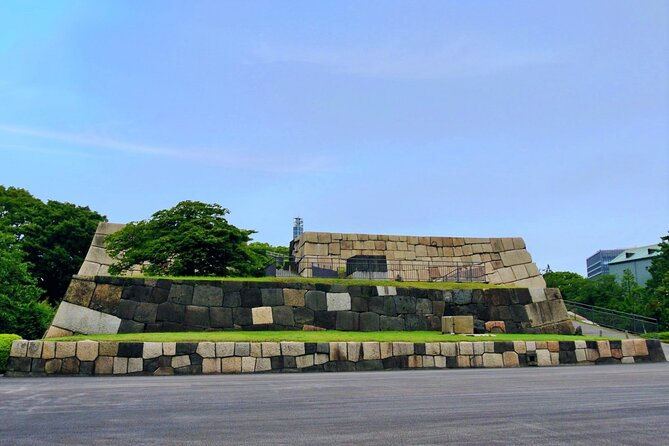
At $25 per person for about 2 hours 30 minutes, this tour is good value for a simple reason: the paid part is the guidance, and most of what you visit is free to enter.
Wadakura Fountain Park and the East Gardens area both come with free entry. Your money goes to the English-speaking local guide and the storytelling that links the grounds to Edo Castle and Imperial heritage.
If you were doing this on your own, you could absolutely walk the same general route. But you would likely miss the “what you are looking at and why it mattered” thread. This is where guides earn their fee, especially if you are a first-time visitor to the Imperial Palace area and want to understand it without getting lost in confusing labels.
Also, the tour uses a mobile ticket, which is convenient. You are not juggling paper and you can keep everything in your phone.
What to expect on the ground, step by step
Here is the practical flow so you can plan your day.
Stop 1: Wadakura Fountain Park (about 30 minutes)
You meet near Starbucks Coffee at Kokyo Gaien Wadakura Fountain Park. Plan to arrive a few minutes early. This stop is an easy start: water views, calm pacing, and a historical introduction focused on the park’s royal-wedding origins.
Stop 2: Imperial Palace East Gardens and Edo Castle ruins (about 2 hours)
This is where you spend most of your time. You walk through garden paths and around ruin remnants connected to Edo Castle layout. The guide helps you connect the scenery to former castle functions.
You will also get good photo opportunities. The grounds are open and designed for viewing, so you will have plenty of moments to stop without feeling stuck.
The tour ends back at the meeting point, which is convenient if you want to continue exploring nearby.
Who this tour fits best
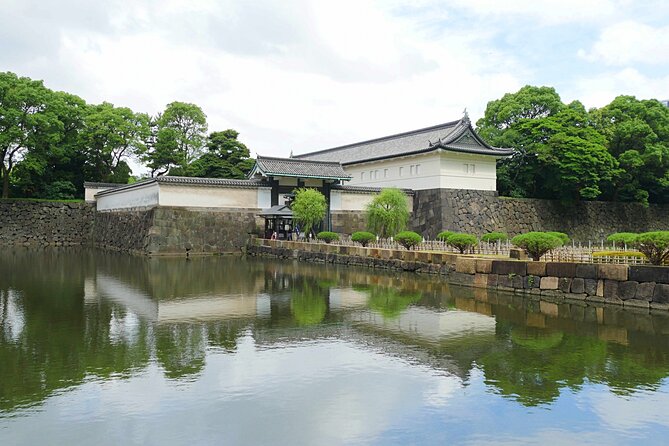
This is ideal if you want Tokyo history without the stress of big lines or inside-access expectations.
It fits especially well for:
- First-time visitors who want the Imperial Palace area explained clearly
- People who like walking tours that include real context, not just general facts
- Travelers who enjoy gardens and want the garden design tied to history
- Small groups, couples, and solo travelers who want questions answered
It might not fit as well if you:
- Want palace building interiors (this tour does not provide them)
- Hate walking and uneven garden paths, even with comfy shoes
- Need lots of flowers in every season, since garden highlights vary by time of year
Simple booking decision, should you book it
I think you should book this tour if you want the East Gardens and Edo Castle ruins explained in clear English and you like learning while walking. The guide impact is obvious in the consistent feedback, with special praise for storytelling and for guides using visuals to show what to look for.
Skip it only if you specifically want inside access to palace buildings or if you are unable to handle a couple hours of walking with hills and occasional steep sections.
If your goal is a calm, well-paced history walk in one of Tokyo’s most peaceful spaces, this one is a strong pick.
More Castle Tours near Tokyo
- Tokyo: Edo Castle & East Garden of the Imperial Palace Tour
★ 4.7 · 112 reviews - Tokyo Private Tour! Edo Castle & Imperial Palace East Gardens
★ 5.0 · 105 reviews - Tokyo: Pvt. Tour – Edo Castle & Imperial Palace East Gardens
★ 4.8 · 63 reviews - Kyoto: Nijo Castle World Heritage Guided Tour with Admission
★ 4.9 · 37 reviews
Fresh options around Tokyo
- Tokyo: Nagano Snow Monkeys and Zenkoji Tour with Temples★ 4.9 · 19 reviews
- Yokohama Port: Private Customizable Tour with Transfer★ 5.0 · 19 reviews
- Explore Unique Tokyo Streets / Learn with a Pro Photographer★ 5.0 · 19 reviews
- Sushi Making with Interactive Samurai Experience at JIN-ASAKUSA★ 5.0 · 19 reviews
- DAIKOKU excursion by car DRIFT automobile encounter★ 4.5 · 19 reviews
- Official Street Go Kart Tour Akihabara 2nd★ 5.0 · 19 reviews
- Cosplay Experience with Professional Makeup and Photo Shoot!★ 5.0 · 19 reviews
- Japanese Traditional Sweets making★ 4.1 · 19 reviews
Walking Tours, compared.
Kyoto Geisha Walking Tour: Gion District & Hidden Gems
Read our review →
Tokyo Tsukiji Fish Market Food and Culture Walking Tour
Read our review →
Gion Magical Night Walking Tour with Geisha Trivia
Read our review →
Imperial Palace and Shogun Historical Walking Tour
Read our review →
Gion Geisha District Walking Tour – Stories of Geisha
Read our review →
Shinjuku Local Bar and Izakaya Guided Walking Tour
Read our review →
Browse the lists this tour appears in