
Reviewed · WALKING TOURS
Tokyo Castle & Imperial PalaceーShogun Walking Tour
Fortress secrets at the Imperial Palace grounds. I like how this tour turns familiar postcard sights into a clear story of Edo Castle defenses and samurai duty posts. You also get a tight small group up to 10, so your guide can answer questions while you move gate to gate. One thing to plan for: the tour is English only, and you will handle steep slopes and stairs during the walk.
You’ll start at Starbucks near Kokyo Gaien Wadakura Fountain Park, then work your way through Edo-era remnants, guardhouses, and garden calm, before ending back by the ginkgo-lined avenue in front of Tokyo Station. Expect a quick security check area, and keep it simple with what you bring, since knives and alcohol are not allowed.
Key Highlights You’ll Actually Notice on the Ground
- Edo Castle, explained like a puzzle, with the defensive logic of gates, walls, and watch points made easy to follow
- Multiple guardhouse stops, focused on what lower-ranking and higher-ranking samurai were responsible for
- Small-group pace (up to 10), ideal for photos and getting answers without feeling rushed
- The garden payoff is real, including Ninomaru Garden’s seasonal plants and koi pond
- English-only guidance, with strong storytelling that keeps a 2-hour walk from feeling like homework
Tokyo Imperial Palace and Edo Castle: the point of the walk
Japan’s imperial story is old, very old, with a 2,600-year legacy of emperors shaping national identity even when power shifted elsewhere. This is why the tour feels different from a basic sightseeing loop. You’re not only looking at pretty grounds. You’re learning how the shogun era worked in practice, especially through the lens of Edo Castle, once Japan’s largest fortress.
What I like most is how the tour links the emperor side of history to the shogun reality of the streets and security. The Imperial Palace grounds today sit on top of earlier defensive planning. Once you understand that, gates and stonework stop being background details. They become evidence.
You’re also given context for the samurai system, not as vague legend, but as daily roles inside a security machine. That makes it easier to enjoy the views without needing to be a history expert first.
More Castle Tours in Tokyo
- Tokyo Castle & Imperial PalaceーShogun Walking Tour
★ 4.7 · 1,068 reviews - Imperial Palace East Garden and Edo Castle Walking Tour in Tokyo
★ 5.0 · 510 reviews - Tokyo Castle, Imperial Palace, Shogun & Garden Walking Tour
★ 5.0 · 211 reviews
Meeting Near Kokyo Gaien, and a 2-hour pace that works
The tour begins at Starbucks Coffee at Kokyo Gaien Wadakura Fountain Park, so you have an easy, recognizable meet-up spot. It runs about 2 hours, and the group stays small, with up to 10 people. There’s also a max of 60 travelers for the overall activity, which helps explain why the walk feels organized rather than chaotic.
Bring your expectations accordingly. This is not a slow museum day. You will be walking, and you should plan on stairs and steep slopes. Most of the stops are short, so you’ll move at a steady clip and then pause for the guide’s explanation and photos.
Two practical tips make a big difference. First, wear comfortable shoes, since you’ll be on paths and steps in a palace-park environment. Second, if you’re visiting in warm weather, plan water and sun protection. Several guides handle it well, and you may even get small cooling perks like sweets or menthol napkins, but don’t bet your comfort on that.
Stop 1: Sakurada Tatsumi Yagura and the security logic you can see
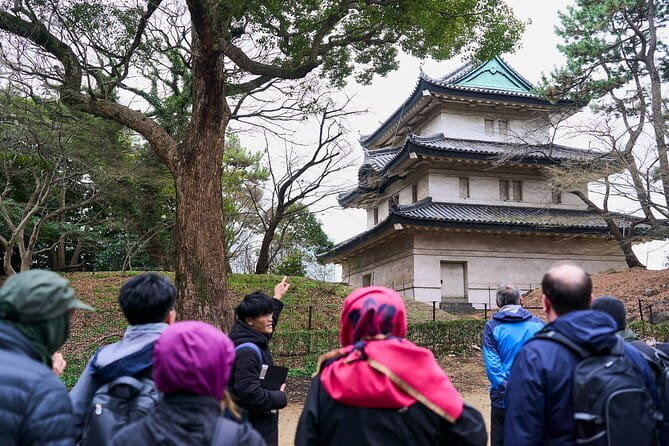
Your first stop is Sakurada Tatsumi Yagura, where you can see a surviving turret from the Edo period. That matters because it’s not a “the idea of history” stop. You’re looking at a real structure that survived through centuries and urban change.
The guide’s job here is to help you connect architecture to security. You learn how the palace area is protected today, and you trace that back to how defenders thought back then. Once someone explains the logic, the shapes make sense in a new way. The turret becomes a reminder that visibility and control were central, not optional.
This stop is about 20 minutes and includes a free admission ticket note. It’s a great warm-up, because it sets the tone for everything that follows. You’ll start the walk understanding why a fortress needed more than one “cool viewpoint.”
Stop 2: Kokyo Otemon Gate, where stonework teaches defense
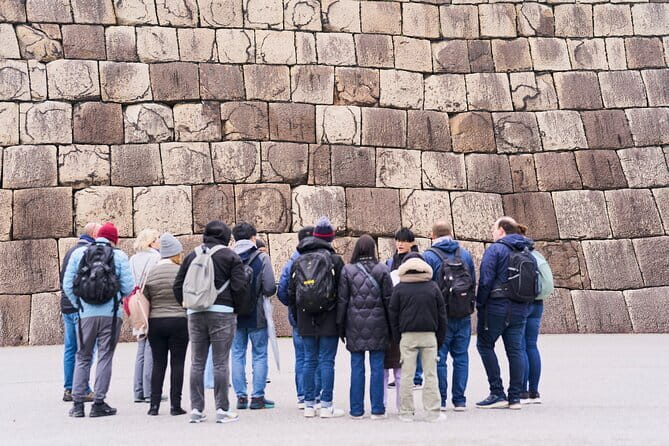
Next up is Kokyo Otemon Gate. This is one of those places where the scale hits you fast, especially with the two massive gates and the surrounding stone walls from the original castle.
Here’s what makes this stop valuable for first-time visitors: you get a guided explanation of how the design helped protect the shogun. That includes understanding movement control. In castle planning, it’s rarely about brute force. It’s about slowing, redirecting, and forcing an opponent to deal with tight, supervised routes.
The time here is short, about 10 minutes, but it’s dense in meaning. You also get a solid photo moment, since gates like this are built for both ceremony and protection. Even if you love pictures more than facts, you’ll still walk away seeing how the site functions.
More Walking Tours in Tokyo
- Tokyo Tsukiji Fish Market Food and Culture Walking Tour
★ 5.0 · 3,184 reviews - Tokyo: Imperial Palace and Shogun Historical Walking Tour
★ 5.0 · 2,251 reviews - Tokyo: Shinjuku Local Bar and Izakaya Guided Walking Tour
★ 4.9 · 1,794 reviews - Tokyo: Tsukiji Fish Market Food and Walking tour
★ 5.0 · 1,724 reviews
Stop 3 to 5: three guardhouse stops and what samurai actually did
After the big gates, the tour gets more specific with three guardhouse areas. This is where many people get the most “wait, I never knew that” feeling.
1) Constable Guardhouse
You learn about lower-ranking samurai and what made this spot important. The focus is on roles, not romance. It helps you understand that not all samurai responsibilities were about fighting. A lot was about watching, controlling access, and maintaining order.
2) Hyakunin Bansho Guardhouse
This one is a larger guardhouse where many samurai were stationed. You’ll hear about their role in castle security. The big idea: the system worked because many people had defined duties, and those duties were placed where they could matter.
3) Obansho Guardhouse
Near the inner gate, this guardhouse helps explain higher-ranking samurai duties. Again, it’s about structure. Different posts meant different responsibilities, and the palace grounds reflect that hierarchy in stone and layout.
Each guardhouse stop is roughly 10 minutes, with free admission notes. The short timing works because you get just enough context before moving on. If you like your history with clear cause and effect, this trio is a highlight.
One drawback to consider: if you dislike walking in rapid succession, these quick transitions might feel busy. I’d treat it like a guided outdoor lecture with photo breaks, not a slow stroll.
Stop 6: Fujimi-yagura watchtower and the view behind the past

Fujimi-yagura is an older watchtower that overlooks the area. The tour uses it to talk about what watchtowers were for, and why they were special in the past.
Even if you do not memorize the whole defensive system, this stop makes the “why” click. Watchtowers were not decorative. They were designed to give people a better line of sight, and better sight meant earlier awareness of danger or movement.
This is about 10 minutes, but it’s often the emotional shift point on the walk. You stop thinking only about gates and start sensing how defenders used space. It also gives you another photo angle.
If it’s a clear day, take a moment to look outward, not just at the tower. Try to imagine how visibility would change with weather and distance.
Stop 7: Kokyo Sannomaru Shozokan scale model and souvenirs with context
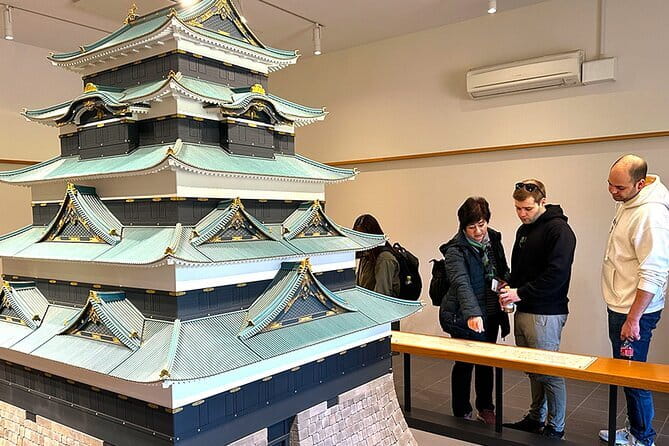
Kokyo Sannomaru Shozokan is where you get a scale model of former Edo Castle. That kind of visual instantly helps you connect the earlier stops into one big picture. If you found the guardhouses and gates confusing, the model is designed to straighten it out.
You can also visit a souvenir shop with palace-related goods. It’s a small bonus, but it’s a practical one. If you want something more meaningful than generic Tokyo merch, this is a convenient spot to browse while still in the story of the day.
This stop runs about 10 minutes. It’s not a long indoor break, so don’t plan on hiding from the weather. But the model moment is a nice reset for your brain.
Stop 8: East Gardens and the former Edo Castle main tower site
In the East Gardens of the Imperial Palace, you reach the Edo Castle ruin area where the main tower once stood. This is an important shift from “what survived” to “what is gone and why that matters.”
The guide explains why the tower is no longer standing and what remains today. That’s useful because it prevents the history from becoming a list of surviving artifacts. You learn that city change, rebuilding, and political shifts shaped what you can see now.
The stop is about 15 minutes. It’s also one of those moments where you’ll naturally slow down, because ruins can feel more personal than restored structures. You’re standing on a place that mattered, even if the most dramatic piece is missing.
If you like thoughtful context, this is a stop to pay full attention, not just take a quick picture and move.
Stop 9: Ninomaru Garden, a calm pause with koi and seasonal plants
Ninomaru Garden is where the pace softens. This is a traditional Japanese garden with seasonal plants and a pond with koi. It’s still part of the Edo Castle conversation, but the tone changes from defense to daily peace.
This garden stop lasts about 15 minutes. It gives you a real breather, and it also helps the earlier security details settle into something more human. Fortresses were built for safety, but life still happened inside. Gardens are where you see that balance.
Take time with the pond area. The koi pond is made for lingering, and it’s one of the best spots for photos that look calm rather than touristy.
If you’re short on time and want only the highlights, Ninomaru Garden is one you should not skip. It’s the payoff.
What the guide adds, beyond walking past gates
A big part of the value is the narration. The Imperial Palace grounds can feel like a beautiful backdrop if you show up without context. With a guide, you get explanations that connect gates, stonework, and guardhouses into one security story.
What I’ve learned from standout guides is their ability to make the details stick. Several guides are praised for using clear teaching tools like laminated pictures and flashcards showing layouts and guard-tower info. That matters because it turns the walk into a set of mental images you can recall later.
You also get genuine Q and A time. The best moments come when you ask how samurai roles worked or why certain design choices mattered. Guides like K, Ai, Tomo, Keiko, Shin, Nana, Yuuko, Dai, Franky, and Mayuko are mentioned repeatedly for friendly, engaging delivery and strong English. I’d expect a similar level from your group if you book this tour.
There was also a common theme about the tour being the perfect length. About 2 hours hits a sweet spot for first-time Tokyo history, especially if you have another part of your day planned.
Price and value at $23.88 for a 2-hour Imperial Palace experience
At $23.88 per person for about 2 hours, this is good value for two reasons.
First, the tour packs a lot into a short walk. You cover multiple gates, several guardhouse areas, a watchtower, a scale model stop, and then garden time. You’re not paying for one “must see” point. You’re paying for a guided thread tying them together.
Second, the stops themselves are noted as free admission at each location. That means your cost goes toward interpretation and time with the guide, not paying separate site fees at every turn.
Is it the cheapest way to see the area? No. But if you want the Edo Castle defense story and samurai role context, the guide is what makes the price feel fair. Without that, you could still enjoy the grounds, but you’d likely miss the connections that turn architecture into understanding.
Who this Tokyo samurai and shogun tour is best for
This tour is a great fit if you:
- want a short Tokyo history walk that focuses on Edo Castle and shogun era logic
- like structured explanations that connect multiple locations
- want a small-group experience so the guide can answer questions
- enjoy gardens and want the calm payoff of Ninomaru Garden and its pond area
It’s also a strong choice for a day-one orientation. You’ll leave with a mental map of how power and security were organized around the palace grounds.
You might want to think twice if you:
- need a fully accessible route, since steep slopes and stairs are part of the experience
- prefer tours with multiple languages, since this one is English only
- dislike outdoor walking in warm weather, since much of the route is exposed
Should you book this Tokyo Castle and Imperial Palace walking tour?
Yes, I’d book it if your goal is understanding, not just photos. This is one of the better ways to turn the Imperial Palace grounds into a story you can explain later. The combination of Edo Castle defense logic, samurai guardhouse roles, and the switch to garden calm gives you a well-shaped experience in about 2 hours.
If you’re already confident with Japanese history and you just want quiet time outdoors, you could do it on your own. But for most visitors, the guide adds the missing link between stone gates, security posts, and what those structures meant in the shogun era.
Go in with comfortable shoes, sun protection, and an open mind for how defense planning influenced the spaces you’re walking through. Then you’ll get more than a stroll. You’ll get Tokyo’s power story, in walking distance.
FAQ
Is this Tokyo Castle and Imperial Palace tour in English?
Yes. The tour is conducted in English only, and Japanese language support is not available.
How long is the tour?
It lasts about 2 hours.
How big is the group?
It is a small-group tour with up to 10 people.
Where does the tour start?
It starts at Starbucks Coffee – Kokyo Gaien Wadakura Fountain Park, 3-1 Kōkyogaien, Chiyoda City, Tokyo 100-0002, Japan.
Where does the tour end?
It ends back at the meeting point area, and the conclusion is described in front of the ginkgo-lined avenue stretching out before Tokyo Station.
Do I need to buy tickets for the stops?
The listed stops each note admission ticket free.
Is there a security check at the Imperial Palace?
Yes. There is a security check to enter the Imperial Palace, and you should not bring knives or alcohol.
Is the Emperor’s residence open during the tour?
No. The Emperor’s residence is not open to the public.
Is the tour walking-heavy?
Yes. There are steep slopes and stairs, so plan for walking and steps.
Will I receive a mobile ticket?
Yes. The tour includes a mobile ticket.
What is the cancellation window?
Free cancellation is available up to 24 hours in advance for a full refund.
More Castle Tours near Tokyo
- Tokyo: Edo Castle & East Garden of the Imperial Palace Tour
★ 4.7 · 112 reviews - Tokyo Private Tour! Edo Castle & Imperial Palace East Gardens
★ 5.0 · 105 reviews - Tokyo: Pvt. Tour – Edo Castle & Imperial Palace East Gardens
★ 4.8 · 63 reviews - Kyoto: Nijo Castle World Heritage Guided Tour with Admission
★ 4.9 · 37 reviews
Fresh options around Tokyo
- Tokyo: Nikko Kegon Falls Lake Chuzenji Toshogu Temple & More★ 4.9 · 12 reviews
- Tokyo: Samurai History Walking Tour★ 5.0 · 12 reviews
- Harajuku: Kawaii Fashion and Pop-Culture Tour★ 4.7 · 12 reviews
- Tokyo: Mt. Fuji & Lake Kawaguchi Instagram Full Day Trip★ 4.1 · 12 reviews
- Shibuya Tokyo: Modern Kintsugi Workshop in Shibuya★ 5.0 · 12 reviews
- Tokyo: GTR Guided Daikoku Experience at Night★ 5.0 · 12 reviews
- Tokyo: Daikoku JDM Car Culture Tour★ 4.6 · 12 reviews
- Mt Fuji Private Day Trip from Tokyo with English speaking driver★ 5.0 · 13 reviews
Walking Tours, compared.
Kyoto Geisha Walking Tour: Gion District & Hidden Gems
Read our review →
Tokyo Tsukiji Fish Market Food and Culture Walking Tour
Read our review →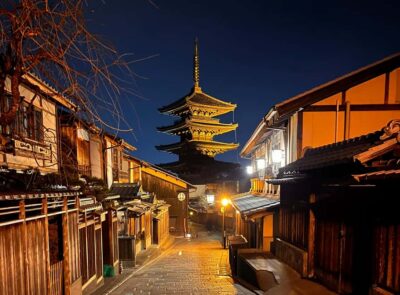
Gion Magical Night Walking Tour with Geisha Trivia
Read our review →
Imperial Palace and Shogun Historical Walking Tour
Read our review →
Gion Geisha District Walking Tour – Stories of Geisha
Read our review →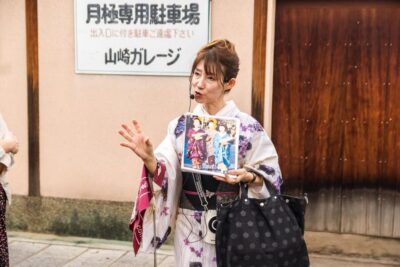
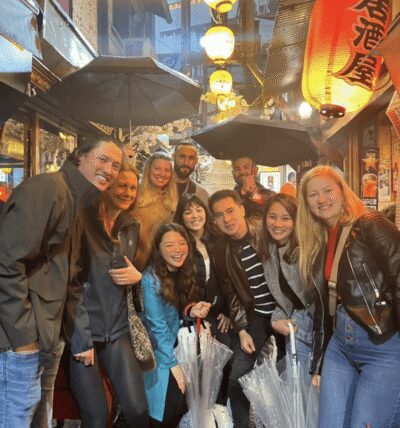
Shinjuku Local Bar and Izakaya Guided Walking Tour
Read our review →
Browse the lists this tour appears in