
Reviewed · DINING EXPERIENCES
Sushi Making in Tokyo at a Michelin-Listed Restaurant
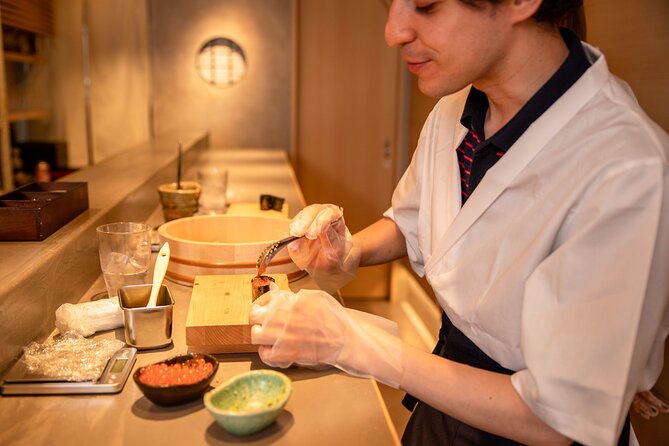
Sushi making is hands-on therapy. This Michelin-listed standing sushi class in Shibuya has you in a chef costume, learning to shape nigiri with expert guidance. I especially like that you both make 10 pieces yourself and get to taste the chef’s 10, so you can see the gap between good and master-level.
The small-group setup (max 10) also makes it feel personal, not like a conveyor-belt cooking demo. The one thing to keep in mind is that there has been at least one documented case of the venue closing due to an internal oversight, so I recommend you double-check on the day if you can, especially if you are flying in.
Key highlights to know before you go
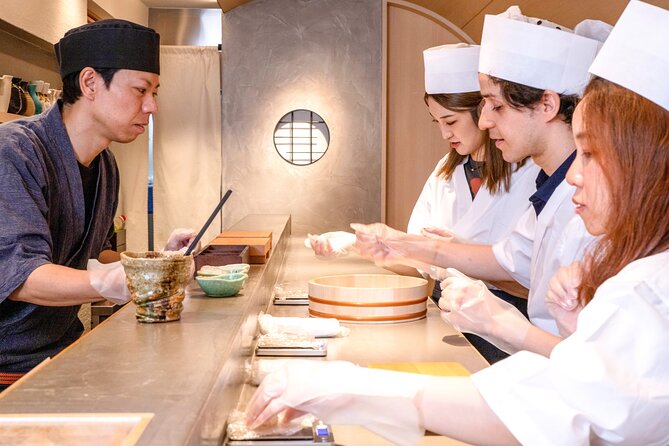
- Nigiri practice with a clear quantity goal: you make 10 pieces, so you get real reps.
- Chef made, chef tasted comparison: you also sample 10 pieces prepared by the chef.
- Chef costume included: you literally get into the role, and it keeps the class fun and focused.
- Tea or sake tasting is built in: you can choose what suits your mood.
- Small group, English guide, all tools provided: you are not stuck figuring out equipment while learning technique.
- Commemorative chopsticks to take home: a practical souvenir you will actually use.
Entering a Michelin-Listed Standing Sushi Kitchen in Shibuya
Tokyo sushi classes can be all talk. This one is built for doing. The setting is a standing sushi restaurant environment at Tachiguisushi Sushikawa in Shibuya’s Sasazuka area, and that matters more than you might think. Standing work changes your rhythm. It keeps your movements efficient. It also makes you pay attention to timing, because everything happens in close quarters around the sushi chef’s station.
You start at a meeting point in Sasazuka, Tokyo, then you go into the experience from there, and it ends back at the meeting point. The tour duration is about 1 hour 30 minutes, which is short enough to feel doable on a busy Tokyo day, but long enough to learn more than one technique. This is also capped at a maximum of 10 travelers, so you get space, not crowd energy.
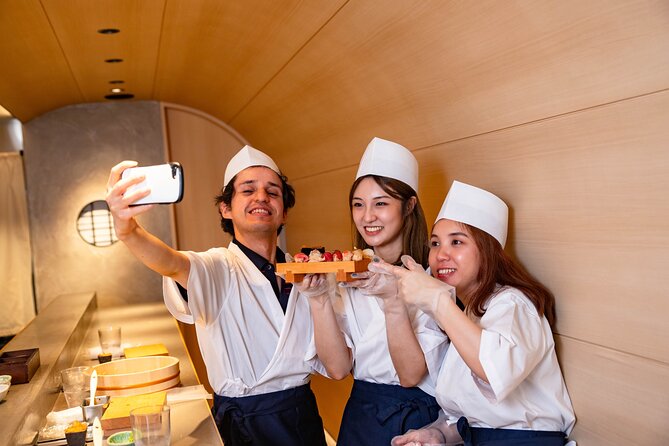
Dress code is part of the show. You’ll put on a sushi chef costume as part of the class. It might sound silly, but it works. When you are in costume, you stop treating it like a casual cooking show and start acting like a cook. That shift helps you absorb the steps faster, especially when the chef is watching closely.
One practical note: the experience includes an English guide. That reduces the risk of you missing the key point when sushi technique gets technical. You do not need Japanese sushi vocabulary to benefit here.
More Sushi Making Classes in Tokyo
- Sushi Making Tokyo Roll and Authentic Japanese Sushi Class
★ 5.0 · 3,971 reviews - Tokyo: Roll and Authentic Sushi Making Class in Asakusa
★ 4.9 · 1,957 reviews - Make Sushi and Create Unforgettable Memories in Tokyo
★ 5.0 · 1,413 reviews
How the 90 Minutes Actually Works: Costume, Training, and Your 10 Nigiri
The heart of the class is structured around nigiri making. You are not just observing, you are producing. The format goes like this:
1) You suit up and get ready at the start of the session.
2) The sushi chef and instructors teach you how nigiri is put together, step by step.
3) You make 10 pieces of nigiri sushi yourself.
4) You taste the chef’s 10 additional pieces and compare what you made to what “finished” looks like.
5) You wrap with a drink set, choosing Japanese tea or sake.
That “10 pieces” structure is a big deal for value. Many classes leave you with one or two perfect bites and a lot of watching. Here, the class is intentionally set up so you get repeated practice, so you can feel improvement within the same session. You can also compare textures and presentation, because you are doing the work and then sampling the result immediately.
A common surprise with nigiri is how much tiny details matter. Even if you do everything “right,” it might not look right at first. That’s normal. Nigiri is picky. Rice pressure, finger technique, and how the fish sits on top all affect the final look and bite.
In this class, the chef coaching is the difference between guessing and learning. The experience is designed for a “personal and immersive class experience,” and the small group size makes that real. If something is off, you have a chance to correct it while you still have pieces left to make.
If you are thinking of going as a team, this is also one of those activities that works well with couples and small groups. You’ll each get your own practice set, and you can talk after each stage about what felt easiest or hardest.
Comparing Your Nigiri to the Chef’s 10 Pieces
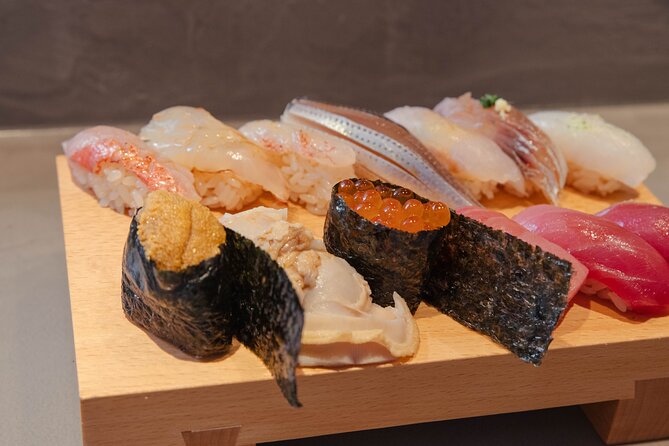
The best part of this sushi format is the built-in comparison. You do not just make sushi and leave. You also eat what the chef made, and you get 10 chef-made pieces to taste.
That helps you in two ways. First, it gives you a quality target you can see and then eat. Second, it helps you translate technique into flavor. It is one thing to know that the rice should be seasoned and the fish should sit a certain way. It is another thing to take a bite and realize how that technique changes the experience.
This is where you start to pick up what separates “good homemade sushi” from what you get in front of an expert. In many classes, the food you make is treated as the main event and the chef’s work is a garnish. Here, the chef’s output is part of the lesson.
You will also likely notice how different cuts and ingredient choices affect the bite. The class mentions upgraded ingredients for the chef’s prepared pieces. Even if you are not a sushi super-nerd, that still shows up on your tongue. The chef’s tasting pieces become your benchmark.
If you are the type who hates paying for food you cannot control, this may still be satisfying. You are controlling your learning and practice, then comparing outcomes. You get both parts of the experience: effort and payoff.
Tea or Sake With Your Sushi Lessons
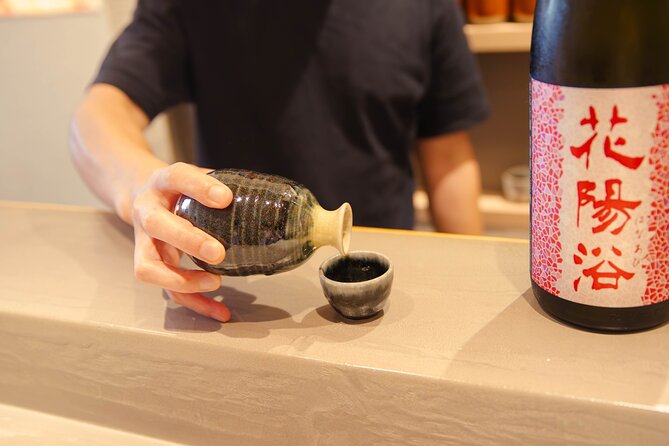
Part of making sushi work is pacing. You need a break from hands-on technique before you taste and evaluate. That’s why the included Japanese tea or sake set feels timed rather than random.
You can choose tea or sake. Either way, the drink helps reset your palate between bites. Sushi is delicate. Strong flavors from heavy sauces or large sips can steal focus. Tea is classic for that reason, and sake can be a fun choice if you want something that feels more celebratory.
This drink is included in the price, so you do not have to spend mental energy deciding what to order. You can spend that energy focusing on the real goal, learning what makes nigiri work.
If you usually avoid alcohol on tours, tea is your easy win. If you like sake, this is a simple, structured way to enjoy it without turning the session into a night out.
Same corner of Japan, a different kind of day:
- Mt Fuji and Hakone 1-Day Bus Tour Return by Bullet Train
★ 5.0 · 26,383 reviews - 1-Day Tokyo Bus Tour
★ 5.0 · 14,250 reviews - Tokyo: TOKYO SKYTREE® Admission ticket
★ 4.5 · 11,192 reviews - Tokyo: teamLab Planets TOKYO Digital Art Museum Entry Ticket
★ 4.6 · 9,779 reviews
Tools, All-Inclusive Prep, and the Chopsticks You Actually Want
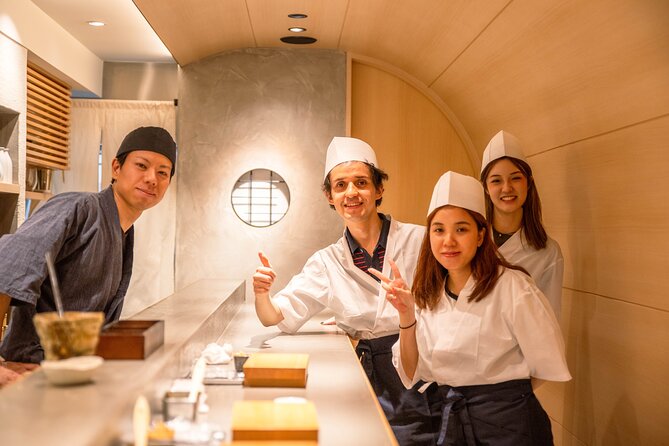
What you don’t have to do matters on a class like this. The experience includes all the tools required for sushi making and the sushi chef costume. That means you arrive, get ready, and start learning. You do not have to hunt for equipment in Tokyo, and you do not have to worry about whether the class uses the right kind of rice knife or other basics.
You also take home a souvenir: a pair of commemorative chopsticks. It is small, but it is also useful. If you buy chopsticks anywhere else in Tokyo, you might end up with something decorative. Here, the souvenir ties directly to the experience, so you have a reason to use it later and remember the session.
One subtle plus of this “all tools included” setup is that it keeps the lesson consistent. If half the group brought their own tools, the instruction would become harder to standardize. With the class providing everything, the chef and guide can teach with fewer variables.
And because the group is capped at 10 travelers, you are not fighting over shared equipment. That’s how you get better learning in less time.
Price and Value: Is $99.08 Worth It?
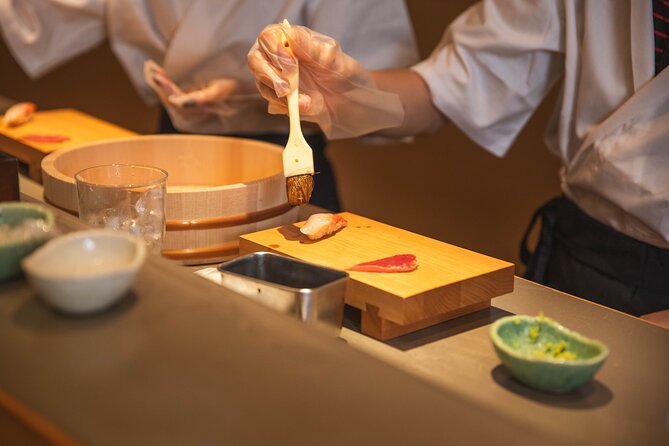
At $99.08 per person, you are paying for a short, guided, skill-building session, plus food and supplies. That is not a bargain price in the Tokyo-sample-menu sense, but it is also not “fancy restaurant” pricing.
Here’s what the price covers in plain terms:
- Sushi making materials and instruction
- The sushi chef costume
- The meal, including the sushi you make (10 pieces)
- The meal, including the sushi the chef makes for tasting (10 pieces)
- Japanese tea or sake
- A pair of commemorative chopsticks
- An English guide
When you stack it up, you are not just buying dinner. You are buying coaching time and practice reps. In Tokyo, that combination is where classes can become expensive fast, so it’s worth paying attention to how much active learning you get.
You also get mobility value. Transportation is not included, but the meeting point is near public transportation. That helps you avoid extra taxi costs, especially if you are staying around Shibuya or within easy rail reach.
My take: if you want to learn the mechanics of nigiri, eat what you make, and compare to expert-made pieces in one sitting, this is a fair value. If your goal is simply to eat sushi and you do not care about technique, you might find cheaper ways to eat extremely good sushi in Tokyo.
Who This Sushi Making Class Suits Best
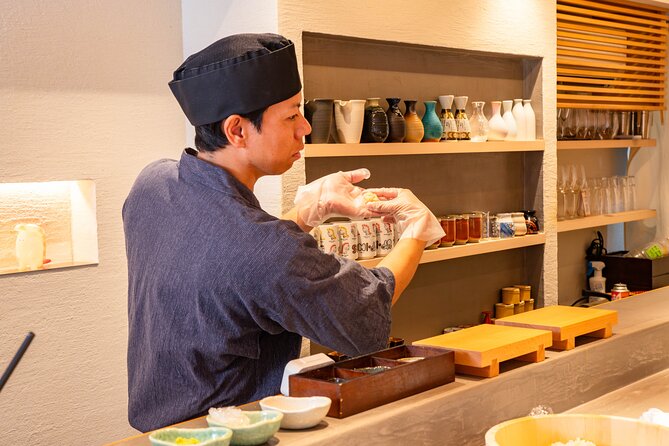
This class fits best if you want hands-on technique and you like structured learning with a clear payoff.
It’s a good match for:
- Couples, because the small group size keeps it interactive and not chaotic
- Food lovers who want to understand sushi beyond taste
- People who want a Tokyo activity that feels more personal than a museum stop
- Travelers who like the idea of taking home a skill, not just a photo
It may be less ideal if:
- You are looking for a long, slow, multi-hour culinary experience
- You hate standing for periods of time, since it’s described as a standing sushi restaurant setting
- You have very specific dietary needs and haven’t communicated them in advance
On that last point, the experience specifically asks you to inform them in advance if you have food restrictions or vegetarian preferences. They will consult to see suitable options. So do not assume. Message early so they can plan.
Practical Sushi-Making Tips You Can Use After You Go
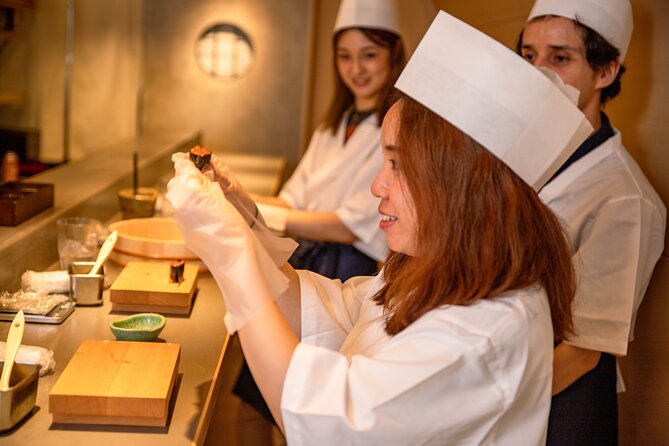
Even though the class is only about 90 minutes, nigiri technique is learnable in small chunks. Here are focus areas that typically matter most, and they line up with what you experience in a well-run nigiri class:
1) Work with the right rice feel. Nigiri rice is not “regular cooked rice.” It has a seasoning balance and a temperature that makes shaping possible. If rice is too hot or too cool, it changes everything.
2) Use gentle, consistent hand pressure. The goal is control, not smashing. Your hands should guide the rice, not crush it.
3) Let the fish sit correctly. The fish should rest on top cleanly, with the right balance. If you overhandle fish, you change its texture and presentation.
4) Taste while you can still compare. In class, you eat your pieces and then the chef’s. After you leave, do the same mentally: try one bite you make at home and ask what changed.
5) Keep your fish portion realistic. If you try to copy restaurant portion sizes at home without the same ingredients, you might get frustrated. Start with a simpler portion that you can shape cleanly.
Also, give yourself permission for the look to lag behind the taste. Nigiri can taste great before it photographs perfectly. That’s part of why a chef-led lesson helps.
Should You Book This Sushi Making Experience?
Book it if you want a short Tokyo activity that teaches you a skill, not just a meal. You get the best of both worlds: practice making 10 nigiri pieces, plus a chef tasting of 10 pieces, and you finish with tea or sake and a souvenir chopstick set. The small group size and English guide are strong practical reasons to choose it.
Skip it or think twice if any of these apply:
- You are very risk-averse about last-minute venue issues. There has been at least one case of the venue being closed due to internal preparation oversight. You can reduce stress by confirming details and having some flexibility in your schedule.
- You don’t care about technique and just want to eat. In that case, Tokyo has plenty of excellent sushi options that cost less time and money.
If you’re on the fence, here’s your simple decision rule: if you want to come home able to say I learned nigiri technique and you can picture shaping rice and fish, this class is the right kind of souvenir.
FAQ
How long is the sushi making class in Tokyo?
The experience is about 1 hour 30 minutes.
Where does the experience take place?
It takes place in Shibuya, Tokyo, with the meeting point at 151-0073 Tokyo, Shibuya, Sasazuka, 1-chōme626 プライムブリス笹塚.
What is included in the price?
It includes sushi making tools, the sushi chef costume, the sushi you make, the sushi made by the chef, a Japanese tea or sake set, a souvenir pair of commemorative chopsticks, and an English guide.
Do I get to make sushi, or do I only watch?
You will make nigiri sushi and you will also taste nigiri made by the chef. The class notes that you make 10 pieces yourself and taste 10 made by the chef.
Is tea or sake included?
Yes. You can choose between a Japanese tea or sake set.
How large is the group?
The experience has a maximum of 10 travelers.
What about dietary restrictions or vegetarian preferences?
If you have food restrictions or vegetarian preferences, you should inform the organizers in advance so they can consult to see suitable options.
Is transportation included?
No, private transportation is not included.
Is free cancellation available?
Yes. You can cancel up to 24 hours in advance for a full refund.
More Dining Experiences in Tokyo
- Tokyo Bar Hopping Tour in Shinjuku (All-You-Can-Drink + Dinner)
★ 5.0 · 3,587 reviews - Tokyo: Sumo Show and Dining Experience
★ 4.8 · 2,742 reviews - Tokyo: Samurai Restaurant Show Ticket with 2 Drinks
★ 4.5 · 1,307 reviews - Sumida River: Japanese Traditional Yakatabune Dinner Cruise
★ 4.6 · 779 reviews
Fresh options around Tokyo
- Tokyo: Nikko Kegon Falls Lake Chuzenji Toshogu Temple & More★ 4.9 · 12 reviews
- Tokyo: Samurai History Walking Tour★ 5.0 · 12 reviews
- Harajuku: Kawaii Fashion and Pop-Culture Tour★ 4.7 · 12 reviews
- Tokyo: Mt. Fuji & Lake Kawaguchi Instagram Full Day Trip★ 4.1 · 12 reviews
- Shibuya Tokyo: Modern Kintsugi Workshop in Shibuya★ 5.0 · 12 reviews
- Tokyo: GTR Guided Daikoku Experience at Night★ 5.0 · 12 reviews
- Tokyo: Daikoku JDM Car Culture Tour★ 4.6 · 12 reviews
- Mt Fuji Private Day Trip from Tokyo with English speaking driver★ 5.0 · 13 reviews
Dining Experiences, compared.
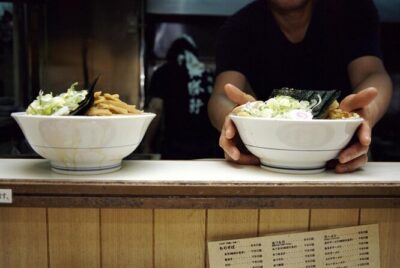
Tokyo Bar Hopping Tour in Shinjuku (All-You-Can-Drink + Dinner)
Read our review →

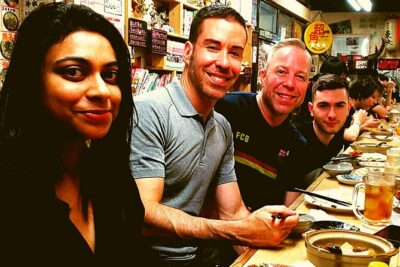
Deep Backstreet Osaka Tours (Option to add Dinner)
Read our review →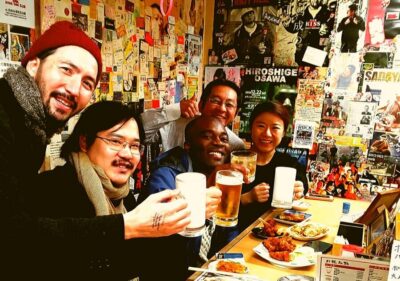
Deep Backstreets Walking Tour with Dinner Option
Read our review →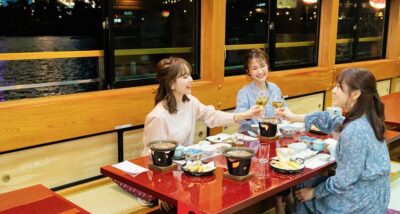
Sumida River: Japanese Traditional Yakatabune Dinner Cruise
Read our review →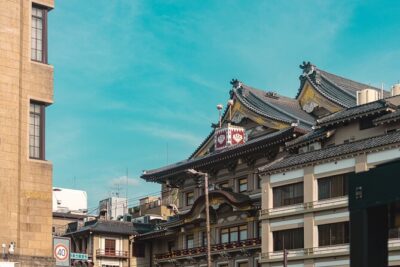
Kyoto Gion Cultural Walk & Geisha Show with Dining Options
Read our review →Kyoto Gion Cultural Walk & Geisha Show with Dining Options
Read our review →Browse the lists this tour appears in