
Reviewed · WALKING TOURS
Private Ginza Architecture Walking Tour
Ginza looks better when you look up. This private architecture walking tour is built for your interests, with an English speaking guide and two start times, so you can fit it into your day. You end the walk with a much clearer sense of how Ginza layers old Tokyo, theater culture, and sleek modern design into the same blocks.
I love two things right away: a guide who tailors the route to your interests, and access that goes beyond street views. You are not just looking at facades, you also step into key places like Tsukiji Hongwanji Temple, Kabukiza Theater, and the Nicolas G. Hayek Center. The tour also includes a cozy drinks pause, which sounds small until you realize it keeps the pacing friendly instead of rushy.
One thing to keep in mind is that several stops are brief, and some are photo moments from the outside. If you want long museum-style time in every building, you may feel the schedule is tight.
Key points to know before you go
- Private group, max 5 people, so questions and pacing stay flexible
- English guide with architectural, cultural, and historical context
- Inside access at multiple stops, not just “look and walk on” sightseeing
- Two departure times, which helps when your Tokyo plans are packed
- A included drinks pause, so you can recharge without hunting for a cafe
A Ginza Architecture Tour That Feels Personal
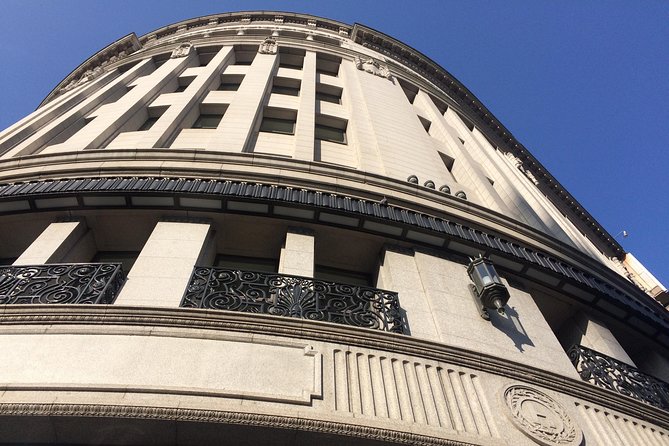
Ginza can be confusing on your own. The streets are orderly, the buildings are shiny, and the design details that matter most are often above eye level. This tour solves that by putting you with a guide who can point out what to look for and why it exists.
You also get a level of control that group tours usually do not provide. It is private, and the walk is described as happening at your own pace, with the guide adjusting to your interests and your knowledge level. In past groups, guides such as Yoko, Yoshi, Eriko, Mari, Makoto, and Haruka have been praised for clear explanations and for shaping the talk around what people want to learn.
More Walking Tours in Tokyo
- Tokyo Tsukiji Fish Market Food and Culture Walking Tour
★ 5.0 · 3,184 reviews - Tokyo: Imperial Palace and Shogun Historical Walking Tour
★ 5.0 · 2,251 reviews - Tokyo: Shinjuku Local Bar and Izakaya Guided Walking Tour
★ 4.9 · 1,794 reviews
How the 3.5 Hour Format Works in Real Life
The total time is about 3 hours 30 minutes, and you will cover the sights mostly on foot. That makes it ideal if you want a focused half-day activity without committing to an all-day tour.
The tour uses two departure times, so you can choose the one that matches your energy and the rest of your itinerary. Since the stops include both interiors and exterior views, I suggest choosing the time when you are most likely to enjoy walking in crowds and around department stores.
Physical demands are listed as moderate fitness. You do not need to be a marathon runner, but you should be comfortable walking and stopping often for photos and explanations.
Stop-by-Stop: What Each Building Teaches You
This is where the tour earns its price. The itinerary is small enough to feel coherent, yet varied enough to show you Ginza in layers.
Ginza Streetscape (the warm-up walk, about 40 minutes)
You start in Ginza, where the guide sets the visual rules of the game. Instead of only looking forward, you start paying attention to proportions, entrances, street-level “flow,” and how buildings announce themselves.
This is a smart opener because it teaches you what to notice later. Once you have that rhythm, the theater, the shrines, and the luxury architecture stop feeling like random photo stops.
Same corner of Japan, a different kind of day:
- Mt Fuji and Hakone 1-Day Bus Tour Return by Bullet Train
★ 5.0 · 26,383 reviews - 1-Day Tokyo Bus Tour
★ 5.0 · 14,250 reviews - Tokyo: TOKYO SKYTREE® Admission ticket
★ 4.5 · 11,192 reviews - Tokyo: teamLab Planets TOKYO Digital Art Museum Entry Ticket
★ 4.6 · 9,779 reviews
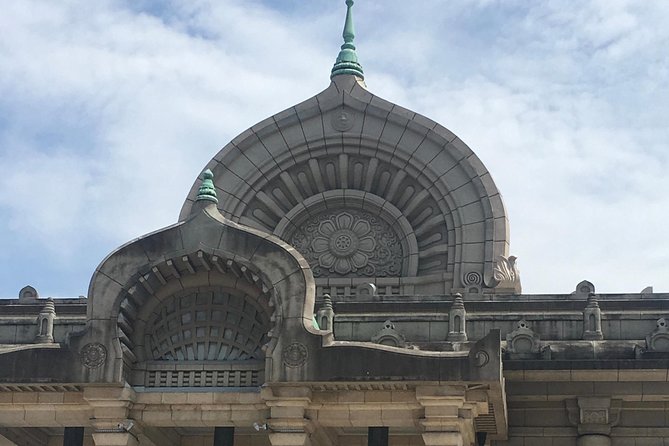
Tsukiji Hongwanji Temple (step inside, about 10 minutes)
Next comes Tsukiji Hongwanji Temple, and the big difference here is that you go inside. In a district known for shopping and modern signage, an active temple gives you an immediate sense of continuity.
Even with a short visit, stepping in changes your perspective. You get contrast: the calm of a religious space versus Ginza’s polished commercial energy.
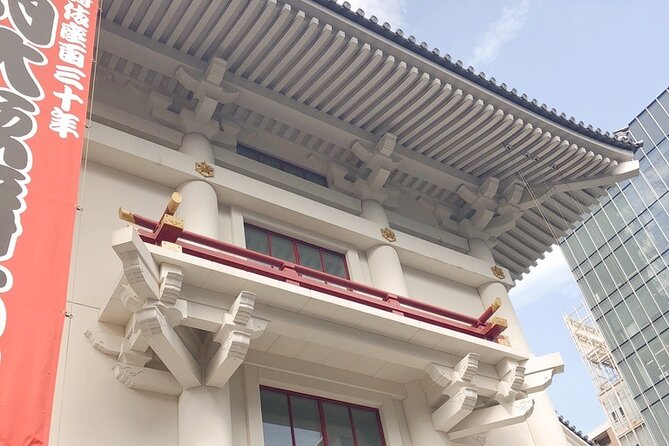
Kabukiza Theater (inside access, about 20 minutes)
Kabukiza Theater is an important stop for anyone who wants culture, not just architecture. Going inside lets you see the place as more than a landmark from outside.
Kabuki is one of Japan’s best known performance traditions, and the theater building is part of that identity. The guide’s architectural and historical framing is what makes the building feel like a story, not a facade.
Nicolas G. Hayek Center (inside visit, about 15 minutes)
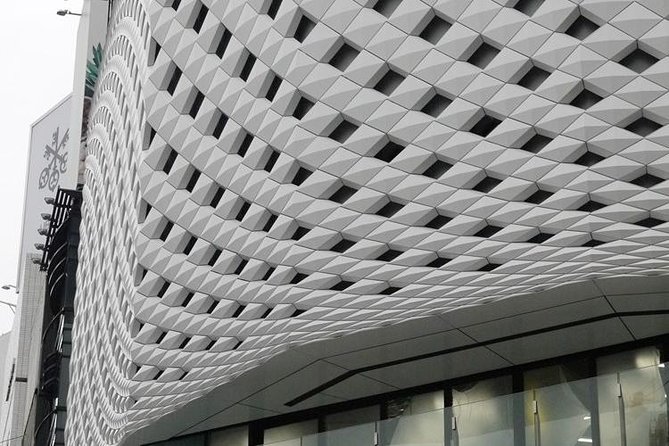
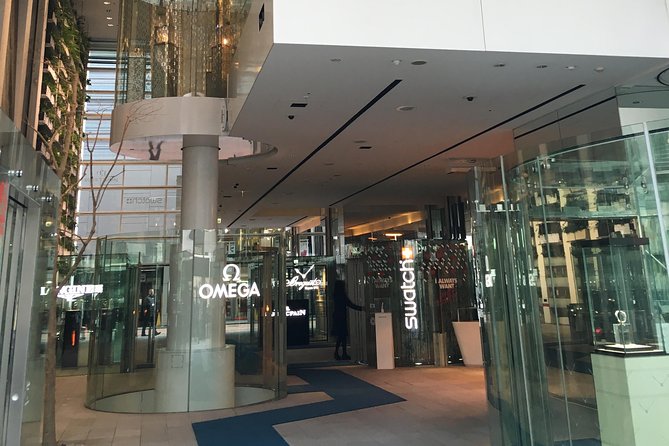
The Nicolas G. Hayek Center adds a modern design angle that fits Ginza’s reputation for design-forward brands. The point is not just to admire a new building, it is to understand how modern corporate architecture communicates confidence and precision in a neighborhood shaped by luxury.
When a guide points out details here, it helps you learn how contemporary architecture behaves when it sits next to older city textures.
Toyoiwa Inari Shrine (a short stop, about 5 minutes)
You then hit Toyoiwa Inari Shrine. The visit is brief, but that is part of the charm. It gives you a quick moment of sacred atmosphere and a visual reminder that city life and spirituality have long coexisted in Tokyo.
For photo lovers, this is also a useful mental reset. After luxury and theaters, a shrine refocuses you on craftsmanship and symbolism.
Ginza Maison Hermes Le Forum (inside visit, about 15 minutes)
At Ginza Maison Hermes Le Forum, you move into the world of luxury architecture. The tour includes an inside component, which matters because the design choices people talk about online often look different once you are inside the space.
This is also a good stop for learning how brands translate design into experience, including materials, lighting, and layout. If you like the “why” behind the look, this is one of the most satisfying portions.
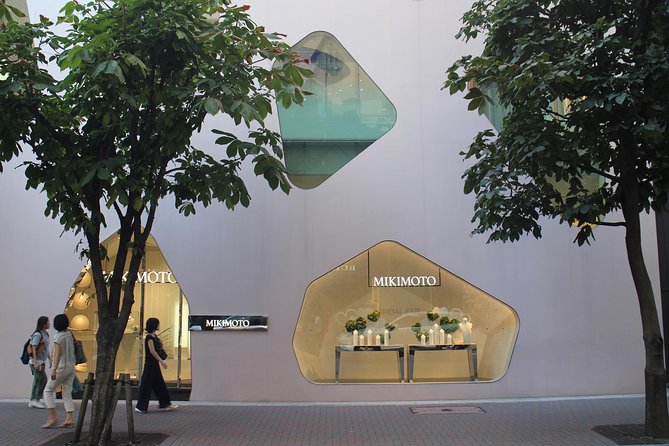
Mikimoto Boutique Ginza 2-chome (inside if time allows, about 5 minutes)
This stop is listed as if we have time, and you will only enjoy it if the pace and timing work out. That means you should treat it as a bonus rather than a guaranteed highlight.
Still, it is a fitting touch for Ginza. Mikimoto is associated with pearls and signature design, and the guide’s context can help you connect the brand story to local architecture cues.
UNIQLO Tokyo (outside view, about 10 minutes)
UNIQLO Tokyo is a surprising but useful contrast. You mostly view it from outside, which keeps things practical and lets the guide show you how “everyday” retail architecture fits into the same streetscape as high-end design.
Even if you do not shop, it helps you understand Ginza as a real neighborhood, not a set of only luxury landmarks.
Mikimoto Ginza 4-chome Honten (outside view, about 5 minutes)
Another Mikimoto stop appears as an outside look at Mikimoto Ginza 4-chome Honten. A short exterior visit can still be meaningful because you can compare it to the earlier interior stop and notice how each setting emphasizes different aspects of design.
Wako Ginza (outside view, about 10 minutes)
Wako Ginza gets a slightly longer exterior viewing window. This is great for slowing down and really looking at building identity. In Ginza, exterior details often do the heavy lifting, and a guide can point out what you would otherwise miss.
Okuno Building (inside visit, about 10 minutes)
The tour ends at Okuno Building, with an inside visit. This final stop is where you often feel the tour’s payoff. By then, you have learned how to look, how to compare, and how to connect design details to context.
The final internal moment helps your brain file the experience as more than a sequence of photos. It becomes an understanding of Ginza’s architecture logic.
The Best Part Is the Pause With Drinks
One of the included perks is a cozy pause with drinks along the way. That small detail is not just comfort. It changes the way you experience a walking tour.
Without it, people tend to rush from one building to the next. With it, you can reset, ask better questions, and keep the walk enjoyable rather than exhausting.
Guides Who Turn Buildings Into Stories
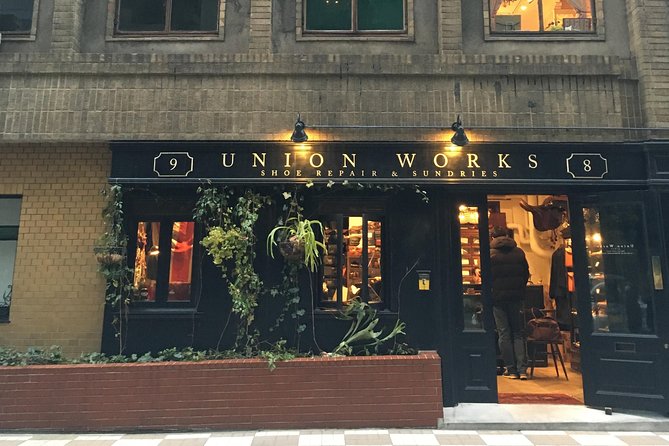
A big theme in the tour feedback is that guides manage to be both friendly and clear. You can see this in how different guides are mentioned for different strengths, like Eriko being praised for super clear explanations, or Mari being noted for excellent English and accommodation, or Makoto being described as enthusiastic and quick to tailor the route.
One guide is even described as an urban planner, which matters. Urban planners tend to explain not only what a building looks like, but how it fits into zoning, streets, and how people move.
If you are new to Tokyo, a good guide helps you build a mental map fast. If you have visited before, they can still give you fresh angles, including how to look up instead of just forward or down at your feet.
Where This Tour Is Best Value
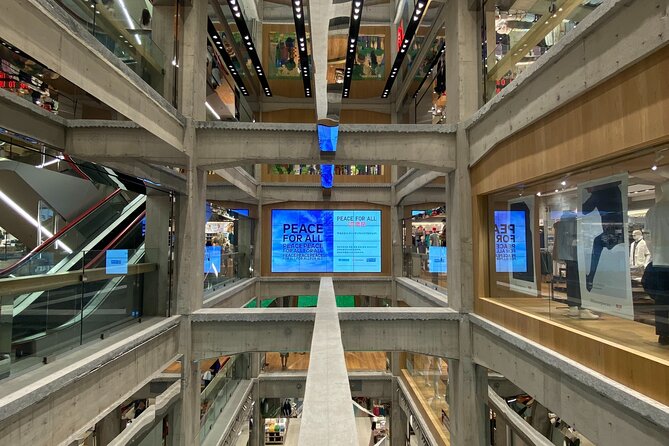
Let’s talk price in a practical way. At $132.10 per person, you are paying for a private English licensed guide, a small group size (up to 5 people per booking), and multiple stops with inside access plus a drink pause.
You are also not paying for admissions at the stops listed, since the tour includes admissions as free for each of the locations in the itinerary. That can add up when you are comparing against other guided city walks that only do exterior views.
Is it cheap? No. But it can be a strong value if you want guidance that changes how you see the neighborhood, not just a walk through shopping streets.
Who Should Book This Ginza Architecture Walk
This tour is a great fit if you want:
- Architecture and design context you can follow without needing a background
- A private format where your questions matter
- A Ginza experience that mixes modern luxury and cultural sites
- An activity that is long enough to feel complete, but short enough for a same-day plan
It is also worth considering if you are visiting Tokyo for the first time, and you want a shortcut to understanding why Ginza looks the way it does. The inclusion of temples and theater makes it more than a “brand street” tour.
If you hate walking, or you only want long time inside a single venue, this may not match your style. Several stops are intentionally short, and some are exterior views.
Should You Book It? My Take
I would book this tour if your ideal Tokyo day includes learning while you walk. The mix of inside and outside stops, plus customization, makes it more flexible than a standard sightseeing loop.
I would hesitate only if you are expecting hours in just one building, or if you want a tour that avoids walking through busy shopping areas entirely. For most people, the tradeoff is worth it because the guide helps you focus on what you see and how it connects.
If you like Ginza but want to understand it, this is one of the smarter ways to spend a few hours.
FAQ
How long is the private Ginza architecture walking tour?
The tour lasts about 3 hours 30 minutes.
Is this tour private?
Yes. It is a private tour, and only your group participates, with a maximum of 5 people per booking.
What language is the tour in?
The tour is in English.
What major stops are included?
You visit Ginza and several specific sites, including Tsukiji Hongwanji Temple, Kabukiza Theater, Nicolas G. Hayek Center, Toyoiwa Inari Shrine, Ginza Maison Hermes Le Forum, and you also view places from outside such as UNIQLO Tokyo, Mikimoto Ginza 4-chome Honten, and Wako Ginza. You also end with an inside visit at Okuno Building.
Is admission included?
The itinerary lists admission tickets as free for the listed stops, and the tour includes the visits to those locations.
Is hotel pickup and drop-off included?
No, hotel pickup and drop-off are not included.
Fresh options around Tokyo
- Tokyo: Nikko Kegon Falls Lake Chuzenji Toshogu Temple & More★ 4.9 · 12 reviews
- Tokyo: Samurai History Walking Tour★ 5.0 · 12 reviews
- Harajuku: Kawaii Fashion and Pop-Culture Tour★ 4.7 · 12 reviews
- Tokyo: Mt. Fuji & Lake Kawaguchi Instagram Full Day Trip★ 4.1 · 12 reviews
- Shibuya Tokyo: Modern Kintsugi Workshop in Shibuya★ 5.0 · 12 reviews
- Tokyo: GTR Guided Daikoku Experience at Night★ 5.0 · 12 reviews
- Tokyo: Daikoku JDM Car Culture Tour★ 4.6 · 12 reviews
- Mt Fuji Private Day Trip from Tokyo with English speaking driver★ 5.0 · 13 reviews
Walking Tours, compared.
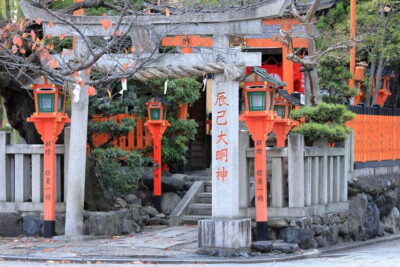
Kyoto Geisha Walking Tour: Gion District & Hidden Gems
Read our review →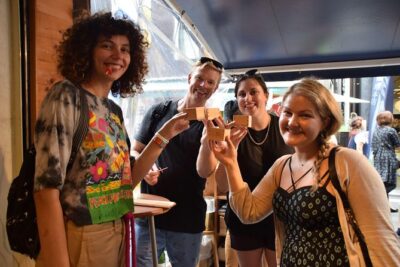
Tokyo Tsukiji Fish Market Food and Culture Walking Tour
Read our review →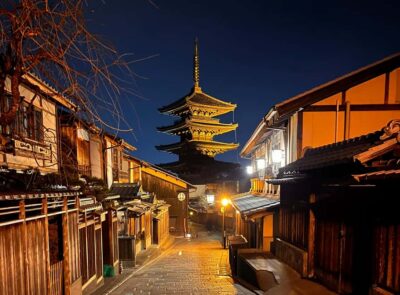
Gion Magical Night Walking Tour with Geisha Trivia
Read our review →
Imperial Palace and Shogun Historical Walking Tour
Read our review →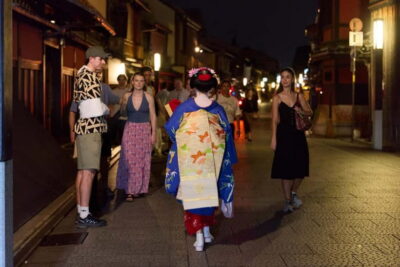
Gion Geisha District Walking Tour – Stories of Geisha
Read our review →
Shinjuku Local Bar and Izakaya Guided Walking Tour
Read our review →
Browse the lists this tour appears in