
Reviewed · DESSERT TOURS
Kyoto: Japanese Traditional Sweets Making and Tea Ceremony
Matcha and sweets, taught step by step. In Kyoto, you make two seasonal Nerikiri sweets from Kyoto bean paste, then join a tea routine with Uji matcha. It is a hands-on break from sightseeing, right by Gojo Station.
What I love most is the craft part. You start by coloring the white bean paste and shaping it into high-grade Nerikiri that matches the season, so it feels more like creating art than copying a souvenir. I also like the English support, since the instructor is Japanese but works hard to make instructions understandable, including switching to English when needed.
One thing to consider is that the flow can feel time-sensitive. There is no elevator, so you will use stairs, and a few parts of the tea segment can run a bit quicker than what some people expect from a full, slow ceremony. If you want a silent, slow “Zen” version, adjust your expectations.
Key things you should know before you go
- Two seasonal Nerikiri sweets: you make both treats yourself, crafted from colored white/red bean paste.
- Kyoto-made bean paste: the sweet base comes from long-established Kyoto shops, not generic ingredients.
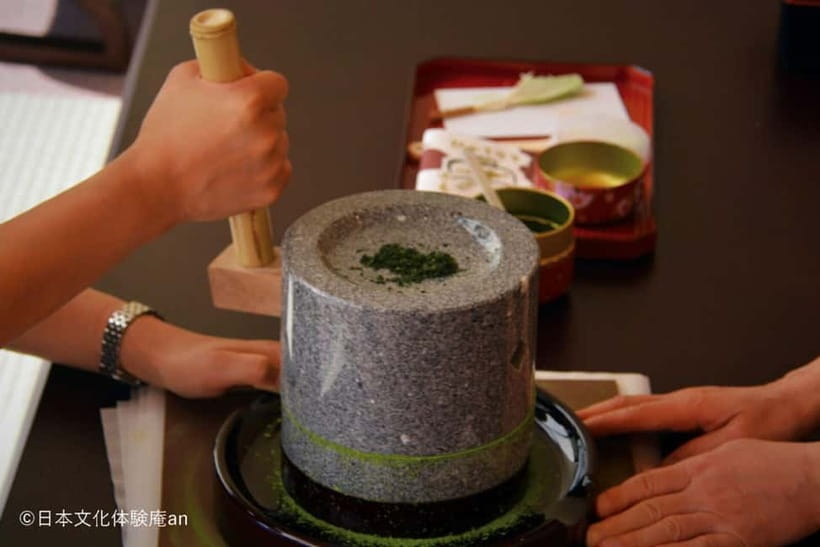
- Single-origin Uji matcha: you prepare matcha and drink it with your sweets.
- Friendly pacing for mixed groups: instructions are broken into steps so you can keep up, even if you are not confident with Japanese.
- Central meeting point: it is about a minute walk from Gojo Station Exit 1.
- Stairs inside: the building has no elevator, and you will take stairs to reach each venue area.
A 95-minute Kyoto reset near Gojo Station
This is the kind of class that makes your Kyoto day feel less like a checklist and more like a pause. The whole experience runs about 95 minutes, so you can fit it between temple visits, lunch, or evening plans without losing half your day.
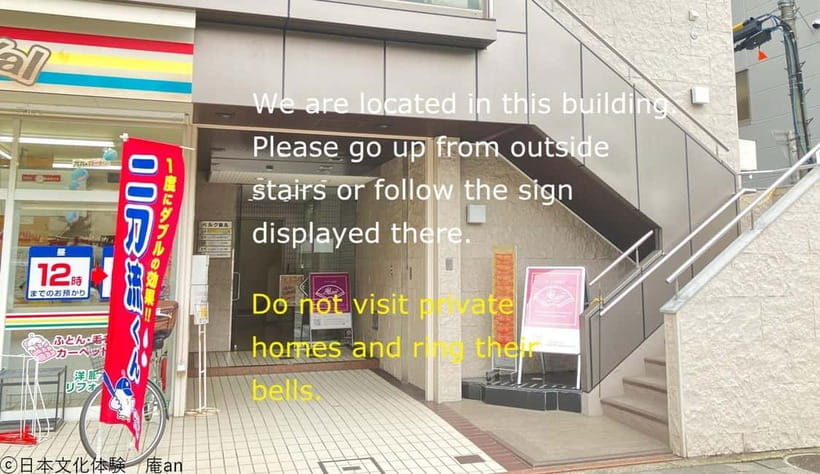
The meeting point is easy if you land on the Karasuma Line. You meet about a one-minute walk from Exit 1 of Gojo Station, and the storefront entrance faces the main street, Gojo-dori. If you like arriving early, you have a small buffer because the experience is scheduled and they will not stretch the timing for delays.
One small practical note: the class happens in a venue with no elevator. Even though it is described as wheelchair accessible, you should be ready for stairs, since the space uses steps to reach different areas.
More Tea Ceremonies in Kyoto
- Kyoto: Tea Ceremony in a Traditional Tea House in Kiyomizu
★ 4.9 · 3,519 reviews - Kyoto: Tea Ceremony Ju-An at Jotokuji Temple
★ 4.9 · 3,207 reviews - Kyoto: 45-Minute Tea Ceremony Lesson Experience
★ 4.3 · 2,378 reviews
Nerikiri sweets: colored bean paste and seasonal shaping
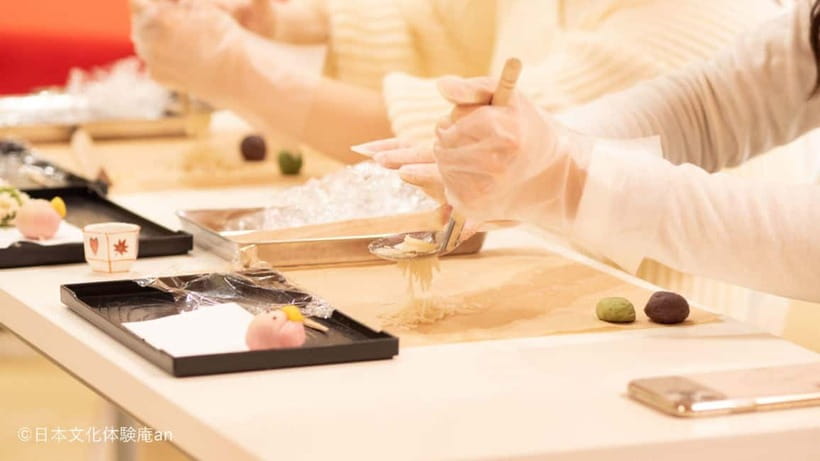
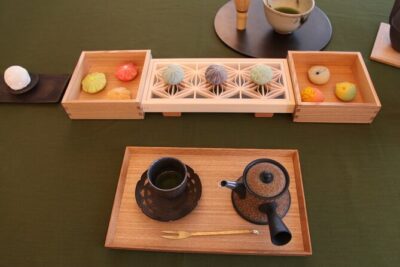
The heart of the class is Nerikiri, a higher-grade Japanese sweet made by coloring white bean paste and forming it into seasonal shapes. The goal is not just taste. You are learning how the paste behaves, how color changes the look, and how the shaping turns into a recognizable flower or fruit theme for the season.
You do not start with finished sweets. You start from the base: you begin by coloring the white bean paste. Then you shape it into the two sweets you will eat at the end. That “from ingredient to finished treat” feeling is what makes this more rewarding than a basic demo.
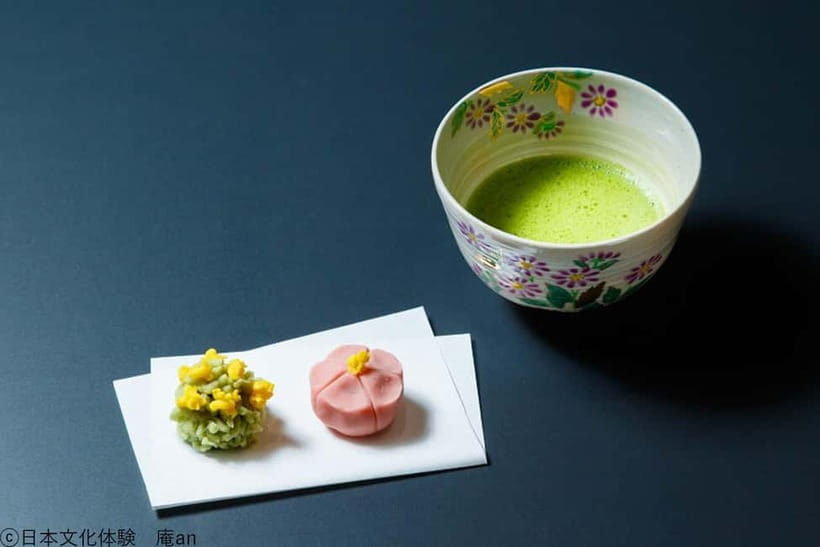
You will make two Japanese sweets that match the season. Nerikiri often represents seasonal flowers and fruits, and here that idea is built into your hands-on work. When you see what you made sitting on the table later, it hits differently than buying something wrapped and labeled.
Expect the process to be step-by-step rather than overly technical. Some participants loved that it was friendly and clear, and a few noted it is not the deepest possible training in traditional confectionery technique. Still, if you want a fun, cultural hands-on craft with real payoff, this is exactly the sweet spot.
Tea ceremony with Uji matcha: preparation, then tasting
After the Nerikiri, the tone shifts from craft to calm. You prepare your matcha and then join a tea segment with Uji matcha. Uji is Kyoto’s famous matcha region, and using a single-origin style matters because it keeps the flavor simple and consistent, so your matcha tastes like something specific, not like a generic powder.
The experience is designed so you do not just watch and then leave. You make the tea yourself, then you get to enjoy the sweets you prepared alongside your own matcha. That pairing is the point, since Nerikiri and matcha are meant to balance each other. The bean paste sweetness gives the matcha something to stand next to.
Now, a balanced heads-up: several people found the tea portion to be shorter or less like a long, traditional ceremony than they expected. Some described it more as a guided lesson on how to drink matcha and the etiquette basics. That can still be enjoyable, especially if you want practical learning, but if you are hunting for the slow, formal version, keep your expectations aligned with a classroom-style experience.
The matcha and sweet pairing, and why the quality shows up
You are using white/red bean paste produced by Kyoto’s long-established shops, and that quality shows in the final bite. The sweet’s sweetness is described as capable of balancing the taste of the matcha, which is exactly what you want. If the paste were lower quality or too sugary, the matcha can end up tasting sharp or bitter instead of rounded.
Because you use single-origin special matcha, you are tasting a more focused flavor profile. In plain terms, it makes the whole experience feel intentional: you create a seasonal Nerikiri, then drink a matcha that is meant to complement it. This is one of those experiences where the “why” matters as much as the “what.”
If you like red bean paste, this will feel satisfying. If you are not a fan of anko, you might still enjoy it for the craft and the tea segment, but the sweets themselves will be a key part of the flavor experience.
Same corner of Japan, a different kind of day:
- PERFECT KYOTO 1-Day Bus Tour
★ 5.0 · 13,518 reviews - Kyoto: Fushimi Inari, Kinkakuji, Bamboo Grove 1 Day Bus Tour
★ 4.8 · 4,316 reviews - Kyoto Geisha Walking Tour: Gion District & Hidden Gems
★ 4.7 · 3,273 reviews - Kyoto: Gion Magical Night Walking Tour with Geisha Trivia
★ 4.9 · 2,393 reviews
Price and value: why $18 can make sense in Kyoto
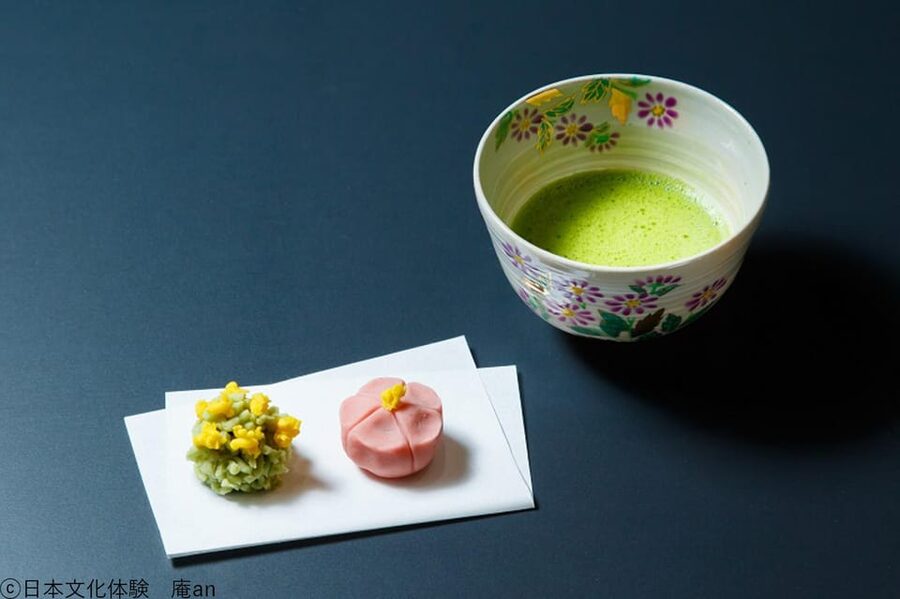
At $18 per person for a 95-minute class, this is priced in a way that feels attainable for most budgets. More importantly, you get more than a tasting. You make two Nerikiri sweets and you prepare and drink matcha.
In Kyoto, you can spend a lot on food experiences that are mostly observation. Here, your hands are busy, your outcome is edible, and you walk away with a memory that is tied to something you did, not just something you watched.
Could it be less “deep” than a specialist confectionery workshop? Yes, some feedback suggests it is not a super intensive training. But as a value play, you are getting:
- hands-on seasonal sweet making
- matcha preparation
- a guided way to understand how the tea fits the sweets
If you want a genuine Kyoto food culture activity without paying premium prices for a full day, this is worth considering.
Who should book this class (and who might skip it)
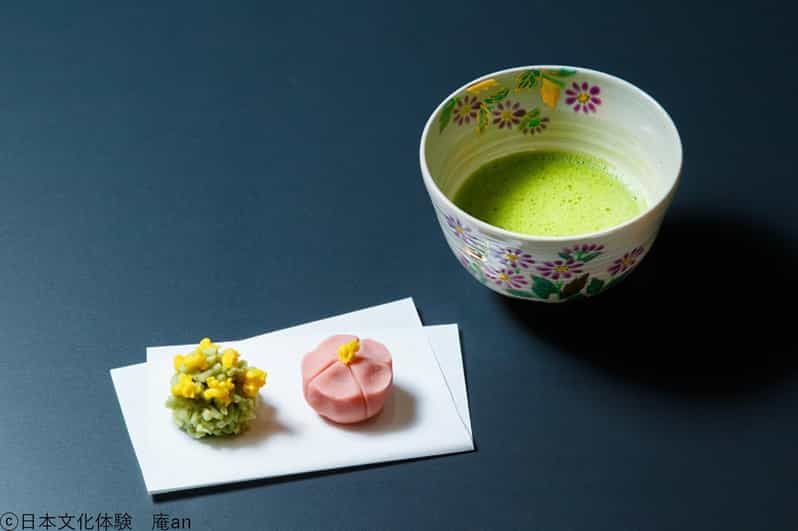
This is a great fit if you:
- want a low-stress activity that still feels cultural and hands-on
- like sweets and want to understand them through making
- enjoy matcha and want to learn how to drink it properly, not just order it
- prefer a smaller, guided pace over a fast group tour
It might be less ideal if you:
- want a long, formal tea ceremony with lots of quiet time
- get frustrated when instructions are not fully in your language every moment
- have mobility needs that make stairs difficult, since there is no elevator
If you are traveling as a couple, solo, or with older kids, this can work nicely because the craft part gives everyone something to focus on. If you are with younger kids, the class notes that children under 2 who sit on a parent’s lap are free, but the stairs are still a real consideration.
Tips to get the most out of your Nerikiri and matcha session
A few practical ideas can improve your experience fast.
Go in hungry, not starving. You are making sweets and then eating them with tea, so you want to be comfortable enough to enjoy the flavors.
Plan for language variations. The session is described as Japanese, with English translation provided as much as possible. In real use, that can mean the instructor starts in Japanese and then ramps up English when they see you need it. If you want extra support, you can request it, but assume you may still rely on visual steps at times.
Expect a friendly, hands-on classroom vibe. Several people liked the pacing, and the steps are designed to keep the group moving. That means it is not a museum-like slow sit-down for every single detail.
Be ready for noise if the group mix changes. A few participants noted that when other students join only for part of the experience, the room can feel louder during the tea segment. That is not a deal-breaker, but it is good to know.
Optional add-ons exist. You can purchase a sweets take-out box for 100 JPY. There is also an experience completion certificate for 300 JPY if you want a souvenir beyond the sweets.
Should you book this Kyoto sweets and tea ceremony class?
I think you should book if your Kyoto trip includes “I want one food activity where I do something” and you are open to a guided, classroom-style version of tea etiquette. For the price, the combination of seasonal Nerikiri making plus your own Uji matcha is a strong value.
You might skip it if your main goal is a long, silent, formal ceremony atmosphere, or if stairs are a major problem for you. Also, if you dislike red bean paste, the sweets will be a big part of the experience, since you eat what you make.
If you want a practical Kyoto cultural moment that is not too expensive, not too exhausting, and actually ends with something tasty you created, this is a smart pick.
FAQ
How long is the Kyoto Japanese Traditional Sweets Making and Tea Ceremony?
The experience lasts about 95 minutes.
Where do I meet for the class?
It is a one-minute walk from Exit 1 of Subway Karasuma Line Gojo Station. The store entrance faces Gojo-dori.
What sweets will I make?
You will make two Japanese sweets called Nerikiri that match the season.
Do you use matcha from Uji?
Yes. The tea ceremony uses Uji matcha, and you will use single-origin special matcha.
Is the class offered in English?
Japanese is the main language, but English translation is provided as much as possible. You can contact the provider if you would like to add English support.
What is included in the price?
The included item is a set of the Japanese traditional sweets making and tea ceremony experience.
Are take-out boxes or certificates available for purchase?
Yes. A sweets take-out box is available for 100 JPY, and an experience completion certificate is available for 300 JPY.
What are the operating hours?
Operation hours are from 10:00 to 17:00. Reservations received after 17:00 are processed the next day.
Is the venue wheelchair accessible?
The activity is listed as wheelchair accessible, but there is no elevator, and you need to take stairs to reach each venue area.
What is the cancellation policy?
You can cancel up to 24 hours in advance for a full refund. Cancellation fees may apply otherwise, and travel expenses to the venue are not compensated if you cancel.
Fresh options around Kyoto
- Kyoto: Quiet and Graceful Tea Ceremony★ 4.5 · 19 reviews
- Oboro | Mindful Tea Ceremony in a 100-Year-Old Kyoto Teahouse★ 5.0 · 19 reviews
- Ikebana Traditional Japanese Art of Flower Arranging★ 4.5 · 19 reviews
- Kyoto Satoyama Cycling with Lunch and English Guide★ 5.0 · 19 reviews
- Tea Ceremony Experience in Traditional Kyoto Townhouse★ 5.0 · 19 reviews
- Kyoto International Party Solo Friendly Expats and Locals★ 5.0 · 19 reviews
- Kyoto: Amanohashidate Ine Funaya Tour★ 4.4 · 19 reviews
- Kyoto Private Food Tours with a Local Foodie: 100% Personalized★ 4.5 · 19 reviews
Dessert Tours, compared.

Matcha Making Class in Tokyo with Authentic Japanese Sweets Set
Read our review →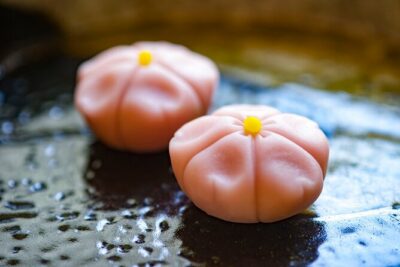
Matcha Making Class in Osaka with Authentic Japanese Sweets Set
Read our review →
Matcha Making Experience with Mochi Sweets in Asakusa
Read our review →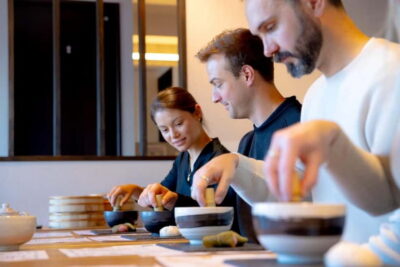
Make Traditional Nerikiri Sweets & Matcha experience in Shibuya
Read our review →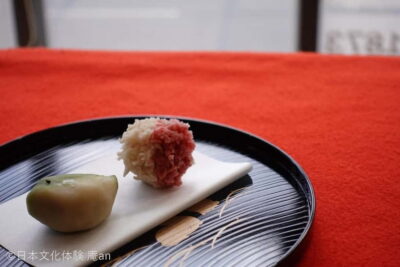
Japanese Traditional Sweets Making and Tea Ceremony
Read our review →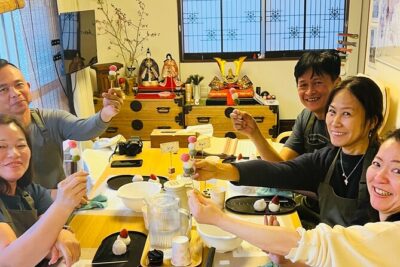
Private Mochi Sweets Making class near Shibuya area
Read our review →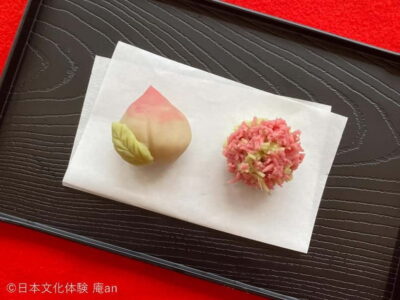
Japanese Traditional Sweets making and Tea Ceremony
Read our review →Browse the lists this tour appears in