
Reviewed · DESSERT TOURS
Nagoya: Japanese Traditional Sweets making and Tea Ceremony
Wagashi plus matcha in 95 minutes. This Nagoya workshop is a hands-on hit because you shape seasonal Nerikiri from real Kyoto bean paste and then sit down to practice tea steps with Uji Matcha. I like that the focus is practical, not just watching, and that the flavors are built around premium ingredients. A small consideration: you are not getting a full formal tea ceremony, so if you want that exact, long, ceremony-style experience, set expectations accordingly.
I also like the pacing. You spend time coloring and crafting, take a breather, then shift to tea preparation with a grinding demo before tasting what you made. The setting is straightforward, but it is on the 3rd floor with no elevator, so plan your arrival accordingly.
Key things to know before you go
- You make two sweets in the Nerikiri style, matched to the season.
- Kyoto bean paste is used, both white and red, from long-established shops.
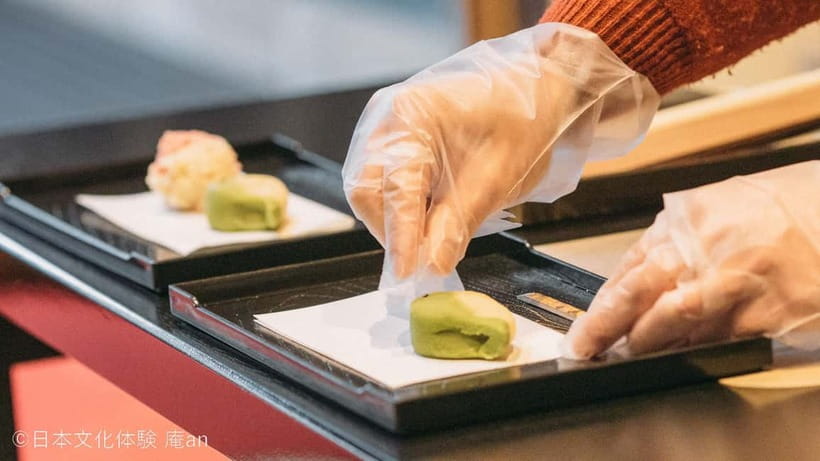
- You learn by doing, starting with coloring the paste and shaping the sweets.
- Uji Matcha is single-origin, and you get a grinding demonstration.
- English support is provided when possible, with the instructor speaking Japanese as the base language.
Wagashi and Matcha in Nagoya: A Small Class With Real Skill
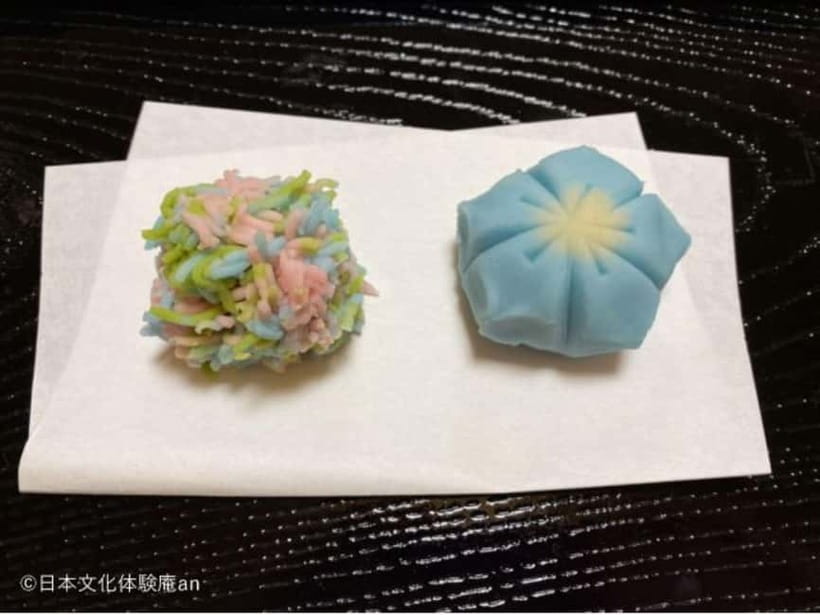
This experience is a smart way to slow down in Nagoya. You do two separate craft moments, sweets first and tea second, so you are not stuck doing only one thing for the whole session. The time is also right, 95 minutes, which means you can fit it into a busy day without turning your evening into homework.
What makes the value feel solid is the ingredient quality. The sweets are built with white/red bean paste produced by long-established Kyoto shops, and the tea uses single-origin Uji Matcha. That matters because wagashi is not just about shape. It is about balance, texture, and flavor, especially when you pair the sweetness with matcha’s earthy bite.
A final reason I think this works well for visitors: it is guided by a Japanese instructor who tends to be clear and patient. In past sessions, instructors like Mariko have been praised for professional, easy-to-follow direction, and Saki has been noted as welcoming and engaging. Translation support is offered as much as possible, but the class language is Japanese first, so your best bet is a friendly, flexible attitude.
More tea ceremonies in Nagoya:
- Experience Japanese calligraphy & tea ceremony at a traditional house in Nagoya
★ 5.0 · 16 reviews - Kimono Rental and Tea Ceremony Experience in Inuyama
★ 5.0 · 15 reviews - Kyoto: Tea Ceremony in a Traditional Tea House in Kiyomizu
★ 4.9 · 3,519 reviews
Entering Your Nerikiri Workshop: Color, Shape, and Patience
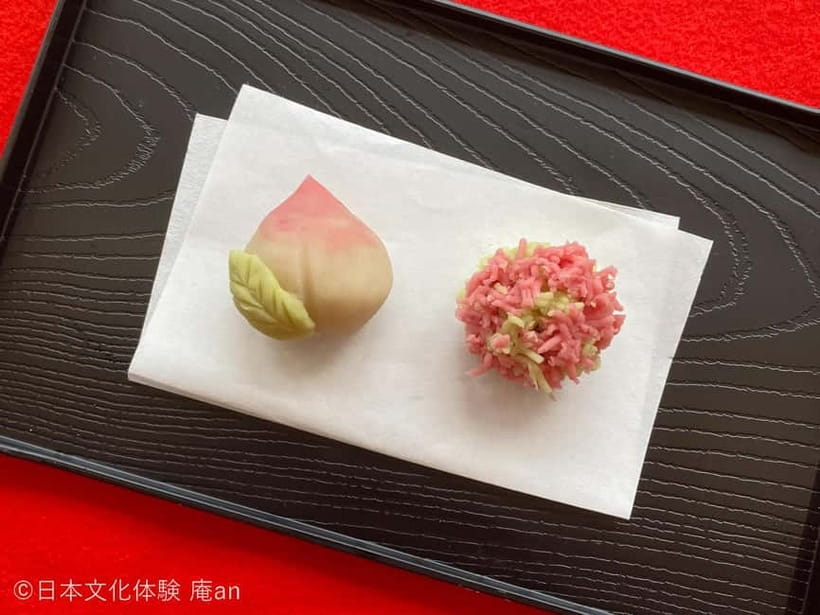
You start with Nerikiri, a higher-grade wagashi style that uses colored bean paste shaped to suggest seasonal flowers and fruits. The cool part is that you begin right at the beginning of the process, not at the final assembly stage. You start by coloring the white bean paste, then continue shaping your sweets based on the seasonal theme.
If you worry about being “not crafty,” do not. The method is hands-on, but it is also structured, so you are not inventing techniques from scratch. You get clear steps on how to handle the paste, how to form the intended shapes, and how to adjust as you work. That is exactly the kind of skill you want to take home, because you can picture what you did and recreate it more easily later.
A helpful detail in the schedule is the flow. After an initial explanation of Japanese traditional sweets, you move into making the flower-shaped Nerikiri, then later you continue with a second Nerikiri creation. There is also time set aside after that first crafting stretch, which helps you reset before shifting to tea.
Your Two Finished Sweets: Seasonal Nerikiri You Can Actually Eat
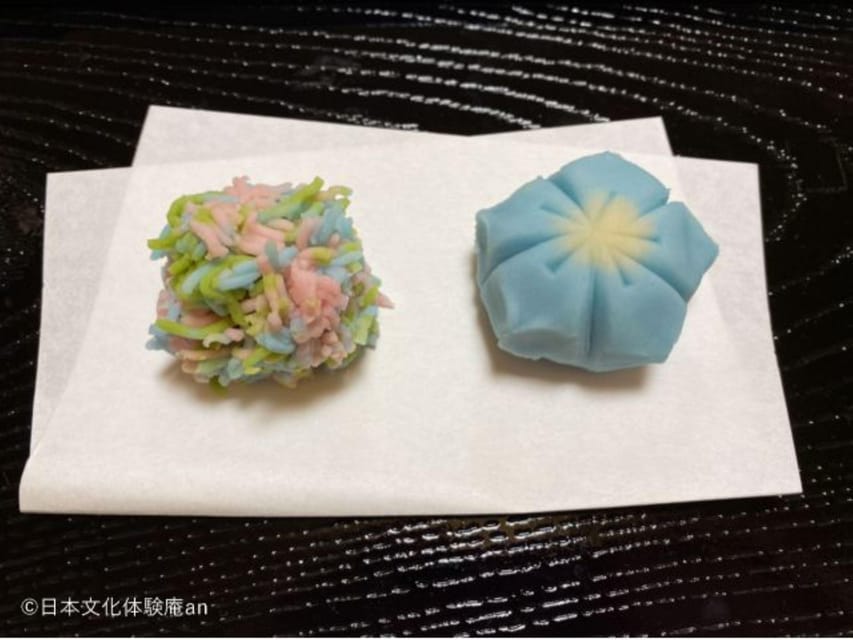
You will make two sweets during the 95-minute session. They are designed to match the season, and the presentation style is the part that makes wagashi feel like edible art. In many classes like this, you might see themes such as ginkgo leaves or chestnut-style sweets, depending on what the seasonal selection calls for.
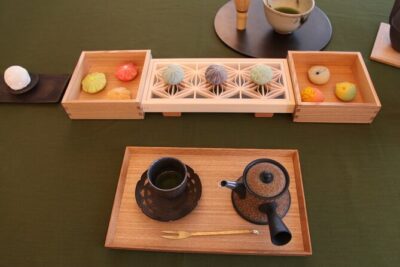
One practical perk is that you are not just doing one small piece. You leave with a complete pair of sweets that you made yourself. In fact, the pairing is part of the design, because the sweetness from the high-quality bean paste is meant to balance the taste of matcha. When you taste your own work later, it feels like the tea ceremony is not separate from the sweets, it is a planned match.
You may also hear the class refer to a specific Nerikiri variation, like a Kinton Nerikiri making step. Even if you do not catch every detail of the name in real time, you can still focus on the process: color the paste, shape it cleanly, and aim for the intended look that signals the season.
Tea Time With Uji Matcha: Grinding, Then Doing It Right
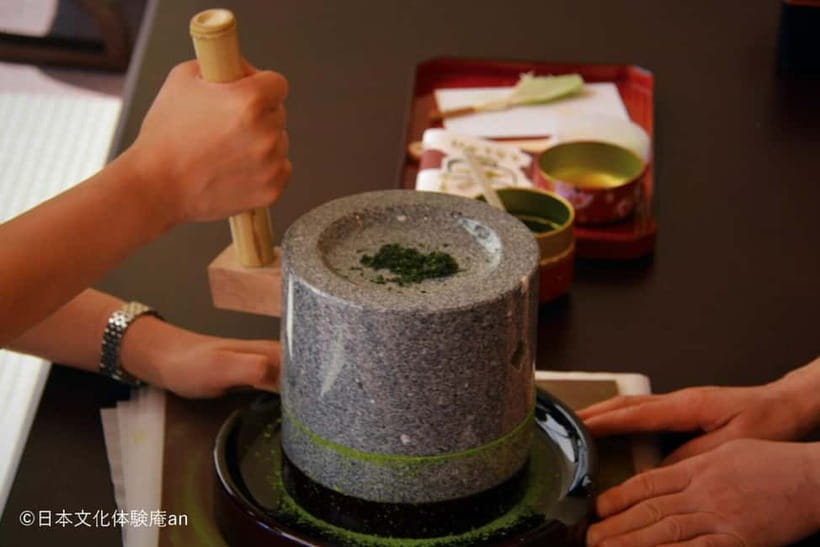
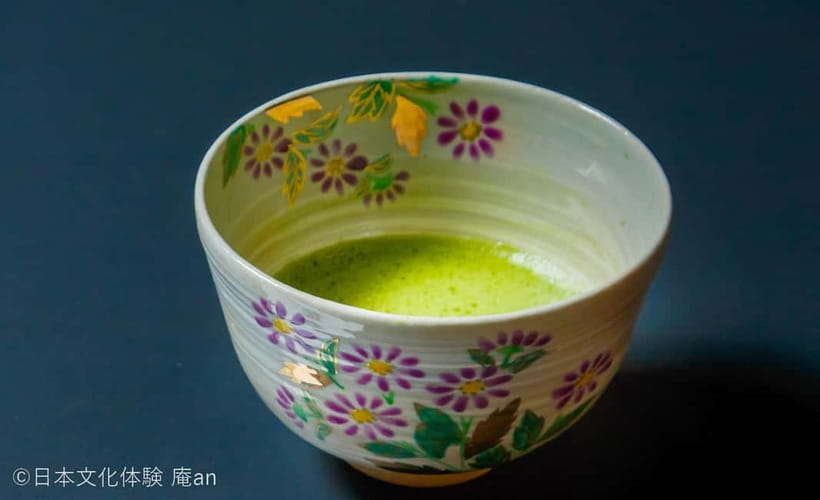
After the sweets portion, the class shifts into tea. You get a tea explanation, then a matcha grinding demonstration before you do the tasting portion. This is where the experience becomes more than dessert-making, because you learn the small discipline behind a good cup of matcha.
Matcha is often treated like a drink, but in this setup it is treated like a craft step. You see how matcha is prepared, you get context about the ingredients and process, and then you experience what it tastes like alongside the sweets you made. The Uji matcha matters because it is singled out as special and is part of the class design, not an afterthought.
One review-style note that helps you set expectations: do not assume this is a full, long, traditional tea ceremony. You are practicing a guided version that is enough to understand how to make matcha properly and how to approach it with the right mindset. If you want the full formal ceremony with every ritual, this may feel shorter than you hoped. If you want the essentials, plus a calm tasting moment, it works well.
A few more Nagoya days worth comparing
- From Nagoya: Gujo, Hida Takayama, and Shirakawa-go Day Tour
★ 4.4 · 398 reviews - Ghibli Park 1-Day Bus Tour from Nagoya
★ 4.5 · 277 reviews - From Nagoya: Hida Takayama & Shirakawa-go Tour w/Opt. Lunch
★ 4.5 · 256 reviews - Hiking the Historic Nakasendo Trail [1 Day Tour from Nagoya]
★ 5.0 · 104 reviews
The Flow of the Session: Timing That Keeps You From Rushing
The schedule is built so you are active early, take a break, and then slow down for tea.
In the first part, you receive an explanation of Japanese traditional sweets and then start on your Nerikiri. You work through the steps for a flower-shaped Nerikiri making phase, and then continue with a second Nerikiri making phase.
Around the mid-point, there is a break time. After that, you shift into the tea portion: explanation, matcha grinding demonstration, then the tea-ceremony experience, plus picture time near the end. You get eating and drinking time right at the finish, so you can taste your sweets while everything is still fresh and warm in your memory.
This pacing is practical for a travel schedule. You do not need to be a slow, patient artist all the time, because the class gives you stages. It also helps you handle group energy. Even if you are traveling solo, the structured steps keep the group focused.
Price and Value: Two Sweets, Premium Ingredients, and a Tea Practice
The listed price is $18 per person for a 95-minute experience. At first glance, that might sound like a “toy workshop” price, but the ingredient story changes the value equation. You are using Kyoto long-established shops’ bean paste for your sweets, and the matcha is described as single-origin special Uji matcha. You are also making two sweets, which is more than many short classes that only teach a single decorative piece.
There are a couple of optional add-ons you should know about. A takeout box for sweets costs 100 JPY, so if you want extras later, plan for that small fee. If you want a completion certificate, it is available for 300 JPY, but you should send the names you want on it in advance because the certificate otherwise leaves a blank space.
In terms of what you actually take away, you leave with something you made, plus a feel for the tea routine. If you are the type who likes to bring home edible souvenirs and also a small skill, this is a good fit.
Getting There in Nagoya: Find the Studio and Show Up Ready
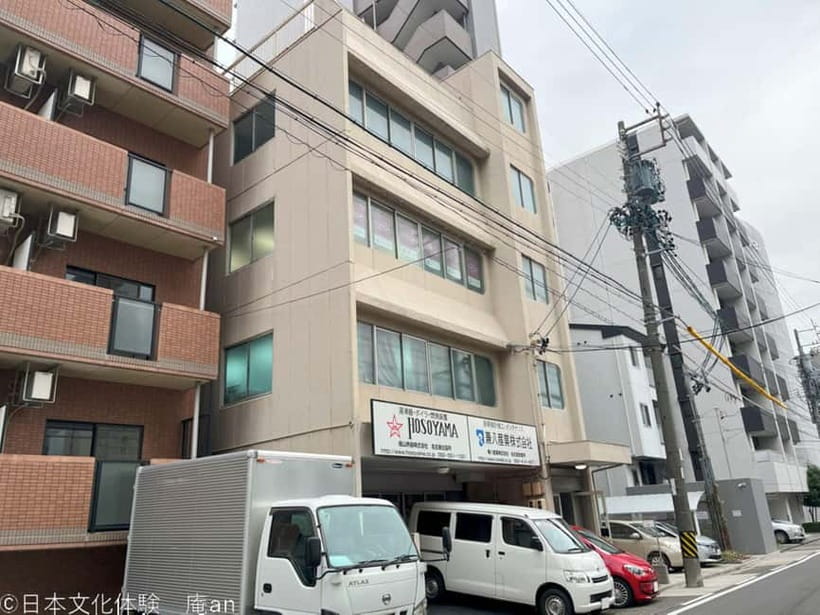
Location is convenient if you are already moving around central Nagoya. The meeting point is about a 1-minute walk from Exit 3 of the Subway Sakura-dori Line Kokusai Center Station. It is also around a 13-minute walk from Nagoya Station along the Sakura-dori side.
The venue is on the 3rd floor, and there is no elevator, so keep that in mind if you have mobility concerns. Also note that the event may not be held to accommodate delays, so arriving a few minutes early is your best insurance.
Language is Japanese, and English translation is provided as much as possible. If you strongly prefer more English support, the info says you can contact the team to request it.
One more small practical tip: if you want a certificate, plan your spelling of names ahead of time. The paperwork detail is minor, but it saves stress near the end of your day.
Who Should Book This Wagashi and Matcha Class
This is a strong choice for people who want an authentic hands-on cultural activity without committing to a full day. You will probably enjoy it most if you like tactile learning, food experiences that explain the “why,” and a class format that ends with tasting your own results.
It is especially good if you want a calm break from sightseeing. The tea segment tends to slow everything down in a good way, and the sweets portion gives you a clear creative target. Families also seem to do well here, since the class structure supports beginners and kids, with instructors staying supportive and patient.
You might want to skip or adjust expectations if you are specifically chasing a long, traditional tea ceremony experience. This is more of an educational practice with tea and sweets, not a full ritual marathon. If that is your priority, look for a longer ceremony-style option.
Should You Book It?
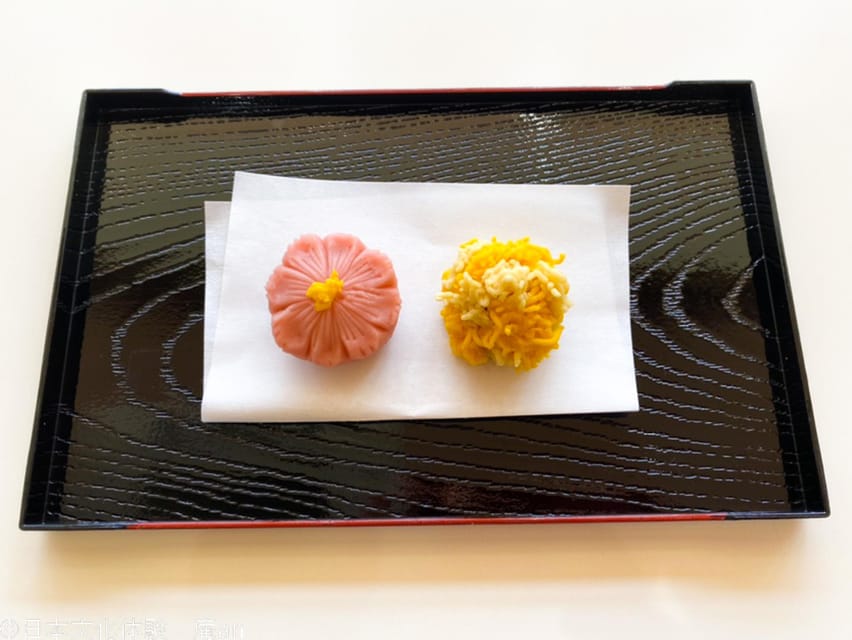
Yes, you should book this if you want two seasonal Nerikiri sweets plus Uji matcha practice in a short, friendly format. The value is helped by the use of premium bean paste and single-origin matcha, and the lesson is structured so you are not just watching.
Book it now if you want a memorable, edible takeaway from Nagoya and you like the idea of learning the steps, not just photographing the result. If you hate stairs or you are very strict about long-form tea ceremony traditions, then plan carefully. Otherwise, this is a practical, enjoyable way to taste Japanese tradition up close.
FAQ
How long is the Nagoya wagashi and tea ceremony experience?
The experience runs for 95 minutes.
Where do I meet for the class?
You meet about 1 minute walk from Exit 3 of Subway Sakura-dori Line Kokusai Center Station, or about 13 minutes walk from Nagoya Station on the Sakura-dori side.
What sweets will I make?
You will make two Japanese traditional sweets in the Nerikiri style that match the season.
What matcha is used?
The tea portion uses Uji Matcha, described as single-origin special matcha.
Is there an elevator in the venue?
The venue is on the 3rd floor and there is no elevator.
Are takeout boxes or completion certificates available?
Yes. A sweets takeout box is available for 100 JPY, and a completion certificate is available for 300 JPY. If you want a nominative certificate, you should provide the names in advance.
Fresh options around Nagoya
- From Nagoya: Eihoji, Enakyo, Magomejuku & Tsumagojuku Day Tour★ 4.0 · 13 reviews
- From Nagoya: Hida Takayama & Shirakawago Tour (Small Group)★ 5.0 · 13 reviews
- Walking Small-Group Nagoya City Tour★ 5.0 · 13 reviews
- Nagoya Private Tour with a Local: Highlights & Hidden Gems★ 5.0 · 13 reviews
- Nagoya: Traditional Japanese Sweets-Making Workshop★ 4.6 · 14 reviews
- Nagoya Private Custom Tour with Local Guide★ 5.0 · 15 reviews
- Nagoya: Customized Private Tour★ 4.6 · 15 reviews
- Pub Crawl in Nagoya★ 5.0 · 15 reviews
Dessert Tours, compared.

Matcha Making Class in Tokyo with Authentic Japanese Sweets Set
Read our review →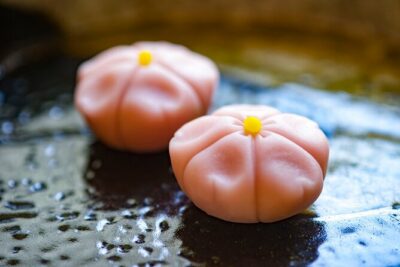
Matcha Making Class in Osaka with Authentic Japanese Sweets Set
Read our review →
Matcha Making Experience with Mochi Sweets in Asakusa
Read our review →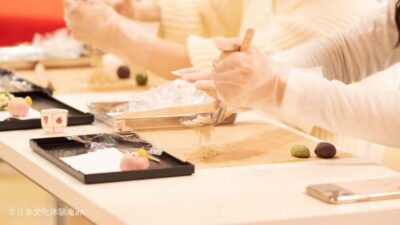
Japanese Traditional Sweets Making and Tea Ceremony
Read our review →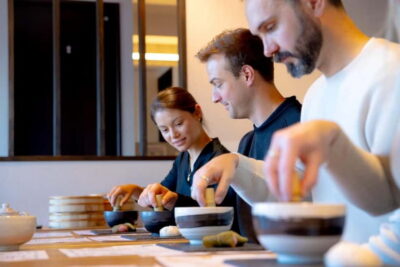
Make Traditional Nerikiri Sweets & Matcha experience in Shibuya
Read our review →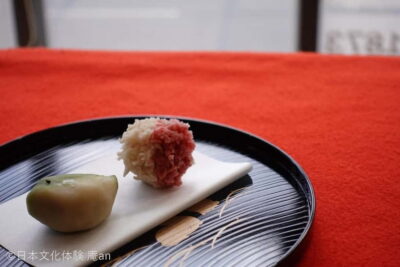
Japanese Traditional Sweets Making and Tea Ceremony
Read our review →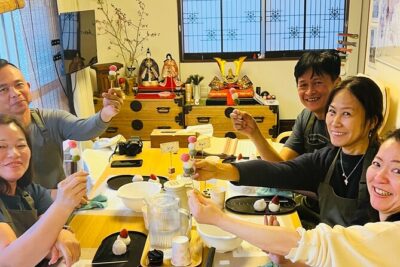
Private Mochi Sweets Making class near Shibuya area
Read our review →Browse the lists this tour appears in