

Step into a realm frozen in time with the ‘Fukushima Exclusion Zone Day Tour From Tokyo.’ Uncover the secrets of a place where nature and humanity’s echoes intertwine, leaving a haunting yet captivating atmosphere.
Interested in witnessing the rebirth of a forsaken land? Stay tuned to explore the untold stories that await curious adventurers seeking a deeper connection with history and resilience.
Just The Basics
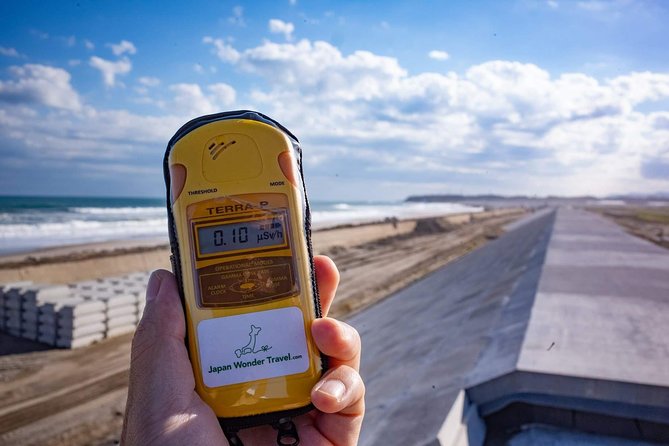
- Explore abandoned residential zones and areas near Fukushima Daiichi Nuclear Power Plant.
- Hear stories of resilience from locals rebuilding their lives.
- Educational tour with English-speaking guide on 2011 disasters.
- Safety measures in place, no entry to restricted areas.
Here's some other great tours and experiences nearby we think you'll like.
Tour Highlights
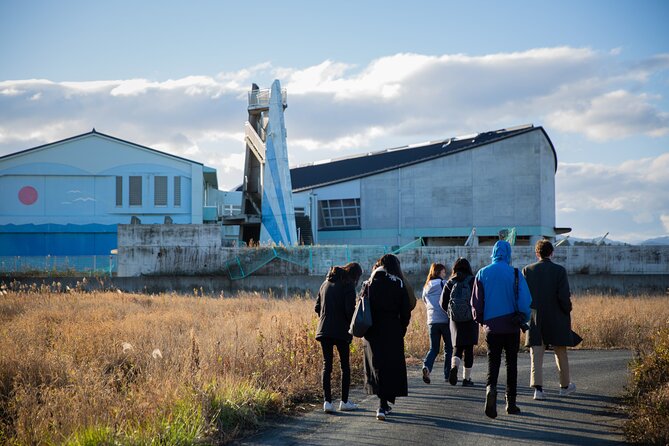
Explore the hauntingly abandoned residential areas and explore the history surrounding the Fukushima Daiichi Nuclear Power Plant on this eye-opening day tour from Tokyo. Participants gain valuable exploration insights and hear impactful stories of resilience from locals affected by the 2011 disasters.
The tour provides a unique opportunity to learn about the area’s past through interactions with residents in Namie and Ukedo. Engage with the community, witness their strength, and understand the challenges they faced. Visitors can expect a comprehensive guided experience with an English-speaking guide, ensuring a deeper understanding of the region’s history and ongoing recovery efforts.
This tour offers a chance to witness firsthand the impact of the Fukushima disaster and gain a new perspective on the events that unfolded.
Itinerary Overview
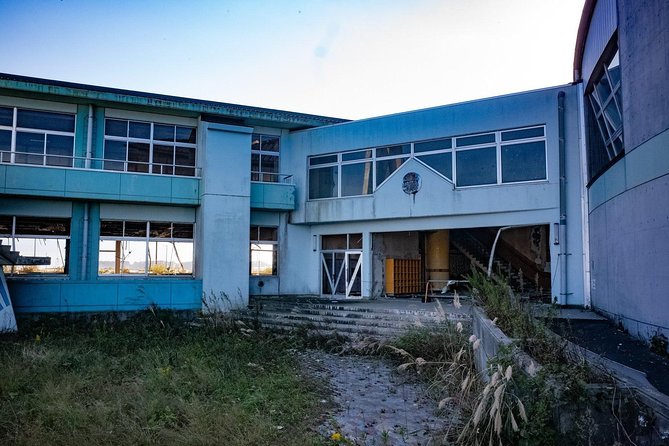
Venture into the Fukushima Exclusion Zone on this day tour from Tokyo and uncover the itinerary highlights that offer a glimpse into the region’s past and present.
The tour provides numerous photo opportunities to capture the eerie beauty of the abandoned residential zones and areas near the Fukushima Daiichi Nuclear Power Plant. Participants will gain cultural insights through interactions with locals in Namie and Ukedo, hearing firsthand experiences and stories of resilience.
The itinerary also includes visits to the TEPCO Decommissioning Archive Center, providing historical context on the 2011 disasters and their impact on the community.
While safety measures are strictly followed, the tour offers a unique and educational experience for those curious about this significant event.
Local Experiences
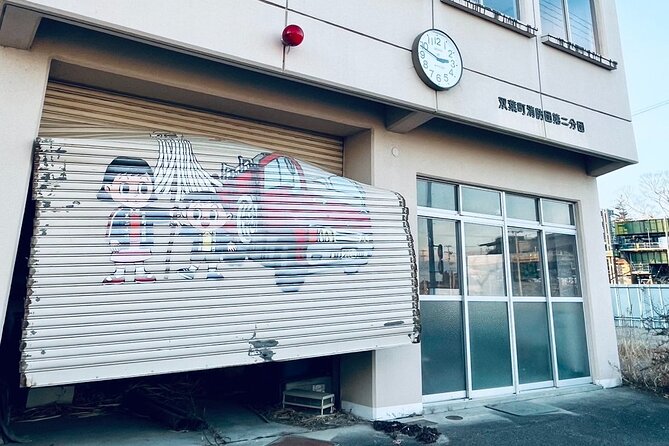
Featuring immersive interactions and firsthand insights, explore the local experiences of Namie and Ukedo on the Fukushima Exclusion Zone Day Tour from Tokyo. Participants engage in community activities and enjoy the local culture through:
-
Community Engagement: Interact with residents to understand their challenges and witness their resilience.
-
Cultural Immersion: Experience traditional customs and practices firsthand to gain a deeper appreciation of the local way of life.
-
Personal Connections: Form meaningful relationships with locals, exchanging stories and learning about their daily struggles and triumphs.
Safety Measures
For enhanced safety throughout the Fukushima Exclusion Zone Day Tour from Tokyo, participants must adhere to all provided guidelines and instructions. Safety precautions are strictly enforced to minimize radiation exposure risks.
Cultural immersion is encouraged through respectful interactions with locals and learning about their experiences. In case of emergencies, clear emergency protocols are in place to ensure the well-being of all tour members.
The tour prioritizes safety without compromising on the immersive experience of exploring the Fukushima Exclusion Zone. By following the safety measures and guidelines set forth by the tour operators, participants can engage in a meaningful and educational journey while being mindful of the unique challenges posed by the aftermath of the 2011 disasters.
Inclusions and Logistics
To fully enjoy the Fukushima Exclusion Zone Day Tour from Tokyo, participants can anticipate the inclusive travel and guiding services provided for a comprehensive experience. The tour ensures that visitors have everything they need for a smooth journey and enlightening exploration. Here’s what to expect:
- English and Japanese speaking guide: Knowledgeable guides to provide insights and information.
- Transportation service via van: Convenient travel to and from Tokyo to Fukushima.
- Comprehensive guided experience: A well-organized tour with detailed logistics for a seamless excursion.
In terms of transportation logistics, the meeting point is at Tokyo Station, Marunouchi North Exit, with the tour starting at 08:00 AM and concluding back at the meeting point.
Interaction Opportunities
Visitors can engage directly with local residents in Namie and Ukedo, gaining firsthand insights into their experiences of resilience and rebuilding post-disaster. This community engagement offers a unique opportunity for culture, allowing travelers to forge human connections and hear personal stories that showcase the strength and spirit of the local people.
By interacting with the residents, travelers can’t only learn about the challenges they faced during the 2011 disasters but also witness their determination to overcome adversity. These interactions provide a deeper understanding of the region’s history and the ongoing efforts towards recovery.
It’s a chance to engage authentically with the community and gain a new perspective on Fukushima’s journey towards rebuilding.
Refund Policy Details
Travelers can receive a full refund for cancellations made at least 7 days before the scheduled experience. It’s essential to consider customer satisfaction when handling refund requests promptly. Remember to check your travel insurance policy for coverage on tour cancellations.
Here are a few important points to keep in mind:
- Prioritize customer satisfaction by adhering to the refund policy guidelines.
- Double-check your travel insurance coverage for tour cancellations.
- Understanding the refund policy details ensures a smooth experience for all participants.
Tour Requirements
Considering the importance of understanding tour requirements for the Fukushima Exclusion Zone Day Tour from Tokyo, participants must adhere to specific guidelines for a safe and informative experience. The tour has an age restriction of 20 years and above, ensuring a mature audience for the visit to the affected area.
Group size is limited to maintain a personalized experience and efficient movement. Travel restrictions are in place to ensure the safety of all participants, with no entry permitted to restricted areas for security reasons.
Health requirements aren’t explicitly mentioned, but participants should be prepared for some physical activity and walking during the tour. By following these guidelines, visitors can make the most of their educational journey through Fukushima’s history and current state.
Frequently Asked Questions
Are There Any Restrictions on Photography and Videography During the Tour in the Fukushima Exclusion Zone?
Regarding photography and videography in the Fukushima exclusion zone, tour participants are asked to respect privacy concerns, cultural sensitivity, and ethical considerations. Environmental impact is also considered, with restrictions in place to preserve the area.
Is There Any Specific Attire or Clothing Requirements for the Tour Participants?
For the tour, participants should wear comfortable clothing and sturdy shoes suitable for walking. It’s advisable to dress in layers, as weather conditions can vary. Be prepared for both indoor and outdoor settings.
Will There Be Opportunities to Purchase Snacks or Drinks During the Tour, or Should Participants Bring Their Own?
During the tour, participants have opportunities to purchase snacks and drinks. They don’t need to bring their own. It’s convenient and offers refreshment options for a more enjoyable experience exploring Fukushima from Tokyo.
Are There Restroom Facilities Available Along the Tour Route in the Fukushima Exclusion Zone?
Restroom availability along the tour route in the Fukushima exclusion zone is limited due to safety measures. Participants should use facilities before the tour. Safety is a top priority, and the guide will provide guidance on restroom breaks during the trip.
How Much Walking or Physical Activity Is Involved in the Tour, and Is It Suitable for Individuals With Mobility Issues?
The tour includes moderate walking through abandoned areas and interaction with locals. Mobility accommodations may be limited. Duration is full day. Not suitable for individuals with significant mobility issues. Recommendations: comfortable shoes, inquire further regarding specific needs.
Final Words
The Fukushima Exclusion Zone Day Tour From Tokyo offers a unique and eye-opening experience for travelers looking to learn about the impact of the 2011 disasters.
With a focus on safety, community engagement, and local interactions, this tour provides a thought-provoking journey into the resilience of the Fukushima region.
Don’t miss this opportunity to gain a firsthand perspective on a significant moment in history. It’s a must-see for those seeking a deeper understanding of the world around them.