
Reviewed · DESSERT TOURS
Make Traditional Nerikiri Sweets & Matcha experience in Shibuya
Four pieces of edible art in Tokyo.
This Nerikiri sweet-making experience in Harajuku has you learning Nerikiri shaping basics and then pairing it with a calm, table-style matcha tea moment, all in a real inner-city home with Hana sensei. It’s a hands-on class that feels slower and more personal than the usual Tokyo food stops.
What I love most is the step-by-step teaching, especially Hana sensei’s patience when you are nervous about your design. I also like that you make an original piece, then enjoy it with a proper tasting setup through a table-style tea ceremony.
One consideration: it’s a focused 90-minute class with four sweets total, so it won’t be a full, multi-course food crawl.
Key things I’d plan around
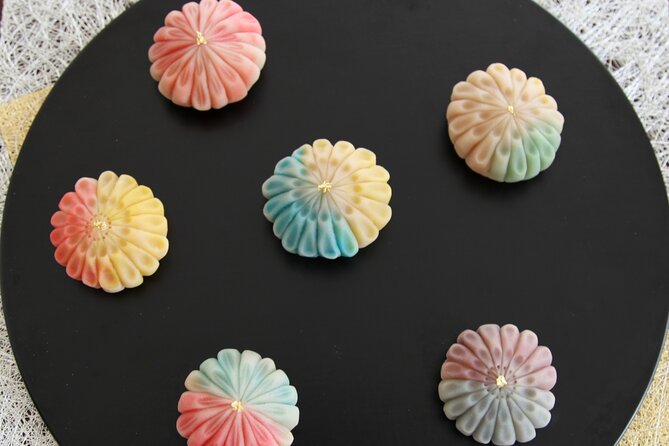
- Small group of up to 4 means you actually get time to shape, adjust, and learn.
- You start with sample designs, then make three different Nerikiri shapes before going original.
- Take-home sweets: everything you create is packaged for you to bring back.
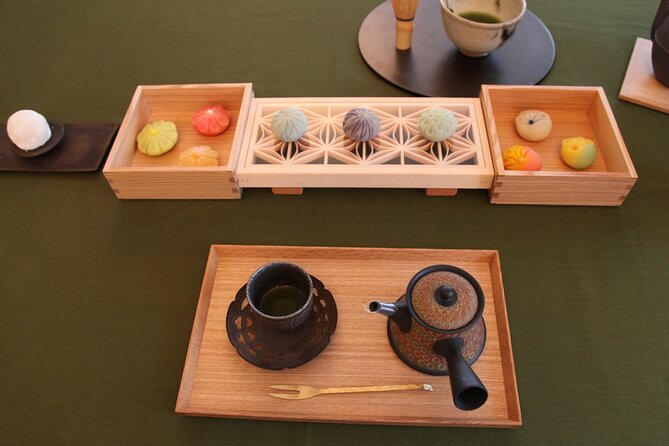
- Matcha and Japanese sweets come after the making, served in a neat, table-style tea setup.
- Harajuku location puts you close to Omotesando, Shibuya, and Harajuku for easy same-day sightseeing.
From CHUMS Omotesando to a local Nerikiri studio
I like workshops where the meeting point makes sense, and this one is about as clear as Tokyo gets. You meet across CHUMS Omotesando, in front of the Brown building, then walk together for only about 30 seconds to the instructor’s place. The address for the start is 5-chōme-2-21 Jingūmae, Shibuya, Tokyo.
The big value here is that you’re not just cooking in a generic studio. You’re accompanying the instructor to her home environment, so you get that real-life Tokyo feeling, with a calm room where you can actually pay attention to detail.
Also, this is in central Tokyo. It’s about a 3-minute walk from Omotesando Station, and you can comfortably continue to Shibuya and Harajuku afterward.
More Tea Ceremonies in Tokyo
- Matcha Making Class in Tokyo with Authentic Japanese Sweets Set
★ 5.0 · 744 reviews - Tokyo: Traditional Tea Ceremony with a Tea Master
★ 5.0 · 528 reviews - Tokyo: Matcha Making Experience with Mochi Sweets in Asakusa
★ 4.9 · 388 reviews
Your Nerikiri workshop: three designs, then your own original piece
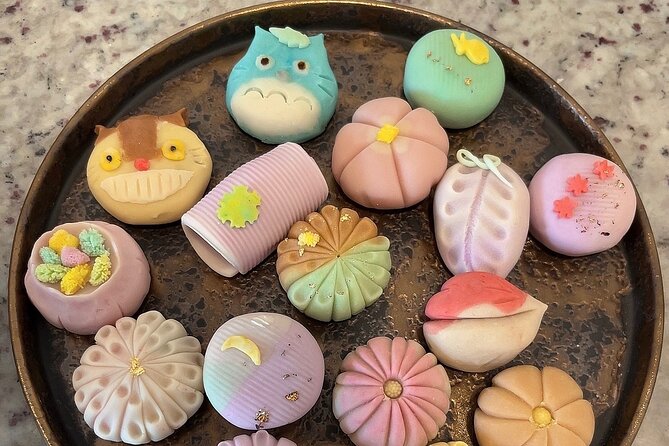
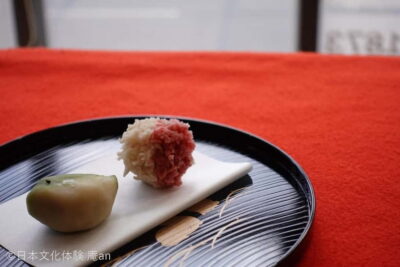
The class centers on Nerikiri, a traditional Japanese confection made with bean paste and sugar, shaped into delicate forms. You’ll begin by choosing from sample designs, which is a smart approach if you worry you might not have the artistic “hand” for this.
First round: you’ll make three different shapes based on examples. This is where the instructor’s guidance matters most, because you’re learning how to shape and refine what you’re making, not just repeating one cookie-cutter form.
Then comes the part that makes this experience feel personal. You’ll create your own original Nerikiri design, using what you learned from the sample pieces. In practice, this means your final set looks like something you genuinely made, not just something you followed step-by-step with no choices.
One detail I appreciate: you aren’t left with a vague lesson where you only watch. You do the work, hands-on, and you can take everything you make home. That makes the class more than a memory, it becomes something edible you can share later.
Table-style matcha and sweets from across Japan
After the Nerikiri shaping, you sit down for a tea moment. This is described as a table-style tea ceremony, meaning it’s respectful and traditional without being overly formal or hard to follow on a short vacation day.
You’ll have matcha made freshly for you, and the instructor serves it alongside carefully selected Japanese sweets. The sweets are sourced from across Japan, which is a nice change from the usual Tokyo-only snacks you might grab on the street.
The tea part also acts like a reset button. You slow down after the hands-on shaping, then you get to enjoy what you made while tasting the matcha properly. It’s one of those “why didn’t I do more classes like this” experiences, because it connects the craft to the eating.
And yes, you’ll likely notice that many people remember this class for the tea etiquette and presentation, not just the Nerikiri. Even if you’re not a tea person, you’ll see how the ritual turns a snack into a small ceremony.
What you can recreate at home, and what you should skip trying
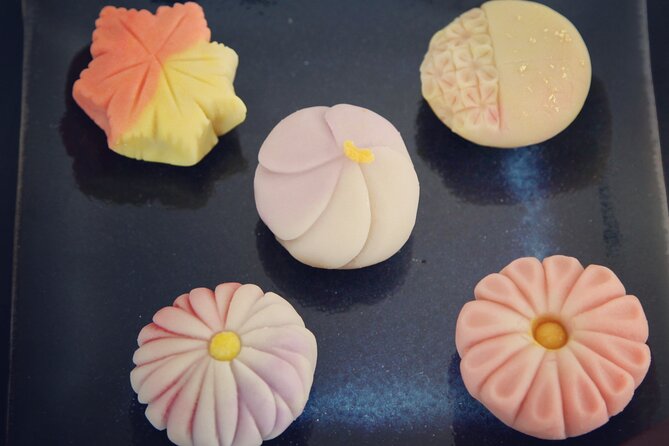
I love workshops where the skills are portable, and this one is built around repeatable technique. You’re learning the process of shaping Nerikiri from bean paste and sugar into distinct forms, and you can practice the same general shaping approach later.
A realistic expectation helps here. You might be able to recreate the look and basic methods, but the exact results depend on ingredients and the way the paste feels in that moment. Still, having gone through it once, you’ll understand the logic behind the shapes, and that makes at-home practice much easier.
Also, you are not taking home just one lesson. You take home multiple pieces, which means you can compare your sample shapes to your own design. That makes it easier to identify what you want to improve next time, like edges, curves, and overall proportions.
Finally, the class is designed for different ages. It’s said to be enjoyable for young children through seniors, and that aligns with the kind of teaching style where the instructor slows down when someone needs it. If you’ve got family, this is the kind of activity where it’s less stressful for everyone.
Same corner of Japan, a different kind of day:
- Mt Fuji and Hakone 1-Day Bus Tour Return by Bullet Train
★ 5.0 · 26,383 reviews - 1-Day Tokyo Bus Tour
★ 5.0 · 14,250 reviews - Tokyo: TOKYO SKYTREE® Admission ticket
★ 4.5 · 11,192 reviews - Tokyo: teamLab Planets TOKYO Digital Art Museum Entry Ticket
★ 4.6 · 9,779 reviews
Price and value: what $60 buys in Harajuku time
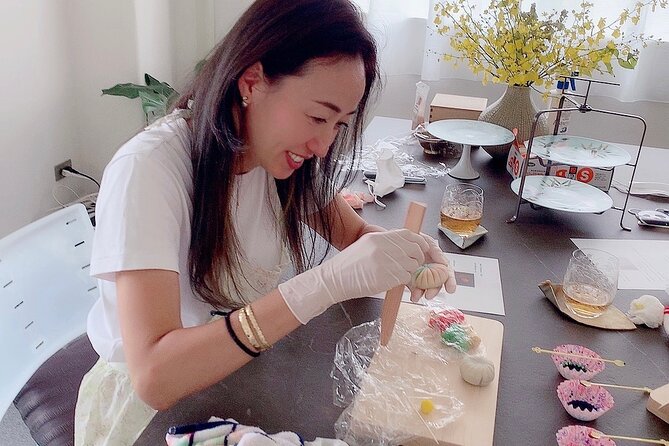
At $60 per person for about 1 hour 30 minutes, this isn’t the cheapest food activity in Tokyo. But it is good value for what you actually get.
Here’s the math that matters to me:
- You create four sweets total. That’s not just tasting, it’s making.
- You get a hot drink and a structured tasting moment with matcha and Japanese sweets.
- The group is capped at 4 travelers, so the instruction is not diluted.
- You take your creations home, so it becomes a souvenir you can eat later, not just photos.
In Tokyo, paying for an instructor can feel like a splurge. Here, though, the instructor is the whole point. You’re paying for technique, patience, and the ability to do something traditional in a way that feels safe and guided.
If what you want is a fast sampling tour of desserts, you might find this too “small and focused.” But if you want a cultural activity with real craft and a clean ending ritual, this price starts to make sense quickly.
Best time to go: the 9:00 AM slot near Omotesando
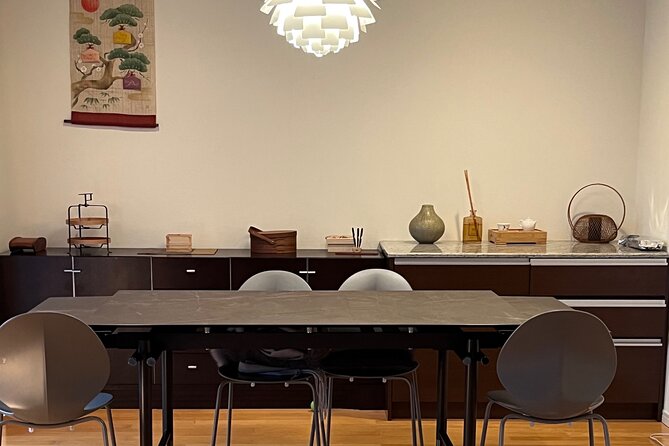
This workshop runs at 9:00, 13:00, and 15:30. I especially like the 9:00 AM start because it fits how Tokyo actually moves.
The activity notes that many shops open around 11:00, so beginning at 9:00 gives you a full head start. You can finish your class early, then spend the late morning and afternoon bouncing between big sights like Meiji Shrine, Takeshita Street, and the Shibuya Crossing area without feeling rushed.
The other time slots can work great too. Afternoon classes can be ideal if your morning is packed with other plans, and the 15:30 option can give you a calm break after you’ve already walked Harajuku and Shibuya.
Who this fits best, and who should think twice
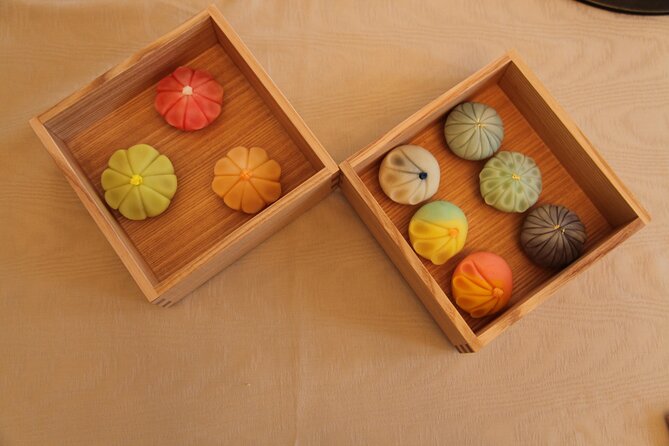
This class is a strong match if you want hands-on Japanese culture, not just a show. It’s also explicitly suitable for vegans and vegetarians, which is a big win if your trip has dietary needs and you want an activity that doesn’t turn into a guessing game.
It also fits families. The teaching approach is described as patient and supportive, and there are multiple notes about kids enjoying it, including children who were beginners with the shaping process.
Who might think twice? If you want a big meal, a long food crawl, or a multi-hour workshop, this is not that. You’re getting four Nerikiri pieces and a tea ceremony, then you’re done.
Also, because it ends back at the meeting point, plan your next stop nearby in the general Omotesando, Shibuya, Harajuku direction.
My take: should you book this Nerikiri and matcha class
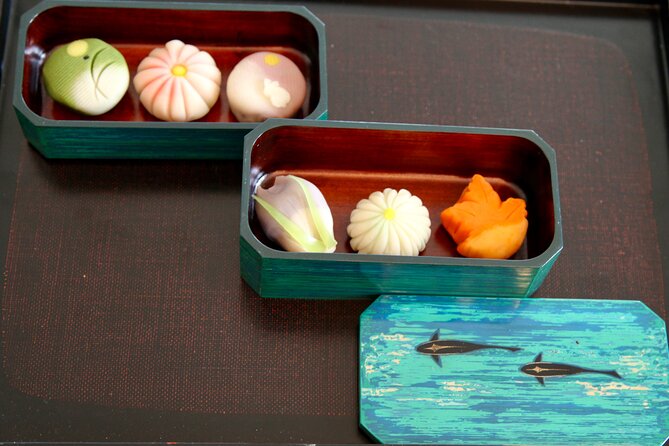
I think you should book this if you want one memorable Tokyo experience that is calm, hands-on, and actually teaches you something you can repeat. The fact that the class is limited to up to 4 travelers is a big deal, because it means the instructor can correct details while you’re working.
It’s also a smart choice if you like aesthetics. Nerikiri is art you can eat, and you get both the creation and the tasting ritual, so the experience feels complete instead of rushed.
Book it if you want a break from the busiest parts of Tokyo without leaving the center of the action. And book it early if you can, so you can enjoy Shibuya and Harajuku after your class without waiting for shops to open.
If you hate sitting still at all, or you only want lots of food variety, look at other options. Otherwise, this is exactly the kind of “one-class Japan” day that turns into a story you tell later.
FAQ
What is the duration of the Nerikiri and matcha experience?
It runs about 1 hour 30 minutes.
How much does it cost?
The price is $60.00 per person.
What’s included in the class?
You’ll make Nerikiri sweets and enjoy matcha as a hot drink. You also create four sweets total.
What happens during the Nerikiri making part?
You choose from sample designs and make three different shapes, then you have time to create your own original Nerikiri design.
Can I take the sweets home?
Yes. Everything you make can be taken home with you.
Where do we meet?
You meet across CHUMS Omotesando, in front of the Brown building. The start address is 5-chōme-2-21 Jingūmae, Shibuya, Tokyo 150-0001, Japan.
How many people are in a group?
There is a maximum of 4 travelers.
Is it suitable for vegans and vegetarians?
Yes, it is stated to be suitable for vegans and vegetarians.
What time slots are available?
The experience times listed are 9:00, 13:00, and 15:30.
What is the cancellation policy?
Cancellation is free up to 24 hours in advance for a full refund. If you cancel less than 24 hours before the start time, the amount paid will not be refunded.
Fresh options around Tokyo
- Tokyo: Nagano Snow Monkeys and Zenkoji Tour with Temples★ 4.9 · 19 reviews
- Yokohama Port: Private Customizable Tour with Transfer★ 5.0 · 19 reviews
- Sushi Making with Interactive Samurai Experience at JIN-ASAKUSA★ 5.0 · 19 reviews
- Explore Unique Tokyo Streets / Learn with a Pro Photographer★ 5.0 · 19 reviews
- DAIKOKU excursion by car DRIFT automobile encounter★ 4.5 · 19 reviews
- Official Street Go Kart Tour Akihabara 2nd★ 5.0 · 19 reviews
- Cosplay Experience with Professional Makeup and Photo Shoot!★ 5.0 · 19 reviews
- Tokyo: Name Seal & Pouch or Tote Bag Making Experience★ 4.5 · 19 reviews
Dessert Tours, compared.

Matcha Making Class in Tokyo with Authentic Japanese Sweets Set
Read our review →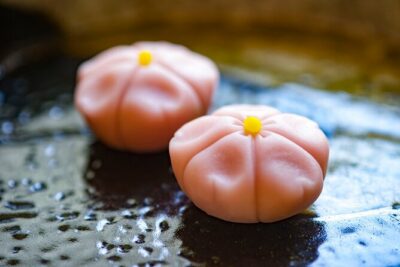
Matcha Making Class in Osaka with Authentic Japanese Sweets Set
Read our review →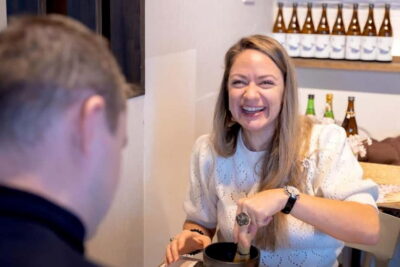
Matcha Making Experience with Mochi Sweets in Asakusa
Read our review →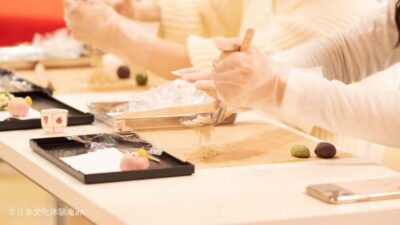
Japanese Traditional Sweets Making and Tea Ceremony
Read our review →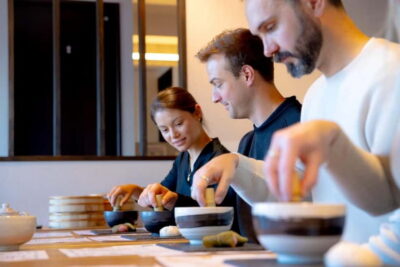
Japanese Traditional Sweets Making and Tea Ceremony
Read our review →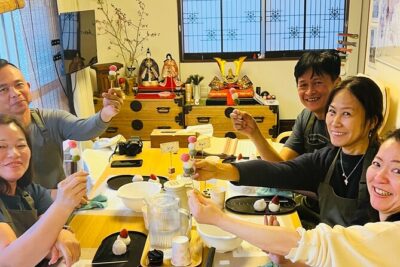
Private Mochi Sweets Making class near Shibuya area
Read our review →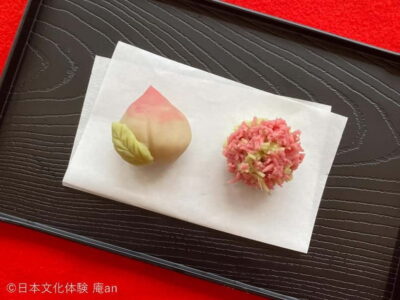
Japanese Traditional Sweets making and Tea Ceremony
Read our review →Browse the lists this tour appears in