
Reviewed · HISTORICAL TOURS
Yanaka Walking Tour: Historic and Traditional District of Tokyo
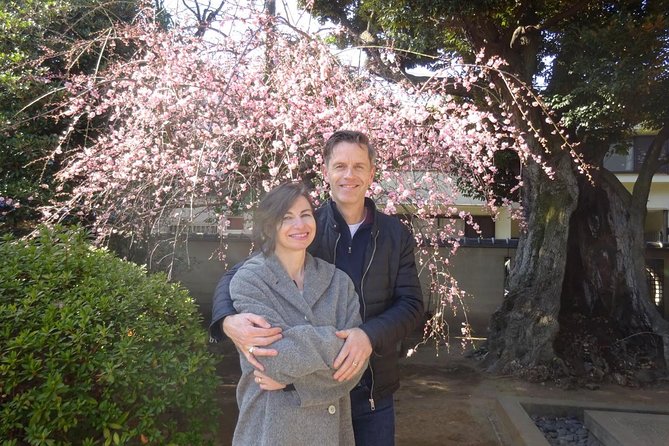
Yanaka makes Tokyo feel quiet and human again, fast. This Edo-era walking circuit trades glass towers for temple lanes, a real cemetery landscape, and the cozy old-town rhythm around Yanaka Ginza. I especially liked how the route threads history into normal daily sights instead of treating them like museum props.
Two things I really love: you get a small-group experience with an English speaking guide, and the stops include both big cultural anchors (Tennoji Temple, the cemetery, shrines) and everyday Tokyo (shopping street snacks and storefront life). One consideration: it’s a lot of walking, and the cemetery portion can feel like the longest block, so wear comfy shoes and pace yourself.
A guide name that stuck with me from recent groups is Keita, who kept people engaged with friendly, clear local stories. Charlotte also came up for her careful pacing and safety minded guidance, and in general the guides are the difference-maker here.
Key Points Before You Go
- Edo-era feel without the crowd as you wander Yanaka’s traditional streets
- Tennoji Temple and Yanaka Cemetery give you a rare view of how Tokyo honors the past
- Small-group guiding with English, plus chances to ask questions as you walk
- Optional culture add-ons like a tea ceremony on tatami or an afternoon bathhouse visit
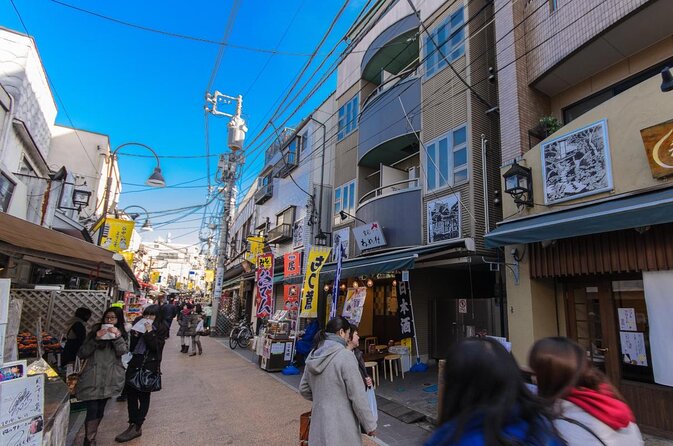
- End with Yanaka Ginza for snacks and old-school shopping street atmosphere
Entering A Tokyo Neighborhood That Still Feels Lived-In
Yanaka is one of those places where Tokyo’s size fades into the background. You’re still in a major city, but the neighborhood feels calmer, less performative. That’s the magic: you walk past temples, older residential streets, and the kind of everyday details you usually miss when you stay on the main tourist loops.
This tour is built around the Edo period vibe, roughly the 16th through 19th centuries, but it doesn’t stop at pretty scenery. You’re looking at how people have continued to live with religion, family history, and community spaces over a long time. That matters because it’s not only about architecture. It’s about the culture of place.
You also get a helpful context shift. Tokyo can be very modern very quickly, even on the same day. Yanaka slows the pace and helps you understand why certain areas keep their character while other parts of the city reinvent themselves again and again.
More Walking Tours in Tokyo
- Tokyo Tsukiji Fish Market Food and Culture Walking Tour
★ 5.0 · 3,184 reviews - Tokyo: Imperial Palace and Shogun Historical Walking Tour
★ 5.0 · 2,251 reviews - Tokyo: Shinjuku Local Bar and Izakaya Guided Walking Tour
★ 4.9 · 1,794 reviews
Price and Time: What Your $72.96 Covers (And Why It’s Worth It)
At $72.96 per person for about 3 hours 30 minutes, this is not a “cheap and cheerful” stroll. But it doesn’t feel overpriced either, because you’re paying for guided interpretation plus access to stops that would otherwise be a guessing game.
Here’s what that cost really buys you:
- An English speaking guide who explains what you’re seeing as you move
- All fees and taxes included for the standard route
- Photos of tour participants, which is a small perk, but it saves you from playing photographer for the whole group
Also, this is a group tour with a cap of up to 8 travelers, so you’re not stuck with the feeling of being one face in a crowd. Guides can adjust pace, answer questions, and help you understand etiquette while you’re standing right there.
If you’re the type who likes to “figure it out” alone, you might spend less on your own. But if you want the human layer, this price starts to make sense. The storytelling is the product.
Meeting at Nippori, Then Getting Oriented Fast
The tour starts and ends at Nippori Station, specifically 2 Chome-19 Nishinippori, Arakawa City, Tokyo 116-0013. That’s convenient because Nippori is a public transport hub, and you don’t need complicated transfers or a hotel pickup.
Start times are 9:00 am or 14:00 pm, and the tour loops back to the meeting point. That routing helps if you’re trying to stack plans on the same day. You can also choose your timing based on how you handle heat and daylight.
One practical tip: you’re on your feet for hours. Reviews repeatedly call out the need for comfy walking shoes. Even when the plan is structured, you still move at sidewalk pace through older streets, gardens, and shopping lanes.
If you want to feel less rushed, arrive a bit early. Meeting at Nippori is easy, but you’ll still want a moment to confirm you’re at the correct spot.
Yanaka District: The Streets That Explain Edo Tokyo
The walk begins in Yanaka District for roughly 10 minutes, and it sets the tone immediately. This isn’t about seeing one landmark from a distance. It’s about letting the neighborhood’s structure sink in, small street width, older building patterns, and the mix of everyday Tokyo with spiritual spaces.
Yanaka is often described as a well-preserved historic district, and you can see why quickly. You’re not hunting for “one perfect viewpoint.” Instead, you’re learning how this part of the city connects temples, community life, and respectful public spaces.
This first stretch is a mental warm-up. The guide’s job starts here: turning the scenery into a story. You’ll get a better read on what comes next once you understand the area’s role during the Edo period and how that legacy still shows up today.
Same corner of Japan, a different kind of day:
- Mt Fuji and Hakone 1-Day Bus Tour Return by Bullet Train
★ 5.0 · 26,383 reviews - 1-Day Tokyo Bus Tour
★ 5.0 · 14,250 reviews - Tokyo: TOKYO SKYTREE® Admission ticket
★ 4.5 · 11,192 reviews - Tokyo: teamLab Planets TOKYO Digital Art Museum Entry Ticket
★ 4.6 · 9,779 reviews
Tennoji Temple: Gardens, Bronze, and a Place Older Than Modern Tokyo
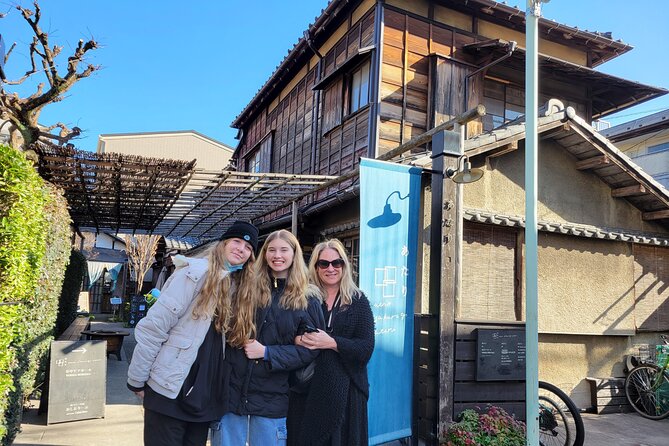
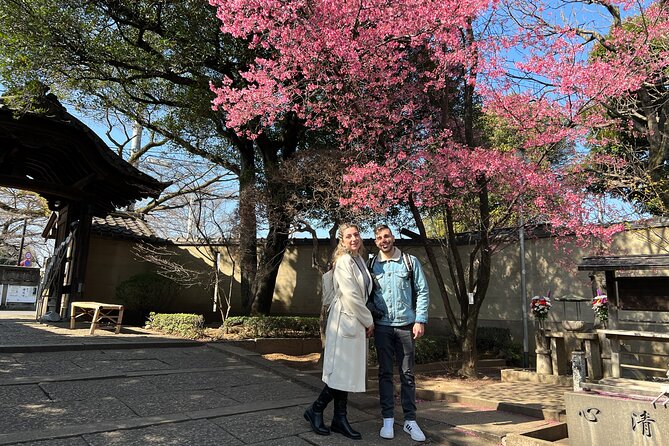
Next is Tennoji Temple, about 20 minutes. This Buddhist temple sits on the edge of Yanaka Cemetery, and it dates back to 1274. The setting is garden-like, behind an old wooden gate, which helps you shift from street noise to quiet attention.
Tennoji isn’t just a “stop for photos.” It’s a good example of how Japanese religious spaces blend with the landscape. In the grounds, you’ll also see a bronze Buddhist statue that dates back centuries, and that kind of object gives weight to what you’re being told.
A key value here is interpretation. If you understand the difference between shrine and temple and basic temple etiquette, the visit lands harder. More than one guide in past groups was praised for teaching courtesies along the way, which helps you avoid awkward moments and also makes the atmosphere feel more respectful.
If you’re visiting Tokyo for the first time, this stop works well because it gives you cultural grounding early. Even if you’ve seen temples before, it still adds depth.
Yanaka Cemetery: A Quiet City of Memory
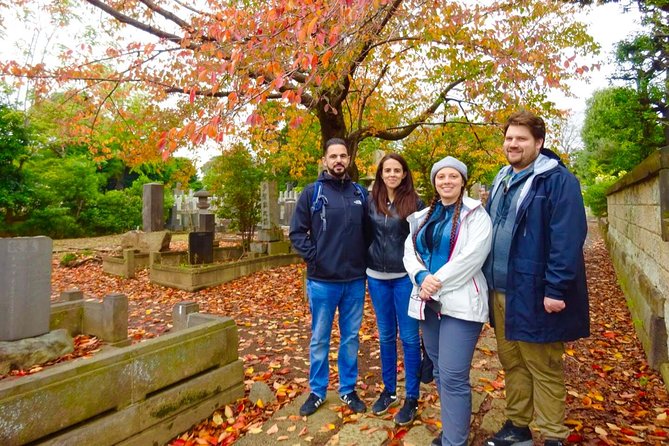
The cemetery stop is about 40 minutes. It’s also the point where people’s expectations can clash with reality, mostly because it can feel longer than the other segments.
Yanaka Cemetery is huge, around 100,000 square meters, with over 7,000 graves. If you’ve never walked through a Japanese cemetery before, it can change how you see the idea of public space and family memory. It’s not a bleak experience. It’s a designed landscape for remembrance.
One drawback to keep in mind: some people found the front-loaded timing of the cemetery too long. If you’re sensitive to that setting, go slow, take breaks when you feel ready, and let the guide set the pace. Also, keep in mind you may not have been expecting a cemetery to be a headline feature of a tour. That’s why the guide’s context matters so much.
This is also where the tour earns its “mini-retreat” reputation. You step out of the usual tourist motion and into a place that asks for quieter attention. If you’re the type who enjoys history through lived places, you’ll probably love this segment.
Optional Tea on Tatami, Plus Afternoon Add-Ons

Some parts of the tour depend on whether you’re on the morning or afternoon version, and a few stops are explicitly optional. That flexibility is useful if you want more culture, less culture, or a different pace.
Gallery Okubo tea ceremony (optional)
There’s an optional stop at Gallery Okubo where you can do a tea ceremony on tatami mats. The tea is ¥1,000, and it’s not included in the tour price.
This option is nice if you want one hands-on moment rather than only walking and looking. Because it’s paid separately, you can also decide on the spot if you feel like slowing down.
SCAI The Bathhouse (afternoon only)
For afternoon tours, you might visit SCAI The Bathhouse, a contemporary art gallery located in Yanaka, housed in a venerable public bath. The idea here is an interesting contrast: old Tokyo bathing culture transformed into modern art viewing.
If you like the idea of seeing how repurposed spaces keep a neighborhood’s character while adding new layers, this stop fits.
Shitamachi Customs Museum (optional)
You may also have an optional stop at Shitamachi Customs Museum & Exhibit Hall. It’s focused on Shitamachi, often described as downtown Tokyo culture, and the point is learning through objects people actually used. That makes it more practical than a purely decorative museum style.
Edokoro Alan West (afternoon only)
Another afternoon option is Edokoro Alan West, described as a studio that used to be an auto body garage and is now an operating traditional studio in the old-town area.
This type of stop is valuable for the “real city” feeling. You’re not only visiting grand heritage sites. You’re seeing how ordinary working history persists in small ways.
If you’re trying to choose between options, I’d base your decision on energy level. Morning tours tend to feel more centered on temples and streets. Afternoon tours add more “place transformation” ideas like bathhouses and galleries.
The Shrine Stop With Trees, Azalea, and Colorful Structures
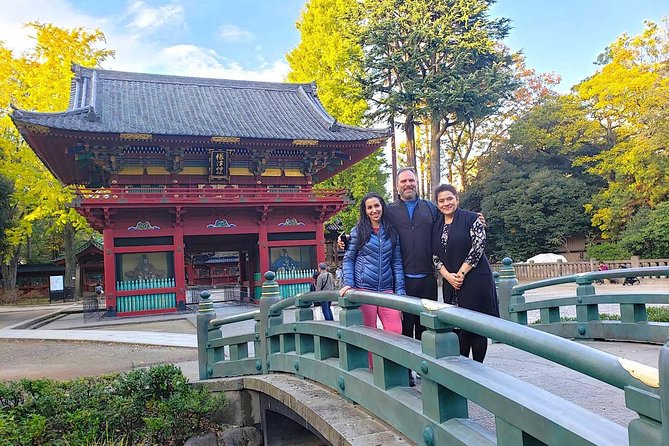
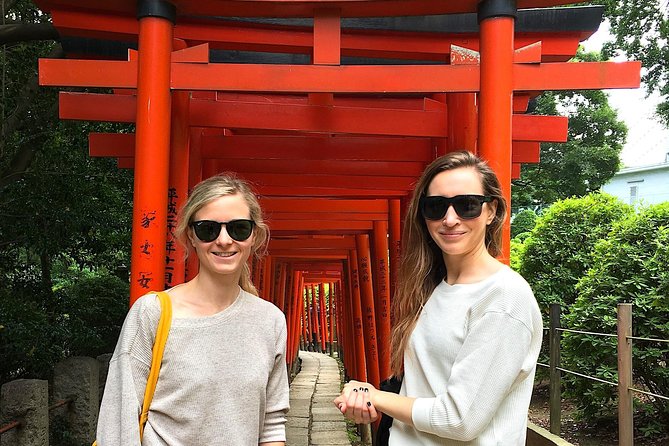
The later part of the route includes a shrine stop described as one of Japan’s oldest shrines, set in a garden setting with huge trees, flowering azalea (つつじ), ponds, and pathways, plus iconic colored wooden structures.
Even without getting lost in specifics, this is a strong moment because it changes the visual tone again. After the cemetery and temple spaces, you’re back in a shrine garden atmosphere that feels designed for seasonal beauty. If your timing lines up with spring blooms, you’ll likely see why azalea is mentioned so often.
One recent group experience specifically called out Nezu Jingu shrine, including the detail about an old 600-year-old tree. If your route includes Nezu Jingu, pay attention to how the garden layout and long-aged structures create a sense of continuity.
This stop is also a good time to ask questions about shrine versus temple, because by now you’ve already seen how the religion spaces differ in physical feel and purpose.
Yanaka Ginza Shopping Street: Snacks, Old Shops, and That Shitamachi Mood
The final walk is Yanaka Ginza Shopping Street, about 30 minutes. This is one of the best parts for most people because you get to shift from reflection to appetite.
Yanaka Ginza is described as a well-preserved local shopping street with a Shitamachi, downtown Tokyo atmosphere. The point is to explore slowly, notice storefront architecture, and eat local snacks if the mood hits.
One tip from real experiences: you may also hear about the snake road to the market area, which is the kind of local nickname that makes the walk feel like someone actually lives there, not just someone who read a brochure.
If you’re traveling for the first time, this is an excellent ending because it gives you something tangible to bring home, a sense of place plus a snack memory.
Guides Make It Work, From Keita to Charlotte to Michiko
This is a walking tour where the guide can make or break the day. And the good news is the recent guide experiences are consistently positive, with specific praise for friendliness, clarity, and flexibility.
Some names that came up in past groups include Keita, Charlotte, Kiyo, Ken, Michiko, Mana, Muchan, and Satsuki, along with guides who adjusted the pace for the group and answered lots of questions.
Here’s what you should expect from a strong guide on this route:
- Explaining what you’re seeing in real time, so stops feel connected
- Teaching basic temple and shrine courtesies as you encounter them
- Keeping people engaged even in rain, so the day doesn’t collapse into “watching the weather”
- Helping with practical city movement, especially around getting oriented
- Adding small live-life details, like sweets and local food references
There are also some very practical praises worth noting. One guide, Muchan, was praised for coming prepared on a very hot day with bug spray and cooling spray. Others mentioned taking lots of photos and sending them later, plus stopping for refreshments or rest when needed.
So bring your questions. If you want to know why things are arranged a certain way, ask. If you want to understand the difference between shrine and temple, ask that too. The tour is designed so those questions can land right where the answer lives.
Who This Tour Fits Best (And Who Might Prefer Something Else)
This works especially well if you want:
- A calmer Tokyo day away from skyscraper crowds
- A guided route through historic neighborhood culture
- Temple and cemetery context, not just quick sightseeing
- A small-group pace where you can talk back to the guide
It might be less ideal if:
- You dislike walking for 3.5 hours, even at a steady pace
- You feel uneasy with cemetery visits and would rather keep the experience more strictly “tourist sites”
- You want a strictly modern Tokyo angle, because this tour is intentionally old-town focused
If you’re a history-minded traveler, or you just enjoy learning how everyday places evolved, Yanaka is a smart use of time.
Should You Book Yanaka Walking Tour?
I think you should book this tour if you want Tokyo to surprise you in a gentle way. The route gives you real cultural grounding, plus a neighborhood endcap in Yanaka Ginza that feels like Tokyo living, not Tokyo performing.
Choose it for value if you like guided interpretation, small-group attention, and a paced day where you can ask questions. If you’re expecting a quick, casual walk with only postcard stops, you might feel thrown by the cemetery portion.
If you do book, pack for comfort. Wear comfy walking shoes and bring sun protection if it’s warm. And when you get to Tennoji, take a breath, slow your pace, and let the guide connect the dots. That’s when Yanaka clicks.
FAQ
How long is the Yanaka walking tour?
It runs about 3 hours 30 minutes.
How much does the tour cost?
The price listed is $72.96 per person.
Where do I meet the tour?
Meet at Nippori Station, 2 Chome-19 Nishinippori, Arakawa City, Tokyo 116-0013, Japan.
What time does the tour start?
Start times are 9:00 am or 14:00 pm, depending on the option you choose.
Is there an English speaking guide included?
Yes. The tour includes an English speaking guide.
Is the tea ceremony included in the price?
An optional tea ceremony at Gallery Okubo is not included. The tea costs ¥1,000.
Are entrance fees included for the stops?
Yes. All fees and taxes are included for the tour.
Are food and drinks included?
No. Food and drinks are not included.
Is hotel pickup included?
No. Hotel pickup and drop-off are available for an additional fee.
How does cancellation work?
Cancellation is free up to 24 hours in advance for a full refund. Changes within 24 hours of the start time are not accepted, and less-than-24-hour cancellations are not refunded.
More Historical Tours in Tokyo
- Tokyo: Imperial Palace Japanese History Walking Tour
★ 4.9 · 987 reviews - Tokyo: Shinjuku Historical Walking Tour & Secret Backstreets
★ 5.0 · 530 reviews - Mt. Fuji Heritage Tour: Traditional Villages, Lakes & Shrine
★ 4.5 · 509 reviews - From Tokyo: Nikko World Heritage Site Private Full-Day Trip
★ 4.9 · 243 reviews
Fresh options around Tokyo
- Tokyo: Nagano Snow Monkeys and Zenkoji Tour with Temples★ 4.9 · 19 reviews
- Yokohama Port: Private Customizable Tour with Transfer★ 5.0 · 19 reviews
- Sushi Making with Interactive Samurai Experience at JIN-ASAKUSA★ 5.0 · 19 reviews
- Explore Unique Tokyo Streets / Learn with a Pro Photographer★ 5.0 · 19 reviews
- DAIKOKU excursion by car DRIFT automobile encounter★ 4.5 · 19 reviews
- Official Street Go Kart Tour Akihabara 2nd★ 5.0 · 19 reviews
- Cosplay Experience with Professional Makeup and Photo Shoot!★ 5.0 · 19 reviews
- Tokyo: Name Seal & Pouch or Tote Bag Making Experience★ 4.5 · 19 reviews
Historical Tours, compared.
World Heritage Shirakawa-go and Experience Tours from Kanazawa
Read our review →
Imperial Palace and Shogun Historical Walking Tour
Read our review →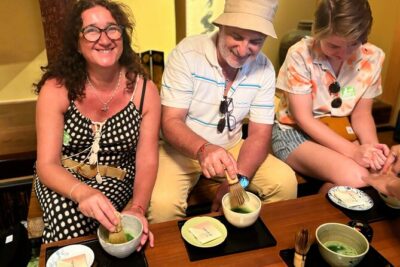
World Heritage Kyoto & Nara Uji Authentic Matcha Experience
Read our review →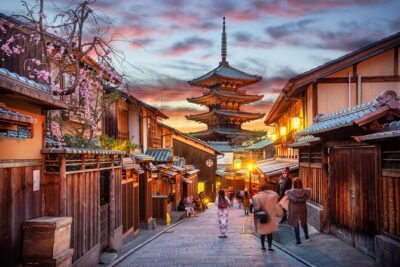
Kyoto Gion: 2-Hour Geisha Culture & History Walking Tour
Read our review →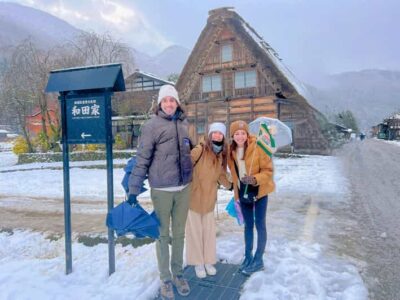
World Heritage Shirakawa-go Morning Guided Tour
Read our review →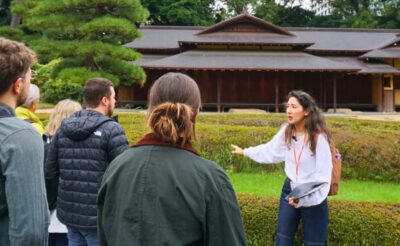
Hiroshima Historical Walking Tour – Why A-Bomb was Dropped
Read our review →
Hiroshima Peace (Heiwa) Walking Tour at World Heritage Sites
Read our review →Browse the lists this tour appears in