
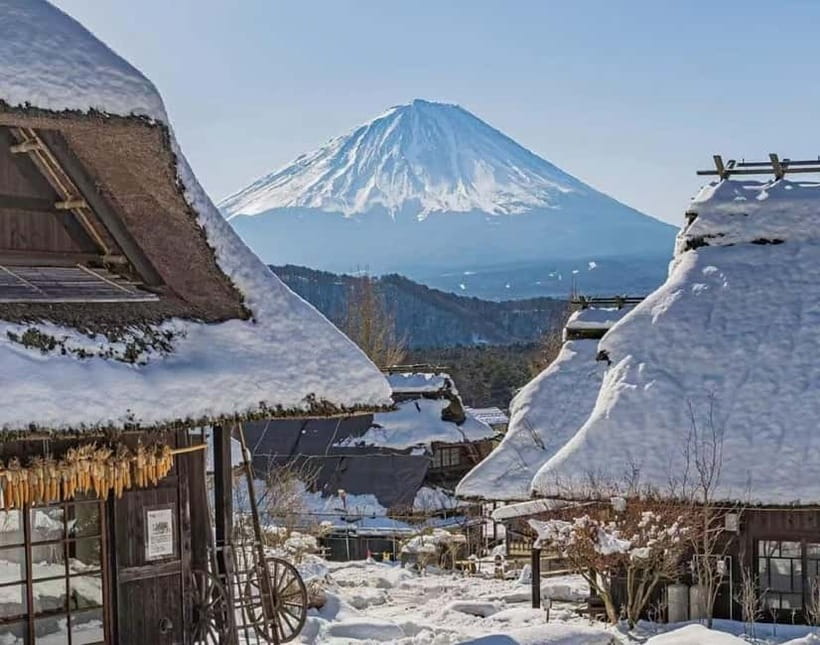
Reviewed · HISTORICAL TOURS
Mt. Fuji Heritage Tour: Traditional Villages, Lakes & Shrine
One day can feel like five seasons. This Mt. Fuji Heritage Tour strings together the Saiko Iyashi no Sato Nenba village, then finishes with Oshino Hakkai ponds, so you get both storybook scenery and quiet water reflections. I especially love how the day is built around classic Fuji-view photo spots, not random stops.
My other favorite part is the way the guide keeps everyone on track, with clear timing and site instructions, so you actually have moments to look, take photos, and ask questions. The main drawback to plan for is simple: Mt. Fuji may be covered by clouds, and the route can shift in peak autumn, so you should check weather and be flexible.
Key moments that sell the day
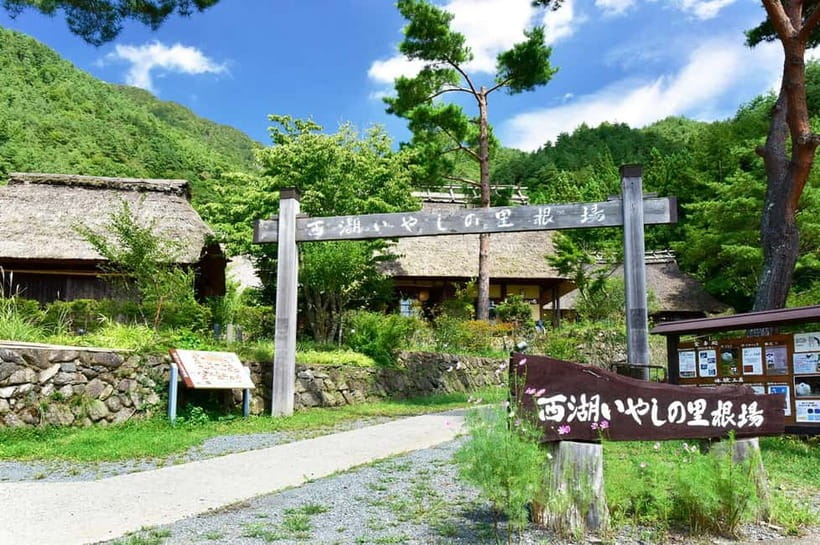
- Saiko Iyashi no Sato Nenba for thatched-roof photos with Fuji in the frame
- Lake Kawaguchi parks that change character by season, including the Maple Corridor in peak fall
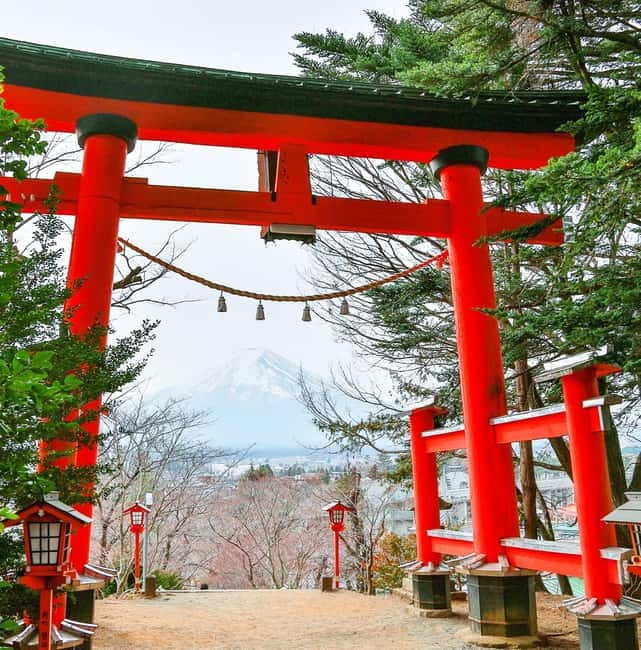
- Arakurayama Sengen Park and Chureito Pagoda for the iconic stepped view of Mt. Fuji
- Oshino Hakkai for calm, crystal-clear spring ponds fed by Fuji’s meltwater
- English, Japanese, Traditional Chinese guidance that helps you find the best angles fast
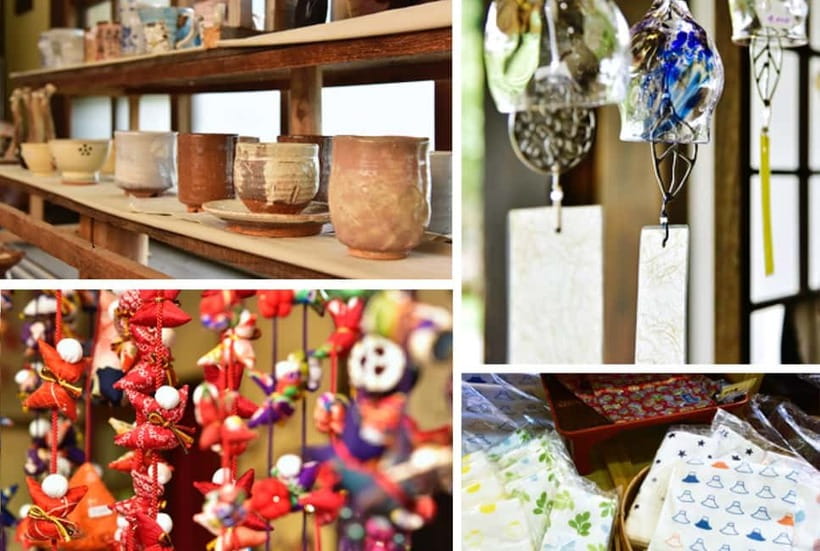
- Cash-friendly stops where credit cards may not work, plus souvenir shops near each attraction
Morning pickup, bus ride, and how the day stays smooth
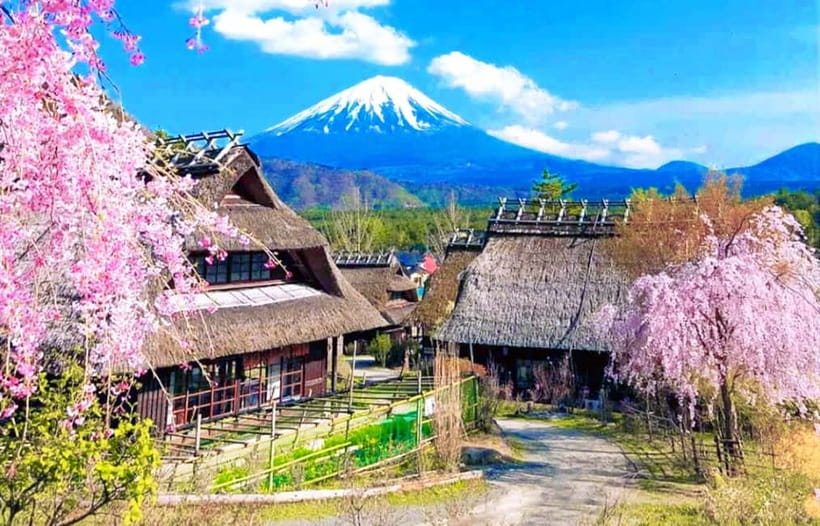
This tour runs for about 10 hours and is built as a shared-group loop around Lake Kawaguchi and the Fuji foothills. You start from one of two meeting points in Tokyo, and then most of the morning is transport by coach.
The bus portion matters more than you might think. It gives you time to settle in, listen to multi-language explanations, and spot the lay of the land before each stop. It also helps you avoid the hardest part of a Fuji day trip: figuring out connections and photo locations on your own.
Also, plan to be early. You’re asked to arrive about 15 minutes ahead, and late arrivals or no shows won’t be refunded. The night before, you should receive an email with the guide contact info and the vehicle details, which is handy if you’re nervous about finding the right bus.
More Temple & Shrine Tours in Tokyo
- Tokyo: Meiji Shrine, Asakusa, Skytree Bus Tour and Cruise
★ 4.7 · 1,986 reviews - Tokyo: Asakusa Walking Tour with Sensoji Temple Visit
★ 4.8 · 1,583 reviews - Nikko: Kegon Falls, Lake Chuzenji & Toshogu Temple
★ 4.6 · 1,577 reviews
Saiko Iyashi no Sato Nenba: thatched houses, quick photos, and fun options
Your first major stop is Saiko Iyashi no Sato Nenba, a traditional thatched-village area known for its charming architecture and Fuji-friendly backdrops. Expect guided time inside the village plus time to wander and shoot.
What I like here is the contrast. You get that “old Japan” feeling in the structures, but you’re still near modern photo viewpoints where Mt. Fuji can show up clearly. It’s a great place to start because it sets the theme of the day: heritage sites with classic Fuji sightlines.
There are also small practical perks. You can grab Japanese street snacks around the entrance, which is a nice way to keep energy up before you move on. If you want extra silliness for your photos, there’s an option to rent a ninja costume for an added fee. It’s not required, but it can make the village shots more memorable, especially if you’re traveling with kids.
Time reality check: the village stop is about an hour, including time for the guided portion. That can feel fast if you want long chats in shops, so focus on the photo edges and don’t get stuck in one corner.
Lake Kawaguchi: the base for Fuji views and seasonal color
From Saiko Iyashi no Sato Nenba, you head toward Lake Kawaguchi, the area that anchors most Fuji sightseeing. Here, the big idea is simple: the views change with the season, and this tour is designed around those shifts.
You may see Mt. Fuji from different angles depending on cloud cover, but even when Fuji is partially hidden, Lake Kawaguchi gives you scenic breathing room and lots of foreground options for photos. The light can also move quickly, so if you’re chasing crisp mountain shots, take a moment to re-check the horizon when you switch locations.
The tour uses short, targeted stops here rather than long “hang out” time, which is usually the right choice on a packed day. It keeps your schedule intact and helps you reach the most famous photo parks while visibility is still good.
Oishi Park and the Maple Corridor: plan your season, not just your dates
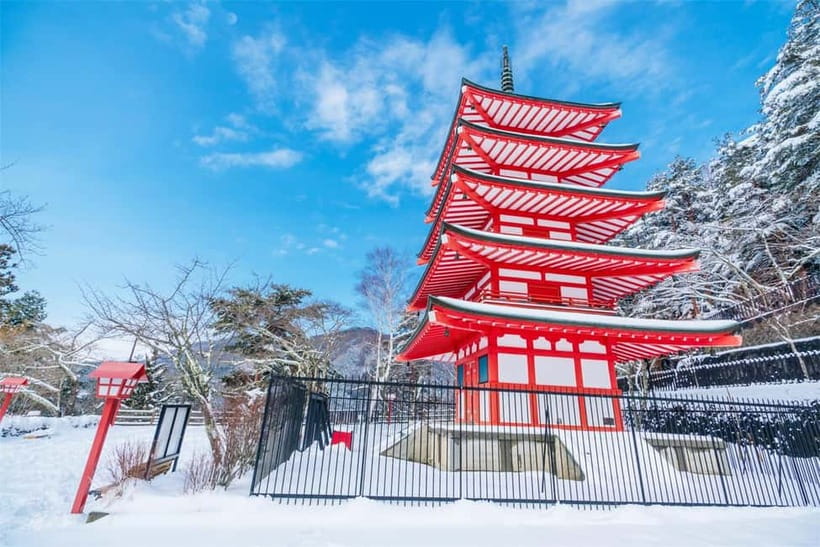
This is where the tour gets especially useful for photographers and nature lovers. After Lake Kawaguchi, you visit Oishi Park, plus you may also visit the Maple Corridor depending on the season.
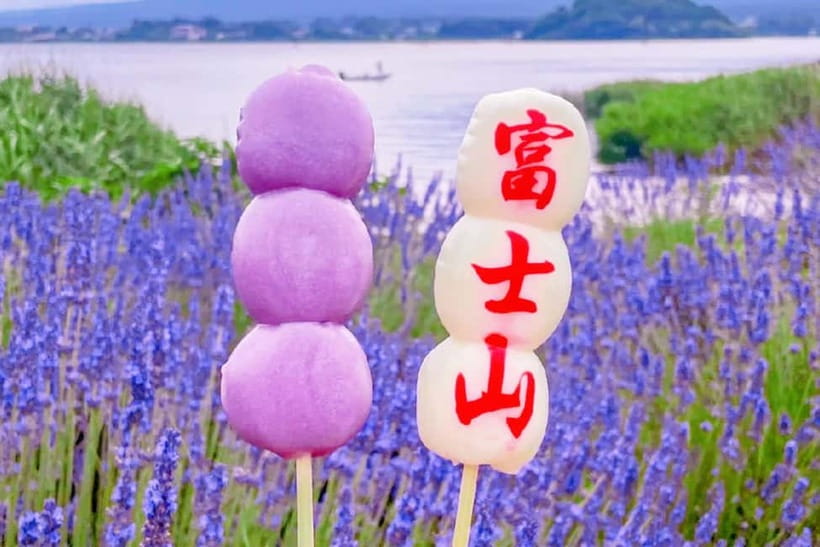
In summer, Oishi Park is known for fragrant lavender fields. In autumn, it leans into fall color with plantings like red broom grass that can create a strong “Fuji through color” look. Then, during peak autumn season, the tour prioritizes the Maple Corridor, where fiery red and orange foliage frames the snow-capped mountain in a way that’s hard to replicate elsewhere.
One important scheduling note: during peak foliage, from Oct 26 to Nov 20, the route does not go to Oishi Park. That’s a real change, not a minor swap, so don’t assume every stop is identical on every date.
My advice: if you’re traveling in late October or early November, lean into the Maple Corridor. If you’re going outside peak fall, Oishi Park is the better “seasonal color” hit on this itinerary. Either way, you’re still getting Fuji-photo time, just with a different foreground and different vibe.
More Mt Fuji tours from Tokyo:
- Mt Fuji and Hakone 1-Day Bus Tour Return by Bullet Train
★ 5.0 · 26,383 reviews - Mt Fuji & Hakone Cruise, Drum Show Bullet Train 1 Day from Tokyo
★ 4.0 · 7,413 reviews - Tokyo Mt Fuji 5th St & Hakone Cruise Bus Tour w/Bullet Train
★ 4.4 · 5,024 reviews - From Tokyo: Mount Fuji Full-Day Sightseeing Trip
★ 4.5 · 4,970 reviews
Arakurayama Sengen Park: Chureito Pagoda and the steps that make the shot
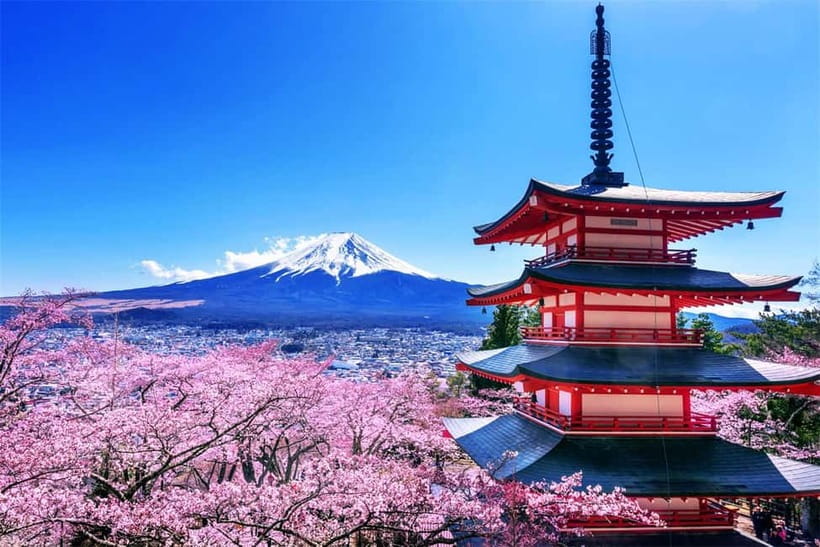
Next comes Arakurayama Sengen Park, where the world-famous Chureito Pagoda and the view of Mt. Fuji live together in one iconic frame. The tour stop is short, but it’s structured so you can handle the walk and still reach the best viewpoints.
This is also the stop where you should prepare for a bit of effort. You’ll climb steps and move through the park area to reach the viewpoint where the pagoda is framed with Fuji behind it. If you’re the type who likes to linger at photo spots, build in a little patience. The line and crowd flow can vary by day.
The route includes time at Arakura Sengen Shrine too, which adds a calmer, more traditional feel before you reach the bustle around the pagoda viewpoint. If you enjoy shrines, take a moment to look at the details, then keep your pace for the viewpoint climb.
A practical ritual tip if you want a goshuin
If you plan to get a goshuin (shrine stamp book), here’s a smart timing approach. One helpful tip is to hand your book to the staff before you climb up the stairs, because waiting can take about 20 minutes when the area is busy. That simple move can save your schedule and reduce stress.
Local break time and the lunch reality
There’s a local restaurant break included, but lunch is not included in the tour price. The tour is set up so you either bring your own food, buy lunch at an attraction, or eat at a place suggested by the guide.
This matters because a “10-hour Fuji day” can mess with your hunger timing. You don’t want to reach the pagoda steps cranky from low energy. If you’re picky about food or dietary needs, I’d plan a backup snack in your bag.
It can also help to bring cash. Credit cards aren’t accepted at certain locations, and cash is mentioned as a must-have. Keep small bills handy for snacks, shrine-area purchases, and souvenir shops, since those shops often run independently.
Oshino Hakkai: the quiet end of the day with spring ponds
The final major stop is Oshino Hakkai, a set of eight spring ponds fed by melting snow from Mt. Fuji. This is a totally different mood than the pagoda area. Instead of steps and crowds, you get still water reflections and a calmer walking route.
What I like about Oshino Hakkai is how it anchors the whole day. Earlier you chase views, but here you slow down and watch the reflections shift. Even if Fuji is cloudy overhead, the ponds still deliver that clear-water, serene feeling the area is known for.
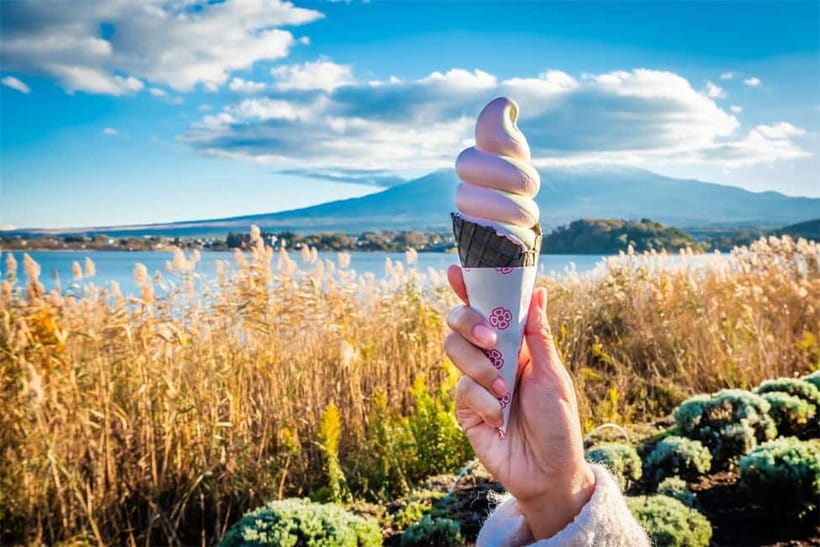
You’ll also find local snack treats nearby. The tour specifically points out things like freshly made rice crackers and wasabi ice cream, which are fun if you’re traveling as a couple or with family. They’re not “high culture,” but they are very local and very easy to enjoy right at the end of a long day.
This stop is longer than some of the others, about 70 minutes, which gives you enough time to wander and still feel relaxed before the return trip.
Weather and Mt. Fuji visibility, the real variable
Mt. Fuji visibility is the big unknown on any day trip, and this tour is no different. Weather can prevent clear views, and the schedule is built around maximizing your chances by visiting multiple photo parks across the day.
What I find reassuring is that you’re not relying on one single viewpoint. You have several chances: village backdrops, Lake Kawaguchi viewpoints, the Maple Corridor or Oishi Park foreground, and then Arakurayama Sengen Park plus the pagoda framing. If clouds roll in, you still have scenery, ponds, and shrine atmosphere.
A smart move is to keep checking the forecast and be mentally ready for partial views. If Fuji is hidden, focus on what you can control: lighting for photos (often earlier is better), and your willingness to shift position quickly when clouds break.
Group-tour pace: why this works even when the day feels long
A 10-hour tour can sound like a lot, but the structure is what makes it manageable. The day uses a rhythm of transport, then a focused photo stop, then a guided or short exploration window. That keeps energy from collapsing, and it reduces decision fatigue.
You’ll notice the best guides make the difference between stressful and smooth. Names that show up in this tour’s recent history include Kazi, Sia, Wanting, Rachel, Alex, and Valentin, with Feng as a driver name also mentioned. Across those experiences, the pattern is consistent: organized timing, friendly guidance, and clear instructions about where to meet the bus again.
If you like learning, you’ll likely appreciate the multi-language explanations. Several people also mention small Japanese lessons and shrine-related stories during the day, which can make the sites feel more personal instead of just “stops with photos.”
The one caution is that some people wish for more regional context during the ride. If you’re the type who wants deeper talk between stops, bring questions. Ask directly about the area, the seasons, or why a particular viewpoint matters.
Price and value: what you’re paying for at $50
At around $50 per person for a 10-hour day, the value comes from packing several major Fuji-region highlights into one organized route. You’re not just paying for admission tickets, you’re paying for logistics, timing, guide explanations, and the ability to hop between far-apart photo spots without figuring out public transit.
Included items make the math cleaner: entry to Saiko Iyashi no Sato Nenba, a tour guide, the driver, pickup and drop-off at two Tokyo meeting points, and parking fees. On your own, parking plus transportation plus guided navigation would add up quickly, especially if you’re trying to hit these exact photo parks.
Where the value can feel thinner is lunch, since it’s not included. Also, if Mt. Fuji is hidden by weather on your date, you may feel like you paid for “maybe.” That risk exists in any Fuji day trip, but this itinerary reduces the impact by offering multiple Fuji-chance stops.
What to pack and how to stay comfortable
This tour asks for a simple, practical packing list:
- Comfortable shoes
- Water
- Cash
The shoes piece is not optional. You’ll be walking around villages, parks, and shrine grounds, and you’ll climb steps for the pagoda viewpoint. Bring water because the stops are spread across the day, and you don’t want to rely on finding drinks every time you move.
Cash matters because some locations may not accept credit cards. Even small snack purchases or souvenir buys can become annoying if your card won’t work.
Who should book this tour, and who should skip it
This tour is a strong fit if you want a day focused on famous Fuji-area photo stops and heritage scenery without planning routes and timing yourself. It’s also good for first-time visitors to Japan, since the guide helps with basic navigation and multi-language explanations.
It may not be ideal if you need wheelchair access, since it’s noted as not suitable for wheelchair users. If mobility is limited, consider other options or ask about accessibility details before booking.
It’s also worth booking if you want a calm end to the day at Oshino Hakkai, since that stop is quieter than the pagoda area.
Should you book this Mt. Fuji Heritage Tour?
I’d book this tour if you:
- Want multiple Mt. Fuji photo chances in one day
- Like classic sites, traditional village atmosphere, and shrine viewpoints
- Prefer organized timing over figuring out transit and entrances
- Travel with kids or family and want a guide to help keep everyone moving
I would think twice if you:
- Are traveling during peak autumn and hate crowds. Peak seasons can mean heavier foot traffic around major photo spots.
- Need lunch included, since lunch is not part of the package.
- Have a strict plan to see Mt. Fuji clearly all day. Weather is the wildcard, and even the best itinerary can’t control clouds.
If you book, do one thing that boosts your odds: bring cash, wear good shoes, arrive early, and stay flexible if Fuji plays hide-and-seek. When the mountain is visible, this route is the kind of day you remember because it hits the big images and still ends quietly by the ponds.
FAQ
Where does the tour start in Tokyo?
You’ll have two designated meeting point options in Tokyo. One is Tokyo MODE Gakuen, 1-chōme-5-1 Marunouchi.
How long is the Mt. Fuji Heritage Tour?
The tour duration is listed as 10 hours.
What is included in the price?
Included items are admission to Saiko Iyashi no Sato Nenba, a tour guide, the driver, pickup and drop-off at two designated meeting points, and parking fee.
What is not included?
Lunch is not included. You’ll also want to cover personal expenses.
Do I need cash?
Yes. The tour notes that credit cards may not be accepted at certain locations, so bringing some cash is recommended.
Is lunch included or where can I eat?
Lunch is not included. You can bring something to eat, purchase lunch at the attractions, or choose to eat at a restaurant suggested by the guide.
What stops are the most famous for Mt. Fuji views?
The itinerary highlights Arakurayama Sengen Park with the Chureito Pagoda, plus photo stops connected to Saiko Iyashi no Sato Nenba, Lake Kawaguchi areas like Oishi Park or the Maple Corridor, and Oshino Hakkai.
Does the route change during peak fall foliage?
Yes. During the peak autumn foliage period (Oct 26 to Nov 20), the tour notes that it does not go to Oishi Park.
What languages is the tour guide available in?
The guide offers live tour support in English, Japanese, and Traditional Chinese.
Is this tour suitable for wheelchair users?
No. It is listed as not suitable for wheelchair users.
More Historical Tours in Tokyo
- Tokyo: Imperial Palace and Shogun Historical Walking Tour
★ 5.0 · 2,251 reviews - Tokyo: Imperial Palace Japanese History Walking Tour
★ 4.9 · 987 reviews - Yanaka Walking Tour: Historic and Traditional District of Tokyo
★ 5.0 · 530 reviews - Tokyo: Shinjuku Historical Walking Tour & Secret Backstreets
★ 5.0 · 530 reviews
Fresh options around Tokyo
- Tokyo: Nikko Kegon Falls Lake Chuzenji Toshogu Temple & More★ 4.9 · 12 reviews
- Tokyo: Samurai History Walking Tour★ 5.0 · 12 reviews
- Harajuku: Kawaii Fashion and Pop-Culture Tour★ 4.7 · 12 reviews
- Tokyo: Mt. Fuji & Lake Kawaguchi Instagram Full Day Trip★ 4.1 · 12 reviews
- Shibuya Tokyo: Modern Kintsugi Workshop in Shibuya★ 5.0 · 12 reviews
- Tokyo: GTR Guided Daikoku Experience at Night★ 5.0 · 12 reviews
- Tokyo: Daikoku JDM Car Culture Tour★ 4.6 · 12 reviews
- Mt Fuji Private Day Trip from Tokyo with English speaking driver★ 5.0 · 13 reviews
Historical Tours, compared.
World Heritage Shirakawa-go and Experience Tours from Kanazawa
Read our review →
Imperial Palace and Shogun Historical Walking Tour
Read our review →
World Heritage Kyoto & Nara Uji Authentic Matcha Experience
Read our review →
Kyoto Gion: 2-Hour Geisha Culture & History Walking Tour
Read our review →
World Heritage Shirakawa-go Morning Guided Tour
Read our review →
Hiroshima Historical Walking Tour – Why A-Bomb was Dropped
Read our review →
Hiroshima Peace (Heiwa) Walking Tour at World Heritage Sites
Read our review →Browse the lists this tour appears in