
Reviewed · WALKING TOURS
Tokyo Asakusa Temple & Shrine Walking Tour with Local Guide
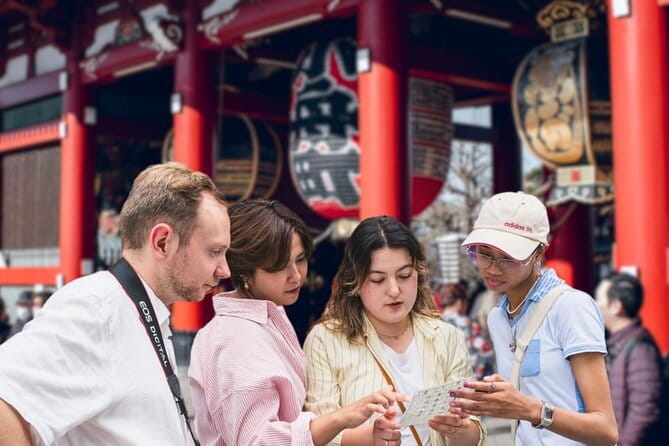
Asakusa is a sensory shortcut. In about two hours, this small-group walk helps you hit the big sights fast, without wrestling maps or missing the meaning behind the rituals.
I especially love the hands-on moments, like joining the hand-cleansing temizu and trying omikuji fortune-telling with your guide explaining what you’re seeing. It also makes it easy to follow along, even if you do not know Japanese.
One consideration: the route moves through busy crowd areas, so if you need long pauses or quiet photo stops, you may feel a bit on the clock.
Key things that make this Asakusa tour worth it
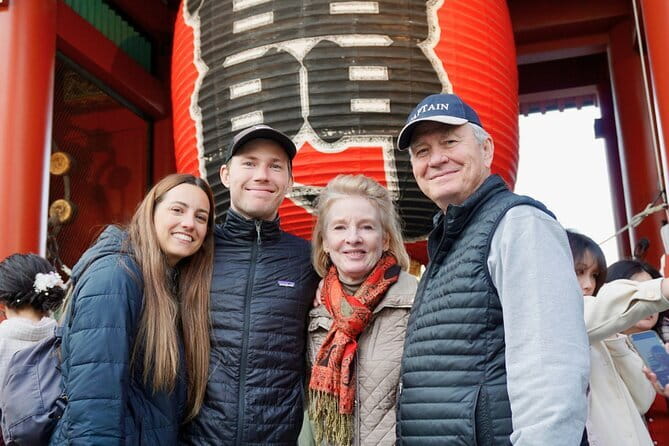
- Small group capped at 8 means you can actually hear your guide and keep your bearings
- Ritual time includes temizu cleansing, prayer, and omikuji fortune-telling, not just sightseeing
- No language barrier approach, with clear explanations of shrine and temple practices
- Navigation included, so you are not bouncing between landmarks while crowds shuffle you around
- Top Asakusa stops like Sensoji Temple, Asakusa Shrine, Kaminarimon, Nakamise Street, and Hozomon Gate
Where Asakusa Temple-and-Shrine Walking Really Delivers
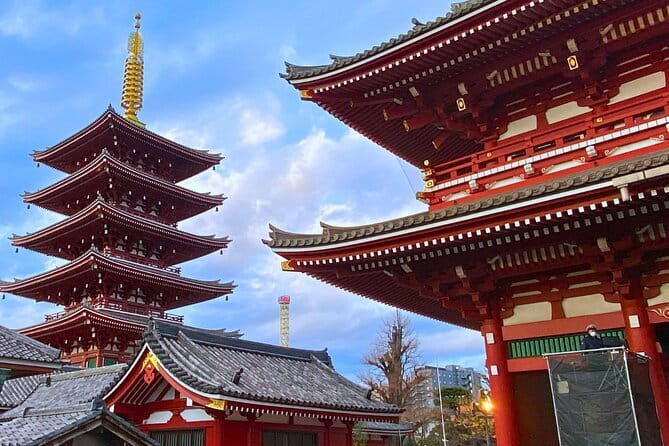
Asakusa works for a short guided tour because it stacks so many layers into one compact area. You get temple architecture, shrine etiquette, old-school street life, and the kind of religious customs you would otherwise just watch from the sidelines.
What I like about this format is that it is not just a checklist. Your guide is there to explain the “why,” especially around Shinto and Buddhism blending side by side in the same neighborhood. In practice, that means you spend less time guessing how to behave and more time noticing details you would otherwise overlook.
At a glance, the timing is tight but not rushed. It is about two hours, and you loop through key landmarks that most people want on day one in Asakusa.
More Temple & Shrine Tours in Tokyo
- Tokyo: Meiji Shrine, Asakusa, Skytree Bus Tour and Cruise
★ 4.7 · 1,986 reviews - Tokyo: Asakusa Walking Tour with Sensoji Temple Visit
★ 4.8 · 1,583 reviews - Nikko: Kegon Falls, Lake Chuzenji & Toshogu Temple
★ 4.6 · 1,577 reviews
Price and value: what $19.82 gets you in real terms
At $19.82 per person, this is positioned as a budget-friendly culture walk. The big value is not that it is cheap, it is that it bundles the stuff that usually costs time and energy when you do it on your own.
You are paying for:
- A guide to translate what you are seeing and how rituals work
- A small group size that keeps the experience personal
- Help navigating the cluster of gates, streets, and temple lanes
- Included ritual activities, like temizu and omikuji
Also, the tour lists Senso-ji admission as free for the temple stop, which helps keep your total day cost down. And because it is only a 2-hour commitment, it is easy to fit into a first day itinerary without eating your whole afternoon.
Finally, the track record is strong: it has a 4.9 rating from 52 reviews and a 98% recommendation rate. That lines up with the most praised aspect of the experience, which is guide quality and the way the tour feels smooth even in crowded spaces.
Meeting point reality check: start simple, end where you began
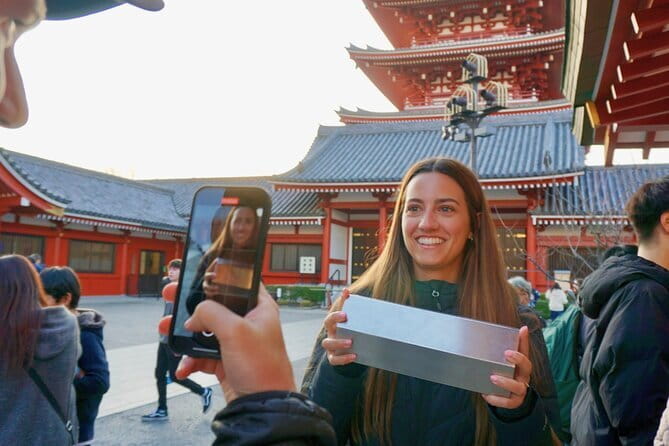
The tour meets at Burger King Asakusa Azumabashi in Kaminarimon. The address is very specific, so I recommend you plug it into maps exactly as given rather than relying on nearby guesses.
You also end back at the meeting point. That matters more than it sounds. In Tokyo, where you can lose time walking between stations, knowing you will finish in the same place makes the day feel less complicated.
The tour uses a mobile ticket, which is convenient. Just have your phone charged and ready to show the ticket on arrival.
Azumabashi Bridge: the view and the context first
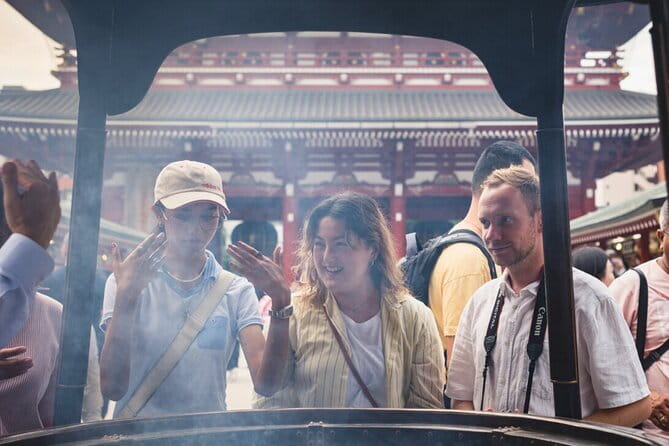
You start with a quick stop at Azumabashi Bridge, looking over the Sumida River with the Tokyo skyline in view. This is a good warm-up because it gives you orientation. Before you step into the temple lanes, you learn where you are in Asakusa and why this area matters as a gateway to older Tokyo.
This early viewpoint also helps with photos later. When you know which direction landmarks sit, you stop feeling like you are just following a crowd and start recognizing the geography.
The downside? It is a short stop, so if you are hoping for long river breathing time, you will probably want to come back later on your own.
More Walking Tours in Tokyo
- Tokyo Tsukiji Fish Market Food and Culture Walking Tour
★ 5.0 · 3,184 reviews - Tokyo: Imperial Palace and Shogun Historical Walking Tour
★ 5.0 · 2,251 reviews - Tokyo: Shinjuku Local Bar and Izakaya Guided Walking Tour
★ 4.9 · 1,794 reviews - Tokyo: Tsukiji Fish Market Food and Walking tour
★ 5.0 · 1,724 reviews
Entering the old temple vibe at Kaminarimon (Thunder Gate)
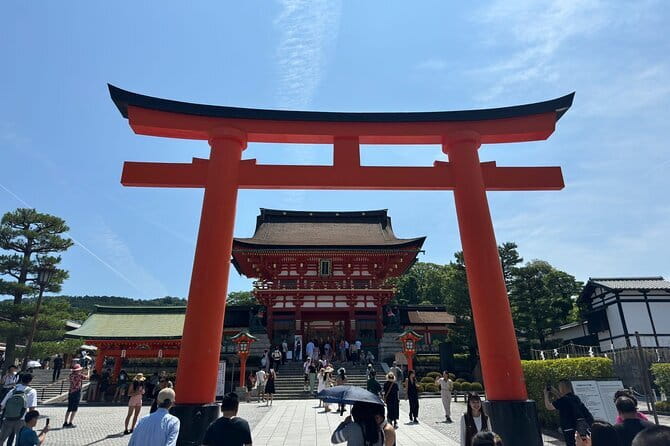
Next comes the Thunder Gate, also called Kaminarimon. This is one of those Tokyo landmarks that looks instantly familiar even if you have never been. Your guide connects the big red lantern story to why the gate earned its nickname.
One detail worth remembering: the red lantern is described as weighing around 700kg, and the gate has a history of repeated reconstruction due to fires. Your guide’s job here is not just to recite trivia. The explanation helps you see Kaminarimon as a symbol of endurance, not just a photo backdrop.
If you do not like crowds, plan your patience here. The gate is the kind of spot where everyone stops at once. The advantage of a guided group is that you usually have a better chance to move when the flow shifts.
Nakamise Shopping Street: snacks, crafts, and how not to get overwhelmed
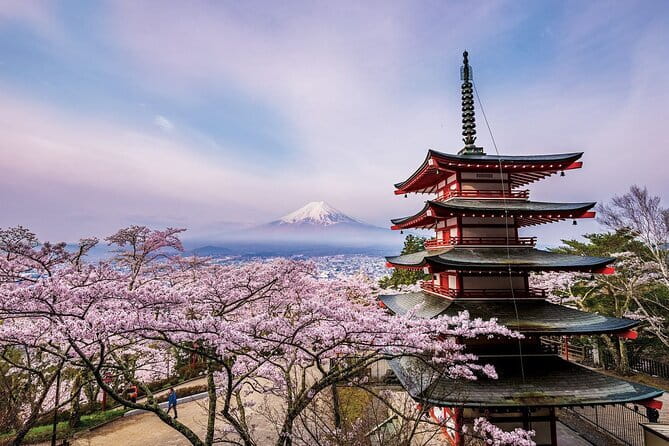
From the gate area, you head along Nakamise Shopping Street, which is famous for traditional shops selling snacks, souvenirs, and crafts. This is where Asakusa shifts from sacred space to street life.
Your guide shares stories about where the street comes from and how it fits into temple visits. That storytelling helps a lot. Without it, Nakamise can feel like you are just walking past tourist stalls. With it, you understand why the street exists as part of the temple experience, not separate from it.
Practical tip for your own enjoyment: if you want to sample snacks, decide early what you are buying. The street is long enough that you can waste time comparing every stall. Pick one or two items you truly crave, then enjoy the walk.
Also, souvenirs are not included. Personal purchases are on you, so set a small budget. The street is designed to make you want everything.
Hozomon Gate: architecture meaning, not just a big gate
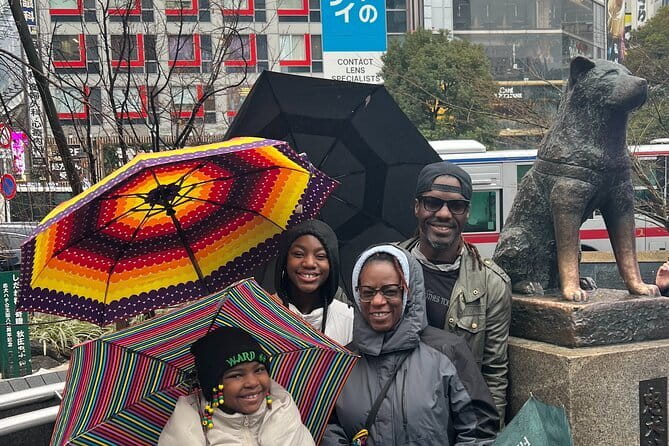
After Nakamise, you pass the Hozomon Gate. This is an important cultural property protecting the temple grounds, and your guide points out architectural features and symbolism.
This is a great moment to slow down a bit. Gates in Japan are not just entrances. They act like visual boundaries between the everyday and the sacred, and the details are worth your attention when someone explains what to look for.
If you are the kind of visitor who likes reading about meanings, this stop will probably be one of your favorites. If you are more of a “just show me the main building” person, it may feel like a quick pass, but it still sets up your understanding for what comes next at Senso-ji.
Sensoji Temple: Tokyo’s oldest major Buddhist landmark
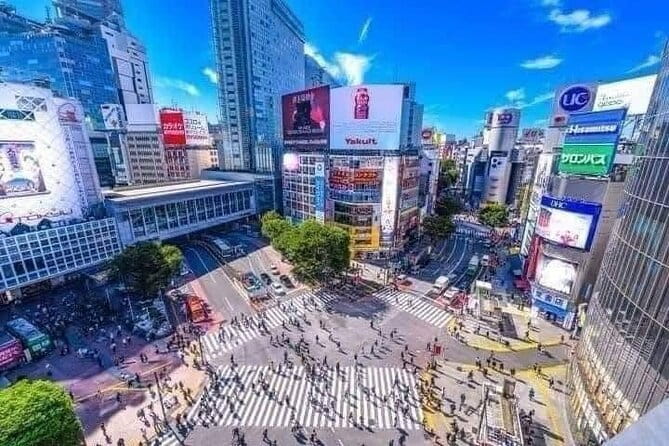
The core temple stop is Sensoji Temple, described as Tokyo’s oldest and most famous Buddhist temple. Your guide walks you through the site and explains its cultural significance, plus the stories behind iconic features.
This part of Asakusa is where you notice the blend of everyday bustle and religious practice. People come to pray, take photos, and buy small items like fortune slips. Your guide helps you understand how that all fits together.
Admission is listed as free for the Sensoji stop, which is a big win. You get a major landmark included without adding a separate ticket cost to your day.
The main tradeoff here is time. It is still a 2-hour overall tour, so you will not get hours inside the temple complex. You should think of this as a smart introduction, then return later if you want to linger.
Shrine-style rituals: temizu cleansing, prayer, and omikuji
One of the most praised aspects of this experience is the inclusion of authentic Japanese rituals that you would likely skip or do incorrectly on your own. The tour specifically includes:
- Temizu hand cleansing
- Prayer
- Omikuji fortune-telling slips
This is the kind of activity that turns a sightseeing walk into something more memorable. Instead of watching from the side, you get involved in a ritual practice with guidance.
Temizu is especially useful for first-timers. The steps matter, and having someone explain them saves you from doing it wrong while everyone else is already in flow. With omikuji, the guide helps you understand what the slips represent, so it is not just a souvenir you later forget to decode.
Possible drawback: if you are short on patience for queues inside popular ritual areas, you might want to bring a little flexibility. Guided groups help with timing, but you still may encounter lines because these are high-traffic religious spaces.
Asakusa Shrine stop: where Shinto customs meet the street
The tour includes Asakusa Shrine, and the theme across the whole walk is the blending of Shinto and Buddhism you can see in the neighborhood. Even without being an expert, you can notice how shrine practices and temple practices differ, especially around prayer behavior and ritual setup.
Your guide is there to translate what you are seeing and to explain why certain customs look the way they do. For many visitors, this is where the tour becomes more than a stroll. It gives you a simple framework: look for etiquette and symbols first, then enjoy the visuals.
Because the itinerary details provided focus more on the temple-side stops, you may not get as much time at the shrine as you would if you were doing a full shrine afternoon. But as part of a 2-hour overview, it lands well.
Pace, group size, and how easy it is to follow
This is a small-group experience capped at eight travelers, which is a huge practical advantage in Asakusa. Smaller groups keep the guide’s attention distributed and reduce the feeling of getting pulled along with strangers.
You also have the benefit of navigation. The tour explicitly emphasizes that you do not get lost because the guide handles the route. That helps a lot in Tokyo, where signage is good but crowds can make even a simple walk feel chaotic.
The pace is likely best described as steady rather than slow. You move between landmarks and ritual points on schedule. If you like to linger at details, try to use the guide’s explanations as your “linger.” They point out what is worth your extra second of attention.
Most people can participate, and the tour is near public transportation, so it fits into a typical Tokyo day without special planning beyond arriving at the meeting point.
What kind of traveler should book this
This tour is a strong fit if you:
- Want major Asakusa highlights in a short time
- Prefer a local guide to explain shrine and temple rituals
- Feel unsure about etiquette and would rather do it correctly
- Like the idea of pairing historic landmarks with street snacks and souvenir browsing
It is less ideal if you:
- Want a quiet, slow, photo-only walk with zero guidance
- Dislike any crowd conditions near popular religious sites
- Need long independent downtime during the 2-hour window
Final verdict: should you book this Asakusa tour?
If you are trying to choose one “first time in Asakusa” experience, I think this is an easy decision. The value is real, because you get more than landmarks. You get ritual participation, smart navigation, and explanations that make the neighborhood feel coherent instead of random.
I also like that the experience has strong social proof, with a 4.9 rating and a 98% recommendation rate. The reviews highlight the same pattern: the tour works because the guide keeps things clear and fun, even in the middle of the crowds.
Book it if you want to understand what you are looking at while ticking off Sensoji, Kaminarimon, Nakamise Street, and the shrine side of Asakusa. Skip it only if you are already confident navigating the area and you know exactly what rituals you want to do on your own.
FAQ
How long is the Tokyo Asakusa Temple & Shrine walking tour?
It runs for about 2 hours.
What does the tour cost?
The price is $19.82 per person.
How big is the group?
This experience has a maximum group size of 8 travelers.
Are tickets included for Sensoji Temple?
The Senso-ji stop lists admission ticket free.
What rituals are included?
The tour includes temizu hand cleansing, prayer, and omikuji fortune-telling.
What are the main stops on the walk?
Key stops include Azumabashi Bridge, Thunder Gate (Kaminarimon), Nakamise Shopping Street, Hozomon Gate, Sensoji Temple, and Asakusa Shrine.
Where does the tour start and end?
It starts at Burger King Asakusa Azumabashi (given address) and ends back at the same meeting point.
Is a mobile ticket used?
Yes, the tour includes a mobile ticket.
What is the cancellation policy?
You can cancel for a full refund if you cancel at least 24 hours before the experience’s start time.
Fresh options around Tokyo
- Tokyo: Nikko Kegon Falls Lake Chuzenji Toshogu Temple & More★ 4.9 · 12 reviews
- Tokyo: Samurai History Walking Tour★ 5.0 · 12 reviews
- Harajuku: Kawaii Fashion and Pop-Culture Tour★ 4.7 · 12 reviews
- Tokyo: Mt. Fuji & Lake Kawaguchi Instagram Full Day Trip★ 4.1 · 12 reviews
- Shibuya Tokyo: Modern Kintsugi Workshop in Shibuya★ 5.0 · 12 reviews
- Tokyo: GTR Guided Daikoku Experience at Night★ 5.0 · 12 reviews
- Tokyo: Daikoku JDM Car Culture Tour★ 4.6 · 12 reviews
- Mt Fuji Private Day Trip from Tokyo with English speaking driver★ 5.0 · 13 reviews
Walking Tours, compared.
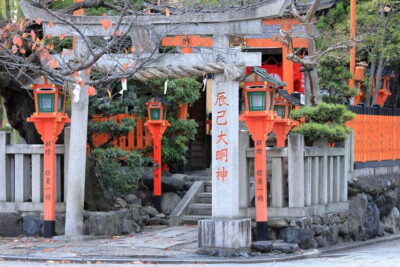
Kyoto Geisha Walking Tour: Gion District & Hidden Gems
Read our review →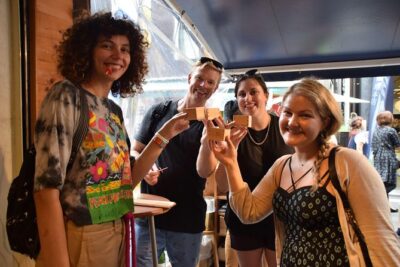
Tokyo Tsukiji Fish Market Food and Culture Walking Tour
Read our review →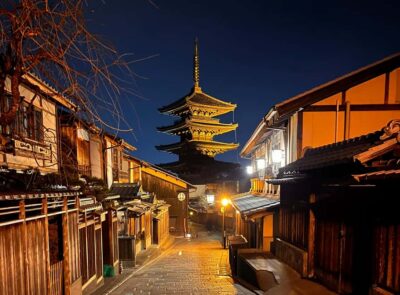
Gion Magical Night Walking Tour with Geisha Trivia
Read our review →
Imperial Palace and Shogun Historical Walking Tour
Read our review →
Gion Geisha District Walking Tour – Stories of Geisha
Read our review →
Shinjuku Local Bar and Izakaya Guided Walking Tour
Read our review →
Browse the lists this tour appears in