
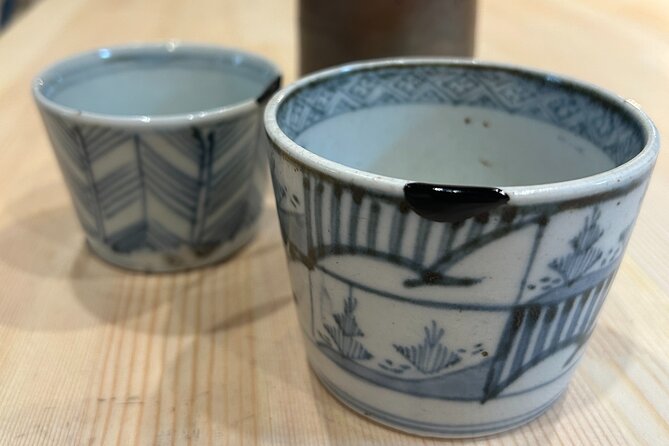
Reviewed · 2-HOUR EXPERIENCES
1.5〜2 Hours Traditional Kintsugi Work Shop in Namba Osaka
Kintsugi in Namba feels strangely calming. This hands-on class keeps things intimate, with a max five group and a chance to work with 23K gold lacquer techniques. One catch, you do not get the finished plate immediately, it needs time to cure and is sent back later.
I like that the workshop is not just arts and crafts on autopilot. You get history taught in a clear, conversational way, plus real coaching on how to apply lacquer and gold powder so your piece looks intentional, not random. If you want instant souvenirs, plan for the wait.
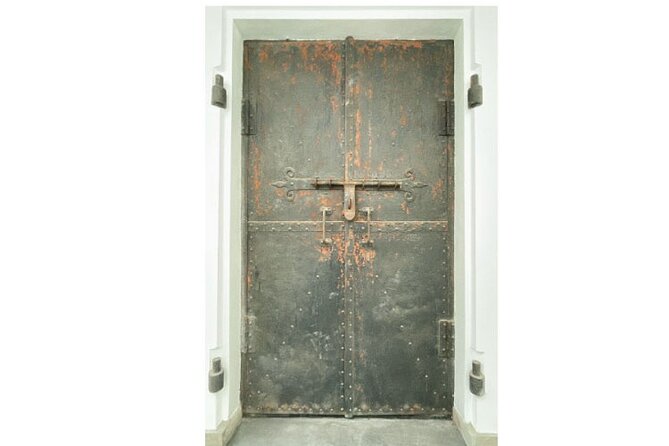
The setting is also a big part of the value. The class happens in a traditional Japanese kura-style building, and after your session you can wander the wooden architecture and check out the studio’s Japanese art and antiques. And yes, there is often a warm, calming tea moment at the end, along with small treats in some sessions, which makes the whole thing feel like a mini escape from Osaka.
Key Points You Should Know Before You Go
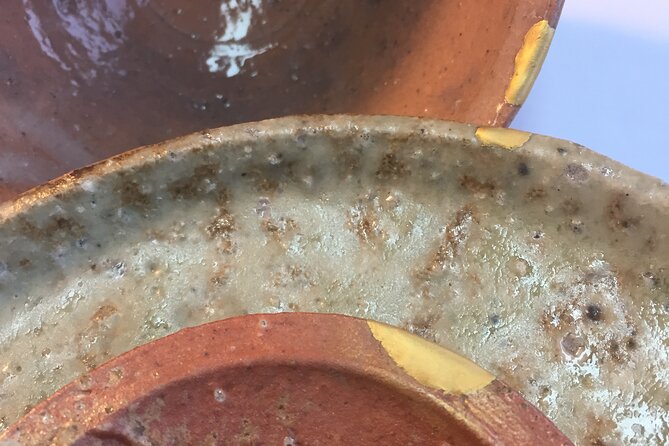
- Max five people means you get personal attention, not a rushed demo
- 23K gold powder is part of the process, and you actively apply it
- A traditional kura building adds atmosphere, plus you can explore after class
- Your plate ships in 5 to 7 days, with domestic shipping free and international shipping charged
- English instruction with patient guidance so you are not stuck guessing the steps
- Lacquer allergy note matters, this is not recommended if you react to lacquer
Entering The Kura Workshop in Namba (and why finding it matters)
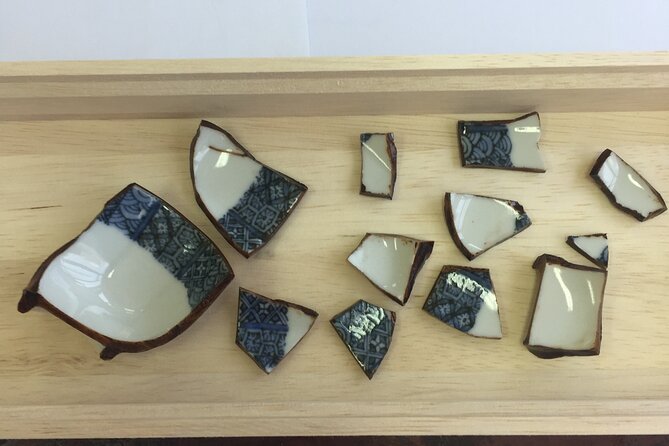
Your workshop starts in Namba, Osaka, with the meeting point at Motomachi, Naniwa Ward. The address listed is Osaka 556-0016, Naniwa Ward, Motomachi 2-chōme 6-30, マンション ニューナンバ. This is one of those locations that is close to public transportation, but the actual entrance can be a little tricky, so give yourself a few extra minutes to get oriented.
A small but real practical win here is the mobile ticket. It keeps things simple once you arrive. From there, you move into the traditional space where the craft is taught. The building is a wooden, kura-style structure, and it changes the feel of the whole experience. In a city that moves fast, you trade crowds and traffic noise for quiet rooms, hands-on work, and slow attention.
A few more Osaka days worth comparing
- Osaka Go Karting Tour with Funny Costume
★ 5.0 · 2,658 reviews - Osaka Castle: Museum and Tower Entry Ticket
★ 4.5 · 2,380 reviews - Osaka: Shinsekai Food Tour with 13-15 Dishes at 5 Eateries
★ 4.8 · 2,204 reviews
How the Class Runs: From Kintsugi History to Your Own Plate
The workshop is listed at about 1 hour 30 minutes, with an introduction session that runs roughly 1 to 1.5 hours. Morning and afternoon classes are available, which is handy when you are building a day around other Osaka plans.
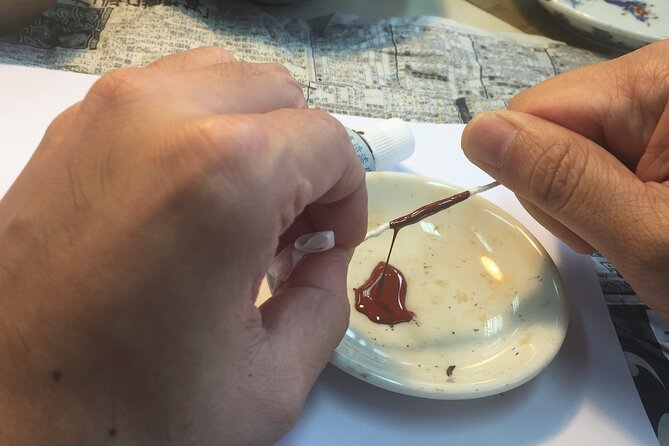
The flow is straightforward, and that is why it works so well. You start with a Kintsugi introduction: what the craft is, where the technique comes from, and how Japanese lacquer repair differs from typical mending. Then you move to the practical part: decorating a plate with gold powder using lacquer. The goal is not just to watch someone else do the craft, you create your own decorated piece.
You also get lots of examples to look at while you work. In the reviews, people consistently mention the instructor explaining the process clearly and taking time with questions. That matters because kintsugi is equal parts technique and patience. If you rush the steps, the result can look messy. If you slow down, it starts to feel almost meditative.
And one interesting detail you should know going in: depending on what your session focuses on, your design might come out more like a chopping-style seam rather than the dramatic cracking pattern people often expect from photos. The good news is you still leave with a finished plate that reflects the method you learned, even if it is not the exact look you imagined.
Working With Lacquer and 23K Gold Powder (the part you actually remember)
Kintsugi means mending broken pottery with lacquer, often finished with gold. In this workshop, you apply lacquer and then sprinkle 23K gold powder onto your lacquered decoration. This is the heart of the class, and it is where you get the most satisfaction.
Here is what you are really practicing, beyond the surface steps:
- understanding how lacquer functions as the bonding and finishing material
- learning how gold powder is applied so it visually reads as deliberate, not accidental
- getting a feel for how careful placement and steady timing affect the final look
You also learn that the work needs time. Lacquer and finishing layers take time to dry and cure properly, which is why you do not walk out holding your final plate. One review even notes the instructor explains drying time as about 24 hours, and then the piece continues to cure before shipping.
What you take home is an awareness of why kintsugi is considered meaningful in Japanese culture. It is not only restoration. It is a philosophy: damage is not hidden, it is honored through craft.
The Calm Kura Setting: Antiques, Wooden Architecture, and a Nice Break From Osaka
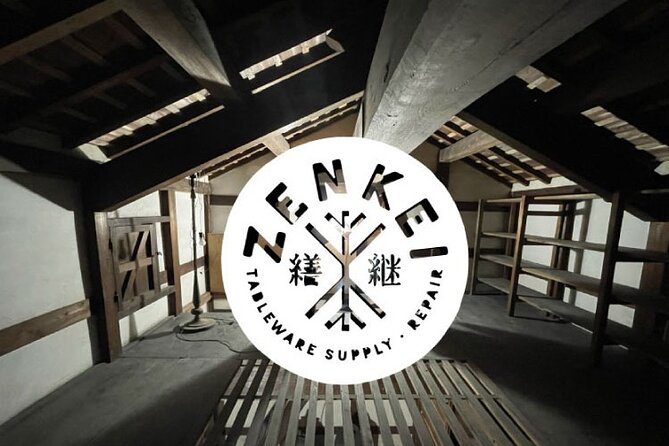
Osaka can be loud. That is not a criticism, it is just reality. What I like about this workshop is that it offers a pause, a slower pace you can feel in your shoulders.
The class happens in a traditional Japanese building called a kura, with wooden architecture and a gallery-like feel. You can also explore the space after your session. People repeatedly mention the atmosphere as calming and authentic, and that is not a small detail. In hands-on crafts, the environment affects your focus. When you are not distracted, you make better work and you enjoy the lesson more.
There is also a small collection of Japanese art and antiques in the studio area. It is the kind of extra that turns your class from a checklist activity into a visit with context. You see what craft and collecting look like in real life, not just in museum photos.
Same corner of Japan, a different kind of day:
- Osaka Food Tour: 13 Dishes at 5 Local Eateries
★ 5.0 · 2,149 reviews - Hungry Osaka Street Food Tour:15 Tastings & 3 Drinks with a Local
★ 5.0 · 1,727 reviews - Osaka: teamLab Botanical Garden Entry Ticket
★ 4.5 · 1,710 reviews - Osaka: Tea Ceremony Experience
★ 4.9 · 1,426 reviews
Tea Moments and Small Extras That Make It Feel Like More Than a Workshop
Several reviews mention a bonus tea element. People talk about matcha tea preparation at the end, plus the tea itself. Some sessions also include small treats like mochi.
If you are a matcha fan, this is a great pairing: you learn a craft that celebrates texture and time, and then you get a tea ritual that does the same thing in a different way. Even if you are not a matcha person, the lesson tends to be explained in a friendly, approachable style, including how to get a good froth.
One more small extra that shows up in the reviews: the instructor may help with a short walk to a nearby shrine for something scenic and local. It is not guaranteed in every class, but it is worth asking on the day if you are up for a quick cultural add-on.
Getting Your Plate Back: 5 to 7 Days, and Shipping Reality
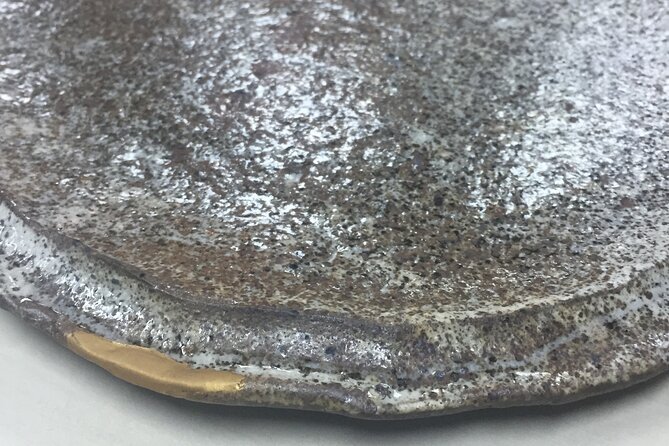
Here is the part you need to plan for: after class, you receive your decorated plate in 5 to 7 days. You do your part during the workshop, then the piece is finished and cured properly before it is sent to you.
Shipping details are clear:
- If you are shipping to a Japan address, domestic shipping is free.
- If you want international shipping, there is a shipping charge of 5000 yen.
So think of this as buying a hands-on lesson plus a crafted outcome that arrives later. The wait is part of the process, and honestly, that is what keeps the class grounded in the real method, not a fake “instant craft” version.
If you want a souvenirs plan that works with your travel timeline, this is actually convenient. You can do the class early in your Osaka days and still have time for delivery before you leave Japan, or you can ship home.
Price and Value: What You Really Get for $125.53
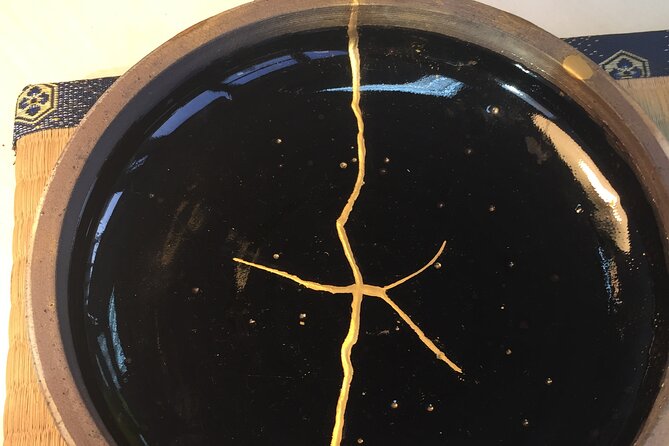
At $125.53 per person for a 1.5 hour workshop, it is not the cheapest activity in Osaka. But the value stacks up in a few concrete ways.
You are paying for:
- a small group experience that supports careful instruction
- materials provided for the process, including lacquer and gold powder
- hands-on time where you apply the technique yourself
- instruction that covers both practice and meaning, not just the steps
- shipping of the finished plate within Japan (free), with an extra fee only for international delivery
- the traditional setting, including the chance to explore the kura-style space afterward
The most important value point is the gold component and the coaching. Gold powder and lacquer are not casual craft supplies, and the lesson quality is what turns those materials into something you will be proud to display. If you tried to do this without guidance at home, you would spend time and money figuring out the technique, plus you would have the same curing wait without the benefit of an expert pointing out what to fix.
If you are traveling with a partner or a friend, the small group size helps you both, because you can actually see what matters and ask questions instead of watching from the sidelines.
Who Should Book This Kintsugi Workshop in Namba
This workshop is best for you if you want a meaningful, hands-on Osaka activity that is not stuck in souvenir mode.
I think it suits:
- couples who want a calm date activity with a real craft payoff
- travelers who like small groups and personal instruction
- anyone curious about Japanese culture beyond food and photos
- families who want a traditional craft experience, since reviews mention teaching children as well
It is less ideal if:
- you need something immediately take-home. Your plate arrives in 5 to 7 days.
- you have a lacquer allergy. This is explicitly not recommended for that situation.
One smart approach is to book this as a break from heavy sightseeing days. Put it on a morning when you want something soothing, or schedule an afternoon slot after you have done the big Osaka hits. It is the kind of activity that resets your pace.
Should You Book This Kintsugi Workshop? My Take
Yes, if you want an authentic Japanese craft that you genuinely participate in, not just watch. The combination of max five teaching, hands-on application of lacquer and 23K gold, and the calm traditional kura setting makes the experience feel thoughtful and complete.
Book it if you are the type of traveler who likes skill-based activities, enjoys learning how things are made, and does not mind waiting a few days for your finished plate. The shipping plan is straightforward, domestic shipping is free, and international shipping is a known extra.
Skip it only if you are allergic to lacquer, or if you absolutely need a finished object the same day. For everyone else, this is a great way to bring home something with meaning, texture, and a story you can explain later at dinner.
FAQ
How long is the kintsugi workshop in Namba?
The experience is about 1 hour 30 minutes. It is described as an introduction workshop that runs roughly 1 to 1.5 hours.
How many people are in the class?
The workshop is a maximum group size of five travelers, so instruction is personalized.
Do I get materials to use during the workshop?
Yes. All materials you need for kintsugi are provided as part of the class.
When will I receive my finished kintsugi plate?
You will receive your decorated plate in 5 to 7 days. Domestic shipping to a Japan address is free, while international shipping costs 5000 yen.
Is matcha included in the experience?
Matcha tea preparation and tasting are mentioned in multiple reviews as part of the experience or as a bonus at the end.
Is it safe if I have a lacquer allergy?
This activity is not recommended for people who have a lacquer allergy.
What happens if weather is poor, or I need to cancel?
The experience requires good weather. If it is canceled due to poor weather, you will be offered a different date or a full refund. Cancellation is free if you cancel at least 24 hours in advance for a full refund.
Fresh options around Osaka
- Osaka Winery Tour with Wine Tasting & Vineyard Walk★ 4.9 · 12 reviews
- Osaka: Early Morning Osaka Castle Guided Tour, Avoid Crowds★ 4.9 · 12 reviews
- Kyoto Day Trip from Osaka Port – Private Shore Excursion★ 5.0 · 13 reviews
- Osaka Private Pop Culture Tour: Historic Tenma to Dotonbori★ 4.5 · 13 reviews
- Osaka Castle Admission Ticket★ 4.0 · 13 reviews
- Hidden Osaka Foodie Tour: Nishinari Backstreets & Local Dining★ 5.0 · 13 reviews
- Discover Real Osaka: A Cultural Walk with Food & Drink★ 5.0 · 13 reviews
- Nara private tour (Shore excursion available from Osaka or Kobe port)★ 5.0 · 13 reviews
2-Hour Experiences, compared.

Kyoto Gion: 2-Hour Geisha Culture & History Walking Tour
Read our review →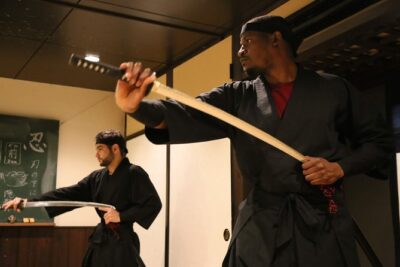
Ninja 2-hour Hands-on Lesson by Japanese master in Kyoto -Medium
Read our review →
2-Hour Nightlife District Walking & Local Food Culture
Read our review →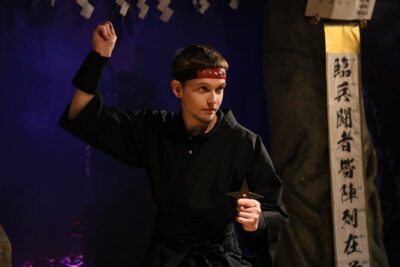
Ninja Samurai 2-hour hands-on lesson by Japanese master in Tokyo
Read our review →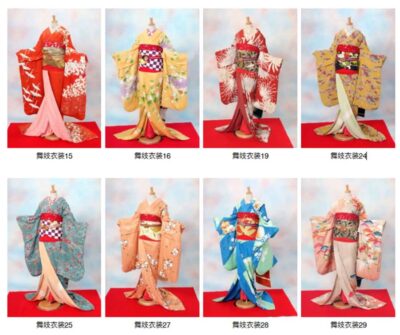
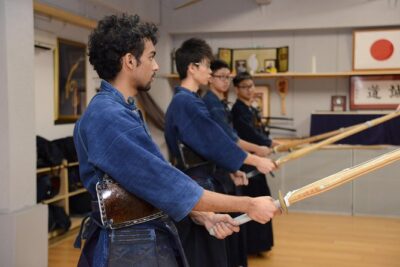
Tokyo 2-Hour Genuine Samurai Experience: Kendo in Japan
Read our review →
2-Hour Local Street Food Tour – Dotonbori & Namba
Read our review →
Flagship 2-Hour Street Go-Kart Tour by Street Kart
Read our review →Browse the lists this tour appears in