
Reviewed · SAMURAI & NINJA EXPERIENCES
Tokyo 2-Hour Genuine Samurai Experience: Kendo in Japan
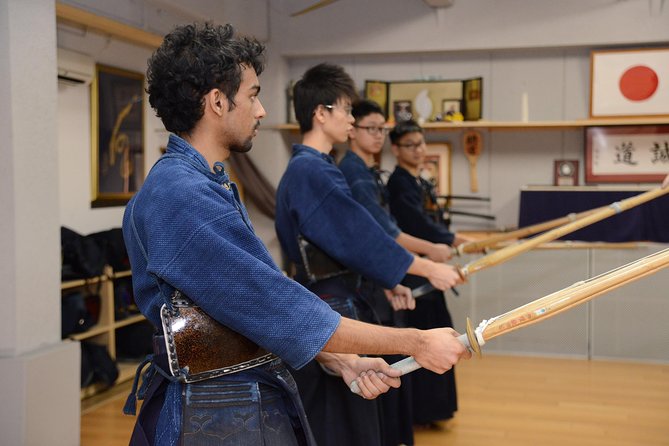
Kendo in Tokyo hits different. This hands-on 2-hour kendo workshop blends practical swordsmanship drills with etiquette and a mock tournament in a real dojo atmosphere. I like that you get full rental gear and armor, and you practice moves right away instead of only watching. The main drawback to plan for is the physical side, since the padded clothing and armor can get heavy and warm.
You’ll meet in northern Tokyo at 誠道館ビル4 Chome-7 Higashinippori, Arakawa City. Choose a morning or afternoon session, then make your way to the dojo (pickup is offered, but hotel pickup is not included). The class runs with an English-speaking instructor who can explain techniques in clear, practical terms, even if you’re new.
Quick Takeaways Before You Go
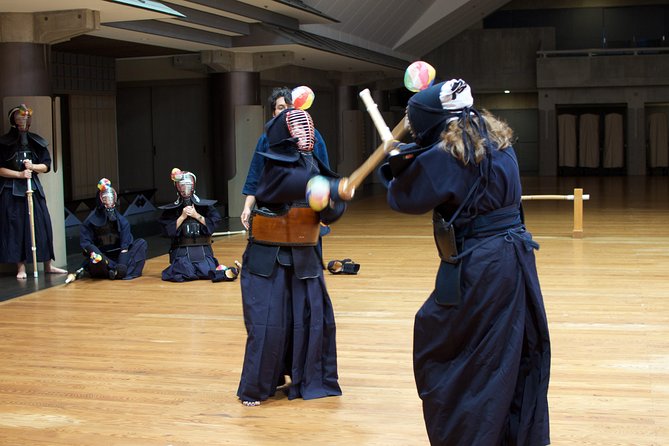
- Real dojo training style with practical instruction and tournament-style combat practice
- All equipment and armor provided, so you just show up in athletic clothes
- English support from an instructor who teaches in an easy-to-follow way
- Small group size (maximum 15 travelers), which helps you get more attention
- Targets and scoring moments happen during the sparring game, so you feel progress fast
- A souvenir towel and bottled water keep you comfortable through the sweaty parts
Why This Tokyo Kendo Session Feels Genuine
If you want a samurai-style experience that doesn’t stay stuck in “tourist mode,” this workshop is built for doing. You’ll learn practical Kendo moves and then test them in a tournament-style combat game. That matters because Kendo is a skill, not a photo prop. The structure pushes you from basics to application quickly, with instructors actively guiding your form.
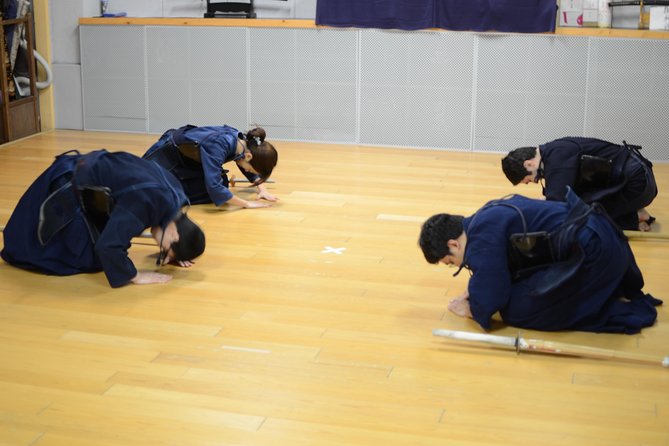
One of the best things about the setup is the balance of sport and culture. You don’t just learn how to swing. You also learn etiquette around the way the class works, including the rituals and manners that make the dojo function smoothly. That’s the part that turns it from a fun activity into something that feels like you stepped into Japan’s training culture for a short time.
And yes, it’s energetic. The experience includes the kind of sparring practice where you wear armor and a bamboo sword gets involved. People leave talking about the intensity, the fun, and the moments where the instructor calls out your strikes when you land the right technique.
More Samurai & Ninja Experiences in Tokyo
- Tokyo: Samurai Restaurant Show Ticket with 2 Drinks
★ 4.5 · 1,307 reviews - Tokyo: Samurai Ninja Museum Guided tour and Experience
★ 4.6 · 1,010 reviews - Tokyo: Samurai Sword & Archery Class from Samurai Descendant
★ 5.0 · 603 reviews
Price and Value: What $118.92 Covers
At about $118.92 per person for roughly 2 hours, the value depends on what you’d otherwise pay to learn. Here, you’re paying for three things that are hard to DIY on your own in Tokyo:
- Instruction from a professional Kendo instructor (English guidance included)
- Rental of Kendo equipment and protective armor (so you don’t need to source gear)
- The class flow itself, from warm-up into drills and a mock tournament-style game
You also get bottled mineral water and a Japanese hand towel. That’s small, but it helps. When you’re in heavy protective gear and working hard, you’ll appreciate having hydration handled for you.
What’s not included matters too. Food and drinks are not included, and transportation to the meeting point is not included. Also, pickup is described as offered, but hotel pickup and drop-off are specifically not included. In practice, this means you should plan to reach the dojo area on your own, or use the pickup option if it’s available for your session.
For the money, this is best viewed as a guided training session with real gear and instructor time, not a simple “look and try” demonstration.
Hitting the Dojo: Timing, Meeting Point, and How You’ll Get Started
Your session starts at 10:00 am on the listed schedule, and the experience also offers a morning or afternoon choice. The exact timing for the afternoon depends on the session you select, but you should expect a total length of about 2 hours.
The meeting point is clearly set: 誠道館ビル4 Chome-7 Higashinippori, Arakawa City, Tokyo 116-0014, Japan. The activity ends back at the meeting point. That round-trip structure is convenient because it keeps your planning simple. You’re not scrambling across town after class.
Also, the dojo is described as near public transportation. That’s important in Tokyo. You’ll want an easy route that doesn’t eat your energy before you even start training.
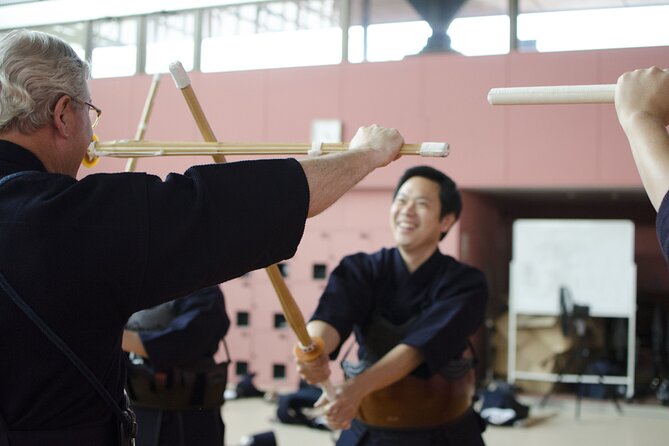
Once you arrive, you’ll be guided through the basics and how to participate. The instructor explains the sport, demonstrates key points, and then helps you practice. One of the repeated strengths in feedback is patience. The teaching style is geared toward first-timers, including families and kids, as long as everyone can participate actively.
Gear Up: Armor, Uniform, and How to Prepare for the Physical Part
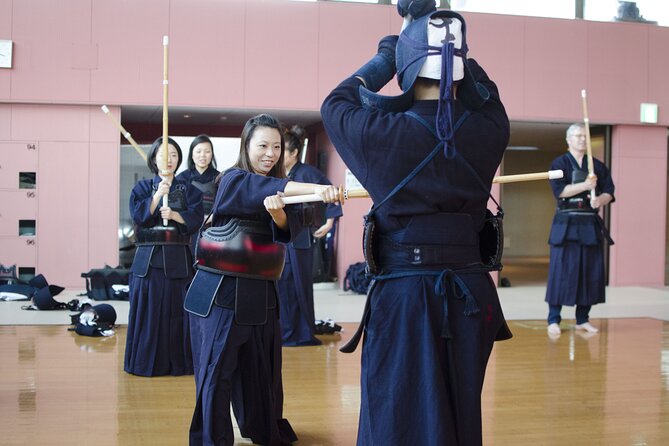
This is one of those experiences where preparation makes the difference between feeling great and feeling miserable.
You’ll rent the Kendo armor and protective equipment for the session. You’ll also learn how to put on the uniform elements, including the keikogi and hakama, which people often mention as part of the fun. Then you’ll wear the protective armor (called bogu), which is one reason the training feels so real.
Here’s the practical reality: the gear is heavy fabric, and it can get pretty warm. People also recommend drinking water before you go because you’ll work up a sweat quickly. The good news is that you do get a water break during the class flow.
If you have knee issues, don’t silently suffer. One review specifically notes telling the sensei so you can skip painful parts like kneeling. That’s a smart move, and it helps the instructor tailor the participation to keep you comfortable while still following the training structure.
What to wear:
- Athletic clothes you can move in
- Comfortable indoor-style shoes or follow any guidance given at the dojo
- A water-first mindset, especially on a warmer day
If you’re expecting a relaxed stroll through samurai culture, you might be surprised. This is hands-on training, and your body will feel it afterward.
More samurai and ninja experiences in Tokyo:
- Best Samurai Experience in Tokyo
★ 5.0 · 458 reviews - Ninja Experience (Family Friendly) at Samurai Ninja Museum TOKYO
★ 5.0 · 441 reviews - Tokyo: Samurai Entertainment Night Show in Kanda Shrine
★ 4.6 · 417 reviews - Tokyo Sword Experience – includes Museum Ticket/Ninja Experience
★ 5.0 · 314 reviews
The Class Flow: Etiquette, One-on-One Coaching, and “Do It Again” Practice
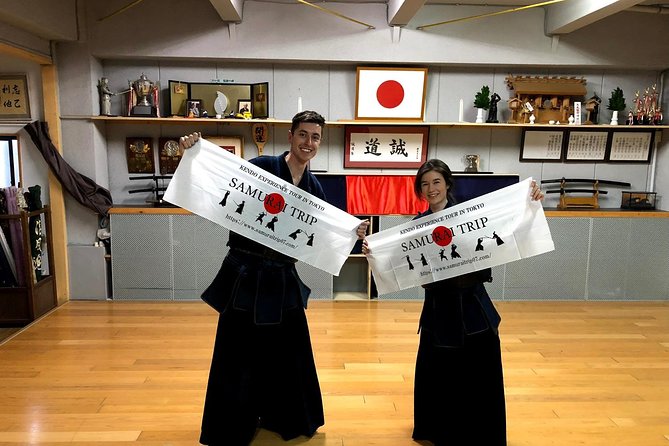
The heart of the workshop is learning practical moves through guided repetition. You’ll receive instruction and demonstrations from an experienced Kendo instructor who speaks English in an easy-to-understand way.
You can expect a pattern like this:
- Learn the basics and how to hold and move with the sword (using the bamboo practice sword)
- Practice key motions step-by-step with support
- Work on your timing and technique so your strikes land correctly
- Get corrected in the moment, then try again
The instructor also provides context about culture and etiquette. That part matters because Kendo classes have a rhythm and a set of manners. When you understand why things are done a certain way, the training becomes more than random swinging. It starts to feel like a real sport with rules and respect baked in.
Some people are impressed by the instructor’s style because it’s the same energy they might recognize from online Kendo content. That helps set expectations: the class feels like a real teaching environment, not a scripted show.
Also, you’re not stuck alone. The experience is described as working one-on-one with the instructor, and the small group size (maximum 15 travelers) supports that. In a larger class, you might just follow along. Here, you can get more personal guidance on your form.
Mock Tournament Sparring: Where You Feel the Progress
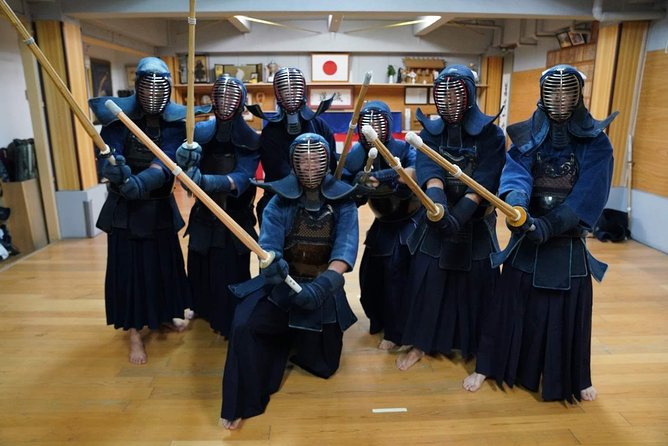
The highlight for many people is the tournament-style combat game. This is where the workshop moves from skill-building to real application.
After you’ve practiced foundational techniques, you’ll move into a structured sparring game in armor. It’s not just about swinging. You’re trying to land correct, score-aiming strikes on an opponent while following the training flow.
A detail I really like is that the instructor gives instant feedback during the scoring moments. One review mentions hearing kote-men-2 points when strikes land correctly. Another notes the experience of getting feedback when you miss your chance during sparring, like hearing quick points for proper hits. That kind of immediate reinforcement is exactly what helps beginners improve fast.
And there’s fun built into it. People talk about the yelling, the intensity, and the surprise of how quickly you can start understanding the rhythm. One review even notes the experience includes full gear up, technique practice, and that it can feel like you stepped into a real training session.
For families, kids often love the “game” format because it turns fear into focus. For adults, it’s a solid workout with a clear goal. You’re not just getting exercise, you’re learning a system.
Who This Is Perfect For (and Who Should Reconsider)
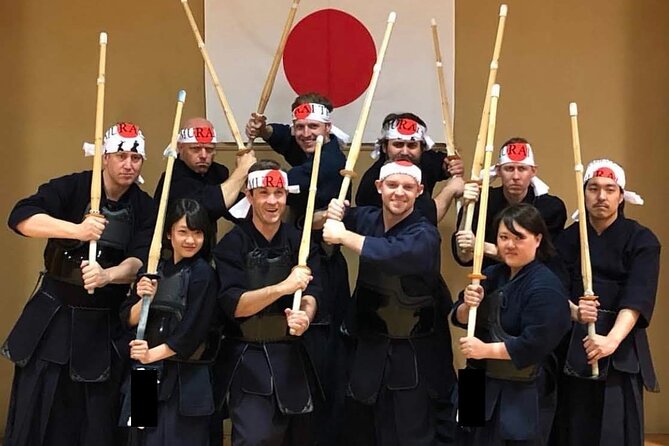
This is a great fit if you want:
- A hands-on Tokyo martial arts experience, not a passive show
- Real instruction in Kendo etiquette and technique
- A short, focused class you can fit into a busy Japan trip
- A structured activity that works for first-timers
It’s also family-friendly in the sense that the minimum age is 9. Reviews mention kids having a great time and learning in a supportive environment.
You should reconsider if:
- You have serious mobility limitations or you know you cannot tolerate kneeling or active stance work
- You dislike heavy protective clothing and you’re sensitive to heat
- You’re looking for something low-effort
To be clear, the class is active, but it’s also guided. If you communicate needs and you go in prepared, you can have a strong experience.
Best advice if you’re on the fence: you don’t need prior Kendo skill. You do need the willingness to participate and a basic level of fitness.
Practical Tips for Getting the Most Out of Your 2 Hours
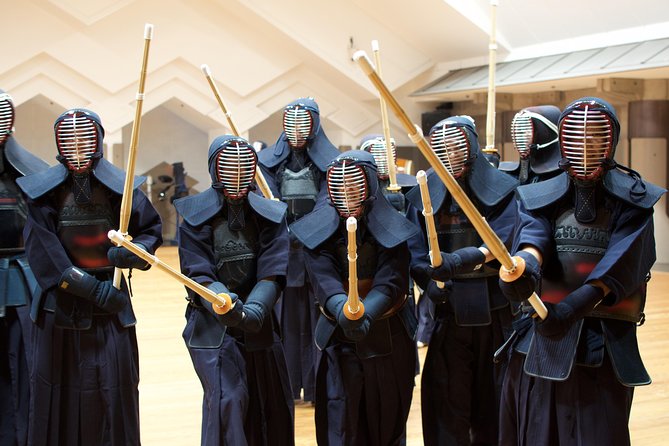
I’d treat this like a mini sports session. Your goal is to show up ready, then follow instructions closely.
A few smart moves:
- Drink water before you arrive, since the gear gets warm and you’ll move a lot
- Wear athletic clothing you can sweat in comfortably
- Tell the instructor about any knee or comfort issues early, not halfway through
- Don’t overthink technique in the beginning, focus on doing what you’re shown
- Bring energy for repetition, since you’ll likely do the same core motion several times
One nice detail: the workshop includes bottled water and a Japanese hand towel. That’s not just a perk. It helps you recover during and after the class.
Also, the pace is designed for a complete arc in about 2 hours. If your Tokyo day is tight, you’ll still get a full training experience without losing half your schedule.
Should You Book This Kendo Workshop?
Book it if you want a short, authentic Tokyo activity where you actually practice. The combination of English instruction, full protective gear rental, and a tournament-style sparring game makes it more than a “try Kendo once” moment. You’ll leave understanding the basics, feeling what correct strikes are supposed to look like, and getting a taste of dojo etiquette you can’t learn from a video.
Pass or choose something gentler if you know you struggle with active stances or heavy gear. The training is real, and the armor can feel warm and bulky. If that sounds like your dealbreaker, pick a different kind of cultural experience.
If you’re fit enough to move, open to feedback, and willing to learn etiquette alongside technique, this is one of the most fun ways to spend a couple of hours in Tokyo.
FAQ
How long is the Tokyo 2-hour Kendo experience?
It runs for about 2 hours.
Where is the meeting point?
The meeting point is 誠道館ビル4 Chome-7 Higashinippori, Arakawa City, Tokyo 116-0014, Japan.
Is pickup available?
Pickup is offered, but hotel pickup and drop-off are not included.
What is included in the price?
Included are a professional guide/instructor, rental of kendo armor and equipment, bottled mineral water, and a Japanese hand towel.
What should I bring for the class?
Wear athletic clothing that lets you move comfortably. Food and drinks are not included, so plan accordingly.
Is this suitable for beginners?
Yes, all experience levels are welcome.
Is there a minimum age?
The minimum age is 9 years.
How big are the groups?
The experience has a maximum of 15 travelers.
Fresh options around Tokyo
- Tokyo: Nikko Kegon Falls Lake Chuzenji Toshogu Temple & More★ 4.9 · 12 reviews
- Tokyo: Samurai History Walking Tour★ 5.0 · 12 reviews
- Harajuku: Kawaii Fashion and Pop-Culture Tour★ 4.7 · 12 reviews
- Tokyo: Mt. Fuji & Lake Kawaguchi Instagram Full Day Trip★ 4.1 · 12 reviews
- Shibuya Tokyo: Modern Kintsugi Workshop in Shibuya★ 5.0 · 12 reviews
- Tokyo: GTR Guided Daikoku Experience at Night★ 5.0 · 12 reviews
- Tokyo: Daikoku JDM Car Culture Tour★ 4.6 · 12 reviews
- Mt Fuji Private Day Trip from Tokyo with English speaking driver★ 5.0 · 13 reviews
Samurai & Ninja Experiences, compared.
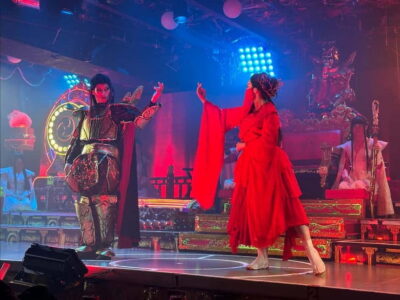
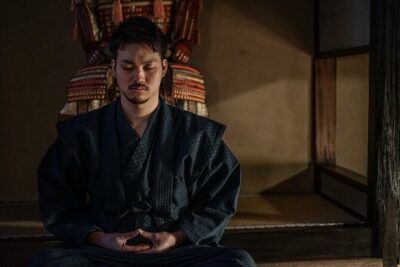
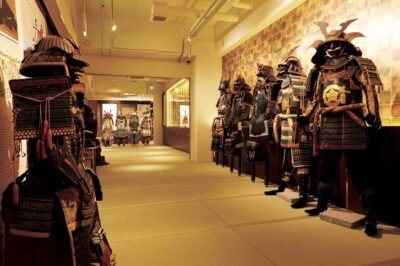
Samurai Ninja Museum Guided tour and Experience
Read our review →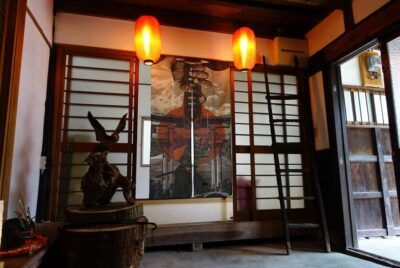
Kendo and Samurai Experience with Uniform and Gear
Read our review →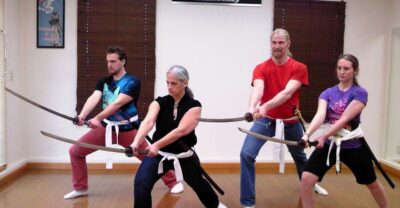
Samurai Sword Class by Experts in Traditional Arts
Read our review →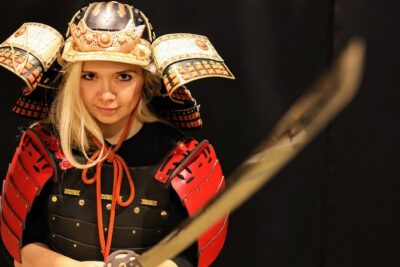
Skip the lines Basic Ticket at SAMURAI NINJA MUSEUM KYOTO
Read our review →
Samurai Sword & Archery Class from Samurai Descendant
Read our review →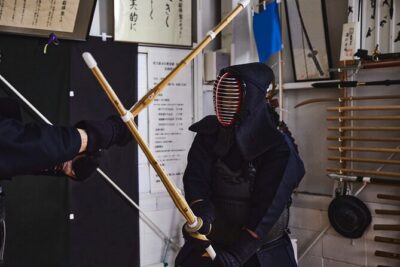
Browse the lists this tour appears in