
Reviewed · MIYAJIMA TOURS
Hiroshima: Hiroshima and Miyajima UNESCO Sites 1-Day Tour
Atomic history, then seaside shrine calm. This 1-day UNESCO tour smartly pairs Hiroshima’s Peace Memorial sites with Miyajima’s famous Itsukushima Shrine, guided in English with multilingual bus audio. What I especially like is how guides such as Marin and Tomo are praised for keeping the experience respectful and clear, while still making the day feel smoothly run.
I love that you get a structured morning for Hiroshima’s Peace Memorial Park and Museum, plus an afternoon that shifts gears to Miyajima’s temple sights and free time on Omotesando Street. One consideration: the focus is heavily on the Peace area, so if you’re hoping for broader Hiroshima city exploring beyond the main memorial loop, this can feel a bit tight.
Key highlights you will care about
- English-speaking guide who handles sensitive history with clear, careful storytelling
- Atomic Bomb Dome and Peace Memorial Park with guided context right where it matters
- Peace Memorial Museum free hour so you can go at your own emotional pace
- Round-trip ferry to Miyajima with Seto Inland Sea views and a true “day trip” rhythm
- Hiroshima-style okonomiyaki lunch (vegetarian available on request) that adds local flavor to the schedule
- Itsukushima Shrine plus Daishoin Temple views, then shop and snack time on Omotesando Street
From Hiroshima Station, this day trip runs like clockwork
You start at Hiroshima Station, meeting in front of the Shinkansen Ticket Gate on the 2F North Gate. Look for a staff member holding a green and white flag, and you’ll board a comfortable air-conditioned coach.
This matters because the day has two very different personalities. The morning is solemn and structured, and the afternoon is scenic and more flexible. A smooth departure and consistent timing help you focus, instead of wasting energy figuring out trains, ferries, and walking routes on your own.
More Miyajima tours:
- Peaceful Hiroshima & Miyajima UNESCO 1 Day Bus Tour
★ 5.0 · 5,309 reviews - Hiroshima / Miyajima Full-day Private Tour with Government Licensed Guide
★ 5.0 · 1,298 reviews - From Hiroshima: Hiroshima & Miyajima 1 Day Tour with Lunch
★ 4.7 · 395 reviews
Hiroshima’s Peace route, why the order feels right
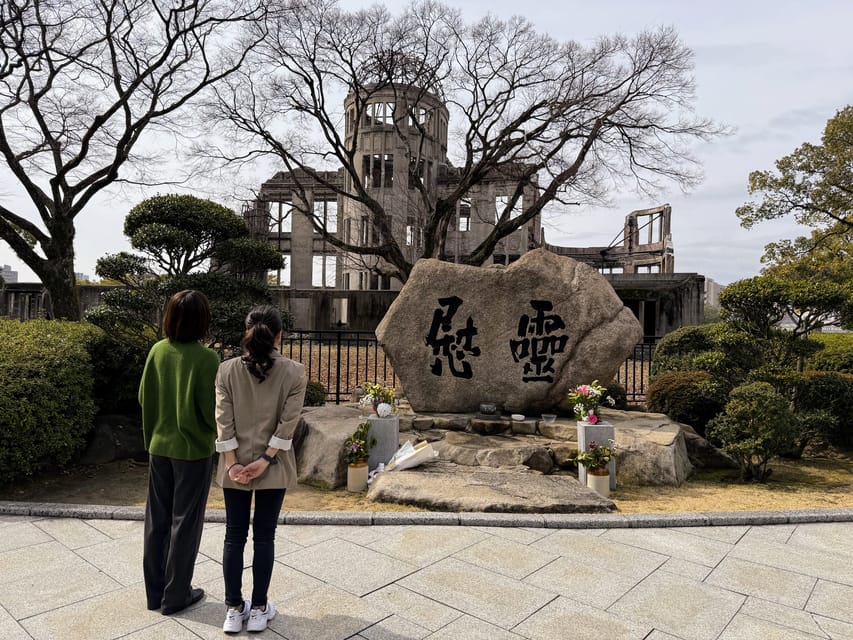
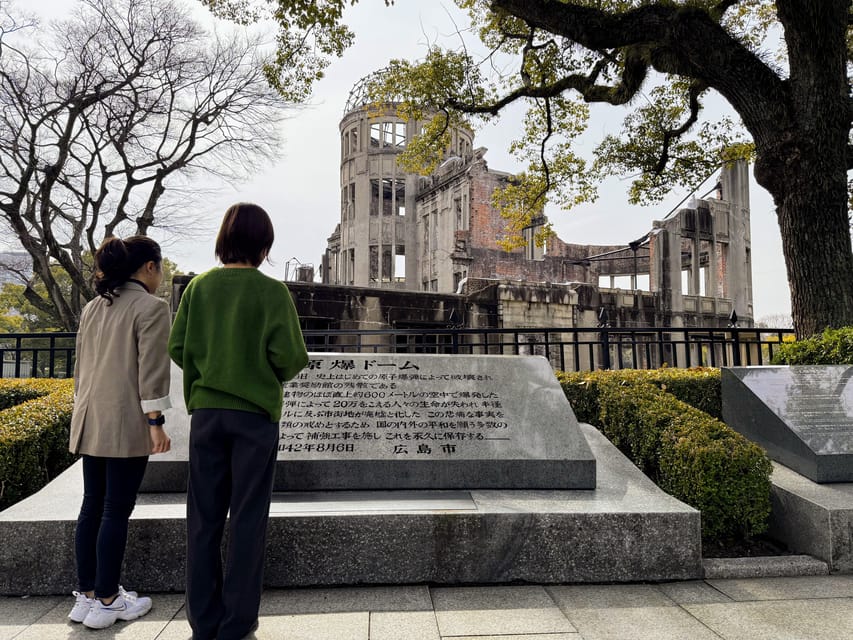
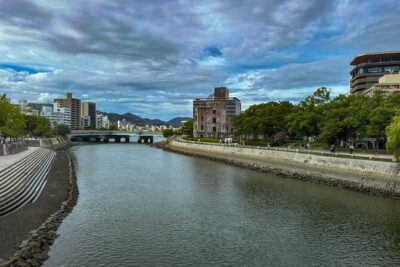
The tour’s first “big visual” is the Atomic Bomb Dome, where you get a guided visit. The dome is preserved as a powerful reminder of what happened, and it became a UNESCO World Heritage Site in 1996. That timing gives you a chance to see it as more than a photo backdrop. Your guide’s explanations are what turn it into a place with weight and meaning.
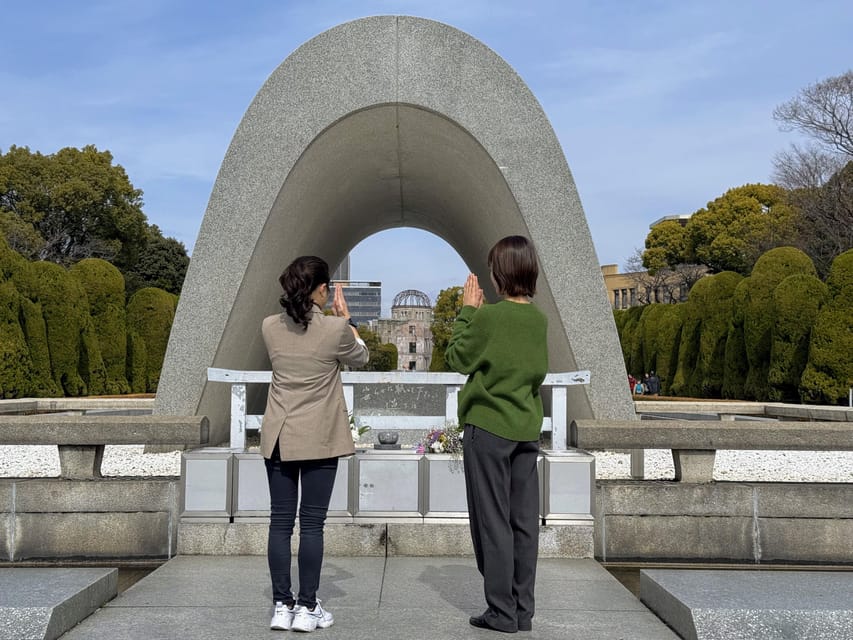
Next is Hiroshima Peace Memorial Park, which is laid out for remembrance. You’ll hear and see key memorials like the Cenotaph for the A-bomb Victims and the Children’s Peace Monument, connected to Sadako Sasaki, a girl who died from radiation-induced leukemia. If you’re wondering why people describe this part as emotionally heavy, it’s because the park is designed to keep the focus on human stories, not just dates.
A practical benefit of this order: you build context before you walk through exhibits. You also avoid the common “shock then scramble” problem where you rush the museum because you already feel overwhelmed.
Atomic Bomb Dome to Peace Memorial Park, what to watch for
At these stops, you are not just sightseeing. You’re standing in spaces that people treat with care. Here’s how to make your time work:
- Give yourself a moment before and after guided explanations, so you can absorb the scene.
- Look at the memorial details your guide points out, especially those tied to children and the idea of peace.
- Stay aware that crowds can build as group time overlaps, so it helps to keep moving when your guide signals.
One subtle thing I like about how guides are described in feedback (from people who had different hosts) is their consistent tone. They aim to be honest and delicate at the same time, which you will want here.
Peace Memorial Museum, use your free hour wisely

After the guided park segment, you get free time at the Hiroshima Peace Memorial Museum. This is one of the best parts of the whole day, because it lets you choose how long you sit with what.
You’ll find exhibits that go into the bombing and its aftermath. Some visitors want to scan, others need to slow down. The key is that your schedule gives you that choice instead of forcing you through everything as a group.
If you’re the type who usually reads every sign, plan to take breaks. If you’re the type who feels overwhelmed quickly, you can still leave with real understanding by focusing on a few sections your guide recommends during the earlier stops.
A few more Hiroshima days worth comparing
- Hiroshima Historical Walking Tour – Why A-Bomb was Dropped
★ 4.8 · 893 reviews - Hiroshima Peace (Heiwa) Walking Tour at World Heritage Sites
★ 5.0 · 872 reviews - Hiroshima in a Nutshell: Morning Bike Adventure
★ 5.0 · 524 reviews - Hiroshima City 4hr Private Walking Tour with Licensed Guide
★ 5.0 · 437 reviews
Museum closure detail you should know
From February 16 to 21, 2026, the Hiroshima Peace Memorial Museum will be closed for exhibit replacement. During that window, the plan shifts to the Hiroshima National Peace Memorial Hall for the Atomic Bomb Victims. If you’re traveling then, keep this in mind so your expectations match what you will see.
The Seto Inland Sea ferry: your reset between the two halves
Once the museum time ends, you head to Miyajima by ferry. The ride itself is part of the experience, with views across the Seto Inland Sea and surrounding islands.
This break is not just transportation. It’s a mental reset. You go from an environment focused on remembrance to one that feels open, sea-breeze simple, and visually calm. That contrast is why so many people end the morning feeling heavy, then enjoy the afternoon more.
Also, the ferry timing keeps the day compact. You’re not stuck waiting for hours, and you still arrive with enough daylight to make the shrine and temple stops satisfying.
Hiroshima-style okonomiyaki lunch, what you’re really booking
Lunch on Miyajima is optional, and if you select it, you’ll have Hiroshima-style okonomiyaki at a local restaurant. This local specialty is made with layers of cabbage, pork, noodles, and egg, then cooked until it becomes a savory pancake you can actually enjoy mid-day.
Vegetarian okonomiyaki is available if you request it when you book (at least 2 days in advance). Important food reality checks: there is no vegan option, no halal option, and no gluten-free option listed. If you fall into one of those categories, it can be smarter to book the no lunch option so you’re not stuck with limited choices.
Why I think this lunch option is good value within the overall day: it’s placed right after your ferry arrival, so you don’t waste prime Miyajima time hunting for food. It’s also the kind of local meal that gives you a clear sense of regional difference, not just standard Japanese restaurant fare.
Itsukushima Shrine and the floating torii, seeing it live
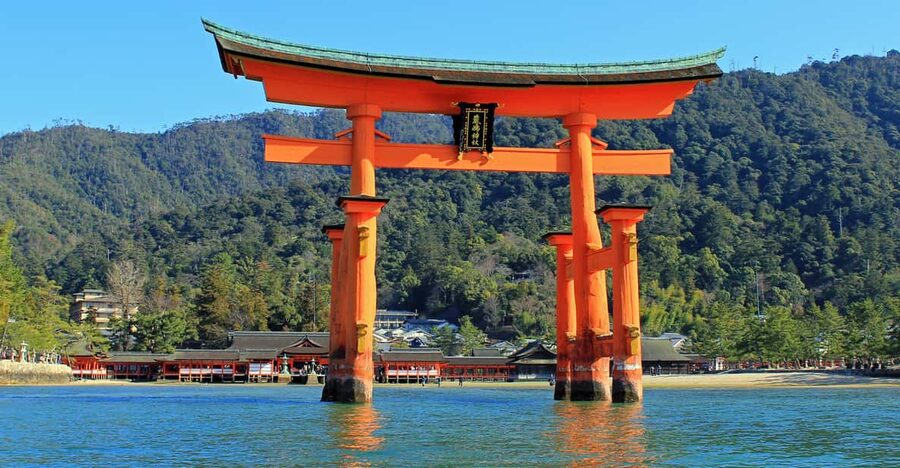
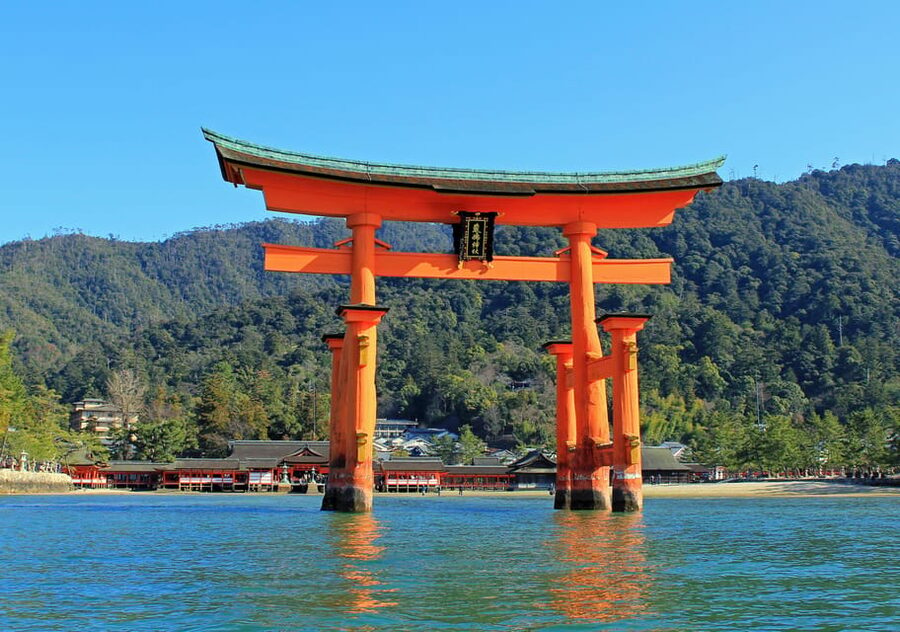
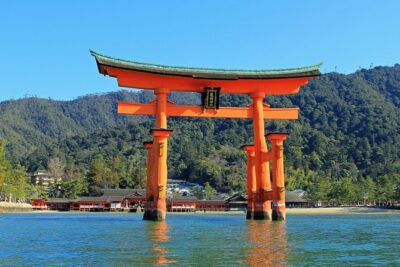
Itsukushima Shrine is one of Japan’s most famous Shinto shrines, and yes, it’s known for the “floating” torii gate that appears to stand out over the water at high tide. Your tour includes a guided visit plus free time, so you get both the storyline and the chance to look around at your own pace.
This is one of those places where timing and atmosphere matter. Even if you’ve seen the torii in pictures, seeing it with the surrounding island scenery in real life feels different. The shrine sits against lush mountains, which makes the whole scene look composed rather than accidental.
If you want great photos, use your free time to move carefully and take a breath between viewpoints. People tend to rush right to the most famous angle, but the shrine area rewards slow looking.
Daishoin Temple on Mount Misen, quieter than you expect
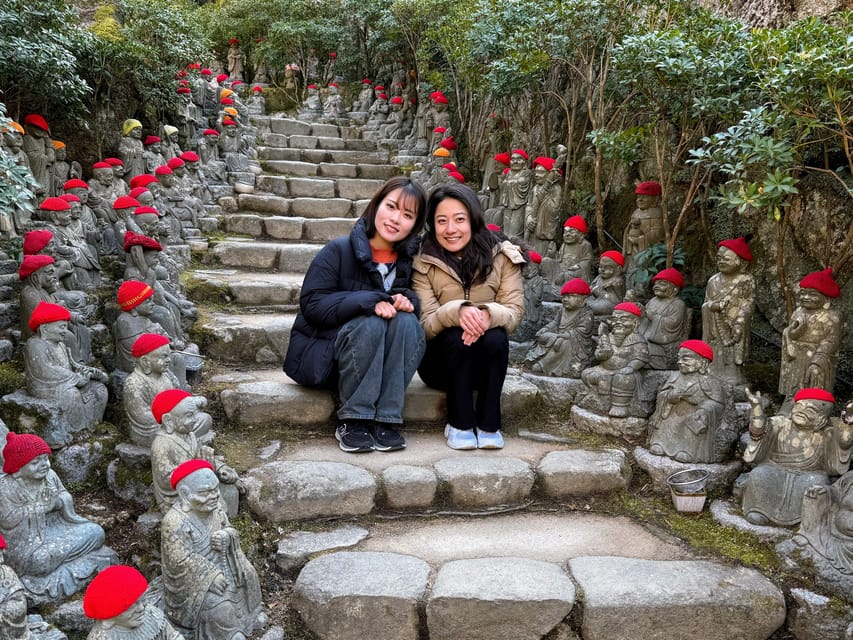
After Itsukushima, you’ll visit Daishoin Temple, a historic Buddhist temple on Mount Misen. The stop includes time to explore the gardens and the many stone statues, and you can also enjoy views of Miyajima and the Seto Inland Sea from here.
This part is a nice counterbalance to the shrine. The shrine has a very iconic, postcard feel. Daishoin is more about atmosphere: stone, greenery, and that sense of walking through a temple space where people are not just passing through for a photo.
You also get a bit of variety in walking and terrain. If you’re the kind of traveler who gets bored by flat checklists, this temple stop adds texture.
Omotesando Street free time, souvenirs and snack breaks
After Daishoin, you’ll have free time on Omotesando Street, Miyajima’s main shopping strip. The street is lined with shops selling local specialties and souvenirs.
What makes this practical, not just touristy, is that you can match this time to your energy level. Want quick snacks and small gifts? Great. Want to linger for a calmer moment before heading back? You can.
From the tour description, you can expect items like hand-painted fans and maple-themed crafts, plus other local goodies. It’s also a useful place to pick up something small as a memory anchor for a day that includes very serious themes in the morning.
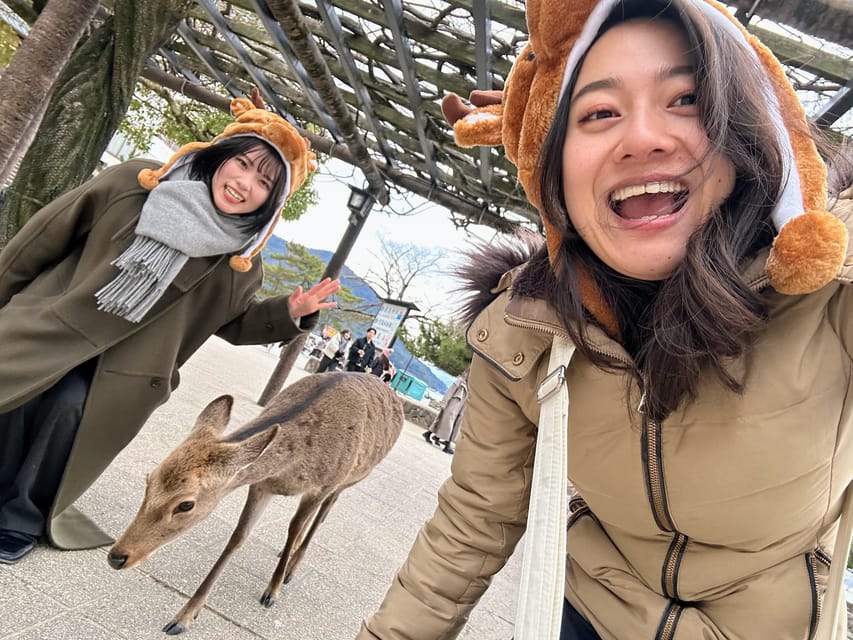
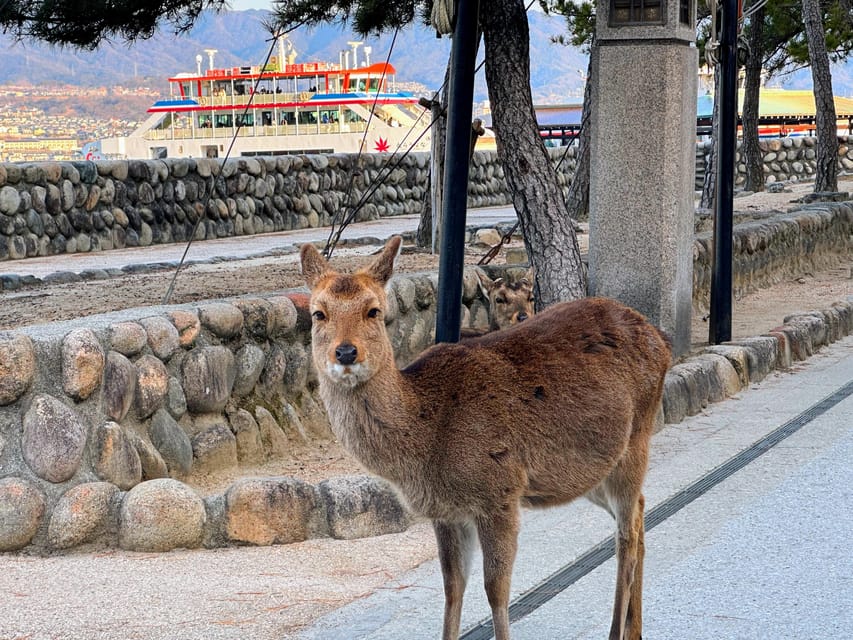
A note on wildlife: Miyajima is known for deer, and some guides and visitors often mention seeing them while exploring. If you spot them, move slowly and keep a bit of space, because they’re part of the island’s everyday scene.
Price and value at about $122 for eight hours
At $122 per person for an 8-hour day, the value comes from what’s bundled. You are not just paying for a guide. You’re getting:
- entrance fees for the Atomic Bomb Museum and Miyajima stops
- a round-trip ferry to Miyajima
- an English-speaking tour guide
- a multilingual audio guide on the bus (Spanish, French, Italian, German, Portuguese, Ukrainian)
- air-conditioned coach transport
- free Wi-Fi on the bus
- lunch if you choose the okonomiyaki option
If you tried to piece this together solo, you’d likely spend time and stress managing transport and timing, and you’d still need to pay for ferries and key entrances. The tour’s biggest advantage is the structure: it gets you between Hiroshima and Miyajima with less hassle, while the guide handles context at the places that benefit most from it.
One thing to keep in mind is pacing. It’s designed to cover a lot in one day. Many people love that efficiency, but if you want slow city wandering in Hiroshima itself, you might feel the Peace-focused schedule leaves you with less room for other neighborhoods or attractions.
Practical tips that make the day better
- Plan for big emotions in the morning. The content is handled with care, but it’s still powerful. Give yourself permission to take pauses when you need them.
- Bring a photo mindset, not a rush mindset. You’ll have guided time at major points and free time at the museum and in Miyajima, so you can take your time if you don’t sprint between stops.
- Use the bus audio guide if you want extra context. It’s available in multiple languages, and it can help you follow along between stops.
- If lunch matters for your diet, decide early. Vegetarian is available on request, but gluten-free, vegan, and halal options are not listed. If that affects you, choose the no lunch option.
Who should book, and who might not love it
This tour is a strong fit if you want:
- the Peace Memorial sites and Miyajima in one day
- a guide to help you understand what you’re seeing, especially in Hiroshima
- a balance of somber history and scenic island time
- a convenient start from Hiroshima Station with ferry included
It may not be ideal if:
- you want more general sightseeing across Hiroshima city beyond the Peace Memorial area
- you need wheelchair accessibility, since the tour is not suitable for wheelchair users
- you have strict dietary needs that match vegan, halal, or gluten-free requirements, since those options are not provided
Also, if you’re planning to take the Shinkansen after the tour, the advice is to buy your ticket after the tour on the day, or book a Shinkansen ticket after 6:30 pm.
Final call: should you book this Hiroshima and Miyajima UNESCO day trip?
I’d book it if you want a one-day plan that actually covers the must-sees without turning into a logistics puzzle. The Peace Memorial portion is the kind of experience where a good guide changes everything, and the Miyajima half feels like a well-timed reset.
Choose something else only if your main priority is deeper Hiroshima city exploring, or if your needs and mobility/diet don’t match the tour setup. If those boxes fit, this day trip is one of the most efficient ways to experience both UNESCO sites, with a thoughtful flow from remembrance to shrine and sea.
FAQ
How long is the Hiroshima and Miyajima UNESCO 1-Day Tour?
The tour lasts about 8 hours.
Where do I meet the tour?
Meet in front of the Shinkansen Ticket Gate on 2F of Hiroshima Station (North Gate). Look for a staff member holding a green and white flag.
Is hotel pick-up included?
No, hotel pick-up and drop-off are not included.
What languages are included?
The live tour guide is available in English and Japanese. A multilingual audio guide is included on the bus in Spanish, French, Italian, German, Portuguese, and Ukrainian.
What is included in the price?
Included are entrance fees for the Atomic Museum and Miyajima, lunch if selected, an English-speaking tour guide, multilingual audio guide on the bus, air-conditioned coach, round-trip ferry to Miyajima, and free Wi-Fi service on the bus.
Is lunch included, and what options are available?
Lunch is included only if you select it. The tour offers Hiroshima-style okonomiyaki. Vegetarian okonomiyaki is available if requested when booking (inform the provider at least 2 days before). No vegan, halal, or gluten-free options are available, so you may want the no lunch option if needed.
How long is the ferry ride?
The ferry segments are about 20 minutes each way.
What happens if the Peace Memorial Museum is closed?
From February 16 to 21, 2026, the Hiroshima Peace Memorial Museum will be closed. During that period, the tour visits the Hiroshima National Peace Memorial Hall for the Atomic Bomb Victims instead, and no refunds are issued due to this change.
Is the tour wheelchair accessible?
No, the tour is not suitable for wheelchair users.
Can I take the Shinkansen right after the tour?
If you plan to take the Shinkansen after the tour, buy your ticket after the tour on the day, or book a ticket after 6:30 pm.
What is the cancellation policy?
You can cancel up to 24 hours in advance for a full refund.
Fresh options around Hiroshima
- Hiroshima and Miyajima Full Day Private Tour★ 4.5 · 19 reviews
- 4 Hour Miyajima PRIVATE Tour★ 5.0 · 19 reviews
- Hiroshima Private Walking Tour with a Local★ 4.5 · 19 reviews
- Hiroshima Scenic Cycling Guided Tour★ 5.0 · 19 reviews
- Miyajima Guided Tour and Fresh Oyster Farm Tour★ 5.0 · 20 reviews
- Hiroshima: Atomic Bomb Dome and Peace Memorial Museum 3 hours★ 5.0 · 20 reviews
- Hiroshima: Tour of Atomic Bomb Dome & Peace Memorial Museum★ 5.0 · 20 reviews
- Hiroshima: City and Miyajima Bike and Boat Tour★ 5.0 · 20 reviews
Miyajima Tours, compared.
Peaceful Hiroshima & Miyajima UNESCO 1 Day Bus Tour
Read our review →
Hiroshima / Miyajima Full-day Private Tour with Government Licensed Guide
Read our review →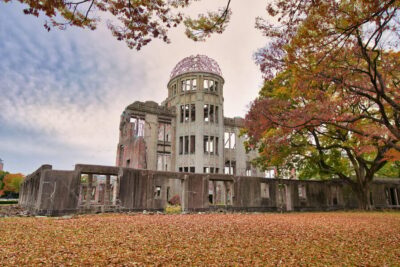
Osaka/Kyoto: Hiroshima Miyajima Bus Tour & Shinkansen Ticket
Read our review →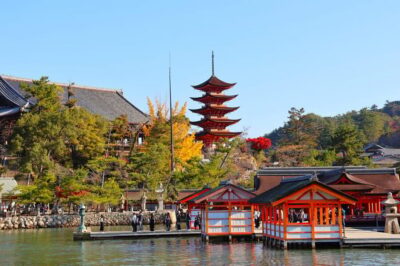
Hiroshima and Miyajima Day Trip with Itsukushima Shrine & Ferry
Read our review →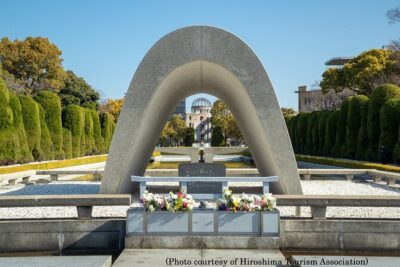
Full Day Hiroshima and Miyajima Bus Tour from Hiroshima
Read our review →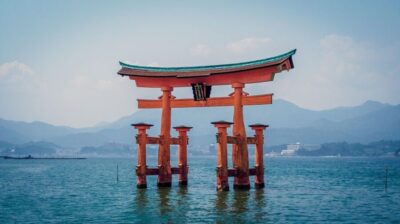
Miyajima Peace Memorial Icons of Peace and Beauty
Read our review →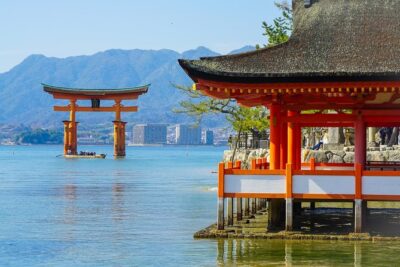
Miyajima Half-day Trip Historical Walking Tour
Read our review →Browse the lists this tour appears in