
Reviewed · WORKSHOPS
Osaka Sushi Making Class – Hands-On Nigiri & Rolls (Same-Day OK)
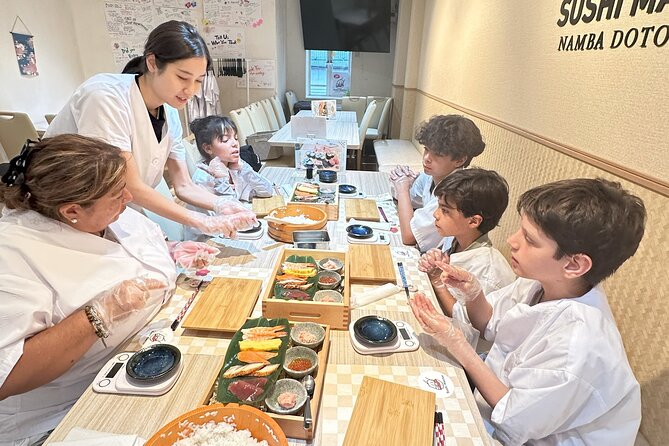
Learning sushi rice fast beats guessing. This hands-on sushi making class turns Osaka Namba into your kitchen, not just your food stop. You get a short intro to sushi and Japanese food culture, then you actually make your own nigiri and rolls with friendly English-speaking instructors.
I especially like how beginner-friendly it is. The pacing stays clear, and the focus on making sushi rice properly means you leave with a skill you can use again later. The other big win is the value, because your meal is what you make, and ingredients are included in the price.
One thing to consider: this is not a sit-and-watch show. If you’re short on time or prefer to stay hands-off, you might feel impatient during the prep steps before the fun part.
Key highlights you should know before you go
- 90-minute, hands-on format with time to eat what you make
- Namba Station area, a short walk from the Midosuji Line
- English-speaking instruction with step-by-step guidance for beginners
- Premium or Standard courses depending on how much sushi you want to make
- Vegetarian sushi available if you note your preference in advance
- Includes a small gift at the end, not just food
Osaka Namba start point, and how easy it is to find
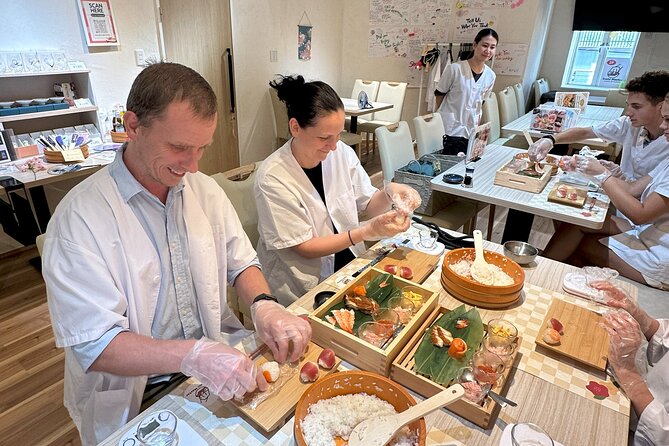
You’ll meet at Sushi Master Namba Dotonbori, on the 2nd floor of 法善寺ビル (Hōzenji Building), address 1-chōme-6-21 Namba, Chuo Ward, Osaka 542-0076. The location is convenient because it’s about a 3-minute walk from Namba Station on the Osaka Metro Midosuji Line.
For your timing, plan to arrive a few minutes early. In a class format like this, you want time to settle in, find the room on the 2nd floor, and start with a relaxed pace instead of rushing. Also, the group size is capped at 30 travelers, so it generally stays organized rather than chaotic.
Because the activity ends back at the meeting point, you can pair it with a stroll in the Dotonbori area afterward. This is a practical way to spend an evening without needing hotel pickup or drop-off.
More Sushi Making Classes in Osaka
- Sushi Making Osaka Roll and Authentic Japanese Sushi Class
★ 5.0 · 1,220 reviews - Osaka Sushi Making Experience
★ 5.0 · 400 reviews - Osaka: Roll and Authentic Sushi Making Class in Dotonbori
★ 4.9 · 239 reviews
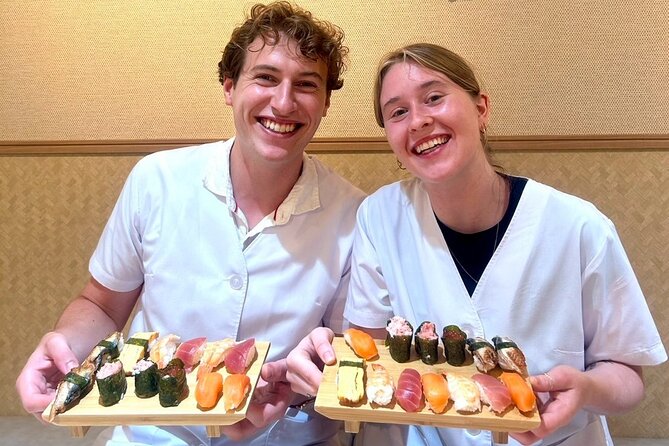
What you actually make, premium 10 pcs vs standard 8 pcs
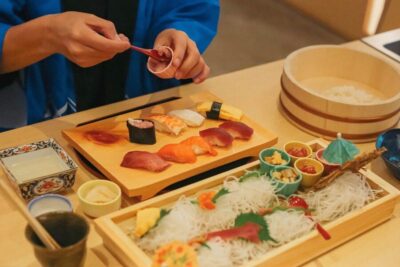
This class is built around a sushi-making course with two options. The Premium Sushi Making Course has you make 10 pieces, while the Standard Course makes 8 pieces.
Why this matters for you: if you want a more satisfying meal, Premium is the safer bet. With Standard, you still eat what you make, but you’ll likely want to add a snack or drink later if you’re very hungry.
The exact ingredients can vary depending on availability, so don’t expect every planned filling to be identical every day. That said, the core experience stays the same: you learn techniques, shape sushi, and finish by eating your own work.
The 90-minute flow, from intro to eating your creations
The total time is about 1 hour 30 minutes. The class moves in a simple rhythm that works well for first-timers.
First, you get a brief intro on sushi and Japanese food culture. This is usually quick, but it helps you understand what you’re making and why sushi rice matters so much.
Then comes the hands-on portion. You’ll get guidance on making sushi rice, and you’ll move from rice prep to shaping nigiri and rolls. The instructors are English-speaking, and the teaching style is patient and step-by-step, which makes it easier to keep up even if your Japanese is limited to restaurant menu basics.
Finally, you eat what you made. That last part is important. Many food experiences stop at the cooking moment. Here, the payoff is tasting your own sushi while it’s fresh and still at its best.
Sushi rice basics that actually change your results
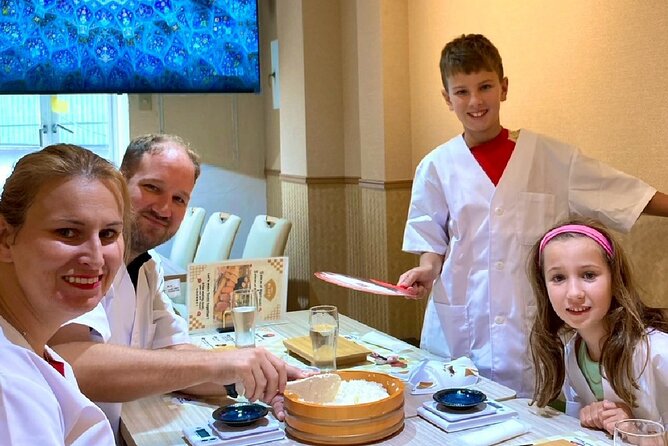
If you’ve ever tried to recreate sushi at home, you already know the truth: rice is everything. In this class, you learn how to make perfect sushi rice, which is the foundation for both nigiri and rolls.
You don’t need to be a kitchen expert. The class approach is designed around clear instructions and practice. You’ll learn what to focus on during mixing, shaping, and handling the rice so it has the right texture and sticks properly without getting gummy.
For you, the benefit is more than the meal. This is the core technique that transfers. After class, you’ll have a much clearer idea of how sushi rice should feel and how it should behave when you shape pieces by hand.
Same corner of Japan, a different kind of day:
- Osaka Go Karting Tour with Funny Costume
★ 5.0 · 2,658 reviews - Osaka Castle: Museum and Tower Entry Ticket
★ 4.5 · 2,380 reviews - Osaka: Shinsekai Food Tour with 13-15 Dishes at 5 Eateries
★ 4.8 · 2,204 reviews - Osaka Food Tour: 13 Dishes at 5 Local Eateries
★ 5.0 · 2,149 reviews
Nigiri and rolls, the part where it gets fun fast
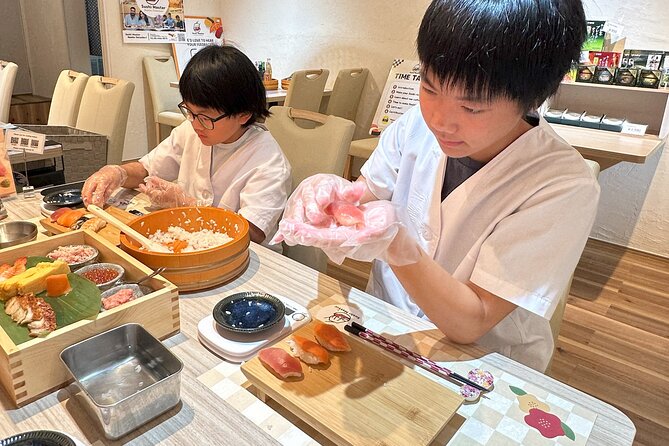
Once rice is under control, shaping becomes the satisfying part. Nigiri and rolls are both included, so you’re not stuck making just one style.
With nigiri, you’ll focus on forming a clean base and topping in a way that holds together. With rolls, you’ll work through the process of wrapping and shaping. Even if your first attempts are imperfect, the class format gives you enough structure to improve during the session.
This is also where the class shines for families and mixed skill groups. The instruction style is described as friendly and patient, which is exactly what you want when kids or first-time cooks are in the group. You’ll leave with sushi that looks better than you expected, and the learning feels real because your hands are doing the work.
Eating your sushi, and the sake you can order
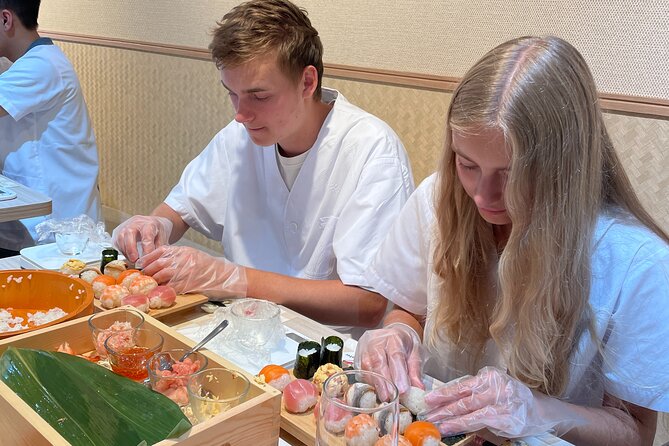
When you finish making, you eat your creations. Your sushi meal is included, meaning you’re not paying just for instruction. You get the edible result of the time you spent.
Alcohol and soft drinks are not included. You can order them on site, including Japanese sake. If you want to taste sake with your meal, this is a simple, low-pressure way to do it without planning ahead.
Keep your expectations realistic. Even with good technique, your pieces might not look like restaurant-perfect masterpieces. That’s okay. The point is learning the process and enjoying something fresh and made by you, in a setting that’s relaxed.
Vegetarian and allergy planning, what you need to do ahead of time
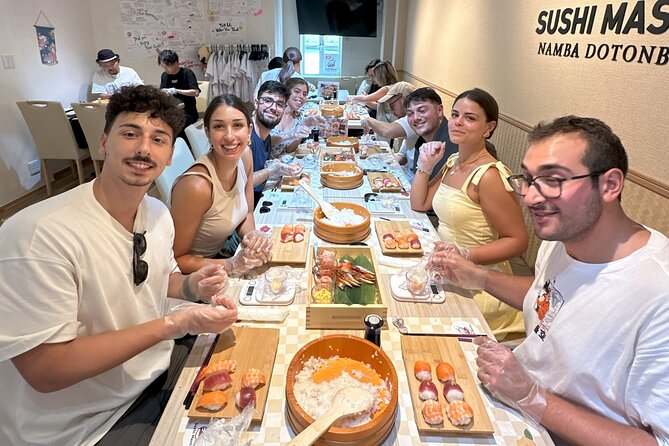
Vegetarian sushi is available. If that’s you, add it in the Special Requirements section when you book.
Allergies are also handled through advance notice. The class notes that you should inform them in advance of any allergies or vegetarian preferences. Ingredients may vary depending on availability, so telling them what to avoid is especially important.
For your planning, send the info clearly during booking rather than hoping the day-of solution is easy. In a hands-on class, substitutions have to be done early so everyone can participate smoothly.
Price and value in Osaka Namba, is $33.16 worth it?
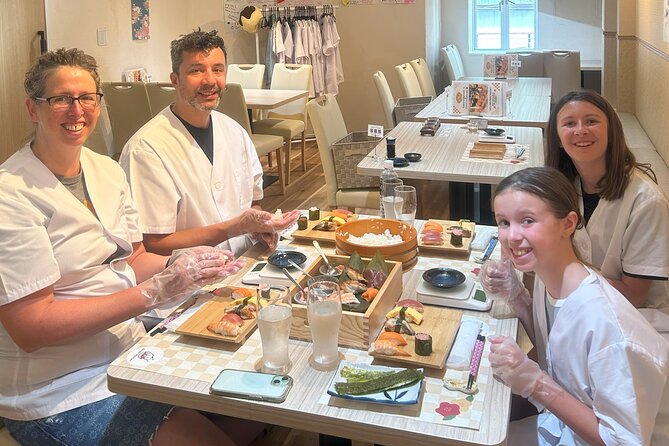
At $33.16 per person, this is priced like a focused workshop rather than a long tour day. The value comes from what’s included:
- Sushi ingredients for the experience
- English-speaking staff
- Sushi meals, made by you
- A small gift
What’s not included is drinks. You can order soft drinks and alcohol separately.
So here’s the practical way to judge value for yourself. If you’d otherwise pay for a casual dinner in Namba plus a cooking activity, this often ends up feeling like a better deal because your dinner is built into the class. You also get instruction, which turns the meal into a learning experience instead of just food consumption.
Group size is also capped at 30, which helps keep the experience smooth. It’s not a massive crowd where instructions become generic.
Who this class is best for, and who might want a different option
This experience fits best if you want an authentic slice of Japanese daily life, not just sightseeing. It’s particularly good for:
- Beginners who want clear guidance on sushi rice and basic shaping
- Families, including teens and kids, because the class style is patient and structured
- Food lovers who enjoy learning by doing, then eating immediately
It might be less ideal if you strongly dislike hands-on cooking. Since the core of the activity is making sushi yourself, the class may feel like work if you wanted more of a demonstration.
Also, if you’re very time-crunched, check the 90-minute block. You’re there long enough to learn and eat, so it’s not a 30-minute sampler.
Practical tips so your sushi session goes smoothly
A few small choices can make a big difference in a hands-on class like this:
- Arrive a little early, especially since you’re meeting on the 2nd floor.
- Tell staff about vegetarian needs or allergies in advance, using the Special Requirements field.
- Wear comfortable clothes and shoes. You’ll be working at the table and handling rice.
- Don’t stress about perfection. The goal is to learn technique and make something you can eat right away.
If you’re considering alcohol, remember drinks are separate. If you want to try sake, plan to keep it light so you can still enjoy shaping and eating comfortably.
Should you book the Osaka sushi making class?
I’d book this if you want a short, meaningful Osaka food experience that you can actually do with your hands. The biggest reasons are the English-speaking instruction, the clear sushi rice focus, and the fact that you leave with a real meal made by you in about 90 minutes.
Skip it if you hate participating in the cooking process, or if you only want a quick snack. This class is for people who enjoy learning and tasting in the same sitting.
If you’re visiting Namba and your schedule has a free evening slot, this is one of those activities that gives you both a story and a technique you can remember long after you leave.
FAQ
Is same-day booking available?
Yes. Same-day bookings are welcome.
How long is the sushi making class?
The total duration is about 1 hour 30 minutes.
Where do I meet for the class?
Meet at Sushi Master Namba Dotonbori, Japan, 542-0076 Osaka, Chuo Ward, Namba, 1-chōme-6-21 法善寺ビル 2階. The activity ends back at the meeting point.
What is included in the price?
The price includes sushi ingredients for the experience, English-speaking staff, your sushi meal (the sushi you make), and a small gift. Drinks are not included.
Can I request vegetarian sushi or tell them about allergies?
Yes. Vegetarian sushi is available. You should inform them in advance of any allergies or vegetarian preferences in the Special Requirements section.
What is the cancellation policy?
Free cancellation is available up to 24 hours in advance for a full refund. If you cancel less than 24 hours before the start time, the amount paid is not refunded.
Fresh options around Osaka
- Osaka Dotonbori Night Photoshoot – Private | Pro Photographer★ 5.0 · 19 reviews
- Osaka: Tennen Onsen Naniwa-no-Yu, the famous hot spring spa★ 4.7 · 19 reviews
- Osaka Private Walking Tour with a Local★ 4.5 · 19 reviews
- Osaka: HEP FIVE Ferris Wheel E-Ticket in Umeda★ 4.7 · 19 reviews
- Kansai/KIX Airport to or from Osaka/Kyoto Private Transfer★ 5.0 · 20 reviews
- Guided Photography Tour in Osaka: Capturing Memories★ 4.5 · 20 reviews
- Osaka: Food Tour at Night with Tastings★ 4.9 · 20 reviews
- Osaka Private Tour with Government-Licensed Guide★ 4.8 · 20 reviews
Workshops, compared.
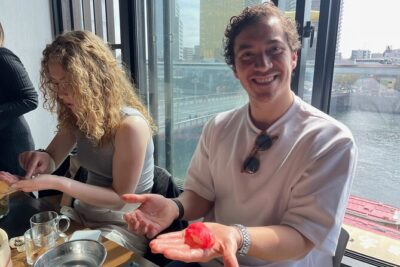
Sushi Making Tokyo Roll and Authentic Japanese Sushi Class
Read our review →
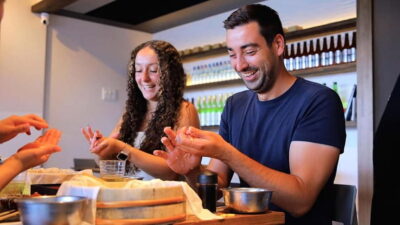
Roll and Authentic Sushi Making Class in Asakusa
Read our review →
Ramen Cooking Class at Ramen Factory in Kyoto
Read our review →
Sushi Making Class in a Happi Coat near a Famous Spot
Read our review →
Sushi Making Osaka Roll and Authentic Japanese Sushi Class
Read our review →Browse the lists this tour appears in