
Reviewed · TEA CEREMONIES IN KYOTO
Kyoto Newly Opened Tea Ceremony – Sanjo Chasuian
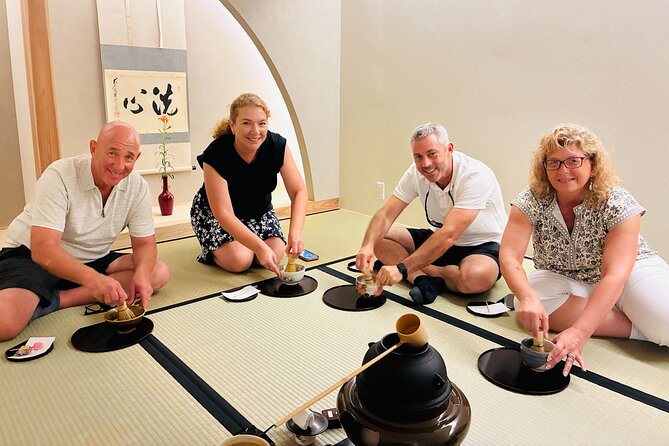
Kyoto’s tea ritual can feel out of reach, but this newly opened ceremony makes it approachable. You get a quiet, hands-on lesson on matcha preparation, plus a proper pause button thanks to the tearoom’s nijiriguchi (crawl-in entrance). I especially like that you don’t just watch, you also whisk your own tea.
My other favorite part is the small-group feel, capped at 10 people, so the host can give clear, step-by-step guidance. One thing to plan for: the room is serene and traditional, so there is a lot of sitting close to the floor even though chairs are available.
Key highlights at a glance
- Two matcha servings: one made by the host, one you whisk yourself
- Nijiriguchi entrance that sets the mood immediately
- Seasonal Kyoto Japanese sweets included from a sweet shop with 100-plus years of history
- Small group max of 10 for real Q and A, not a lecture
- Socks required or brought for the experience
- Mobile ticket for easy entry
Entering Sanjo Chasuian Through the Nijiriguchi
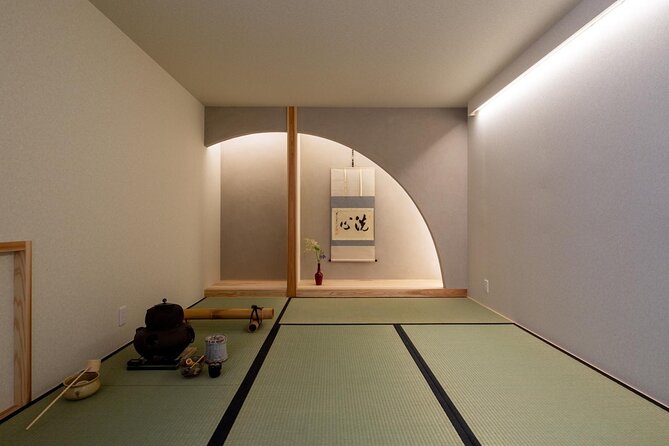
If you only have time for one cultural activity in Kyoto, I’d put a tea ceremony near the top. This one starts by helping you leave the outside world behind, literally. The tearoom has a nijiriguchi, a crawl-in doorway that forces you to slow down the moment you arrive. Even if you have seen photos of this, the physical start changes your mindset. Less rushing, more noticing.
Timing matters here. You can enter only up to 5 minutes before the start time. Once the session begins, the door is locked. That means you should build in a small buffer, especially if you are walking from nearby areas or using maps.
There’s also a practical tip that will save you stress. If you rely on Google Maps, it may route you to a smaller side street on the corner. Instead, stay on the main street and look for a green matcha ice cream cone used as a visual landmark. Once you spot it, you are on the right track for Sanjo Chasuian.
One more detail that affects comfort: the experience asks you to bring or wear socks. If you forget, you will likely be stuck scrambling right before your session. I’d treat socks like you treat shoes with a museum visit, pack them early and move on.
More Tea Ceremonies in Kyoto
- Kyoto: Tea Ceremony in a Traditional Tea House in Kiyomizu
★ 4.9 · 3,519 reviews - Kyoto: Tea Ceremony Ju-An at Jotokuji Temple
★ 4.9 · 3,207 reviews - Kyoto: 45-Minute Tea Ceremony Lesson Experience
★ 4.3 · 2,378 reviews
The Host, the Ritual, and What Makes This Lesson Click
This experience is run by Sanjo Chasuian, and the tea master guiding you through the steps is named Yuko. That matters because the best tea ceremony hosts do two things at once: they perform with calm precision and they teach what those actions mean.
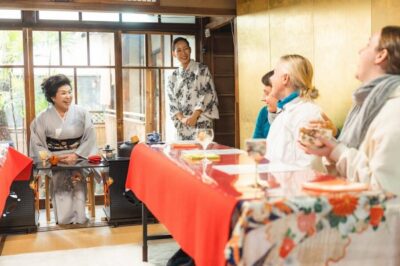
The ceremony is in a quiet, serene setting, and the pace reflects that. You will first see how matcha is made using traditional utensils and techniques. Then the explanation comes in a way that is meant to be usable, not just pretty. You’ll hear the practical meaning behind each step, including why things are done a certain way, and how the ritual supports mindfulness.
Here’s what I like about this format. Too often, tea ceremonies feel like a show where you get a drink at the end. This one keeps it honest: you watch the process, understand the why, and then you try it.
Also, the host speaks English and includes time for questions. That is especially helpful if you are a first-timer and don’t know what you should be asking. Expect clear instructions, not vague tips.
Your Matcha Practice: Choosing a Bowl and Whisking Like You Mean It
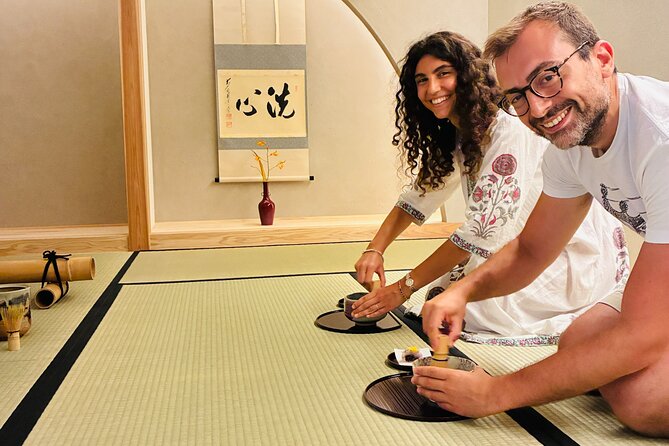
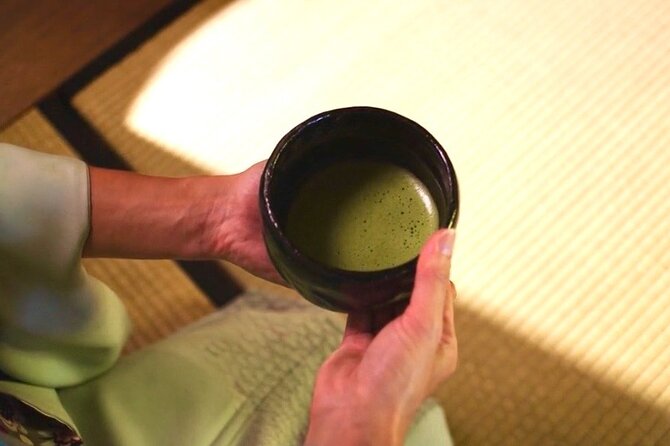
The centerpiece is your hands-on matcha time. You get to choose a tea bowl and whisk the matcha yourself. That bowl choice isn’t just decoration. The bowl shape and feel can change how the tea preparation feels in your hands, and it helps you connect the ritual to something physical, not abstract.
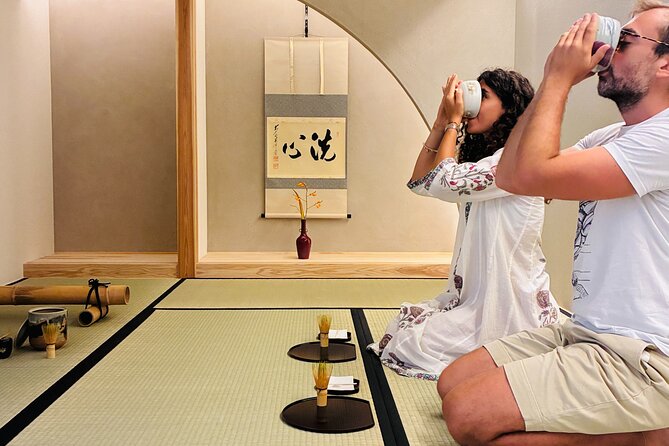
The tour gives you two servings of matcha:
- One cup prepared by the host as a model of the correct method
- A second cup that you whisk yourself, either solo or with a companion
Watching the host first is useful because you see the motion as a whole. Then when you whisk, you are not guessing in a vacuum. You can copy what you saw, adjust your grip, and focus on producing a smooth result.
Even if matcha is new to you, you should leave understanding the basic flow of preparation: how the bowl is handled, how the whisking is approached, and how the tea changes when you do the steps correctly. And if you’ve tried matcha at cafes back home, this experience gives you a way to compare what you thought you knew versus what traditional preparation is designed to bring out.
One practical consideration: this is a seated ritual. You should be ready for a posture that may involve floor seating. Chairs are available, but the ceremony is still designed around traditional closeness. If you know you have trouble sitting in one position, choose the chair option early and treat it like part of your comfort plan.
The Sweets Break: Kyoto Confectionery Included, and It Matters
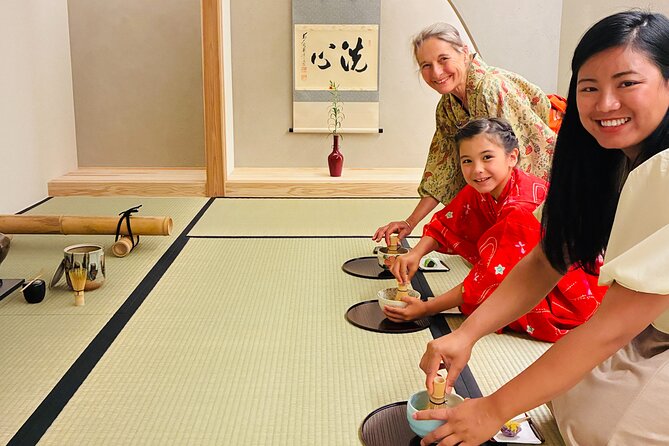
Tea ceremony and sweets go together for a reason. The sweets are not an afterthought here. You receive traditional seasonal Japanese confectionary, chosen from a Kyoto sweet shop with over 100 years of history.
You’ll see them presented in a way that fits the moment. These are meant to be eaten slowly, alongside the tea, so the flavors make sense as a pair. If you like food details, this part is more fun than it sounds because the sweets match the seasonality theme of the ceremony.
I also appreciate that the sweets are included with the base price. With some tours, you pay for the activity and then you still feel pressured to buy snacks separately. Here, you get a complete set: your matcha plus the Kyoto sweet that goes with it.
If you are someone who normally thinks sweets are just sugar, consider treating this as part of the training. You are learning how balance works in the ritual, and the sweet is part of that balance.
Same corner of Japan, a different kind of day:
- PERFECT KYOTO 1-Day Bus Tour
★ 5.0 · 13,518 reviews - Kyoto: Fushimi Inari, Kinkakuji, Bamboo Grove 1 Day Bus Tour
★ 4.8 · 4,316 reviews - Kyoto Geisha Walking Tour: Gion District & Hidden Gems
★ 4.7 · 3,273 reviews - Kyoto: Gion Magical Night Walking Tour with Geisha Trivia
★ 4.9 · 2,393 reviews
Seating, Quiet, and the Small Group Advantage (Max 10)
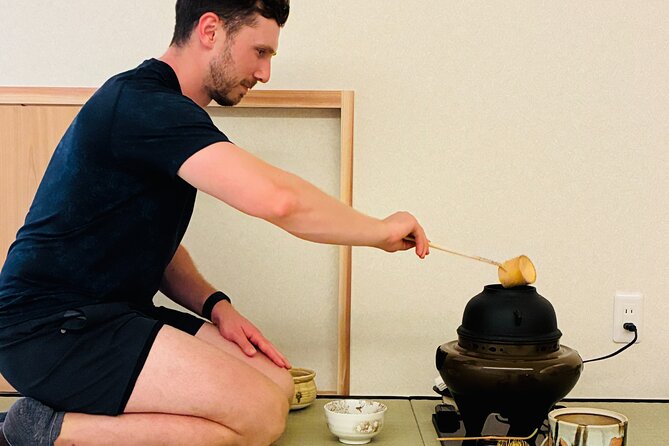
The group is kept small, with a maximum of 10 travelers. That matters more than it sounds. When a class stays under that number, you can ask questions without feeling like you are interrupting a production schedule. It also helps the host correct your technique at the right time, before you get too far into the steps.
The ceremony is conducted in a quiet and serene setting, so you should arrive ready to be present. No rushing around for photos mid-step. Instead, it feels like a calm reset in the middle of a busy Kyoto day.
Seating details can affect your comfort, so take them seriously. Chairs are available, but you may still notice that the room setup encourages traditional floor-style sitting. One practical move is to decide your comfort preference before the ceremony starts, because once the session begins and the door locks, late adjustments might not be easy.
Cleanliness also comes up in the experience quality. The tearoom is described as very clean and new-looking, which is what you want for something where you are sitting close and moving your hands around the utensils.
Price and Value: Is $32.77 Worth It?
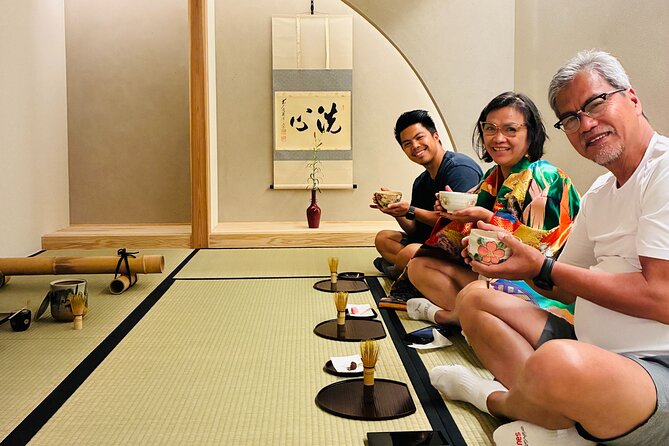
At $32.77 per person, this is not the cheapest thing on your Kyoto list, but it is also not inflated for what you actually do. Here’s where the value comes from:
- You get two cups of matcha: one fully made by the host, one made by you
- You get seasonal Japanese sweets included
- You get instruction with step-by-step explanations and Q and A
- The small group size keeps the experience personal
- The setting includes a meaningful ritual element, the nijiriguchi entry
If you compare to casual tea tastings where you only drink one cup and spend most of the time watching, the hands-on component is the big difference. You are paying for the chance to practice, not just the chance to observe.
Also, the experience is about learning you can recreate. The practical skills are what you carry home: how to approach whisking, what the basic preparation process feels like, and how the ritual structure helps the tea taste better and feel calmer.
If your travel style is hands-on, calm, and culturally focused, this is a good match. If you only want food and zero participation, you might decide to skip, because the activity is built around you doing the whisking.
Pair This Ceremony With the Rest of Your Kyoto Day
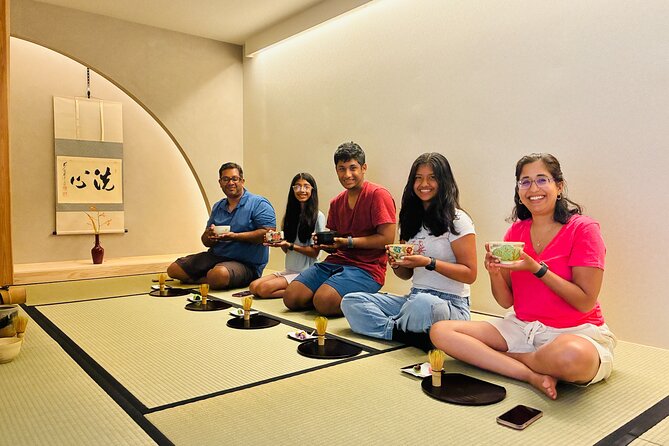
One reason this works well is timing. The session runs about 1 hour, and it ends back at the meeting point. That makes it easy to plug into your day between temple time and dinner.
The location is also described as near public transportation. In practice, that means you can treat it like an anchor activity rather than a tricky detour.
If you are staying around central Kyoto, you may find it convenient as well. One tip from people who visited is that it can be a short walk if you are near Nijō Castle. Even if your route is different, the area feels walkable, and the main street landmark helps.
If you want to make it an even longer cultural stop, the meeting point includes the name Tea Ceremony and Sake Tasting Kyoto, Sanjo Chasuian. That hints at other tasting options at the same place. I would check what else is offered when you arrive or when you confirm your booking, so you don’t assume details you don’t have.
Should You Book This Kyoto Tea Ceremony?
I think this is a smart booking if you meet these conditions:
- You want a first real matcha lesson, not just a quick sip
- You like hands-on activities where you actually practice
- You enjoy quiet, rule-based cultural rituals
- You appreciate small group instruction, with time to ask questions
- You want included sweets and not just a beverage
I might steer you away if:
- You have strong issues with sitting close to the floor for a period of time, even with chairs available
- You are allergic to the idea of a structured ritual with fixed start times, because late entry isn’t allowed once the session begins
If you want one calm, skill-building Kyoto experience that feels both authentic and doable, this is the kind of tour that pays you back quickly.
FAQ
How long is the Kyoto tea ceremony experience?
It lasts about 1 hour.
How many servings of matcha are included?
You receive two cups of matcha. One is prepared by the host, and the other is prepared by you during the hands-on part.
Are Japanese sweets included?
Yes. Traditional seasonal Japanese confectionary is included.
Do I need socks?
Yes, you are asked to bring or wear socks during the experience.
How many people are in the group?
The ceremony has a maximum of 10 travelers.
What is the cancellation policy?
You can cancel for free up to 24 hours in advance for a full refund.
Fresh options around Kyoto
- Kyoto Gion Photoshoot – Private Session | Pro Photographer★ 5.0 · 12 reviews
- Kyoto Aquarium Admission Ticket★ 4.7 · 12 reviews
- Gyoza Cooking Class in Kyoto: Traditional Japanese Dumplings★ 5.0 · 12 reviews
- Kyoto: Guided Food Tour with 12 Dishes & 3 Drinks★ 5.0 · 12 reviews
- Kyoto: Avoid the Crowds at the Hidden Gems of Arashiyama★ 4.9 · 13 reviews
- Kyoto Early Bird English Tour: Gion & Higashiyama(Private opt)★ 5.0 · 13 reviews
- Otsu-e Folk Art Workshop & Local Culture Walk Near Kyoto★ 5.0 · 13 reviews
- Kyoto, Osaka, Nara Full Day tour by Car English speaking Driver★ 3.5 · 13 reviews
Tea Ceremonies in Kyoto, compared.
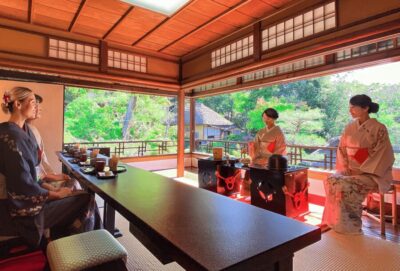
Tea Ceremony in a Traditional Tea House in Kiyomizu
Read our review →
Arashiyama Bamboo Forest, Monkeys, Matcha & Temple Tour
Read our review →
Tea Museum Tickets and Matcha Grinding Experience
Read our review →
Browse the lists this tour appears in