Reviewed · KYOTO TOURS
Single- & multi-day Adventures within Kyoto Nara Osaka Kobe
One car across Kansai, way less stress. I like how this setup keeps everything private for your group and how the vehicle includes on-board Wi-Fi plus power for charging devices. I also love the flexibility to reshape the day when you spot something you want more of. The main drawback to plan around is that admission fees and attraction tickets are not included, so you’ll want cash or card ready for temples, gardens, and special experiences.
This kind of private, multi-city day is built for people who hate wasting time on transfers and crowded buses. You can stack Kyoto, Nara, Osaka, and even Kobe into one flow, with pickup and drop-off where you want, plus the option for shorter one-day or longer multi-day versions.
Key things I focused on before you book
- Private vehicle for up to 8 people, so the day runs at your group’s pace instead of a fixed bus schedule
- Wi-Fi and 100V power outlets in the car, handy for maps, messages, and charging cameras or laptops
- Flexible itinerary changes, so you can trade time between major shrines, markets, and quieter detours
- A smart mix of big icons and side stops, from Kyoto’s Gion to Osaka’s covered markets and Kobe’s sake areas
- Tickets mostly on you, since entrances are not included, which affects budgeting more than you might think
Pricing, group size, and what that $385 buys
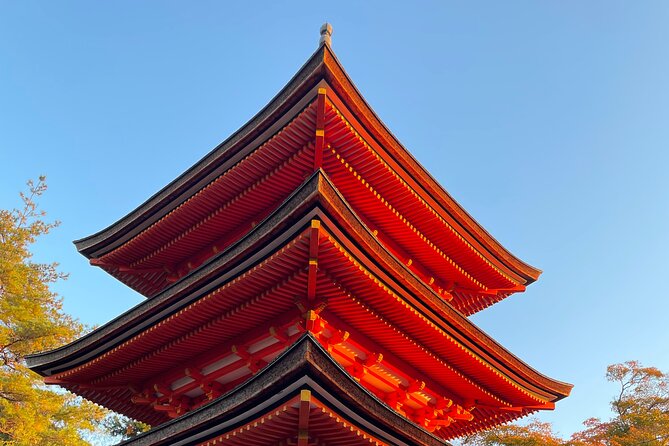
The price is $385 per group, for up to 8 people. That matters, because your cost per person drops fast when you can fill the car with friends or family. If you’re traveling solo, it can feel steep compared to shared bus tours, but for groups it’s a strong value, especially because your transport is private and door-to-door.
Also, you are paying for time. In a multi-city plan, the biggest hidden cost is not tickets, it’s commuting friction, missed connections, and spending precious hours just getting between “must-see” neighborhoods. A private car with pickup and drop-off removes a lot of that drag. You can focus on the places themselves, not the logistics.
Do note this tour is not a “everything is included” sightseeing pass. Admission fees and attraction tickets are not included, and even when a stop is free, you should expect other stops to have fees.
A few more Kyoto days worth comparing
- PERFECT KYOTO 1-Day Bus Tour
★ 5.0 · 13,518 reviews - Kyoto: Fushimi Inari, Kinkakuji, Bamboo Grove 1 Day Bus Tour
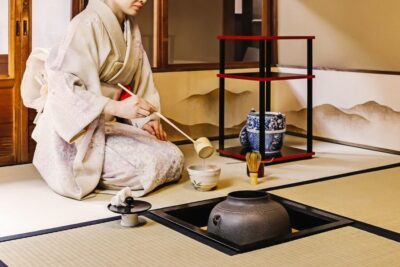
★ 4.8 · 4,316 reviews - Kyoto: Tea Ceremony in a Traditional Tea House in Kiyomizu
★ 4.9 · 3,519 reviews
The private-car advantage: Wi-Fi, charging, and pacing that feels human
I really appreciate how practical this is for a day that can include a lot of stops. The car is air-conditioned, which is a big deal during warmer months, and it has Wi-Fi to keep you connected while you move between neighborhoods. It also includes 100V AC power supply for charging devices. That is the kind of detail that saves your phone battery during heavy photo days and lets you recharge more than once without hunting around.
The other benefit is pacing. When your guide or driver can adjust the itinerary on the fly, you can spend longer at a market that’s worth it, or cut a stop short when you’re tired. One of the standout positives in the feedback I saw was the way guides such as Kevin and Chi communicated frequently and helped plan an ambitious day without losing flexibility. That matches what you want from a private tour: structure, but not rigidity.
One caution: the itinerary includes many stops with short time windows at some locations. That can be great if your group loves moving, but if you prefer slow strolling and long museum time, you’ll want to use the flexibility to trim or reorder.
Day 1 in Kyoto: Arashiyama, Kinkaku-ji, Gion, and the Fushimi Inari run
Day 1 reads like the best-of Kyoto starter pack, plus a nature-heavy opener that looks more like a day trip than a city crawl. You start with Amanohashidate, a long, pine-covered sandbar in northern Kyoto. The name translates roughly to bridge in heaven, and the big idea here is the view, plus the calm of being outside the downtown crowds. Plan around a couple hours here, and remember the admission ticket may not be included.
Next you head to Ine no Funaya, a seaside fishing village known for its “funaya,” boat houses along the bay. It’s a charming stop that gives you a different Kyoto flavor, tied to the Urashima Taro folk tale and Urashima shrine. It’s shorter, about an hour, which is perfect for photos and a slow walk along the water before you shift back to classic sightseeing.
Then comes Arashiyama, the western Kyoto district that’s been a destination since the Heian period. Expect a touristy vibe, but also real atmosphere. It’s a good place to buy snacks, check viewpoints, and reset your energy. You get about two hours here.
From there, you hit the major temples and palace areas:
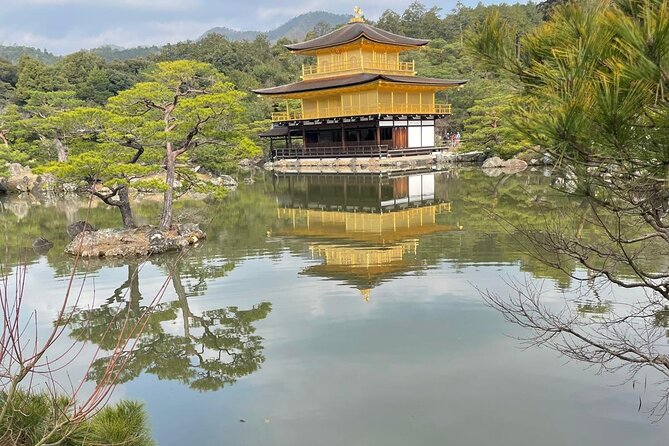
- Kinkaku-ji (Golden Pavilion): about 30 minutes, famous for the Zen temple setting overlooking a pond. Even a short visit is satisfying because the sight is the point.
- Nijo Castle: about an hour and recognized as a World Heritage site. It’s a former imperial villa tied to major historical transitions.
- Kyoto Imperial Palace: about an hour, formerly the home of Japan’s imperial family until 1868. This is an easier “big site” to enjoy because the scale is clear even if you only spend the allotted time.
After that you get into Kyoto’s food-and-street energy:
- Nishiki Market: about 45 minutes, often called Kyoto kitchen because it’s lined with shops and restaurants focused on food.
- Ginkaku-ji (Silver Pavilion): about 45 minutes, a Zen temple with a garden setting and historical ties to shogun Ashikaga Yoshimasa.
- Nanzen-ji: about an hour, known as a major Rinzai Zen temple, with mountains nearby and a garden-centered feel.
Then the tour leans into the cultural neighborhoods:
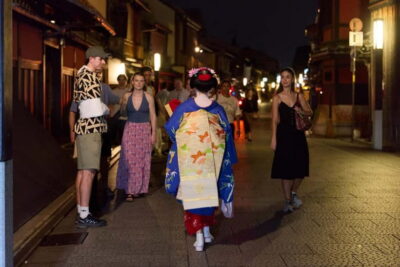
- Gion: about two hours. This is where you slow down. You’ll pass the geisha neighborhood atmosphere and likely spot Yasaka jinja nearby.
- Sanjusangendo: about an hour, famous for the 1001 statues of Kannon.
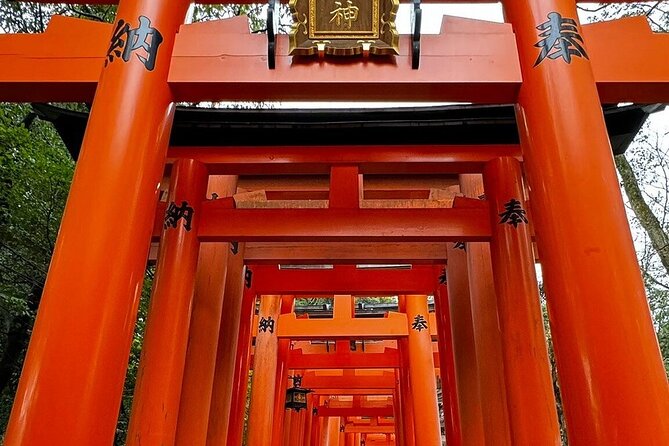
- Fushimi Inari-taisha: about 30 minutes. Even with a short time slot, you get the core experience of the shrine and its long tradition of prayers for things like harvests, business prosperity, and safety.
Finally, Day 1 turns scenic again with a Hozugawa River boat ride end point (about two hours). The description in the plan frames it as an active nature experience, not just a photo stop. After that, you shift toward Kyotango, known for long beaches. You’ll also stop at Amanohashidate Winery (and it shows as free in the provided info), which is a nice curveball if you want something different from temple after temple.
Day 1 drawback to keep in mind
The day is long and stop-heavy. If you and your group hate rushing, you’ll want to prioritize. Use the flexibility to cut one or two of the major temple blocks and spend extra time where you feel the most energy.
Same corner of Japan, a different kind of day:
- Kyoto Geisha Walking Tour: Gion District & Hidden Gems
★ 4.7 · 3,273 reviews - Kyoto: Tea Ceremony Ju-An at Jotokuji Temple
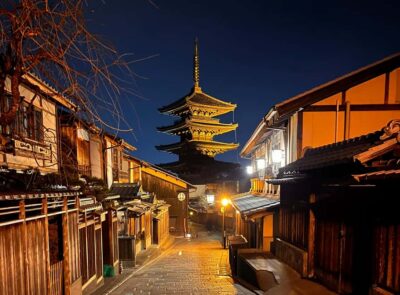
★ 4.9 · 3,207 reviews - Kyoto: Gion Magical Night Walking Tour with Geisha Trivia
★ 4.9 · 2,393 reviews - Kyoto: 45-Minute Tea Ceremony Lesson Experience
★ 4.3 · 2,378 reviews
Day 2 in Osaka: Castle views, instant-ramen culture, and markets with a plan
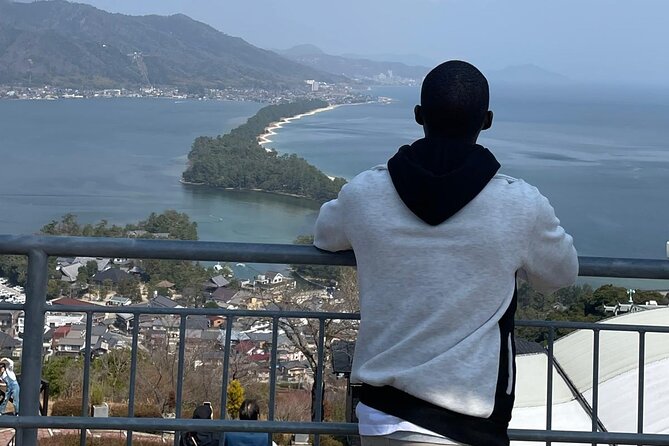
Osaka day is more urban and food-forward, but it still mixes in nature and viewpoints. You start with Osaka Castle, about an hour. It’s one of Japan’s best-known landmarks, and even a shorter visit works because the castle and the surrounding area give you an instant sense of scale.
Then it pivots to pop culture and food science with the CUP NOODLES MUSEUM OSAKA IKEDA, about an hour. This is a good stop if your group likes playful museum style and instant ramen stories. Just be ready that it’s very “experience-based,” not a quiet temple visit.
Next, you get a reset in Minoo Park, about two hours. It’s described as a natural paradise outside Osaka with greenery and a tranquil vibe, plus Minoosan Ryuanji Temple nearby. The information says free entry for the park, which is a nice relief mid-day.
After the park, you step into classic Osaka neighborhoods:
- Shinsekai: about an hour, a district created before World War II and known for its older “New World” atmosphere. It’s a fun contrast to Kyoto’s temple-heavy pacing.
- Sennichimae Doguyasuji Shopping Street: about 30 minutes, known for wholesalers and specialty shops like cutlery and crockery.
- Kuromon Market: about 45 minutes. It’s covered and over 200 years old, famous for seafood, meat, and produce. This is one of those places where you’ll want to snack on purpose, not just wander.
You also get the old alley atmosphere:
- Hozenji Yokocho: about 45 minutes. A narrow lantern-lit alley with cobblestones and a small temple vibe.
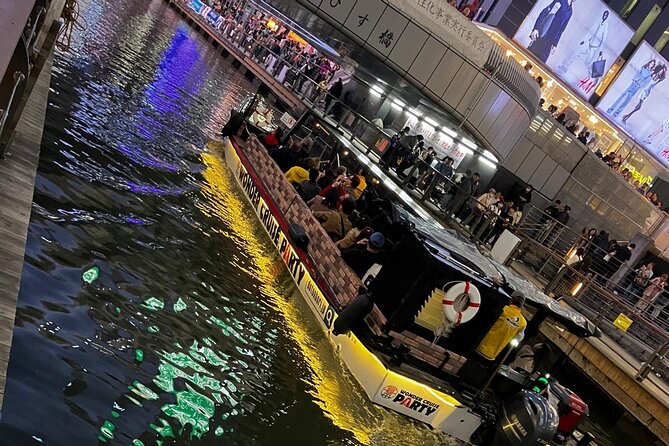
- Dotonbori: about 45 minutes. Neon lights, street food energy, and the iconic canal-side vibe.
If you still have energy, you continue with more shopping geography:
- Shinsaibashi-suji Shopping Street: about an hour, a covered shopping street with a long history.
- Sumiyoshi Taisha Shrine: about an hour, almost 2,000 years old with a shrine architecture style called Sumiyoshi-zukuri.
Then it turns into “views and science” again:
- Tempozan Harbor Village: about two hours, with the Kaiyukan aquarium being a major draw. Aquarium admission is not included, so you’d pay if you want it.
- Hoshi no Buranko Bridge: about two hours in the plan, with a suspension bridge viewpoint described for panoramic views. It’s marked free in the provided info.
- Asahi Beer Museum: about an hour. The plan highlights tastings and a sensory experience, and this likely has tickets that are not included.
The final Osaka stop in the plan is Tondabayasahi Jinaimachi, a historic town district preserved with traditional townhouses. It’s listed as a very short stop, about two minutes, so think of it as a “spot-check” rather than a full wander.
Day 2 drawback to keep in mind
Osaka is wide. If your group wants deep time in one area like the markets or Dotonbori, you’ll probably need to trade minutes from shopping streets. The private format helps, but your time still has to come from somewhere.
Day 3 Nara Park and Todai-ji, plus Kyoto’s gardens and tea-country Uji
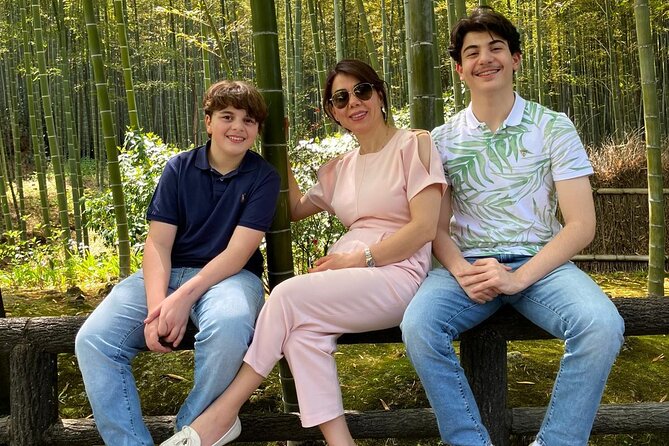
Day 3 is your “classic sacred sites” day, with a smart pairing of Nara and southern Kyoto. You start in Nara Park, about one hour. It’s big, 660 hectares, and famous for free-roaming deer. If you like relaxed walking, this is a great opener because it’s not just buildings, it’s a whole park setting.
Then you go to Todai-ji Temple, about one hour. The big draw is the giant bronze Buddha statue, Daibutsu, and its UNESCO World Heritage reputation. Even if you’ve seen photos, it hits differently in person because scale makes the story.
You also get a local food corridor:
- Higashimuki Shopping Street: about 30 minutes. It’s a covered arcade near the park and it’s a practical choice if weather changes. The description mentions a Nakatidou mochi pounding shop, which sounds fun if you want to watch something old-school happen.
From there, you hit additional temples:
- Kofuku-ji: about one hour, dating back to the 7th century, with pagodas and gardens.
- Sanjodori Street: about one hour and marked as admission included in the plan. This is the Kyoto side of the mix, connecting Gion to Kawaramachi for shopping and dining.
Then you swing back to Kyoto’s calmer vibe with:
- Isuien Garden: about one hour, a traditional garden with pond and teahouse, plus the Neiraku Museum nearby. The plan marks it as admission included.
- Kasuga Grand Shrine: about one hour. This place is famous for lantern donations, with hundreds of bronze lanterns and stone lanterns lining the approaches.
You end the Kyoto portion with old-town atmosphere:
- Naramachi: about 30 minutes and admission included. This is where you get Machiya historic merchant townhouses and small alleys with shops and cafes.
- Uji: about two hours, described as a quieter detour with terraced green fields and famous for tea. This is a good choice if you want less “temple concentration” and more scenery with a food or drink payoff.
Day 3 drawback to keep in mind
Nara’s core highlights are concentrated, but the whole day still includes a lot. If your group prefers only one major shrine day, you might want to start earlier in Nara and shorten the Kyoto add-ons.
Day 4 in Kobe and nearby: Mt Rokko views, sake areas, earthquake memory, then Himeji Castle
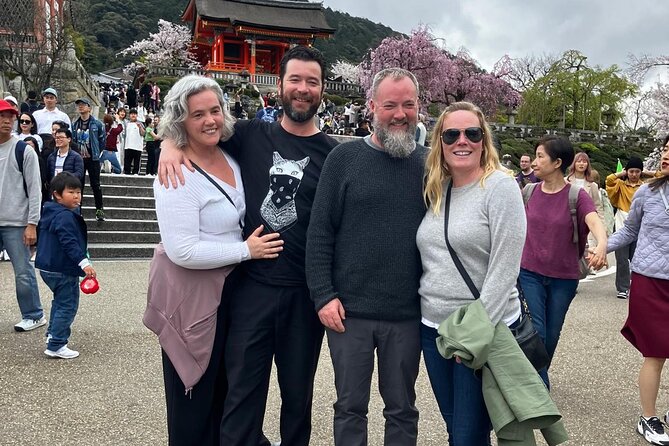
Day 4 is a big one. It’s Kobe-forward, with Mt Rokko viewpoints and the chance to include some major side excursions like Himeji Castle.
You start with Mt. Rokko, about two hours. The plan notes it’s the highest peak in the Rokko mountain range, 931 meters, and it provides a green backdrop to Kobe. The route also mentions Kobe Nunobiki Herb Gardens as part of that area, though it’s not fully detailed in the provided text.
Then you move into Nada for sake culture:
- Nada no Hitotsubi: about one hour, known for traditional sake brewing due to rice, water, and weather conditions.
- Kobe Shushinkan Brewery: about one hour. The plan highlights a shop selling sake and sake-related products, plus Japanese cuisine paired with sake. It also says free guided tours of the sake warehouse happen once per day.
A more serious stop follows:
- Port of Kobe Earthquake Memorial Park: about one hour and marked free. This commemorates the Great Hanshin Awaji Earthquake on January 17, 1995. It’s a meaningful pause in a day that is otherwise sightseeing heavy.
Then you explore Kobe’s international districts:
- Kitano Ijinkan-gai: about one hour, a former home area for foreign merchants and diplomats after Kobe’s port opened to foreign trade in the late 19th century.
- Chinatown (Nankinmachi): about one hour, developed by Chinese merchants near the port after 1868. This is where you can feel Kobe’s port-city identity in a different way than Osaka or Kyoto.
After that, you get a classic port-zone change of pace:
- Kobe Harborland: about one hour, a commercial complex with shopping, restaurants, and entertainment.
Then comes one of the most impressive major heritage add-ons in the plan:
- Himeji Castle: about one hour, described as White Heron Castle and noted as Japan’s first UNESCO World Cultural Heritage site. It’s a highlight if your group enjoys architecture and photo opportunities.
Next you go garden-lovers style:
- Koko-en: about one hour and admission included. It’s listed as a national special scenic spot with gardens, bridges, and ancient buildings.
- Arima Onsen: about one hour and marked free in the plan. The plan includes an idea of enjoying hot spring footbath relief, which is a great way to reset sore feet after temples and castles.
Finally, the day finishes with more Rokko mountain atmosphere:
- Rokko Garden Terrace: about one hour, described as an English garden setting with a mix of landscaped areas.
- Rokko-Shidare Observatory: about two hours, with panoramic views over Osaka Bay and a tree-like dome structure.
Day 4 drawback to keep in mind
This is your longest-feeling day because it includes temples, museums or memorial content, multiple districts, a UNESCO-grade castle visit, and then mountains again. If you want a more relaxed finish, consider trimming the number of added districts or asking for fewer “stop points per hour” near the end.
Tickets, entrances, and how to budget without surprises
Admission fees and sightseeing tickets are not included. That’s not unusual for private tours, but it affects your total trip cost more than the base price does. The best way to handle this is simple: treat the itinerary as a mix of free stops and paid highlights.
For example, some elements are listed as free in the provided plan details: Kuromon Market is marked free, Hozenji Yokocho is free, Minoo Park is free, Kasuga Grand Shrine is not listed as free, and the boat ride and many major temples often show as not included. Also, some places are marked as admission included, like Sanjodori Street, Isuien Garden, Naramachi, and Koko-en. So you won’t be paying for every stop, but you should expect to pay for key attractions that have ticketed entries.
Practical tip: make a small plan for payment. Keep a card plus some cash. Some places might be cash-friendly, and you’ll want speed so you don’t hold up the group.
Also: the plan says there is no restroom on board. So build in time buffers. When the car drops you at a site, use the first chance you get to handle bathroom needs before you walk into the busiest areas.
Who should choose this private multi-city route
This tour style is best for:
- Small groups who want to cover Kyoto, Nara, Osaka, and Kobe without stress
- People who like mixing major icons with local neighborhoods like Nishiki Market, Kuromon Market, Hozenji Yokocho, and Chinatown
- Travelers who value comfort and control, especially with door-to-door pickup and on-board Wi-Fi
It may not be ideal if:
- You want a super slow, one-temple-per-half-day rhythm
- Your group wants everything fully ticketed and prepaid
Should you book it? My straight answer
If you’re grouping up, I think this is a strong booking. The $385 per group model makes sense when you can split the car, and the on-board Wi-Fi plus power outlets are genuinely useful for a multi-city sprint. The flexibility to reshuffle the day is also a big reason this works, because Kyoto and Osaka days often balloon if you chase every photo spot.
If your budget is tight or you hate ticket budgeting, it’s still workable, just plan for extra spending since admission fees are not included and some days include several ticketed highlights. If you want a “maximum sites per day” trip with a private car and real convenience, this is one of the more practical ways to string Kyoto, Nara, Osaka, and Kobe together.
FAQ
Is this a private tour or shared group?
This is a private tour/activity, and only your group participates.
How many people can be in a group?
The tour price is per group for up to 8 people.
What is the price for the tour?
It’s listed as $385.00 per group.
Does the tour include pickup and drop-off?
Yes. Pickup and drop-off are offered at hotels, the airport, and other locations you request.
Is Wi-Fi included during the ride?
Yes. Wi-Fi is available on board.
Are admission fees and attraction tickets included?
No. Admission fees and sightseeing tickets are not included.
Are there restrooms available on board?
No. A restroom on board is not included.
Is the vehicle air-conditioned?
Yes, the vehicle is air-conditioned.
Do they provide a mobile ticket?
Yes, a mobile ticket is included.
What is the cancellation policy?
You can cancel up to 24 hours in advance for a full refund. If you cancel less than 24 hours before the start time, the amount paid will not be refunded.
Fresh options around Kyoto
- Kyoto and Nara Private Car Tour with a Local English Guide Driver★ 5.0 · 16 reviews
- The Art of Mindful Living: Tea Ceremony in Kyoto★ 5.0 · 16 reviews
- Full day Kyoto Walk in Fushimi, Arashiyama, Monkey, and Kinkakuji★ 5.0 · 17 reviews
- Kyoto: Kiyomizudera, Higashiyama and Yasaka Discovery Tour★ 4.8 · 17 reviews
- Uji: Private immersion into Kyoto’s tea and reglious culture★ 5.0 · 17 reviews
- Kyoto Full Day (8 hours) Ultimate Sightseeing Private Tour★ 4.5 · 17 reviews
- Kyoto Guided Walking Tour: Secret Zen Garden and Fushimi Inari★ 5.0 · 17 reviews
- Kyoto/Nara/Osaka: Highlights Custom Tour with Hotel Pickup★ 4.0 · 17 reviews
Kyoto Tours, compared.
Fushimi Inari, Kinkakuji, Bamboo Grove 1 Day Bus Tour
Read our review →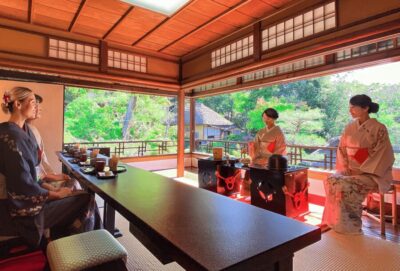
Tea Ceremony in a Traditional Tea House in Kiyomizu
Read our review →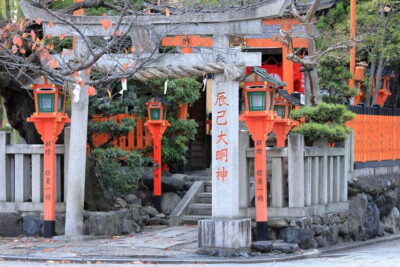
Kyoto Geisha Walking Tour: Gion District & Hidden Gems
Read our review →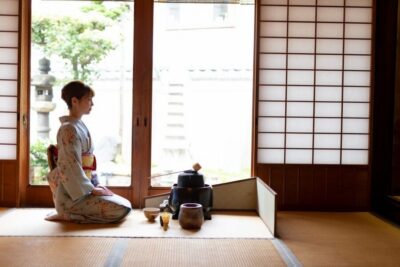
Gion Magical Night Walking Tour with Geisha Trivia
Read our review →