
Reviewed · WALKING TOURS
Kyoto Gion Geisha District Walking Tour – The Stories of Geisha
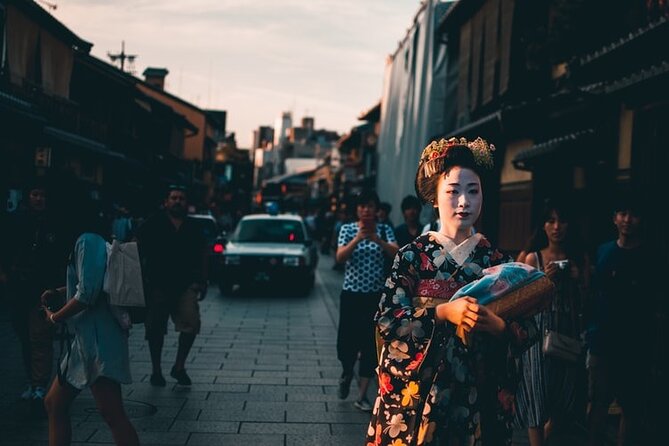
Gion turns quiet after dark. This Kyoto Gion Geisha District walking tour leads you through elegant lanes after the day-trippers leave, with stops that explain the culture behind geiko and maiko as they head to appointments. I especially liked the small-group feel, capped at 15, which makes it easier to ask questions instead of just watching other people’s phones glow.
Two things I really value: the tour uses short, meaningful stops to teach you context, not just points on a map, and the evening timing gives Gion a calmer, more local mood. You also get a smart cultural thread, from entertainment history (there’s a stop tied to Okuni, linked to Kabuki origins, and a look at Minamiza) to the quieter, ceremonial side of Kyoto at Yasaka Shrine.
One consideration: it is a brisk, around-2-hour walk, and the route is in outdoor streets. If it is cold or damp, you will want good layers, and since bottled water is not included, plan ahead.
Key points before you go
- After-dark Gion without the biggest crowds, so the district feels more like a neighborhood than a stage
- Max 15 people, which helps you get answers instead of a one-way lecture
- Arts connections, from Okuni and Kabuki theater references to Gion’s performance-focused venues
- Photo stops with purpose, including Hanamikoji Street and Tatsumi Bridge, not random scenic detours
- Yasaka Shrine at the end, a natural way to keep your evening going in Kyoto
Why Gion at night makes the stories land
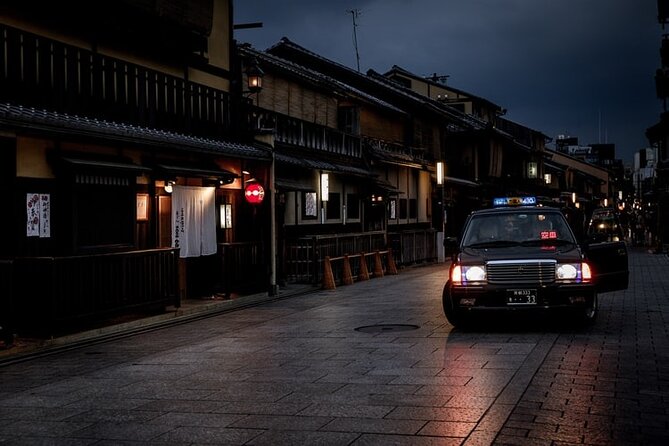
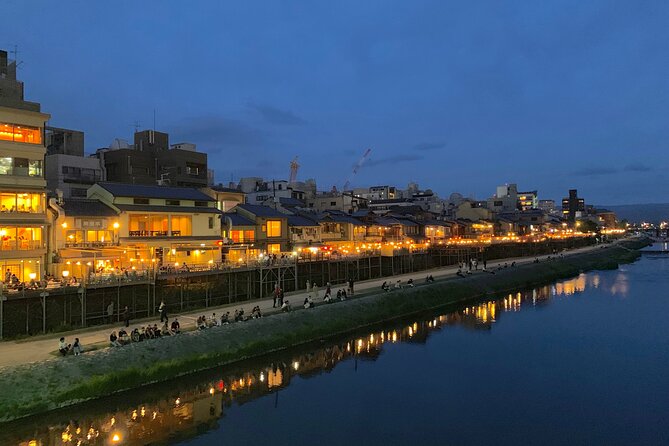
Gion is famous, but daytime turns it into a theme park if you only see it from the sidewalk crowds. At night, the pace slows, lanterns and shadows do their job, and you start noticing the small details that make Kyoto feel intentional.
This tour is built around that shift. You are walking after dark, when the district has a different rhythm, and the focus stays on geisha culture as a working tradition rather than a costume display. The guide’s explanations help you read what you see: architecture that signals status, street layout that supports privacy, and the cultural importance of formal arts and appointments.
And the “small group” piece matters more than you might expect. In a group of 15, you can ask practical questions. You can also hear the guide clearly when the lanes get narrow and the streets get busy with foot traffic.
More Walking Tours in Kyoto
- Kyoto Geisha Walking Tour: Gion District & Hidden Gems
★ 4.7 · 3,273 reviews - Kyoto: Gion Magical Night Walking Tour with Geisha Trivia
★ 4.9 · 2,393 reviews - Kyoto: Gion Geisha District Walking Tour – Stories of Geisha
★ 4.7 · 2,187 reviews
Price and what $25 actually buys you
At $25 per person for about 2 hours, the value comes from three practical things: the evening timing, the guided context, and the manageable group size.
Many sightseeing activities in Kyoto charge more for less time, or they bundle in extra costs you do not really need. Here, you get all fees and taxes included, and the tour is straightforward: you meet, you walk, you learn at a handful of key spots, and you end near Yasaka Shrine. For the price, the experience feels like a cultural orientation that you can build on the rest of your trip.
Two details to keep in mind:
- Bottled water is not included, so plan to hydrate on your own.
- It is weather dependent. If Kyoto decides to rain or blow cold wind, you will be outside, so dress for real conditions.
Meeting point at Ben’s Cookies, ending at Yasaka Shrine
You start at Ben’s Cookies Kyoto Shijo, on Shinchō in Shimogyo Ward. It is an easy landmark to find, and using a busy café area as the meeting point also means you are not hunting down a secret alley in the dark.
You finish at Yasaka Shrine. I like this ending because it is not a dead stop. After the walk, you can keep exploring the shrine grounds and the surrounding streets at your own pace, instead of fighting to get out of a crowded departure area.
The tour also uses a mobile ticket, which is handy if you prefer minimal printed stuff while traveling.
The 2-hour walk through Gion, step by step
More geisha experiences in Kyoto:
- Best of Kyoto: Gion, Geisha, Pagodas & Cobblestones
★ 4.9 · 2,058 reviews - Night Walk in Gion: Kyoto’s Geisha District
★ 4.5 · 2,003 reviews - Kyoto Night Foodie Tour in Gion (9+ dishes + 6 Sake tastings)
★ 5.0 · 1,762 reviews - Kyoto Gion: 2-Hour Geisha Culture & History Walking Tour
★ 5.0 · 1,186 reviews
Izumo-no-Okuni Statue: where entertainment history starts to matter
The first stop is the Izumo-no-Okuni statue in Gion. Okuni is considered a legendary founder figure connected with Kabuki theater, and the statue is a clear reminder that Kyoto’s performing arts did not start with modern ideas of entertainment.
Why it helps you, even if you do not know much about Kabuki: it gives you a historical anchor. When you later hear about geiko and maiko traditions, you can understand them as part of a longer entertainment ecosystem, not as something that appeared from nowhere.
This is a short, free stop, about 10 minutes, so it is more about setting the theme than taking in a long museum-style lesson.
Minamiza: a quick look at Kyoto’s Kabuki stage world
Right after, you visit Minamiza, a historic theater tied to traditional Kabuki performances. Even if you are not watching a show that night, standing near a real performance venue helps you picture how structured Japanese stage arts can be.
A lot of people think “geisha culture” is only about music, dance, or etiquette. This stop broadens that view. Kyoto has multiple layers of arts culture, and Kabuki is one of the big ones. It makes the later geisha-focused stories feel more connected to daily life and public entertainment.
You do not need a ticket to get value from this stop because the point is cultural context, not a long show detour.
Tatsumi Bridge: a classic Gion Shinbashi moment
Next is Tatsumi Bridge, associated with Gion Shinbashi. This is the kind of spot where you can feel how the neighborhood is shaped for walking, gathering, and quiet movement along the edges of the district.
Bridges in Kyoto often do more than connect two places. They frame views, slow your pace, and turn the street into a sequence of moments. Here, that matters because the tour is teaching you how to notice what is usually easy to miss during the daytime rush.
It is also free and quick, about 10 minutes, which keeps the tour moving at a steady evening pace.
Hanamikoji Street: learning to read the street
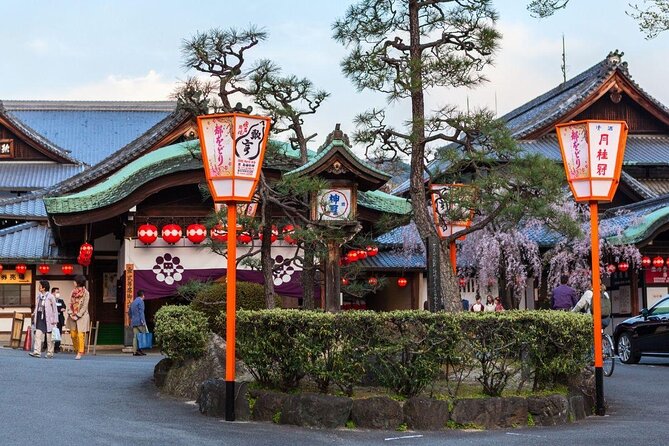
Then comes Hanamikoji Street, one of Gion’s most iconic thoroughfares. You will likely recognize it instantly from photos, but the difference here is that the guide gives you reasons behind what you see: traditional machiya houses, upscale teahouses and restaurants, and the way the street supports a refined, formal environment.
This is where your understanding starts to feel practical. Instead of staring at buildings, you start asking why certain places exist in the first place. In the reviews people emphasized “hidden codes” of the flower towns, and this is the type of stop where those codes become more understandable.
This segment is also short, about 10 minutes, which means you get time to look, but the guide still keeps the focus moving.
Gion Corner: a condensed look at traditional arts
You then visit Gion Corner, a cultural center and performance venue in the district. The idea is simple: it offers a condensed introduction to traditional Japanese arts and culture, with a format designed for visitors who want to understand the basics without committing to a long evening show.
Why this fits the tour: it is a bridge between seeing and understanding. After walking through Gion’s street life and learning cultural context, Gion Corner helps you connect that context back to performance traditions.
Even if you only get a brief stop, the explanation gives you a useful mental framework. It is the kind of “now I know what I am looking for” moment that improves the rest of your Kyoto nights.
Yasaka Shrine: ending with a living Kyoto landmark
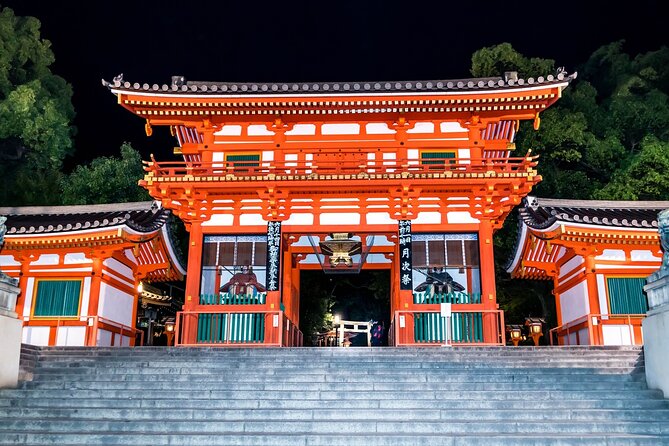
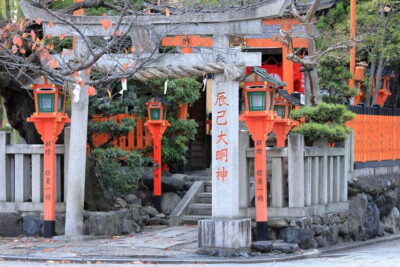
Finally, you wrap at Yasaka Shrine, one of the prominent Shinto shrines in the area. It is known for vibrant festivals, and even outside peak times, it feels like Kyoto’s spiritual calendar is always nearby.
Ending here works because it pulls you out of “tour mode” and into real Kyoto atmosphere. You can spend the rest of your evening wandering nearby streets or simply take a breather in a quieter setting after your walk.
This stop is free and quick, about 10 minutes. The purpose is closure and perspective, not a full shrine visit.
Small group size: why 15 people feels personal
The tour caps at 15 travelers, and you can feel that in how the night flows. It is not a huge crowd with one loud speaker fighting over street noise.
In reviews, people consistently praised guides by name, like Shin, Deborah, Melanie, Manuel, Joy, Adrian, Nami, and Ben, for being friendly and answering questions. Even if you do not match with the exact guide you saw reviewed, the overall pattern is clear: the operator puts effort into guides who can explain things clearly and talk like a real person, not like a script.
For you, that means the tour becomes more than sightseeing. It becomes a Q and A style orientation to geisha culture and how it connects to broader Kyoto arts.
What you are actually learning about geiko and maiko
You will not just hear general facts. The tour is designed around how geisha and maiko fit into Kyoto life: the idea of appointments, the structure behind traditional arts, and the cultural meaning tied to specific places.
The after-dark timing matters because it aligns with the tour’s theme: geiko and maiko making their way to appointments. You might not catch a dramatic, cinematic encounter every minute, but the tour’s pacing is clearly meant to help you notice the ordinary movement and etiquette of the district.
If you are a first-time Kyoto visitor, this kind of explanation is gold. Kyoto has so many layers that it is easy to feel lost. A targeted walking tour like this gives you a lens.
If you already visited temples and shrines earlier in your trip, this adds a different kind of Kyoto culture. It is the arts-world Kyoto, with its own customs and geography.
The practical reality: walking at night in Kyoto
Kyoto evenings can turn colder than you expect, especially in winter. Multiple reviews pointed out cold weather and the need for a proper coat.
So here is what I recommend you do:
- Wear comfortable shoes you can walk in for about 2 hours.
- Dress in layers, and bring something warm for after dark.
- If you feel thirsty, bring water, because bottled water is not included.
- Keep your phone brightness sensible, so you are not lighting up the lane like a lighthouse.
This is not a sit-down show. It is a walking tour, so your comfort directly affects your attention span.
Is this for you? Who gets the most from this tour
This tour is a strong fit if:
- You want an authentic introduction to Gion’s culture, not just photos.
- You like guides who connect the dots between arts, place, and tradition.
- You are traveling early in your Kyoto trip and want a map of meaning for the rest of your days.
- You enjoy shorter, well-paced experiences. Around 2 hours is often easier to fit than half-day tours.
It may not be the best choice if:
- You want a long, ticketed cultural program with a full performance schedule.
- You dislike walking outside after dark, or you are not up for cold weather conditions.
For many people, the best plan is to do this early, then use what you learn to make later Kyoto stops feel clearer.
Should you book it?
Yes, I think you should book this tour if your goal is to understand Gion rather than just pass through it.
The main reasons are practical and proven:
- After-dark timing makes the district feel calmer and more readable.
- You get small-group attention, not a noisy crowd experience.
- The route connects entertainment and culture with real Kyoto landmarks, from the Okuni tribute to Hanamikoji Street and ending at Yasaka Shrine.
- At $25, it is priced like an accessible cultural orientation, not a premium event.
If you are deciding last-minute, choose this one when you have comfortable shoes, a warm layer, and an appetite for stories that explain why Gion looks the way it does.
FAQ
What is the duration of the Kyoto Gion Geisha District walking tour?
The tour lasts about 2 hours.
How many people are on the tour?
It is a maximum of 15 travelers.
Where does the tour start and end?
The meeting point is Ben’s Cookies Kyoto Shijo (Shijo Shinchō area). The tour ends at Yasaka Shrine in Gionmachi Kitagawa.
How much does it cost?
The price is $25.00 per person.
What ticket type do I receive?
You get a mobile ticket.
Is bottled water included?
No, bottled water is not included.
Is admission required for the stops?
The stops listed are free, and the tour includes all fees and taxes.
What should I bring for an evening walking tour?
Bring comfortable walking shoes, warm layers for after dark, and water since bottled water is not included.
What happens if the weather is bad?
This experience requires good weather. If it is canceled due to poor weather, you will be offered a different date or a full refund.
Is it easy to get to the meeting point?
The tour is near public transportation.
Fresh options around Kyoto
- Kyoto: Quiet and Graceful Tea Ceremony★ 4.5 · 19 reviews
- Oboro | Mindful Tea Ceremony in a 100-Year-Old Kyoto Teahouse★ 5.0 · 19 reviews
- Ikebana Traditional Japanese Art of Flower Arranging★ 4.5 · 19 reviews
- Kyoto Satoyama Cycling with Lunch and English Guide★ 5.0 · 19 reviews
- Tea Ceremony Experience in Traditional Kyoto Townhouse★ 5.0 · 19 reviews
- Kyoto International Party Solo Friendly Expats and Locals★ 5.0 · 19 reviews
- Kyoto: Amanohashidate Ine Funaya Tour★ 4.4 · 19 reviews
- Kyoto Private Food Tours with a Local Foodie: 100% Personalized★ 4.5 · 19 reviews
Walking Tours, compared.
Kyoto Geisha Walking Tour: Gion District & Hidden Gems
Read our review →
Tokyo Tsukiji Fish Market Food and Culture Walking Tour
Read our review →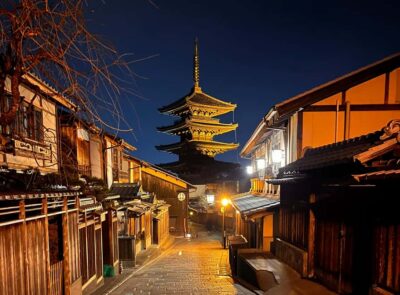
Gion Magical Night Walking Tour with Geisha Trivia
Read our review →
Imperial Palace and Shogun Historical Walking Tour
Read our review →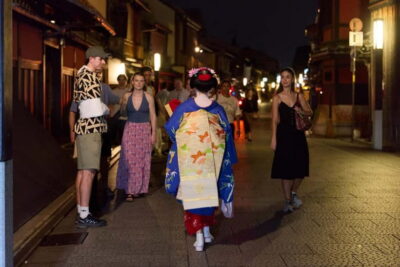
Gion Geisha District Walking Tour – Stories of Geisha
Read our review →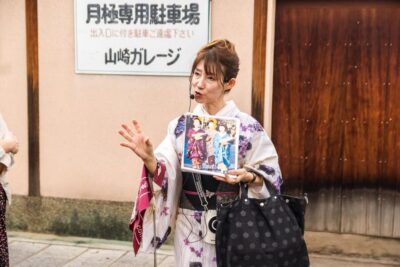
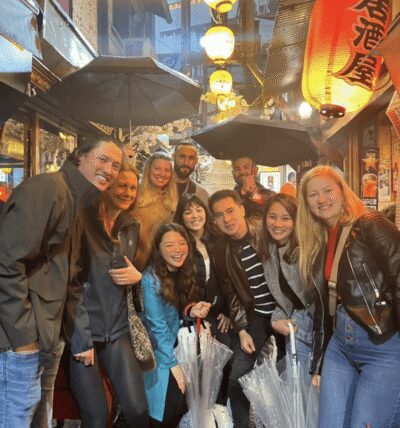
Shinjuku Local Bar and Izakaya Guided Walking Tour
Read our review →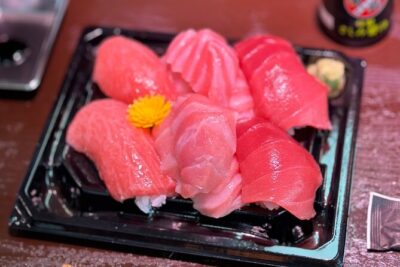
Browse the lists this tour appears in