
Reviewed · WALKING TOURS
Kyoto: Gion and Geisha District Walking Tour
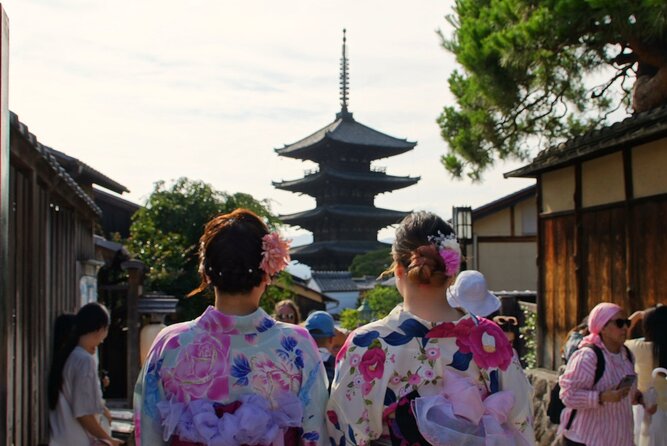
Gion gets personal on foot. This Gion and geisha district walking tour keeps you focused on one Kyoto neighborhood, with an English speaking guide and practical pointers for what you might notice along the way. You also get time at major photo pull points like Yasaka Shrine and Hanamikoji Street, but with context that helps the streets make sense.
I especially like the way the route mixes sacred Kyoto with the old town lanes. You start at Yasaka Shrine, then drift toward Maruyama Park, walk the samurai-linked lane of Nene-no-Michi, and descend the classic Ninenzaka area that feels like a time capsule. The other big win is the stories around the geisha world, including explanations that touch on maiko training and the bigger cultural framework behind it.
The main drawback to consider is simple: this is a one-area tour. If you’re trying to cover lots of different Kyoto sights in one afternoon, you’ll need another plan beyond Gion.
Key points before you go
- Max 10 travelers means more chances to ask questions instead of rushing through.
- English speaking guide is a consistent highlight, with past guides named Sam, Shin, Amy, Tim, Maria, and Naoya.
- Mobile ticket makes the start straightforward.
- Free stops along the route, so you can spend your money on meals, not add-on tickets.
- Yasui-Konpiragu Power Stone is a memorable, playful shrine moment.
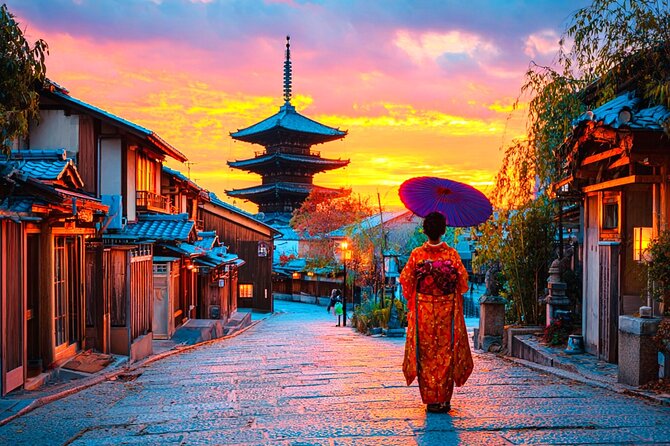
- Hanamikoji Street is the centerpiece for seeing the district’s preserved townhouses and lantern atmosphere.
Why this Gion walking tour is worth your Kyoto time
If Kyoto feels like too many things at once, this tour is a relief. Instead of hopping across the city, you concentrate on Gion and the surrounding old-town streets. That focus helps you notice details, like the shape of machiya townhouses, the rhythm of shrine paths, and how the landscape of lanes supports the entertainment district that grew there.
I like that the tour is built for learning without turning into a classroom. The stops are short enough to keep energy up, and you get explanations that connect architecture and traditions to daily life in the past. One review theme that shows up again and again is how the guide makes narrow lanes feel like they have a story, not just a backdrop.
One practical thought: you are on your feet for about two hours. Wear comfortable shoes and plan to move at walking speed, not museum speed. If you’re very sensitive to crowds, pick your timing wisely, because Gion is a popular area.
More Walking Tours in Kyoto
- Kyoto Geisha Walking Tour: Gion District & Hidden Gems
★ 4.7 · 3,273 reviews - Kyoto: Gion Magical Night Walking Tour with Geisha Trivia
★ 4.9 · 2,393 reviews - Kyoto: Gion Geisha District Walking Tour – Stories of Geisha
★ 4.7 · 2,187 reviews
Start at Yasaka Shrine, where the mood sets fast
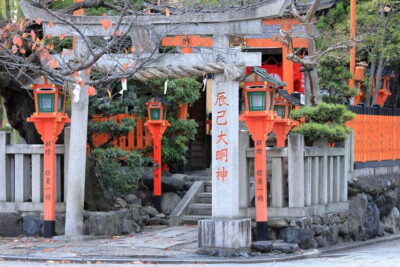
You’ll begin at Yasaka Shrine, a Shinto sanctuary that sits between Gion and Higashiyama. Even if you’ve seen shrine gates in photos, arriving here on foot gives you a better sense of how the area pulls visitors in. The route starts with a classic vermilion gate and lantern-lined paths, which is a big part of why this neighborhood has such a recognizable look.
What makes this opening stop useful is the context. A good guide ties what you’re seeing to the way the district operates, including the cultural importance of rituals and seasonal events. You’ll also get a baseline for Japanese shrine etiquette, which helps you feel confident when you’re later passing through smaller, more local-feeling spaces.
The trade-off is that you can spend more time than you planned if you’re a photo person. Yasaka Shrine is photogenic, so set yourself a pace early, and save extra camera time for later lanes like Hanamikoji Street.
Maruyama Park: a calm break near the crowds
Next comes Maruyama Park, known as Kyoto’s oldest public park and famous for seasonal beauty, including weeping cherry trees. Even if you visit outside peak cherry season, the park functions like a reset button. It’s a quieter pocket right near Yasaka Shrine, which helps your brain switch gears from big shrine energy to stroll mode.
This stop also matters because it helps you understand why people built community spaces so close to major spiritual sites. Parks create breathing room. They give visitors a place to pause, regroup, and then continue walking with better attention.
The only caution here is practical: short park stops are great, but you’ll want to keep moving. If you get too stuck watching pigeons or checking your phone, you’ll miss the pacing that makes the route feel smooth.
Nene-no-Michi: the street where samurai stories make sense
Then you move into Nene-no-Michi, a lane named after Nene, connected to samurai warlord Toyotomi Hideyoshi. The value of this stop is that it turns a narrow street into a story you can remember. Instead of only seeing shop fronts and old building facades, you get a link to why the street carries its name and what it represents in Kyoto’s layered past.
I like this part because the pace stays human. It’s not a long formal lecture, and it doesn’t feel like you’re racing from one landmark to the next. It’s the kind of mid-walk detail that makes you start spotting changes in the architecture, like how buildings line up and how lanes funnel movement through the district.
One consideration: you might see small storefronts that look tempting. It’s okay to peek, but don’t turn it into shopping time. This tour is about observing, then learning what you’re seeing.
More geisha experiences in Kyoto:
- Best of Kyoto: Gion, Geisha, Pagodas & Cobblestones
★ 4.9 · 2,058 reviews - Night Walk in Gion: Kyoto’s Geisha District
★ 4.5 · 2,003 reviews - Kyoto Night Foodie Tour in Gion (9+ dishes + 6 Sake tastings)
★ 5.0 · 1,762 reviews - Kyoto Gion Geisha District Walking Tour – The Stories of Geisha
★ 5.0 · 1,441 reviews
Sannenzaka and Ninenzaka slopes: old Kyoto on stone steps
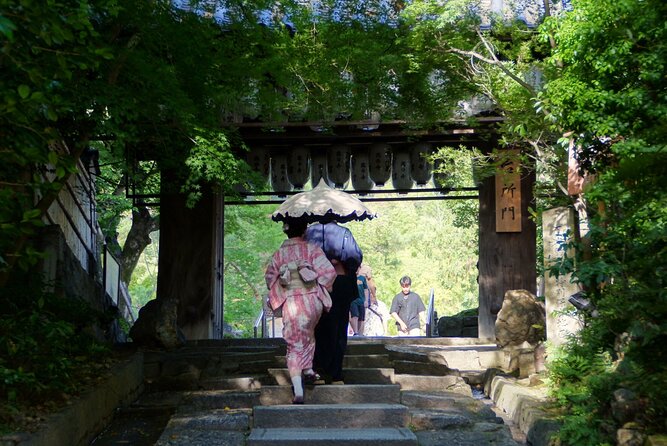
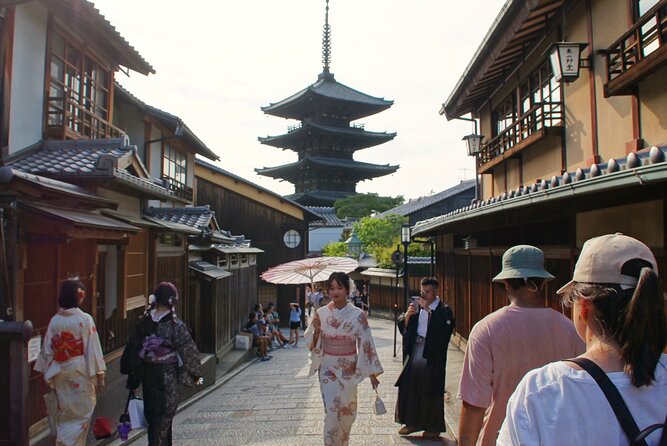
Next you descend Sannenzaka and Ninenzaka, one of Kyoto’s best-loved old-town lanes. The draw here is the stone-paved walkway and the feeling that you’re walking through a preserved streetscape. Along the way, you’ll pass artisan-style boutiques and traditional wooden buildings that help you picture how people moved and lived in earlier eras.
This is also where the guide’s storytelling pays off. When someone explains what these slopes represent and how the streets are used, you stop thinking of them as just a scenic set. You start thinking about pedestrian flow, neighborhood identity, and why certain areas became known for specific kinds of culture.
The main drawback is crowding. These lanes tend to get busy, and with walking tours you can slow down when groups stack at photo spots. If you want cleaner pictures, keep your camera ready, but don’t freeze the group. Let others pass, take one good shot, and move on.
Yasui-Konpiragu Power Stone: a shrine stop with a twist
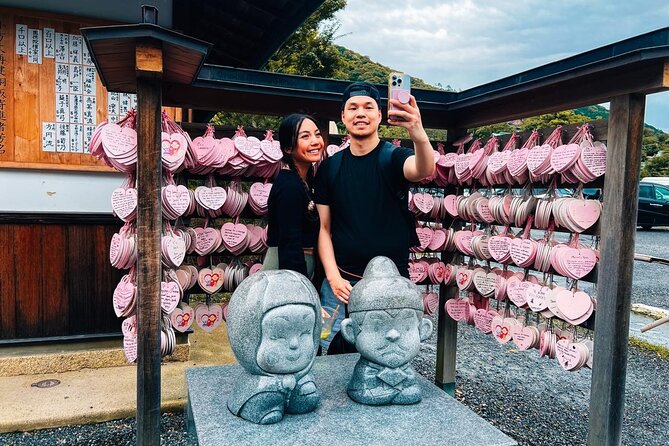
At Yasui-Konpiragu, you’ll reach a shrine area known for the Power Stone archway. The tradition here is playful in spirit but serious in meaning, with locals and visitors crawling through the archway to pray for things like strong relationships or to break ties with the past.
This stop is a great example of why a guide helps. Without context, you might just see a strange ritual happening and wonder what it’s about. With context, it becomes easy to understand why it’s a stop people talk about after the tour.
Keep your expectations realistic. You may watch others participate, but the ritual itself depends on what the shrine space allows at the time. Follow the flow and be respectful, even if you’re tempted to get a closer look.
Hanamikoji Street: the geisha district feeling in full view
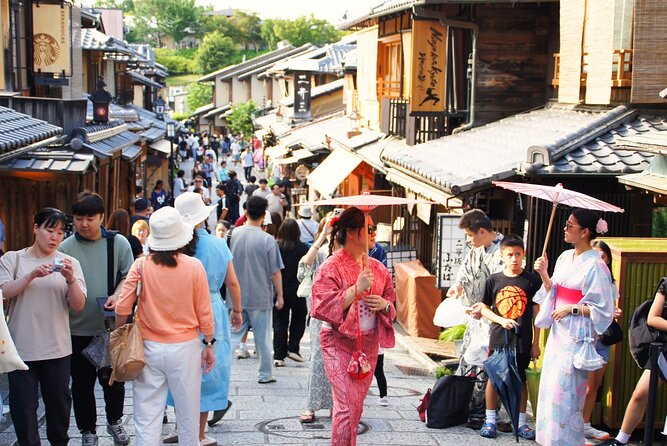
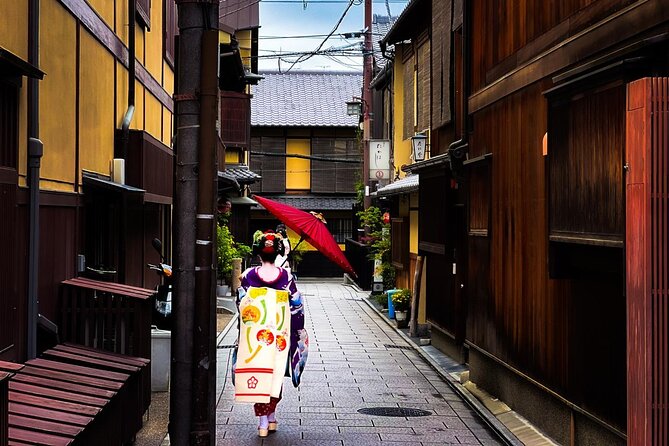
Finally, you spend time on Hanamikoji Street, widely seen as the heart of the Gion district. This is where you get the visual payoff: preserved machiya townhouses, traditional teahouses, and lantern-lit streets that make the area feel distinct even at a glance.
The practical benefit here is learning how to look. Your guide should help you notice what belongs to the district’s traditional entertainment setting, and what is just everyday neighborhood life that happens to sit in the same space. You’ll also get tips on where people often spot geisha or related figures, but the key is doing it with respect. You want good viewing without turning the walk into a chase.
If your camera roll is your main souvenir, this is the stop to prioritize. It tends to produce the most iconic shots, so keep your batteries charged and plan to move slowly enough to frame lanterns and alley depth.
English guide, small group, and the value of asking questions
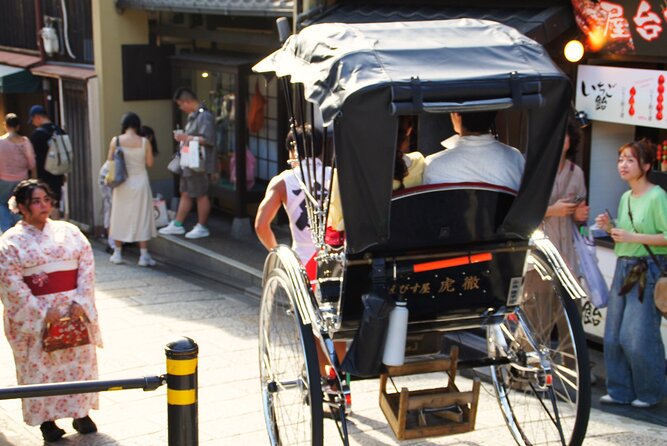
A big part of why this tour earns a strong score is the guide quality. Multiple past experiences highlight guides who deliver clear explanations and good English. Names that come up in the feedback include Sam, Shin, Amy, Tim, Maria, and Naoya, and the shared theme is that the guide stays friendly and responsive.
That matters because geisha culture can feel confusing if you only rely on guidebooks. On this walk, you get a framework for how traditions evolved, how the entertainment district fits into Kyoto’s wider culture, and what you might be seeing when you look at the architecture and streets. It’s also where you pick up details that are easier to remember when they’re tied to what’s right in front of you.
For you, that means fewer awkward questions later. If you learn what’s respectful, what to expect on the street, and what local terms roughly mean, you can enjoy the rest of your trip without feeling lost.
How the timing and route help you not miss the best parts
The tour runs for about two hours and keeps a steady rhythm from shrine to park to lanes to Hanamikoji Street. That timing is ideal if you want a first taste of Gion but still want energy left for dinner or another neighborhood. It’s also long enough to show contrasts, like the shift from formal shrine space to intimate old-town lanes.
Group size is capped at 10 travelers, which usually means you can pause for questions and photos without turning the tour into a bottleneck. It’s also better for atmosphere. Big groups can feel like a moving crowd; small groups feel like a guided walk.
One logistics note that you’ll appreciate: the experience uses a mobile ticket, and the meeting point is at Starbucks Coffee inside Kyoto Gion Hotel in the Gionmachi Minamigawa address area. It’s a clear landmark, and it starts you in the right zone so you don’t waste time crossing unfamiliar streets.
Price and value: what $22.55 actually buys
At $22.55 per person, this is priced for a short, focused, guided experience. What makes it feel like good value is what’s included. You get an English speaking guide, and the tour includes entry or admission related to the Gion and Hanamikoji Street area. Also, several listed stops are free, like Yasaka Shrine and Maruyama Park.
In practical terms, you are paying mainly for interpretation, not for attractions. You’re buying someone’s ability to connect the dots between architecture, traditions, and the district’s geisha culture. If you’re the type who enjoys seeing a place and understanding it while you walk, this price can feel very fair.
If you’re expecting a ticketed museum experience or a lot of paid attractions, you might feel like something’s missing. But that’s not the point of Gion. The district itself is the “exhibit,” and a guide helps you read it.
Who this tour is best for
This tour works especially well if you’re:
- Visiting Kyoto for the first time and want a geisha district orientation in one go
- Interested in how history connects to modern street life, not just standalone landmarks
- Hoping for practical tips on where people often look, and how to do it politely
- Prefer small-group walking over hopping between buses and trains
If your travel style is purely “checklist sightseeing,” you might find the storytelling side less useful. But if you like your photos with context, you’ll likely enjoy the pacing and the stop-by-stop explanations.
Should you book this Kyoto: Gion and Geisha District Walking Tour?
I’d book it if you want a guided Gion experience that helps you understand what you’re seeing, from shrine spaces to Hanamikoji Street lantern light. The route is short enough to fit into a day, and the small group size makes it easier to ask questions and get answers that actually stick.
Skip it only if you plan to spend the whole trip chasing many different neighborhoods and you’re not interested in geisha culture context. For everyone else, it’s a solid, low-stress way to get oriented and start Kyoto with the right kind of attention.
FAQ
How long is the Kyoto Gion and Geisha District walking tour?
It lasts about 2 hours.
What is the group size for this tour?
The maximum group size is 10 travelers.
Where do I meet for the tour?
You meet at Starbucks Coffee – Kyoto Gion Hotel Japan, at 555 Gionmachi Minamigawa, Kyoto, Higashiyama Ward, 1F.
Is a mobile ticket used?
Yes, it uses a mobile ticket.
What is included in the tour price?
An English speaking guide is included, and entry or admission to Gion and Hanamikoji Street is included.
Are tips included?
No. Tips are not included, and they are optional.
What is the cancellation policy?
You can cancel for a full refund if you cancel at least 24 hours in advance. If you cancel less than 24 hours before the start time, the amount paid is not refunded.
Fresh options around Kyoto
- Kyoto: Quiet and Graceful Tea Ceremony★ 4.5 · 19 reviews
- Oboro | Mindful Tea Ceremony in a 100-Year-Old Kyoto Teahouse★ 5.0 · 19 reviews
- Ikebana Traditional Japanese Art of Flower Arranging★ 4.5 · 19 reviews
- Kyoto Satoyama Cycling with Lunch and English Guide★ 5.0 · 19 reviews
- Tea Ceremony Experience in Traditional Kyoto Townhouse★ 5.0 · 19 reviews
- Kyoto International Party Solo Friendly Expats and Locals★ 5.0 · 19 reviews
- Kyoto: Amanohashidate Ine Funaya Tour★ 4.4 · 19 reviews
- Kyoto Private Food Tours with a Local Foodie: 100% Personalized★ 4.5 · 19 reviews
Walking Tours, compared.
Kyoto Geisha Walking Tour: Gion District & Hidden Gems
Read our review →
Tokyo Tsukiji Fish Market Food and Culture Walking Tour
Read our review →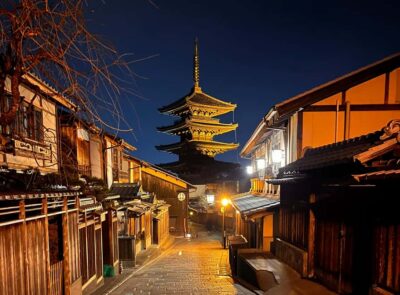
Gion Magical Night Walking Tour with Geisha Trivia
Read our review →
Imperial Palace and Shogun Historical Walking Tour
Read our review →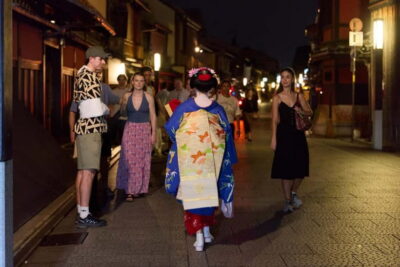
Gion Geisha District Walking Tour – Stories of Geisha
Read our review →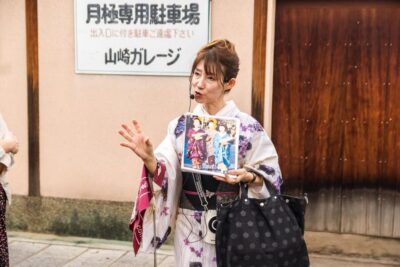
Shinjuku Local Bar and Izakaya Guided Walking Tour
Read our review →
Browse the lists this tour appears in