
Reviewed · TEA CEREMONIES IN KYOTO
Kyoto Japanese Tea Ceremony Experience in Ankoan
Matcha time in Kyoto feels calm. I love how this Kyoto Japanese Tea Ceremony at Ankoan slows your day down, starting with a welcome tea and an easy chat about how the ceremony works. The other thing I really like is the hands-on part, you watch the demonstration, then you make matcha yourself and taste it in a quiet, respectful tea space.
One consideration: this is in Kyoto’s Kita Ward, so you’ll need to get there on your own using public transit. Also, it is not recommended if you have knee pain, because the setting is traditional and requires comfortable movement and kneeling.
Ankoan keeps it intimate, with a maximum of 8 people, and the host’s English is strong enough to make the cultural conversation feel relaxed. You’ll finish with that rare combo of practical skills and real understanding of tea manners, not just a quick photo stop.
Key highlights you will actually use
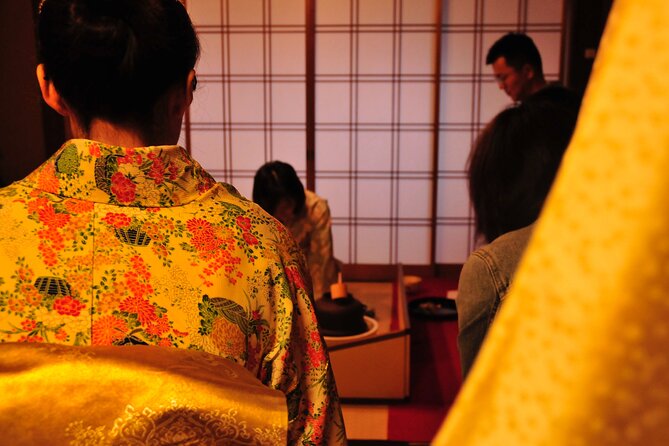
- Warm welcome tea by Yuka, plus time to chat before the ceremony starts
- Small group size (up to 8), so you get real attention while you learn
- Watch one, teach one style guidance while you prepare matcha
- Traditional matcha sharing setup, where you prepare tea to offer within the group flow
- Wagashi included with your tasting, and indoor photos are allowed freely
Entering Ankoan: welcome tea and tea-room manners
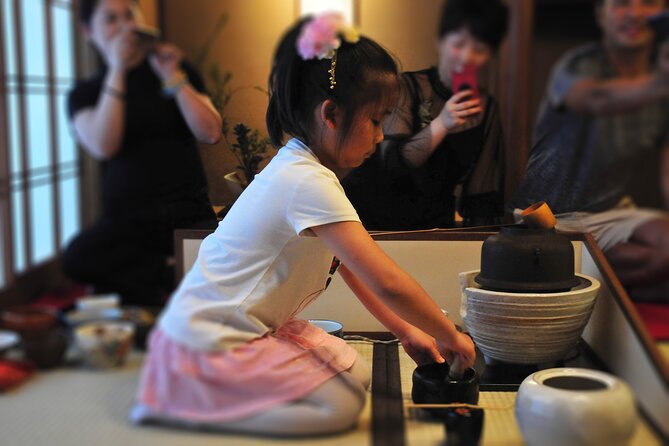
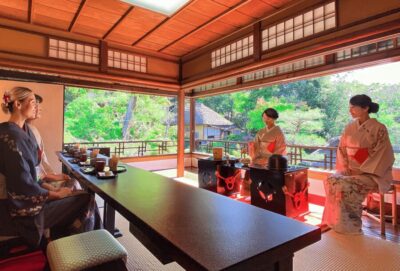
Your experience begins at the tea ceremony studio in Kyoto’s Kita Ward, at Ankoan (Murasakino Monzenchō 63). When you arrive, the tone is friendly and unhurried. You get a cup of welcome tea made by Yuka, then you have a bit of time to talk while your energy catches up from travel.
This is not just ceremony theater. The host explains the parts of the Japanese tea ceremony and the manners around them, so you know what you are doing before you do it. That matters, because tea culture can look strict from the outside. Here, you learn why the ritual is structured, and how that structure helps people be present with one another.
If you have knee pain, take it seriously. The experience is described as not recommended for that reason, which usually means the seating and movement are not designed for discomfort. Plan accordingly, and if you’re unsure, it’s worth thinking about whether you can comfortably participate in a traditional setup.
More Tea Ceremonies in Kyoto
- Kyoto: Tea Ceremony in a Traditional Tea House in Kiyomizu
★ 4.9 · 3,519 reviews - Kyoto: Tea Ceremony Ju-An at Jotokuji Temple
★ 4.9 · 3,207 reviews - Kyoto: 45-Minute Tea Ceremony Lesson Experience
★ 4.3 · 2,378 reviews
The ceremony explanation: why each step exists
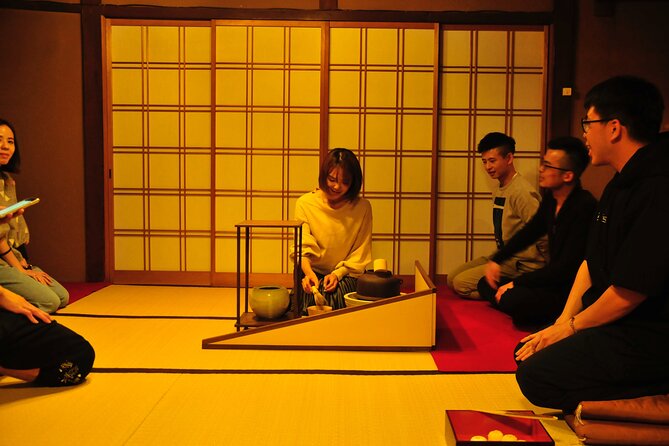
After the welcome tea, you get an orientation to the basics: what the ceremony is trying to create, what each action communicates, and how manners help everyone share the same calm space. The host frames it as a mix of tea knowledge and everyday Japanese etiquette, so you leave with more than a recipe. You learn the meaning behind the flow, not just the sequence.
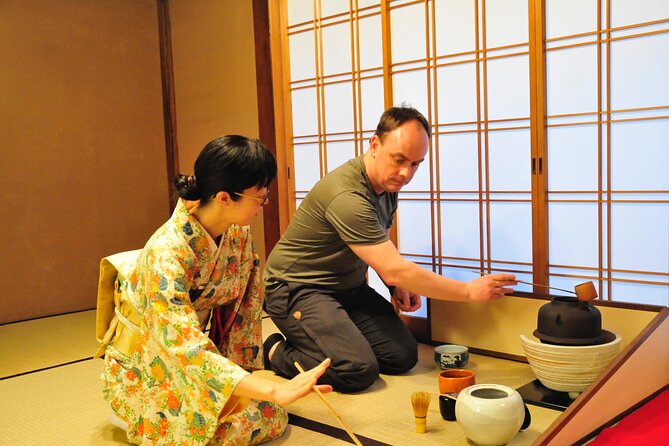
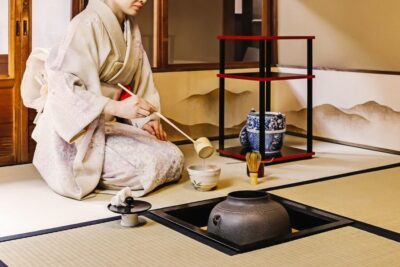
Then the demonstration begins. This is where you see the ceremony as a whole, from how the tea tools are handled to how matcha is prepared with care. I like that you are guided to notice details instead of rushing through them. Even if your Japanese is limited, the experience is taught in Chinese and English, so you can follow what matters.
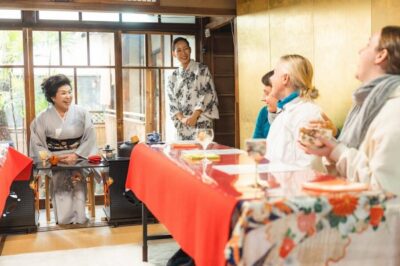
One small but important detail: you’re also given room for conversation. You can talk about the tea ceremony and general culture, including questions like how Japanese people live and how Japanese culture developed over time. That blend is a big reason this works so well as a break from sightseeing.
Watch one, then make matcha yourself
The highlight, for most people, is getting your hands on matcha. You start by watching the tea master demonstrate the process, and then you model what you see. The goal is not perfection on the first try. The goal is understanding what the steps do and why the tea is prepared with focus.
The guidance is described as step-by-step, with a teacher close by to explain as you go. One review-style detail you can count on from the teaching approach is the watch-one, teach-one rhythm. You’ll likely see a technique demonstrated, then try it right away with support.
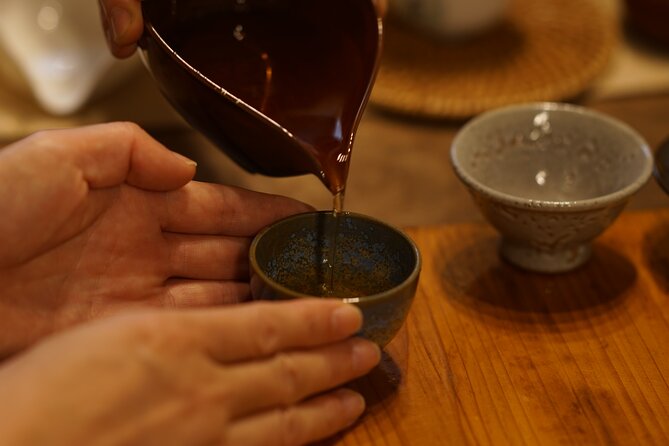
You will prepare matcha personally and then taste the tea you make. That tasting part matters more than you might think. Matcha is not just a drink, it is a sensory anchor for the ceremony. When you make it and drink it in the same experience, you understand why the ritual insists on attention.
Also, this is a social ritual. Part of the traditional flow involves preparing tea and sharing it, so you are not only working alone at a station. The experience is designed so the group experience stays harmonious, which keeps the mood respectful but not stiff.
Wagashi and tasting: the calm part you will remember
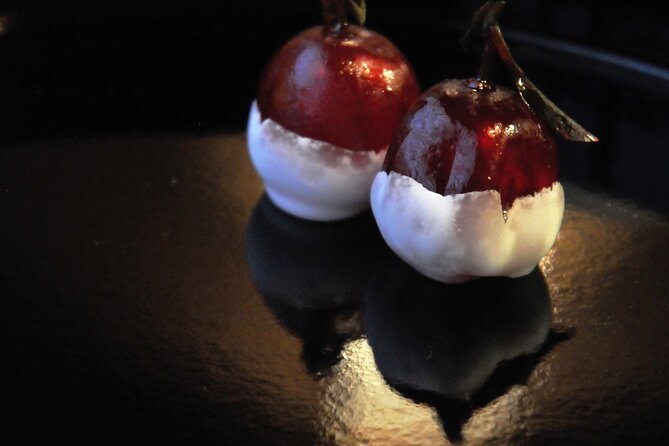
After matcha preparation, you taste your tea in a quiet tea-room setting. You also get wagashi, the classic sweets served with tea. This pairing is a big part of how Japanese tea culture balances taste, texture, and seasonality. Even if you do not obsess over flavors, you’ll notice how the sweetness and tea work together instead of fighting.
There is also time built in for enjoying the moment, not just cycling through steps. The host’s conversation keeps it human, so the ceremony does not feel like a timed performance. The result is that you get a relaxed, almost meditative pace, especially compared to loud Kyoto streets.
And yes, indoor photos are allowed freely. That’s a practical perk if you want to remember the tools, the tea-space details, and your moment of matcha-making. Just remember, the setting is traditional, so treat photo time like you would in a small museum or a quiet classroom.
Same corner of Japan, a different kind of day:
- PERFECT KYOTO 1-Day Bus Tour
★ 5.0 · 13,518 reviews - Kyoto: Fushimi Inari, Kinkakuji, Bamboo Grove 1 Day Bus Tour
★ 4.8 · 4,316 reviews - Kyoto Geisha Walking Tour: Gion District & Hidden Gems
★ 4.7 · 3,273 reviews - Kyoto: Gion Magical Night Walking Tour with Geisha Trivia
★ 4.9 · 2,393 reviews
Add-on: ikebana at the same studio
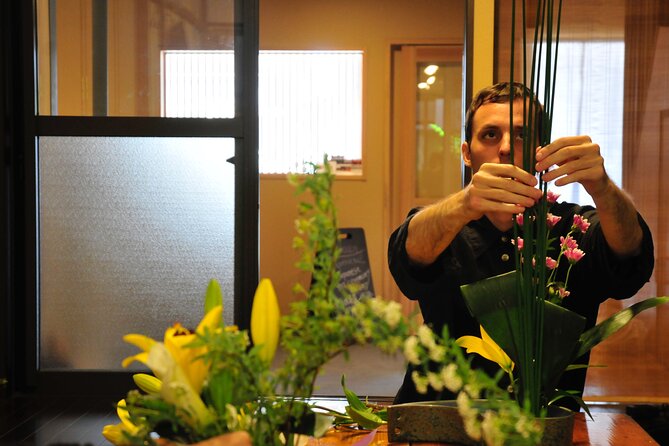
Your booking is described as a tea ceremony experience at the studio that also includes ikebana. That means you’re not only learning how to drink tea, you may also learn something about Japanese seasonal aesthetics and arrangement through flower work.
Because the exact ikebana steps are not fully spelled out in the details you provided, I would think of it as a bonus cultural layer rather than the core focus. The core focus stays matcha preparation and tea ceremony manners, with ikebana fitting alongside in the same studio setting.
If you love hands-on art, this is a strong match. If you are only here for tea, you’ll still get plenty of matcha time, plus explanation that gives you context for what you are seeing.
Timing and logistics that matter in real life
The program is described as about 90-minute service, and some people plan for around two hours at the studio end to end. That difference is normal because tea timing, explanation pace, and group flow affect the total. Plan for a longer sitting than you would for a quick activity, especially if you arrive from a temple-heavy morning.
The meeting point and end point are the same: you start and finish back at Ankoan. That is convenient because you are not racing across Kyoto between multiple stops. Private transportation is not included, so you rely on public transit. The good news is that it’s near public transportation, so you should be able to reach it without arranging a car.
One more practical note: the experience requires good weather. That does not guarantee it’s outdoors, but it does mean a weather disruption can happen. If it’s canceled due to poor weather, you are offered a different date or a full refund.
Price and value: what $32.84 buys you
At $32.84 per person, this is not the cheapest Kyoto activity, but it also is not overpriced for what you actually do. You’re paying for a guided cultural lesson with a live demonstration and hands-on practice, plus tea tasting and wagashi. Add in the intimate group size and the time spent explaining manners and meaning, and it starts to look like good value.
The best part is you are not learning tea culture from a video. You learn it in a small setting where the teacher can correct your technique and answer questions. That is a real advantage over big-group classes where you’re stuck watching while everyone else participates.
Also, this is a mobile ticket experience, which makes it easier to manage on a phone while you’re moving around Kyoto. It’s usually booked around 12 days in advance on average, which suggests it’s popular enough that you should plan ahead if you’re choosing specific dates.
Language and comfort: how you will follow along
The provider notes Chinese and English support. Reviews and descriptions point to strong English communication, which makes a difference if you want to understand the meaning behind each step. You’re not only repeating actions, you’re learning what they represent.
Comfort matters too. The experience includes not just tea and talk, it also includes movement in a traditional context. It is explicitly not recommended for knee pain. If you have stiffness or limited mobility, consider choosing another Kyoto activity and saving this one for a time when your body can comfortably handle the posture.
Who should book Ankoan tea and matcha?
This is a great fit if you want a slower, calmer Kyoto moment that still teaches you something practical. You’ll like it if you enjoy culture that is quiet, detailed, and hands-on. It’s also a good choice for people who want conversation, because you can talk with the host about tea and broader cultural questions.
It can work well for families too, because it’s interactive and allows participation beyond just watching. There are indications that kids can participate and even make tea with guidance. If your child is old enough to follow simple instructions and sit comfortably, this could be a memorable activity.
If you are a major foodie only interested in eating, you might still enjoy it for wagashi and matcha tasting, but you may find the etiquette and ritual focus more important than you expect. This experience rewards curiosity more than it rewards speed.
Should you book this Kyoto tea ceremony experience?
Yes, you should strongly consider booking if you want a calm, hands-on introduction to Japanese tea manners. The matcha-making instruction and the small group feel are the big reasons it works, and the host’s conversation keeps it from becoming overly formal.
Book it if you can comfortably attend in a traditional setup and you can get to Kita Ward by public transit. Skip it or reconsider if knee pain is an issue, or if you need a fast, minimal-effort activity.
If your Kyoto plan is packed with shrines and streets, this is the kind of pause that resets your brain. You leave with a bowl of matcha knowledge you can reuse at home, plus a better sense of how Japanese culture expresses respect through small actions.
FAQ
How long is the tea ceremony experience?
The tea ceremony service is described as about 90 minutes, and the overall studio time can run closer to around two hours.
Where is the meeting point?
You meet at Kyoto, 603-8216, Kita Ward, Murasakino Monzenchō 63, 暗香庵 (Ankoan), and the activity ends back at the same meeting point.
Is transportation included?
No. Private transportation is not included. The venue is near public transportation.
What is included in the price?
The included listing says coffee and/or tea, and the program also involves tasting matcha and wagashi as part of the experience.
How many people are in each group?
The group size has a maximum of 8 travelers.
What languages are supported?
Chinese and English are supported.
Is this experience suitable if I have knee pain?
It is not recommended for those with knee pain.
Is the experience weather dependent?
Yes. It requires good weather, and if it is canceled due to poor weather, you will be offered a different date or a full refund.
What is the cancellation policy?
Free cancellation is offered. You can cancel up to 24 hours in advance for a full refund, with the cut-off based on local time. If you cancel less than 24 hours before the start time, you do not get a refund.
Fresh options around Kyoto
- Private Tour to Monkey Park and Arashiyama Highlights★ 5.0 · 22 reviews
- Kyoto Ramen Tour★ 5.0 · 22 reviews
- Private Nara Tour from Osaka – Meet at Your Hotel★ 5.0 · 22 reviews
- Kyoto to Arashiyama Day Trip – Private & Personalized★ 4.3 · 22 reviews
- Tea Ceremony in 150 Years Old Townhouse with Tables and Chairs★ 5.0 · 22 reviews
- Kyoto Matcha Green Tea Tour★ 4.5 · 23 reviews
- Kyoto Railway Museum Admission Ticket★ 4.3 · 23 reviews
- Kyoto Early Morning Private Tour with Government-Licensed Guide★ 5.0 · 23 reviews
Tea Ceremonies in Kyoto, compared.
Tea Ceremony in a Traditional Tea House in Kiyomizu
Read our review →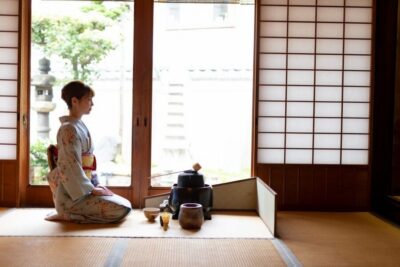
Arashiyama Bamboo Forest, Monkeys, Matcha & Temple Tour
Read our review →
Tea Museum Tickets and Matcha Grinding Experience
Read our review →
Browse the lists this tour appears in