
Reviewed · TEA CEREMONIES IN KYOTO
Experience a tea ceremony in an authentic tearoom, in Kyoto!
Kyoto slows time with tea. In a 130-year-old townhouse in Nakagyo Ward, you slip into the tearoom from the garden and learn how matcha is made and served. The whole thing is focused, calm, and very Kyoto, not a fast performance.
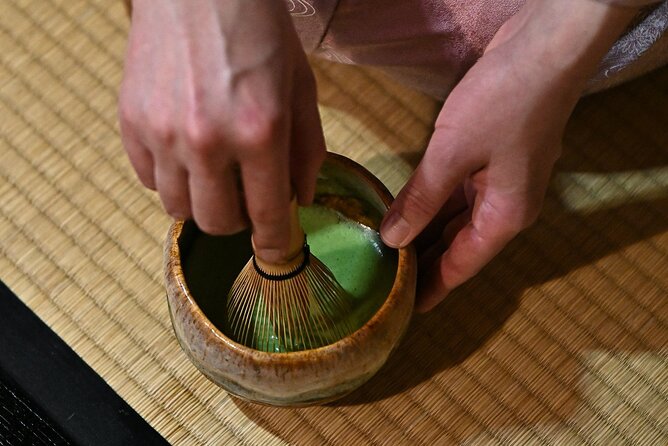
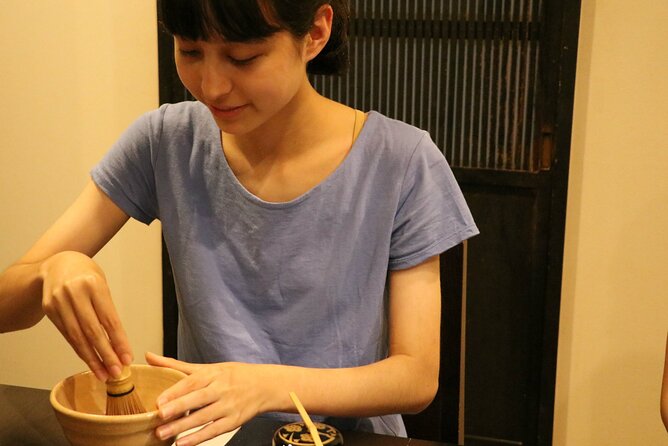
I love the hands-on part. You watch the instructor’s demonstration, enjoy Japanese sweets along the way, and then make your own matcha with guidance that’s built for beginners. It is short enough to fit your day, but structured enough that you actually learn something.
One thing to keep in mind: it is priced like an experience, and you may feel it is short if you expect a full, all-day cultural immersion or extra add-ons like wearing a kimono. The sweets are small, and the matcha lesson is a real taster style, so set your expectations accordingly.
Key things that make this Kyoto tea ceremony worth your time
- A real 130-year-old Kyoto townhouse tearoom, not a generic studio setup
- Small-group feel (max 10), with a more personal pace than big group sessions
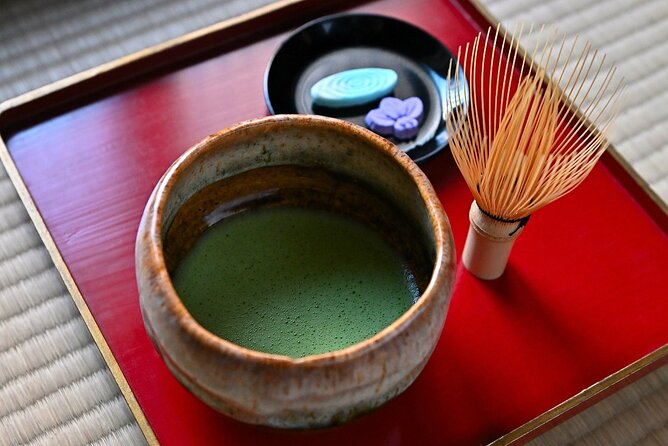
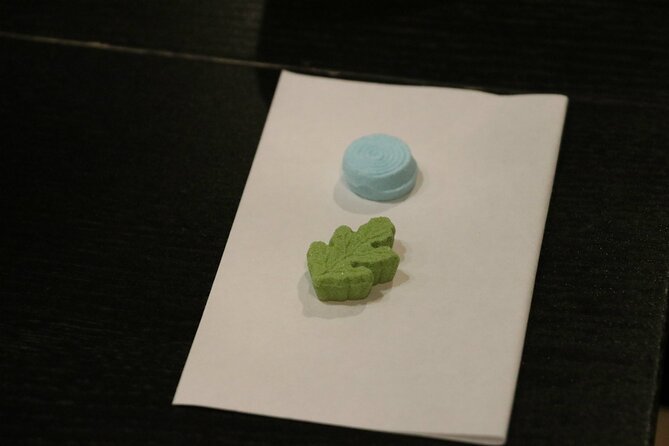
- Wasanbon-style dried sweets paired with the tea for an authentic flavor contrast
- Hands-on matcha making, with step-by-step help for first-timers
- Practical take-home tips, including how to enjoy tea at home without special utensils
A Kyoto townhouse tearoom changes the whole mood
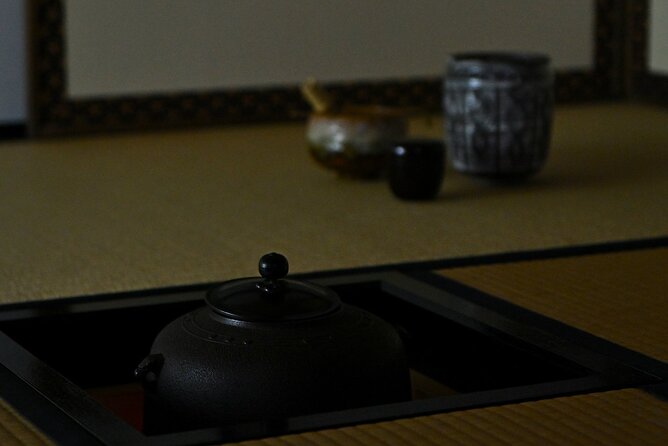
There are tea ceremonies, and then there is the feeling of being in the room where the tradition still has weight. This one happens in an authentic, 130-year-old Kyoto townhouse, which instantly makes the experience feel grounded and lived-in. Even before you touch anything, the setting encourages you to slow down and pay attention.
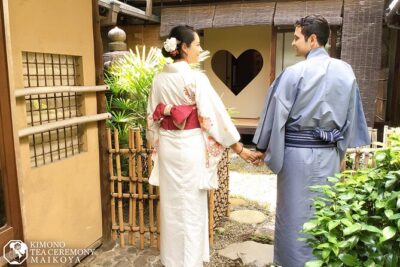
I also like how the experience starts with the garden. You do not just walk into a classroom. You sneak into the tea room from the garden area, which gives you that quiet sense of transition, like you crossed a boundary between city noise and tea time.
If you care about atmosphere, this matters more than people expect. Kyoto can be packed with temples, crowds, and photo stops, so a calm interior ritual is a welcome counterbalance.
More Tea Ceremonies in Kyoto
- Kyoto: Tea Ceremony in a Traditional Tea House in Kiyomizu
★ 4.9 · 3,519 reviews - Kyoto: Tea Ceremony Ju-An at Jotokuji Temple
★ 4.9 · 3,207 reviews - Kyoto: 45-Minute Tea Ceremony Lesson Experience
★ 4.3 · 2,378 reviews
What the 45 minutes feels like, from garden entry to your own whisk
The session runs about 45 minutes (approximately), and it is paced so you are not rushed. In that time, you move through three phases: observing, tasting, and doing. You will likely notice it feels efficient without feeling like a sales pitch.
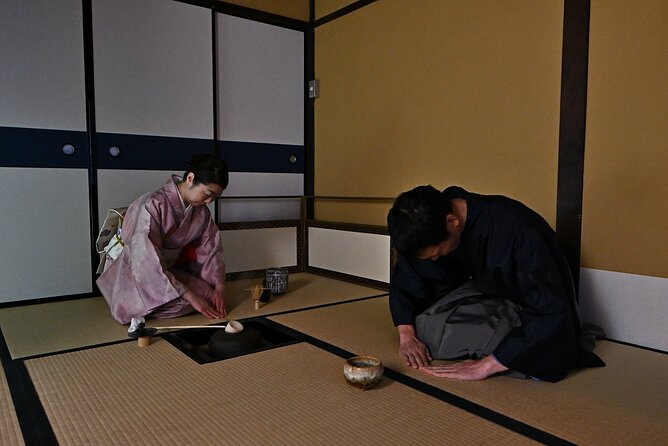
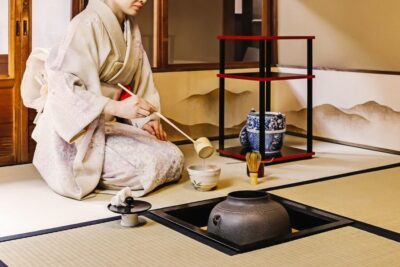
First, you settle in and watch the instructor demonstrate. This is where you learn the basics of how the tea ceremony works, including how matcha is appreciated and the mindset behind the ritual. The instructor also covers the history and culture of tea ceremony, so you are not just copying steps.
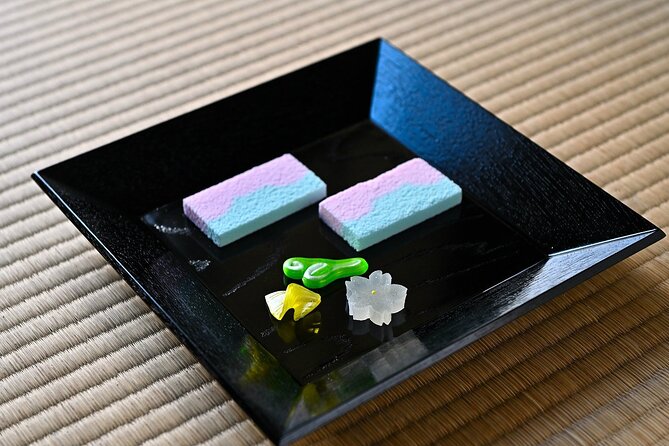
Then the tasting part happens. You get to enjoy dried sweets and matcha, with the sweets coming from a long-established Kyoto confectionery shop named Shioyoshi-ken (塩芳軒). After that, you make your own matcha. By the end, you should feel like you could repeat the process back home.
A small-group vibe, even when you are not aiming for privacy
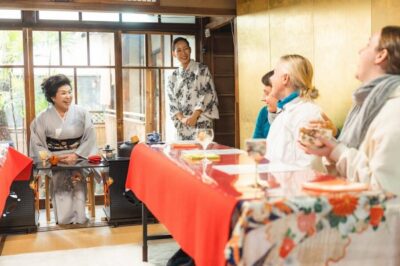
The activity caps at 10 travelers, and many groups end up feeling intimate. If you want something that is not awkward or chaotic, this setup helps. You get room to ask questions and to take your time with your technique.
That personal pace also helps if you have physical limitations. One participant noted that sitting in the traditional way can be challenging with bad knees, and that a stool was available if needed. If you are sensitive to floor seating, mention it early, so they can help you choose a comfortable position.
The sweets and matcha lesson: what you actually learn
The tasting is not random. The sweets are dried and made with wasanbon, a type of sugar known for its distinct character in Japan. You also get some context for what you are eating and why it is paired with tea, which turns the snack into part of the ritual rather than a break from it.
For matcha, you get the kind of guidance that helps beginners. You learn how to appreciate and drink matcha, then you learn how to make it yourself. That includes practical technique, like how to handle the whisking step so the result is not just bitter dust in a cup.
The instructor’s explanations are clear, and English instruction is strong enough that first-timers can follow along comfortably. The host also wears a kimono during the ceremony, which adds to the authenticity of the moment even if kimono inclusion is not something you should assume beyond what you are shown.
And this is where the experience earns its keep. A lot of “cultural activities” let you watch and take photos. Here, you come away with a repeatable skill, plus the cultural meaning behind why the steps are done a certain way.
Same corner of Japan, a different kind of day:
- PERFECT KYOTO 1-Day Bus Tour
★ 5.0 · 13,518 reviews - Kyoto: Fushimi Inari, Kinkakuji, Bamboo Grove 1 Day Bus Tour
★ 4.8 · 4,316 reviews - Kyoto Geisha Walking Tour: Gion District & Hidden Gems
★ 4.7 · 3,273 reviews - Kyoto: Gion Magical Night Walking Tour with Geisha Trivia
★ 4.9 · 2,393 reviews
How to enjoy tea at home without special utensils
I especially appreciate the take-home angle. The session includes tips on how to enjoy tea without tea utensils at home. That sounds like a small line in the description, but it changes how you think about matcha after you travel.
The reality is that most people do not want to ship a full set of gear home. You might buy a matcha brush later, but even if you do not, the goal is that you understand the process and the mindset. That means your first homemade cup is less guesswork.
So think of this as a bridge: you experience Kyoto tea ceremony in a real tearoom, then you learn how to bring the calm, not just the equipment, into your daily routine.
Who this Kyoto tea ceremony suits best
This experience is a great match for a few kinds of travelers.
First-timers to Japan or Kyoto
If you want one structured, memorable tradition without spending half a day on it, this hits the sweet spot. It gives you context and action, not just a show.
People who want a break from temple hopping
Kyoto days can be intense. A tea ceremony is a restful change of pace, and the townhouse setting makes it feel like you stepped away from the street.
Small-group lovers
With a max of 10, you are less likely to feel lost in a crowd. One highlight in the overall experience is the welcoming, calming presence of the host, often creating a private, family-like feel when the group is small.
Anyone with beginner matcha curiosity
You learn how to make matcha even if you have never whisked it before. You are also taught how to appreciate it, which helps if you are worried you will not like the flavor.
Who might be less happy
If you expect a long event, elaborate dramatics, or extra extras like guaranteed costume service beyond what the host provides, you might find the session short for the price. Also, if you are very sensitive to sweetness, note that you will have small dried sweets with sugar as part of the ritual.
Price and value: is $39.63 a fair deal for Kyoto?
At $39.63 per person, you are paying for a guided, hands-on tradition in a real, older Kyoto home. That is not cheap compared to a standard coffee shop experience, but it is also not in the same category as a full multi-hour tour with transportation included.
Here is how to judge value the smart way:
- If you want to learn matcha technique you can repeat, the price starts to make sense.
- If you care about authentic setting and a calm host-guided flow, the tearoom context is part of what you are buying.
- If you only want a quick photo moment, it could feel expensive, because you are paying for instruction, pacing, and atmosphere.
Your best mindset is to treat this like a mini class. It is about technique and appreciation, not just entertainment.
Getting there in Nakagyo Ward, and what to expect on arrival
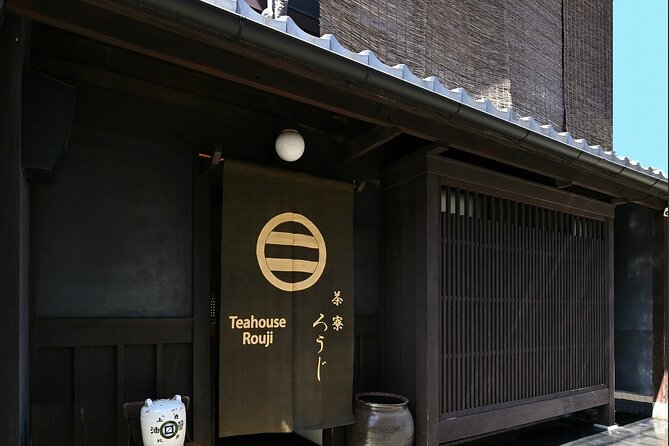
The meeting point is at 22-26 Nishinokyō Ikenouchichō, Nakagyo Ward, Kyoto, 604-8375, Japan, and the activity ends back there. It is near public transportation, so you should be able to arrive without a complicated route.
You use a mobile ticket, which is convenient if you hate printed vouchers. The confirmation is sent within 48 hours of booking, subject to availability, so you should plan to check your messages after you book.
Also, because the session is capped at 10 people, timing matters. Show up a little early so you are not scrambling when the group starts.
Should you book this Kyoto tea ceremony?
If your goal is a calm, authentic Kyoto tradition where you actually make matcha, I think you should strongly consider it. The 130-year-old townhouse setting, the careful step-by-step guidance, and the practical take-home tips make it more than a quick activity.
Book it if you want:
- a small-group, peaceful break from crowded sightseeing
- a beginner-friendly matcha lesson
- a cultural explanation that gives meaning to what you do
Skip it or read expectations carefully if:
- you only want a super short taste and do not care about technique
- you expect guaranteed extra ceremony add-ons beyond what is described
- you know you will feel frustrated by small servings of sweets or a session under an hour
FAQ
How long is the Kyoto tea ceremony experience?
It lasts about 45 minutes (approximately).
Where does the experience start in Kyoto?
The meeting point is 22-26 Nishinokyō Ikenouchichō, Nakagyo Ward, Kyoto, 604-8375, Japan. The activity ends back at the meeting point.
What is the group size limit?
The tour/activity has a maximum of 10 travelers.
Is there a mobile ticket?
Yes, you use a mobile ticket.
What do I do during the ceremony?
You watch the instructor’s demonstration, enjoy dried sweets and matcha, and then make your own matcha with beginner-friendly instructions.
Do I need previous tea ceremony experience?
No. The experience is designed to include instructions for beginners, including guidance on how to make matcha.
Can the seating be adjusted if I have trouble sitting on the floor?
There is at least one reported option for comfort, including a stool available if needed.
What is the cancellation refund timing?
Free cancellation is available up to 24 hours in advance of the experience start time for a full refund. If you cancel less than 24 hours before the start time, the amount you paid is not refunded.
Fresh options around Kyoto
- Kyoto Aquarium Admission Ticket★ 4.7 · 12 reviews
- Kyoto Gion Photoshoot – Private Session | Pro Photographer★ 5.0 · 12 reviews
- Gyoza Cooking Class in Kyoto: Traditional Japanese Dumplings★ 5.0 · 12 reviews
- Kyoto: Guided Food Tour with 12 Dishes & 3 Drinks★ 5.0 · 12 reviews
- Kyoto: Avoid the Crowds at the Hidden Gems of Arashiyama★ 4.9 · 13 reviews
- Kyoto Early Bird English Tour: Gion & Higashiyama(Private opt)★ 5.0 · 13 reviews
- Otsu-e Folk Art Workshop & Local Culture Walk Near Kyoto★ 5.0 · 13 reviews
- Kyoto, Osaka, Nara Full Day tour by Car English speaking Driver★ 3.5 · 13 reviews
Tea Ceremonies in Kyoto, compared.
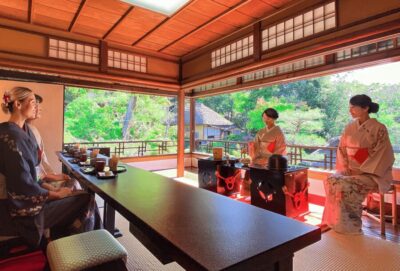
Tea Ceremony in a Traditional Tea House in Kiyomizu
Read our review →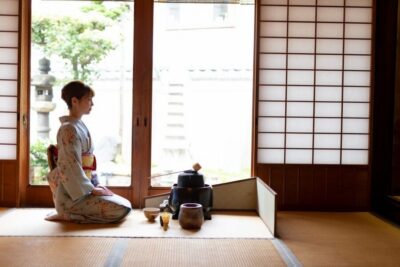
Arashiyama Bamboo Forest, Monkeys, Matcha & Temple Tour
Read our review →
Tea Museum Tickets and Matcha Grinding Experience
Read our review →
Browse the lists this tour appears in