
Reviewed · TEA CEREMONIES IN KYOTO
Tea ceremony by the tea master in Kyoto SHIUN AN
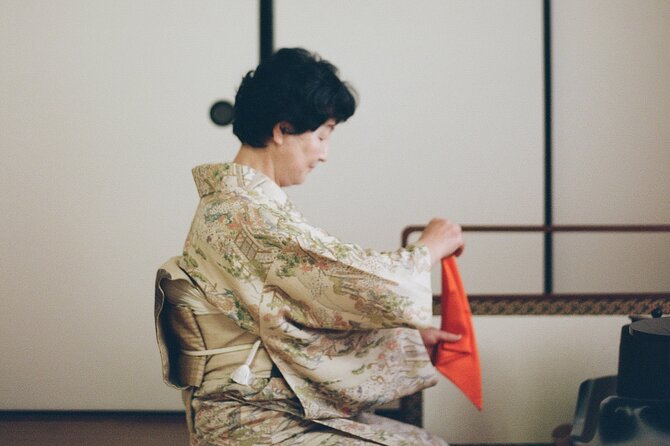
Matcha turns a busy Kyoto day quiet fast. At SHIUN AN, you get an intimate Kyoto tea ceremony near Daitoku-ji Temple, taught step-by-step by a tea master with a formal tea name. I like how the experience is designed around the tea room itself, with a look at hanging scrolls and flower arrangements before any drinking happens.
What also makes this stand out is that you do more than watch. You’ll get the tools to learn the motions, then make your own bowl and take home the feel of matcha preparation. One thing to plan for: the location is in a more out-of-the-way residential area, and there can be difficult stairs, so it helps to think ahead if stairs or floor seating are a challenge.
Key things to know before you go
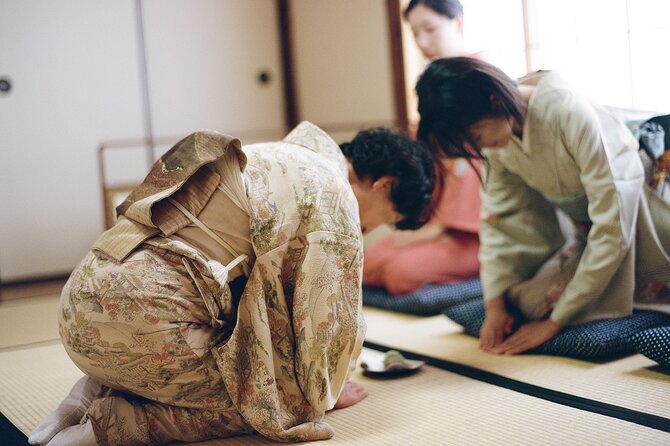
- Small group pace: max 6 per session, sometimes up to 8 in peak season.
- Tea master-led: the tea master has a tea name and formal credentials.
- Hands-on matcha: you learn the steps and make your own bowl, not just observe.
- Tatami comfort kit: white socks and a fold fan are included for the tea room.
- Zen-near location: close to Daitoku-ji, with Kinkaku-ji reachable by bus (about four stops).
Small-group Kyoto matcha at SHIUN AN, not a production line
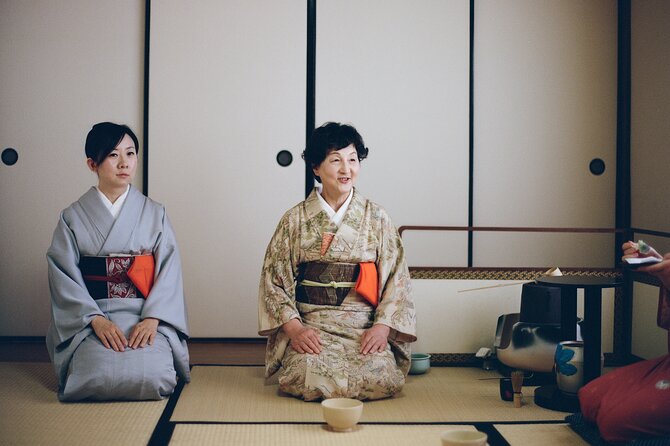
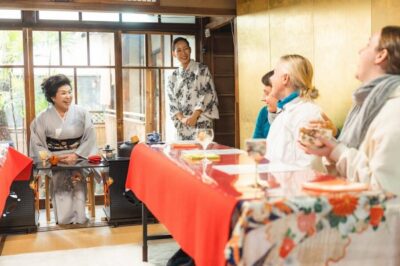
This tea ceremony is priced at $33.03 per person, and the big value isn’t only the matcha. It’s the format. With a maximum of 6 people per session, you should expect a calm, guided pace where questions actually land and the tea steps are explained clearly. In peak season, the group can stretch to 8, so the mood may get a touch more busy, but it should still feel controlled and personal.
The setting matters, too. You’re in Kyoto near Daitoku-ji, a Zen monastery area with strong ties to tea culture. If you’re going to spend time in Kyoto, this is one of the better ways to slow down and connect the dots between Zen spaces and everyday rituals like matcha.
Finally, you’re not stuck in the tourist core. The meeting point is at 955-1 Idachō in Kamigyo Ward, and you’ll be able to pair this with nearby temple time, including Kinkaku-ji. You won’t need a long, complicated day. Think of it as an anchor activity: one calm hour that makes the rest of Kyoto feel more meaningful.
More Tea Ceremonies in Kyoto
- Kyoto: Tea Ceremony in a Traditional Tea House in Kiyomizu
★ 4.9 · 3,519 reviews - Kyoto: Tea Ceremony Ju-An at Jotokuji Temple
★ 4.9 · 3,207 reviews - Kyoto: 45-Minute Tea Ceremony Lesson Experience
★ 4.3 · 2,378 reviews
The tea room first: scrolls, flowers, and the reason the room matters
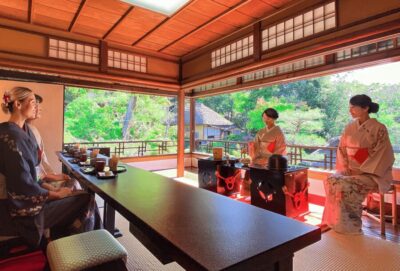
The ceremony starts before you touch a whisk. Your host brings you into the tea room to look at the hanging scrolls and flower arrangements, and that early moment is where a lot of the philosophy shows up. The layout and decoration are not background. In a tea room, they set the mood for how attention works, from where you sit to how you move your hands.
Then the host walks you through what happens next: the steps of the ceremony, the utensils you’ll use, and what those details mean. This part matters because it turns the whole session into something you can follow instead of just a performance.
In practice, this is also where you’ll get the “translation layer” if you don’t already know Japanese tea culture. The experience is set up to be understood, and you should feel included while you watch. Reviews repeatedly highlight how helpful the English support is during the explanation and the serving process.
If you’re the type who likes to know why people do things, this will click fast. If you only want the flavor, you’ll still get a simple, satisfying matcha experience, but the real payoff is understanding the rhythm.
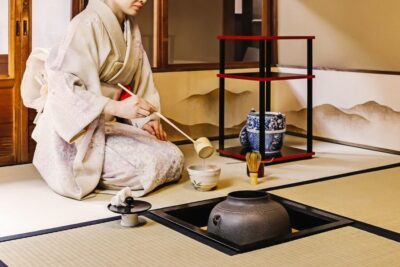
Utensils, motions, and your own bowl of matcha
The ceremony uses the standard tools you hear about when people talk about matcha preparation, and SHIUN AN gives you access to them during the hands-on portion. Included items are:
- tea container
- tea bowl
- tea scoops
- whisk
- plus matcha and Japanese sweets
You’ll begin by watching the tea-serving process, paired with a clear explanation of each step. Then the experience turns practical. You get the chance to make your own bowl of matcha and learn the basics of preparation.
This is the part I think most people underestimate. Watching matcha is one thing. Actually learning the motions gives you a new respect for why the ceremony is paced the way it is. In just 45 minutes, you should come away knowing how matcha is assembled, how the utensils work together, and how the process feels when you do it correctly.
Also, plan to slow down physically. Tea ceremony is precise, and you’ll be guided on how to handle the bowl and whisk. That means you may not do it as quickly as you want. The upside is that you’re not rushing. For many people, that’s the best antidote to Kyoto crowds.
Two bowls and two sweets: pacing, flavor, and what to expect in 45 minutes
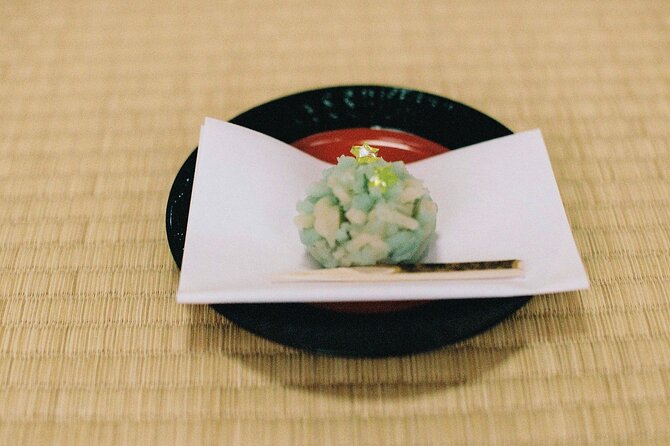
The session is short, about 45 minutes (approx.), but it’s built like a mini journey. You start with the room and the overview, then enjoy a seasonal sweet while you watch the tea serving process.
After that, you’ll experience matcha in two bowls, and you’ll have two kinds of Japanese sweets. This matters because matcha can be intense if you’re used to sweetened green tea. The sweets give you a counterpoint, and the rhythm helps you taste the matcha in context.
You’ll also likely notice something subtle in the way the ceremony is paced. The host explains before the action. You get a chance to observe, then try, then settle back into another guided moment. That structure keeps you from feeling lost, even if you’ve never seen a tea ceremony before.
If you’re a matcha fan, this is a great deal. If you’re unsure about matcha, it’s still worth it because you get multiple chances to taste and learn. You’re not just paying for tea. You’re paying for guidance on how matcha is made and served.
Same corner of Japan, a different kind of day:
- PERFECT KYOTO 1-Day Bus Tour
★ 5.0 · 13,518 reviews - Kyoto: Fushimi Inari, Kinkakuji, Bamboo Grove 1 Day Bus Tour
★ 4.8 · 4,316 reviews - Kyoto Geisha Walking Tour: Gion District & Hidden Gems
★ 4.7 · 3,273 reviews - Kyoto: Gion Magical Night Walking Tour with Geisha Trivia
★ 4.9 · 2,393 reviews
Tatami-ready extras: socks and a fold fan
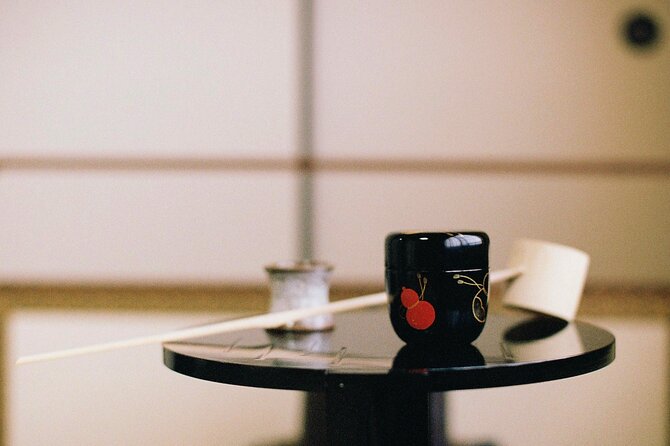
In Kyoto tea rooms, the comfort details are not small. SHIUN AN includes white socks and a fold fan. That’s a practical bonus because it removes a common worry: what you wear for tatami flooring and indoor etiquette.
Even if you pack light, having socks and a fan included makes it easier to show up ready. You can also take simple photos in a proper setting without feeling like you forgot something important.
One more practical thought: since you’ll be in a tea room designed for calm seating and careful movements, wear comfortable clothing that you can move in. You’re not asked to do anything athletic, but tea ceremony is slower and more deliberate than typical sightseeing.
Location near Daitoku-ji and Kinkaku-ji: how to plan your day
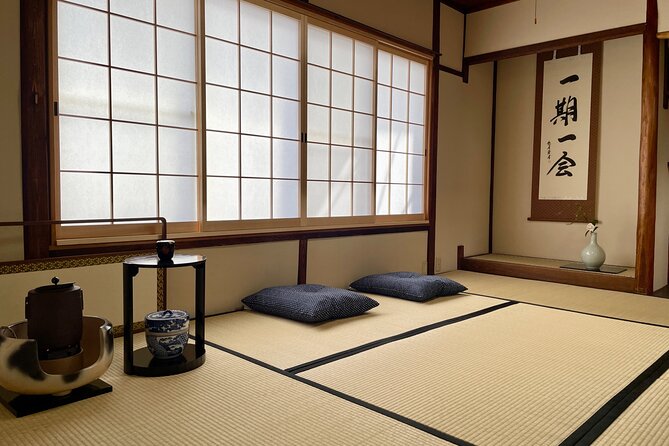
SHIUN AN is near Daitoku-ji Temple, and Kinkaku-ji (the Golden Pavilion) is about four bus stops away. That’s a handy pairing if you want temple time without bouncing across half the city.
However, this is also where you should plan with more intention. Multiple details point to the reality that the tea ceremony is not in the main hotel strip. It’s in a quieter, residential-feeling neighborhood. That can be peaceful, but it also means it can be tricky to find quickly if you’re arriving late or relying only on memory.
Here’s how I’d handle it:
- Give yourself extra time to arrive.
- Use Google Maps, and aim to get there early enough to settle before the ceremony starts.
- If you’re coming from a train station, consider taking public transit to the nearest station area first, then a short taxi hop. One practical tip from recent visitors was that a taxi from the station can be relatively cheap, around 1,000 yen.
Also, keep in mind stairs. The experience can involve difficult stairs, and some people noted that it helped to communicate needs ahead of time. If you might struggle with floor seating, message the operator before you go and ask what support is possible. The tone of the experience suggests they aim to make the session feel welcoming.
Price and value: what $33.03 really covers
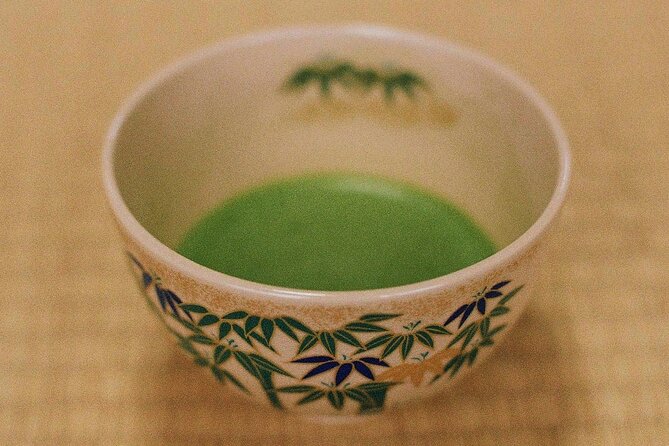
At $33.03, this tea ceremony isn’t trying to compete with bargain group tours. Instead, it focuses on value-through-format.
You get:
- hands-on matcha making
- two bowls of matcha
- two kinds of Japanese sweets
- utensils and tea container setup
- white socks and fold fan
- a guided explanation of the ceremony steps and meaning
So the cost isn’t just for tea. It’s for a structured lesson in Japanese tea culture, delivered by a tea master, with small-group attention. If you’ve seen Kyoto activities that feel mass-produced, the small group format here is the antidote. You’re not crammed. You’re taught.
It’s also good value because you’re not paying separately for “experience parts.” Everything that matters in the ceremony is included, including the matcha and sweets that help you enjoy the flavors.
If you’re trying to choose between doing a tea ceremony and adding one more temple ticket, I’d think of this as the activity that adds variety. Temples are everywhere in Kyoto. A tea lesson in a real tea-room setting is much less common.
Who should book this tea ceremony, and who should plan ahead
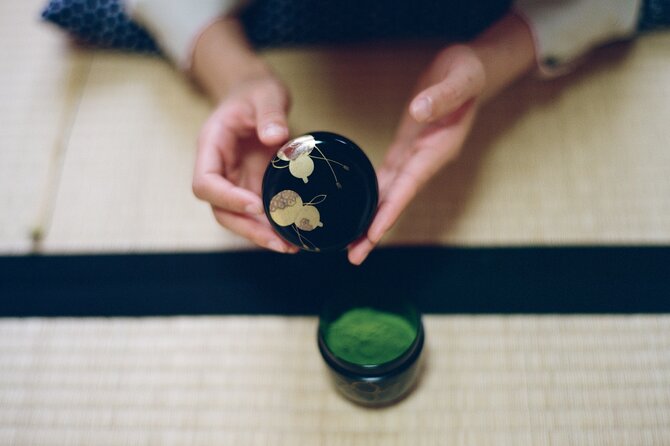
This experience fits best if you:
- like hands-on cultural activities
- want a calmer break from crowded Kyoto streets
- care about learning the structure behind the ritual, not just taking photos
- are a matcha fan who wants to understand how it’s made
It’s also a strong choice if you’re traveling with someone who appreciates etiquette and quiet spaces. The tea room format naturally slows you down.
Two planning considerations:
1) Location and stairs: the setting can involve difficult stairs, and it’s in a quiet residential area. If stairs are a concern, ask ahead.
2) Seating comfort: floor seating is part of the tea room, and there’s evidence the host can make accommodations for someone who can’t sit on the floor anymore. Still, don’t assume. Message before booking so they can prepare.
Good news for practical travelers: the activity is near public transportation, and service animals are allowed.
Should you book SHIUN AN? My take
If you want an experience that feels intentional rather than rushed, I’d book it. The small group size, tea master-led teaching, and hands-on matcha making are the big reasons. You’re also getting two bowls of matcha plus sweets, and you’re provided the tatami comfort items.
I’d be cautious only if you have mobility limitations around stairs or floor seating. The ceremony is worth the effort, but you’ll enjoy it more if your body can handle the tea room setup.
If you’re building a Kyoto day around temples, this near Daitoku-ji pairing is smart. It gives you a Zen connection that doesn’t require a long commute. For many people, that calm hour becomes the most memorable part of the trip.
FAQ
How long is the tea ceremony?
The experience lasts about 45 minutes.
What group size should I expect?
The maximum group size is 6 per session. During peak seasons, it may increase to a maximum of 8 people.
How much does the tea ceremony cost?
The price is $33.03 per person.
What’s included in the ceremony?
You’ll receive the tea container, tea bowl, tea scoops, and whisk, along with white socks and a fold fan. You also get matcha tea and Japanese sweets.
Do I get to make matcha myself?
Yes. The experience includes time for each guest to make their own bowl of matcha and practice the basics.
How much matcha and how many sweets do you get?
You’ll enjoy two bowls of matcha and two kinds of Japanese sweets.
What is the meeting point location?
The start is at 955-1 Idachō, Kamigyo Ward, Kyoto, 602-8302, Japan, and the activity ends back at the meeting point.
Is pickup or drop-off included?
No. Pickups and drop-offs are not included.
Is the location near public transportation?
Yes, it’s near public transportation.
What if I have food allergies?
You should let the operator know about any food allergies before the experience.
What is the cancellation policy?
You can cancel for a full refund up to 24 hours in advance. If you cancel less than 24 hours before the start time, the amount paid is not refunded.
Fresh options around Kyoto
- Kyoto Aquarium Admission Ticket★ 4.7 · 12 reviews
- Kyoto Gion Photoshoot – Private Session | Pro Photographer★ 5.0 · 12 reviews
- Gyoza Cooking Class in Kyoto: Traditional Japanese Dumplings★ 5.0 · 12 reviews
- Kyoto: Guided Food Tour with 12 Dishes & 3 Drinks★ 5.0 · 12 reviews
- Kyoto: Avoid the Crowds at the Hidden Gems of Arashiyama★ 4.9 · 13 reviews
- Kyoto Early Bird English Tour: Gion & Higashiyama(Private opt)★ 5.0 · 13 reviews
- Otsu-e Folk Art Workshop & Local Culture Walk Near Kyoto★ 5.0 · 13 reviews
- Kyoto, Osaka, Nara Full Day tour by Car English speaking Driver★ 3.5 · 13 reviews
Tea Ceremonies in Kyoto, compared.
Tea Ceremony in a Traditional Tea House in Kiyomizu
Read our review →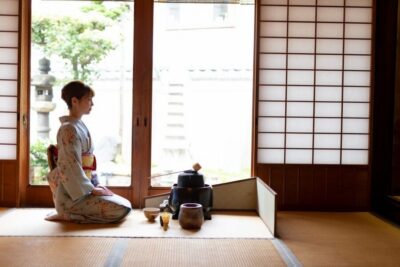

Arashiyama Bamboo Forest, Monkeys, Matcha & Temple Tour
Read our review →
Tea Museum Tickets and Matcha Grinding Experience
Read our review →
Browse the lists this tour appears in