
Reviewed · MIYAJIMA TOURS
Hiroshima & Miyajima All-Inclusive Tour w/Licensed guide Pancho
Peace and shrine sights in one day. Hiroshima plus Miyajima is a strange mix in the best way, and this all-inclusive guided outing ties them together with real context, thoughtful pacing, and Pancho’s local perspective.
I especially like the licensed local guidance from Pancho, plus the way the day is structured around UNESCO sites like Itsukushima Shrine. You also get helpful, practical support for how to move through the day, including advice for vegan and gluten-free (GF) food options so lunch does not become a stress puzzle.
The main consideration is that it can feel like a full, travel-heavy day. Even with efficient routing by JR, ferry, and buses, you still spend time in transit between island and city, so pack for a long day on your feet.
Key things I’d plan around
- Pancho’s local context: he brings a family and hometown perspective, not just dates and facts.
- UNESCO focus with good timing: Miyajima’s shrine areas and Hiroshima’s key memorial sights are built into a clear flow.
- Shrine admission and essential transport included: you spend less time managing tickets and schedules.
- Peace Park emphasis without a guided museum session: the tour prioritizes monuments and stories first, with space for personal reflection.
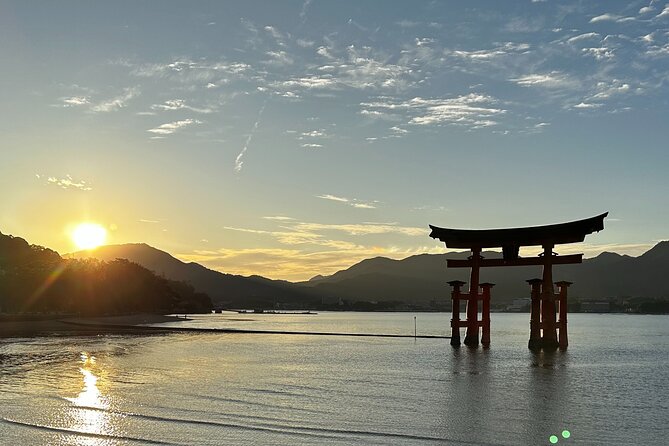
- Photo-friendly Miyajima moments: Torii Gate viewpoints are scheduled around the realities of the tide.
- Lunch is on your own, but choices are guided: the stop near Peace Memorial Park gives you real food options to pick from.
Why Miyajima and Hiroshima Fit Together So Well
If you only know Hiroshima from history books, Miyajima can feel like a detour. It is not. Put together, they show you two sides of Japan that people often keep separate in their minds: spiritual continuity and historical rupture.
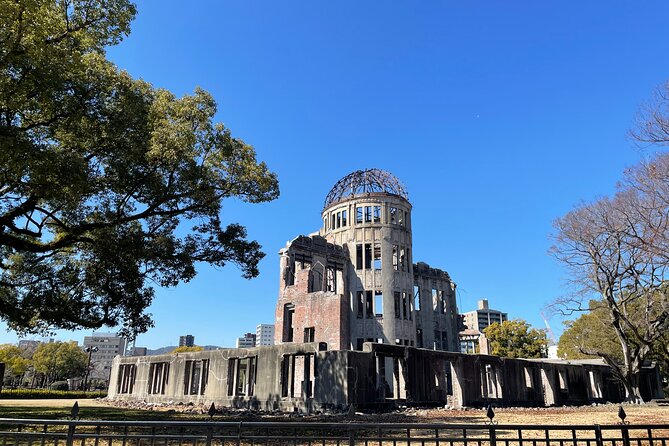
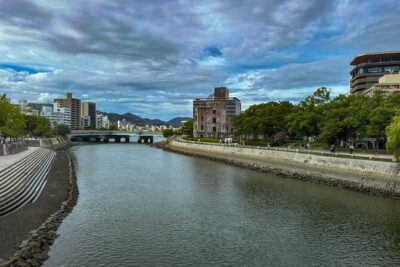
Miyajima sets the tone first. The island is known for shrine scenery, and this day leans into that with its main spiritual stops, including Itsukushima Shrine. Then Hiroshima brings you face-to-face with what happened in 1945, but the tour does it with careful guidance around the Peace Memorial Park area, Atomic Bomb Dome, and the Children’s Peace Monument.
This is not a whirlwind “see everything” tour. It is more like a guided thread. You keep moving, yes, but the stops are connected by story and place.
More Miyajima tours:
- Peaceful Hiroshima & Miyajima UNESCO 1 Day Bus Tour
★ 5.0 · 5,309 reviews - Hiroshima: Hiroshima and Miyajima UNESCO Sites 1-Day Tour
★ 4.9 · 2,330 reviews - Hiroshima / Miyajima Full-day Private Tour with Government Licensed Guide
★ 5.0 · 1,298 reviews
Pancho, a Licensed Hiroshima Guide, Drives the Quality
The biggest reason this tour works is the guide. Pancho is described as a licensed local expert, and the difference shows up in small ways: he answers questions, adjusts the pace to your interests, and helps you read what you are looking at instead of just pointing.
You can also see the human side in how he approaches the day. From the information given, Pancho is not only presenting facts, he is offering a personal perspective, including family context. That matters in Hiroshima, where the same landmark can feel very different depending on your prior knowledge and emotional readiness.
There is also a practical streak here. Pancho is set up to help your group run smoothly, including guidance around how to time photo moments and how to handle a day that involves ferries and city transit. If your group includes different ages or a mix of interests, this “adjust as we go” style tends to be a big plus.
One more detail worth noting: the tour description highlights flexibility, including advising on vegan and gluten-free choices. That tells you this is designed for real visitors, not just people who eat whatever is easiest.
The Included Value: What Your $340 Actually Buys
Price is $340 per person, and the best way to evaluate value here is to look at what gets taken off your plate.
You are paying for:
- Pancho’s guided service
- Itsukushima Shrine admission
- Essential local transportation, listed as JR, ferry, and buses
- A mobile ticket and an all-in-one plan, so you are not juggling separate bookings during your day
What is not included is also clear:
- Lunch and drinks
- Peace Memorial Museum entrance (the listing indicates ¥200 per person for the museum fee, and the tour does not provide a guided museum session)
- Any private transportation (only public transit and the listed essential transport are covered)
For me, the value logic is simple. If you would otherwise buy a bunch of separate transportation tickets while also paying for guide time, this price starts to look reasonable. And because it is a private tour with your group, you are paying for efficiency and context, not for the cheapest seat on a bus.
Miyajima: Giant Torii, Itsukushima Shrine, and Temple Time
Miyajima is your opening chapter, and the schedule gives it real breathing room: about 3 hours 10 minutes at the start, plus additional short stops tied to the shrine area.
A few more Hiroshima days worth comparing
- Hiroshima Historical Walking Tour – Why A-Bomb was Dropped
★ 4.8 · 893 reviews - Hiroshima Peace (Heiwa) Walking Tour at World Heritage Sites
★ 5.0 · 872 reviews - Hiroshima in a Nutshell: Morning Bike Adventure
★ 5.0 · 524 reviews - Hiroshima City 4hr Private Walking Tour with Licensed Guide
★ 5.0 · 437 reviews
Giant Torii Gate area and tide timing
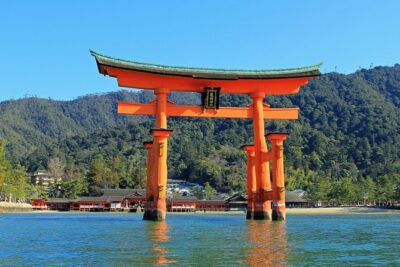
The famous Torii Gate is part of why most people come to Miyajima. In this plan, you get photo time and viewpoint guidance that takes into account that the water level can change by tide. The tour also notes that admission details can vary by segment, so think of this as time on the route to see it clearly rather than a guaranteed entry-only experience.
Tip for your day: if your group cares about getting the exact “floating Torii” look, arrive mentally ready to work with tide, not against it. A guide who understands the rhythm of the island can help you get the best practical timing.
Itsukushima Shrine, then the iconic Torii viewpoint
You then move into Itsukushima Shrine, a UNESCO World Heritage site. Entrance for the shrine is included, and the time there is scheduled at about 30 minutes.
After that, there is additional time around the Itsukushima Shrine Otorii Gate for photography and a better angle. That spot is described as free for the photo segment, and your guide shares hidden or lesser-known notes along the way.
Even if you have seen photos before, the shrine layout and the way it sits with the coastline still lands differently in person. Having the guide explain what you are looking at keeps it from feeling like a postcard moment only.
Daishoin Temple: the picturesque stop, with one catch
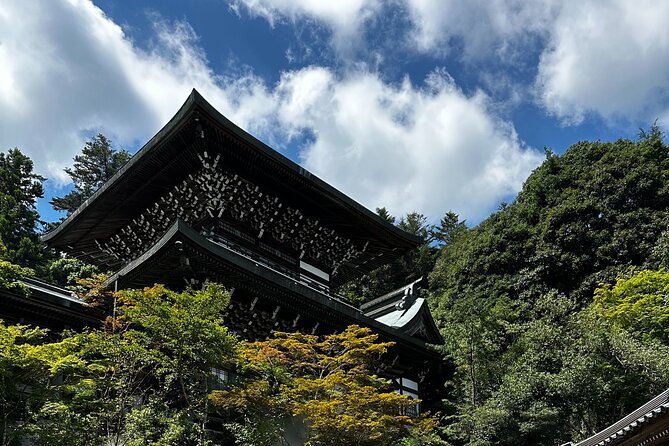
Daishoin Temple is called the favorite for the guide’s style and for the scenery, and the schedule allocates about 40 minutes. The listing also flags that wheelchair access is difficult, so for mobility needs you should plan carefully.
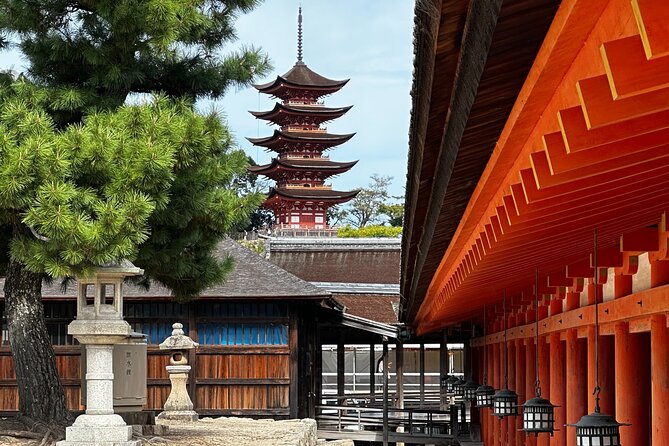
The temple time also includes optional add-ons, like a five-storied pagoda and Senjokaku Pavilion. If your group likes temples for their details, you can often make these optional pieces feel like they belong to the main story instead of “extra.”
If you want a smooth day, pace yourself here. Miyajima is pretty, but walking on uneven ground can add up.
Hiroshima Peace Memorial Park: Monuments First, Space for Reflection
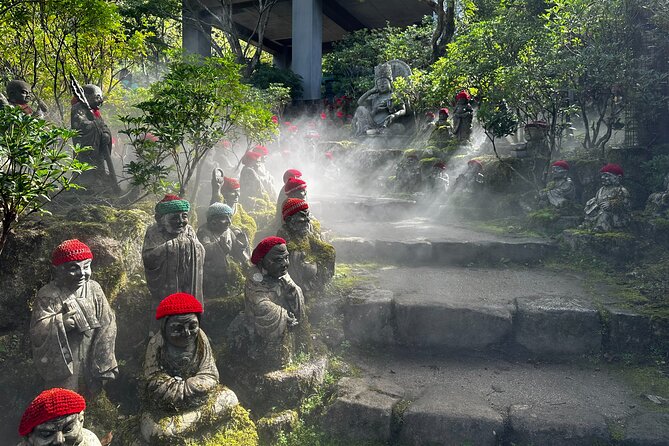
Once you reach the Peace Memorial Park area, the tone shifts. This is the part of the day that requires respect and patience, and the tour design shows that.
You get:
- A lunch break near Peace Memorial Park (about 50 minutes)
- Time at the Atomic Bomb Memorial Mound (about 10 minutes)
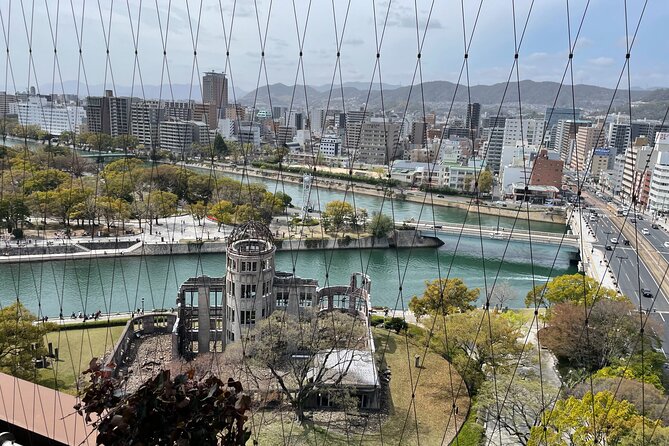
- Time at the Atomic Bomb Dome (about 20 minutes)
- A guided walk through Hiroshima Peace Memorial Park with about 1 hour 20 minutes for stories and key monuments like the Children’s Peace Monument
What makes the approach different
The tour description emphasizes moving narratives and deeper context at the park monuments, while intentionally not running a guided Peace Memorial Museum session. The logic is that a museum visit is personal, and silence and reflection matter.
There is also a practical note: the museum fee is ¥200 per person, and the tour avoids a guided museum process. In other words, your paid guide time is directed toward the outdoor memorials and the stories attached to them, then you can decide if you want to enter the museum on your own time.
For many visitors, that feels better than being rushed through exhibits. You can absorb the park first, then if you want the museum context, you go with your own pace.
Lunch strategy near Peace Memorial Park
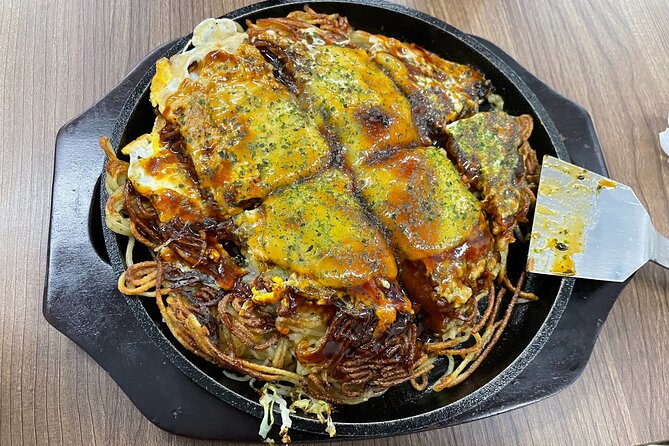
Lunch is not included, but the tour gives you a menu of realistic options during the break: ramen, casual sushi, okonomiyaki, and tsukemen. That matters because you do not want to spend your lunch break searching while your group is already mentally drained.
Dietary needs are also part of the broader planning, so if vegan or gluten-free is a must, it is worth bringing that requirement up early so Pancho can steer you toward options that match.
Atomic Bomb Dome Area: Iconic, But Not Just a Photo Stop
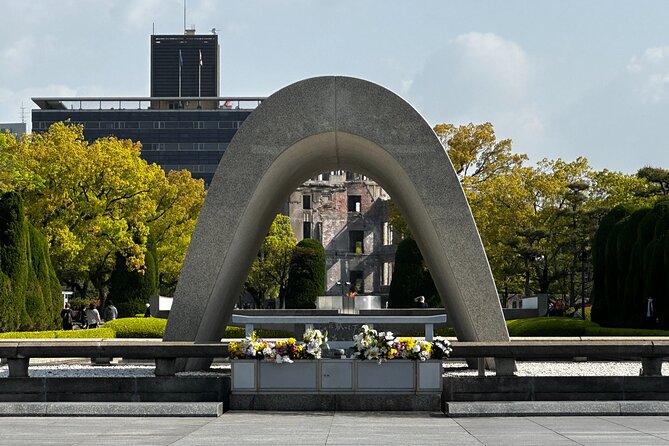
The Atomic Bomb Dome stop is timed at about 20 minutes, and your guide explains how the building survived and why Hiroshima was chosen as the target. That framing matters because otherwise the Dome can feel like a single visual symbol instead of part of a broader event.
You also see the Atomic Bomb Memorial Mound, a smaller but important ground-level marker. The tour gives about 10 minutes there, which is enough time to get oriented and understand what you are standing near without feeling like you are racing.
The trick with Hiroshima is balance. You want the meaning, but you also need space for how your body and mind react. The park pacing helps with that.
Pace, Transit Time, and Who This Tour Suits
This day is built around two big locations: Miyajima and Hiroshima’s Peace Memorial Park area. Even with efficient public transit and included essential transportation, you are still moving.
A possible drawback is that the total experience can feel heavy because of transit time, especially if your group has limited tolerance for long rides, walking, or ferry transfers. You also need moderate physical fitness as a baseline.
Who it suits best:
- First-time visitors who want the main sights in one day
- People who care about explanations and context, not just photos
- Families with mixed ages who appreciate a guide who can adapt and keep things efficient
- Anyone who values a private-group feel rather than joining a large bus crowd
Who should think twice:
- If you hate transit time and prefer a slower city-only plan
- If mobility is limited, since at least one temple stop notes difficult wheelchair access
Tips That Make the Day Smoother
Here are a few practical moves to make the plan feel effortless.
- Wear comfortable shoes. You will walk in shrine-temple areas and around the Peace Memorial Park.
- Bring a plan for lunch. Lunch is on your own, so decide your priorities early: speed, dietary needs, or sitting down somewhere quieter.
- Expect tide variation on Miyajima. If your group is chasing the classic floating look, trust the timing you are given rather than trying to force the perfect moment.
- Ask Pancho questions. The tone of the day benefits from dialogue, and the guide is set up to answer and adjust with you.
- Consider the museum fee option if you want it. The tour is structured to give you context outside the museum and then let you decide about the ¥200 entrance on your own.
Should You Book Pancho’s Hiroshima and Miyajima All-Inclusive Tour?
I think this tour is a strong pick if you want one day that connects spiritual Japan and historical remembrance with real guidance and minimal logistical friction.
Book it if:
- You want a licensed English-speaking guide who can adapt the pace
- You want Itsukushima Shrine admission and essential transportation handled
- You prefer monuments and stories, with space to reflect rather than a rushed guided museum visit
- Your group includes different ages and you want someone to manage the flow
Skip it or compare if:
- You want a lighter schedule with less transit time
- Your group has significant mobility limitations, especially if temple access is a concern
- You strongly prefer a guided museum session inside the Peace Memorial Museum itself, because this tour keeps that part more personal
If you match the first group, Pancho’s approach is the main reason to choose this. The itinerary covers the big names, but what you really pay for is the way the day is explained, paced, and made workable from start to finish.
Fresh options around Hiroshima
- The Peace Memorial and Beyond: A Half-Day around Hiroshima★ 4.9 · 12 reviews
- Hiroshima Saijo Sake Tasting Tour with visit to 3 Breweries★ 5.0 · 12 reviews
- Private Hiroshima Calligraphy: Create Your Own Kanji Art Souvenir★ 5.0 · 12 reviews
- Hiroshima:Private lacquer workshop experience tour(gift included)★ 5.0 · 13 reviews
- Sunset Walking Tour at Peace Park, Hiroshima★ 5.0 · 13 reviews
- Kimono and Calligraphy Experience in Miyajima★ 5.0 · 16 reviews
- Hiroshima Peace Memorial Park: A Guided Tour★ 4.9 · 16 reviews
- History of Hiroshima: Small Group Night Walking Tour★ 4.8 · 17 reviews
Miyajima Tours, compared.
Peaceful Hiroshima & Miyajima UNESCO 1 Day Bus Tour
Read our review →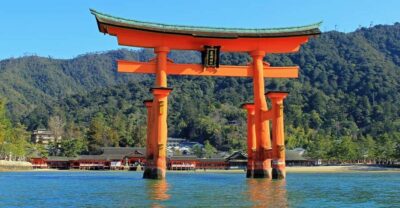
Hiroshima and Miyajima UNESCO Sites 1-Day Tour
Read our review →
Hiroshima / Miyajima Full-day Private Tour with Government Licensed Guide
Read our review →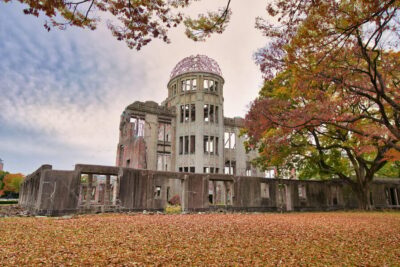
Osaka/Kyoto: Hiroshima Miyajima Bus Tour & Shinkansen Ticket
Read our review →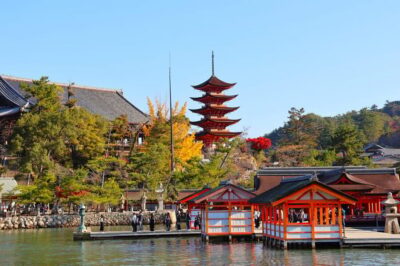
Hiroshima and Miyajima Day Trip with Itsukushima Shrine & Ferry
Read our review →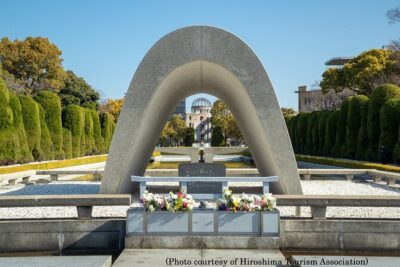
Full Day Hiroshima and Miyajima Bus Tour from Hiroshima
Read our review →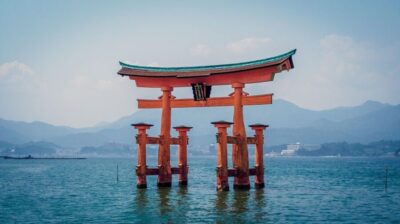
Miyajima Peace Memorial Icons of Peace and Beauty
Read our review →Browse the lists this tour appears in