
Reviewed · CITY TOURS
Half Day Private Guided Walking Tour in Hiroshima City
Four hours, one deeply personal Hiroshima story.
I like the way Pancho (Tetsuo Hamano), the son of an A-bomb survivor, connects each Peace Park landmark to his family’s lived reality, not just dates and plaques. You get a guided path through the city’s most important sites with a perspective that feels human and close.
I also love the small moments that keep the tour from feeling like a checklist, especially the origami crane experience built into the Peace Park area. That hands-on stop turns heavy themes into something you can actually carry with you.
One thing to consider, this is emotionally weighty, and several stops are brief. If you want long museum-style time at every location, you may feel a little rushed in the 4-hour format.
Key highlights before you go
- A guide with family ties to the A-bomb story who explains what the landmarks meant in real life
- Peace Park symbols explained clearly, including the Peace Flame and the cenotaph design
- Surviving places and evidence you can actually see, not just read about
- A practical flow through Hiroshima Station to the Peace area, using public transit or a taxi if arranged
- Hands-on origami time at a surviving building turned Peace Park stop
- Dietary-friendly lunch planning through restaurant suggestions, including options for different needs
A half-day private walk through Hiroshima’s Peace core
This is a private, 4-hour walking tour in Hiroshima City, built around the sites that most visitors come for, but guided in a more personal way. You are not just moving from one landmark to the next. You are being guided through the meaning behind what you are seeing.
The private format matters. It gives you flexibility to ask questions without feeling like you are interrupting a crowd. And because the guide’s family connection to the events is central to the story, you get a steadier emotional through-line than you might with self-guided touring.
Yes, the subject is tough. But it is also grounded in what people did next, how the city rebuilt, and how remembrance can be more than staring at a monument.
More Walking Tours in Hiroshima
- Hiroshima Historical Walking Tour – Why A-Bomb was Dropped
★ 4.8 · 893 reviews - Hiroshima Peace (Heiwa) Walking Tour at World Heritage Sites
★ 5.0 · 872 reviews - Hiroshima City 4hr Private Walking Tour with Licensed Guide
★ 5.0 · 437 reviews
Meeting Pancho in Hiroshima: station platform or hotel pickup
The tour gives you multiple meetup options, which is a big deal in Hiroshima because you might arrive by different routes. If you come in on a bullet train from Tokyo, Kyoto, or Osaka, one common meetup point is the Bullet Train platform at Hiroshima Station. If you are staying in town, there is also reception at your hotel.
Public transportation is part of the plan, and the tour lists a public transportation cost of $4 per person. Private transportation is optional and can cost extra if you prefer taxi-style convenience.
Practical tip: if you want this day to feel smooth, confirm your exact meetup spot in advance and plan to arrive a little early. The tour works best when you and your guide can start cleanly, without the stress of searching around a busy station.
Shirakami Shrine: the A-bomb target story tied to surviving trees
Your first major story stop is Shirakami Shrine, where you learn about a shrine that looks similar to other Shinto shrines but has a unique background tied to why Hiroshima became an A-bomb target. That contrast, familiar shape but unusual historical meaning, helps you read the city differently.
One of the most memorable elements here is the mention of survived trees from the A-bomb. Seeing what endured gives the story a physical anchor. It turns the history from something abstract into something local, something that happened to living things near the shrine.
The time at this stop is about one hour, which is long enough to ask questions and hear the story in a calm way. If you tend to get museum-fatigue, this is a good balance stop, shrine setting plus real context.
The hypocenter monument: short visit, strong photo moment
Next comes the Hypocenter monument, described as being at ground level, where you can pause and take a photo. The official time here is short, about 10 minutes, so treat this as a focused checkpoint rather than a linger-and-read stop.
This is one of those places where the guide’s pacing helps. When the moment is brief, you want someone to frame what you are looking at so you do not just stare at a marker without understanding it.
If you are the type who likes to take photos slowly, plan for a quick burst. I would prioritize getting one clear shot from the recommended spot, then letting your guide’s explanation land.
Same corner of Japan, a different kind of day:
- Peaceful Hiroshima & Miyajima UNESCO 1 Day Bus Tour
★ 5.0 · 5,309 reviews - Hiroshima: Hiroshima and Miyajima UNESCO Sites 1-Day Tour
★ 4.9 · 2,330 reviews - Hiroshima / Miyajima Full-day Private Tour with Government Licensed Guide
★ 5.0 · 1,298 reviews - Hiroshima in a Nutshell: Morning Bike Adventure
★ 5.0 · 524 reviews
Saiko-ji Temple evidence: seeing the blast and heat impact
After the hypocenter pause, you visit Saiko-ji Temple, with a stop time of about 10 minutes. The tour focuses on how you can see the scale of heat and blast when the bomb exploded, and mentions evidence of what happened.
This is the kind of stop that can feel surprising. Temples are often quiet places, but here the guide helps you connect that normal calm to extraordinary damage. Even with limited time, it can make the history feel less like a headline and more like a local event that shaped daily life.
A consideration: because the stop is brief, bring your curiosity. If you want more time, ask your guide whether there is anything you should read up on afterward.
Atomic Bomb Dome, Peace Flame, and why the symbols matter
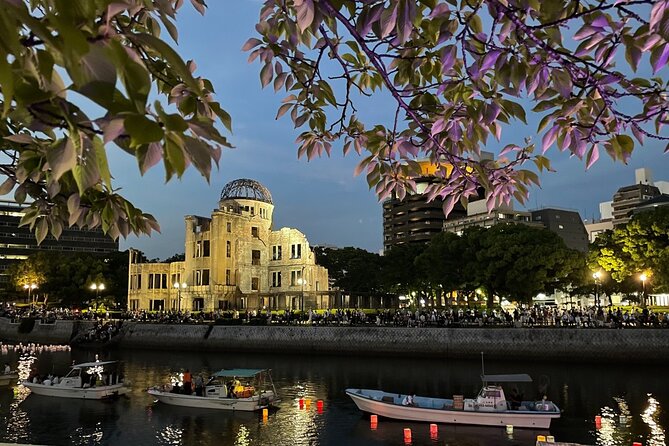
From Saiko-ji Temple, the tour moves through the core memorial zone in a way that keeps the emotional impact escalating step by step.
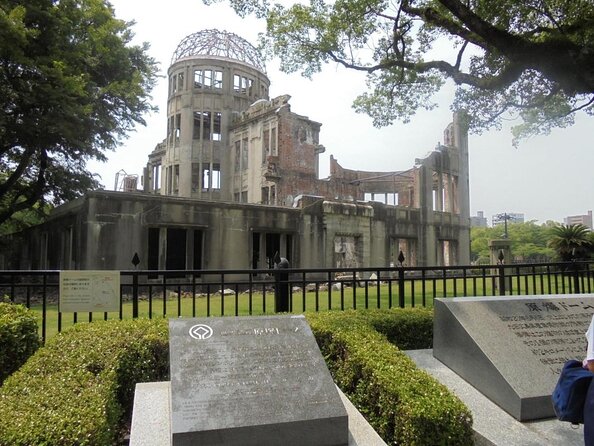
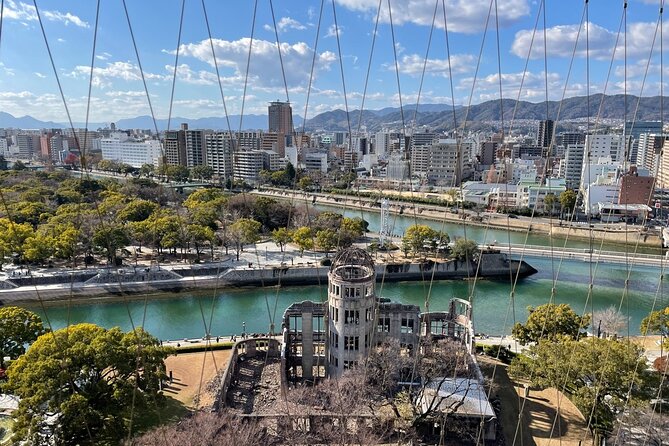
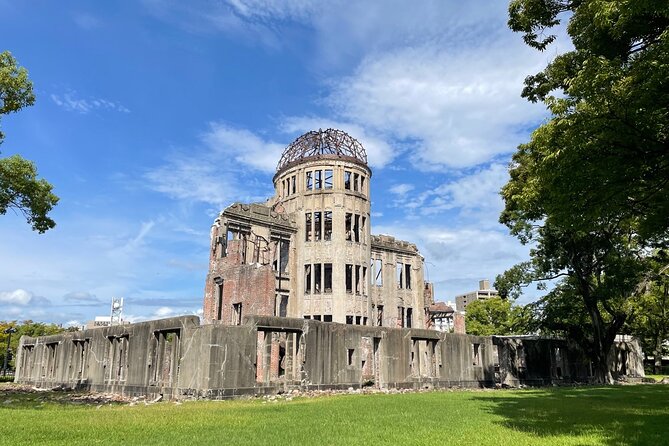
You stop at the Atomic Bomb Dome for about 20 minutes. The Dome is described as a reminder of what happened, and the guide’s job is to help you interpret it in context, not just photograph it for the timeline box on your itinerary.
Then you reach the Peace Flame, with about 5 minutes for a stop. What makes this short stop meaningful is the explanation of why the flame keeps burning. It is symbolism you can feel in your chest more than your eyes, especially after you have just seen the physical evidence of the blast.
If you are visiting Hiroshima for the first time, this sequence is a solid way to orient yourself fast. You see the physical landmark, then you meet the idea of remembrance as an ongoing act.
Lunch near Peace Memorial Park: you choose, the guide helps you eat well
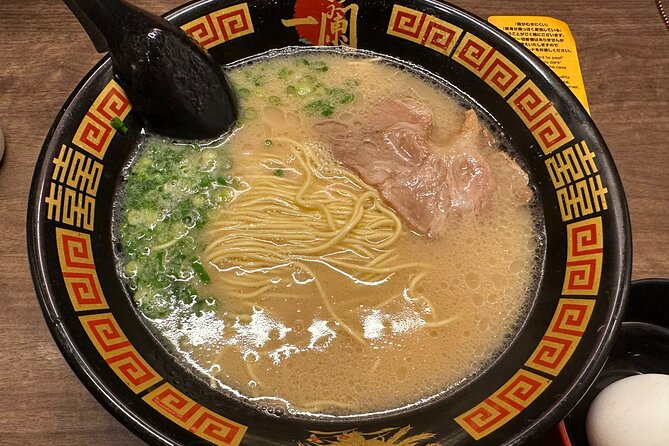
Lunch is scheduled near Peace Memorial Park, for about 50 minutes. The cost of lunch is not included, but your guide will introduce you to nearby local restaurants.
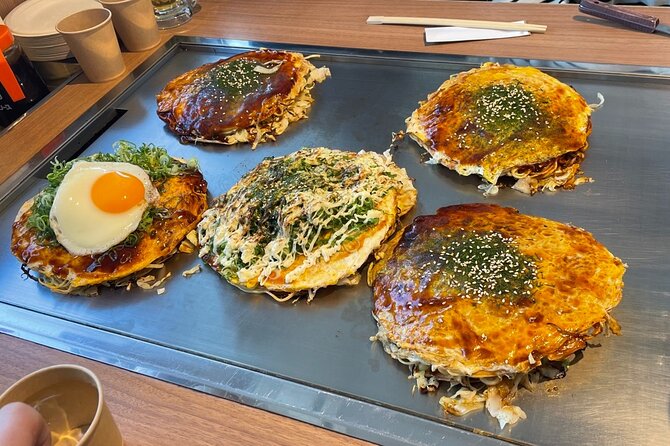
The tour mentions Hiroshima-style okonomiyaki, ramen, and sushi, and it notes that options can be guided by your requests. It also flags that some options may be available for vegetarian/vegan/gluten-free needs.
This is a good practical addition to a heavy-day itinerary. You avoid turning the afternoon into a stress hunt for food. And because the guide is local, you get restaurant choices that fit the neighborhood around the Peace sites, not just whatever is easiest to find from your hotel map.
Smart move: go into lunch with a simple plan. If you have dietary needs, tell the guide clearly so the restaurant suggestions can match.
Rest House of Hiroshima Peace Park: surviving building and origami time
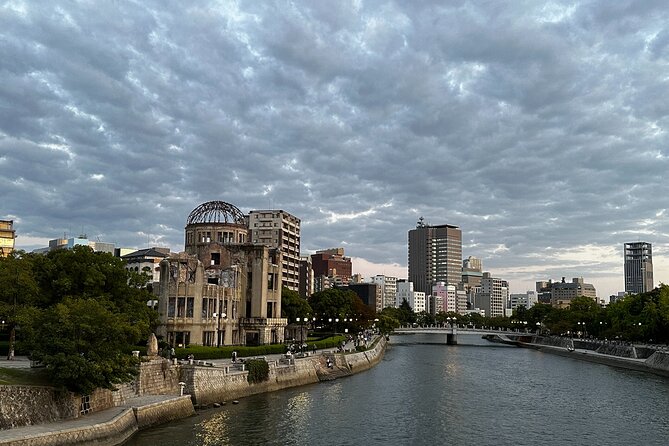
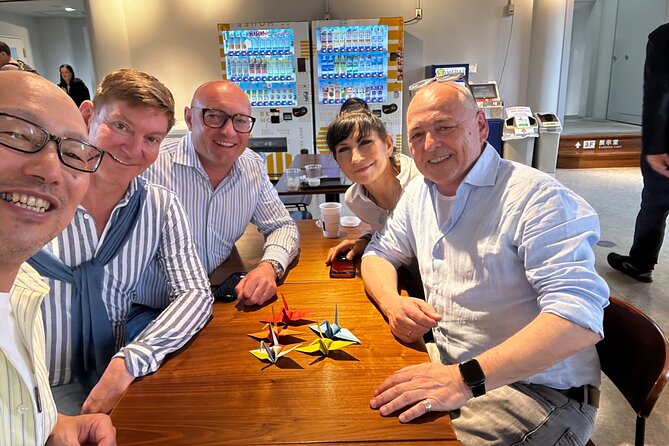
One of the most distinctive stops is at the Rest House of Hiroshima Peace Park. The time is about 15 minutes, and the tour frames this building as one of the surviving structures from the A-bomb era, now used as a tourist information point plus a small museum and origami experience.
This is where the tour shifts tone in a helpful way. After seeing so much evidence and symbolism, you get a calmer activity that asks your hands to do something constructive. The reviews also highlight that Pancho can teach you how to make origami cranes, including a Q and A style element that makes the experience feel lighter without erasing the gravity.
If your group includes kids, this stop is a strong reason to book. A monument day can wear people out, but origami gives everyone a small task and a shared takeaway.
Children’s Peace Monument and the cenotaph for atomic bomb victims
The tour continues with two short, meaningful memorial stops.
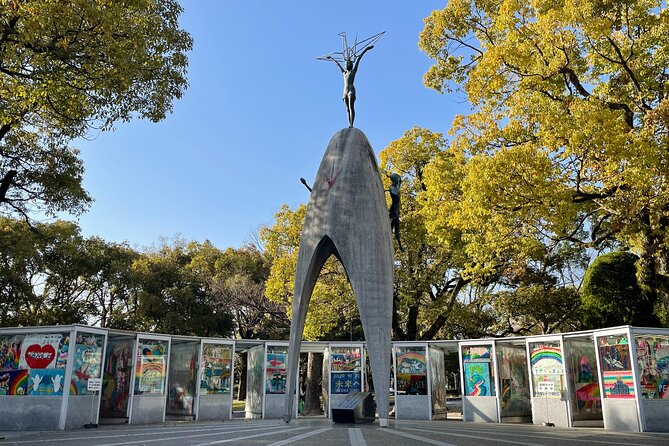
First is the Children’s Peace Monument, about 10 minutes. The focus here is on one girl’s story, including her hope of recovery through paper cranes based on a Japanese belief connected to healing from leukemia. Even if you already know the general theme of Hiroshima’s children’s memorials, the guide’s story focus tends to make it land differently.
Next is the Hiroshima Peace City Monument, Cenotaph for the Atomic Bomb Victims, again about 10 minutes. The guide shares the history and the reason for the cenotaph’s shape, plus the design concept you can notice when you look at it closely.
When stops are only 10 minutes, it can be easy to feel like you are rushing. In this case, the short timing seems designed to keep you moving while still giving you enough context to understand what you are looking at.
Price and logistics: what $200 buys you, and what it doesn’t
At $200 per person for a private half-day, this is not a budget tour. The value comes from two things you would struggle to recreate on your own.
First, you are paying for a private guide with family connection to the events. That personal connection changes the quality of the explanations and the way questions get answered. It is not just a tour script. It is a living story, shared by someone close to it.
Second, you are paying for a structured route and pacing. In about 4 hours, you hit the Hiroshima Station start, then multiple Peace zone landmarks, plus food time and an origami activity. The guide also accommodates requests for meal choices and can suggest places suited to different dietary needs.
What you should budget extra for is straightforward: lunch is excluded, Peace Memorial Museum entrance fee is ¥200 per person (not included), and public transportation is listed at $4 per person. Private transport is optional and costs extra if you choose it.
So the real question is simple: do you want a guide who can answer the emotional and historical questions as you see the sites? If yes, the price starts to make more sense.
Who this Hiroshima tour fits best
This works especially well if you:
- want a private guide instead of reading everything on signs
- care about understanding meaning, not just collecting photos
- like guided structure but still want time for discussion
- have kids or teens who might respond well to the origami crane activity
It may feel less ideal if you:
- want long stays inside every museum space and do not like short stop windows
- get overwhelmed by emotional content and prefer a lighter day plan
- are strict about minimizing any guided interpretation and prefer full self-guided freedom
Should you book this Hiroshima walking tour with Pancho?
I think it is a strong booking if your goal is a day that feels connected and not just informational. The big draw is the combination of personal family perspective plus a well-paced walk through the major memorial sites. The origami crane moment is also a practical, human-scale counterweight to the heaviness of the day.
If you are price-sensitive, plan to budget the extra costs for lunch and any museum entrance you choose to add. Also, prepare yourself emotionally, because this is built around remembrance with real weight behind it.
If that sounds like your kind of travel, book it. If you want a strictly sightseeing-only day with minimal reflection, you might prefer a self-guided route instead.
FAQ
Where do we meet the guide?
You can meet the guide at Hiroshima Station, including the bullet train platform, or there is reception at your hotel. The tour notes there are three meetup options, so the exact one will depend on your situation.
How long is the tour?
The walking tour is about 4 hours.
Is lunch included?
Lunch is not included in the price. The guide will take you to near Peace Memorial Park for a meal, and will introduce nearby restaurants. Options like okonomiyaki, ramen, and sushi are mentioned based on guest requests, with possible vegetarian/vegan/gluten-free options.
What is included in the $200 price?
The price includes the guide fee.
Are entrance fees included for memorials and museums?
Entrance fees are not included. The Hiroshima Peace Memorial Museum entrance fee is listed as ¥200 per person. Many other stops are listed as admission free, but any paid entrances should be budgeted.
Will we have time for origami?
Yes. One stop at the Rest House of Hiroshima Peace Park includes a small museum and an origami experience.
Do I need to use public transportation?
The tour notes it uses public transportation or taxi from your hotel or Hiroshima Station. Public transportation is listed as a $4 per person cost, and private transportation is optional with an additional charge.
Can I cancel and get a refund?
Yes, you can cancel for a full refund if you cancel at least 24 hours before the experience start time. Cancellation is free if done within that window.
Fresh options around Hiroshima
- Hiroshima: Saijo Sake Tasting at 7 Breweries Guided Tour★ 4.8 · 29 reviews
- Private Full Day Hiroshima Tour★ 4.5 · 29 reviews
- 1-Day Private Sightseeing Tour in Hiroshima and Miyajima Island★ 4.5 · 31 reviews
- Walking Through History: Hiroshima’s Path to Peace★ 5.0 · 31 reviews
- The Peace Memorial to Miyajima : Icons of Peace and Beauty★ 4.5 · 31 reviews
- Best of Hiroshima Food Tour★ 5.0 · 32 reviews
- Private Japanese Cooking Class in Hiroshima with Machiko’s Family★ 5.0 · 35 reviews
- Hiroshima Kagura Performance Entry Ticket★ 5.0 · 36 reviews
City Tours, compared.
Private City Highlights Tour with Local Guide
Read our review →
Asakusa, Skytree & Akhihabara Go-Kart City Experience
Read our review →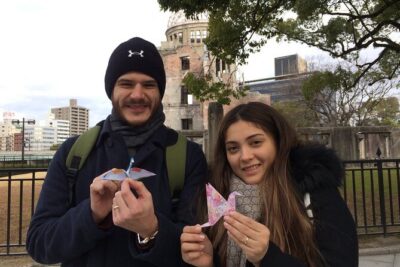
Hiroshima City 4hr Private Walking Tour with Licensed Guide
Read our review →

Private Haneda Airport (HND) to Central Tokyo City Transfer
Read our review →
3-hour Guided E-Bike Tour of the City’s Hidden Gems
Read our review →
Shibuya City: Daikoku PA GT-R R35, R34, R33 or R32 Tour
Read our review →Browse the lists this tour appears in