
Reviewed · DESSERT TOURS
2 Types of Japanese Sweets making and Tea Ceremony
A sweet shop you can touch is a rare thing. This workshop pairs hands-on making of Ohigashi and Nerikiri with a guided matcha experience, all in one tidy 125-minute session near Gojo Station. You use traditional ingredients, including Wasanbon sugar and Kyoto-made bean paste.
I like that you actually make three things you can take in hand, not just watch. You’ll shape two seasonal Nerikiri from Kyoto bean paste, then grind and drink single-origin matcha as part of the tea ceremony.
One thing to keep in mind: this tends to run like an organized class, and depending on the group and noise level, it may feel less intimate than the tea-only experiences that run more slowly.
Key Highlights Worth Your Time
- Kyoto bean paste from long-established shops, used in your Nerikiri shaping
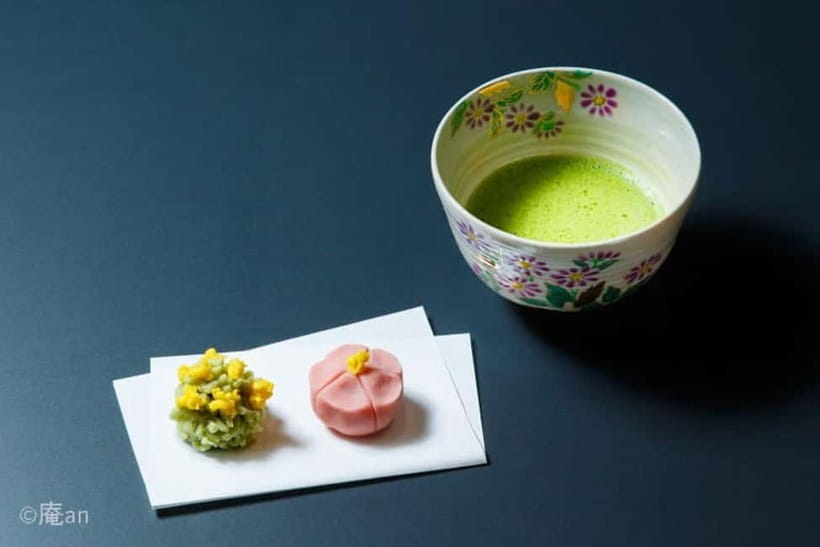
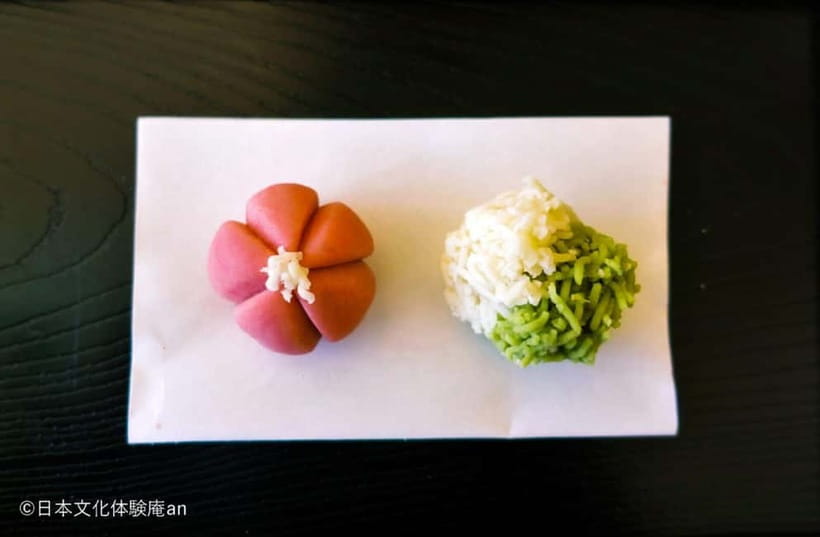
- Two seasonal Nerikiri sweets you make yourself, including Kinton Nerikiri
- Ohigashi made with Wasanbon traditional Japanese sugar, not just generic sweetness
- Single-origin special matcha, plus a grinding demonstration before you drink
- Gojo Station location with a simple one-minute walk from Subway Karasuma Line Exit 1
- Wheelchair accessible, but plan for stairs since there’s no elevator
Three Sweets and One Tea Moment: The Best Part of This Workshop
If you want a Kyoto activity that feels hands-on and practical, this is a strong pick. In about two hours, you’ll move from making Japanese sweets to learning matcha basics, then you’ll finish by drinking what you made. It’s a complete little loop: craft, ingredients, technique, and then tasting.
The structure also helps. You get a start-to-finish flow instead of bouncing around Kyoto. The timing is designed to let you work, take short breaks, and then settle in for the tea section without feeling like you’re sprinting the whole time.
Value matters here. At $28 per person, you’re paying for instructor-led instruction plus materials for multiple sweets and matcha. If you’ve ever watched people make desserts in Japan and thought, I want my hands in that, this scratches that itch.
More Tea Ceremonies in Kyoto
- Kyoto: Tea Ceremony in a Traditional Tea House in Kiyomizu
★ 4.9 · 3,519 reviews - Kyoto: Tea Ceremony Ju-An at Jotokuji Temple
★ 4.9 · 3,207 reviews - Kyoto: 45-Minute Tea Ceremony Lesson Experience
★ 4.3 · 2,378 reviews
Finding the Place Fast: Gojo Station Meeting Point Basics
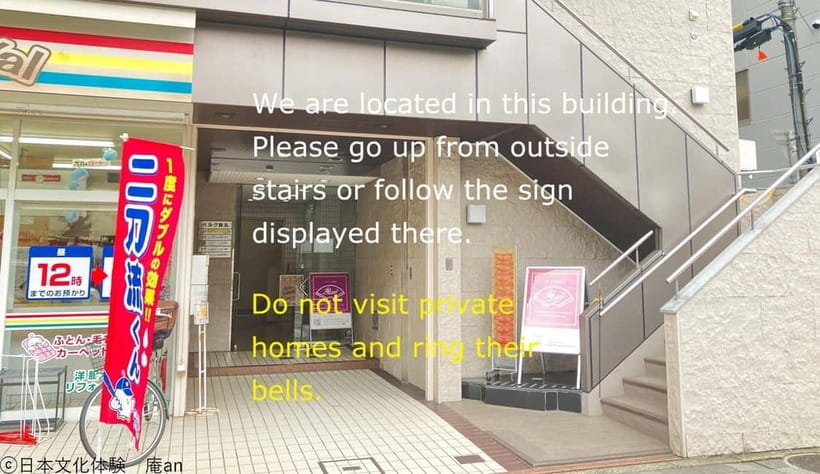
You’ll meet at a location that’s easy to locate: it’s about a one-minute walk from Exit 1 of the Subway Karasuma Line Gojo Station. The store entrance faces Gojo-dori, so you should be able to spot it without heavy navigation.
Two practical notes can save you stress. First, there’s no elevator, so you’ll need stairs to reach the venues. Second, the event is designed to run on time, since they won’t adjust for delays.
If you’re planning your day around this, treat it like a real appointment. Arrive a little early so you can settle in calmly, especially if stairs are part of your route.
Ohigashi: Dried-Type Sweet Making With Wasanbon Sugar
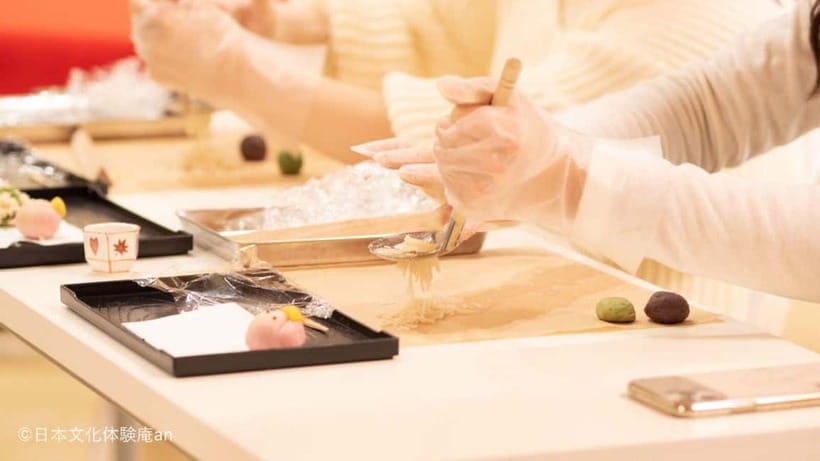
Your first sweet focus is Ohigashi, the dried-type category. The workshop specifically uses traditional Japanese sugar called Wasanbon, which is the kind of detail that matters because it signals you’re not making something using whatever sugar is on hand.
This segment is also where you learn what makes Japanese sweets feel different. You’re not just putting flavors together. You’re working with a method and texture based on Japanese candy-making traditions.
From a practical standpoint, Ohigashi is a good starting point because it gets you “in the rhythm” of the class. You’ll get an explanation before you start, then you’ll begin the process. You’ll also have a break built into the timing, so it’s not all nonstop work right away.
Nerikiri: Making Two Seasonal Sweets (Including Kinton Nerikiri)
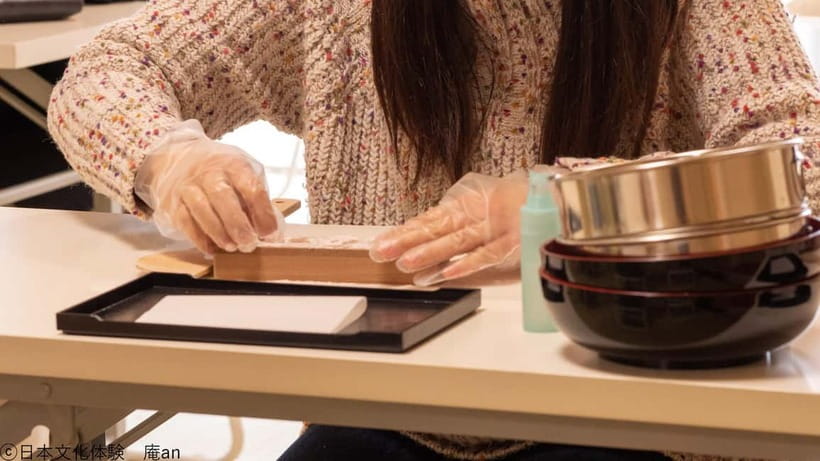
Next comes the Nerikiri section, where things get more sculptural. You’ll make two seasonal Japanese sweets (Nerikiri) using white and red bean paste produced by Kyoto’s long-established shops. That matters because bean paste quality affects flavor and the way the sweet behaves as you work with it.
The workshop also builds in a shape-focus. At one point you make a flower-shaped Nerikiri, and later you make Kinton Nerikiri. You’re not just following steps. You’re shaping paste into something that looks like a seasonal design, and that’s a very Japanese kind of satisfaction.
Two things I think you’ll appreciate here:
- You’re learning how seasonal sweets are tied to the calendar, not just to taste.
- You’ll likely get a clearer mental link between texture, ingredient, and final look, since you’re building it yourself.
This is the part of the program where you’re most likely to forget you’re in a workshop and start thinking like a maker. If you like crafts, this is your favorite stretch.
Same corner of Japan, a different kind of day:
- PERFECT KYOTO 1-Day Bus Tour
★ 5.0 · 13,518 reviews - Kyoto: Fushimi Inari, Kinkakuji, Bamboo Grove 1 Day Bus Tour
★ 4.8 · 4,316 reviews - Kyoto Geisha Walking Tour: Gion District & Hidden Gems
★ 4.7 · 3,273 reviews - Kyoto: Gion Magical Night Walking Tour with Geisha Trivia
★ 4.9 · 2,393 reviews
Tea in Two Acts: Grinding Single-Origin Matcha and the Ceremony Moment
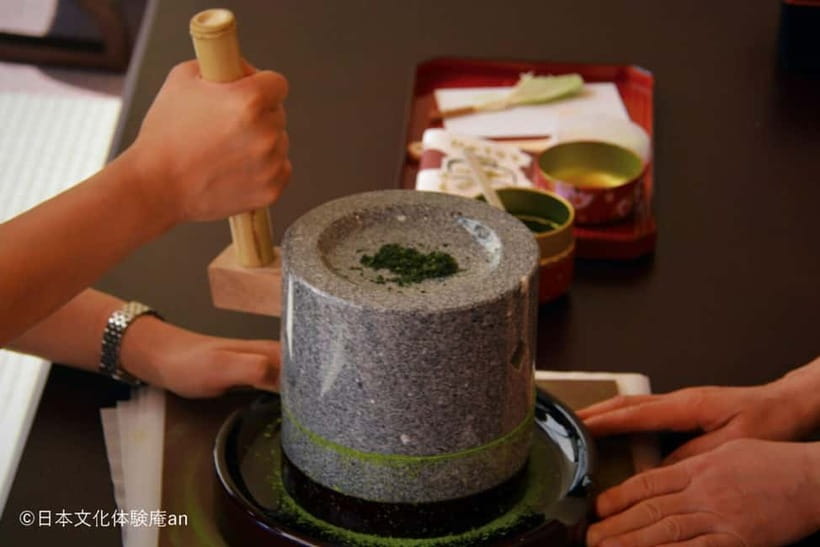
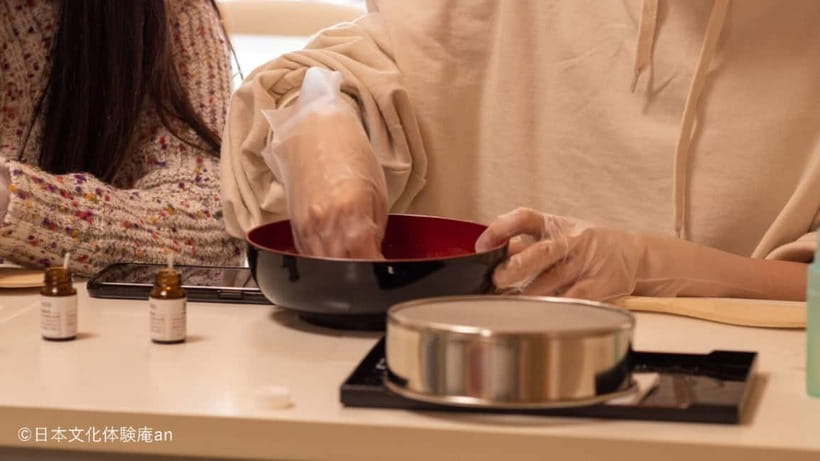
Then the tea part begins. You’ll get an explanation about tea, followed by a matcha grinding demonstration. The matcha is described as single-origin special matcha, so you’re not getting a vague, generic matcha experience.
Grinding is more than a fun step. It changes how you understand matcha, because it forces you to notice texture and process. You see the movement, the handling, and the transformation from leaf to powder.
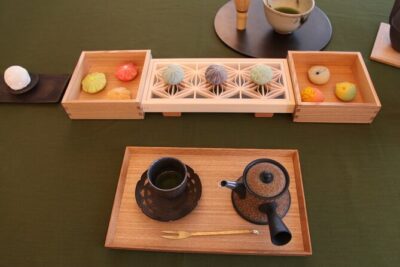
After the grinding, you’ll take part in a tea ceremony experience in a casual style. You’re not being asked to perform a complex formal ritual. Instead, it’s guided and practical, with you making your own tea cup.
This is also the moment where the workshop earns its simplicity. You leave with a matcha drink you made, plus enough context to order matcha later without feeling lost.
What the Timing Looks Like, and Why It Matters
The workshop runs for 125 minutes, and the pacing is part of the design. Here’s the flow in plain language:
- First, you get an explanation about traditional Japanese sweets.
- Then you make Ohigashi (dried-type sweets).
- A break comes before you move into Nerikiri.
- You make flower-shaped Nerikiri, then continue into Kinton Nerikiri.
- After the sweet-making, there’s a longer break period.
- Then you shift into tea, with explanation, matcha grinding, and the ceremony moment.
- You’ll have a picture time, then the eating and drinking segment ends the session.
That long sweet-making window means you should wear comfortable clothes and plan for hands-on work. Bring a small towel if you’re the type to worry about sticky fingers. Not required by the info, but it can make you feel more relaxed.
Price and Value: What $28 Actually Covers
At $28 per person for 125 minutes, this workshop is priced like a smart add-on day activity. You’re paying for:
- two sweets-making sessions (Ohigashi plus two Nerikiri pieces)
- a matcha grinding and tea ceremony experience
- instructor-led guidance for all of it
There are optional extras, but the core experience is included. If you want them, you can add:
- adding color for 200 JPY
- a sweets take-out box for 100 JPY
- an experience completion certificate for 300 JPY
If you’re comparing this to doing sweets plus tea separately around Kyoto, the bundled format is the point. You get guided instruction and you don’t have to plan multiple stops.
Language, Group Energy, and One Possible Drawback
The workshop is offered in Japanese, with English translation provided as much as possible. In practice, that’s a big deal for comfort. One of the strongest themes here is instruction that stays understandable even if your Japanese is limited.
Now for the balance. Some people may find the experience runs like a class rather than a slow, deeply intimate one. Also, a shared room can get noisy when the group energy is high. If you’re sensitive to chatter, keep that in mind, and focus on your hands and your questions during the sweet-making stages.
If you want a serene, quiet, fully traditional tea setting, you might find the tea segment more informative and casual than expected. Still, you’ll be doing what counts: grinding and making your own cup.
Who Should Book This (and Who Might Want Something Else)
You’ll likely love this if you:
- want hands-on sweets making, not just tasting
- enjoy crafts where you shape, not just mix
- want a clear introduction to matcha that ends with drinking what you made
- are near Gojo Station and want an easy scheduled activity
You might think twice if you:
- need a very quiet, private experience
- want a long, formal tea ritual rather than a casual guided ceremony
- dislike class-style pacing, even when the instruction is friendly
Quick Recommendation: Book It or Skip It
My take: this is a good booking when you want real practice with Japanese sweets and matcha, in one straightforward session. The ingredient details are a plus, especially Wasanbon sugar for Ohigashi and Kyoto bean paste for Nerikiri, plus the use of single-origin special matcha.
Book it if your day includes Gojo Station, and you want something that teaches by doing. Skip it if you’re chasing a slow, hushed tea ritual mood above all else.
FAQ
How long is the experience?
The experience lasts 125 minutes.
How much does it cost?
The price is listed as $28 per person.
What Japanese sweets will I make?
You’ll make Ohigashi (a dried-type sweet made from Wasanbon sugar) and two seasonal Nerikiri sweets made with white/red bean paste.
What tea will I make?
You’ll use single-origin special matcha, and you’ll do a matcha grinding demonstration and then a tea ceremony experience.
Is there English translation during the workshop?
Yes. The workshop language is Japanese, and English translation is provided as much as possible.
Where do I meet the group?
Meet one minute walk from Exit 1 of Subway Karasuma Line Gojo Station. The store entrance faces Gojo-dori.
Is it wheelchair accessible?
It is listed as wheelchair accessible, but the building has no elevator, and you will need to take stairs to reach each venue.
Are there extra fees beyond the base price?
Optional extras include adding color (200 JPY), a sweets take-out box (100 JPY), and an experience completion certificate (300 JPY).
What hours does the experience run, and when are late reservations handled?
Operation hours are 10:00 to 17:00. Reservations received after 17:00 are processed next day.
What is the cancellation policy?
You can cancel up to 24 hours in advance for a full refund. The info also notes that cancellations may have fees if you change after certain timing rules.
Fresh options around Kyoto
- Private Guided Historical Sightseeing Tour in Kyoto★ 3.5 · 24 reviews
- Himeji Castle and Akashi Kaikyo Bridge Walking Tour from Kyoto★ 4.5 · 24 reviews
- Kyoto Early Riser Platinum One-Day Walking Tour★ 4.5 · 24 reviews
- Kyoto Gion Early Morning Walking Tour★ 5.0 · 24 reviews
- Kyoto: Kimono Rental and Matcha Experience★ 4.8 · 24 reviews
- Discover Kyoto by Bike Full Day Tour★ 5.0 · 24 reviews
- Kyoto: Descending Arashiyama (Private)★ 5.0 · 24 reviews
- 3 Hours Kyoto Insider Sake Experience | Tasting Konteki★ 5.0 · 24 reviews
Dessert Tours, compared.

Matcha Making Class in Tokyo with Authentic Japanese Sweets Set
Read our review →
Matcha Making Class in Osaka with Authentic Japanese Sweets Set
Read our review →
Matcha Making Experience with Mochi Sweets in Asakusa
Read our review →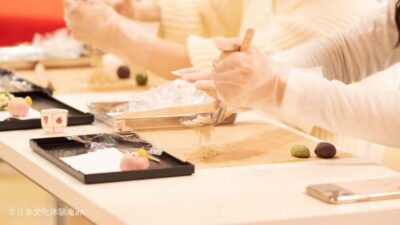
Japanese Traditional Sweets Making and Tea Ceremony
Read our review →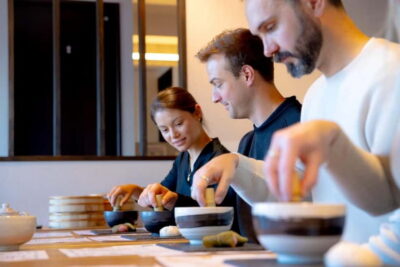
Make Traditional Nerikiri Sweets & Matcha experience in Shibuya
Read our review →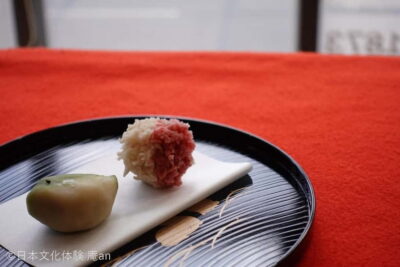
Japanese Traditional Sweets Making and Tea Ceremony
Read our review →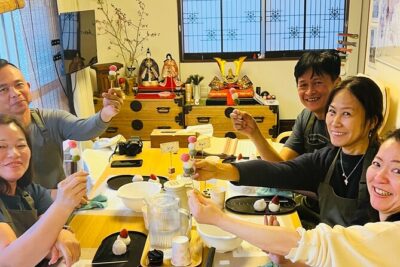
Private Mochi Sweets Making class near Shibuya area
Read our review →Browse the lists this tour appears in