
Reviewed · WALKING TOURS
Tokyo: Imperial Palace East Gardens Walking Tour
Cherry blossoms have a backstory here.
This 2.5-hour walk through the Imperial Palace East Gardens turns quiet paths into a live lesson about Edo Castle and the Tokugawa shoguns. I especially loved how the route mixes garden beauty with military-era details, and how the Ninomaru Garden gives you a calm spot to slow down and actually look.
One heads up: this tour does not go inside the Imperial Palace.
So if you’re hoping for palace halls and rooms, you’ll need a different plan. The upside is that the East Gardens still hold enough stonework, ruins, and design to feel like you’re walking on history.
Guides really set the tone.
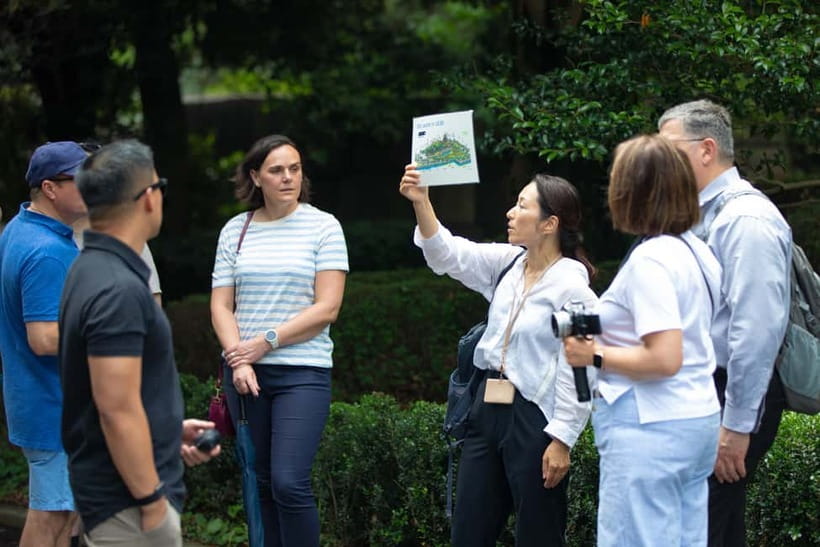
In reviews, guides like Kei, Mei, Wakana, Laura, and Meiko are repeatedly praised for clear explanations, friendliness, and even humor, like light jokes about the modern royal family while explaining feudal power. Some guides also use printed, laminated maps to help you place what you’re seeing, which makes the whole place easier to understand in real time.
Key moments you should look for

- Seasonal photo targets: cherry blossoms in spring and colorful fall foliage make the same paths feel totally different.
- Honmaru foundations and gates: you’ll see the layout clues of the former Edo Castle’s main compound, not just pretty views.
- Ninomaru Garden design: traditional Japanese garden elements like pruned greenery and stone lanterns shape the calm mood.
- Concrete military details: stone walls, guard houses, and watch towers help connect the gardens to defense and control.
- Old Tokyo meets New Tokyo: shogun stories give context for why modern Tokyo looks the way it does.
- English guidance that sticks: many guides are praised for making history easy to follow, even on rainy days.
Starting at Kokyo Gaien, then walking into Edo Castle reality
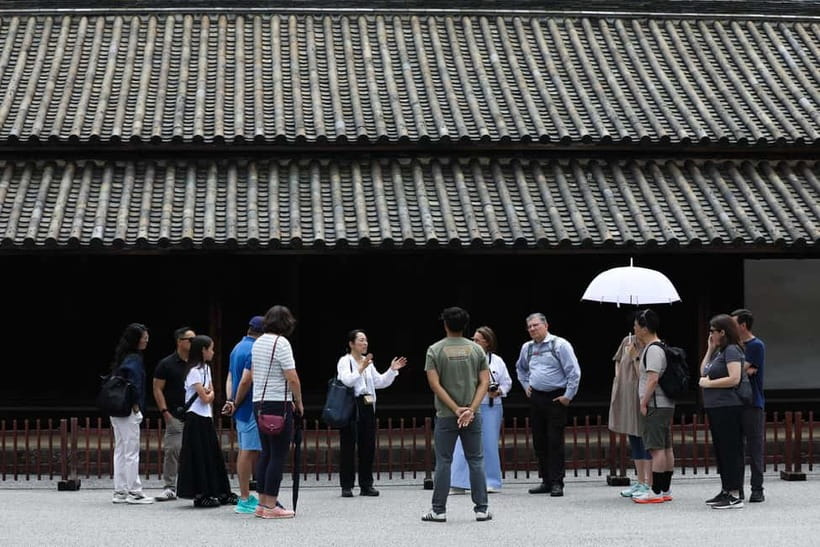
The tour meets at Starbucks Coffee in Kokyo Gaien Wadakura Fountain Park (near the Imperial Palace area). It’s a simple, easy-to-spot meetup that helps you start without stress, which matters when you’re trying to squeeze Japan sightseeing between train transfers and museum time.
Once you begin walking, the big idea is clear: you’re not touring a museum building. You’re touring grounds that used to be part of Edo Castle, the political center where Tokugawa shoguns lived during the Edo period. That context matters because the gardens aren’t just decorative. They were shaped in a system where order, visibility, and control mattered.
The day I’d plan this, I’d aim to pair it with a flexible afternoon later. You’ll likely want time to linger after the guided portion, especially around the garden sections that encourage slow looking and quiet pauses.
More Walking Tours in Tokyo
- Tokyo Tsukiji Fish Market Food and Culture Walking Tour
★ 5.0 · 3,184 reviews - Tokyo: Imperial Palace and Shogun Historical Walking Tour
★ 5.0 · 2,251 reviews - Tokyo: Shinjuku Local Bar and Izakaya Guided Walking Tour
★ 4.9 · 1,794 reviews
East Gardens sights: ponds, bridges, bonsai, and stone that means business
Inside the East Gardens, you’ll move through carefully kept scenery that feels peaceful, but the guide keeps reminding you there’s structure underneath. Expect classic garden features like ponds, bridges, and bonsai-style pruning. You’ll also see built elements tied to the castle past, like stone walls and other remnants.
What I like about this part is how the tour balances “wow, pretty” with “wait, why is that here?” For example, you might spot stonework that looks like it belongs in a dramatic movie scene. With a guide, it turns into a clue about what people needed to protect, watch, and manage.
You should also pay attention to your sense of direction. The East Gardens can feel like a designed maze of greenery and sightlines. A good guide helps you keep your bearings by pointing out which sections connect to the castle layout and which parts were meant for contemplation and beauty.
Honmaru area ruins: how the castle’s main compound worked
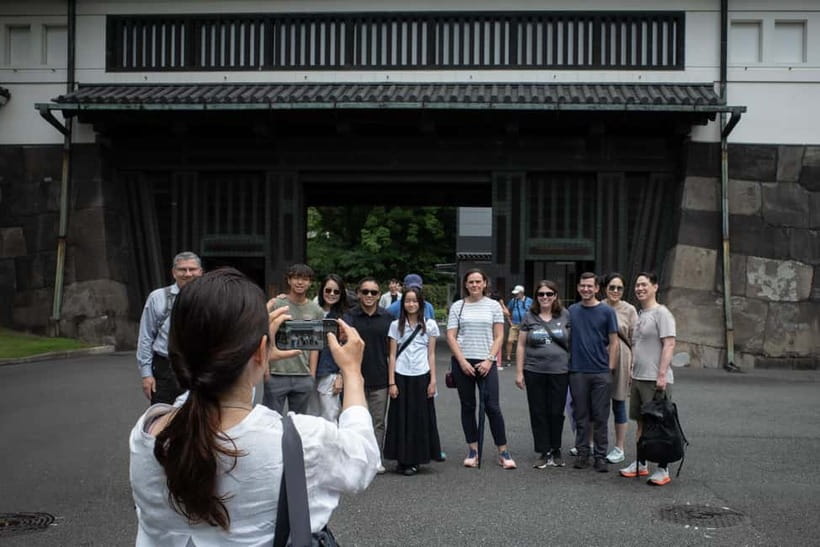
One of the most valuable segments is the walk through the Honmaru area, the former heart of Edo Castle. Even though much is gone, you can still make sense of the space through what remains: foundation traces, gate clues, and defensive structures.
The practical magic here is interpretation. Gardens today can feel timeless, but the Honmaru section is where the tour turns back time and shows how people built for security. You’re not just looking at stone. You’re seeing how the castle would have organized movement, access, and protection.
There’s also a reality check in this area. Since some ruins are limited, you may not see dramatic walls at every turn. That’s why a guide helps so much. The better they explain the layout, the more satisfying it feels, even if the site is not “complete” in the way a full reconstruction might be.
If you like military architecture, feudal layout, or just puzzles, this is the section to savor. Even 150 minutes can feel long when you’re distracted, so try to slow down here and let the story land.
Ninomaru Garden: the traditional design that makes you exhale
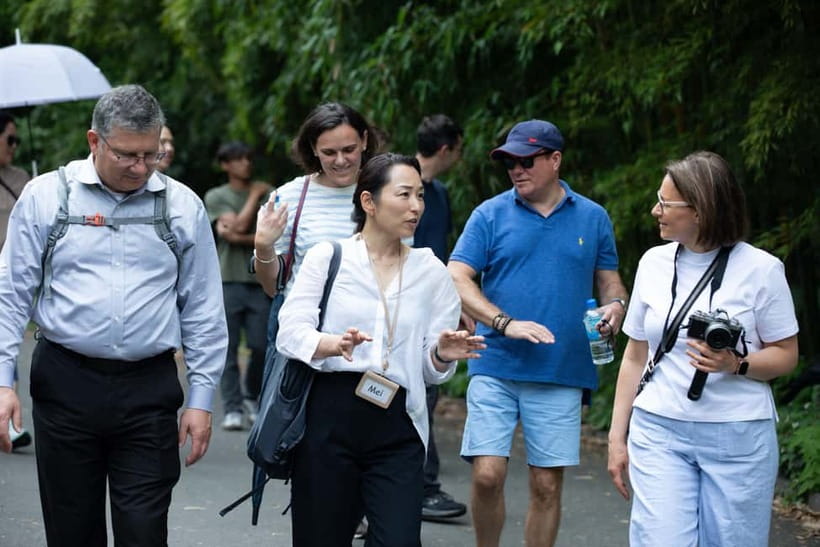
After Honmaru, the mood shifts. The tour includes time for the Ninomaru Garden, known for scenic beauty and traditional Japanese design. Here, you’ll notice the careful arrangement of plants and stone features, including elements like stone lanterns and meticulously pruned greenery.
This is where I’d stand still for a minute, because the Ninomaru Garden is built for your attention. In a hurry, it can look like “just another garden.” On a guided walk, it becomes a place where design decisions guide how you look, where you notice details, and when you feel calmer.
If you’re traveling with someone who doesn’t care much about feudal politics, this section is a win. It’s beautiful, quiet, and human-sized. The story still matters, but you’re also getting a real break from the constant “tell me more” mode.
Seasonal timing helps too. In spring, cherry blossoms can create that classic Tokyo postcard moment. In fall, colorful foliage changes the whole palette and makes the slow-looking part feel extra worthwhile.
Same corner of Japan, a different kind of day:
- Mt Fuji and Hakone 1-Day Bus Tour Return by Bullet Train
★ 5.0 · 26,383 reviews - 1-Day Tokyo Bus Tour
★ 5.0 · 14,250 reviews - Tokyo: TOKYO SKYTREE® Admission ticket
★ 4.5 · 11,192 reviews - Tokyo: teamLab Planets TOKYO Digital Art Museum Entry Ticket
★ 4.6 · 9,779 reviews
“Old Tokyo” shogun stories and a little modern royal humor
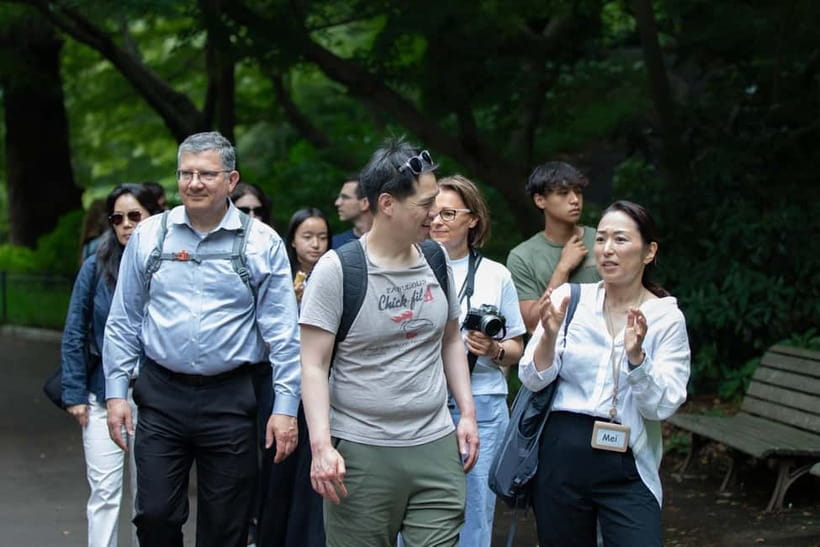
A big part of the appeal is the way guides connect the garden world to Tokyo’s bigger story. The tour focuses on the contrast between Old and New Tokyo, often through shogun-era power and the role of the Edo Castle.
In reviews, guides like Kei and Mei get praised not only for facts, but for making it feel like a conversation. People mention funny comments about the modern royal family and how the guide uses that angle to help you understand continuity and change in Japan’s leadership culture.
I like this approach because it prevents the tour from turning into a lecture. You’re not just collecting dates. You’re building a mental map of how authority worked back then, and why Tokyo developed into what you see today.
If you want to get the most out of this storytelling, come prepared with one or two questions. Something like, How did the shogun’s base shape what happened in the city around it? A good guide will usually have an answer ready, or at least a strong explanation that helps you connect the dots.
Walking time, timing, and what to wear
This is a guided walking tour that runs about 150 minutes. That’s long enough to feel you got value, but short enough that you’re not trapped in sightseeing fatigue. Still, you’ll want comfortable shoes, because garden paths plus Tokyo sidewalks can add up.
The good news from real experiences is that the tour keeps going even when weather turns. Reviews mention rain, and guides are described as good at keeping the group comfortable and engaged.
Plan your day so you can enjoy the pauses. Some of the best parts of the East Gardens happen when you stop and just look. If you schedule something stressful right after, you’ll miss the slow magic.
If you’re mobility-limited, the tour is listed as wheelchair accessible. I’d still think of it as a walking tour in a landscaped environment. Wear layers for sun or drizzle, and bring a small umbrella if you like to be safe.
Price and value: $19 for a guided history-garden blend
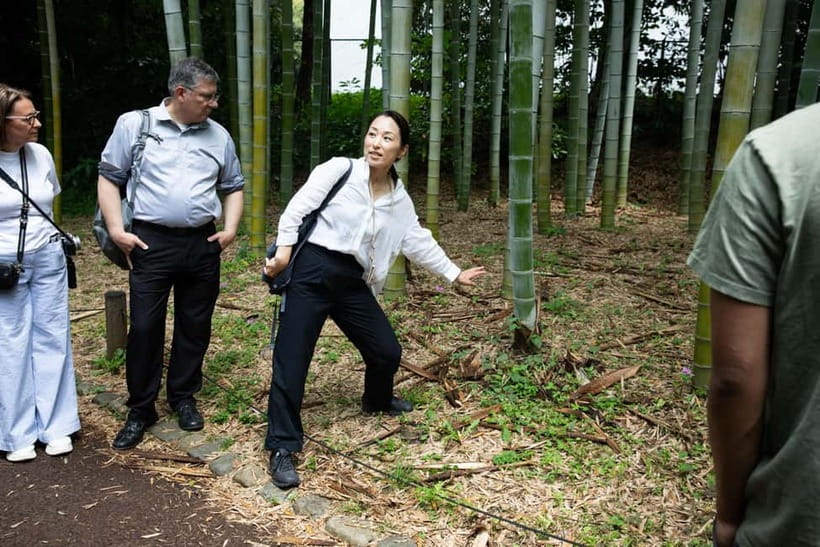
At $19 per person, this feels like a good deal for what you get: a guided walk, interpretation of garden design, and explanations that connect the grounds to Edo Castle and shogun history. A lot of Tokyo sightseeing costs more and gives you less context.
The trade-off is simple. This tour includes the walking and the guide, but it does not include entry to the Imperial Palace, and it also does not go inside the palace. If your dream is to see interior palace areas, you’ll need a separate ticket or activity.
That said, the value here comes from making the East Gardens readable. Without a guide, a lot of stone and greenery can feel like scenery. With a guide, it becomes a guided understanding of why these places were built and how they functioned in feudal Japan.
If you’re budgeting and you want one afternoon that blends calm with clarity, $19 buys a lot of meaning.
Guide quality: why so many people rave about the explanations
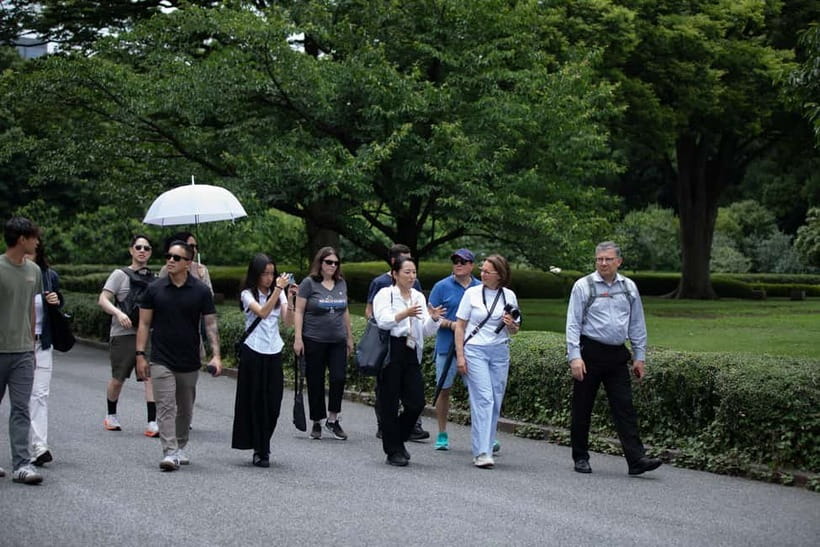
The most consistent praise is about the guides themselves. Names that show up again and again include Mei, Wakana, Kei, Laura, Meiko, Miyu, Midori, Tatsie, and Luis. People describe them as friendly, patient, and strong at explaining the connection between the castle remnants and the gardens you walk through.
Several reviewers also highlight small practical teaching tools. One example: a guide provided printed, laminated maps so you could follow the castle layout while standing in the right area. That kind of help makes the tour feel less mysterious and more satisfying.
There’s also a theme of generosity. Reviews mention guides offering to take group photos, taking extra time for questions, and even pointing guests toward other helpful areas after the tour. That’s not required for a tour to function, but it’s a sign of guides who actually want you to leave Tokyo with good memories and good next steps.
A note on what this tour does not do
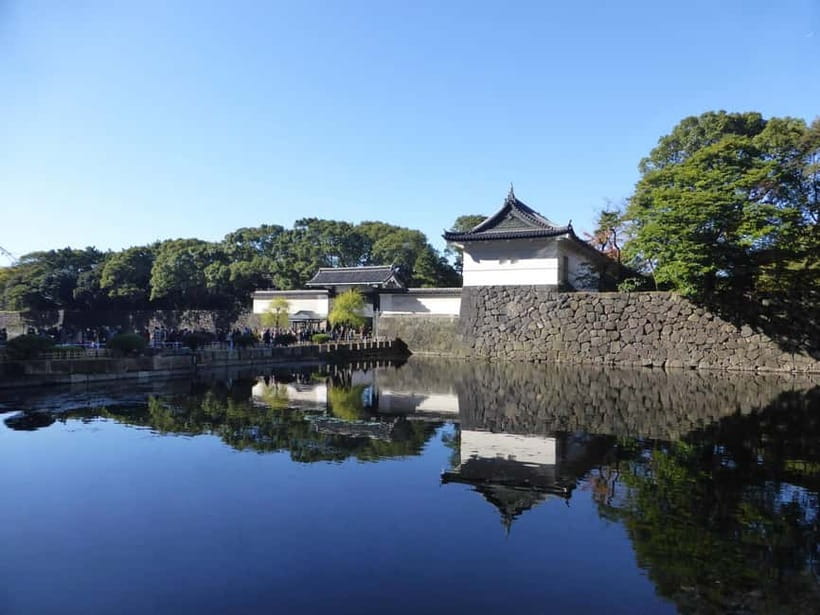
To keep expectations clean, remember two things:
- You do not go inside the Imperial Palace.
- Entry to the Imperial Palace is not included.
So treat this as a guided experience of the East Gardens and the surrounding historical layout cues. It’s the right choice if your goal is to understand the Edo Castle setting and enjoy traditional garden design in a way that feels guided, not confusing.
Who this tour suits best
This tour is a strong fit if you want:
- A guided way to understand Tokyo’s Edo-era roots
- A mix of garden beauty and feudal-era interpretation
- A calm, slow section of the day that still teaches you something real
It’s also a good choice for first-time visitors who feel overwhelmed by Tokyo’s scale. The story gives you a framework. You’ll stop seeing the Imperial Palace area as one big photo stop and start seeing it as a system of spaces shaped by security, status, and aesthetics.
Should you book the Imperial Palace East Gardens walking tour?
Yes, I’d book it if you like history but don’t want to sit in a classroom. The East Gardens are beautiful, and the guide makes them make sense through the Honmaru remnants, the Ninomaru Garden design, and the defensive stone details you might otherwise miss.
Skip it or pair it differently if your main goal is to see inside the Imperial Palace itself. This tour focuses on what you can see from the grounds, not palace interiors.
If you can travel in spring or fall, go when the gardens are at their seasonal best. That cherry blossom or autumn foliage glow adds something extra, and the tour already gives you the historical context to make those photos feel meaningful, not just pretty.
If you want one afternoon in Tokyo that blends calm walking with sharp explanations, this one is a solid bet.
FAQ
Where is the meeting point for the Imperial Palace East Gardens walking tour?
You meet at Starbucks Coffee in Kokyo Gaien Wadakura Fountain Park. Your guide will wait nearby, and the location is listed with coordinates 35.68299330000001, 139.7611971.
How long is the tour?
The guided walking tour lasts about 150 minutes, which is roughly 2.5 hours.
Does the tour include entry to the Imperial Palace?
No. Entry to the Imperial Palace is not included, and the tour also does not go inside the Imperial Palace.
What part of the grounds does the tour focus on?
The tour focuses on the Imperial Palace East Gardens, including areas tied to the former Edo Castle grounds such as Honmaru and Ninomaru, plus historical artifacts within the gardens.
Is the tour guided and in English?
Yes. It includes a live tour guide, and the tour language is English.
Is the tour wheelchair accessible?
Yes, the tour is listed as wheelchair accessible.
Is free cancellation available?
Yes. You can cancel up to 24 hours in advance for a full refund.
Fresh options around Tokyo
- Tokyo: Nagano Snow Monkeys and Zenkoji Tour with Temples★ 4.9 · 19 reviews
- Yokohama Port: Private Customizable Tour with Transfer★ 5.0 · 19 reviews
- Explore Unique Tokyo Streets / Learn with a Pro Photographer★ 5.0 · 19 reviews
- Sushi Making with Interactive Samurai Experience at JIN-ASAKUSA★ 5.0 · 19 reviews
- DAIKOKU excursion by car DRIFT automobile encounter★ 4.5 · 19 reviews
- Official Street Go Kart Tour Akihabara 2nd★ 5.0 · 19 reviews
- Cosplay Experience with Professional Makeup and Photo Shoot!★ 5.0 · 19 reviews
- Tokyo: Name Seal & Pouch or Tote Bag Making Experience★ 4.5 · 19 reviews
Walking Tours, compared.
Kyoto Geisha Walking Tour: Gion District & Hidden Gems
Read our review →
Tokyo Tsukiji Fish Market Food and Culture Walking Tour
Read our review →
Gion Magical Night Walking Tour with Geisha Trivia
Read our review →
Imperial Palace and Shogun Historical Walking Tour
Read our review →
Gion Geisha District Walking Tour – Stories of Geisha
Read our review →
Shinjuku Local Bar and Izakaya Guided Walking Tour
Read our review →
Browse the lists this tour appears in