
Reviewed · WALKING TOURS
Tokyo: Dark Side of Tokyo Shinjuku Red Light Walking Tour
Tokyo at night has a double life. This Shinjuku dark side walk shows you the one most first-timers miss, from neon streets to tiny bar lanes.
I especially love how the tour blends LGBTQ-area nightlife sights with real local context, and I also like the way the guide steers you through places that are hard to read on your own. One thing to keep in mind is that the meeting point is tricky in a huge station, and the tour does not wait if you are late.
Key things I think are worth your attention
- Kabukicho after dark: guided time in the biggest Tokyo entertainment zone
- Omoide Yokocho: short stop, big atmosphere, great for orienting your senses
- Golden Gai: small, characterful bar alleys where you can see Tokyo’s nightlife style up close
- A history-and-culture format: you get context for how this area changed over time
- Food and drink recommendations: you leave with ideas for where to eat and drink next
- Live guides in English or Spanish: names like Dani, Gray, Loc, and Huy came up often in reviews, and the vibe is friendly
Tokyo’s night school starts in Shinjuku’s neon alleys
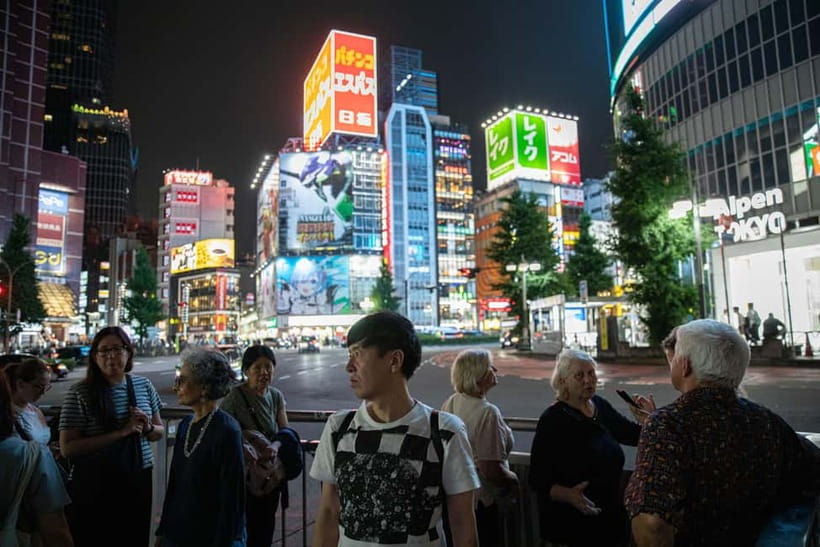
If you want Tokyo without the postcards, start in Shinjuku. This is where the city looks loud, fast, and slightly secret, especially around Kabukicho, one of the most famous entertainment districts in Japan. The best part of this tour is that it does not treat nightlife as a checklist. It explains what you are seeing and why it exists.
You get a guided walk through the neighborhood after sunset, when the lighting, crowds, and signage snap into place. The tour also touches LGBTQ nightlife areas, so the route feels more modern and less purely traditional. I also like that you will see a mix of places, from alleyway food streets to skyscraper-adjacent energy. That contrast is very Tokyo.
The main practical concern is the start. Shinjuku Station is huge. If you are arriving in Tokyo for the first time, give yourself extra time, because the guide will not wait for late arrivals.
More Walking Tours in Tokyo
- Tokyo Tsukiji Fish Market Food and Culture Walking Tour
★ 5.0 · 3,184 reviews - Tokyo: Imperial Palace and Shogun Historical Walking Tour
★ 5.0 · 2,251 reviews - Tokyo: Shinjuku Local Bar and Izakaya Guided Walking Tour
★ 4.9 · 1,794 reviews
Meeting point reality check at Shinjuku Station
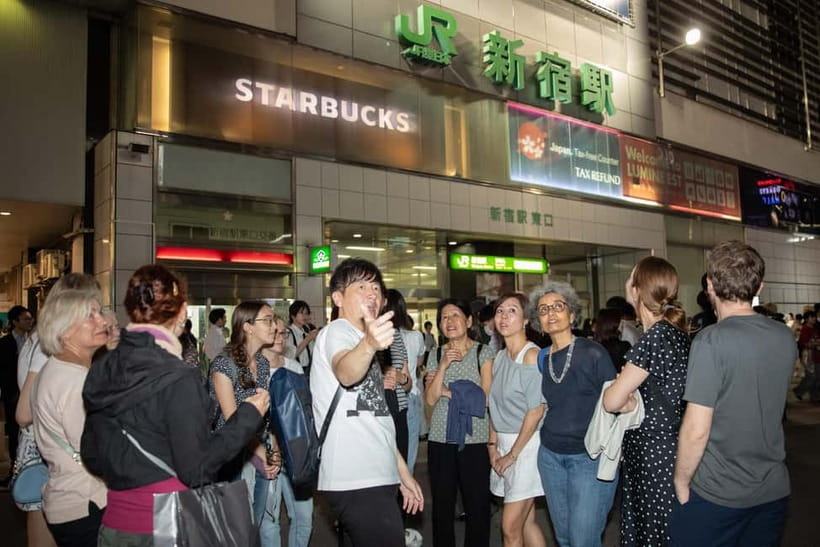
You have two starting options, and both are in the Shinjuku area. You will meet at either the Shinjuku Tourist Information Center or the Shinjuku Station East Exit Police Box.
If you choose the police box meeting point, treat it like a navigation exercise. The location is hard to find on a first day in Tokyo, and multiple tour companies may use the same general area. The tour notes also make it clear: do not be late, and they do not wait for late customers.
Here is my best advice for making this easy. Before you go, screenshot the exact pin location in your maps app, then walk there at least a few minutes early. Shinjuku is bright, busy, and confusing in the most normal way.
Two hours that actually fit Tokyo nights
At 2 hours long, this is a smart “first-night” style tour. It is long enough to get into multiple micro-neighborhoods, but not so long that you lose momentum or your energy. The pacing is guided, so you are not constantly stopping to figure out where you should go next.
Also, the tour is adult-oriented. It is not suitable for children under 18, and the activity rules say no alcohol and no drugs. That matters. It keeps the experience more about learning and sightseeing, and less about turning it into a party you might not be ready for.
The guide is live, and the tour runs with English or Spanish. In reviews, guides like Dani, Gray, Loc, and Huy were highlighted for mixing stories with jokes and practical suggestions. If you like a guide who talks, this style tends to land well.
Omoide Yokocho: the alley with instant Tokyo atmosphere
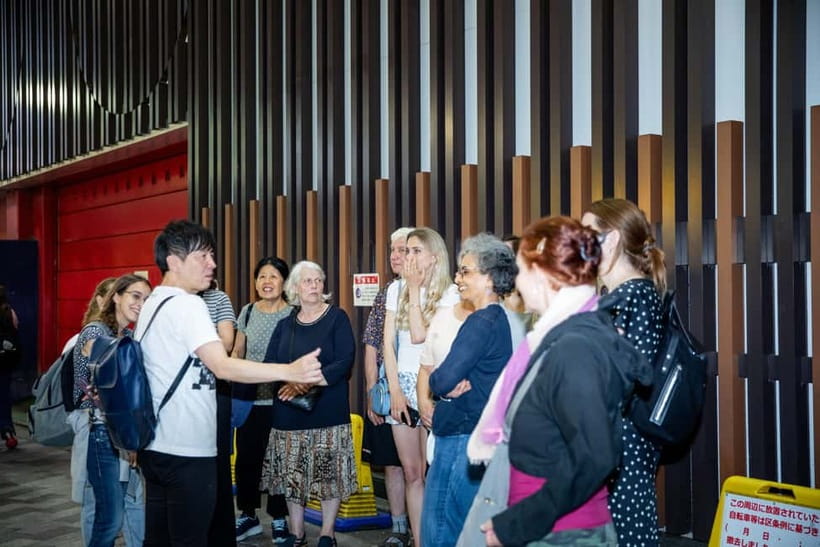
You start the core sightseeing portion with Omoide Yokocho. The time is about 20 minutes, and this is the kind of stop that works even if you do not have time for a full meal right now. Why? Because the place gives you an instant read on Tokyo’s nightlife culture.
Think narrow lanes, packed-looking storefronts, and the sense that this district runs on evenings. It is a great spot to orient yourself. You can feel how the city uses small spaces to create big social energy.
One practical bonus: the guide typically points out where to go next for food. In multiple reviews, people mentioned recommendations that turned into real dinner choices, including okonomiyaki and later ramen after the tour. Even if you do not eat during the walk, this stop helps you understand what kinds of places you should look for when you wander afterward.
A possible drawback is simple: it is busy. If you hate crowds, go into this expecting shoulder-to-shoulder lanes.
Same corner of Japan, a different kind of day:
- Mt Fuji and Hakone 1-Day Bus Tour Return by Bullet Train
★ 5.0 · 26,383 reviews - 1-Day Tokyo Bus Tour
★ 5.0 · 14,250 reviews - Tokyo: TOKYO SKYTREE® Admission ticket
★ 4.5 · 11,192 reviews - Tokyo: teamLab Planets TOKYO Digital Art Museum Entry Ticket
★ 4.6 · 9,779 reviews
Kabukicho for 40 minutes: neon, adult Tokyo, and context
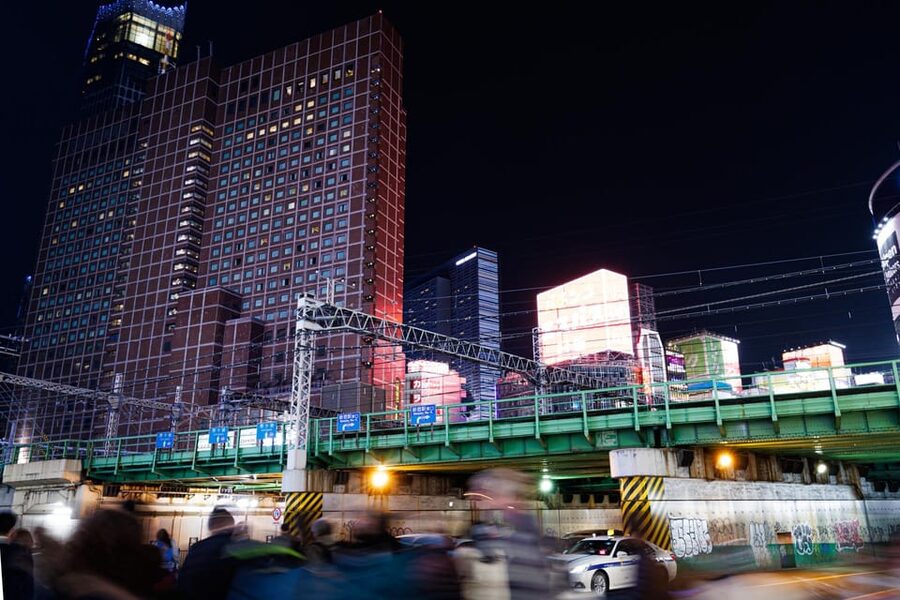
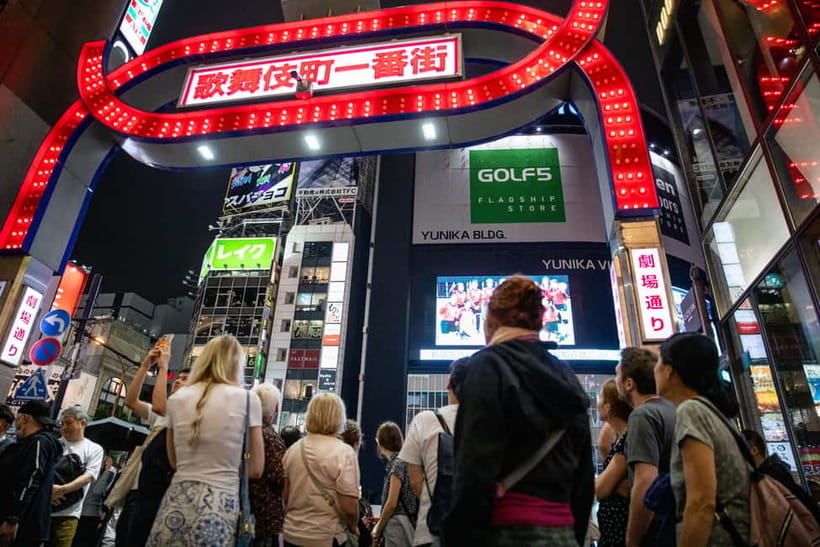
The largest block of time is Kabukicho, with about 40 minutes of guided walking. This is the “dark side” main event, the area famous for red-light history and modern entertainment. You will see the street-level spectacle, including bars, izakayas, entertainment complexes, and that dense, neon-lit Tokyo look that only exists after sunset.
The guide’s job here is not just to point. It is to connect the dots. Kabukicho has evolved from its red-light roots into a broader entertainment hub, and the tour is built around that story. That context helps your brain file what you see into something understandable. Instead of thinking, Why is this place like this? you start thinking, Oh, this is Tokyo reshaping older districts into new forms.
I also like that the tour does not rush this segment. Kabukicho is visually intense. The extra minutes help you slow down just enough to notice signage styles, crowd behavior, and the way people move between entertainment venues.
One consideration: the content is adult-themed by nature. The tour is still just walking and learning, but you should be comfortable being in a nightlife district.
Golden Gai: micro-bars, strong personalities, and an easy reset
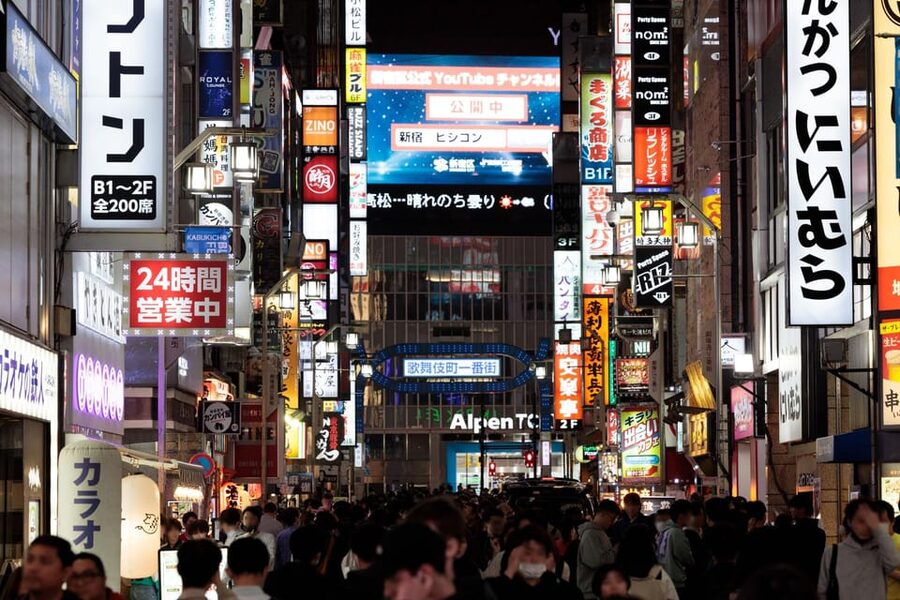
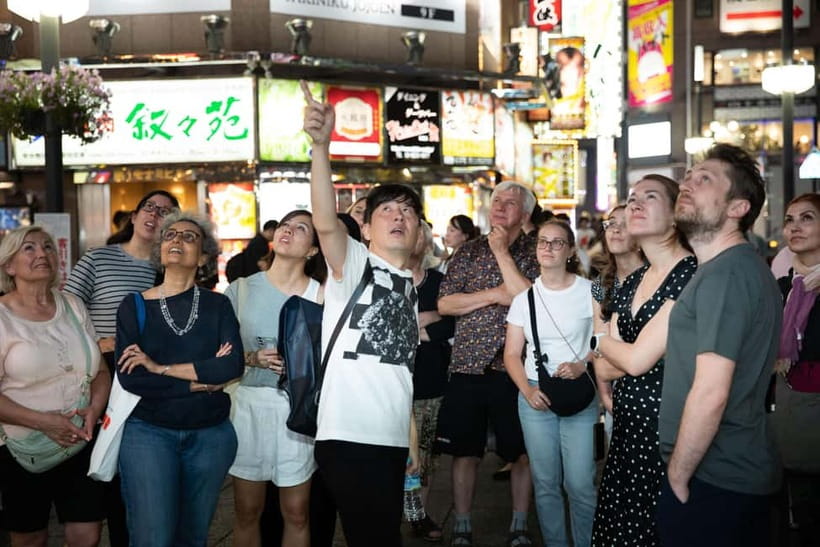
Next you head to Golden Gai, with about 20 minutes guided time. If Kabukicho is the big screen, Golden Gai is the close-up. This area is known for its tiny bar spaces and strong local identity, and it is one of the best places to understand Tokyo nightlife as a social system, not just a location.
The contrast is the point. Kabukicho can feel like a carnival of neon and crowds. Golden Gai feels more like a collection of small worlds. Even if you do not go inside every venue, you get a sense of how Tokyo people build community in compact spaces.
In reviews, people praised the guide for storytelling and for knowing where to stand and look, so you get the vibe without feeling lost. This is a good stop for photos too, but keep your pace respectful. The lanes are tight.
A small drawback: if you are expecting a single “big landmark” moment, Golden Gai is more about atmosphere than one view. You will get more out of it if you like exploring details.
Hanazono Shrine: a quiet pause inside the noise
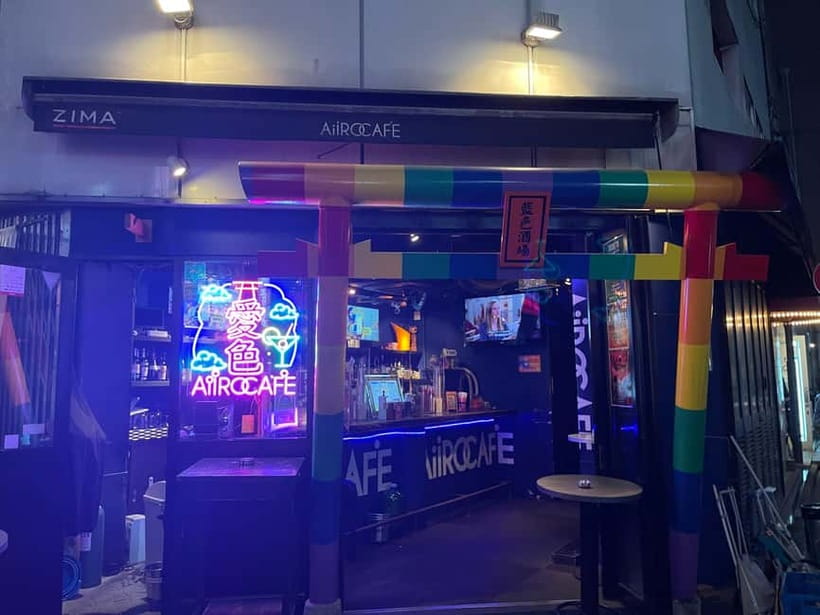
About 20 minutes goes to Hanazono Shrine. This stop acts like a reset button. After hours of street lighting and entertainment energy, you get a calmer pocket of Tokyo.
This is where the tour’s blend of traditional and contemporary becomes obvious. You are still in Shinjuku, still in a nightlife zone, but you shift from the adult street world to a sacred space and a different rhythm of attention.
This stop is valuable because it keeps the tour from feeling one-note. It also helps you take a breather before the final stretch.
If you are the type who wants “only nightlife,” you might feel the shrine is a detour. But if you want to understand Tokyo as more than nightlife, it fits the bigger picture.
2 Chome: finishing with city feel and nearby options
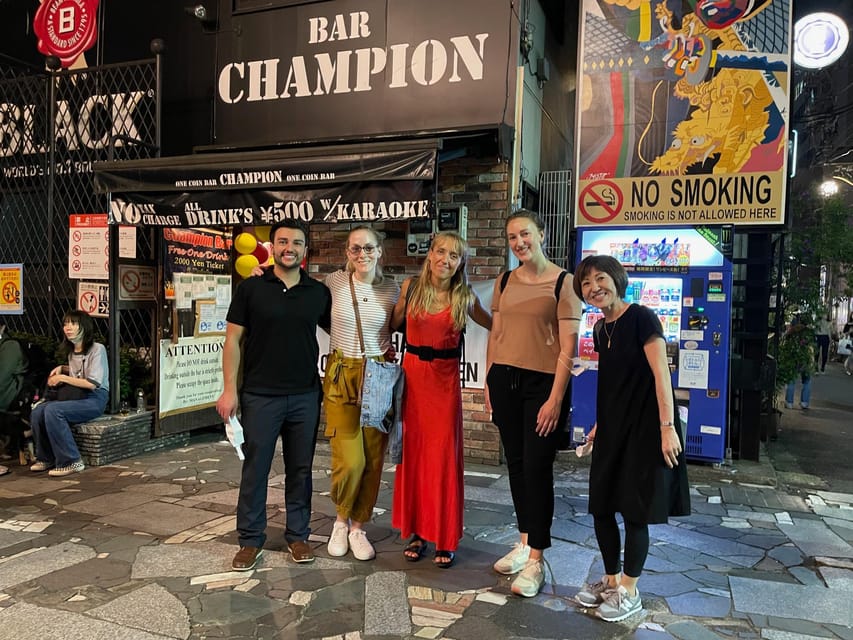
The final sightseeing stop is 2 Chome, with about 20 minutes of guided walking. This area helps round out your sense of Shinjuku as a lived-in, multi-purpose neighborhood, not just a single district you pass through.
The tour then drops you off at two locations: Shinjuku Golden-Gai and 3 Chome. That is practical. It means you can continue exploring nearby without having to backtrack across the biggest parts of the station zone.
This is also where your guide’s food suggestions matter. Even if you do not eat right away, the tour helps you understand what you are looking for when you decide on dinner or a final drink. Reviews commonly mention ramen and other local foods as the kind of follow-up that works well after the walk.
What you get from the guide, and why it matters
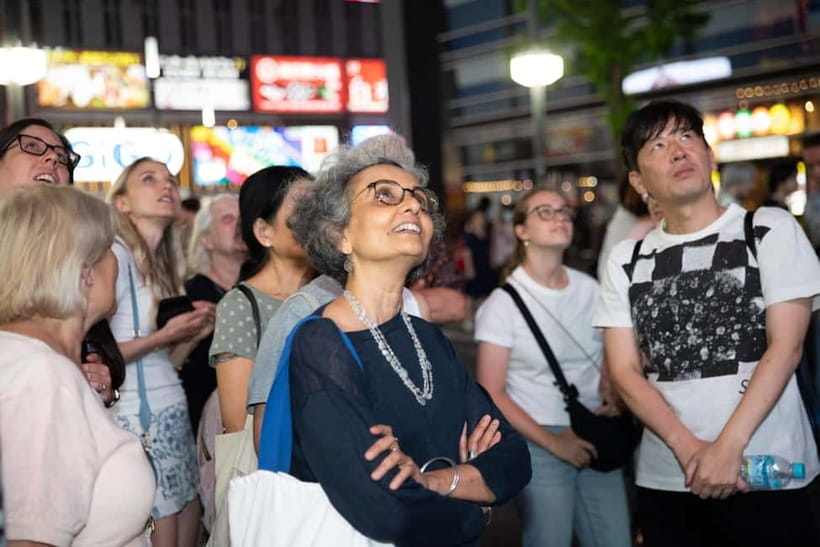
A walking tour like this lives or dies by the guide. The consistently praised part in the reviews is the combination of storytelling, humor, and useful recommendations. People repeatedly mentioned guides who were quick to answer questions and who gave practical suggestions for where to go after the tour.
Names that came up often include Dani, Gray, Loc, Huy, Danny, Polina, Uta, and Daichi. That tells you something important. This is not a script reading. The guide voice matters, and many different guides have been delivering a similar style: facts plus human energy.
I also like that the tour encourages learning about how Kabukicho changed over time, so you do not treat adult entertainment as pure spectacle. You understand it as part of Tokyo’s shifting urban life.
If you are someone who enjoys culture but does not want a classroom feel, this tends to fit.
Price and value: what $29 buys you in Tokyo time
The price is $29 per person, and the value is strongest when you treat it as time-saving and sense-making. Two hours in Shinjuku can feel like wandering if you do not know where to look. With a guide, you get:
- Focused stops in the areas that define the district
- Context for the area’s evolution
- Recommendations for what to eat or drink next
Also, you are paying for a live person doing the navigation and the explanations. That is where the value hides. Tokyo is not short on sights. It is short on time and context, especially at night.
Compared with solo wandering, this cost feels reasonable because you do not just get a route. You get someone helping you understand what the neon is trying to tell you.
Who should book this tour, and who might not love it
This tour is a good fit if you want a guided night walk in Shinjuku and you like understanding the city beyond the obvious highlights. It also works well as a first-night kind of orientation, because it helps you learn where the main nightlife clusters are and how to return to them later.
It is not a great fit if you need a family-friendly vibe. It is not suitable for children under 18, and the district itself is adult-themed.
It also might not be for you if crowds make you anxious. Shinjuku nightlife areas are busy, and the experience leans into that reality.
Should you book the Tokyo Shinjuku Dark Side walking tour?
Book it if you want an informed, practical night walk through Shinjuku, with a guide who can explain what you are seeing and point you toward a good next meal. The best reason to go is that you will finish with a stronger grasp of Kabukicho, Golden Gai, and the surrounding areas, plus ideas you can use right away.
Skip it if you want quiet sightseeing, or if you dislike adult nightlife districts. Also, if you are running late often on tours, plan extra time for the meeting point. Shinjuku will test your timing.
If you get to the meeting point early and keep an open mind, this tour is a smart way to understand Tokyo’s night life up close, without guessing your way through the neon maze.
FAQ
Where does the tour start?
You can start at either the Shinjuku Tourist Information Center or the Shinjuku Station East Exit Police Box. The meeting point can vary based on the option you book.
How long is the Shinjuku night walking tour?
The tour lasts about 2 hours.
How much does it cost?
The price is $29 per person.
What languages are the guides?
The live guides are available in Spanish and English.
Is alcohol allowed on the tour?
No. Alcohol and drugs are not allowed.
Is the tour suitable for children?
No. It is not suitable for children under 18.
Do I get a refund if I cancel?
Yes. Free cancellation is available up to 24 hours in advance for a full refund.
Fresh options around Tokyo
- Tokyo: Nagano Snow Monkeys and Zenkoji Tour with Temples★ 4.9 · 19 reviews
- Yokohama Port: Private Customizable Tour with Transfer★ 5.0 · 19 reviews
- Explore Unique Tokyo Streets / Learn with a Pro Photographer★ 5.0 · 19 reviews
- Sushi Making with Interactive Samurai Experience at JIN-ASAKUSA★ 5.0 · 19 reviews
- DAIKOKU excursion by car DRIFT automobile encounter★ 4.5 · 19 reviews
- Official Street Go Kart Tour Akihabara 2nd★ 5.0 · 19 reviews
- Cosplay Experience with Professional Makeup and Photo Shoot!★ 5.0 · 19 reviews
- Tokyo: Name Seal & Pouch or Tote Bag Making Experience★ 4.5 · 19 reviews
Walking Tours, compared.
Kyoto Geisha Walking Tour: Gion District & Hidden Gems
Read our review →
Tokyo Tsukiji Fish Market Food and Culture Walking Tour
Read our review →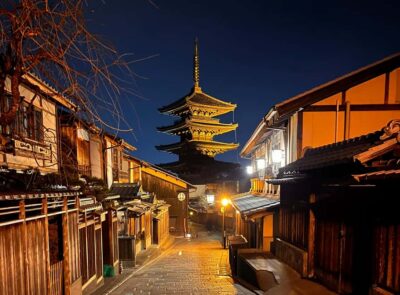
Gion Magical Night Walking Tour with Geisha Trivia
Read our review →
Imperial Palace and Shogun Historical Walking Tour
Read our review →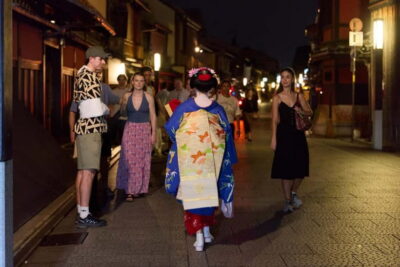
Gion Geisha District Walking Tour – Stories of Geisha
Read our review →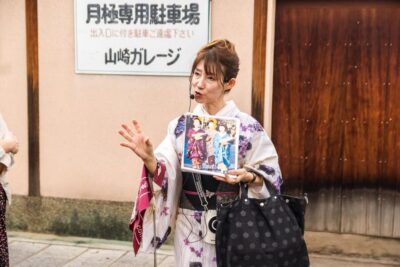
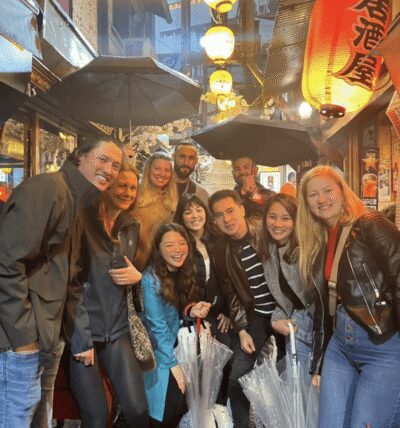
Shinjuku Local Bar and Izakaya Guided Walking Tour
Read our review →
Browse the lists this tour appears in