
Reviewed · WALKING TOURS
Tokyo: Private Walking Tour with a Local Guide
Tokyo clicks faster with a local guide nearby. This private, customizable walk through old shrines and modern districts is built around what you want to see, with English-speaking native Tokyo guides and temple and shrine entrance fees included. The main thing to plan for is that you will walk a lot, and some stops like Shibuya Crossing are intense crowds, so it may not feel like a relaxed stroll to everyone.
What I really like here is how personal it stays. Guides such as Miwa, Rika, Momo, Hina, Yossy, and Kanako have a pattern of contacting you ahead of time, tailoring the route around your interests, and using the train system efficiently so you spend less time lost underground. If you want photos, clear explanations, and a calm pace even on a hot day, that shows up again and again.
The only “watch-out” I’d put on your radar is expectation management: this is a walking tour, and it is not designed for wheelchair users or people who need mobility access. Also, if you add meals or special attractions, you will pay those extra costs yourself (and there are rules about covering the guide’s meal if you invite them).
Key highlights that make this Tokyo tour work
Pickup where you are, then move by public transport
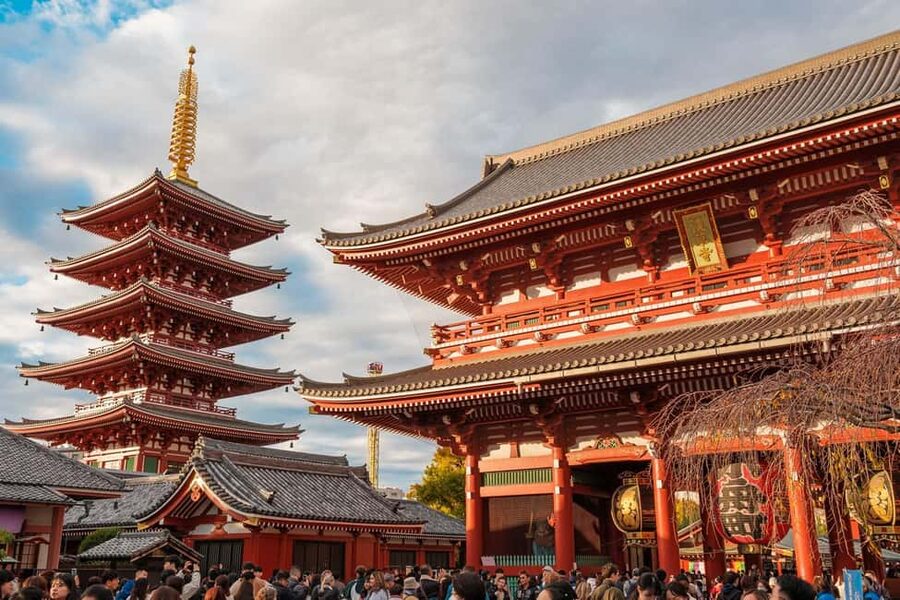
You choose the mix, from Senso-ji to Shinjuku
Entrance fees for temples and shrines are covered
Guides help you navigate trains with less stress
English guidance is clear, with lots of practical local context
Pacing is flexible, including cooling breaks on hot days
How the customized Tokyo route actually gets built
This tour is set up around your choices, not a one-size-fits-all checklist. You tell the guide what you care about, what neighborhoods you want, and what kind of day you’re after, then your final route gets confirmed with you about a day before.
That matters because Tokyo is huge, and a “great” plan can still feel like a scramble if you do not control the order. The guides I saw mentioned across the experience repeatedly help you make deliberate selections, then they connect the dots with efficient transit. In plain terms, you are not just ticking attractions. You are building a route that makes sense in real time.
You also get the benefit of flexible timing. Each stop has its own planned duration, but the guide can adjust within that structure so you are not stuck rushing through a sacred place or sprinting for the next train. This flexibility is why the tour fits both first-time visitors who want an orientation day and repeat visitors who want specific areas revisited.
One more small but important note: the tour description itinerary is a sample. Your exact mix and order can change based on your chosen duration option and what you finalize with your guide.
More Walking Tours in Tokyo
- Tokyo Tsukiji Fish Market Food and Culture Walking Tour
★ 5.0 · 3,184 reviews - Tokyo: Imperial Palace and Shogun Historical Walking Tour
★ 5.0 · 2,251 reviews - Tokyo: Shinjuku Local Bar and Izakaya Guided Walking Tour
★ 4.9 · 1,794 reviews
Hotel pickup in central Tokyo, and why meeting location matters
The tour includes pickup from your hotel or a preferred meeting point in central Tokyo. In practice, that cuts out the “where do we meet” anxiety that can derail the first hours of your trip.
You’ll also see a wide range of pickup options in central districts such as Shinjuku, Shibuya, Chiyoda, Minato, Taito, Koto, Sumida, Meguro, Nakano, Chuo, Shinagawa, and Toshima. That coverage is a quiet value-add. It makes it easier to start close to where you are staying, rather than burning time commuting just to begin the tour.
Once you meet, the guide stays with you for the full experience. They then help you travel between areas using convenient public transport, which is a huge advantage in Tokyo where train lines can feel like alphabet soup at first.
Senso-ji and Asakusa: the classic start with a guide who explains the meaning
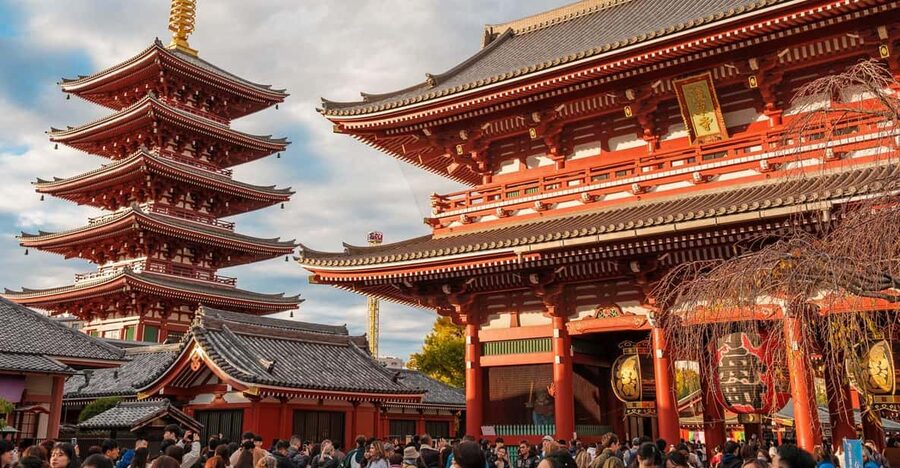
A lot of Tokyo tours jump straight to the flashiest neighborhoods. This one commonly starts with temples and the older, more ritual side of the city, especially around Senso-ji and Asakusa.
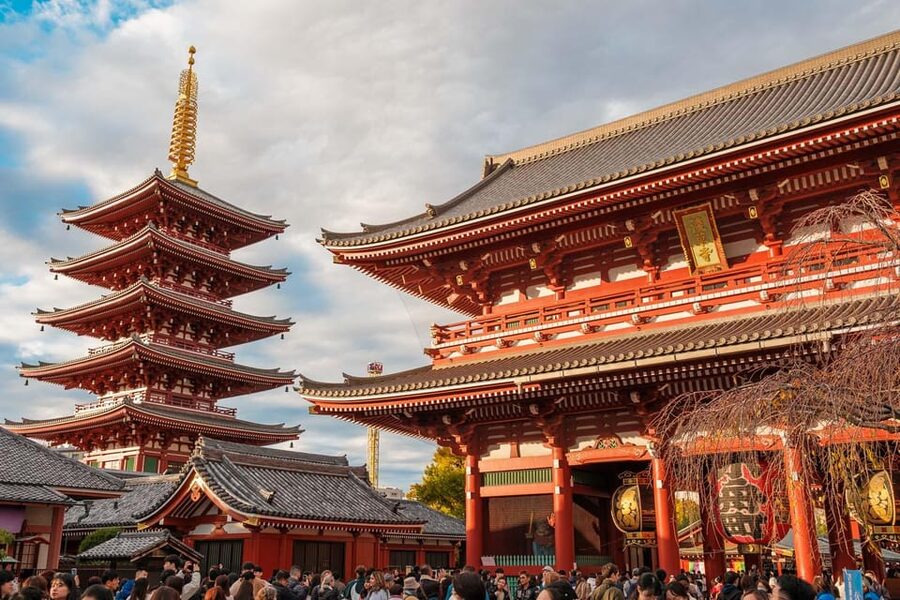
Senso-ji is the kind of place that looks instantly impressive, but it becomes even better when someone explains what you’re seeing and why it matters in everyday Japanese life. You get guided time at the temple, then the walk continues through Asakusa, a district where traditional streets and small shops sit right next to modern visitor energy.
What I like about this approach is pacing. Temples and shrines are good “starter landmarks” because you do not need to understand the transit system yet. You also get a calmer, more grounded Tokyo first, before the day turns into markets, shopping streets, and big-city crowds.
One practical thing: wear comfortable shoes. Even if you do not plan to do a lot of shopping, the area is walk-heavy. You’re moving for viewpoints, entrances, side lanes, and photo spots, and the guide helps you do it without wasting steps.
Ueno and Ameya-Yokocho: history meets shopping street energy
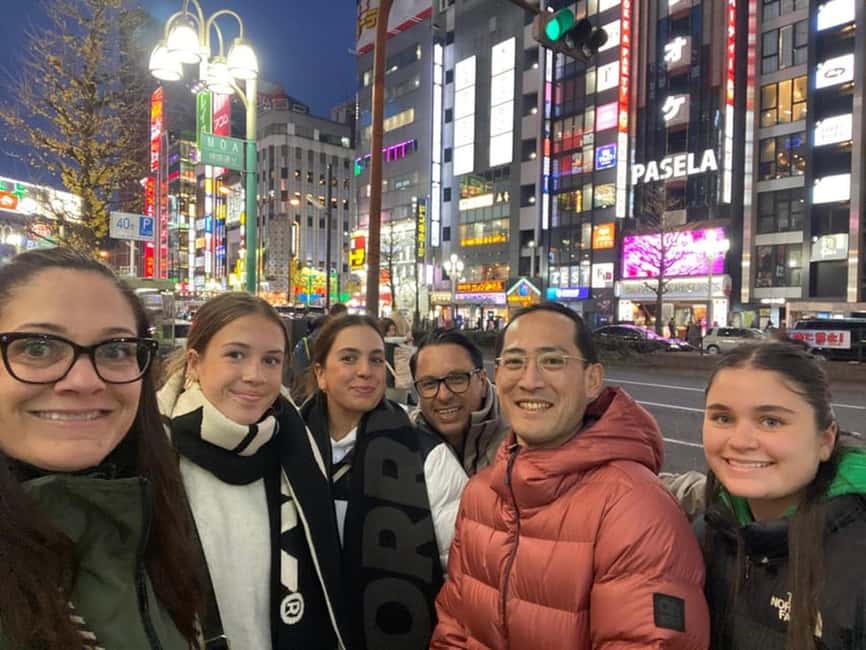
From temples, the experience often shifts toward Ueno and the surrounding area. Ueno is a strong choice because it balances culture and open-air space. The tour includes guided time there, which is useful if you want context without feeling like you’re reading a brochure while walking.
Then there’s Ameya-Yokocho, a market-style street known for variety. This stop works well on a private walking format because your guide can tailor what you focus on. If you love snacking and browsing, you can linger longer. If you want photos and quick orientation, you can move faster.
This is also where a guide’s sense of “what to skip” becomes valuable. One review mentioned that the tour felt packed with sights, so having someone help you keep momentum without missing what you care about can be the difference between a memorable day and an exhausting one.
Same corner of Japan, a different kind of day:
- Mt Fuji and Hakone 1-Day Bus Tour Return by Bullet Train
★ 5.0 · 26,383 reviews - 1-Day Tokyo Bus Tour
★ 5.0 · 14,250 reviews - Tokyo: TOKYO SKYTREE® Admission ticket
★ 4.5 · 11,192 reviews - Tokyo: teamLab Planets TOKYO Digital Art Museum Entry Ticket
★ 4.6 · 9,779 reviews
Akihabara to Shibuya: tech culture, big intersections, and crowd strategy
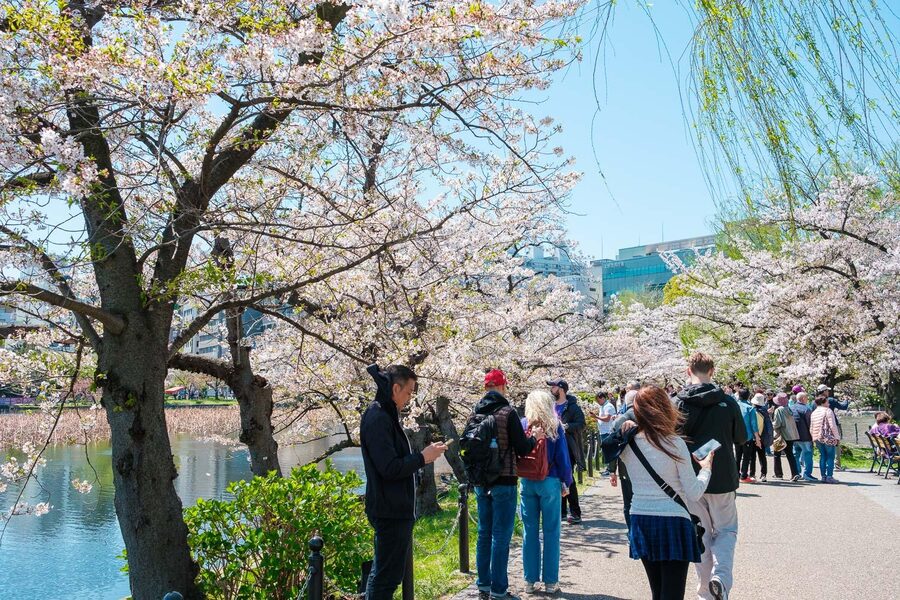
Akihabara and Shibuya are two of the most recognizable names in Tokyo. The advantage of visiting them with a guide is not that they point at buildings. It’s that they help you handle the human reality of Tokyo at peak times.
Akihabara is typically a district you either love or find overwhelming, depending on your interests. With a guide, you can zoom in on what fits your style, whether that means electronics, pop-culture shopping, or just understanding the vibe and how locals move through the area.
Then comes Shibuya Crossing. It’s iconic, sure, but it’s also a crowd magnet. One review even singled it out as the only stop they would not choose again in hindsight, which is a helpful reality check. If you prefer quieter streets, ask your guide to spend more time in adjacent neighborhoods and less time lingering in the densest part of the crossing itself.
Harajuku often pairs well with this area too, especially if you want a street-culture contrast after the big intersection. The tour may include it depending on your route plan, and it’s another spot where a guide helps you avoid random wandering.
Meiji Shrine and the Imperial Palace grounds: spiritual calm and formality
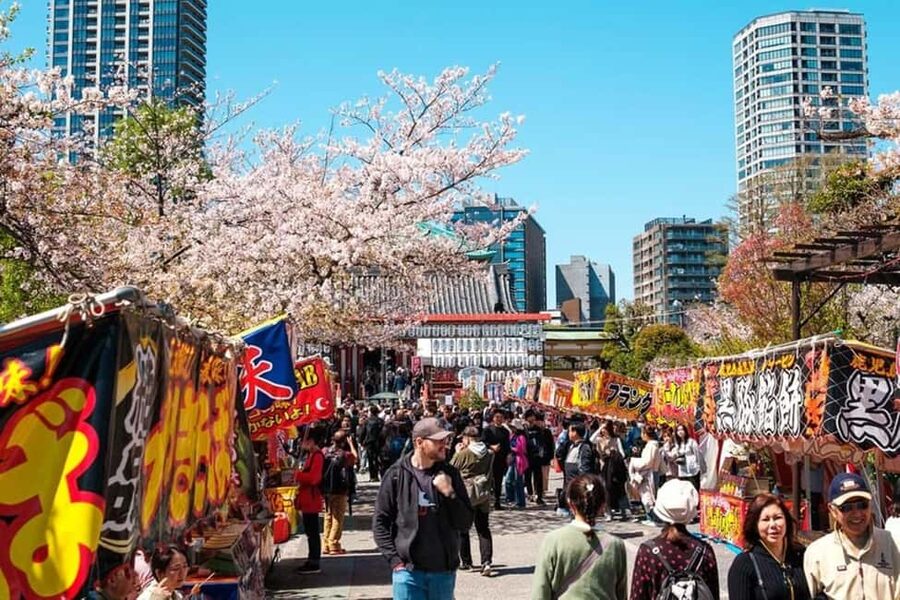
Tokyo has a talent for mixing intense urban energy with places that slow you down. Two stops that often deliver that contrast are Meiji Shrine and Tokyo Imperial Palace.
Meiji Shrine is a perfect “reset button” in the middle of a big day. You can see and feel the change in atmosphere, and a guide’s explanations help you connect what’s happening on the grounds to broader Shinto traditions and modern Japanese respect for sacred space. It’s also a nice break from nonstop shopping corridors.
Tokyo Imperial Palace brings a different tone. It’s more formal and historical, and the experience often feels more about structure, symbolism, and city layout than about street-level chaos. If you like understanding how Tokyo’s different eras coexist, these two stops together do a good job of showing the range.
Practical note: these areas can still involve walking on paths and through queues. If you want a truly low-effort day, you can ask your guide to build the route around shorter segments and longer rest breaks.
Tsukiji Outer Market and Ginza: food browsing with real-world navigation
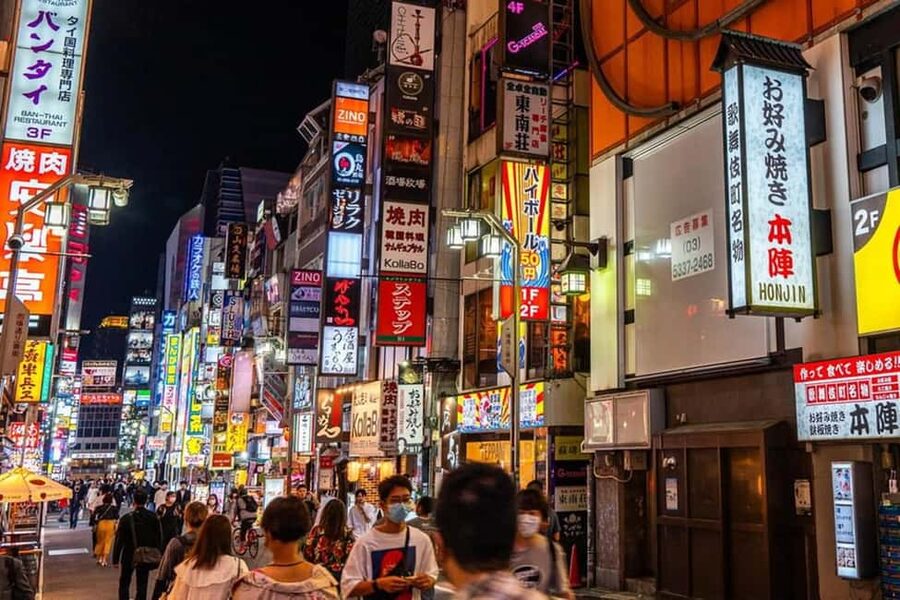
If you want a tour that includes taste and shopping energy, the pairing of Tsukiji Outer Market and Ginza can deliver. Tsukiji is not just about sights. It’s about food culture, and your guide can help you focus on what’s worth trying and where to stand so you do not lose time.
One review mentioned free taste tests and grilled seafood during the Tsukiji visit, which is exactly the kind of practical bonus that makes a guided market stop feel worth paying for. Another point that came up in feedback is how guides can also tack on nearby spiritual stops when they fit your route, so the day does not become only commercial.
Then Ginza adds a different flavor. It’s more polished, more shopping-focused, and a good place to understand Tokyo’s modern side after the market’s busy street energy. With a guide, you can do Ginza without turning it into a random mall crawl.
Budget tip: the tour includes temple and shrine fees, but meals are not included. If you plan to eat during the walk, you’ll need to cover your own food and also follow the rule about inviting the guide to join you at your meal cost.
Shinjuku and finishing strong with neighborhood contrast
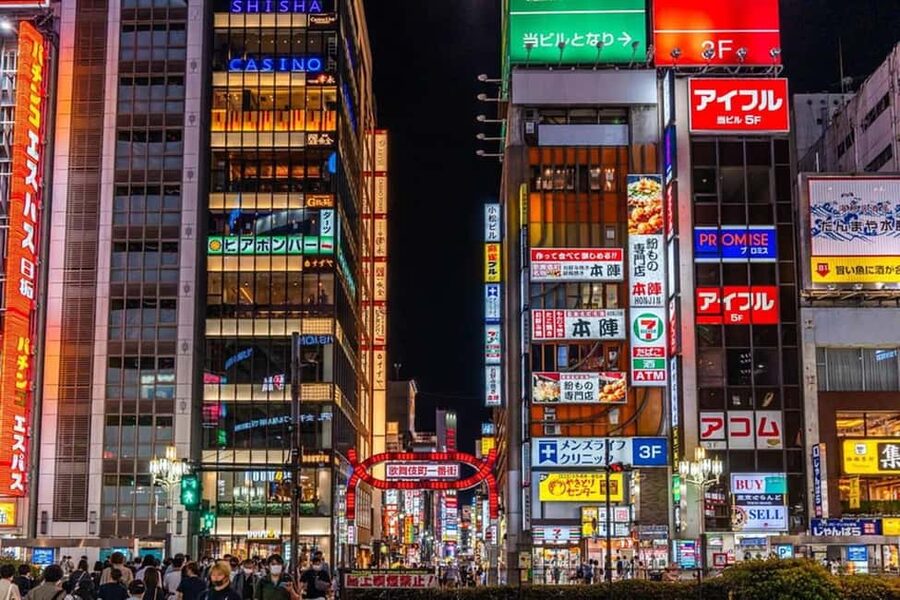
Shinjuku often shows up because it’s one of Tokyo’s most layered districts. You get a sense of what “modern Tokyo” looks like, but also how different streets can feel like different cities inside the same neighborhood.
The best part about ending in an area like Shinjuku is that Tokyo’s variety becomes obvious by contrast. Earlier parts of the day might cover sacred spaces, markets, and calmer streets, then Shinjuku brings you back into the urban rhythm.
A few review details point to why the guides are strong at pacing. One person noted the guide adjusted the schedule for a hot, humid day with cooling rest stops. Another mentioned the guide helped with taxis instead of pushing through crowded trains when walking pace was an issue. That’s not about comfort-as-an-afterthought. It’s about doing the route in a way that keeps you enjoying it instead of just completing it.
Since “other transport” is not included, taxis are extra. But the guide can still help you decide when a switch would save energy.
Value for $53: what’s included, what costs extra, and how to budget smarter
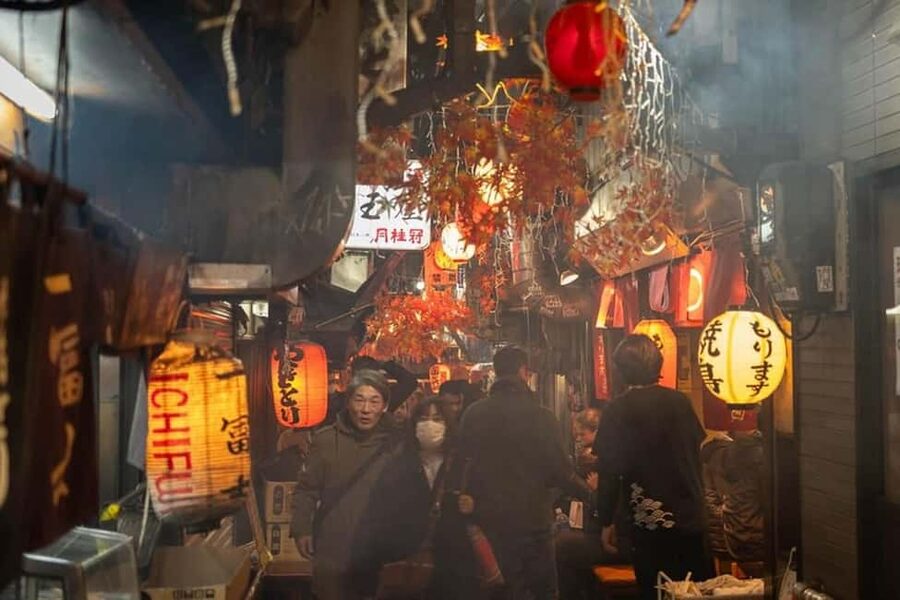
At about $53 per person, the value here comes from three things: private time, covered temple and shrine entrance fees, and the guide’s skill at getting you from place to place without wasting hours.
Because it’s private, you’re not stuck with a group schedule that forces compromises. If you want more time in Asakusa or less time in a crowded intersection, you can negotiate that in real time with your guide.
The covered temple and shrine entrance fees also remove a bunch of small budgeting questions. You still handle meals and any extra attraction tickets you choose to add, but at least you’re not surprised by admission charges at every stop.
What you should plan for as extra costs:
- Meals and beverages
- Tickets for additional attractions or special requests beyond standard visits
- Other transport like trains beyond what the guide uses for routine transit, and especially airport-related transfers
Also, if you do lunch or dinner, invite the guide to join you, and cover the guide’s meal cost. If you’d rather not do that, you should communicate it upfront so expectations are clear.
In other words, your guide is part teacher, part planner, and part friend. The price is not just time. It’s time plus decisions, and those decisions can save real energy in Tokyo.
What this tour feels like on the ground, from guide style to photo moments
One of the most repeated themes in guide feedback is communication and follow-through. People described guides reaching out before the tour via WhatsApp, asking about preferences, and then confirming the final plan about 24 hours before. That helps you feel ready and reduces friction when your tour day starts.
Another strong theme is that guides keep information interesting but not overwhelming. You get context about history and culture, plus practical tips like how to use the railway system and where to stand for the right photo angles.
Photo help came up too. Some guides took photos with a phone and forwarded them afterward, which sounds small until you realize how hard it is to get clean group shots in Tokyo crowds. If you’re traveling with family or friends, that extra support can be a real memory saver.
And yes, conversation matters. Several people felt more like they were exploring with a knowledgeable friend than being marched through a script. That matters on a walking tour because you need energy and flexibility, not just facts.
Who should book this, and who should skip it
This tour is a good fit if you:
- Are in Tokyo for your first day and want a fast orientation that still feels personal
- Want a mix of temples, shrines, markets, and modern neighborhoods
- Prefer walking with transit support instead of self-navigating every decision
- Like learning how daily life and culture connect to the places you’re seeing
It’s also a smart choice if your schedule is tight. Because the duration can be 2 to 8 hours, you can match the tour length to your energy and your list.
I would skip it if you:
- Use a wheelchair or need mobility accommodations (the tour is not suitable for wheelchair users or people with mobility impairments)
- Want a low-walking day
- Have trouble with crowded areas like Shibuya Crossing unless you adjust the plan with your guide
Also note the rules: smoking is not allowed, drones are not allowed, and baby strollers or baby carriages are not allowed. If you’re traveling with small kids, plan your logistics carefully.
Should you book this Tokyo private walking tour?
If you want Tokyo to feel understandable on day one, I think this tour is worth booking. The private format, the English-speaking guides, the hotel pickup in central areas, and the included temple and shrine entrance fees add up to solid value at $53 per person.
I’d book with a clear strategy: decide what kind of Tokyo you want most. If you’re temple-and-history focused, lean into Asakusa, Ueno, and Meiji Shrine. If you’re shopping and street life focused, build around Akihabara, Harajuku, and Shibuya, but ask your guide how to handle crowds.
And one final practical move: message your preferences early on WhatsApp and be specific about pacing. The guides mentioned across the experience seem to do their best work when they know whether you want a fast highlights day or a slower, more talk-filled walk.
FAQ
Is this tour fully private?
Yes. This is listed as a private group experience, with a single local guide walking with you. You can tailor the route around your preferences.
How long is the Tokyo walking tour?
The tour runs for 2 to 8 hours, depending on the option you choose. The exact mix of stops and timing are finalized with your guide about 24 hours before the tour.
What’s included in the price?
The tour includes a private walking tour with a local English guide, hotel or accommodation pickup and drop-off, public transport during the tour, and temple and shrine entrance fees.
What costs extra?
Meals and beverages are not included. Also, tickets for additional attractions or special requests are not included, and you are responsible for those costs.
What language is the guide?
The live tour guide speaks English.
What should I bring, and what is not allowed?
Bring your passport or ID card, comfortable shoes, a credit card, and cash. Smoking, drones, littering, and baby strollers or baby carriages are not allowed.
Fresh options around Tokyo
- Tokyo: Nagano Snow Monkeys and Zenkoji Tour with Temples★ 4.9 · 19 reviews
- Yokohama Port: Private Customizable Tour with Transfer★ 5.0 · 19 reviews
- Explore Unique Tokyo Streets / Learn with a Pro Photographer★ 5.0 · 19 reviews
- Sushi Making with Interactive Samurai Experience at JIN-ASAKUSA★ 5.0 · 19 reviews
- DAIKOKU excursion by car DRIFT automobile encounter★ 4.5 · 19 reviews
- Official Street Go Kart Tour Akihabara 2nd★ 5.0 · 19 reviews
- Cosplay Experience with Professional Makeup and Photo Shoot!★ 5.0 · 19 reviews
- Japanese Traditional Sweets making★ 4.1 · 19 reviews
Walking Tours, compared.
Kyoto Geisha Walking Tour: Gion District & Hidden Gems
Read our review →
Tokyo Tsukiji Fish Market Food and Culture Walking Tour
Read our review →
Gion Magical Night Walking Tour with Geisha Trivia
Read our review →
Imperial Palace and Shogun Historical Walking Tour
Read our review →
Gion Geisha District Walking Tour – Stories of Geisha
Read our review →
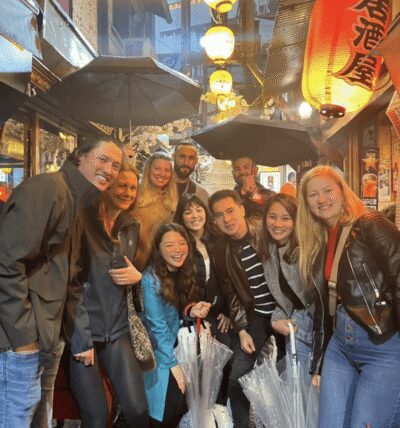
Shinjuku Local Bar and Izakaya Guided Walking Tour
Read our review →
Browse the lists this tour appears in