
Reviewed · WALKING TOURS
Tokyo: Private Custom Walking Tour with Local Guide
Tokyo feels chaotic until guided. This private custom walking tour makes it easier to handle Tokyo’s scale, and I like how a local guide shapes the day around what you actually want to see, from Senso-ji to the Imperial Palace area. I also like the flexibility, because your guide can pivot as you go, with examples like Enrique building in Sky Tree Tower plus Asakusa food stops. One drawback to consider is that you will be walking and using public transport, so choose your time window wisely if you have limited stamina.
In practice, this tour works because you get real-time help: direction, practical subway tips, and advice for the rest of your Tokyo days. It’s private, so the experience stays personal rather than rushed, and the guide can also help arrange museum tickets when you want to go beyond street-level sights.
Key Points You’ll Feel Immediately
- Private, customizable route means you can swap neighborhoods mid-day without losing the thread
- Hotel pickup in Tokyo helps you start fast, and the meeting point can adjust if you’re outside the center
- Public transport support saves you from trial-and-error with routes, transfers, and first-day navigation
- Real city-view moments are often built in, from Sky Tree Tower-style stops to the Tokyo Metropolitan area views
- Food and culture context is part of the job, not an afterthought, including treat stops in places like Asakusa
Why a Private Walking Tour Fits Tokyo So Well
Tokyo can overwhelm you fast. Streets look orderly, then you hit station mazes, language barriers, and sudden crowd flows. A private custom walking tour helps because it turns navigation into a guided process, not a stressful puzzle.
What you’re buying is straightforward: a local guide who can connect the dots between places you see and the way people actually live around them. One guest highlighted how Enrique made the day feel easy, including time at Senso-ji and the Asakusa area, plus practical solo-time tips after the tour. That pattern shows up repeatedly: the guide doesn’t just point. They help you understand.
And since the tour is private, you can ask for what matters to you, whether that’s classic temples, modern districts, shopping, views, or a museum visit. The tour duration runs from 2 to 8 hours, so you can match it to your energy and your travel schedule.
More Walking Tours in Tokyo
- Tokyo Tsukiji Fish Market Food and Culture Walking Tour
★ 5.0 · 3,184 reviews - Tokyo: Imperial Palace and Shogun Historical Walking Tour
★ 5.0 · 2,251 reviews - Tokyo: Shinjuku Local Bar and Izakaya Guided Walking Tour
★ 4.9 · 1,794 reviews
How the Itinerary Gets Tailored Before You Even Meet
The tour starts with planning. Your guide contacts you beforehand to learn your preferences, and then the route is adjusted around your interests. That matters in Tokyo because two travelers can list the same five “must-see” landmarks but have totally different priorities.
Here’s what you can reasonably expect to request based on what the guides do in practice:
- Main sights with context, including the exterior of monuments and museums
- Neighborhood exploration in the style you prefer, such as older temple streets or modern shopping areas
- Optional museum time if you want it, with itinerary adjustments if you mention it in advance
You’ll also see how guides adapt once you’re walking. One family-focused experience described frequent break options and calm detours, which is the kind of flexibility that makes a custom tour feel relaxed instead of scripted. If you have mobility needs, you can also benefit from guides who factor in pacing, and the tour is listed as wheelchair accessible.
Pickup, Meeting Point, and Why Timing Is Part of the Value
Logistics in Tokyo are half the battle. This tour offers hotel pickup if your accommodation is located in Tokyo, which removes a stressful variable from your first hours. You can request a centrally located hotel start, and if your hotel is outside the city center, the team selects a convenient meeting point in the city center.
There’s also an important detail for your planning: the tour may end at a different location from where it starts unless you request otherwise in advance. That can be great if your route ends in the exact neighborhood you want next, but it’s worth thinking through if you have a fixed dinner reservation or a timed transit connection.
Finally, the tour uses walking plus public transport unless you select an option that changes that. Multiple guide stories focus on train navigation and making stations feel less intimidating. If you’re the type who wants to confidently ride the subway after one lesson, this setup is ideal.
Asakusa and Senso-ji: Old Streets, Real Rituals, and Great Food Walks
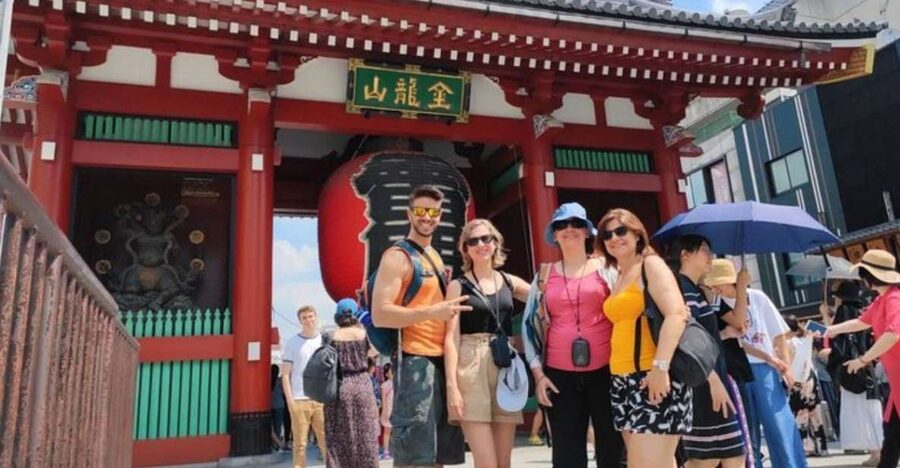
If you want Tokyo to feel human and historical at the same time, you usually land on Asakusa. In this tour style, Senso-ji and nearby streets often form a core segment because they’re central, iconic, and easy to pair with other nearby neighborhoods.
What makes this stop work is not only the temple itself, but the street-level experience around it. One guide plan included Senso-ji and the Asakusa area, with suggestions for treats along the way. Another experience mentioned a guide taking a guest up to a viewing platform above Senso-ji, which changes the feel of the area from ground-level crowd watching to a calmer overview.
Two practical tips for this kind of segment:
- Wear comfortable shoes. You’ll be walking through dense areas where standing still can mean getting pushed along by the crowd flow.
- Ask your guide for etiquette pointers before you enter temple areas, especially around how to move through spaces respectfully. That kind of guidance can make the visit feel more meaningful, not just scenic.
A drawback to consider: Asakusa can get busy. With a private guide, you can often pace yourself better, but you’ll still want to bring patience during peak times.
Same corner of Japan, a different kind of day:
- Mt Fuji and Hakone 1-Day Bus Tour Return by Bullet Train
★ 5.0 · 26,383 reviews - 1-Day Tokyo Bus Tour
★ 5.0 · 14,250 reviews - Tokyo: TOKYO SKYTREE® Admission ticket
★ 4.5 · 11,192 reviews - Tokyo: teamLab Planets TOKYO Digital Art Museum Entry Ticket
★ 4.6 · 9,779 reviews
Shinjuku and Shibuya: Modern Tokyo with Room for Quiet Detours
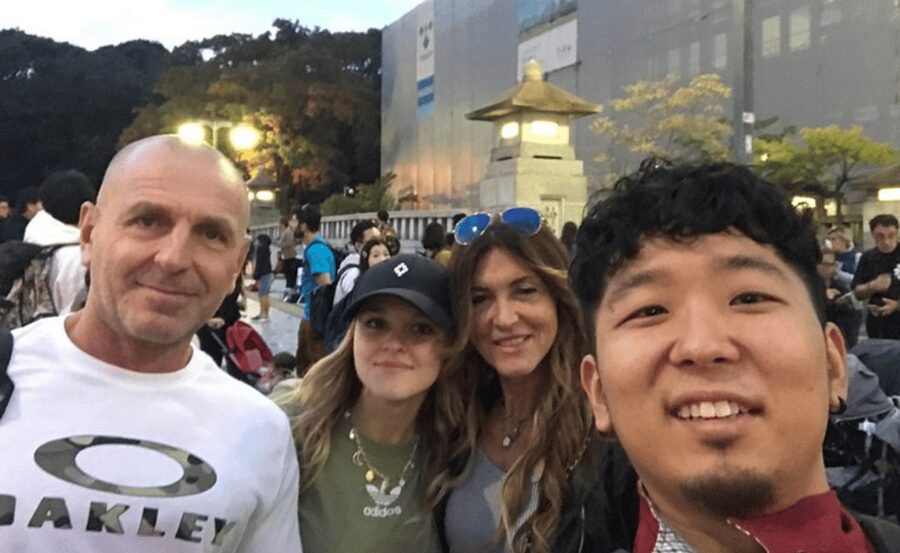
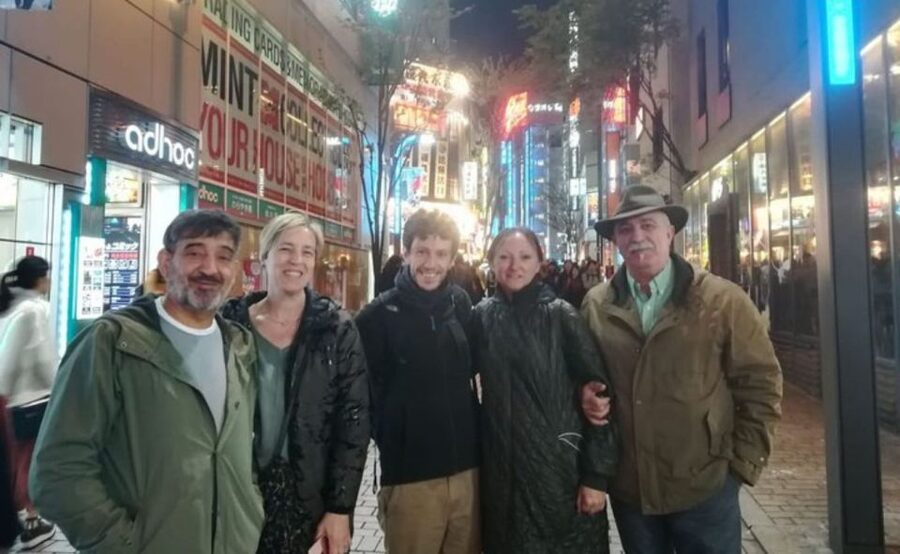
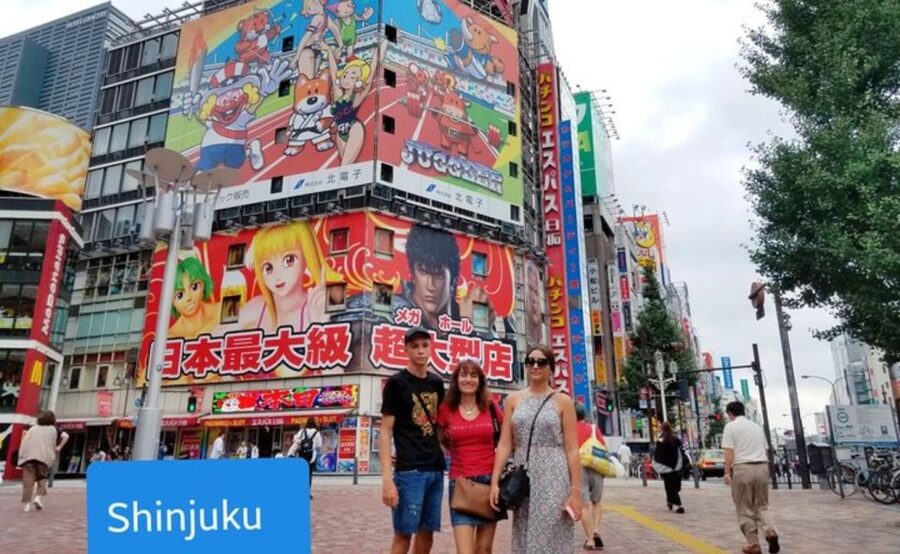
Shinjuku and Shibuya are where Tokyo feels electric. Neon, towering buildings, and constant movement. But what you’ll likely love about this tour style is that it doesn’t have to be only high-energy sightseeing.
One itinerary focused on diverse parts of Shinjuku and Shibuya, including quieter areas, not just the headline spots. Another experience highlighted how a guide was great at navigating Tokyo’s subway system, which matters here because Shinjuku and Shibuya are transit hubs where getting lost is common for first-timers.
Guides also add value beyond sights through local recommendations. One story specifically mentioned bar, restaurant, and karaoke suggestions as part of the experience. Even if you don’t follow every recommendation, it helps you understand where locals tend to go after the daytime crowds.
A simple consideration: these neighborhoods are best when you match your energy to the plan. If you only do a short time window, aim to see fewer stops with better guidance. For longer tours, you can combine modern highlights with small “side pockets” that feel more like real life.
Marunouchi and the Imperial Palace Gardens: A Welcome Pause in the Middle
Tokyo isn’t only chaos and shopping. A stop around the Imperial Palace Gardens and the Marunouchi area gives you a reset. In one winter-focused experience, the gardens were described as pretty, with a sense of calm even during cold weather.
Why this segment is valuable on a custom tour: it adds contrast. You go from dense urban streets to a more open-feeling environment, then you can head back into modern districts with a clearer sense of what you’ve seen.
It also helps with storytelling. Guides can connect what you see in Marunouchi and near the Imperial area to how Tokyo developed. That’s harder to do on your own because you’d be reading signs without the context of why places look the way they do.
Potential drawback: if you choose a shorter 2-hour tour, you may not have enough time to include both the gardens and a second major district. For first-timers, a 3- to 4-hour window often works better for balancing calm and must-see energy.
Sky Tree Tower and View Stops That Reduce Guesswork
Tokyo is built for views. The trick is choosing viewpoints that actually help you orient yourself. Some guides naturally add city-view moments because it makes the rest of the day easier.
One guide plan included Sky Tree Tower plus Senso-ji and the Akasusa area in a 4-hour outing. Another experience added a bonus stop up a building for views of a temple and streets below. There was also a mention of the Metropolitan Building as a bonus.
So what’s the practical benefit? When you see the city from above, you understand geography faster. You start recognizing neighborhoods from street-level, which makes your remaining days feel smoother. It’s one of the fastest ways to build confidence in Tokyo.
A consideration: view areas can be affected by weather. If it’s rainy, a guide may adjust your route timing. Since the tour is customizable, that flexibility is a real advantage.
Akihabara and Shopping Time That Actually Makes Sense
Akihabara is for people who like more than just shopping. It’s a feeling, a scene, and a whole subculture. On a custom walking tour, it becomes a smart use of time because a guide can focus you on what matches your interests instead of letting you wander aimlessly.
In one itinerary, a guide included Akihabara and Asakusa. Another story mentioned a stop at a Pokemon Mega Center, showing how guides can turn a general shopping district into a specific, interest-based plan.
If you’re a first-time visitor, here’s why this matters: Akihabara can be overwhelming if you don’t know what you’re looking for. A guide can help you select the right places to hit first, and you’ll get better returns on your time.
Possible drawback: shopping stops can pull you off your original schedule if you drift. Since the tour is private, you can set a boundary upfront, like time limits for browsing, or ask your guide to keep the pacing.
Odaiba, Bayside Calm, and When You Want a Break from Crowds
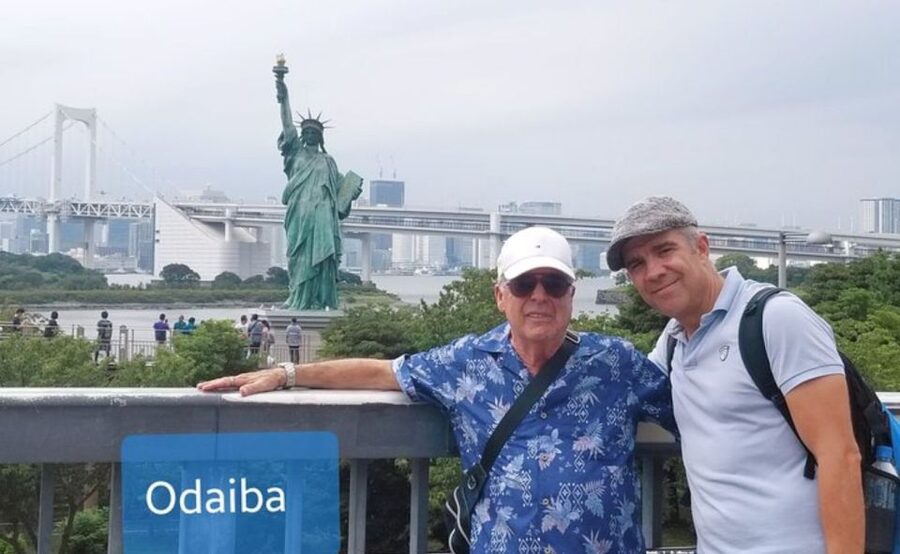
Not all Tokyo highlights are temples and train stations. Odaiba offers a different vibe, and one experience described a visit to the Odaiba Marina as a peaceful discovery of another side of Tokyo.
When this segment works best is simple: you want a change of pace. It’s a good counterweight if your earlier stops were packed with foot traffic.
A consideration: bayside areas can feel windy, and your comfort will depend on season and weather. If you’re planning an Odaiba stop, ask your guide how they see the day pacing around your energy level.
Markets, Food Stops, and the Guide Factor for Specific Needs
Tokyo food is a big reason people return. This tour style typically includes time for food suggestions and treats, and guides often help you navigate what to order and where to go.
A memorable example: one guide plan included behind-the-scenes time at a fish market and helped locate food for a guest with celiac. That’s not a detail to take lightly. It signals a guide who can respond when needs get specific.
Even if you don’t have dietary restrictions, the broader lesson holds: a guide can translate food choices into doable, practical options. Otherwise, you might see great places but not know what to order or whether you can walk in without a plan.
One caution: food stops can add time. If you choose the 2-hour version, expect fewer stops. If food is a top priority, consider a longer window so the tour can include it without feeling rushed.
Public Transport Confidence: The Subway Skill You Keep
If you’re only going to learn one practical skill from Tokyo, let it be how to ride trains confidently. Many guide stories emphasized train navigation help, including helping guests understand how to use the Tokyo Metro and how to pick up essentials like a Suica card.
That kind of help matters because Tokyo stations are confusing at first, and the signs are not always intuitive. With a guide, you learn the patterns: which lines connect where, how transfers work, and how to move without wasting time.
I also like that the tour is private, which means you can ask questions in the moment. You can stop and orient. You can compare options. You can ask what you should do later when you’re on your own.
Price and What You Actually Get for $53 Per Person
At about $53 per person, this tour is priced for real value because it’s not just an escort. You get:
- A private walking tour that’s customizable
- Hotel pickup within Tokyo
- Walking plus public transport help (unless you select an option that changes that)
- Support from the team to book tickets for attractions you choose
- Your guide speaking multiple languages, including English, French, Italian, Japanese, Spanish, and Portuguese
What’s not included is also important:
- Food and drinks
- Tickets to attractions
That means you should think of this tour as a guide-powered itinerary and navigation session, not an all-inclusive day. If you’re planning to add paid attractions or museum entries, you’ll want to budget for those tickets separately.
Where this price tends to make the most sense is for first-timers or anyone who wants time-saving direction. You’re paying to compress learning time, and to avoid wasting half-days getting oriented.
Choosing the Right Tour Length for Your Pace
Duration runs from 2 to 8 hours. That range is useful, but only if you choose wisely.
- A 2-hour tour works for a tight highlight loop. Some experiences noted short outings that covered a concentrated area like a morning around major districts.
- A 4-hour tour is a strong first-timer balance. Several example routes focused on a mix of iconic sites plus a neighborhood walk and transit ride.
- For 6 to 8 hours, you can cover multiple wards and add more interest stops. One longer day was described as 23,000 steps, so it’s for people ready to walk.
If you’re traveling with kids, or you want a relaxed rhythm, a custom private tour is a good match because your guide can plan breaks and detours. If you want a quieter, restorative day, pick a length where you won’t feel rushed.
Quick Checklist: Questions to Ask Your Guide on Day One
Before you start walking, use these prompts to steer your custom tour:
- Which two neighborhoods do you think will give me the biggest Tokyo payoff in the time we have?
- Can we include one view stop so I understand where everything is?
- If we add a museum, what exterior sights can we pair it with nearby?
- Where can I find easy food stops that match my tastes and any needs?
- What should I do after this tour to keep my Tokyo days moving smoothly?
Your guide should be able to translate your answers into a realistic route.
Should You Book This Private Custom Walking Tour?
I’d book this tour if you want Tokyo to feel clear fast. It’s especially worth it if:
- You’re a first-time visitor who wants subway confidence and practical guidance
- You want to mix classic sights with modern neighborhoods, and you care about pacing
- You’d rather spend your time learning from a local guide than figuring out stations alone
- You want the plan to adjust when your interests change during the day
I’d think twice if you already know you will not enjoy walking or using public transport. Since this is a walking-based format with transit support, your feet and your stamina matter.
If you’re hoping for a day that feels like friendly local guidance with real structure, this one delivers. And if you can, match the duration to your energy. That single choice makes the whole experience more fun.
FAQ
How long is the private custom walking tour?
It runs from 2 to 8 hours, depending on availability and the starting time you choose.
What does the tour cost?
The price is listed at $53 per person.
Is this a private tour or a group tour?
It is a private group tour.
Do I get to customize the route?
Yes. The tour is customizable, and your guide can adjust the itinerary based on your preferences. Museum time can also be added if you request it in advance.
Is hotel pickup included?
Hotel pickup is included if your accommodation is located in Tokyo. If your hotel is outside the city center, a convenient meeting point in the city center is selected.
Is public transport included?
Walking and public transport are included, except if you select one of the options that changes the transport approach.
Are museum tickets or attraction tickets included?
No. Tickets to attractions are not included, but the team can help book tickets for the visits you want.
What languages are available for the live guide?
The live guide is available in English, French, Italian, Japanese, Spanish, and Portuguese.
Is the tour wheelchair accessible?
Yes, the tour is listed as wheelchair accessible.
What is the cancellation policy?
Free cancellation is available up to 24 hours in advance for a full refund.
Fresh options around Tokyo
- Tokyo: Nagano Snow Monkeys and Zenkoji Tour with Temples★ 4.9 · 19 reviews
- Yokohama Port: Private Customizable Tour with Transfer★ 5.0 · 19 reviews
- Explore Unique Tokyo Streets / Learn with a Pro Photographer★ 5.0 · 19 reviews
- Sushi Making with Interactive Samurai Experience at JIN-ASAKUSA★ 5.0 · 19 reviews
- DAIKOKU excursion by car DRIFT automobile encounter★ 4.5 · 19 reviews
- Official Street Go Kart Tour Akihabara 2nd★ 5.0 · 19 reviews
- Cosplay Experience with Professional Makeup and Photo Shoot!★ 5.0 · 19 reviews
- Tokyo: Name Seal & Pouch or Tote Bag Making Experience★ 4.5 · 19 reviews
Walking Tours, compared.
Kyoto Geisha Walking Tour: Gion District & Hidden Gems
Read our review →
Tokyo Tsukiji Fish Market Food and Culture Walking Tour
Read our review →
Gion Magical Night Walking Tour with Geisha Trivia
Read our review →
Imperial Palace and Shogun Historical Walking Tour
Read our review →
Gion Geisha District Walking Tour – Stories of Geisha
Read our review →
Shinjuku Local Bar and Izakaya Guided Walking Tour
Read our review →
Browse the lists this tour appears in