
Reviewed · WALKING TOURS
Tokyo: Meiji Shrine Walking Tour — Shinto & Imperial System
Tokyo turns quiet fast at Meiji Shrine. I love the 100,000-tree forest hush and the way the tour spotlights the 12-meter wooden torii made from 1,500-year-old Taiwanese cypress. One heads up: it’s English only, so if you need Japanese support, this may not be the best fit.
This is a guided walk built for understanding, not just sightseeing. When I look at the strongest parts of the experience, it’s the step-by-step explanation of Shinto customs at the shrine and the larger story behind the Imperial system. Guides like Tomo, Keiko, Ayaka, and Yuuka are repeatedly praised for making etiquette feel clear and for answering questions with patience.
If you’re the kind of person who wants to move at a gentle pace and still come away with context, this tour is a good match. You’ll walk through the sacred grounds, pause for photos at key points, and then get a little time to shop and try shrine activities on your own, with guidance to keep things respectful.
Key Points You Will Care About on This Meiji Jingu Tour
- Small group, up to 10 people so you get real answers, not a rush-through.
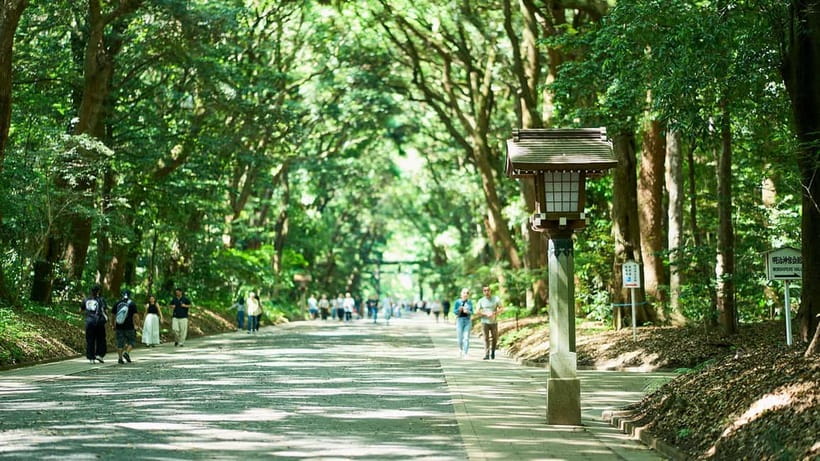
- Meiji Jingu’s forest paths where city noise fades as you walk under dense trees.
- Torii etiquette at seichu with clear guidance to help you walk the right way.
- Consecrated wine and sake barrels that explain what people are actually paying attention to.
- English access to shrine meaning including Omigokoro poems with English translations.
- A calm break at Café Mori no Terrace with tea and light snacks after the shrine visit.
Walking Into a 100,000-Tree Quiet Zone
Meiji Shrine has a talent for making Tokyo feel far away. You start in the Harajuku area and end up in shaded paths surrounded by roughly 100,000 trees, where the sound of the city drops and birdsong takes over.
The tour runs about 90 to 135 minutes, which is perfect if you want something focused but not exhausting. With a small group capped at 10 people, the guide can keep an eye on timing and still pause when questions come up.
This is one of the few Tokyo experiences where the “main attraction” is also the mood. The guided part helps you understand what you’re seeing, but the forest is the reason you’ll remember the walk long after you forget the exact names of things.
More Temple & Shrine Tours in Tokyo
- Tokyo: Meiji Shrine, Asakusa, Skytree Bus Tour and Cruise
★ 4.7 · 1,986 reviews - Tokyo: Asakusa Walking Tour with Sensoji Temple Visit
★ 4.8 · 1,583 reviews - Nikko: Kegon Falls, Lake Chuzenji & Toshogu Temple
★ 4.6 · 1,577 reviews
Harajuku Station Meet-Up and the First Photo Stop
Your group meets at one of the two starting points connected to Harajuku Station (原宿駅). Meeting point details can vary by option, but it’s all in the same neighborhood, and the general area matches the coordinates listed for the tour.
From there, you head to the first major landmark: Meiji Jingu Ichino Torii. Expect a short stop for photos, a guided introduction, and a brief walk through the area. That first stretch is more than scenic. It sets the tone, so you know what matters before you get to the bigger visual moments.
At this stage, the biggest value is your orientation. You’ll be told where to stand, what to look for, and how shrine spaces work as you move from gate to gate.
Torii Etiquette at the 12-Meter Gate and Why Seichu Matters
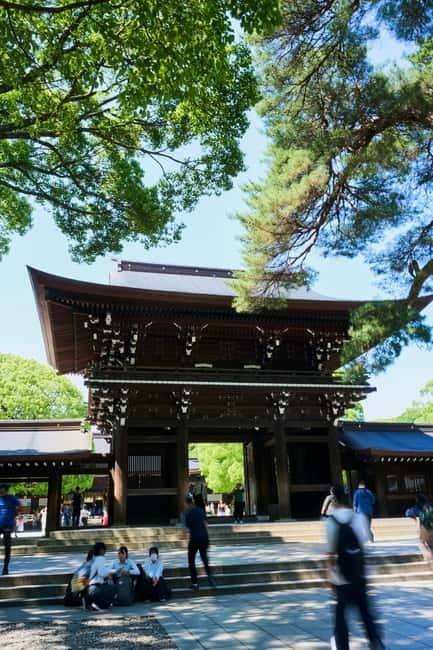
The tour’s torii moments are the kind of sights that make you stop without meaning to. You’ll see the shrine’s largest wooden torii gate, a towering 12 meters tall made from 1,500-year-old Taiwanese cypress. It’s dramatic in the way old things often are. You feel the age in the scale.
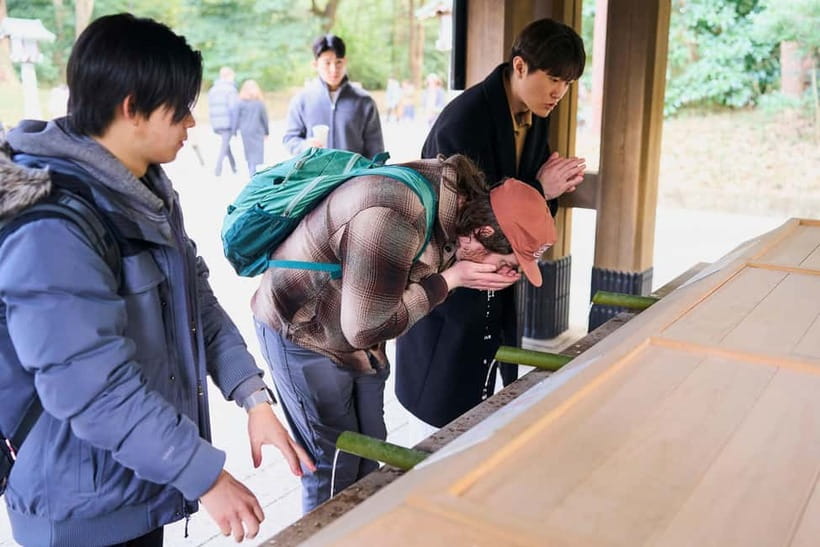
Then comes the part that makes the visit more meaningful than a quick photo. When you pass through the torii, it’s customary to walk along the edges of the path to avoid the sacred central route known as seichu. The guide explains this clearly, so you don’t have to guess.
Why this matters: etiquette is not just rules for outsiders. It’s a sign that you’re treating the space as sacred, not as a backdrop. Once you understand why seichu is kept clear, the whole experience feels more respectful and more real.
If you like doing things the right way, this tour makes that easy. Guides such as Keiko and Ayaka are often praised for walking people through customs step by step, especially at the gates where visitors can feel unsure.
Consecrated Wine Barrels and Sake Barrels You Actually Understand
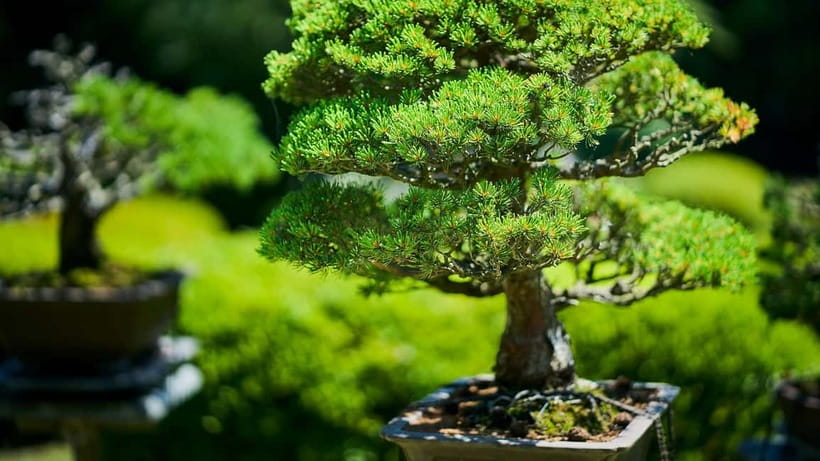
Not every shrine tour spends time on the small details people usually rush past. Here, you get multiple short photo and guided stops tied to offerings.
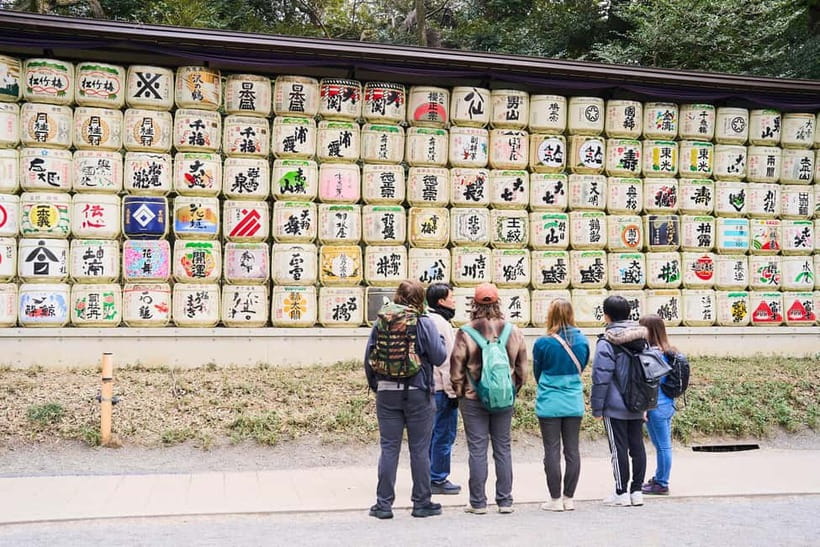
First, you’ll visit the area known as the Meiji Jingu Consecrated Wine Barrels. Then you’ll move to the consecrated sake barrels. Each stop is brief, but the guide connects what you’re seeing to Shinto practice and to the shrine’s role in honoring the deities associated with Emperor Meiji.
It’s easy to think barrels are just decorative elements. The tour helps you see them as part of how people express respect. That shift changes the experience. Suddenly you’re not just looking at objects, you’re understanding their purpose.
A bonus from the guide style: in past groups, guides have helped with offerings if you did not bring any coins. That small act is practical and it also reduces the awkward moment of standing there, not sure what to do.
More Walking Tours in Tokyo
- Tokyo Tsukiji Fish Market Food and Culture Walking Tour
★ 5.0 · 3,184 reviews - Tokyo: Imperial Palace and Shogun Historical Walking Tour
★ 5.0 · 2,251 reviews - Tokyo: Shinjuku Local Bar and Izakaya Guided Walking Tour
★ 4.9 · 1,794 reviews - Tokyo: Tsukiji Fish Market Food and Walking tour
★ 5.0 · 1,724 reviews
The Big Torii and the Imperial System Story in Simple Terms
After the barrels, you reach another key landmark, the big torii. This is another guided photo stop with a short walk, timed to keep the group together without feeling like a conveyor belt.
The “why” of the tour shows up here. Meiji Shrine isn’t only about the scenic gates and forest calm. It ties directly to Japan’s imperial system, described in the tour as spanning about 2,600 years. The guide explains how that long structure connects to Meiji period values and to the shrine’s continuing role.
You’ll also hear the transition story, from a society associated with samurai to modern Japan. You don’t need to be a history person to follow this. The guide brings it down to human scale, so it connects to what you’re walking through right now.
Emperor Meiji’s Poetry Stop, and Reading Omigokoro With English
One of the most distinctive stops is the imperial poetry of Emperor Meiji. You’ll have a focused photo stop and guided time tied to what the shrine preserves and why.
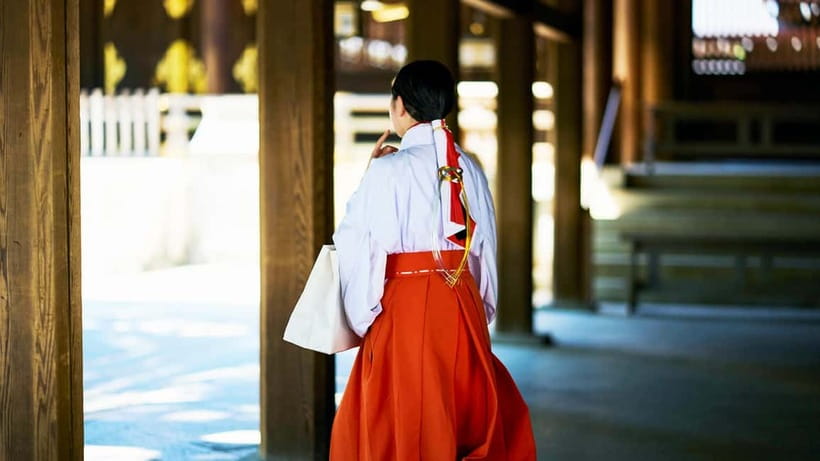
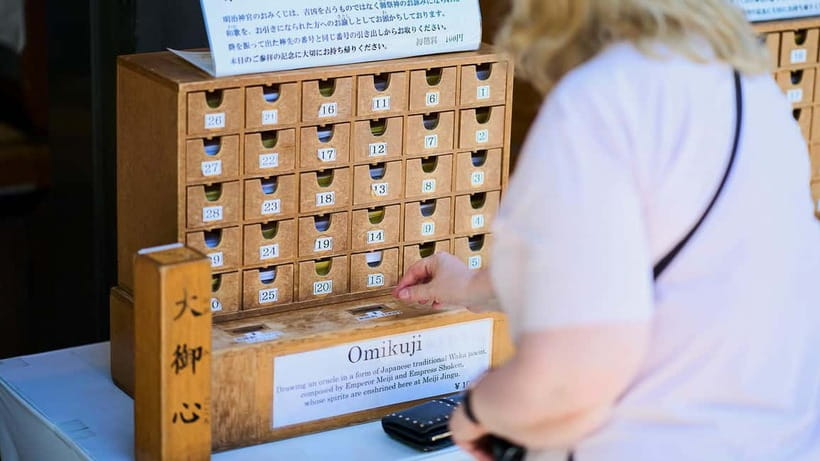
After that, the tour includes a practical chance to engage with the shrine in a way many visitors enjoy: buying a special kind of offering fortune. You can purchase omamori (protective charms) and also an omikuji-style item called Omigokoro, which features poems written by Emperor Meiji and Empress Shoken, with English translations available.
That English piece is a big deal for value. Without it, you may stand there admiring the idea but missing the meaning. With it, you can actually read what you’re choosing and why it matters to people.
This stop also gives you a gentle, low-pressure way to interact with the shrine. It’s not a performance you have to master on the spot. You can take your time, ask questions, and decide how you want to participate.
Main Shrine Time, Free Pace, and How to Make It Respectful
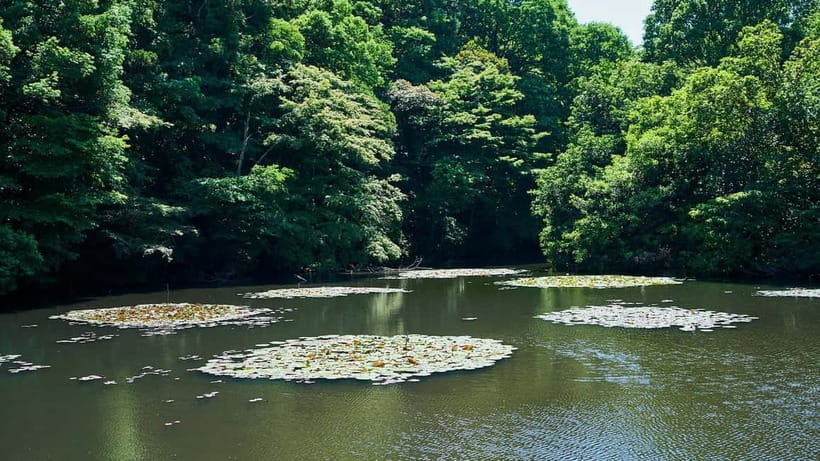
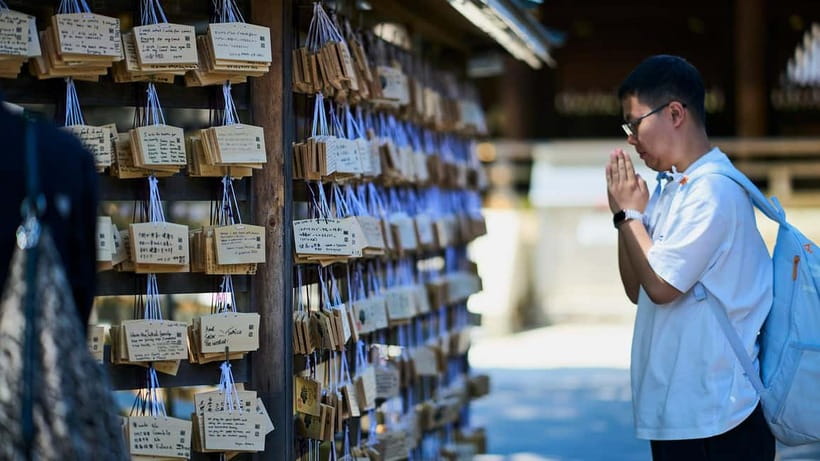
The heart of the tour is the main shrine visit, with about 45 minutes of free time. That free time is where the experience becomes personal. You can pay your respects at your own speed, take photos where allowed, and handle the shopping part without feeling rushed.
The guide sets you up with the right mindset before you go in, so you’ll have an easier time following customs. Since seichu etiquette is taught earlier, you’re less likely to drift into the center route by accident. That makes you feel more confident and keeps the visit smoother for everyone.
This is also where the shrine becomes more than a set of photo spots. You’ll see how modern visitors use the space while still respecting tradition.
During free time, you can also check out the gift area for memorable items. The tour information specifically highlights souvenirs like eco-blocks made from fragrant Japanese camphor and miniature barrels of sacred sake.
Café Mori no Terrace Tea Break With a Nice Finish
After you finish the shrine focus, you’ll head to Café Mori no Terrace for a break. The stop is about 15 minutes, including time for photos, a guided touch, and shopping if you want it.
At the café, you can enjoy Japanese tea and light snacks while you take in the surroundings. It’s not a long food stop, so don’t expect a full meal. Think of it as a reset button that keeps you from feeling drained after walking among gates and crowds.
This final phase also helps you connect the day. You started with quiet forest paths, you end with tea, and the whole thing feels like one continuous experience instead of a rushed hop from one landmark to another.
Price and Value: Why $23 Can Feel Like a Win in Tokyo
The price is $23 per person, and for Tokyo, it’s a straightforward value proposition. You’re paying for a guide, a small-group format, and structured time at multiple points that usually get visited in a much more confusing way.
The big value isn’t just coverage. It’s interpretation. At Meiji Shrine, the difference between a quick visit and a meaningful one is often etiquette and context, like understanding seichu, what the barrel stops represent, and what Omigokoro is actually saying.
Also, the time length works. At 90 to 135 minutes, you get enough pacing to absorb the forest mood, but you’re not stuck for half a day. That makes it a great fit for a first trip day or for a day when you want one cultural anchor without the heavy time commitment.
If you’re the type who likes a plan but still wants breathing room, this tour’s pricing and duration pair well.
Who Should Book This Meiji Jingu Tour (and Who Might Skip It)
I’d recommend this tour if you fall into one of these buckets.
Book it if:
- You want the most popular shrine in Japan as more than a photo stop, with Shinto meaning explained in plain language.
- You care about doing shrine etiquette correctly, especially around gates and seichu.
- You like learning history in a way that connects to what you’re seeing right now, including how Japan moved from a samurai era mindset toward modern life.
You might skip it if:
- You need non-English support. This tour is English only, and the experience described does not include Japanese language support.
- You want a long, independent wander with no guidance. The tour is structured, and you’ll still have free time, but it’s not a fully self-guided day.
Should You Book This Meiji Shrine Walking Tour?
Yes, if you want a respectful, well-paced introduction to Meiji Shrine that explains what you’re looking at. The combination of a small group, key landmarks like the 12-meter torii and the consecrated barrels, and the chance to read Omigokoro with English translations is exactly the kind of value that makes a short tour feel “worth it.”
If you’re comfortable going on your own, you can still enjoy the shrine. But if you’d rather not play etiquette guessing games and you want the bigger story behind the gates, this is a smart way to get context fast.
FAQ
What is the duration of the Tokyo Meiji Shrine Walking Tour?
The tour lasts about 90 to 135 minutes, depending on the starting time and option.
Where do we meet for the tour?
You meet at Harajuku Station (原宿駅). Meeting point details can vary by the option booked.
How big is the group?
It’s a small group limited to up to 10 participants.
Is the tour offered in English?
Yes. The tour is conducted in English only, with no Japanese language support listed.
What stops are included during the walk?
You’ll visit several points at Meiji Jingu, including Meiji Jingu Ichino Torii, the consecrated wine barrels, the consecrated sake barrels, the big torii, imperial poetry of Emperor Meiji, the main Meiji Shrine area, and Café Mori no Terrace.
Do I get free time at the main shrine?
Yes. The main shrine portion includes free time of about 45 minutes, along with opportunities to shop.
Can I buy charms or fortunes during the tour?
Yes. At the shrine area, you can purchase omamori and an omikuji-style item called Omigokoro, which includes poems by Emperor Meiji and Empress Shoken with English translations.
Is there food or drink included?
Yes. At Café Mori no Terrace, you’ll have tea and light snacks during the break time.
Does the tour include shopping for souvenirs?
Yes. There is shopping time at the Meiji Shrine area, and the tour information also mentions gift items such as eco-blocks made from Japanese camphor and miniature barrels of sacred sake.
What is the cancellation policy?
Free cancellation is available up to 24 hours in advance for a full refund.
Fresh options around Tokyo
- Tokyo: Nagano Snow Monkeys and Zenkoji Tour with Temples★ 4.9 · 19 reviews
- Yokohama Port: Private Customizable Tour with Transfer★ 5.0 · 19 reviews
- Sushi Making with Interactive Samurai Experience at JIN-ASAKUSA★ 5.0 · 19 reviews
- Explore Unique Tokyo Streets / Learn with a Pro Photographer★ 5.0 · 19 reviews
- DAIKOKU excursion by car DRIFT automobile encounter★ 4.5 · 19 reviews
- Official Street Go Kart Tour Akihabara 2nd★ 5.0 · 19 reviews
- Cosplay Experience with Professional Makeup and Photo Shoot!★ 5.0 · 19 reviews
- Tokyo: Name Seal & Pouch or Tote Bag Making Experience★ 4.5 · 19 reviews
Walking Tours, compared.
Kyoto Geisha Walking Tour: Gion District & Hidden Gems
Read our review →
Tokyo Tsukiji Fish Market Food and Culture Walking Tour
Read our review →
Gion Magical Night Walking Tour with Geisha Trivia
Read our review →
Imperial Palace and Shogun Historical Walking Tour
Read our review →
Gion Geisha District Walking Tour – Stories of Geisha
Read our review →
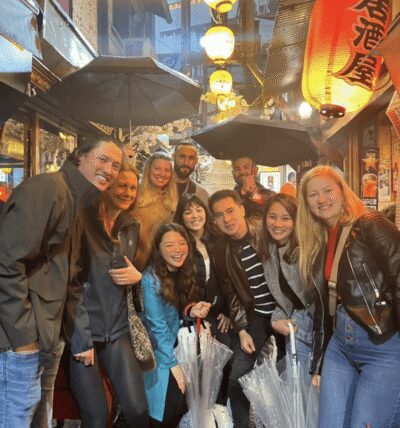
Shinjuku Local Bar and Izakaya Guided Walking Tour
Read our review →
Browse the lists this tour appears in