
Reviewed · HISTORICAL TOURS
Tokyo: Imperial Palace Japanese History Walking Tour
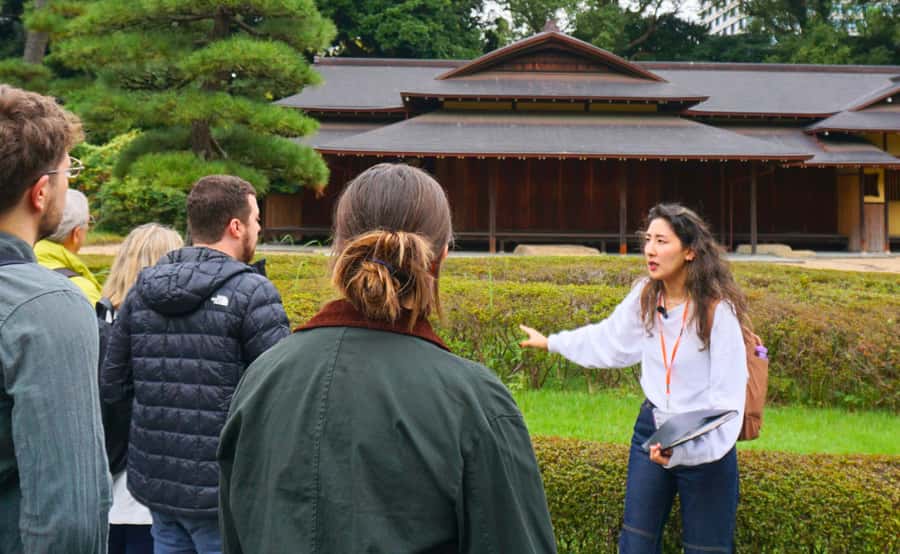
History feels close here. This Imperial Palace Japanese History walking tour turns Tokyo’s calm garden paths into a clear story of shoguns, samurai power, and how a fortress became an emperor’s place. I really like the way guides such as Mika bring the setting to life, so you’re not just staring at scenery, you’re following the logic of the country that grew from it, inside Imperial Palace grounds.
Second, I love the hands-on feeling of the stops. You’ll see a miniature model of what Edo Castle looked like, then move on to an old samurai home, royal koi, and a bamboo forest area that feels like a pause button in the middle of the city. One drawback to consider: the tour does not include access to the Inner Palace, so you are sightseeing the public gardens and grounds only.
Key things to look forward to
- Otemon Gate start with context for the shogun to emperor shift
- Miniature model of the lost castle to help the history make sense
- Old samurai house and peaceful Eastern Gardens on foot
- Royal koi fish moments plus photo-friendly viewpoints
- Bamboo forest stop that breaks up the walk nicely
- Weather-smart guide support, with some guides bringing small extras like mosquito spray
Meeting Your Guide at Starbucks near the Wadakuramon Fountain
This tour starts in a very practical place, Starbucks by the palace area. Your best bet is to take the train to Tokyo Station or Otemachi Station, then plan on a short walk, about 5 to 10 minutes, to Wadakuramon Fountain Park. Inside the park, you’ll find your guide at Starbucks holding a sign with the Sunrise Adventure logo.
I like meeting this way. It is easy to confirm you are in the right spot, even if your Japanese is still in the “ordering snacks” stage. It also keeps the start smooth. You are not trekking across multiple landmarks just to find the group.
One small detail that matters once you arrive: the guide is specifically there with the group, so you can use them as your first “how do I actually do this” resource. In past tours run by Sunrise Adventure guides, people have mentioned getting extra travel tips, not just palace facts. That can be handy after the walk, when you start planning lunch or your next neighborhood stop.
Finally, keep your expectations grounded for the setting. This is a walking tour around palace grounds, not an all-access pass to every building. Once you meet up, you are heading out on a scenic route with rules in place.
More Walking Tours in Tokyo
- Tokyo Tsukiji Fish Market Food and Culture Walking Tour
★ 5.0 · 3,184 reviews - Tokyo: Imperial Palace and Shogun Historical Walking Tour
★ 5.0 · 2,251 reviews - Tokyo: Shinjuku Local Bar and Izakaya Guided Walking Tour
★ 4.9 · 1,794 reviews
Walking Through the Otemon Gate, then Straight Into Edo Castle History
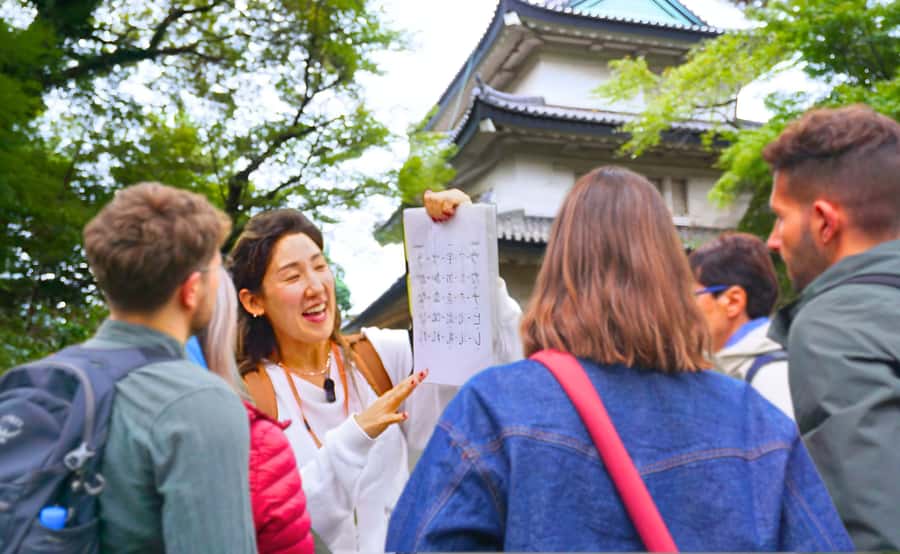
Your first major landmark is the approach to the Otemon Gate of the Imperial Palace. The tour focuses on what replaced what. The original castle that once stood here is gone, but the story of it is not. Your guide explains the transformation from the shogun’s world to the emperor’s palace, so you can connect power and architecture instead of treating them like separate topics.
One of the most useful elements is the miniature model showing what the castle looked like in the past. When you are standing in the present, that kind of visual anchor saves your brain. Instead of wondering where things used to be, you can look at the scale model and understand what you are looking for as you walk.
This part also sets up the bigger historical theme. The tour frames how shoguns shaped the foundations of modern Japan. As you move through the grounds, you’ll learn about the old ranking system, traditionally laid out as farmer, samurai, daimyo, shogun. That hierarchy is more than a trivia list. It explains why certain roles had power, why rules were strict, and why the palace grounds matter in the story of national control.
And here’s the practical value: once the guide explains the political ladder, the scenery becomes readable. Trees, gates, and garden spaces stop being “pretty backdrops” and start feeling like pieces in a system.
Just remember this is history told at walking speed. If you want a slow museum-style pace, you’ll need to lean on your guide’s Q and A time, because the route is designed to keep moving through outdoor spaces.
Eastern Gardens, a Samurai House, and the Calm That Contrasts the Power
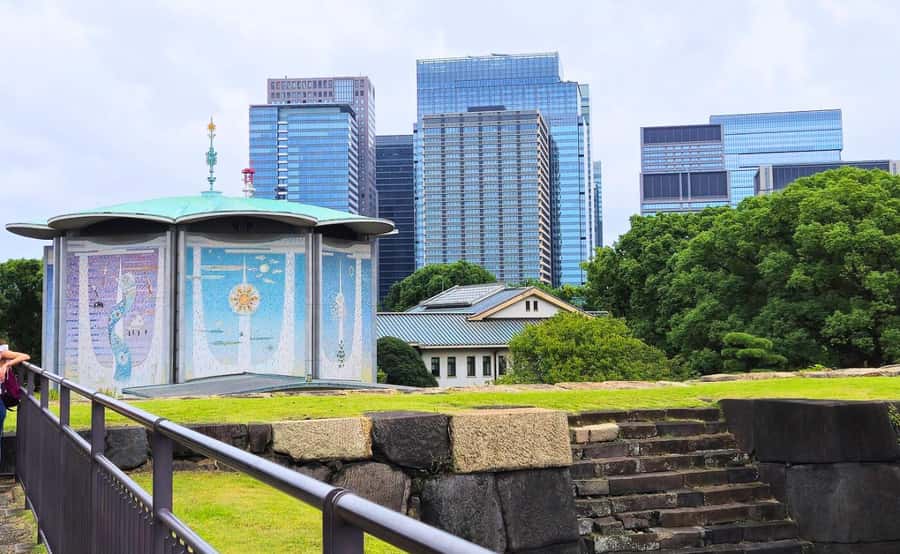
After the gate approach, the walk settles into the Eastern Gardens area. This is where the Imperial Palace grounds feel like a reset from Tokyo noise. The atmosphere is peaceful, and that quiet matters. It lets you absorb how power once operated in carefully controlled spaces, not through loud spectacle.
You’ll see multiple highlights tied to everyday signs of rule. One stop focuses on an old samurai house. The goal is not just to point and say “samurai lived here.” It’s to help you visualize what samurai life could look like and how the samurai class fit into the broader ranking system you learned earlier.
Another standout is the presence of trees linked to places across Japan. The tour explains that these were gifted to the emperor years ago. That turns the gardens into a kind of map. You’re not only seeing Tokyo greenery, you’re watching a symbolic network of relationships expressed through living things.
And then there is the Edo Castle site connection. The grounds include the location tied to Edo Castle, which once stood here over 350 years ago. Your guide connects that distance in time to what you can see now, including how the castle’s presence shaped the whole area.
This is also a good moment to ask questions. The guides tend to explain architecture details and etiquette themes as they walk. You may not catch everything on the first pass, but you’ll get a second chance when people ask about how daily life worked in different eras.
The Bamboo Forest Stop and Photo Spots That Actually Help

Included in the experience are garden scenery plus a bamboo forest area. The bamboo stop is not random. It’s a visual change that helps you mark where you are in the route. It also gives you a different texture from the palace-style buildings and open garden spaces.
Photo-wise, the tour is built around “good angles” moments. People typically end up with pictures at the koi area, at garden views, and at the bamboo. The guide also helps with photo-taking. In some tours, guests have praised their guide’s ability to click better pictures and show where to stand for clean compositions. That kind of help is worth something, especially if your group photo usually turns into blurry faces and half-cut buildings.
A quick practical tip: wear shoes that handle uneven paths and keep an eye on slippery spots during rain. This tour runs rain or shine. That means you should treat the weather as part of the itinerary, not a surprise bonus or punishment. The grounds are outdoor, so plan for damp conditions, wind, or heat.
Also, you’ll move between shaded and sunny stretches. In warmer months, guides have been attentive about shade breaks, so if you feel overheated, this is the moment to speak up. You do not need to tough it out in silence.
One more rule point, just to keep your day smooth. Drones are not allowed, and the grounds have restrictions like no smoking. Weapons or sharp objects are also not permitted. It is easy to forget if you pack like you are going to hike, so keep it in mind before you head out.
Same corner of Japan, a different kind of day:
- Mt Fuji and Hakone 1-Day Bus Tour Return by Bullet Train
★ 5.0 · 26,383 reviews - 1-Day Tokyo Bus Tour
★ 5.0 · 14,250 reviews - Tokyo: TOKYO SKYTREE® Admission ticket
★ 4.5 · 11,192 reviews - Tokyo: teamLab Planets TOKYO Digital Art Museum Entry Ticket
★ 4.6 · 9,779 reviews
Royal Koi, Gift Trees, and the Small Details You’ll Notice After the Story
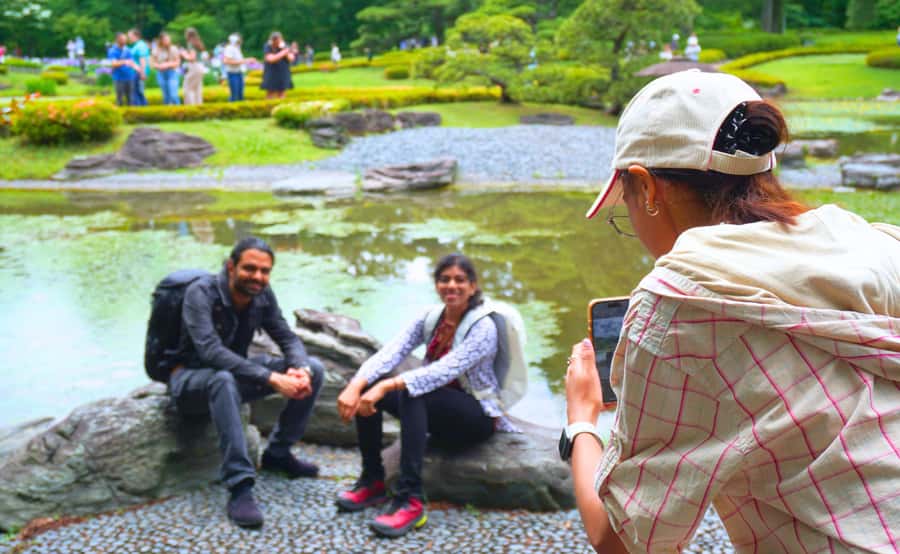
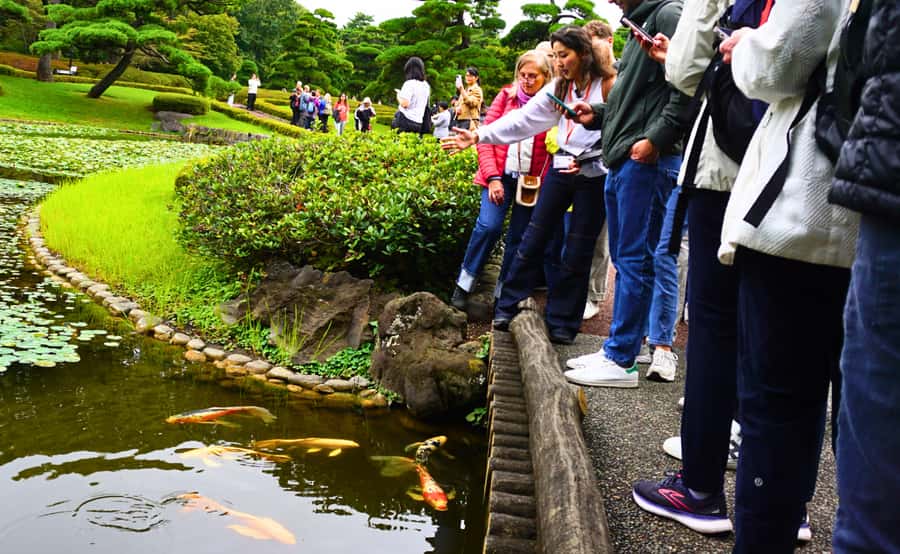
One of the most memorable elements of the route is the Japanese garden area with royal koi fish. The tour includes a one-of-a-kind koi moment, and it’s more than a cute stop. After the guide explains the palace context, the koi become part of the symbolism. These ponds and garden features help show how nature and power are choreographed in palace design.
You also get a chance to admire the trees gifted from all over Japan. That detail is easy to miss if you only focus on the biggest attractions. With a guide, you notice it because it connects geography to the idea of loyalty and relationship.
If you like learning through stories, this is where the tone tends to hit. Guides often share fun facts along with the heavier context. You might hear humor tied to etiquette, small cultural customs, and how people were expected to behave in certain settings. It makes the walking feel lighter without turning the tour into fluff.
And for practical travelers, this is also where a guide’s added help can show up. Past guests have mentioned guides offering mosquito spray when the gardens are active with insects, plus small gifts that help with heat. Those are not guaranteed for every person on every day, but the pattern is clear: the guide is watching comfort and not just reciting facts.
By the time you reach these quiet garden moments, you end up understanding why the site feels like a “walk through eras.” The gardens are calm, yet the history behind them involves strict ranks and real control.
What You Miss by Not Entering the Inner Palace
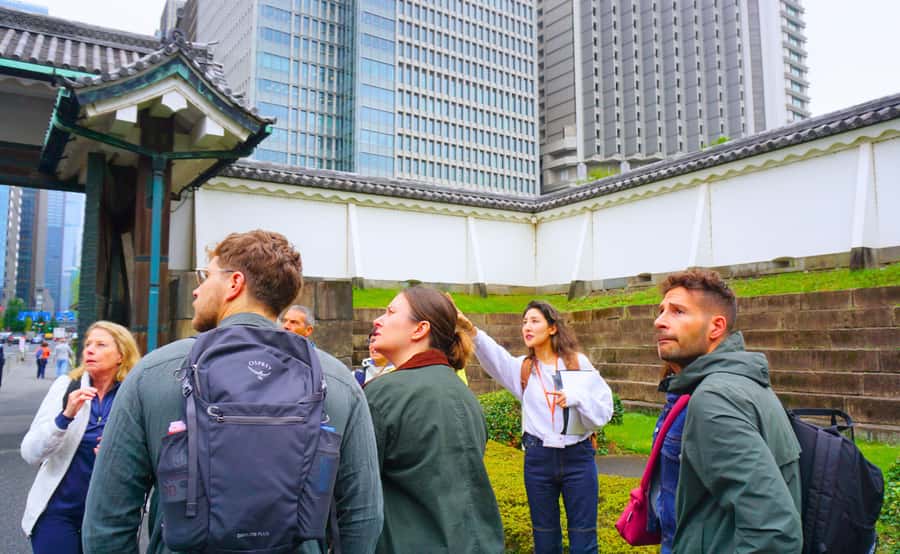
The Inner Palace is not open to the public, and this tour does not include it. That’s your main limit, and it matters.
So here is the best way to set expectations. You will experience the Imperial Palace grounds, including gates and gardens, plus key historical context tied to what stood here before. But you will not go into the inner buildings or rooms that many people imagine when they hear the word palace.
If your dream is to step inside and see private architecture spaces, this is not the ticket for that specific wish. But if your goal is to understand how Japan’s power system evolved, then you’ll still get a lot.
In other words, the tour is designed for comprehension, not access. You’ll leave with a clearer mental map of Edo Castle’s footprint, the shogun to emperor transformation, and the way hierarchy shaped life and governance.
That clarity also helps you during the rest of your trip. Tokyo’s history becomes easier to read when you understand the palace story first.
Who This Tour Is For (and Who Should Think Twice)

This tour is a good match if you want history you can walk through. It also works well if you like asking questions. Many guides keep things interactive, and guests have described tour pacing that feels neither rushed nor slow. If you want a relaxed morning or early afternoon activity that gives you real context for Tokyo, this can do the job.
It is also a strong pick for English and French speakers. The tour is offered in English and French, so you are not forced into a language compromise.
Now, the not-for-you list is important. This experience is not suitable for pregnant women. It also is not suitable if you have back problems, mobility impairments, heart problems, or if you recently had surgery. Wheelchair users should skip it too, because the route involves walking on outdoor grounds. People with low level of fitness may find it challenging, especially in rain or shine.
If any of those apply, don’t gamble on willpower. Choose a different palace experience that better matches your body and energy level.
If none of those apply, plan for uneven outdoor surfaces and bring weather-appropriate clothes. This tour runs rain or shine, and you will be outside for long enough that comfort matters.
Price and Value: Why $32 Can Feel Like a Deal
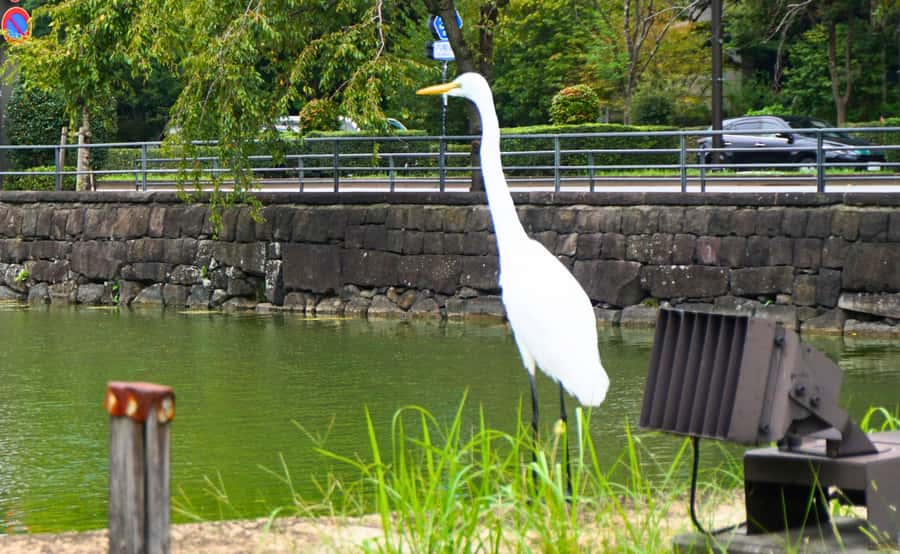
The price is $32 per person, which is a solid value for a guided, English-speaking walking tour in one of Tokyo’s most important historical areas.
Here is what you are paying for, in plain terms:
- A guide who explains the palace story, including the shift from shogun power to emperor rule
- Stops that add variety, not just a single long walk (gates, gardens, samurai house, bamboo forest, koi pond)
- Photo-friendly viewpoints
- Practical support, like help with pictures and sometimes comfort items during heat or insect season
Most importantly, the guide’s job is to connect dots. If you walk the Imperial Palace grounds on your own, you will enjoy them, but you may not understand the why. With this tour, the hierarchy and Edo Castle context give meaning to what you see.
Could you spend more for private time or added experiences? Sometimes guides mention options like private tours or additional cultural activities when asked. But as a baseline, this $32 price gives you a lot of “story per minute,” and that is the part you remember later.
Should You Book the Imperial Palace Japanese History Walking Tour?
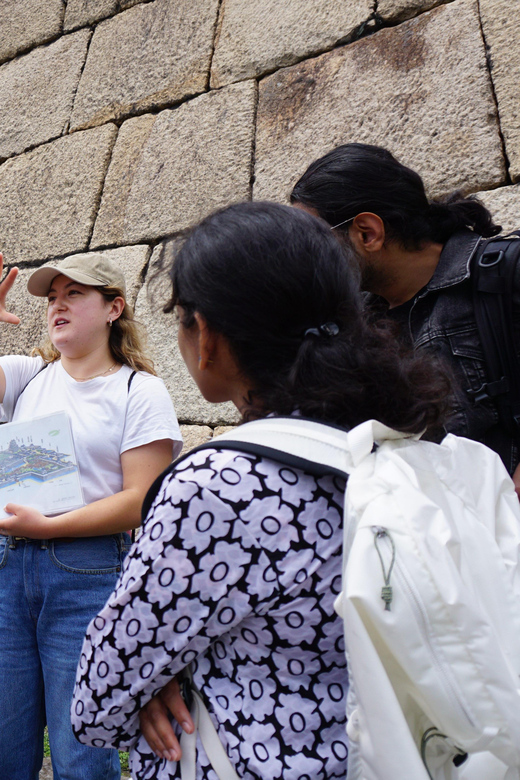
Book it if you want a clear, guided way to understand Tokyo’s political shift from shogun rule to imperial rule, using the palace grounds as your classroom. I’d especially recommend it if you enjoy outdoor history, good photo moments, and having a guide who answers questions in real time.
Skip it if you specifically want access to the Inner Palace buildings, because this tour does not include that. Also skip if walking is an issue for you, since it is not suitable for wheelchair users or for people with back problems, heart problems, recent surgeries, or mobility limitations.
If you want a first-day or early-stop activity that makes the rest of your Tokyo trip easier to understand, this one fits. The Imperial Palace grounds are beautiful, but the best part is how the guide turns beauty into a history you can actually follow.
FAQ
Where is the meeting point for the tour?
Meet your guide at Starbucks near Wadakuramon Fountain Park. The guide will be holding a sign with the Sunrise Adventure logo.
What is the closest train station to get there?
You can take the train to Tokyo Station or Otemachi Station, then walk about 5 to 10 minutes to the meeting area.
Is the Inner Palace included?
No. Access to the Inner Palace is not included, since it is not open to the public.
What languages does the tour run in?
The tour is offered in English and French.
Does the tour run in rain?
Yes. The tour takes place rain or shine.
What items are not allowed during the experience?
Weapons or sharp objects, smoking, drones, alcohol and drugs, skateboards, and making fire are not allowed.
What is the cancellation policy?
You can cancel up to 24 hours in advance for a full refund.
More Historical Tours in Tokyo
- Tokyo: Shinjuku Historical Walking Tour & Secret Backstreets
★ 5.0 · 530 reviews - Yanaka Walking Tour: Historic and Traditional District of Tokyo
★ 5.0 · 530 reviews - Mt. Fuji Heritage Tour: Traditional Villages, Lakes & Shrine
★ 4.5 · 509 reviews - From Tokyo: Nikko World Heritage Site Private Full-Day Trip
★ 4.9 · 243 reviews
Fresh options around Tokyo
- Tokyo: Nagano Snow Monkeys and Zenkoji Tour with Temples★ 4.9 · 19 reviews
- Yokohama Port: Private Customizable Tour with Transfer★ 5.0 · 19 reviews
- Explore Unique Tokyo Streets / Learn with a Pro Photographer★ 5.0 · 19 reviews
- Sushi Making with Interactive Samurai Experience at JIN-ASAKUSA★ 5.0 · 19 reviews
- DAIKOKU excursion by car DRIFT automobile encounter★ 4.5 · 19 reviews
- Official Street Go Kart Tour Akihabara 2nd★ 5.0 · 19 reviews
- Cosplay Experience with Professional Makeup and Photo Shoot!★ 5.0 · 19 reviews
- Japanese Traditional Sweets making★ 4.1 · 19 reviews
Historical Tours, compared.
World Heritage Shirakawa-go and Experience Tours from Kanazawa
Read our review →
Imperial Palace and Shogun Historical Walking Tour
Read our review →
World Heritage Kyoto & Nara Uji Authentic Matcha Experience
Read our review →
Kyoto Gion: 2-Hour Geisha Culture & History Walking Tour
Read our review →
World Heritage Shirakawa-go Morning Guided Tour
Read our review →
Hiroshima Historical Walking Tour – Why A-Bomb was Dropped
Read our review →
Hiroshima Peace (Heiwa) Walking Tour at World Heritage Sites
Read our review →
Shinjuku Historical Walking Tour & Secret Backstreets
Read our review →Browse the lists this tour appears in