
Reviewed · WORKSHOPS
Japanese paper Notebook and Mizuhiki Belt Bookmark Workshop
Paper can turn into art in 150 minutes. This private workshop in Honshu lets you build an A6 washi notebook from scratch, then finish with a meaning-filled bookmark. One consideration: you work with small sharp tools, so you should be ready to go slow and follow the safety guidance.
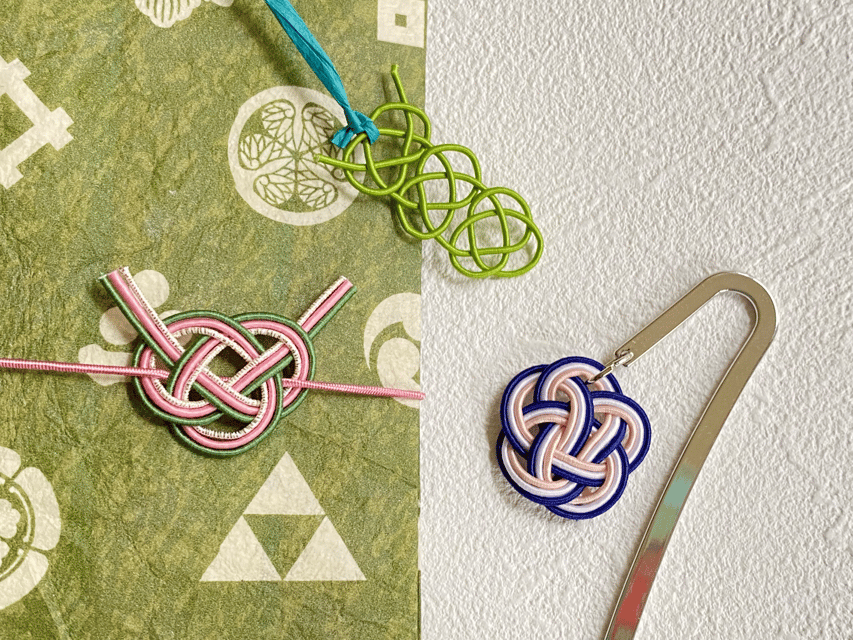
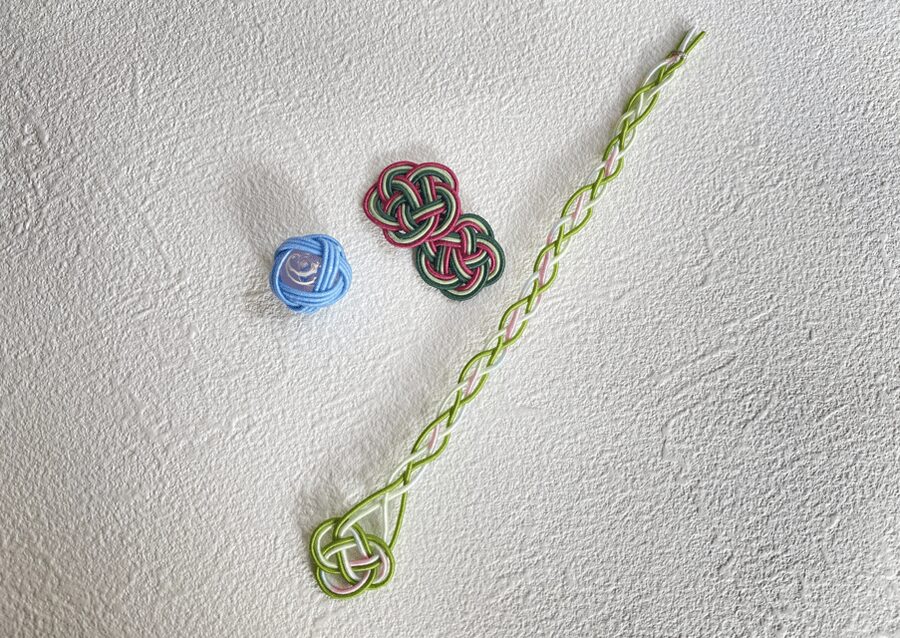
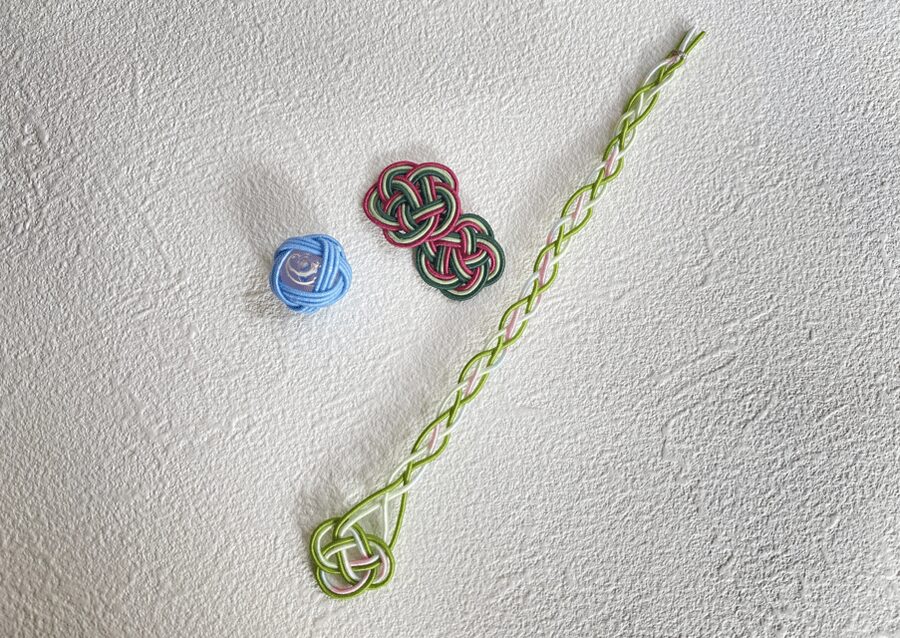
I especially liked learning mizuhiki knotting, where you make a notebook belt and bookmark using three traditional knots. The instructor in Japanese and English guides your hands step by step, and you can even try a slightly harder knot if you already know the basics.
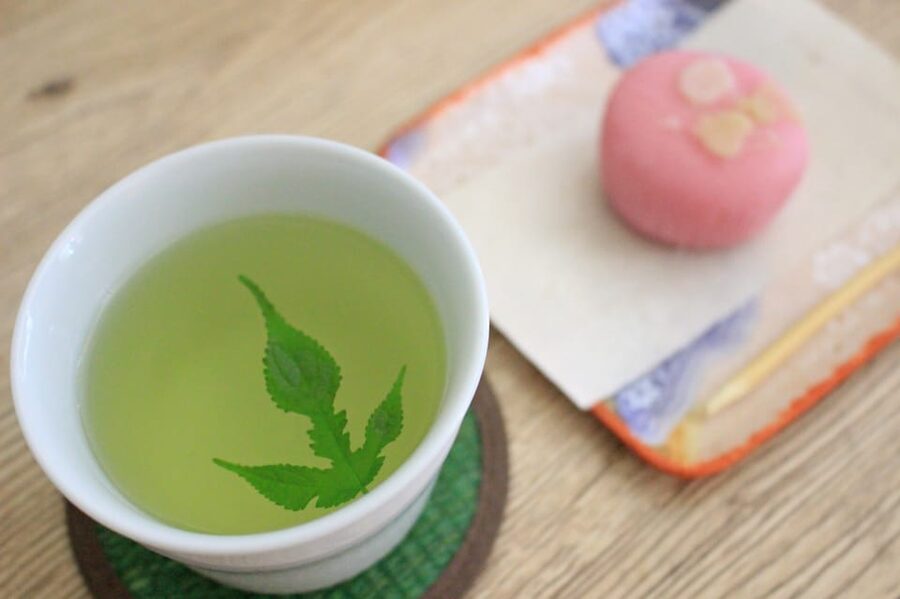
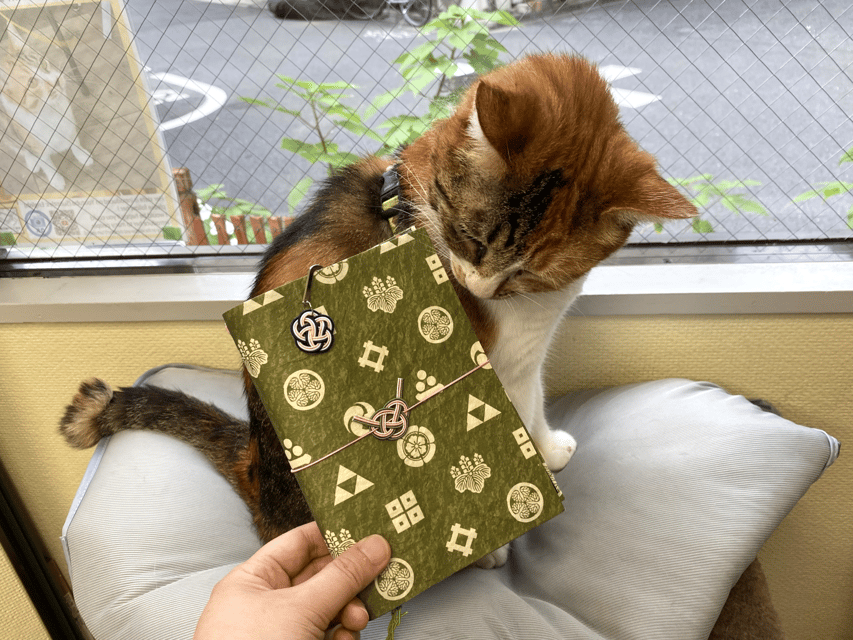
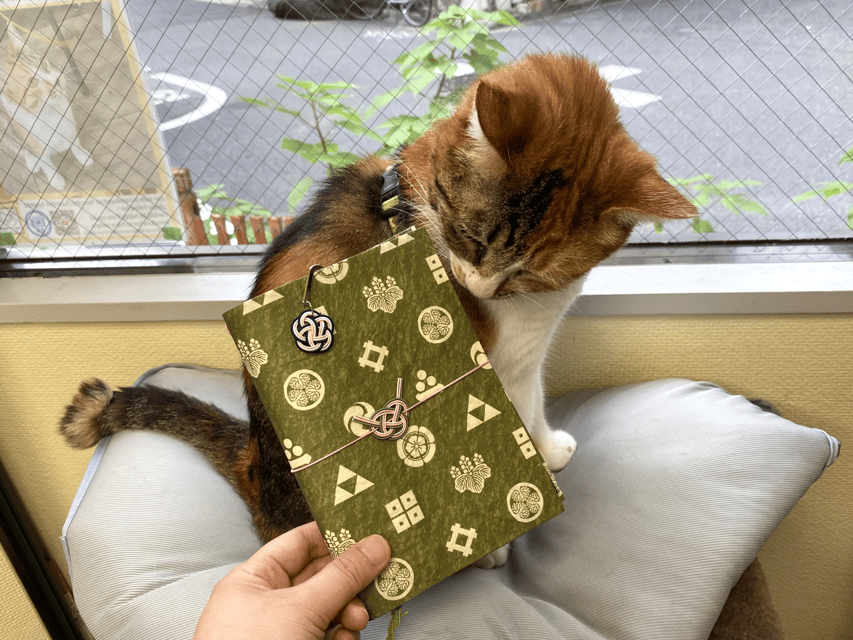
Between the crafting, you get tea and sweets, which makes the whole session feel more like a cultural break than a class. There’s also a fun studio moment, you can take a picture with the cat mascot.
Key highlights you will feel right away
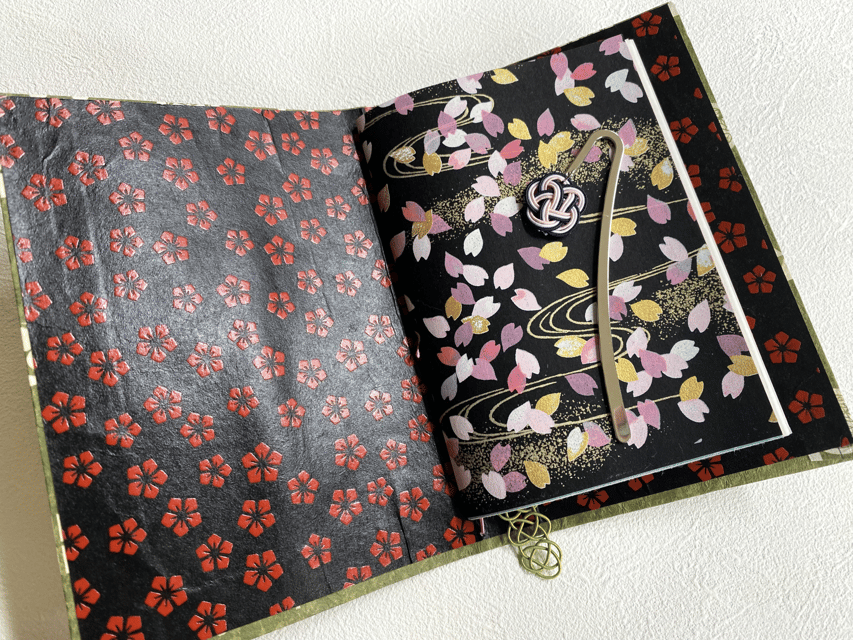
- A6 notebook, made by you, using washi paper you choose yourself
- Mizuhiki belt and bookmark, taught through three knots, with an option to level up
- Safety first with sharp tools, with clear guidance so you can focus on the craft
- Tea and sweets included, turning the workshop into a full cultural stop, not just making paper
- Private group pacing, so you get help when your fingers get stuck
- Cat mascot photo moment, because Japan does character culture well
What you’re making: an A6 washi notebook plus a mizuhiki belt bookmark
This workshop is built around two connected crafts, and that is what makes it more fun than a one-item souvenir. First, you create an A6 size notebook with a cover. Second, you add a notebook belt and bookmark made from mizuhiki, a traditional paper string used in ceremonies for hundreds of years, including weddings and funerals today.
That pairing matters. The washi notebook gives you something practical and personal, a cover you picked and paper you handled. The mizuhiki piece adds the Japanese detail work people often miss when they only buy packaged gifts. Together, they feel like a set, not two random crafts glued onto your weekend.
When you finish, you do not just walk away with something pretty. You walk away with items you understand. You know what color choices mean to you, and you know how the knots hold their shape and function.
A few more Tokyo days worth comparing
- Mt Fuji and Hakone 1-Day Bus Tour Return by Bullet Train
★ 5.0 · 26,383 reviews - 1-Day Tokyo Bus Tour
★ 5.0 · 14,250 reviews - Tokyo: TOKYO SKYTREE® Admission ticket
★ 4.5 · 11,192 reviews
150 minutes of steady guidance, with safety built in
The session is 150 minutes, which is long enough to do real craft work, not just stamp through steps. Because it is a private group, the instructor can slow down for you. That helps a lot if you are new to paper crafts or if you simply want your finished product to look right.
A key point for me is that safety is not treated like an afterthought. You get guidance on how to use sharp tools safely, which is important when you are cutting paper and working with fine materials. You still have to pay attention, but you are not guessing.
Also, plan your mindset. This is hands-on, close work. It can feel calming, but it is not passive. Your brain stays busy because you are measuring, folding, tying, and adjusting.
Picking your washi paper: the part that makes your notebook truly yours
Your washi notebook starts with choosing your paper. You pick a style you like, then make an A6 notebook with a cover. The result can look like a Traveler’s notebook or an art journal, which means you can use it as a journal, a sketch pad, or a keepsake diary.
Why this choice is worth your time: washi is not just “paper.” It has texture and character, and your cover selection changes the whole vibe of the notebook. Even if you are not a hardcore stationery fan, you will notice the difference once you touch the sheets and start assembling.
In the hands-on work, expect the instructor to guide you through exact steps, especially for anything that feels fiddly. Some people find that the notebook assembly takes a while, and that is normal. In plain terms, quality takes time when you are building with paper and doing it carefully.
Building the notebook cover and finishing details without rushing
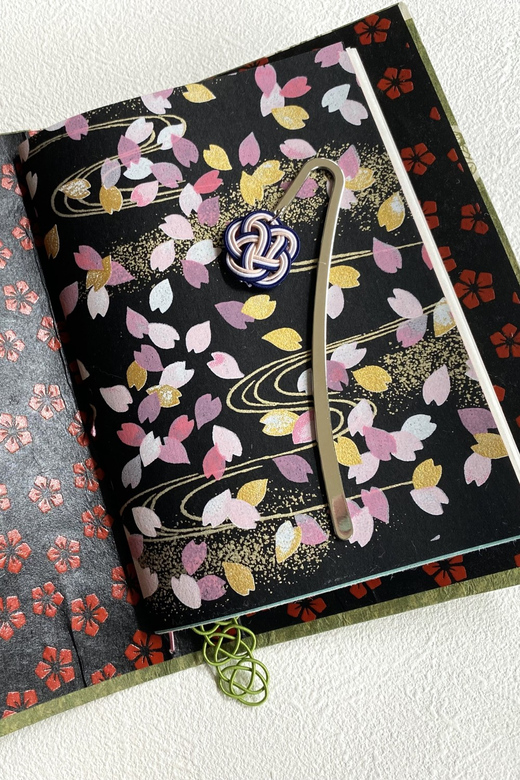
The workshop covers making an original notebook, not just cutting pages. You build the notebook with your chosen washi paper and then craft the cover so it holds up as a usable item. This is where people sometimes underestimate the time, because it is not only about making lines and folds. It is about getting the structure to sit right.
If you like crafts, you will likely enjoy this part the most. If you feel impatient, you will still be fine, but you may want to mentally switch from sightseeing mode to workshop mode. The pacing is designed to keep you on track, and the instructor is patient with more challenging steps.
Practical tip for you: wear sleeves that stay put. Working with paper means you are handling edges and surfaces for the whole session. Loose clothing can get in the way, and you will appreciate having a clean, comfortable setup.
Same corner of Japan, a different kind of day:
- Tokyo: teamLab Planets TOKYO Digital Art Museum Entry Ticket
★ 4.6 · 9,779 reviews - Mt Fuji & Hakone Cruise, Drum Show Bullet Train 1 Day from Tokyo
★ 4.0 · 7,413 reviews - Tokyo: Sumo Show Experience with Chicken Hot Pot and a Photo
★ 4.8 · 6,678 reviews - Tokyo: Shinjuku Food Tour (13 Dishes at 4 Local Eateries)
★ 5.0 · 6,603 reviews
Mizuhiki knotting: three knots, then a belt bookmark you can actually use
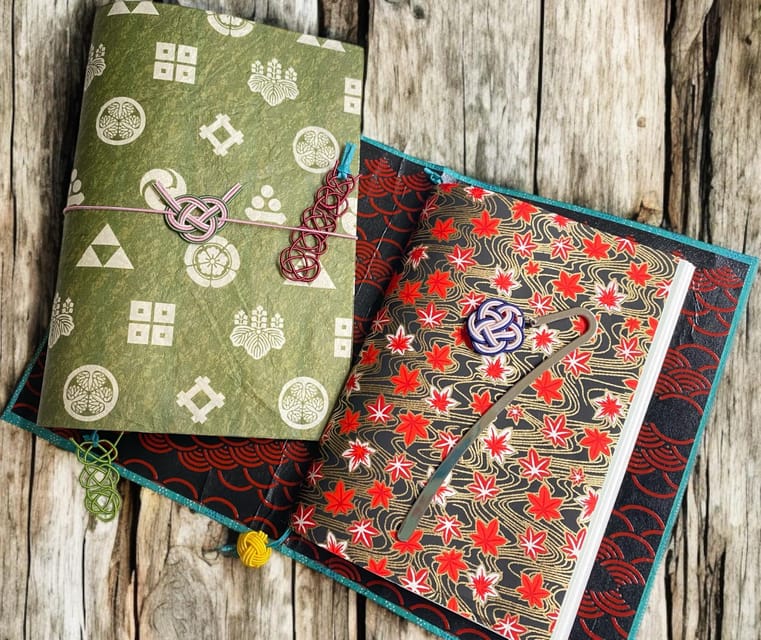
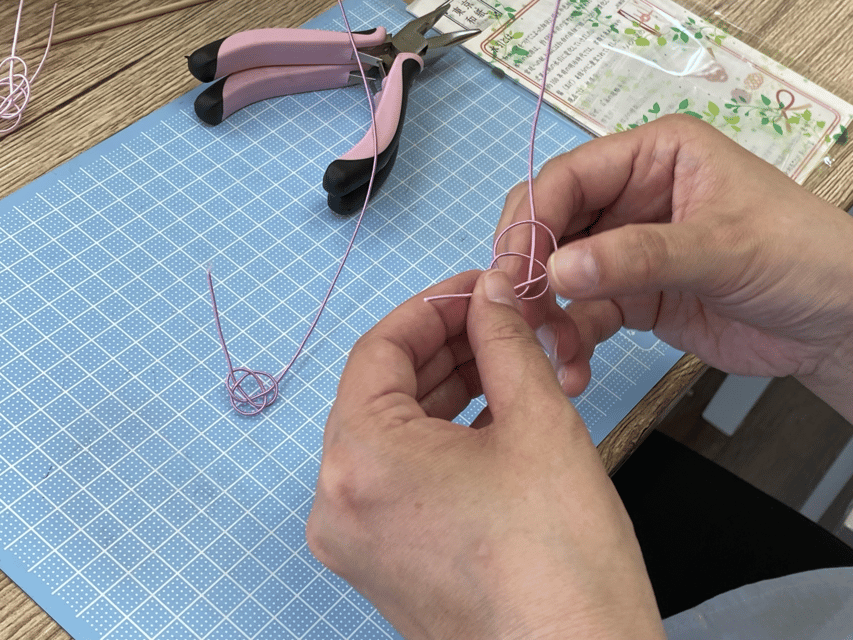
After the notebook is underway, you move into mizuhiki. Mizuhiki is traditional paper string, and the class has you create a notebook belt and bookmark while learning three knots. That gives you a structured path through a craft that can look intimidating at first glance.
One thing I like about this approach is that it teaches function as well as form. You are tying knots that have a job. The belt holds your notebook together, and the bookmark helps you mark your place. It is the kind of detail that turns a nice notebook into something you will reach for.
If you already know basic knots, you can try a slightly more difficult one. That is smart, because it respects your skill level instead of forcing you to repeat the easiest steps.
In terms of learning style, you get careful, step-by-step instruction. One reviewer highlighted that the instructor explained the importance of Awaji knots, which tells you the class does not treat knotting like a decorative afterthought. It focuses on how the knots should be made, not just what end result looks pretty.
Tea and sweets pause: small refreshment with big cultural value
Tea and sweets are part of the workshop, and they do more than fill time. They slow your body down after the fine work. They also make the session feel like a Japanese craft experience, not a factory-style craft class.
The tea is served light and refreshing, and the setup typically includes sweets. Some sessions also come with small bites like sandwiches and snacks, so you are not left hungry while you concentrate.
For me, this is one of those hidden value points. If you do a lot of sightseeing, your brain gets overloaded. A workshop with tea gives your day a different texture, and you come out feeling rested, not just tired.
The studio cat mascot photo moment
There is a playful break built into the experience, too. If you are a cat person, you can take a picture with the studio cat mascot. It is a small detail, but it adds warmth and personality to the space, especially for first-timers who expect craft to be strictly formal.
If you are not a cat person, you can still treat it as a fun moment and go right back to your notebook. It does not take over the class, and it does not distract from the main work.
Price and value: is $113 worth it for this private craft workshop?
At $113 per person for 150 minutes, you are paying for three things that most budget “craft souvenirs” do not provide.
First, you are paying for a private group experience. That matters when you are doing something precise like notebook assembly and knot tying. More personalized attention reduces the frustration of getting stuck on a step.
Second, you get required materials included. That includes the washi paper you choose and the supplies for mizuhiki knotting. Craft classes often hide costs in add-ons, but here the essentials are built in.
Third, you get a real output you can use. You make an A6 notebook and a belt bookmark set, not just a small decoration. Tea and sweets are included, which helps round out the experience into a full cultural stop.
Would I call it a bargain? No. But I would call it good value for what it delivers, especially if you want something handmade that feels deeply personal. If your travel style is about meaningful keepsakes and quiet, skill-based activities, this price starts to make sense fast.
And if you are thinking about pairing this with other experiences in Japan, it also makes a nice counterbalance. After days of walking and crowds, it is a change of pace where your hands do the thinking.
Who should book this workshop, and who should skip it
This workshop fits best if you:
- Enjoy paper crafts, stationery, and slow, detailed work
- Want a hands-on cultural experience instead of another photo stop
- Like learning a traditional technique you can explain later
- Want a personal gift you make yourself
It is also a good choice for couples or a small private group since the experience is described as intimate and personalized. If you are traveling with kids, note the age rule: it is not suitable for children under 10. That is likely due to fine motor demands and safety around sharp tools.
One more practical fit check for you: if you strongly dislike anything that requires patience, you might find the knotting and notebook assembly challenging. The instructor helps, but you still have to do the work.
Should you book it? My straightforward take
Book it if you want something you will keep using, not just something you hang up. The combination of a washi notebook and a mizuhiki belt bookmark is unusual, and it gives you a two-part handmade set that feels authentically Japanese in a way a typical souvenir rarely does.
I would also book it if you like craft teaching that is hands-on and careful about details. The class includes safety guidance, instruction in Japanese and English, and the pacing is set up so you can finish with confidence.
Skip it if you are short on time and want a fast, casual activity. This is a real workshop, and you should treat it like one, with time to concentrate and enjoy the process.
FAQ
Where does the Japanese paper notebook and mizuhiki workshop take place?
It takes place in Honshu, Japan.
How long is the workshop?
The duration is 150 minutes.
How much does it cost?
It costs $113 per person.
Is this a private group activity?
Yes, it is a private group.
What languages are used during the class?
The instructor provides guidance in Japanese and English.
What will I make during the workshop?
You will make an A6 size notebook using washi paper, and you will also make a notebook belt and bookmark using mizuhiki knots.
Does the class include tea and sweets?
Yes, tea and sweets are included.
Are materials provided?
Yes, required materials for the workshop are provided.
Is transportation to the studio included in the price?
No, transportation to the store is not included.
Is it suitable for young children?
It is not suitable for children under 10 years old.
Fresh options around Tokyo
- Privately visit local home for relax tea ceremony &music, Tokyo★ 5.0 · 14 reviews
- Tokyo: Mt Fuji Lake Kawaguchi & Yamanaka Hot Spring Day Tour★ 4.0 · 14 reviews
- Tokyo National Museum Private Tour★ 4.5 · 14 reviews
- [Once-in-a-Lifetime Experience]Tokyo City Go-Kart Experience Tour★ 5.0 · 14 reviews
- tokyo city walk tour visit Tokyo in one day★ 5.0 · 14 reviews
- Tokyo: Shibuya Local Hidden Bar/Izakaya and Karaoke Tour★ 4.7 · 14 reviews
- Home made Ramen you made from scratch!!★ 5.0 · 14 reviews
- Private Tokyo Food Tour – Retro Akabane Izakaya Experience★ 5.0 · 14 reviews
Workshops, compared.
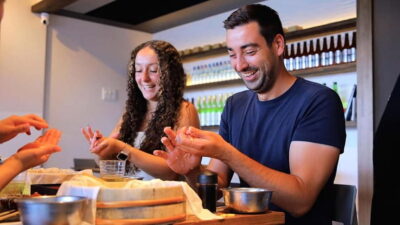
Sushi Making Tokyo Roll and Authentic Japanese Sushi Class
Read our review →
Roll and Authentic Sushi Making Class in Asakusa
Read our review →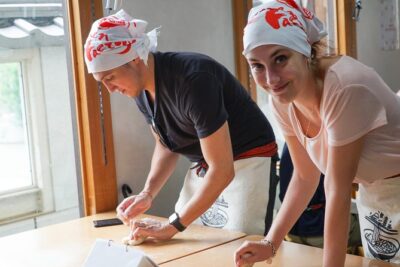
Ramen Cooking Class at Ramen Factory in Kyoto
Read our review →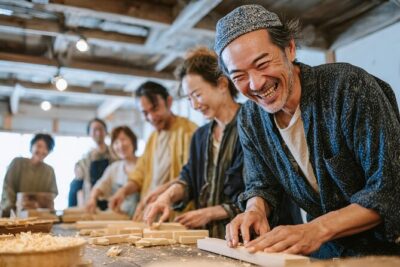
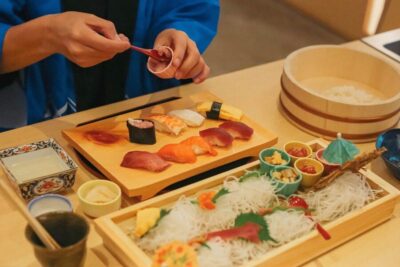
Sushi Making Class in a Happi Coat near a Famous Spot
Read our review →
Sushi Making Osaka Roll and Authentic Japanese Sushi Class
Read our review →Browse the lists this tour appears in