
Reviewed · WORKSHOPS
Nagoya: Traditional Japanese Sweets-Making Workshop
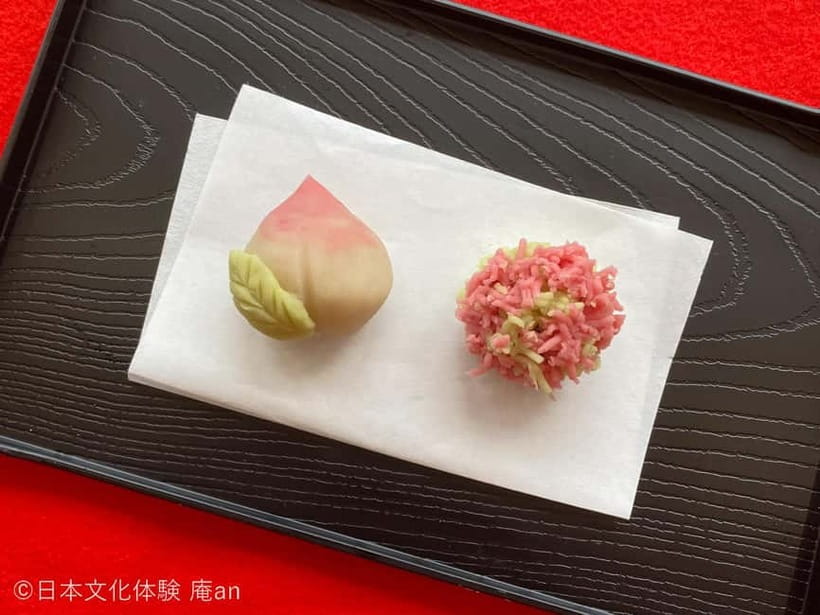
You shape seasonal Nerikiri fast in Nagoya. In 65 minutes you work with Kyoto bean paste and craft seasonal Nerikiri, then you get to taste what you made. The one catch to plan around, the venue is on the 3rd floor with no elevator.
I like that this is hands-on and ingredient-forward. You are making two Japanese sweets that match the season, using white or red bean paste made by long-established shops in Kyoto. You will also have a classroom-style session, with clear guidance and English support provided as much as possible.
The pace is friendly, and the instructor can explain in Japanese and English. A few people also describe a short matcha making intro layered into the experience, so you come away with more than just a plate of sweets.
Key highlights to notice before you go
- Kyoto-made bean paste: white and red options, sourced from long-established shops
- Two seasonal Nerikiri: you shape a full set of sweets, not just a single example
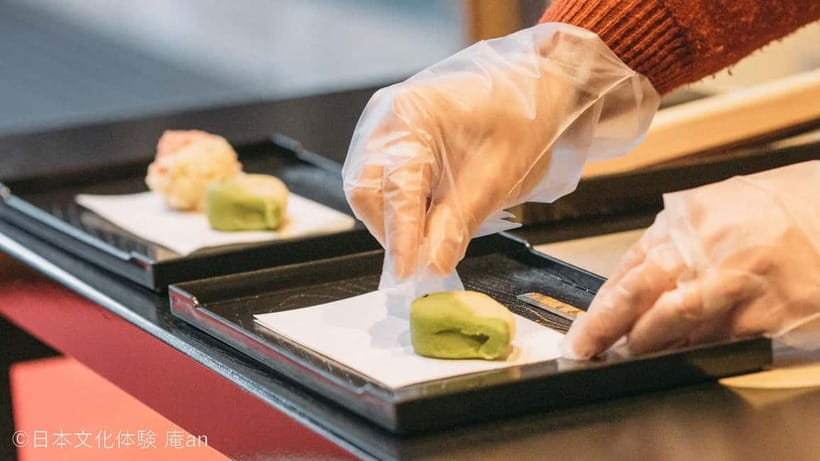
- Hands-on shaping and plating: you build each sweet and present it on a plate
- Eat them right away: your finished sweets are for tasting on the spot
- Classroom format: expect a structured lesson with a larger group size
- Language help: English translation is provided as much as possible, with a Japanese instructor
Nerikiri in Nagoya, built from Kyoto ingredients
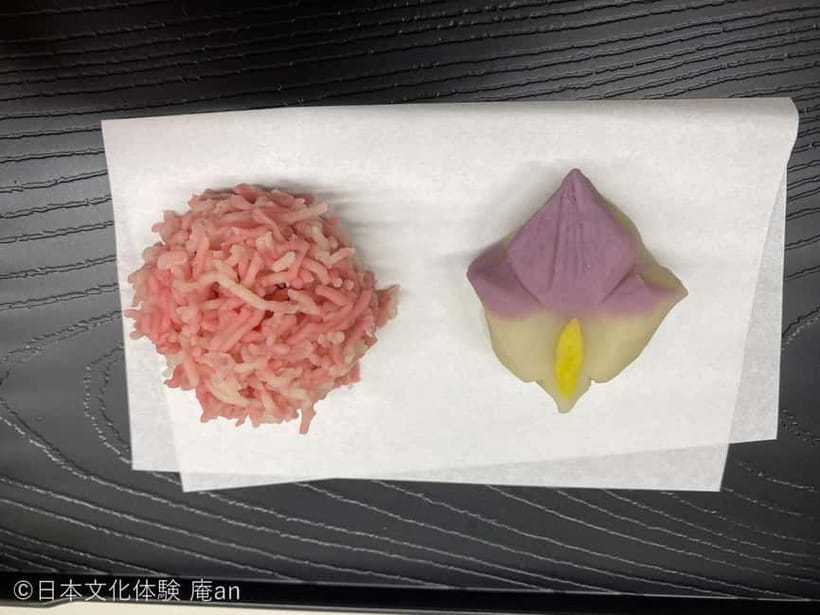
This is a Nagoya traditional sweets workshop focused on wagashi basics, with Nerikiri at the center. Nerikiri are bean-paste based sweets shaped into themed forms, and the season is the creative constraint that makes each class feel different. Instead of “watch and leave,” you get to shape the paste yourself, then you learn how presentation matters as much as flavor.
What makes the session feel high value is the ingredient quality. You use white or red bean paste produced by Kyoto’s long-established shops. Kyoto is the name you want here because it signals a long tradition of making the base ingredient that wagashi relies on. In plain terms, if your paste is good, everything you shape on top of it tastes better.
I also like the emphasis on real work. You are not just decorating a cookie. You are transforming bean paste into a seasonal sweet, which means you will pay attention to texture, shape, and how the layers come together.
A few more Nagoya days worth comparing
- From Nagoya: Gujo, Hida Takayama, and Shirakawa-go Day Tour
★ 4.4 · 398 reviews - Ghibli Park 1-Day Bus Tour from Nagoya
★ 4.5 · 277 reviews - From Nagoya: Hida Takayama & Shirakawa-go Tour w/Opt. Lunch
★ 4.5 · 256 reviews
Your 65-minute workflow, from paste to finished sweets
The whole experience runs about 65 minutes. That is long enough to learn the fundamentals and make two sweets, but short enough that it does not eat your entire day in Nagoya. You should plan to be present from start to finish because those who do not participate are not allowed to enter.
Here is the core flow you can expect, in practical terms. The class starts with an explanation of how Nerikiri are made and what you are aiming to create. Then you move into hands-on shaping, using the bean paste provided and following the instructor’s steps. By the end, you plate your handmade sweets, and that plate is treated like the final product, not an afterthought.
The highlight is that you make two seasonal Japanese traditional sweets. That detail matters because it gives you a second chance to improve your technique. Many short cooking demos give you one item. Here, you get to practice twice within the same session.
The seasonal part you will actually feel
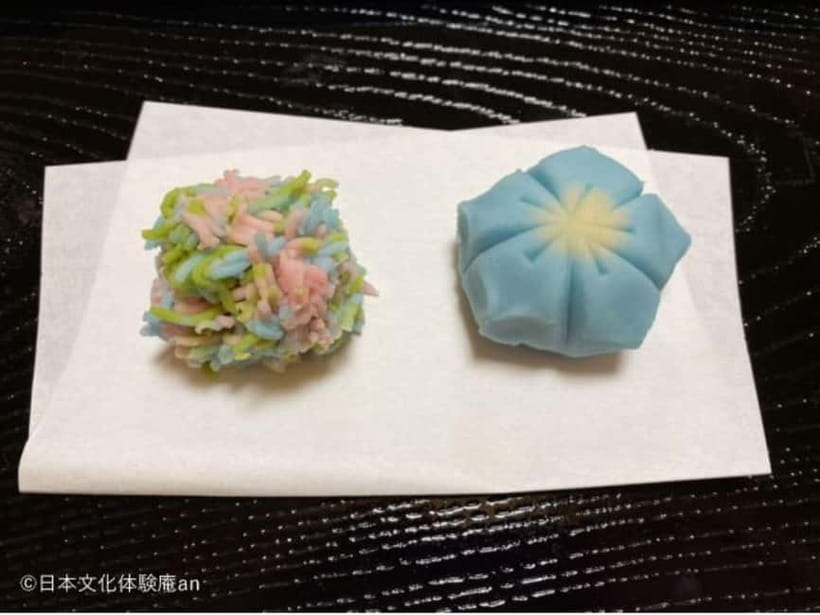
The season matching is not just a marketing line. When a sweet is designed for the time of year, the shaping and theme follow cues tied to what people associate with that season. In a Nerikiri workshop, that usually means your finished sweets look different from what you would make in another month.
That is why this experience is worth doing even if you have tried a single wagashi item before. You are learning a method that adapts. The skills you build, shaping, pressing, folding, and finishing, transfer to other Nerikiri designs. So even after the class, you can understand what you are seeing when you buy seasonal sweets later.
Also, because you are making two items, you can often compare two different shapes or approaches. That turns the lesson into something more “I get it now” instead of “I copied a step.”
Classroom style, clear instruction, and the language advantage
This workshop is run by a Japanese instructor, and it is designed for visitors. English translation is provided as much as possible, and the instructor can explain both in Japanese and English. Based on past participant experiences, the guidance tends to be clear and calm, which is exactly what you want in a hands-on class where timing and texture are important.
The format is described as classroom style, with a group size around 20 people. That can be a positive. You get a lively atmosphere, but the class is still structured. It is usually easier to pick up steps when you can listen to demonstrations and see how others are progressing.
If you want extra English help, the setup notes you can contact the provider to request it. That is useful if you want less ambiguity while you are shaping something delicate.
Same corner of Japan, a different kind of day:
- Hiking the Historic Nakasendo Trail [1 Day Tour from Nagoya]
★ 5.0 · 104 reviews - Nagoya Highlight Tour guided by a friendly local
★ 5.0 · 86 reviews - Nagoya: Japanese Traditional Sweets making and Tea Ceremony
★ 4.9 · 76 reviews - Magome-juku, Tsumago-juku & Ena-kyo 1d Bus Tour from Nagoya
★ 4.6 · 75 reviews
What you use, and why the bean paste matters
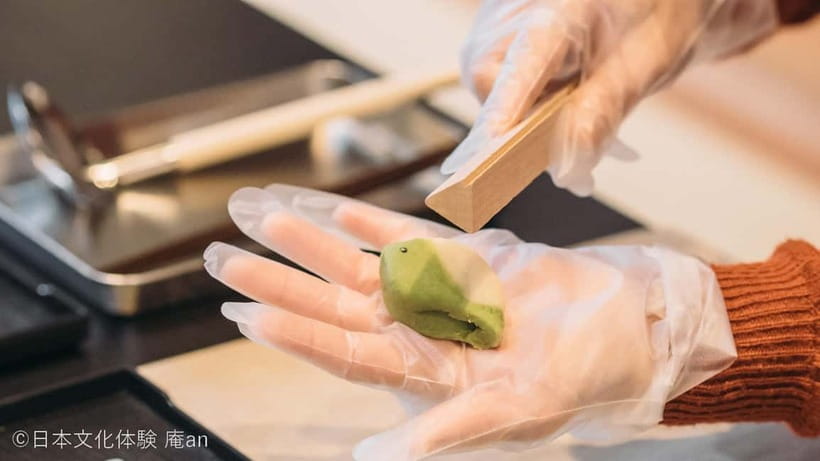
Your main ingredient is bean paste, with both white and red options available for you during the class. The key point here is where it comes from. The paste is produced by long-established shops in Kyoto, which implies consistency and a well-developed technique behind the ingredient.
For your taste buds, that affects everything. The base flavor sits underneath all the shaping. For texture, it also matters because Nerikiri depends on how pliable and smooth the paste is when you work it.
If you are wondering whether this is just a “food craft” class, the answer is no. It is a sweets making experience that treats ingredient quality as part of the learning, not just the final product.
Eating on the spot: the payoff you can taste immediately
The best part of a workshop like this is that you do not have to wait to enjoy it. You can eat the sweets on the spot, right after you finish. That means you can taste while the lesson is fresh in your mind, and it also reduces the stress of what to do with your food.
If you are traveling with other people, this is also a nice group moment. Everyone can see the finished plates, then you all get to taste your own Nerikiri. The experience even frames plating as your artwork, so you get a sense of pride when you see your finished work sitting neatly on a plate.
There is a take-out option, but it costs extra. A sweets take-out box is 100 JPY. Plan on eating in class unless you truly need to bring something back.
Optional add-ons: certificate and take-out box
If you want a souvenir beyond the sweets, there is an experience completion certificate. It costs 300 JPY, and if you want it to include names, you need to provide them in advance. If you do not, the certificate will be left blank at the name spot.
For many visitors, a certificate feels unnecessary. But if you like collecting proof of skills, it can be a fun way to remember this specific seasonal Nerikiri lesson. Pair it with a couple of photos of your plated sweets and you have a full memory set.
Where to meet in Nagoya, and how to plan your arrival
Meeting is easy if you like rail stations as your anchor. The meeting point is a 1-minute walk from Exit 3 of the Subway Sakura-dori Line Kokusai Center Station. If you are coming from Nagoya Station, it is about a 13-minute walk from the Sakura-dori side.
The venue is on the 3rd floor, and there is no elevator. That matters if you have mobility limitations or heavy bags. Keep it in mind so you can arrive without stress and start the workshop on time.
Also note a practical rule: the event cannot be held to accommodate delays. So give yourself buffer time, especially if you are navigating inside a busy station area.
Price and value: why $11 feels fair for what you get
The price is listed at $11 per person, and the experience includes a set for Japanese traditional sweets making. You are also getting the chance to make two sweets, matching the season, plus you can eat them on the spot.
A lot of classes in Japan are more expensive once you factor in small costs. Here, the main extras are optional. You can skip the take-out box, and you can skip the certificate unless you want it. That makes the core workshop feel straightforward: you pay for the ingredient-driven, guided shaping practice, and you leave with the sweets.
If you are comparing it to buying seasonal wagashi at a shop, the workshop gives you a different kind of value. You get technique and context, not just sweetness. And because you taste your sweets immediately, you do not have to guess whether the results are good.
Who this workshop is best for
This is a great fit if you want a calm, focused activity in Nagoya that still feels cultural and tactile. You do not need previous experience. You do need patience for shaping and attention to the instructor steps.
It is also a strong choice for couples or friends who want an activity where you can share a small “win” at the end. Two sweets means you can compare results and enjoy the tasting together.
If you prefer fast sightseeing, you might find a 65-minute workshop more satisfying as a midday break than as an end-of-day scramble. The no-delay rule means it also suits people who plan their transit times carefully.
Kids can join too. Children who sit on their parents’ laps are free of charge, under 2 years old.
Should you book the Nagoya Nerikiri sweets workshop?
Yes, if you want a hands-on Nagoya experience that is specifically about Japanese traditional sweets, not just a snack tasting. This workshop is built around seasonal Nerikiri, Kyoto-made bean paste, and the chance to eat what you make right away. At $11, it is a clean value proposition because the core experience includes the materials and the tasting.
I would pass or reconsider if the lack of elevator is a problem for you, or if you know you will likely arrive late. Since you cannot enter unless you participate, and delays are not accommodated, punctuality matters.
If that sounds manageable, book it. It is one of the easiest ways to understand how seasonal wagashi works, and you will leave with both sweets and a skill you can recognize when you see Nerikiri in a shop later.
FAQ
How long is the Nagoya traditional sweets-making workshop?
The workshop duration is 65 minutes.
What is the price per person?
The price is listed as $11 per person.
What does the workshop include?
It includes a set for making Japanese traditional sweets.
Can I eat the sweets after making them?
Yes. You can eat the sweets on the spot.
Are there extra costs for taking the sweets home?
Yes. A sweets take-out box costs 100 JPY.
Is the completion certificate included?
No. A completion certificate costs 300 JPY, and if you want a nominative certificate you should provide your names in advance.
Where is the meeting point?
It is a 1-minute walk from Exit 3 of Subway Sakura-dori Line Kokusai Center Station, or about a 13-minute walk from Nagoya Station on the Sakura-dori side.
What language support is available during the class?
The instructor is Japanese. English translation will be provided as much as possible, and you can contact the provider if you want to add translation support.
Fresh options around Nagoya
- Walking Small-Group Nagoya City Tour★ 5.0 · 13 reviews
- Nagoya Private Tour with a Local: Highlights & Hidden Gems★ 5.0 · 13 reviews
- Nagoya Private Custom Tour with Local Guide★ 5.0 · 15 reviews
- Nagoya: Customized Private Tour★ 4.6 · 15 reviews
- Pub Crawl in Nagoya★ 5.0 · 15 reviews
- Kimono Rental and Tea Ceremony Experience in Inuyama★ 5.0 · 15 reviews
- Experience Japanese calligraphy & tea ceremony at a traditional house in Nagoya★ 5.0 · 16 reviews
- Nagoya: 2026 Hida Takayama Shirakawa-go Light-up Winter Tour★ 3.5 · 16 reviews
Workshops, compared.
Sushi Making Tokyo Roll and Authentic Japanese Sushi Class
Read our review →
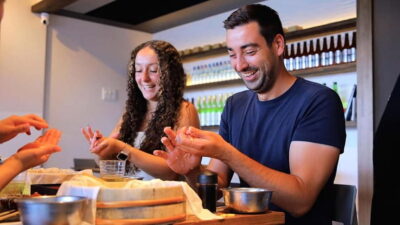
Roll and Authentic Sushi Making Class in Asakusa
Read our review →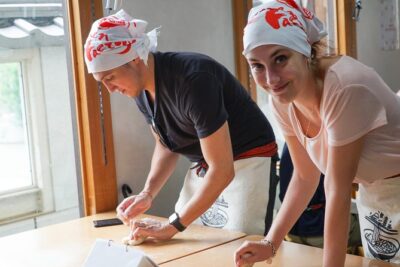
Ramen Cooking Class at Ramen Factory in Kyoto
Read our review →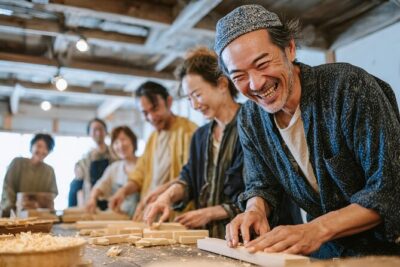
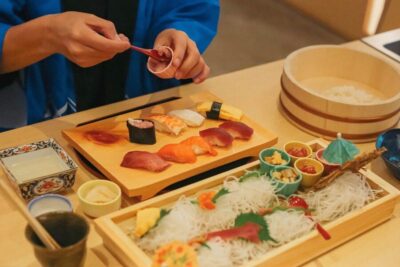
Sushi Making Class in a Happi Coat near a Famous Spot
Read our review →
Sushi Making Osaka Roll and Authentic Japanese Sushi Class
Read our review →Browse the lists this tour appears in