Reviewed · SHOW
Traditional Japanese Music show & Experience Tour in Kyoto
You can feel Japanese music in your hands. This Kyoto experience mixes a 25-minute live concert with another 25 minutes where you try traditional instruments yourself, guided by experts. I love the small-group format and the hands-on instrument time, not just sitting through a performance. One drawback to plan for, it is only about an hour, so you will learn basics and get the feel, not become a player.
The show runs on select days at 11:00, and the musical content can change depending on when you go. You get a mobile ticket and the activity ends where it starts, so your day stays simple. The main thing to remember is that you need a minimum of 2 participants for it to run, and you are capped at 12 travelers for that more personal vibe.
Key points at a glance
- 25 minutes live concert with performers playing in front of you
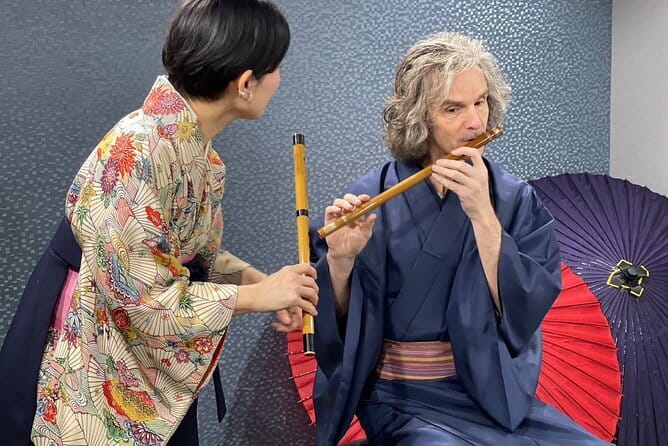
- 25 minutes hands-on playing with traditional instruments and expert guidance
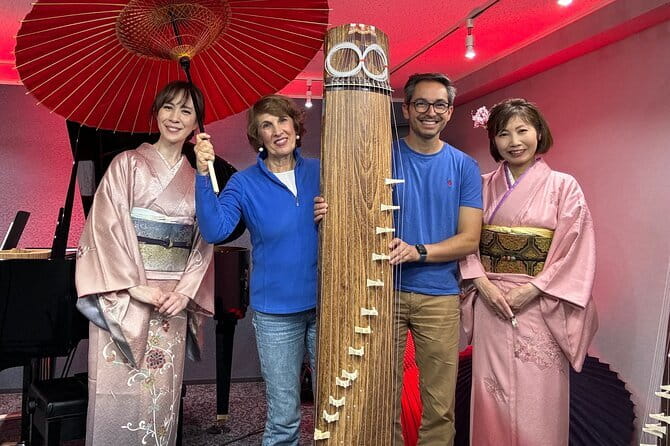
- Photo time with the instruments and performers to make it memorable
- Shamisen, koto, wadaiko are included, plus other traditional instruments
- Small group, up to 12 people, so you are not lost in the crowd
Why This Kyoto Music Session Feels Different Than a Normal Concert
Kyoto has no shortage of traditional performances. The difference here is that you do not just watch the music happen, you also get to make sound yourself.
I like the structure because it respects your time. You get a real concert first, so you understand what you are trying to play. Then you shift into practice mode with the instruments in front of you, with coaching along the way. Even if you think you have two left hands, this format is designed for beginners.
The small group size also matters more than it sounds. With a maximum of 12 travelers, there is space for questions and for the kind of patience that helps you learn the basics without feeling rushed. That is a big reason this show earns top marks for being fun and informative.
The only real tradeoff is duration. At about 60 minutes total, it is a taste, not a long workshop. If you are looking for hours of training, you might want a different kind of class. But if you want something authentic, guided, and efficient while in Kyoto, this fits well.
A few more Kyoto days worth comparing
- PERFECT KYOTO 1-Day Bus Tour
★ 5.0 · 13,518 reviews - Kyoto: Fushimi Inari, Kinkakuji, Bamboo Grove 1 Day Bus Tour
★ 4.8 · 4,316 reviews - Kyoto: Tea Ceremony in a Traditional Tea House in Kiyomizu
★ 4.9 · 3,519 reviews
The 60 Minutes Breakdown: Concert, Play, and Photos
This experience is timed tightly, with three clear stages. That pacing is useful, because it keeps you engaged and stops the hands-on portion from feeling chaotic.
25 minutes: an authentic traditional music concert
You start with an authentic Japanese music performance. The goal is simple: you hear the instruments and the style in a live setting. You also learn what to listen for before you touch anything. This is the stage that makes the later practice meaningful, because you are not going in blind.
25 minutes: try playing traditional instruments
Next comes the main event: hands-on playing. You are not thrown into the deep end. You receive expert advice on how to play, and the session is beginner-friendly with no prior experience needed.
This is the part I think most people will remember, because it turns culture into action. You get to experience how different traditional instruments feel in the hands, how sound changes with technique, and what it is like to follow a performer’s guidance in real time.
Same corner of Japan, a different kind of day:
- Kyoto Geisha Walking Tour: Gion District & Hidden Gems
★ 4.7 · 3,273 reviews - Kyoto: Tea Ceremony Ju-An at Jotokuji Temple
★ 4.9 · 3,207 reviews - Kyoto: Gion Magical Night Walking Tour with Geisha Trivia
★ 4.9 · 2,393 reviews - Kyoto: 45-Minute Tea Ceremony Lesson Experience
★ 4.3 · 2,378 reviews
10 minutes: photos with instruments and performers
Finally, you get time for photos with the instruments and performers. This is not an afterthought. It is a chance to capture the moment when your eyes and ears finally connect with the physical objects you just played. It also gives you a practical souvenir, especially if you plan to compare instruments later in your Kyoto walking days.
The Instruments You Can Expect to Try in Kyoto
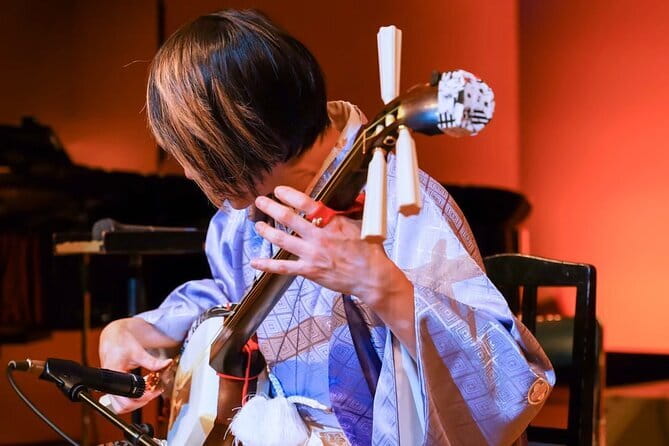
You should plan for a mix of well-known traditional instruments. The experience specifically includes Japanese musical instruments you can try, with shamisen, koto, and wadaiko named in the schedule.
Shamisen (Japanese lute)
The shamisen is one of the most recognizable traditional sounds in Japan. Expect to learn the basics with the instrument in front of you, guided by the performers. Because the session is structured for beginners, you will likely focus on fundamentals rather than complex patterns.
Koto (Japanese harp)
The koto offers a different feel. It is less about a single impact and more about controlling sound. In a hands-on session, this matters because you get to understand how technique changes the notes.
Wadaiko (Japanese drum)
The wadaiko part is often the most physical. Even when you are learning a simple approach, you feel how rhythm drives the music. If you like percussion or you enjoy performance energy, this is a highlight.
Other traditional instruments
The experience notes that you can experience a variety of traditional instruments, and more are mentioned beyond the three above. That means your exact lineup can vary depending on the day, so it is worth choosing based on your schedule rather than trying to lock onto a single instrument.
The Real Value: Expert Coaching in a Small Group
Plenty of experiences call themselves interactive. This one is interactive in a way that makes sense.
You get expert advice on how to play, and the coaching happens in a small setting. That means if you struggle, you are not stuck figuring it out alone. The experience is designed for people who do not have prior experience, which is exactly what you want when your goal is learning, not performing.
I also like that the instrument is included. You do not have to bring your own, and you do not have to worry about equipment access. That can be a hidden cost in other cultural classes, especially if you are moving between Kyoto neighborhoods each day.
And there is an important emotional payoff. Some people worry they will sound bad. In a beginner-friendly session, that worry fades quickly because the emphasis is on learning the basics and enjoying the process. You are there for the culture, not a competition.
What Makes It Especially Kyoto: Live Music, Not a Museum Moment
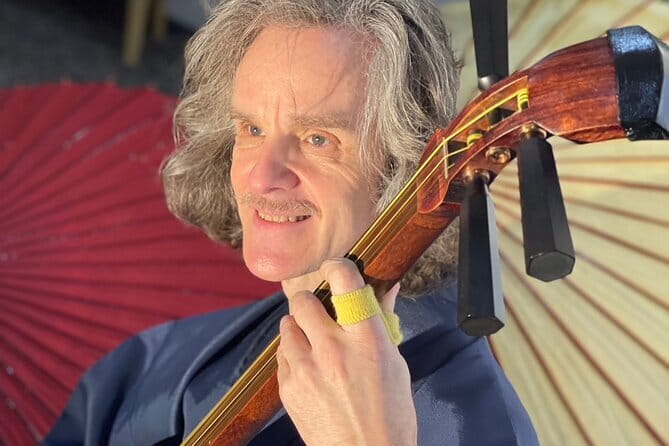
This is not a passive cultural stop. It is a front-row view of living tradition, with your hands involved.
Kyoto is great for big sights and scenic streets. But the city is also about practices that people keep doing, generation after generation. Traditional music is one of those practices. When you see performers playing in person, you get more than the notes. You get tempo, control, and the way performers shape sound.
Then, when you try the instruments, you shift from seeing tradition as something distant to experiencing it as something human. Even a short hands-on session can change how you listen to traditional Japanese music later in the day, whether you are walking near shrines or browsing a small shop.
Also, the concert content varies depending on the day. That means if you are in Kyoto for more than one day and you are into music, there is a built-in reason to come again on a different day.
Price and Value: Is $46.24 Worth It?
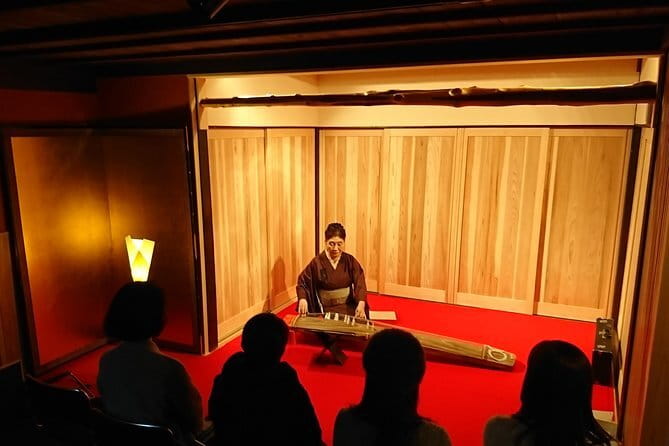
At about $46.24 per person, you are paying for a lot of concentrated experience. Here is what that price really buys you, based on the structure.
You get:
- A full live concert component (25 minutes)
- A guided hands-on instrument session (25 minutes)
- Photo time (10 minutes)
- Instruments included for the experience
- Small group cap at 12 travelers, which supports better interaction
For Kyoto, that is solid value because you are not paying for transportation or a private lesson. You are paying for expert-led culture plus the practical chance to play. If you usually find that interactive activities cost extra, this one keeps the experience compact and efficient.
The main reason the price feels fair is the time balance. You get equal weight for listening and doing. Many music experiences lean heavily toward watching. Here, the middle portion is a real skill attempt, even if it is brief.
Meeting Point and Timing: How to Fit It Into Your Kyoto Day
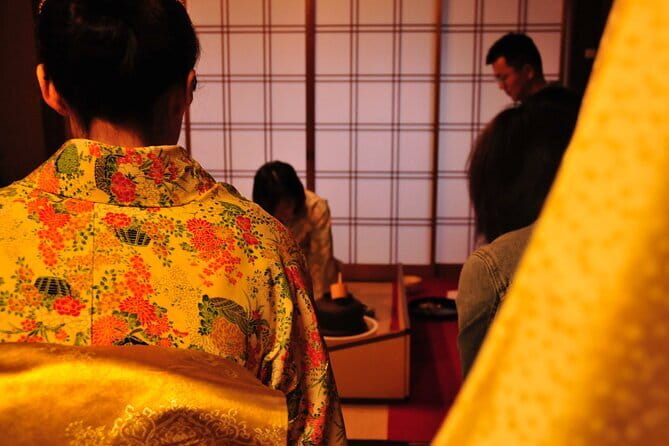
This starts at 11:00 am on select days: Monday, Tuesday, Thursday, and Friday. The activity runs for about 1 hour total and ends back at the meeting point.
Your meeting point is:
5f, 306 Higashidaimonjichō, Nakagyo Ward, Kyoto, 604-8043, Japan
It is noted as near public transportation, which is key for Kyoto. You do not want your day to depend on taxis or complicated transfers for a one-hour experience. If you are already staying around central Kyoto, you can likely build this into a lunch-adjacent plan.
Also, you get a mobile ticket. That is helpful when you are juggling maps, transit timing, and multiple plans in one day. Confirmation happens at booking time, so you should be set once you have the ticket.
One more planning detail: a minimum of 2 participants is required for it to run. That usually means popular dates are safer, but if your schedule is tight, it is smart to book the earliest matching slot you can.
Who This Tour Is Best For (And Who Might Want Something Else)
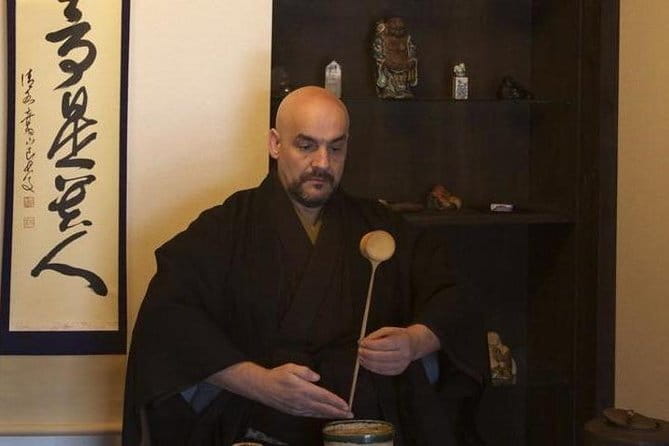
This experience works well for:
- Beginners who want expert help with instruments and do not want prior musical knowledge
- People who like hands-on culture more than watching from the back row
- Travelers who want a short, high-value activity within a busy Kyoto itinerary
- Anyone curious about the sound and feel of Japanese instruments, especially shamisen, koto, and wadaiko
It may not be ideal for you if:
- You want hours of instruction or a deep technique class. This is about guided basics and immediate participation.
- You are very sensitive to being in a small group setting. Because it is limited to 12, the group is still intimate, but it is not private.
If you want a smooth, low-stress cultural experience that still feels real, this fits the bill. The short duration makes it easy to pair with nearby Kyoto sightseeing.
Practical Tips So You Get the Most From Your Instrument Tryout
You will enjoy this more if you go in with the right expectations. Think of it as a guided taste that helps you understand the instruments, not a performance test.
Here are a few things that help:
- Arrive a few minutes early so you can settle in without rushing.
- Be ready to follow simple instructions quickly, because the session moves through stages.
- When you hear the concert, pay attention to rhythm and basic cues. Those cues help when you pick up the instrument.
- During the hands-on part, focus on what the guide is emphasizing rather than trying to sound perfect.
- Use the photo time. Even if you feel awkward posing, the instruments make it worthwhile.
And if you are worried you will not be musical, relax. The experience is designed for people who are new. The coaching is part of the deal.
Book It or Skip It: My Decision Guide for You
I recommend booking this if you want a Kyoto experience that is both cultural and active, with real expert guidance. The combination of a live concert and a chance to play is exactly the kind of structure that turns information into memory. Add the small group limit and the instrument inclusion, and the value looks strong for the price.
Skip it if you are specifically looking for a long workshop, private instruction, or a tour that focuses mainly on sightseeing. This experience is about sound, instruments, and participating, not about covering major Kyoto landmarks.
If you are on the fence, consider this simple test. Do you want to listen, then try? If yes, this is the kind of short, well-paced Kyoto activity you can squeeze into your day and feel good about afterward.
FAQ
How long is the Traditional Japanese Music show and experience tour in Kyoto?
It lasts about 60 minutes total, including a 25-minute concert, 25 minutes to try instruments, and 10 minutes for photos.
What time does the tour run?
It starts at 11:00 am on Monday, Tuesday, Thursday, and Friday.
Where is the meeting point?
The meeting point is 5f, 306 Higashidaimonjichō, Nakagyo Ward, Kyoto, 604-8043, Japan. The activity ends back at the meeting point.
What instruments can I try during the experience?
The experience includes traditional Japanese instruments such as shamisen, koto, and wadaiko, and you may have the chance to experience other instruments depending on the day.
Do I need any prior musical experience?
No prior experience is needed. You will receive expert advice on how to play.
Is an instrument provided?
Yes, the Japanese musical instrument for the experience is included.
How big is the group?
The activity has a maximum of 12 travelers.
What is included and what is not included?
Included is the Japanese musical instrument for the experience. Private transportation is not included.
Is there a mobile ticket?
Yes, the tour uses a mobile ticket.
What is the cancellation policy if my plans change?
You can cancel for a full refund up to 24 hours before the experience’s start time. If you cancel less than 24 hours before, the amount paid is not refunded. The minimum number of travelers requirement can also affect whether the experience runs.
Fresh options around Kyoto
- Kyoto Aquarium Admission Ticket★ 4.7 · 12 reviews
- Kyoto Gion Photoshoot – Private Session | Pro Photographer★ 5.0 · 12 reviews
- Gyoza Cooking Class in Kyoto: Traditional Japanese Dumplings★ 5.0 · 12 reviews
- Kyoto: Guided Food Tour with 12 Dishes & 3 Drinks★ 5.0 · 12 reviews
- Kyoto: Avoid the Crowds at the Hidden Gems of Arashiyama★ 4.9 · 13 reviews
- Kyoto Early Bird English Tour: Gion & Higashiyama(Private opt)★ 5.0 · 13 reviews
- Otsu-e Folk Art Workshop & Local Culture Walk Near Kyoto★ 5.0 · 13 reviews
- Kyoto, Osaka, Nara Full Day tour by Car English speaking Driver★ 3.5 · 13 reviews
Show, compared.

Mt Fuji & Hakone Cruise, Drum Show Bullet Train 1 Day from Tokyo
Read our review →
Sumo Show Experience with Chicken Hot Pot and a Photo
Read our review →


Tokyo Shinjuku Sumo Show & Experience with Photo
Read our review →

Mt Fuji & Hakone Cruise, Drum Show Bus 1 Day from Tokyo
Read our review →