
Reviewed · SUMO EXPERIENCES
Tokyo: Sumo Show and Experience in Shinjuku
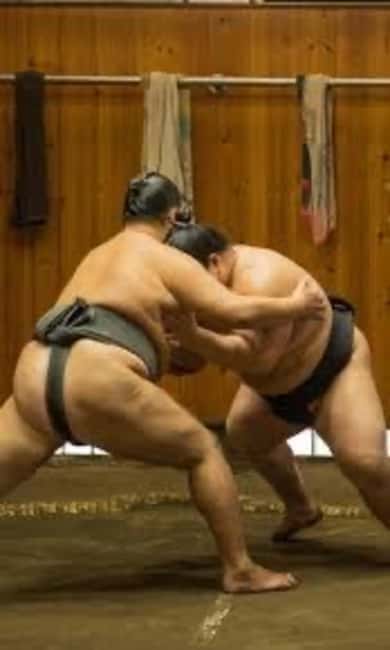
Sumo in Shinjuku feels unreal. In about 90 minutes, you watch professional wrestlers do live sparring while an English-speaking MC explains the rituals in plain language.
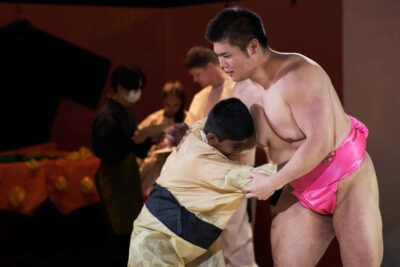
What I like most is the mix of action and clarity, you get both the thunder of technique and the meaning behind it. The other standout is the chance to step onto the dohyo in a traditional sumo outfit and challenge a wrestler.
One thing to plan carefully for: this is not a tournament, and the show follows a schedule. Late entry may not be accepted at the front desk, and you need to use the front entrance next to Daiso.
Key Points You Should Care About
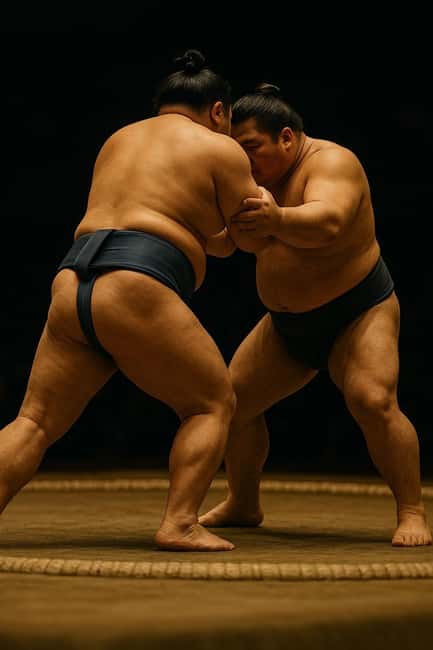
- Live sparring with real professional rikishi gives you the speed and power you only see in person
- English explanations make sumo rituals and rules easy to follow, even if you are new to the sport
- Shinjuku location makes this an easy Tokyo add-on, not a day-long detour
- Wear the traditional outfit and step into the ring, a rare hands-on moment for most visitors
- Strict timing matters, so arrive early enough to get in through the correct entrance
- No food is included, so eat before or plan to grab something after
Shinjuku Meets the Dohyo: What This 90-Minute Sumo Show Really Is
Tokyo has a lot of performance options. This one hits differently because sumo is both sport and ceremony, and you get to see both in a compact format.
In a little over an hour, you are watching professional wrestlers demonstrate techniques, then you see live sparring matches. The pacing is built for visitors who want the essentials fast: what you are watching, why it matters, and how the rules work. An English-speaking MC guides the room the whole time, so you are not stuck guessing what the wrestlers are doing or why a ritual gets repeated.
This is also why the experience works even if you have zero sumo background. You are not just watching huge people collide. You are learning the logic of the sport. In the room, it clicks fast: balance, leverage, timing, and mental focus. People often leave saying they now respect sumo as a thinking sport, not just a size contest.
More sumo experiences in Tokyo:
- Tokyo: Sumo Show Experience with Chicken Hot Pot and a Photo
★ 4.8 · 6,678 reviews - Tokyo: Sumo Show and Dining Experience
★ 4.8 · 2,742 reviews - the SUMO show
★ 5.0 · 1,960 reviews
Price and Value: Why $69 Can Feel Like a Cultural Lesson
At $69 per person for a 90-minute guided experience, the price can feel high or fair depending on what you usually spend on activities in Tokyo. Here is why I think it leans toward good value.
First, you get multiple “layers” for your money, not a single show-only format:
- professional wrestlers in action
- an English-speaking MC explaining rituals and techniques
- a structured experience that includes audience participation
- time for you to step into the ring in a traditional outfit
- a welcome drink (bottled water)
Second, the whole point is interpretation. Sumo can be hard to understand if you only watch clips online. This show gives you the vocabulary and the rhythm, so the rest of Tokyo, even your later TV viewing, makes more sense.
The only real cost consideration is what is not included. Food is not part of the package. So if you are planning around meals, budget for dinner or a quick bite elsewhere. If you eat before you go, the $69 feels like you are paying for time, access, and coaching, not for a full meal.
Meeting at Sekisaku Building in Shinjuku: The One Logistics Rule That Matters
This experience meets on the second floor of Sekisaku Building in Shinjuku. The biggest practical tip is this: entry is only permitted through the front of the building facing the main door next to Daiso.
That might sound minor, until you are standing at the wrong entrance while the show time is ticking. The schedule is strict, late entry may not be accepted by the front desk, and the show has to run on time.
So here is how I would handle it:
- get there a bit early, not at the last minute
- approach from the side where you can clearly see the main door next to Daiso
- plan to enter straight through the front entrance your guide tells you to use
It is a small effort that protects your whole night.
English MC Breakdown: Rituals, Rules, and the Meaning Behind the Spectacle
The MC is a major reason people rate this so highly. The format is simple: the MC walks you through what sumo is doing, then you see it. That “explain, then show” pattern matters because sumo contains a lot of behavior that looks random if you do not know the purpose.
You get explanations of iconic moments such as:
- shiko, the foot stomping ritual that signals presence and focus
- dramatic salt throwing before matches
- how techniques lead to outcomes, plus common fouls
Instead of turning the room into a lecture, the MC keeps it conversational and interactive. Names like Paula and Dai come up often in the show’s reputation for engaging explanations and crowd interaction. Other MC names you may hear associated with this kind of event include Ari and Ali, with the same theme: clear English, humor, and a fast pace.
The takeaway is not memorizing rules like trivia night. It is learning enough to watch intelligently. Once you understand what to look for, every movement becomes clearer. You start noticing balance changes, how grip shifts create openings, and why the ring moment is intense even before contact.
A few more Tokyo days worth comparing
- Mt Fuji and Hakone 1-Day Bus Tour Return by Bullet Train
★ 5.0 · 26,383 reviews - 1-Day Tokyo Bus Tour
★ 5.0 · 14,250 reviews - Tokyo: TOKYO SKYTREE® Admission ticket
★ 4.5 · 11,192 reviews - Tokyo: teamLab Planets TOKYO Digital Art Museum Entry Ticket
★ 4.6 · 9,779 reviews
Live Sparring Matches: Where You See Sumo as a Skill, Not a Scale
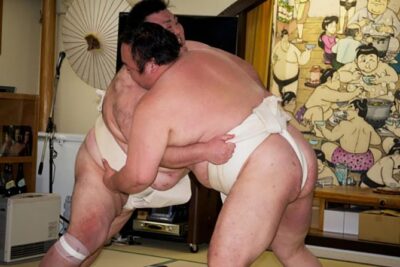
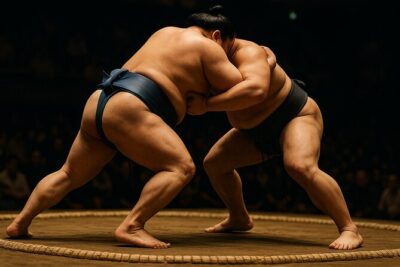
The core of the show is professional sumo sparring and match action. This is where sumo stops being a concept and becomes a physical event you can feel.
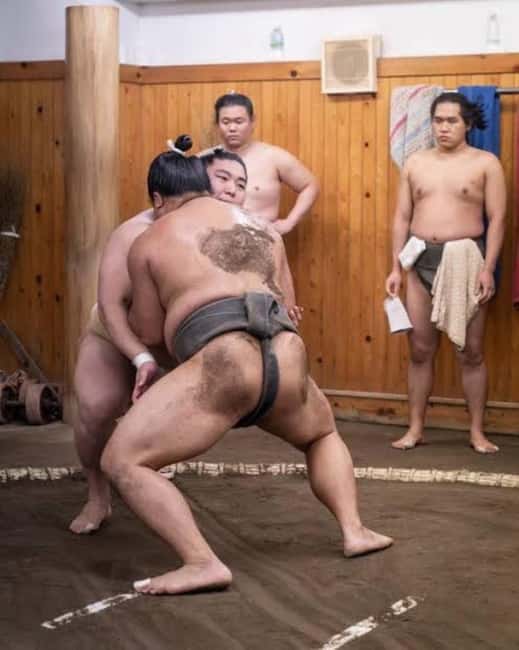
In person, what surprised people most is how hard the wrestlers train and how quickly the match changes. Even in a demonstration-style event, the technique is real. You watch wrestlers test distance, probe for grip, and then commit when the moment is right. The result is a sport that looks ritualistic, then turns aggressive fast.
A big part of the excitement is that you are close enough to see body mechanics. You can spot the preparation: posture shifts, breath control, and how they set their base before they move. Sumo is not just strength. It is leverage and timing under pressure.
Also, because this is not a tournament, the environment often feels more approachable than a formal competition. That does not mean it lacks energy. It just means you are seeing a guided presentation of the sport rather than a full competitive bracket. If your goal is learning plus entertainment, that trade-off makes sense.
Step Into the Ring: Suit Up, Then Challenge a Wrestler
This is the part that makes the experience feel personal. After the demonstrations and matches, you get the chance to put on a traditional sumo outfit and step into the ring area.
The included promise is straightforward: opportunity to wear a traditional sumo outfit and a chance to challenge sumo wrestlers. That means you are not just watching someone else do the fun part.
What to expect emotionally:
- It feels like a big moment. People often say it is one of the best things they did in Tokyo because it is interactive.
- It is also a reality check. Even if you try your best, you are facing training, balance, and technique that you cannot fake with enthusiasm.
- The staff and wrestlers keep it friendly. The tone matters because you want this to feel like cultural exchange, not a circus act.
You may see extra audience interaction. Some shows include additional volunteers entering the ring area after the main action, and that can add to the sense of participation. But even without extra surprises, the suit-up and challenge moment is already built into what you paid for.
If you are traveling with a child, this part often becomes the highlight. Parents frequently say their kids light up because they are not stuck as spectators.
What You Learn About Sumo Beyond the Moves
The best sumo explanations do two things. They help you watch better, then they change what you think about the sport.
This show tends to do both. Through the MC’s guidance, you learn how sumo combines:
- ceremony (rituals like salt and stomp patterns)
- discipline and training routines (how wrestlers prepare for technique)
- strategy and mental focus (deciding when to commit, not just brute force)
People who come in expecting a simple spectacle often leave with respect for how structured it is. The sport is old, yes, but the important part for modern visitors is that the rules and strategy are easy to grasp when someone walks you through them clearly.
That is why this can be a great first sumo experience. You see enough to understand what you are looking at, and you get the emotional thrill of being in the room during real sparring.
Tokyo Timing Tips: When to Schedule This in Your Day
Because it runs about 90 minutes, this is easy to plug into a Tokyo itinerary. It also helps that it is in Shinjuku, where you can often combine it with other evening plans.
If you like smooth travel days, do it early in your afternoon or early evening so you are not rushing from far across the city. Also plan food around the fact that meals are not included. A quick meal before you go is the simplest move.
A practical detail: since late entry may not be accepted, treat arrival like a real appointment. If you tend to arrive right on time, give yourself extra buffer for getting inside the correct entrance.
Who This Is For, and Who Might Want Another Option
This experience is a strong fit if:
- you want a first-time sumo introduction that is easy to follow in English
- you like interactive experiences, not just watching
- you are traveling with kids and want them to participate
- you want culture plus performance, in a tight time window
It might be less ideal if:
- you specifically want a full tournament format (this show is not a tournament)
- you are looking for a long sit-down, deep documentary-style explanation
- you hate any schedule strictness and tend to arrive late
If your main goal is pure competition atmosphere, you might prefer something tournament-based. But if your goal is understanding sumo plus having a hands-on moment, this is the better match.
Should You Book This Shinjuku Sumo Experience or Skip It?
I would book it if you want your Tokyo day to include something genuinely Japanese that still feels accessible. The big reasons are the English-speaking MC, the live professional sparring, and the chance to wear the outfit and step into the ring. Those three pieces work together, and they are exactly what a first-time visitor needs.
Skip it only if you are set on tournament-style stakes. Otherwise, treat this as a smart introduction. It is short, focused, and built for people who want to understand what they are seeing, not just take photos and move on.
If you are in Shinjuku anyway, this is one of those rare activities where learning and fun happen at the same time.
FAQ
Where is the meeting point?
You meet at the second floor of Sekisaku Building in Shinjuku.
How long is the experience?
The duration is 90 minutes.
Is this a sumo tournament?
No. This is not a tournament.
What language is the tour guide speaking?
The tour guide provides live guidance in English.
Is food included?
No, food is not included.
Can I enter late, and which entrance should I use?
You must enter through the front of the building facing the main door next to Daiso. The show follows a time schedule, so late entry may not be accepted by the front desk.
Fresh options around Tokyo
- Tokyo: Nikko Kegon Falls Lake Chuzenji Toshogu Temple & More★ 4.9 · 12 reviews
- Tokyo: Samurai History Walking Tour★ 5.0 · 12 reviews
- Harajuku: Kawaii Fashion and Pop-Culture Tour★ 4.7 · 12 reviews
- Tokyo: Mt. Fuji & Lake Kawaguchi Instagram Full Day Trip★ 4.1 · 12 reviews
- Shibuya Tokyo: Modern Kintsugi Workshop in Shibuya★ 5.0 · 12 reviews
- Tokyo: GTR Guided Daikoku Experience at Night★ 5.0 · 12 reviews
- Tokyo: Daikoku JDM Car Culture Tour★ 4.6 · 12 reviews
- Mt Fuji Private Day Trip from Tokyo with English speaking driver★ 5.0 · 13 reviews
Sumo Experiences, compared.
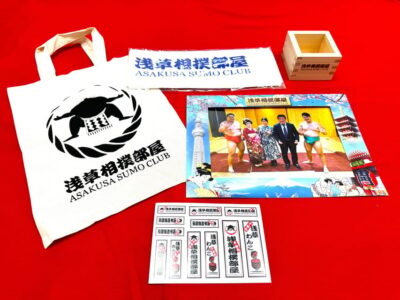
Sumo Show Experience with Chicken Hot Pot and a Photo
Read our review →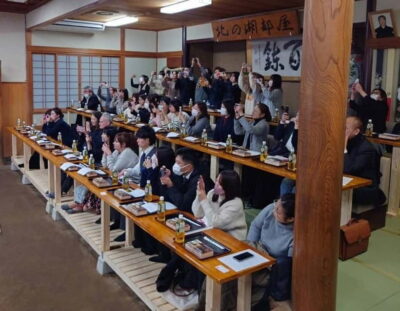
Tokyo Shinjuku Sumo Show & Experience with Photo
Read our review →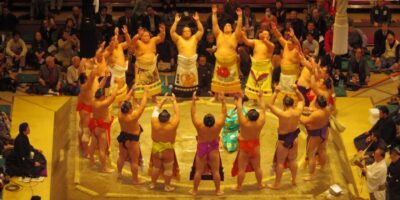
Sumo Show & Experience w/ Optional Kimono & Hot Pot
Read our review →
Authentic Sumo Experience in Tokyo: Enter the Sanctuary
Read our review →
Luxury Sumo Show Experience & Japanese cuisine & Drink
Read our review →Browse the lists this tour appears in