
Reviewed · DESSERT TOURS
Tokyo: Two Types of Japanese Sweets Making and Tea Ceremony
Making sweets with matcha sounds hard.
Good news, it is structured, seasonal, and pretty relaxed, with Ohigashi, Nerikiri, and a tea ceremony all in one 125-minute session.
I love that you work with real, traditional ingredients, including Wasanbon sugar for dried sweets and Kyoto-produced bean paste, not shortcuts. I also like that you make two seasonal sweets plus grind matcha yourself, so you leave with something you actually understand. The only real drawback is the Nerikiri can take a steady hand, so go in ready to slow down and accept a slightly imperfect first try.
Key things you will notice right away
- Two wagashi types, plus two seasonal Nerikiri, so you get variety instead of one repeat craft
- Wasanbon-based Ohigashi, a dried-style sweet made from traditional Japanese sugar
- Kyoto long-established bean paste, used for your Nerikiri fillings
- Single-origin special Matcha, which makes the tea part feel serious
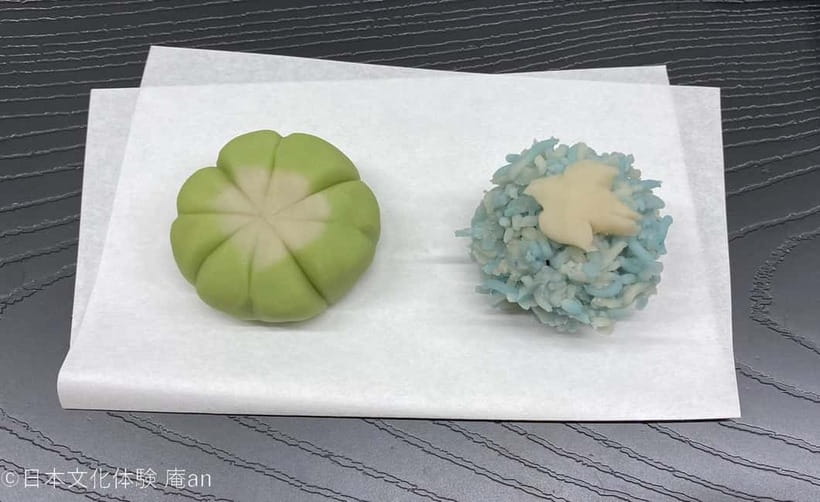
- Kinton Nerikiri, a named flower-shaped style you will shape step by step
- English support as much as possible, with the instructor guiding through each stage
Two types of wagashi and matcha, packed into 125 minutes
Tokyo has enough food experiences to feel overwhelming. This one is focused: you make sweets first, then you move into matcha and a casual tea ceremony. The pacing matters here, because it keeps you from feeling rushed while still finishing everything in one go.
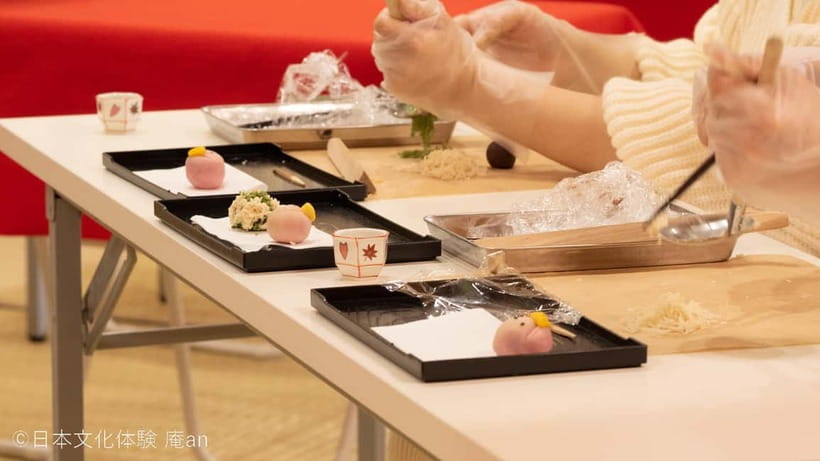
The session runs about 125 minutes total, and it is designed as a smooth sequence of making, shaping, resting, then tasting. You get a break between the Ohigashi and Nerikiri stages, and again partway through, which helps when you are working with sticky ingredients.
If you like hands-on food, you will appreciate that it is not just watching. You get to shape both dried and bean-paste sweets, then grind matcha and handle the tea ceremony basics in a simple way.
More Tea Ceremonies in Tokyo
- Matcha Making Class in Tokyo with Authentic Japanese Sweets Set
★ 5.0 · 744 reviews - Tokyo: Traditional Tea Ceremony with a Tea Master
★ 5.0 · 528 reviews - Tokyo: Matcha Making Experience with Mochi Sweets in Asakusa
★ 4.9 · 388 reviews
What you make: Ohigashi, then two seasonal Nerikiri
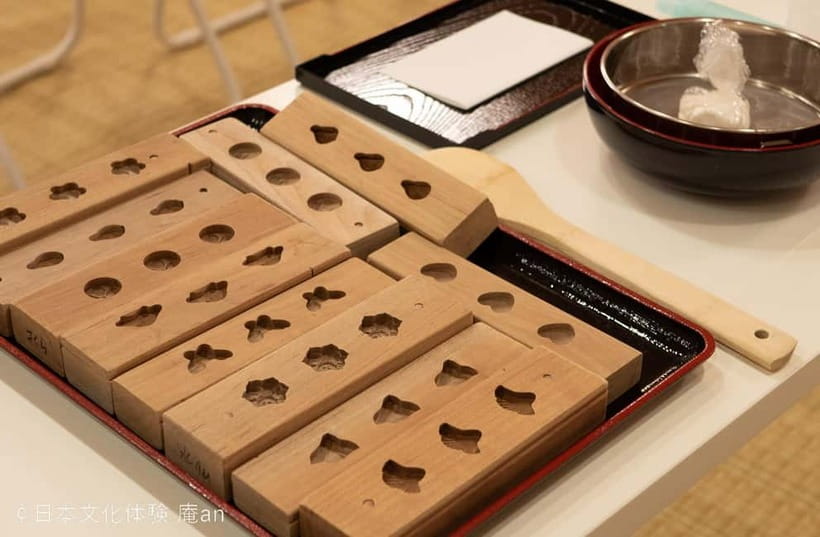
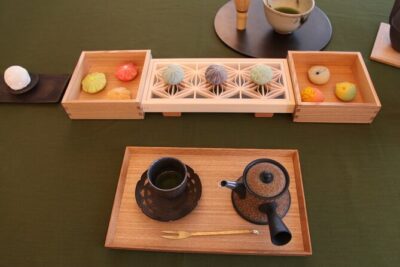
Your sweet-making starts with Ohigashi, the dried-type wagashi. You will be shown how these sweets are made using Wasanbon, a traditional Japanese sugar, then you make your own portion. Dried sweets are different from the softer wagashi you might see elsewhere, so this is a good way to learn that Japanese sweets are not one style.
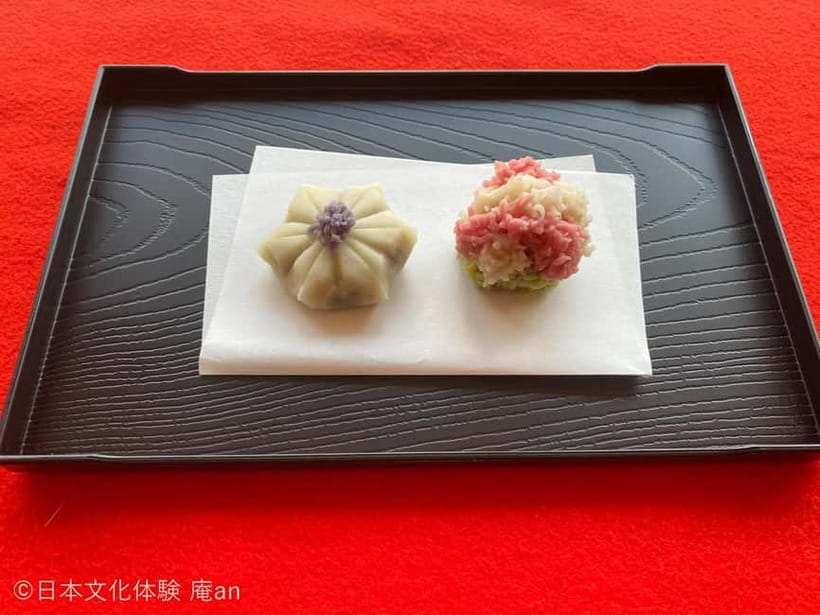
Next comes the Nerikiri stage, where you work with white/red bean paste made by long-established shops in Kyoto. You will make two seasonal Japanese sweets, shaped to match the time of year. That seasonal angle matters, because wagashi design often changes with weather, holidays, and local rhythms, not just flavors.
The course uses flower-shaped Nerikiri, and one of the styles is specifically called Kinton Nerikiri. You will spend time shaping it into the right form, which is where the fine-finger work comes in. A review I saw noted that Nerikiri is sometimes a bit tricky and requires a light touch, so that is your cue to take your time and follow the instructor’s guidance carefully.
Where the “hard part” actually shows up
Ohigashi tends to feel more straightforward because it is a dried-style sweet process. Nerikiri is where you feel the texture differences: bean paste has a specific stickiness and firmness, and your shaping technique matters. If you expect a perfect result on your first try, you might get frustrated. If you expect to practice, you will likely have a better time.
And the good part is that once you have the shape, you get to eat what you made. That is a big part of why these workshops feel worth it, even when your first attempt is not museum-perfect.
The matcha moment: grinding and a casual tea ceremony
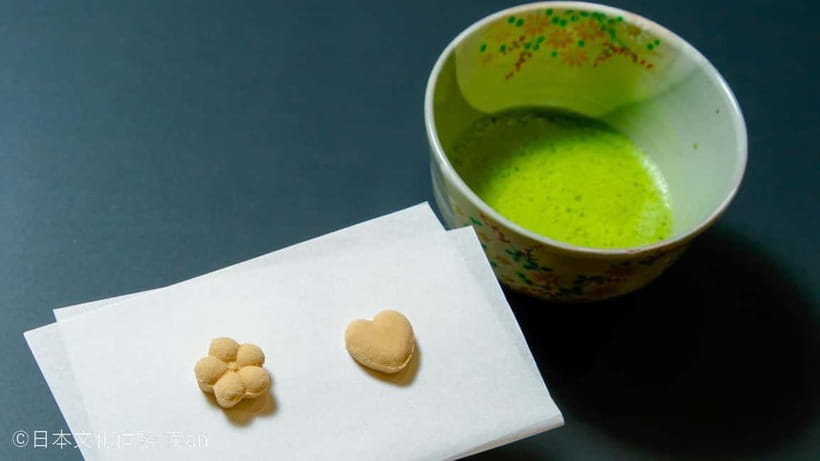
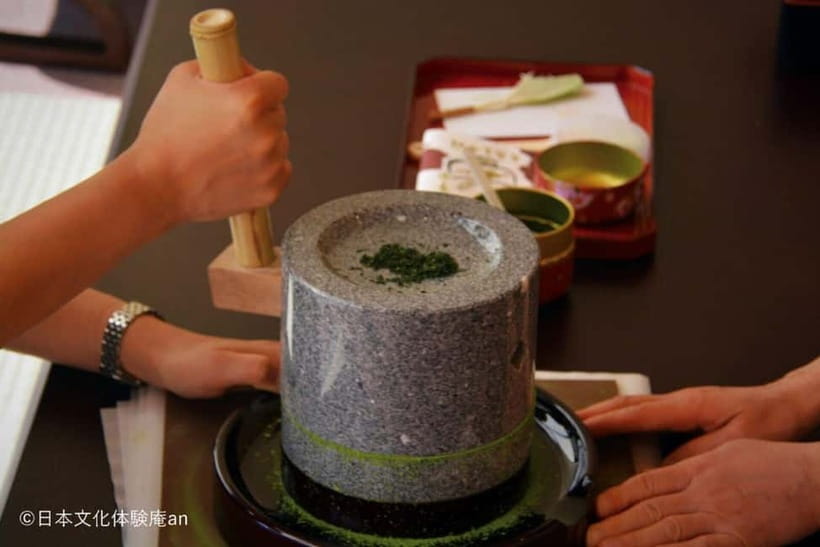
After the sweets, you shift into tea. You start with an explanation about tea, then you move into a matcha grinding demonstration. This is not just a background story, it is a short, hands-on step that helps you understand what matcha is.
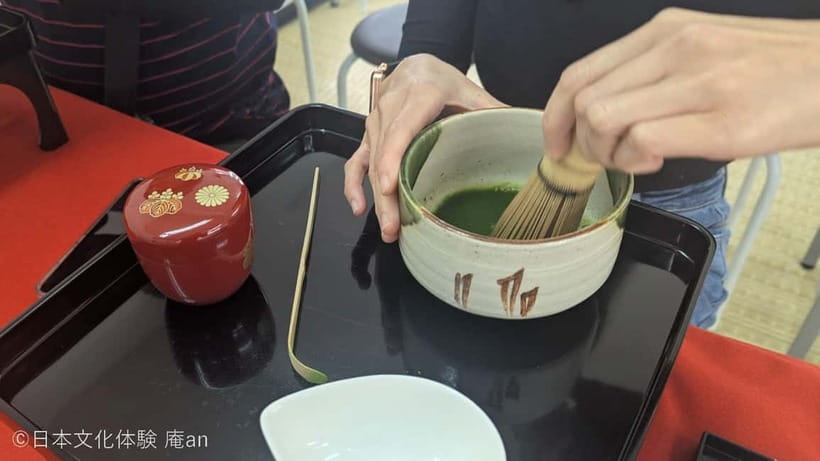
Then you do the tea-ceremony experience in a casual way. That phrase is important. This is not the kind of ultra-formal ritual where you are terrified of messing up your posture or wiping the wrong way. It is structured enough that you feel guided, while still approachable for beginners.
One thing I really like about this section is the focus on a simple tea-making flow. A review mentioned that making the tea foamy part was easy once they explained it, so you do not need previous matcha experience to participate.
If you are the type who likes to connect food to culture, this part gives you the “why.” Matcha is not only a drink, it is a process, and the texture is part of the pleasure. Grinding and preparing it yourself makes the flavor feel more intentional.
Same corner of Japan, a different kind of day:
- Mt Fuji and Hakone 1-Day Bus Tour Return by Bullet Train
★ 5.0 · 26,383 reviews - 1-Day Tokyo Bus Tour
★ 5.0 · 14,250 reviews - Tokyo: TOKYO SKYTREE® Admission ticket
★ 4.5 · 11,192 reviews - Tokyo: teamLab Planets TOKYO Digital Art Museum Entry Ticket
★ 4.6 · 9,779 reviews
Ingredients you will actually recognize and care about
This workshop is built around a few ingredient choices that help everything taste better and feel more authentic.
First, you use Wasanbon sugar for the dried sweet Ohigashi. That is the key traditional ingredient for this style, and it is also why the experience is different from a generic baking class. Wasanbon is a traditional Japanese sugar, and it tends to support the delicate character people associate with classic wagashi.
Second, your Nerikiri uses white/red bean paste produced by Kyoto’s long-established shops. Kyoto is a big deal in wagashi culture, and bean paste quality affects both flavor and how easily the paste behaves while shaping.
Third, matcha is single-origin special Matcha. “Single-origin” matters here because it signals you are not getting a blend designed to be shelf-stable and generic. Instead, you get a more distinctive matcha experience that shows up in both aroma and taste.
This matters for your value because you are learning with ingredients that match the lesson. You are not just practicing shapes; you are making something that tastes like it belongs in Japan.
Step-by-step timing, so you can relax instead of worry
A good class plan reduces stress, and this one has clear stages.
You start with an explanation of Japanese traditional sweets, then jump into the dried sweet making. There is a break after your first crafting stage, then you move into the flower-shaped Nerikiri shaping. You also spend time making two seasonal Nerikiri, with a named style included as part of the process.
Later, you pause again, then focus on tea. You get the matcha grinding demonstration, then you do the tea-ceremony portion, and finally you have time to eat and drink.
The total sequence is designed so you finish in one sitting. That is helpful if you are building a day in Tokyo and do not want to lose your whole afternoon to a long, unpredictable food class.
A practical note about arrival and delays
The experience does not accommodate delays, so you should plan to arrive a bit early. If you show up late, you might lose parts of the program. The provider also notes that English translation is provided as much as possible, which is another reason arriving on time helps you catch every instruction.
Price and what it gives you, not just the number
The price is listed at $28 per person for about 125 minutes of making and tasting, which is a solid deal if you compare it to the cost of buying wagashi in Tokyo plus the value of learning the process. You are getting three connected experiences in one session: Ohigashi making, two Nerikiri making, and matcha grinding plus tea ceremony.
You also get quality ingredients built into the experience, including Kyoto bean paste and single-origin special matcha. If you have ever taken a “food” class where the tasting is small or the ingredients feel generic, you will appreciate that this one is built around the core products people care about.
Optional add-ons if you want extra souvenirs
There are a few optional extras:
- A sweets take-out box costs 100 JPY
- Adding color costs 200 JPY
- An experience completion certificate costs 300 JPY
If you want a keepsake or to send sweets home, add those into your math. If you do not, you can keep it simple and just eat what you make on-site.
Where this workshop is a great fit
This is a strong match for three types of travelers.
First, you want an activity that is cultural but not overly intense. You are not only learning facts, you are shaping, tasting, and participating.
Second, you enjoy food craft where small differences matter. Nerikiri shaping teaches you texture and technique, and matcha preparation gives you a tactile sense of the drink.
Third, you like guided instruction in a language-friendly way. The program indicates English translation is provided as much as possible, and reviews highlight that the instructor gives instructions in English and offers background on sweets and tea.
One review also mentioned that the instructor explained differences between green tea and matcha, and it is exactly the kind of context that turns a fun class into something you can actually remember and use later.
What I think you should expect to taste and feel
You should expect to taste both dried and softer bean-paste sweets. The contrast is the point. Ohigashi is the dried-style, while Nerikiri is shaped and more paste-forward, so you get to experience how the same ingredient family turns into different textures.
You should also expect a tea experience that focuses on how matcha becomes a prepared drink, not just how to hold a cup. The grinding demonstration and the casual ceremony steps help you see why matcha is valued beyond flavor.
And yes, the end includes eating and drinking time. That is one of the nicest parts, because a class like this would feel incomplete if you only made sweets and left without tasting them.
Getting the most out of your class
Here are a few ways to make the day smoother.
Arrive early so you can settle in before instructions start. The provider notes they cannot hold the event to accommodate delays, so don’t treat this like a flexible open-ended workshop.
Wear something comfortable. You might be handling sticky paste and working with fine motions, especially during Nerikiri shaping.
When the Nerikiri stage gets tricky, remember that it is normal to need a lighter touch. If you go slowly and follow directions, you will likely get a result you can enjoy even if it is not perfectly symmetrical.
Finally, use the tea portion to ask questions. If the instructor is doing explanations in English as much as possible, it is your chance to connect matcha and wagashi to what you notice in Japanese shops and cafés later.
Should you book this wagashi and matcha workshop?
If you want a hands-on, guided Tokyo experience that combines two types of Japanese sweets with a matcha tea session, I think this is worth your time. The ingredient choices are a real strength, and the structure keeps you moving without feeling rushed.
Book it if:
- You want to make sweets, not just watch them
- You care about authenticity, especially around Wasanbon, Kyoto bean paste, and matcha
- You want a beginner-friendly tea ceremony format that still feels cultural
Skip it if:
- You hate anything hands-on or messy, even at a small level
- You are expecting a super formal, silent ceremony where every detail is strict
If you are deciding between this and a more general food tour, this one is more “learn and do.” You leave with sweets you made and matcha you helped prepare, which is the kind of souvenir that actually lasts longer than a photo.
FAQ
How long is the experience?
The experience lasts 125 minutes in total.
What sweets will I make?
You will make dried-type sweets called Ohigashi, and you will make two seasonal Nerikiri sweets using white/red bean paste.
What is included in the experience?
It includes a set of experience covering 2 types of Japanese sweets making and a tea ceremony, including three kinds of activities.
Do I get to make matcha myself?
Yes. You get a matcha grinding demonstration and then you participate in the tea ceremony experience.
Is there English help during the class?
English translation is provided as much as possible.
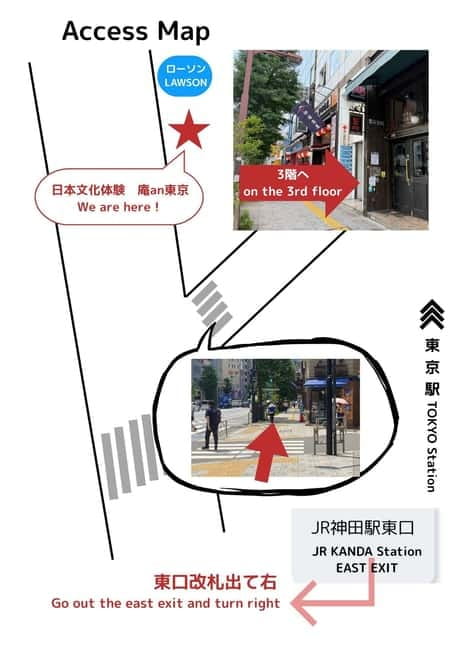
Where do I meet the instructor?
The meeting point is AN TOKYO Japanese Culture Experience.
Are there extra costs during the experience?
Yes. A sweets take-out box costs 100 JPY, adding color costs 200 JPY, and an experience completion certificate costs 300 JPY.
What are the operating hours?
Operation hours are from 10:00 to 17:00, and reservations received after 17:00 are processed next day.
Can I cancel and get a full refund?
Yes. You can cancel up to 24 hours in advance for a full refund.
Fresh options around Tokyo
- Tokyo: Nikko Kegon Falls Lake Chuzenji Toshogu Temple & More★ 4.9 · 12 reviews
- Tokyo: Samurai History Walking Tour★ 5.0 · 12 reviews
- Harajuku: Kawaii Fashion and Pop-Culture Tour★ 4.7 · 12 reviews
- Tokyo: Mt. Fuji & Lake Kawaguchi Instagram Full Day Trip★ 4.1 · 12 reviews
- Shibuya Tokyo: Modern Kintsugi Workshop in Shibuya★ 5.0 · 12 reviews
- Tokyo: GTR Guided Daikoku Experience at Night★ 5.0 · 12 reviews
- Tokyo: Daikoku JDM Car Culture Tour★ 4.6 · 12 reviews
- Mt Fuji Private Day Trip from Tokyo with English speaking driver★ 5.0 · 13 reviews
Dessert Tours, compared.

Matcha Making Class in Tokyo with Authentic Japanese Sweets Set
Read our review →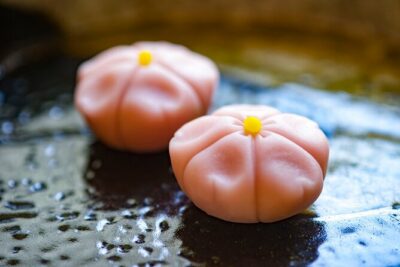
Matcha Making Class in Osaka with Authentic Japanese Sweets Set
Read our review →
Matcha Making Experience with Mochi Sweets in Asakusa
Read our review →
Japanese Traditional Sweets Making and Tea Ceremony
Read our review →
Make Traditional Nerikiri Sweets & Matcha experience in Shibuya
Read our review →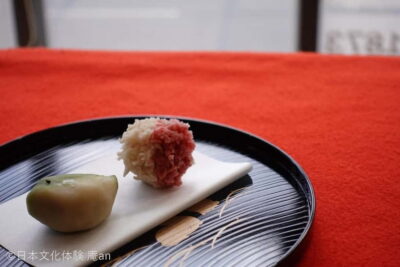
Japanese Traditional Sweets Making and Tea Ceremony
Read our review →
Private Mochi Sweets Making class near Shibuya area
Read our review →Browse the lists this tour appears in