

Reviewed · TEA CEREMONIES IN TOKYO
Tokyo Traditional Tea Ceremony with a Japanese Tea Master
Tokyo has a lot of things to do, and tea is one of them. This hands-on session adds real meaning to matcha, not just a quick sip. You get a guided tasting of several Japanese teas and then whisk your own matcha using traditional tools.
I especially like that the pace is relaxed but structured. You start with a welcome tea and cake, move through higher-grade green tea, then end with a comforting genmaicha finale.
One possible drawback: this is a lesson and tasting format, not a long, ultra-formal ceremony with a very rigid script.
Quick highlights you will notice

- A tea lineup with names you can remember: wakocha, gyokuro sencha, matcha, and genmaicha
- You whisk your own matcha, guided step by step with traditional tools
- Wagashi from Ougiya, paired with a tasting of seasonal sweets
- A small group size (max 12 people) so you can ask questions
- A keepsake certificate plus a group photo to take home
Where the tea room is, and why the location matters

Your meeting point is in Bunkyo City, Hongō, at OCHARU 6-chōme-2-10. It is set up for convenient access, with the added bonus that it is right across from Tokyo University. That means you can fit it into a day of sightseeing without a big puzzle of transportation.
The class itself runs about 1 hour, so you should treat it like a focused “pause” in your Tokyo schedule. If you are the type who tries to cram too much in, this is a nice reset. You sit down, slow your pace, and shift attention to tea aromas and flavors.
Plan to arrive a few minutes early. The experience includes access to the tea ceremony room and group photos, so being on time helps the flow.
More Tea Ceremonies in Tokyo
- Matcha Making Class in Tokyo with Authentic Japanese Sweets Set
★ 5.0 · 744 reviews - Tokyo: Traditional Tea Ceremony with a Tea Master
★ 5.0 · 528 reviews - Tokyo: Matcha Making Experience with Mochi Sweets in Asakusa
★ 4.9 · 388 reviews
Your first taste: wakocha black tea and cake
You do not start with matcha. You start with a cup of wakocha, a Japanese black tea from Shizuoka, paired with a tea cake.
This opening matters more than it sounds. A black tea style usually feels smoother and more approachable than green tea at the very start. It gives you a baseline for what tea sweetness, body, and aroma can be like before you move into the more specific profiles of premium green teas.
Also, having cake right at the beginning makes the whole experience feel like a real cultural moment, not a science lab. I like that the tour acknowledges the social side of tea. In practice, tea culture in Japan is not only about procedure. It is also about enjoying a shared break.
Gyokuro sencha tasting and seasonal wagashi from Ougiya
Next comes the part tea people actually get excited about: you taste Gyokuro sencha, described as the highest grade of green tea. You watch the master brew it, and you get a chance to taste the tea leaves and understand the flavor differences.
Then there is the sweet pairing. You try seasonal wagashi from Ougiya, a confectioner known for making these sweets for generations.
Here is why this section is worth your attention. Gyokuro is often about delicacy and aroma, not just “green tea flavor.” By tasting it right after wakocha, you can actually notice the change in character. And with wagashi in the mix, you learn how Japanese sweets often balance tea rather than compete with it.
A practical tip: keep your notes simple. When you taste each tea, focus on just two things, aroma first, then flavor. When you try multiple cups in an hour, that simple system prevents sensory overload.
Matcha making session: tools, whisking, and water temperature

Now you get to do the fun part: a matcha making session. You will whisk your own matcha under guidance from the tea master, using traditional tools.
This is where the experience becomes more than sipping. The goal is not perfection, it is understanding. You learn how to prepare matcha the right way, and you also get education tied to brewing details, including water temperature as discussed during the class.
Even if you have made matcha at home before, this kind of live coaching helps you see what you might have been doing by habit. Matcha is sensitive to how it is prepared, so the instructor’s pacing and technique matter. The result is that your cup ends up tasting like the one you were shown, not like a rushed version you made earlier while multitasking.
If you want to buy matcha later, this is also the moment when the choice makes sense. You start thinking about quality, texture, and how it should feel in the cup.
A heads-up on expectations: this segment is hands-on and practical. You should come ready to participate, wipe your hands, follow cues, and ask questions if something feels unclear.
Same corner of Japan, a different kind of day:
- Mt Fuji and Hakone 1-Day Bus Tour Return by Bullet Train
★ 5.0 · 26,383 reviews - 1-Day Tokyo Bus Tour
★ 5.0 · 14,250 reviews - Tokyo: TOKYO SKYTREE® Admission ticket
★ 4.5 · 11,192 reviews - Tokyo: teamLab Planets TOKYO Digital Art Museum Entry Ticket
★ 4.6 · 9,779 reviews
The genmaicha finale: finishing warm and comforting

To close, you enjoy a soothing cup of genmaicha, a blend of sencha and roasted rice from Niigata Prefecture.
Genmaicha is a smart way to end. Roasted rice can soften the sharpness you might associate with green tea and shift the profile into something toasty and comforting. After earlier tastings that may feel more delicate or grassy, this final cup lets everything settle.
I like how the tour builds a flavor arc. You start with something approachable, move through higher-grade green tea, then end with a cozy blend that feels like a good last word.
When you finish, you also receive a certificate of completion and a group photo. That is a nice touch, because it turns a short class into a real memory you can actually hold onto.
What you actually get beyond the tea

A lot of tea experiences stop at sampling. This one adds a few extras that make it feel complete.
You get:
- Welcome tea and cake at the start
- Sencha tasting as part of the guided tea flow
- Matcha making session where you whisk your own cup
- Genmaicha as a finale
- Certificate of completion
- Access to the tea ceremony room
Small-group size is a big deal here too. With a max of 12 people, you are not lost in a crowd. If you want to ask what makes gyokuro different, or what you should look for when tasting matcha, you have a real chance to do it.
It is also nice that the experience includes the group photo. In Tokyo, it is easy to spend all day taking pictures and still feel like nothing “counted.” This gives you a photo tied to the one thing you did carefully.
Price and value: is $33.03 a fair deal?

At $33.03 per person for about an hour, the value depends on what you want from the experience.
If you want a quick taste of green tea, you might find cheaper options. But if you want structured learning, this price starts to make sense. You are not just trying one drink. You are getting multiple teas (including gyokuro and genmaicha), plus cake, plus wagashi, plus hands-on matcha preparation.
You are also getting a keepsake certificate and a group photo, which are small things but not nothing. In a city where many activities charge separately for “extras,” this one keeps it bundled.
The biggest value driver is the “learn while doing” format. If you leave able to explain what you experienced and what brewing details affect flavor, you got your money’s worth.
Who this Tokyo matcha class suits best

This experience is a great fit if you:
- like food-and-drink travel that teaches you something practical
- want a calmer activity in the middle of a sightseeing day
- enjoy hands-on classes more than watching from the sidelines
- like Japanese sweets and want them paired with tea thoughtfully
It may be less ideal if you are specifically looking for a long, strict, formal-style ceremony that feels like a historical performance. The format here is educational and tasting focused, with a hands-on matcha moment.
If you care about language, do a quick check at booking time. One mismatch between expected language support and what you experience can ruin the day, because the whole point is understanding what the master is explaining.
Should you book this tea ceremony experience?
Book it if you want an hour in Tokyo that actually changes how you think about matcha and tea quality. I think it is especially good value for people who learn best by tasting and doing, not just reading.
Skip it only if your main goal is a very formal, theatrical tea ceremony vibe. This is more teacher-led and interactive, with tastings and a matcha whisking session at the center.
If you are on the fence, choose based on your curiosity. If you want to know why the teas are different and what to pay attention to in a cup, you will get a lot out of this class.
FAQ
How long does the Tokyo Traditional Tea Ceremony last?
It runs for about 1 hour.
What is the price per person?
The price is $33.03 per person.
How many people are in the group?
This experience has a maximum group size of 12 travelers.
What is included in the tea experience?
Included items are welcome tea and cake, sencha tasting, matcha making session, genmaicha finale, a certificate of completion, and access to the tea ceremony room.
What teas and sweets will I try?
You will have wakocha, taste gyokuro sencha, and try seasonal wagashi sweets from Ougiya, then you will whisk and drink matcha, and finish with genmaicha. Cake is included at the start.
Where do I meet, and where does it end?
You meet at OCHARU 6-chōme-2-10 Hongō, Bunkyo City, Tokyo 113-0033, Japan. The activity ends back at the meeting point.
Is the ticket mobile?
Yes, it includes a mobile ticket.
Can I get a full refund if I cancel?
Yes. You can cancel for a full refund if you cancel at least 24 hours in advance of the experience start time. If you cancel less than 24 hours before, it is not refunded.
Are souvenirs included, and do you cover transportation to the tea room?
Souvenirs and gifts are not included, and travel to and from the Ocharu Tea Ceremony Room is not included. The experience also does not include customizations beyond the standard experience.
Fresh options around Tokyo
- Tokyo: Nikko Kegon Falls Lake Chuzenji Toshogu Temple & More★ 4.9 · 12 reviews
- Tokyo: Samurai History Walking Tour★ 5.0 · 12 reviews
- Harajuku: Kawaii Fashion and Pop-Culture Tour★ 4.7 · 12 reviews
- Tokyo: Mt. Fuji & Lake Kawaguchi Instagram Full Day Trip★ 4.1 · 12 reviews
- Shibuya Tokyo: Modern Kintsugi Workshop in Shibuya★ 5.0 · 12 reviews
- Tokyo: GTR Guided Daikoku Experience at Night★ 5.0 · 12 reviews
- Tokyo: Daikoku JDM Car Culture Tour★ 4.6 · 12 reviews
- Mt Fuji Private Day Trip from Tokyo with English speaking driver★ 5.0 · 13 reviews
Tea Ceremonies in Tokyo, compared.

Matcha Making Class in Tokyo with Authentic Japanese Sweets Set
Read our review →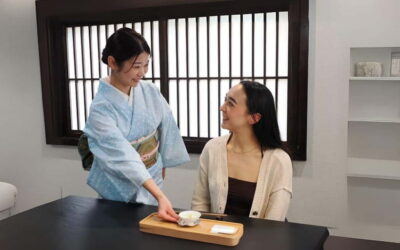
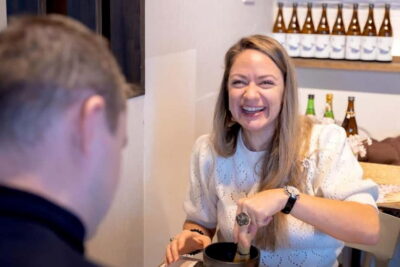
Matcha Making Experience with Mochi Sweets in Asakusa
Read our review →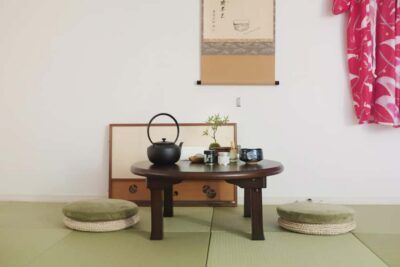
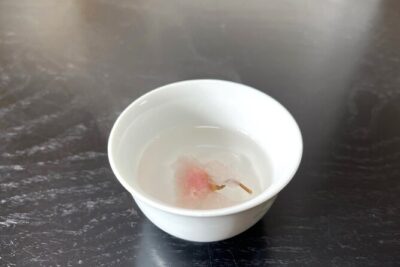
Tea Ceremony Workshop in Tokyo by the Experienced Instrucor
Read our review →
Asakusa: Kimono Tea Ceremony with Matcha and Sweet
Read our review →
Make Traditional Nerikiri Sweets & Matcha experience in Shibuya
Read our review →Browse the lists this tour appears in