
Reviewed · TEA CEREMONIES IN TOKYO
Tokyo: Tea Ceremony Experience
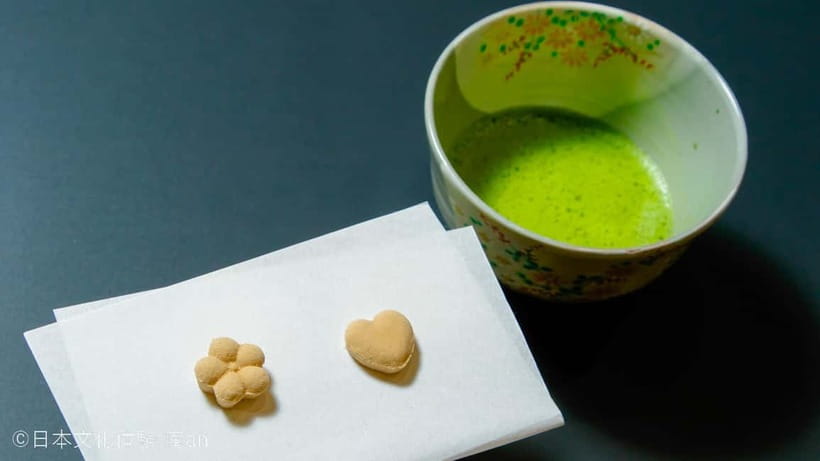
Matcha time in Tokyo, without the time squeeze. This hands-on tea ceremony is built for sightseeing pace, with you grinding and whisking matcha and getting to enjoy it right after. I especially like the single-origin special matcha and the fact that you also get traditional Japanese sweets called ohigashi.
One thing to plan for: the experience is primarily in Japanese, and while English translation is provided as much as possible, it may not be perfect. Also, they cannot hold the event if you arrive late, so timing matters.
Key things to know before you go
- Single-origin special matcha and a casual way to drink it after learning the basics
- You grind matcha as part of the experience, not just watch
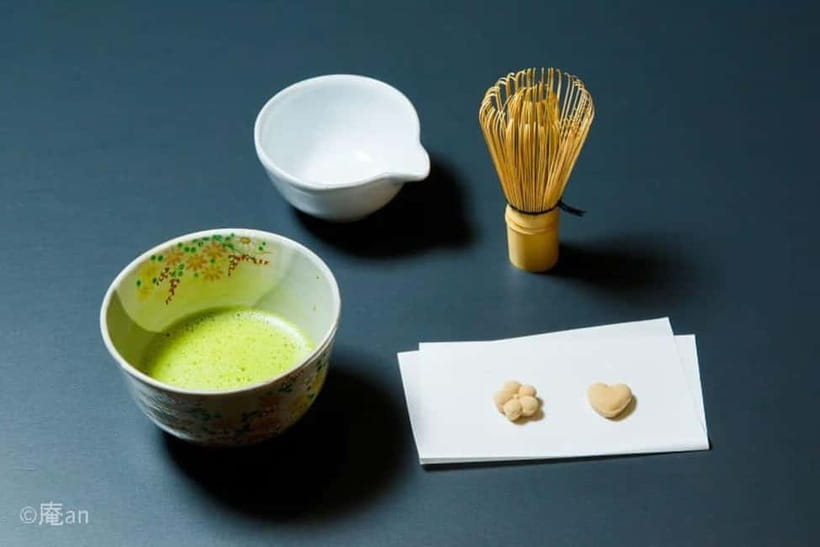
- Ohigashi sweets are included, so you can taste the pairing
- Flexible format, from one person to a group, so it fits solo or small plans
- Picture time is included, great for a quick memory without extra hassle
Tokyo Tea Ceremony in 30 Minutes: Why This Works for Sightseeing
Tokyo is amazing, but your day can get swallowed by trains, lines, and the constant decision-making. This tea ceremony experience is short on purpose, about 30 minutes, so you can fit it between other plans without turning your itinerary into a spreadsheet.
What makes it a smart choice is the style of the session. It is hands-on, you make your own matcha, and you get to drink it afterward. That means you are not just collecting photos, you are taking home a small skill and a real sensory experience.
I also like that the matcha is treated as something you can enjoy casually, not locked behind a fancy, intimidating performance. You still learn what matters, but you are not expected to already know tea ritual etiquette.
More Tea Ceremonies in Tokyo
- Matcha Making Class in Tokyo with Authentic Japanese Sweets Set
★ 5.0 · 744 reviews - Tokyo: Traditional Tea Ceremony with a Tea Master
★ 5.0 · 528 reviews - Tokyo: Matcha Making Experience with Mochi Sweets in Asakusa
★ 4.9 · 388 reviews
Where You Meet and How to Plan Your Timing
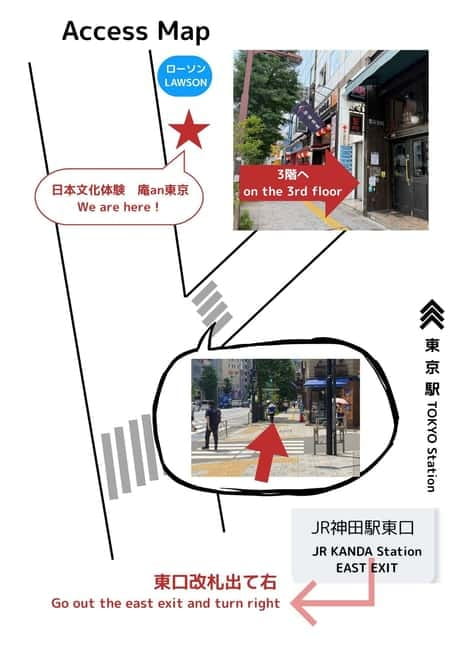
You meet at AN TOKYO Japanese Culture Experience, at the coordinates 35.6916541, 139.7715022. It is a good setup for a quick cultural stop because you can treat it like a booked appointment rather than an all-day excursion.
The big practical rule: if you are delayed, they will not hold the event for you. So, I recommend aiming to arrive early enough that you can breathe, use the bathroom if you need to, and get settled before the start.
The operating window is 10:00 to 17:00. If you book after 17:00, it processes the next day. Since the session itself is only half an hour, make sure you pick a slot that matches when you actually are free and not just when you hope you will be free.
Inside the Session: From Tea Talk to Making Matcha
The flow is simple, structured, and quick, which is exactly what you want when you are sightseeing. The experience starts with an introduction to tea, then shifts into your matcha-making moment.
Here is the rhythm you should expect:
- Explanation about tea, a brief lecture so you understand what you are about to do
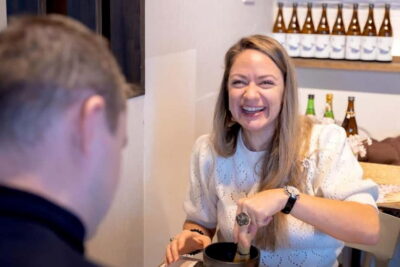
- Matcha grinding demonstration, so you see the process before you try
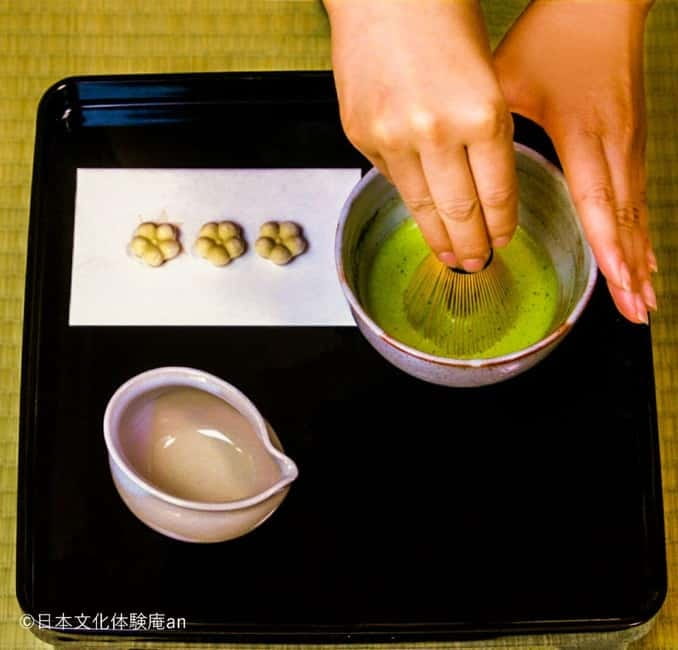
- Tea-ceremony experience, where you make your own matcha and enjoy it
- Picture time, so you can capture the moment
- Room departure at the end of the session
Because the session is tight, the teaching is meant to be efficient. I like that this format gives you a true taste of the ritual without requiring a long attention span or a multi-hour commitment.
The instructor is Japanese. English translation is provided as much as possible, so if your Japanese is limited, you should still be able to follow the important steps. Still, do not count on every word being translated, so focus on what you can see and what you are doing with your hands.
The Main Event: Grinding and Whisking Single-Origin Matcha
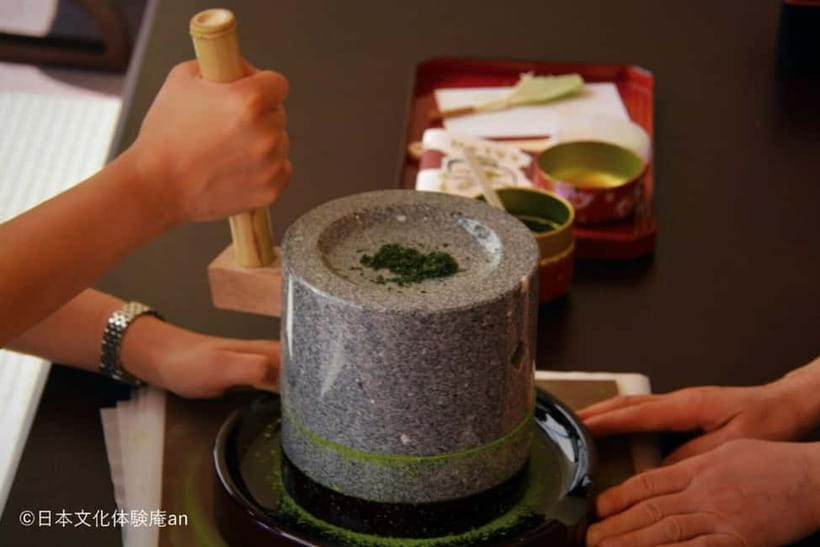
This is the heart of the experience: you get to handle the tools and make the matcha yourself, not just observe. The matcha is described as single-origin special matcha, which matters because it suggests a higher-focus ingredient, not generic powdered tea.
Even if you have had matcha before, making it in a ceremony-style setting changes how you perceive it. You see how matcha becomes a drink, and you learn what to pay attention to during preparation and serving. That makes the experience feel more like learning and less like consumption.
They also frame it as a casual enjoyment after the short lecture. That tone helps a lot. You can treat it as a break from the intensity of Tokyo days, while still getting the satisfaction of doing something hands-on.
Same corner of Japan, a different kind of day:
- Mt Fuji and Hakone 1-Day Bus Tour Return by Bullet Train
★ 5.0 · 26,383 reviews - 1-Day Tokyo Bus Tour
★ 5.0 · 14,250 reviews - Tokyo: TOKYO SKYTREE® Admission ticket
★ 4.5 · 11,192 reviews - Tokyo: teamLab Planets TOKYO Digital Art Museum Entry Ticket
★ 4.6 · 9,779 reviews
Ohigashi Sweets: The Bite That Makes the Matcha Experience Complete
A lot of food-and-drink experiences in Tokyo give you a drink but forget the pairing. Here, you get Japanese sweets called ohigashi as part of the included setup.
Ohigashi is not just an add-on. It is there to balance the matcha experience, giving you a sweet taste that changes how the bitterness and grassiness of matcha feels on your palate. It is also a simple reminder that tea culture is about more than the drink itself.
In practice, this means you will have something to slow down with during the tasting portion. When your day is packed, having a prepared sweet and a matched moment to drink your matcha helps the whole session feel complete, not rushed.
The Price and Value: Is $7 Reasonable?
At about $7 per person for a 30-minute, hands-on tea ceremony with matcha making and included sweets, the value is strong. You are paying for more than a beverage. You are paying for guided instruction, the included matcha session setup, and the experience of making and tasting.
The included portion specifically mentions an OTE-MAE set of experience of Japanese tea ceremony. That signals a real, structured ceremony format, not a casual demo where you do nothing and then leave.
I also like that the experience is accessible in format. It works for one person or a group, so you can book as a solo traveler without needing a friend to make it worth it. And because it is short, you avoid the opportunity cost of spending half a day on a single activity.
What the Guide’s Style Suggests About the Experience
The guidance you are likely to feel here is practical and friendly. Past participants have highlighted that the instructor is lovely and helpful, including supportive energy when transportation issues caused a late arrival. That is reassuring if you are traveling on trains and sometimes life happens.
Another common theme in feedback is that the explanations are fast, but still interesting. That is exactly what this 30-minute format needs. You do not want a long lecture. You want the basics, you want the important steps, and then you want to make your matcha.
Who This Tea Ceremony Fits Best
This is the kind of experience I think works well for:
- Solo travelers who want a memorable cultural moment without adding hours to their day
- Couples who want a calm break between busier Tokyo stops
- First-timers to tea ceremony who want the essential process in a friendly, short session
- Anyone who wants a quick Tokyo cultural activity that still includes tasting and hands-on participation
If you are the type who loves learning through doing, this will click. You can watch, you grind, you whisk, and you eat and drink during the same short window.
If you are looking for a very long, deeply formal ceremony with lots of ritual and extended instruction, this may feel brief. But if you want a solid introduction with real takeaways, it is a great size.
Practical Considerations: Language, Certificates, and Being On Time
Because the experience is in Japanese, your comfort level with basic language will vary. English translation is provided as much as possible, but you should not assume every concept will be explained line-by-line.
Plan around the timing rule. They will not accommodate delays, and non-participants will not be allowed into the experience room. In other words, show up when your session starts, and be ready to participate.
There is also an optional completion certificate. It costs 300 JPY for the certificate. If you want it with your name, you should let them know in advance, otherwise they leave a blank space for your name. If a paper keepsake matters to you, this is a small extra to consider.
Finally, children are included in a specific way: kids who sit on their parents’ laps are free of charge, and it is noted for children under 2 years old.
Should You Book This Tokyo Tea Ceremony?
Yes, I think you should book it if you want a quick, hands-on Tokyo cultural activity that does not require committing half your day. The combination of grinding matcha, enjoying single-origin special matcha, and having included ohigashi sweets gives you a complete experience for the price.
Book it especially if you are the kind of traveler who likes small skills you can actually remember. You will leave with a clearer sense of what matcha preparation feels like, and you will not have to rely on guesswork.
Pass if you need full English instruction line-by-line, or if you tend to run late and cannot reliably arrive on time. The session is short, and they will not hold it.
FAQ
How long is the Tokyo tea ceremony experience?
The duration is 30 minutes.
Where is the meeting point?
You meet at AN TOKYO Japanese Culture Experience, coordinates 35.6916541, 139.7715022.
What is included in the experience?
It includes a set of the OTE-MAE (Japanese tea ceremony) experience, including matcha and ohigashi sweets.
Do I get to make matcha myself?
Yes. You do a matcha grinding demonstration and then have the tea-ceremony experience where you can make and enjoy matcha.
Is there an English translation?
English translation is provided as much as possible. If you would like to add it, you should contact the activity provider.
What language is the instructor using?
The instructor is Japanese, and the language information lists Japanese.
What are the operating hours?
Operation hours are 10:00 to 17:00. Reservations received after 17:00 are processed next day.
Is there an optional completion certificate?
Yes. An experience completion certificate is 300 JPY. If you want a nominative certificate, you should provide your names in advance.
Are young children allowed, and is there a fee?
Children who sit on their parents’ laps are free of charge. This is specified for children under 2 years old.
Fresh options around Tokyo
- Tokyo: Nikko Kegon Falls Lake Chuzenji Toshogu Temple & More★ 4.9 · 12 reviews
- Tokyo: Samurai History Walking Tour★ 5.0 · 12 reviews
- Harajuku: Kawaii Fashion and Pop-Culture Tour★ 4.7 · 12 reviews
- Tokyo: Mt. Fuji & Lake Kawaguchi Instagram Full Day Trip★ 4.1 · 12 reviews
- Shibuya Tokyo: Modern Kintsugi Workshop in Shibuya★ 5.0 · 12 reviews
- Tokyo: GTR Guided Daikoku Experience at Night★ 5.0 · 12 reviews
- Tokyo: Daikoku JDM Car Culture Tour★ 4.6 · 12 reviews
- Mt Fuji Private Day Trip from Tokyo with English speaking driver★ 5.0 · 13 reviews
Tea Ceremonies in Tokyo, compared.

Matcha Making Class in Tokyo with Authentic Japanese Sweets Set
Read our review →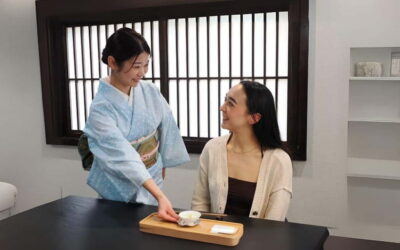
Matcha Making Experience with Mochi Sweets in Asakusa
Read our review →
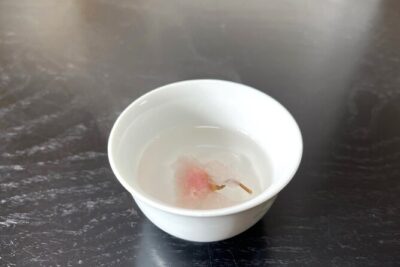
Tea Ceremony Workshop in Tokyo by the Experienced Instrucor
Read our review →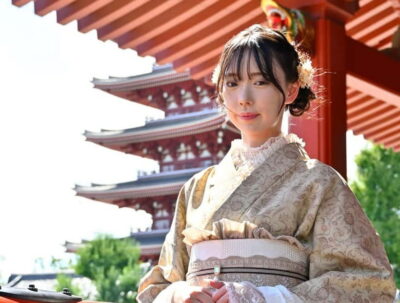
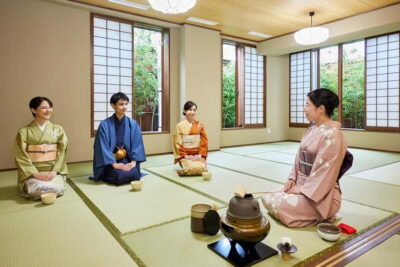
Asakusa: Kimono Tea Ceremony with Matcha and Sweet
Read our review →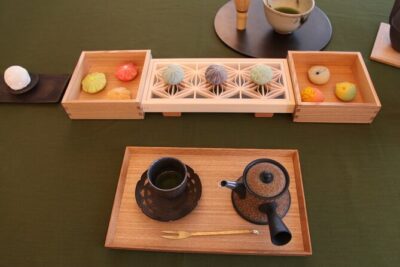
Make Traditional Nerikiri Sweets & Matcha experience in Shibuya
Read our review →Browse the lists this tour appears in