
Reviewed · WALKING TOURS
Tokyo Shibuya and Harajuku Walking Tour With A Guide
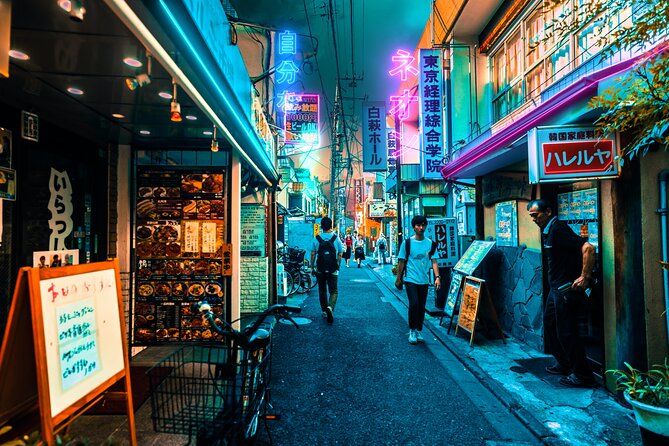
Tokyo moves fast, this tour keeps up. You’ll cross Shibuya’s iconic pedestrian scramble and then shift into Harajuku’s fashion streets, with a guide who makes the whole day feel organized on foot. I like the clear flow, stop by stop, and I really like that you can get tailoring to your interests, from mainstream highlights to quieter back streets. One drawback to plan for: it’s a lot of walking, in crowds, and you should wear comfy shoes and expect frequent people-watching (and lots of photo stops).
What makes this feel worth it is the mix of famous and readable. You get the instantly recognizable landmarks like Shibuya Scramble and Hachiko, then you keep moving into style territory, where you can shop, snack, and browse without the stress of constantly figuring out trains. Guides mentioned in past groups, including Riccardo, Sébastien, Sergio, Francine, Joe, and Jenny, also stood out for sharing day to day Japan context, not just pointing at sights.
Key points to know before you go
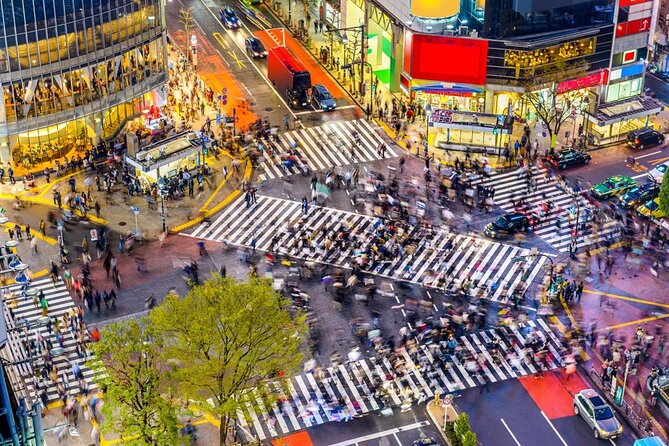
- Shibuya Scramble and Hachiko give you instant orientation, then you flow into shopping streets
- Harajuku fashion in two modes, front-of-house Takeshita Street and more alternative Ura-Harajuku backstreets
- Short, steady stop times, about 20 minutes each, so you see a lot without feeling rushed into museums
- Omotesando and Meiji Shrine contrast, a breather of architecture and then a quieter Shinto stop
- Guides tailor the vibe, and several guides in recent groups, like Francine and Jenny, are known for adapting to interests
- Free admission stops, with food and drinks left on you
Why Shibuya and Harajuku fit together so well in 3 hours
Shibuya and Harajuku are close enough to connect on foot, but different enough that the day doesn’t blur together. Shibuya gives you the “Tokyo now” rush: big intersections, landmark meeting points, and shopping zones you can’t really replicate by scrolling a map. Harajuku flips the switch into youth style, where storefronts, street fashion, and accessories are part of the scenery.
This tour works because it’s built like a guided route, not a scavenger hunt. You move through the most recognizable areas first, then branch into the fashion lanes where you’ll naturally slow down, browse, and take photos. The whole experience is about three hours, and with roughly nine major stops, it stays focused.
One practical note: this is a city walk. It’s not about going deep inside buildings or museums. So if you prefer “one big ticket attraction” instead of street-level Tokyo, keep that in mind.
More Walking Tours in Tokyo
- Tokyo Tsukiji Fish Market Food and Culture Walking Tour
★ 5.0 · 3,184 reviews - Tokyo: Imperial Palace and Shogun Historical Walking Tour
★ 5.0 · 2,251 reviews - Tokyo: Shinjuku Local Bar and Izakaya Guided Walking Tour
★ 4.9 · 1,794 reviews
Price and what $48.21 buys you (and what it does not)
At $48.21 per person, you’re paying for three things: a guide, a planned route, and reduced friction. You also get a mobile ticket, and the operator offers group discounts.
What you’re not paying for is what most people end up paying anyway on this kind of day. Food and drinks are not included. Tips are optional. And transportation during the tour is your own expense. So think of this as paying for guidance and time efficiency, not for being chauffeured.
The best value angle here is the free stops. Each stop in the listed plan is marked ticket free, including Shibuya Station Tourist Center, Hachiko, Center-gai, Shibuya 109, Harajuku Station, Takeshita Street, Urban Harajuku, Omotesando, and Meiji Shrine Imperial Garden grounds. You’ll spend money if you want to shop or eat, but you’re not forced into paid admissions just to “get your money’s worth.”
Start at Shibuya Station Tourist Center, get your bearings fast
Your tour begins at 24-2 Sakuragaokacho, Shibuya. The first stop is Shibuya Station’s Tourist Center area, right in the heart of the pedestrian flow. This is the spot where you can see the city’s layout in real life. And yes, the big Scramble Crossing vibe is right there, so it sets expectations immediately.
What I like about starting here is that it turns the first five minutes into a mini orientation. Shibuya can feel chaotic if you arrive cold. With a guide, you learn where you are and how to move through the crowd without losing your group. The stop is about 20 minutes and admission is free, which keeps you from burning time on logistics early.
Hachiko and Center-gai, where the meeting spot meets the shopping street
Next you walk to Hachiko, the loyal Akita dog statue just outside Shibuya Station. It’s famous for a reason, but the practical reason to go is that it’s a super clear landmark. When you’re later moving between streets, having that mental anchor helps a lot.
After that, you hit Shibuya Center-gai, a pedestrian shopping street known for youth culture, boutiques, cafes, and quick snack browsing. This is where you start seeing the everyday version of Shibuya: people window-shopping, hopping between stores, and treating the street itself like a social space.
Potential drawback: Center-gai and the Shibuya area can get packed. If you don’t like crowds, you might feel the pressure in tight store clusters. Still, that’s part of the point of this neighborhood.
More anime and pop culture tours in Tokyo:
- Official Street Go-Kart Tour – Akihabara
★ 5.0 · 1,578 reviews - Tokyo Go Kart: Asakusa, Skytree, and Akihabara **IDP MUST**
★ 5.0 · 988 reviews - Tokyo Studio Ghibli Museum and Ghibli Film Appreciation Tour
★ 4.5 · 421 reviews - Akihabara Anime & Game Adventure Walking Tour (Group or Private)
★ 5.0 · 404 reviews
Shibuya 109, a fashion stop built for people who love style
Shibuya 109 is a department store aimed mainly at young women, and it’s known for trend-focused boutiques. This stop is about fashion observation and browsing rather than checking off an exhibition.
If style is your thing, this is a smart add because it’s not just street fashion. You get the store-front version of the same scene, with brands and product styles that reflect what people are wearing and buying right now.
If you’re traveling with someone who prefers calmer stops, agree in advance on what to do here. You can keep it quick, do a quick walk through, and still keep the rest of the day comfortable.
Harajuku Station and Takeshita Street, the big-name lane you actually want
Then the tour shifts to Harajuku Station, and the mood changes. Takeshita Street follows, and this is the lane most people picture when they think of Harajuku: lots of shops, accessories, snacks, novelty items, and fast-moving foot traffic.
This is where you can truly people-watch. Fashion here often plays with color and shapes, and the energy is playful. It’s also a great place to pick up small items without a big “shopping mission.” The stop is around 20 minutes and free, so you’re not stuck for hours.
A practical tip: Takeshita Street is also where you can feel the crowd density. If you’re sensitive to noise and pushing, keep your pace slow and use the shopfront edges for viewing and photos. The guide’s job here is also to keep you from wandering off track.
Ura-Harajuku (Urban Harajuku), when you want the alternative angle
After Takeshita Street, the route goes to Urban Harajuku, also referred to as Ura-Hara. This is the backstreets side, known for more alternative fashion, independent boutiques, and cutting-edge streetwear.
I like this stop because it gives you balance. If you only see Takeshita Street, you get the headline version of Harajuku. Ura-Hara helps you see the other layer, the streets where style feels less standardized and more experimental.
This can be a sweet spot for photos too, because side streets often have more interesting visual textures than the main pedestrian road. Just remember: 20 minutes means you’ll skim, not master. That’s fine, because the point is to leave inspired, not overwhelmed.
Omotesando, the stylish breather between street chaos and shrine calm
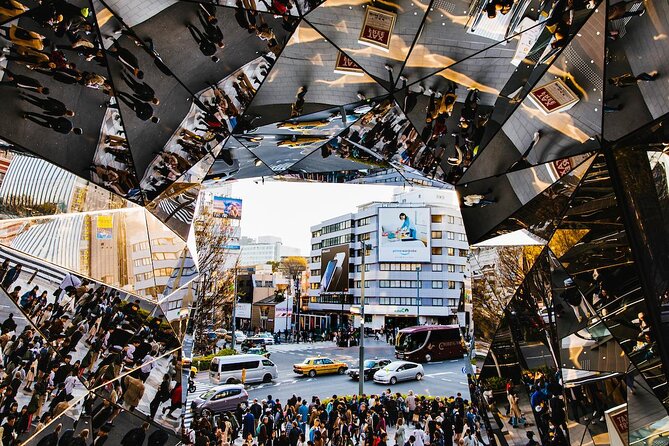
Omotesando Avenue is a different kind of Tokyo. It’s known for luxury boutiques, designer flagship stores, and sleek modern architecture, often compared to Paris’ Champs-Elysees.
This is the mental palate cleanser of the tour. You go from chaotic foot traffic and shop clusters into a more designed street setting. Even if you don’t plan to buy anything, it’s valuable to see Tokyo’s fashion world from both ends: casual streetwear energy and upscale architectural style.
You might not love this stop if you’re strictly shopping for bargains. But even then, it helps you understand how Tokyo can look polished and playful on the same day.
Meiji Shrine Imperial Garden, one of the calmest stops on the route
The tour ends with Meiji Shrine Imperial Garden. It’s one of Tokyo’s important Shinto shrines, dedicated to Emperor Meiji and Empress Shoken. The big benefit here is the change of atmosphere.
Even with a group, a shrine area gives you a chance to slow down after shopping streets. You’re moving from loud crowds to a forested, calmer setting. Admission is free in the plan, and the stop is around 20 minutes.
Practical consideration: Meiji Shrine areas can involve walking on pathways that feel different from shopping streets. Wear shoes that can handle uneven ground or lots of repeated stepping. You’re still within a short time window, so you won’t feel stuck.
How the guides can make or break the experience
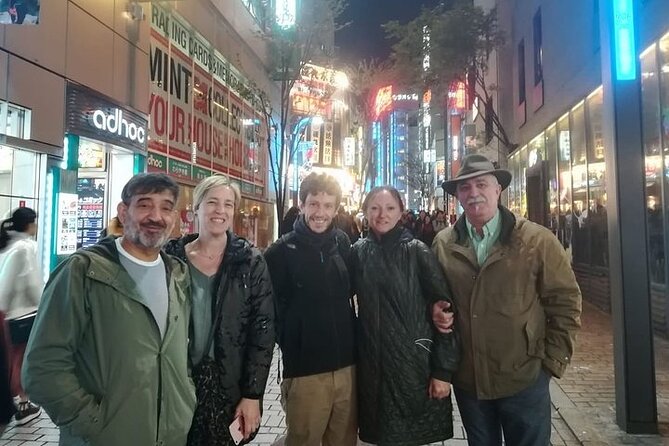
A huge reason this tour scores well is the guide factor. Several named guides from past groups stood out for practical context and tailoring. Riccardo was praised for cultural insights and getting both main points and a few off the beaten path stops. Sébastien earned credit for sharing knowledge and experience. Sergio and Francine were both highlighted for helpful local perspective and insider recommendations. Joe was noted for showing quieter backstreets as well as the loud main areas. Jenny was praised for excellent English and adapting the itinerary to what the group wanted.
You should expect a guide who:
- explains what you’re seeing in plain language
- helps you navigate foot traffic without losing the route
- gives suggestions for what to do next after the walk
The tour also lists guides speaking English, Spanish, French, or Italian, so language fit is likely. If you want a specific style of day, say it early. This is a customization-friendly setup.
Timing, walking load, and what to pack
The schedule is built around roughly 20 minutes per stop, with the tour lasting about three hours. That means you get quick layers: landmarks, shopping streets, and a shrine calm moment, all in one go.
The main thing to prepare for is the walking and crowd density. Shibuya and Harajuku are not quiet. If you plan to do more sightseeing later that day, keep the rest of your plan light after the tour.
Wear comfortable shoes with good grip. Bring a small water bottle if you’re the type to run warm. And if you’re the person who takes lots of photos, give yourself time to slow down at the famous intersections and street scenes.
What to do with the rest of your day after this tour
This kind of route is best when you use it as orientation. By the end, you’ll know where the landmarks sit relative to each other, and you’ll have a feel for which streets you actually want to return to.
After the tour, you can:
- go back to your favorite street for a second look without guessing
- use the guide’s style suggestions to choose where you want to browse longer
- plan a quieter sit-down meal away from the main lanes you walked
You’ll probably come away with a stronger sense of Tokyo’s rhythm: big intersections, fast shopping movement, then a hard tonal shift to calm green space at the shrine.
Should you book this Shibuya and Harajuku walking tour?
Book it if you want a short, guided sampler of modern Tokyo fashion neighborhoods. For first-time visitors, it’s an efficient way to understand Shibuya’s landmark energy and Harajuku’s style culture in one afternoon. It’s also a good fit if you enjoy walking and you like the idea of a guide helping you choose where to spend time next.
Skip it, or adjust expectations, if you hate crowds or you’re expecting a museum-heavy itinerary. This is street level, shop street, and landmark walking. You’ll get great context and a smooth route, but you won’t get a “sit inside big attractions all day” type of experience.
If you’re on the fence, I’d make the call based on this: you’re paying for guidance and time efficiency. If you’d rather wander these areas yourself without a plan, you might not need the guide. If you want your feet to follow a smart path while someone explains the meaning behind what you see, this is a strong value.
FAQ
How long is the Tokyo Shibuya and Harajuku walking tour?
The tour lasts about 3 hours.
How much does the tour cost?
The price is $48.21 per person.
Is this tour private?
Yes. It’s described as a private tour where only your group participates. There is also a group option that requires a minimum of 2 participants.
What languages are available for the guide?
The tour is offered with guides who speak English, Spanish, French, or Italian.
Are any entrance tickets included?
The listed stops are marked as free admissions. Drinks, food, and entry to monuments and museums are not included.
What’s the meeting point and where does the tour end?
You meet at 24-2 Sakuragaokachō, Shibuya, Tokyo 150-0031, Japan, and the tour ends back at the meeting point.
Can I cancel for a full refund?
Yes. You can cancel up to 24 hours in advance for a full refund.
Fresh options around Tokyo
- Tokyo: Imperial Palace East Gardens and Tokyo Station Tour★ 5.0 · 16 reviews
- Private Kamakura Early Morning Tour (Tokyo Departure Available)★ 5.0 · 16 reviews
- Shibuya All You Can Eat & Drink Private Tour★ 5.0 · 16 reviews
- Half-Day Local Tokyo Tour in Adachi Market and Shibamata★ 5.0 · 16 reviews
- Asakusa Night Evening Walking Tour with English-Speaking Guide★ 5.0 · 16 reviews
- Hands On Wagyu Sushi Making Experience★ 5.0 · 16 reviews
- Shibuya Bar Hopping Adventure Unique and Drank Experience★ 5.0 · 16 reviews
- Kamakura Full Day Walking Tour with Local Expert Guide and Pickup★ 4.5 · 16 reviews
Walking Tours, compared.
Kyoto Geisha Walking Tour: Gion District & Hidden Gems
Read our review →
Tokyo Tsukiji Fish Market Food and Culture Walking Tour
Read our review →
Gion Magical Night Walking Tour with Geisha Trivia
Read our review →
Imperial Palace and Shogun Historical Walking Tour
Read our review →
Gion Geisha District Walking Tour – Stories of Geisha
Read our review →
Shinjuku Local Bar and Izakaya Guided Walking Tour
Read our review →
Browse the lists this tour appears in