
Reviewed · CYCLING TOURS
Tokyo: 3-Hour Bike or E-Bike Tour of City’s Hidden Gems
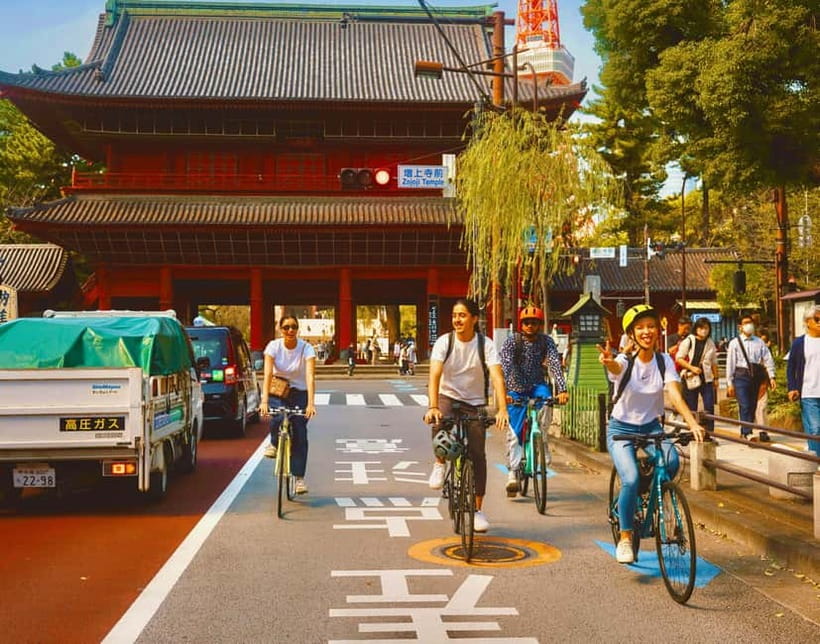
Tokyo on two wheels beats standing in line. This 3-hour ride strings together major landmarks and quieter corners, with English-speaking guides who keep you moving and make each stop make sense. You get a practical route that covers a lot in a short window, without feeling like you are just hopping from one spot to another.
I especially like the high-quality bikes on offer, including options from Bianchi and Fuji, plus convenient e-bikes for lower-stamina days. I also like how the tour mixes classic Tokyo sights with smaller side streets, then lands you at the right pulse point for photos at Shibuya Crossing. One thing to consider: several stops are brief photo stops, so if you want long time inside each site, you may want to plan a return visit on another day.
Key things to know before you pedal
- Bianchi and Fuji bikes: ride comfort matters when you only have 3 hours
- E-bike option: best choice if you do not cycle often or prefer less effort
- Photo-stop rhythm: short pauses at major landmarks keep the route flowing
- On-bike pouch + insurance: phone, wallet, keys handled, plus bike insurance included
- Guide-led local stories: the context is part of the value, not just the riding
- Not for everyone: no children under 12, and not suitable for back problems or pregnancy
A fast way to see Tokyo, from Perry to Peace Bell
This tour feels built for travelers who want a strong orientation to Tokyo in a limited time. You start at the Statue of Commodore Perry, then glide through Tokyo’s temple and palace areas before rolling into the city’s more modern neighborhoods and ending at the Bell of Peace.
What makes it work is the pacing. You are not stuck only in one “type” of Tokyo. You get a mix of traditional landmarks, big civic architecture, and street-level Tokyo scenes that you would normally only hit by piecing together trains and walking. With a guide handling the flow, you spend your energy riding, not figuring out where to turn next.
More Bike Tours in Tokyo
- Tokyo Guided Small-Group Biking Tour
★ 5.0 · 1,250 reviews - Tokyo Great Cycling Tour
★ 5.0 · 811 reviews - Tokyo Top Highlights 3h Guided E-bike Tour
★ 5.0 · 714 reviews
Bianchi, Fuji, and e-bikes: what you ride and who it fits
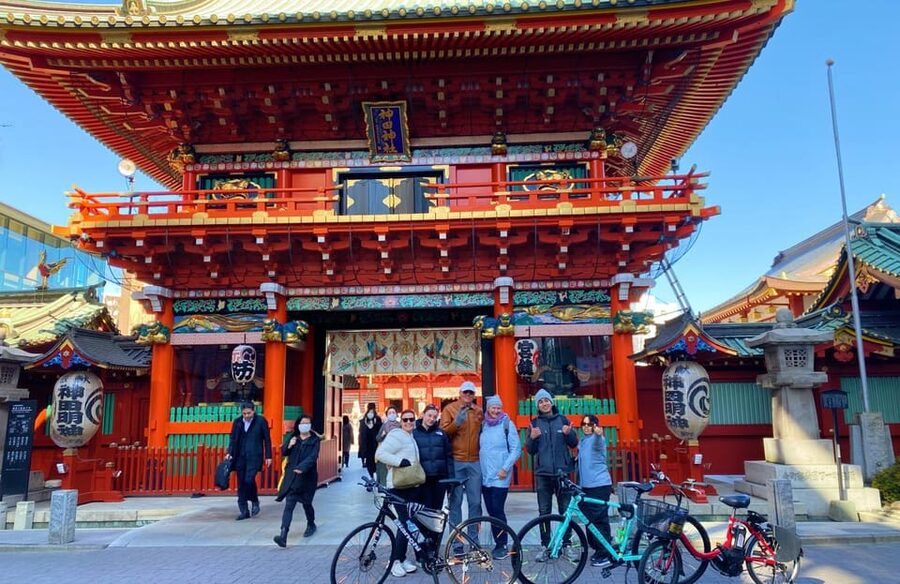
The bikes are a big deal here because Tokyo streets can feel intense when you are tired. You can choose high-quality cross bikes and road bikes from Bianchi and Fuji, and there is also an e-bike option if you want help with longer stretches.
If you cycle comfortably already, a regular bike should feel like a real Tokyo workout. If you do not cycle much, or you are worried about keeping your stamina steady, choose the e-bike. The tour specifically recommends it if you do not cycle often, or if longer distances feel like too much.
One practical detail: helmets are not included. You can get one on site by bringing ¥1,000 cash per unit. If you are picky about gear, consider budgeting that upfront so you are not scrambling at the start.
Also note who this does not fit:
- Children under 12
- People who are pregnant
- People with back problems
- People who cannot ride a bike
That sounds strict, but it usually means the ride quality and safety are taken seriously.
Starting at Daimon: Commodore Perry, Zojo-ji, and the palace zone
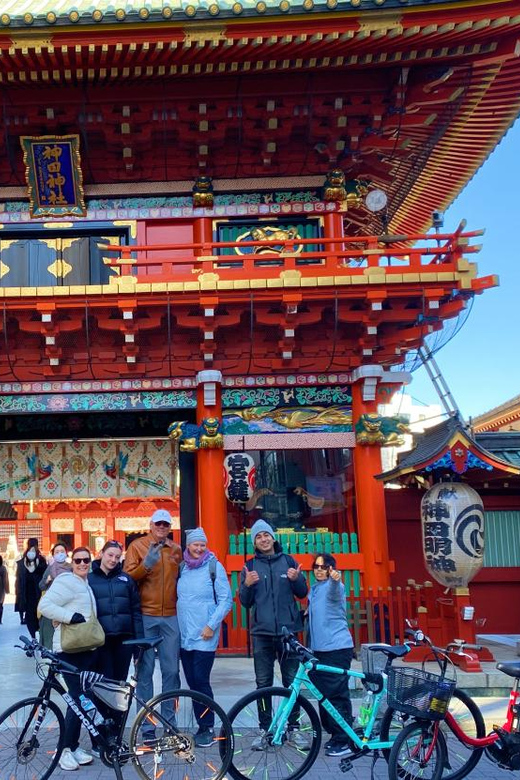
Your meeting point is by the statue of Commodore Perry, about a 3-minute walk from Daimon Station (A6 exit). This matters because if you are even slightly off, you lose time right when you want to be settled and ready.
From there, the early stops focus on classic Tokyo landmarks:
Statue of Commodore Perry (start point)
This is a good “tone setter.” It places you near a chapter of Japan’s opening to the world, which makes the temple and shrine stops feel more connected later.
Same corner of Japan, a different kind of day:
- Mt Fuji and Hakone 1-Day Bus Tour Return by Bullet Train
★ 5.0 · 26,383 reviews - 1-Day Tokyo Bus Tour
★ 5.0 · 14,250 reviews - Tokyo: TOKYO SKYTREE® Admission ticket
★ 4.5 · 11,192 reviews - Tokyo: teamLab Planets TOKYO Digital Art Museum Entry Ticket
★ 4.6 · 9,779 reviews
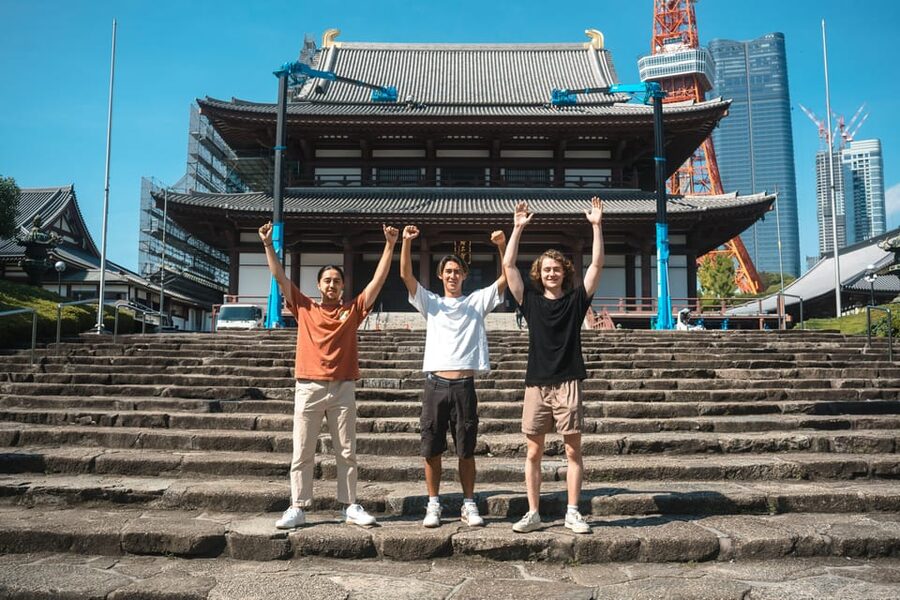
Zojo-ji Temple
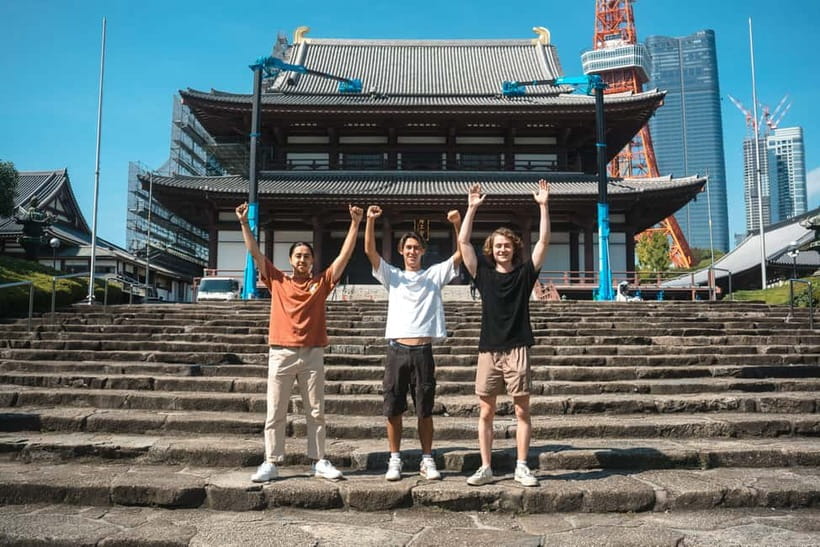
You get a photo stop and a guided tour here (around 15 minutes). Zojo-ji is one of those places where Tokyo’s scale feels surprisingly personal. Even with a short stop, you can get a feel for the atmosphere and the architecture, and you are not just snapping and leaving.
What to watch for: plan to stand in a way that does not block others during the photo moment, and wear comfortable shoes because the ground around temples can vary.
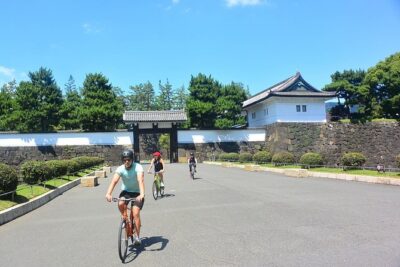
Tokyo Imperial Palace area, plus Ōte-mon Gate
Next comes a photo stop at the Imperial Palace area (about 10 minutes), then the Ōte-mon Gate (about 5 minutes). These are quick moments by design. The value is that you see what people mean when they talk about imperial Tokyo, without spending hours inside or waiting around.
If you love photo angles, this is where a small cluster time can help. You get a guided cue for where to look, and you keep moving before crowds build in other spots.
State Guest House Akasaka Palace
You have another photo stop here (about 10 minutes). This is a “see it once” stop, not an extended wander, so keep expectations aligned. The guide’s context is the key part, because you are mostly there to understand what you are looking at and get the right photo.
New National Stadium, a surprise stop, and Aoyama’s edges
After the palace and gate area, the route shifts gears. It is not just travel from place to place. You are watching Tokyo change neighborhoods in real time.
New National Stadium
You get a photo stop (around 10 minutes). This is a helpful contrast after traditional and formal areas. It reminds you that Tokyo is not frozen in past-and-temple mode, and the modern architecture frames the next section nicely.
The surprise stop
There is a “hidden gem” style visit (about 15 minutes). The name is cute, but the real point is this: the route includes a smaller, less obvious pause where the guide can point out how everyday Tokyo looks when you are not only sticking to the biggest stops.
This is often where the tour feels most personal. You get a little time to slow down, hear why it matters, and take a break before the faster-moving street section.
3 Chome Minamiaoyama
A short visit (about 5 minutes) brings you into the Aoyama area vibe. Even if it feels quick, that brief stop helps connect the dots between historic Tokyo and designer-modern Tokyo.
Cat Street
Another short stop (about 5 minutes). Cat Street is the kind of place where Tokyo’s youth style and independent shops show up in everyday street life. With only a few minutes here, you will not “shop,” but you can still absorb the atmosphere and take photos if it fits your interests.
Miyashita Park
You then hit Miyashita Park (about 3 minutes). Three minutes sounds short, but think of it like a quick rooftop pause or a sanity break. It is enough time to notice the vibe and move on, rather than turning your bike tour into a half-day detour.
Shibuya Crossing and the Bell of Peace finish
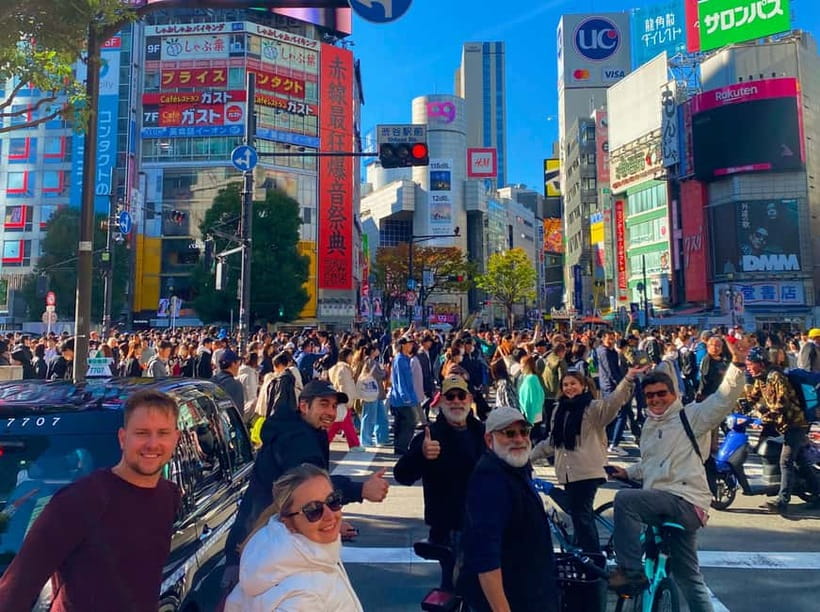
By the time you reach Shibuya Crossing, you are in a classic Tokyo payoff moment. You get a photo stop and a visit (about 5 minutes) at the crossing.
This stop works best if you already know you want the iconic shot, but you do not want to spend your whole day just standing there. The guide’s role matters too. You are not wandering, you are guided to a good viewpoint for photos and then released to take in what is around you for a short stretch.
Finish at the Bell of Peace
You end at the Bell of Peace. That ending location gives the route a satisfying close. You came from a historic opening-era starting point, moved through formal and religious sites, and finished in one of Tokyo’s most recognizable public zones.
How the guide stories and photo stops change the ride
For a bike tour to feel worth it, the “why” behind the route has to match the “where.” This one does. Guides share local context and stories, and they also keep the group safe while you cycle through areas that can feel crowded.
One consistent theme in the tour experience is the guide’s personality. Names that show up in the feedback include Miguel, KG, Naoki, Marika, Nouchi, Georgie, Shin, Casey, Kosei, and Rinto. Different personalities, same outcome: the tour is friendly, structured, and focused on helping you understand what you are seeing.
Practical help also shows up in small ways. Guides take photos for you, keep you moving, and will often help you stop for refreshments when conditions make it useful. If you are riding in warmer months, this is a real quality-of-life factor, not a luxury.
And yes, cycling through Tokyo traffic can feel intimidating. The tour is designed so you feel safe and protected at all times, and the structure keeps you from stretching the group out.
Price and time: is $60 worth it for 3 hours?
At $60 per person for a 3-hour tour, you are paying for three things at once:
- Bike access, including quality bikes and e-bike availability
- A guide who handles route flow and storytelling
- Insurance plus an on-bike pouch for small items
To judge value, focus on the time you save. In Tokyo, moving across neighborhoods plus coordinating a route can quietly eat hours. This tour gives you a coherent arc from Daimon-area history to Shibuya energy, and you get it without planning day-of transportation moves.
Is it “cheap”? Not really. But for a short, guide-led, bike-based way to hit both major and lesser-known stops, it stacks up well. Especially because helmets are extra, but still manageable, and bike insurance is included from the start.
The biggest reason some people do not love a tour like this is expectation mismatch: if you want long, independent temple exploring, the brief stops may feel limiting. If you want a strong overview and good photos in a compressed schedule, the format makes sense.
What to bring, and the small details that matter
Bring comfortable shoes and water. Also wear comfortable clothes that let you move and handle brief stops without turning your tour into a wardrobe problem.
If you are carrying a day bag, think minimal. The tour includes an on-bike pouch for phone, wallet, key, and similar items, which helps you avoid stuffing essentials into a backpack while you ride.
For planning, remember:
- Smoking is not allowed
- Alcohol and drugs are not allowed
- Littering is not allowed
Also, helmets are available on site if you bring cash for the rental fee.
One more practical point: the meetup spot is a real landmark, but finding the exact spot can still take a minute if you are unfamiliar with the area. Arrive early so you can check in without stress.
Should you book this Tokyo bike tour?
Book it if you want:
- A 3-hour way to cover multiple Tokyo neighborhoods
- A guided route that helps you connect traditional sites to modern Tokyo streets
- Either a real cycling workout on a quality bike, or an e-bike option for easier effort
- Photo stops with context, rather than random wandering
Skip it if you:
- Need long time inside each major site
- Do not ride bikes confidently
- Have mobility issues that make cycling unrealistic
- Are traveling with kids under 12 or you are pregnant
My take: this is the kind of tour that works best as your “Tokyo orientation on wheels.” If you plan to return later for deeper walks, this gives you the foundation fast, plus photos and stories you can build on.
FAQ
How long is the Tokyo bike tour?
It runs for 3 hours.
Where do we meet the guide?
Meet at the statue of Commodore Perry. It is about a 3-minute walk from Daimon Station (A6 exit).
Are helmets included in the price?
No. Helmets are available on place if you bring ¥1,000 cash per unit.
Is there an e-bike option?
Yes. You can select the e-bike option if you are not comfortable riding long distances or do not have much stamina.
What kind of guide support is included?
The tour includes a friendly, knowledgeable English-speaking guide (English and Japanese are listed) who provides local insights and stories.
Who is the tour not suitable for?
It is not suitable for children under 12, pregnant women, people with back problems, or people who cannot ride a bike.
More E-Bikes in Tokyo
- 3h Tokyo E-Bike Tour: Hidden Gems, and Local Life with guide
★ 5.0 · 670 reviews - Tokyo: 3-Hour Bike or E-Bike City Highlights Tour
★ 4.8 · 435 reviews - Tokyo: 3-hour Guided E-Bike Tour of the City’s Hidden Gems
★ 4.8 · 251 reviews - Tokyo: 3-Hour Bike/E-Bike Tour of the City’s Highlights
★ 5.0 · 209 reviews
Fresh options around Tokyo
- Tokyo: Nikko Kegon Falls Lake Chuzenji Toshogu Temple & More★ 4.9 · 12 reviews
- Tokyo: Samurai History Walking Tour★ 5.0 · 12 reviews
- Harajuku: Kawaii Fashion and Pop-Culture Tour★ 4.7 · 12 reviews
- Tokyo: Mt. Fuji & Lake Kawaguchi Instagram Full Day Trip★ 4.1 · 12 reviews
- Shibuya Tokyo: Modern Kintsugi Workshop in Shibuya★ 5.0 · 12 reviews
- Tokyo: GTR Guided Daikoku Experience at Night★ 5.0 · 12 reviews
- Tokyo: Daikoku JDM Car Culture Tour★ 4.6 · 12 reviews
- Mt Fuji Private Day Trip from Tokyo with English speaking driver★ 5.0 · 13 reviews
Cycling Tours, compared.
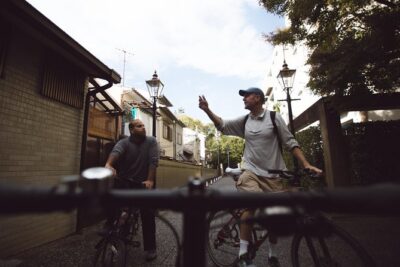
3h Tokyo E-Bike Tour: Hidden Gems, and Local Life with guide
Read our review →
Arashiyama Bamboo Forest & Hidden Gems Bike Tour (Early Bird)
Read our review →
Hiroshima in a Nutshell: Morning Bike Adventure
Read our review →Browse the lists this tour appears in