
Reviewed · CYCLING TOURS
Bike Tour Exploring North Kyoto plus Lunch
If you want Kyoto without the traffic headache, biking is the move. This half-day loop through north Kyoto mixes famous icons like Kinkakuji with quieter religious stops and local streets you would miss on foot.
I love two things most. First, the tour handles the basics for you, with high-quality bikes, bottled water, and entrance fees sorted at key temples. Second, the lunch is built into the plan, and it is real Japanese food, not a rushed snack stop.
One consideration: you do need to be comfortable riding a bike for several hours. It is described as moderate, but there can be some effort, plus the tour depends on good weather.
Key things I think you’ll care about
- All-in bike setup: high-quality Cannondale bike, bottled water, guidance, and (in practice) time to get fitted right at the start
- Temple and shrine entry included: you are not juggling tickets for the main sites on the route
- A small group for calm riding: maximum 8 travelers means more personal pacing and fewer bottlenecks
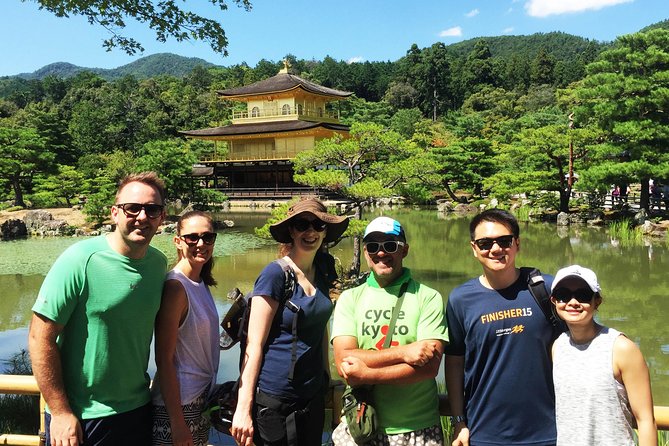
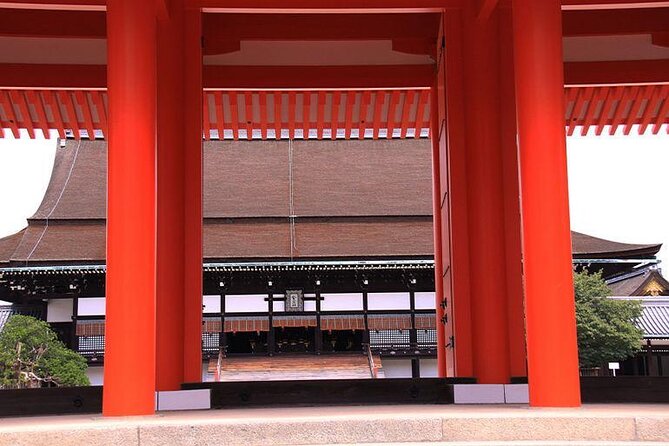
- North Kyoto mix of big and hidden: Nishi Honganji, Kitano Tenmangu, Kinkakuji, and a ride through former imperial grounds
- Gion close-up at the end: a short, low-pressure visit to the geisha district without turning it into a long museum day
- Lunch is part of the experience: you’ll refuel with Japanese food, and dietary needs should be known ahead of time
Why North Kyoto by bike is such a smart first move
North Kyoto is a great choice for a cycling day because the sights are spread out enough that a bike saves real time. You get temple moments and neighborhood lanes in the same morning, plus the guide keeps you from doing the classic Kyoto thing, wandering a bit and then spending the rest of the day chasing your original plan.
This tour is also built for orientation. You are shown how Kyoto’s religious sites sit in the city, and the route style makes it easier to “place” things in your mind. That matters, because once you understand where areas sit relative to each other, your later Kyoto days get easier.
More Bike Tours in Kyoto
- Hidden Kyoto E-Biking tour
★ 5.0 · 1,843 reviews - Arashiyama Bamboo Forest & Hidden Gems Bike Tour (Early Bird)
★ 5.0 · 613 reviews - 5 Top Highlights of Kyoto Full Day Bike Tour (E-bike option)
★ 5.0 · 511 reviews
Your bikes, helmets, and what the day actually includes
The price covers a lot of day-of friction. You start at Cycle Kyoto, meet your guide and the group, and get fitted onto your bike before you roll out. Bikes are described as high quality, specifically Cannondale, and they are sized to your height.
Guidance is constant. You have a local guide leading the route so you are not navigating while you are also looking at shrines. Bottled water is provided, which becomes a big deal in Kyoto heat.
You’ll also want to know about helmets. In the experience, there was an option to wear one, and that is a nice safety bonus if you are even a little nervous about traffic and tight turns.
Stop-by-stop: from Nishi Honganji to Kinkakuji’s Golden Pavilion
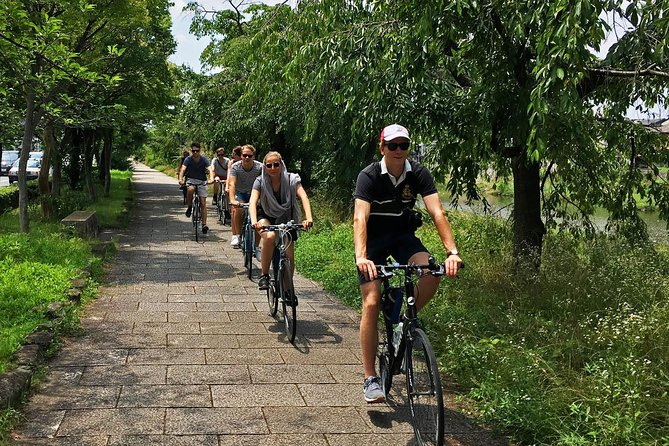
This route keeps a good rhythm: short cultural stops, then bike time between them. Expect frequent regrouping and photo moments, not a nonstop pedal sprint.
Cycle Kyoto: meet, fit, and get your bearings fast
At the start, you meet your guide and the rest of the group. You’ll get your bike fitted and you’re ready to go at 10:00 am.
This part matters more than it sounds. If your bike fit is right, you will feel it during the longer ride portion later. It also helps the guide manage speed for everyone.
Same corner of Japan, a different kind of day:
- PERFECT KYOTO 1-Day Bus Tour
★ 5.0 · 13,518 reviews - Kyoto: Fushimi Inari, Kinkakuji, Bamboo Grove 1 Day Bus Tour
★ 4.8 · 4,316 reviews - Kyoto: Tea Ceremony in a Traditional Tea House in Kiyomizu
★ 4.9 · 3,519 reviews - Kyoto Geisha Walking Tour: Gion District & Hidden Gems
★ 4.7 · 3,273 reviews
Nishi Honganji: a quieter kind of major landmark
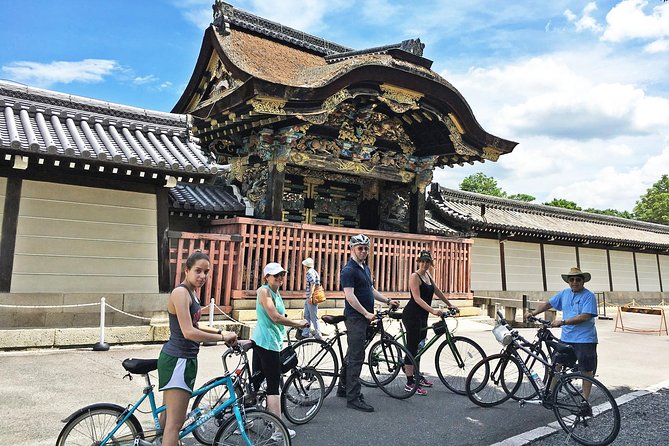
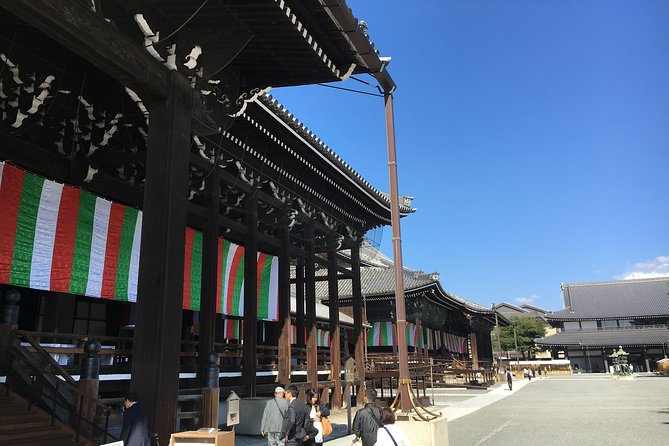
Next is Nishi Honganji, one of the least visited religious sites in the city, yet also one of the largest wooden buildings in the world. You get about 15 minutes here, with an admission ticket listed as free for this stop.
I like this start because it breaks the pattern of doing only the most famous postcard temples first. It gives you a strong sense of Kyoto’s religious architecture without the same crowd pressure you’ll feel at the bigger attractions.
Kitano Tenmangu: join local shrine goers
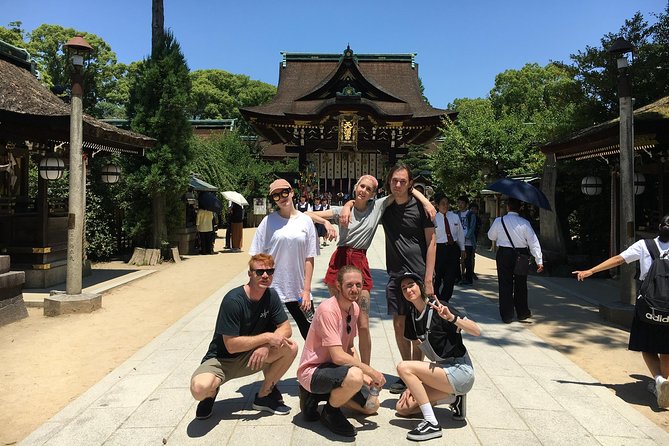
Then comes Kitano Tenmangu Shrine. The goal is simple and pleasant: you see the shrine through the lens of local visitors, not just tourists rushing in for pictures. You’ll spend about 20 minutes, and the tour frames it with a tranquil mood.
This stop is a good example of why the guide is useful. You’re not just looking at buildings. You learn the background and why people come, which makes the place feel more alive.
Kinkakuji: Golden Pavilion plus the fun snack break
Kinkakuji Temple is the headliner, and the tour gives it proper time, around 30 minutes. Admission is included here, and the experience includes commentary plus a little bonus: you can grab an ice cream and relax for a few minutes.
There can be an incline on the ride up toward this area, and one review noted a climb toward the Golden Pavilion with downhill riding after. If you are worried about hills, it helps to remember that the route is paced, and the group stops often enough that you do not feel like you are suffering through a workout.
The former imperial grounds: history you see while moving
Between the Golden Pavilion stop and the end in Gion, there is a ride through the grounds of the former seat of Japan’s imperial family. You learn about its past as you pass through, which is a neat trick of bike travel.
Instead of walking past something and missing the context, you’re moving through while your guide ties the scenery to the story. That makes it easier to remember later when you return to the area on your own.
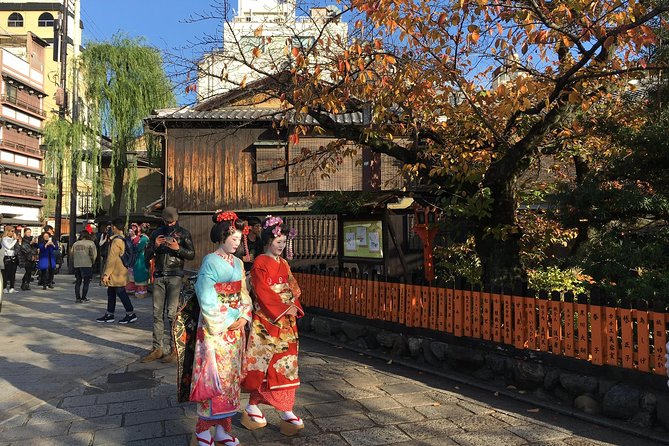
Gion: geisha district without turning it into a circus
The last scheduled stop is Gion, about 10 minutes. The idea is to discover the district’s atmosphere and pick up on some of the secrets of this hidden world, with the chance to spot entertainers if you are lucky and present at the right time.
I appreciate the short timing here. You get the feeling of Gion at the end of your bike day, not a long drag that competes with the rest of your evening plans.
Lunch in Kyoto: what you can expect and how to plan your food
Lunch is included, and the tour’s promise is straightforward: a delicious Japanese meal that refuels you for the riding part.
In real life, lunch can vary. Some days it has been described as noodles at an older restaurant, and other days it has been described as sushi, including a sushi bar setup. The key point for you is that the meal is part of the tour, not a random restaurant suggestion you have to hunt down.
Dietary requirements need to be known ahead of time. If you are vegetarian, have allergies, or follow any restrictions, tell the organizers before you go, and your lunch should be arranged accordingly. One family experience specifically mentioned vegetarian options being available.
Also, plan to be hungry. You’re cycling and sightseeing in the same window, and lunch is the reset button that keeps the day enjoyable instead of just tiring.
Pace and effort: how hard is the riding really?
This is a half-day tour, around 5 to 6 hours total, but the cycling time is only part of that. One review described about 2.5 hours of actual riding and roughly 24 km, which fits the idea that you’re stopping often for temples, photos, and explanations.
The physical level is described as moderate. You should be comfortable riding a bike, and the minimum age is 13.
If you are fit, great. If you are average, the reviews suggest the pace is usually manageable because the guide adjusts to the group. There were mentions of the ride being safe even for people who had not ridden for years. That said, do not treat this as flat, effortless cruising. There can be some inclines, and the route is long enough that you will feel it in your legs after.
Why the guides make such a difference
The guide is a huge part of the value here, and the names you might meet are often mentioned: Mayco, Julian, Indra, Quin, Karl, Jay, and Jamie.
What stands out is how the best guides connect the sites to real Japanese culture. Some guides focus on religion and traditions, like Shinto vs Buddhism, or explain why geisha exist and what their role looks like today. Others emphasize the “street Kyoto” moments, the back alleys and shortcuts you would not naturally choose.
You also feel how guides manage the group. There are accounts of guides learning everyone’s names, checking hydration during hot days, and building in frequent little breaks so people can keep up without falling behind.
Value for money: is $106.12 a fair deal?
At $106.12 per person, the price looks reasonable once you count what you would otherwise pay and what you would otherwise have to organize yourself.
You are getting:
- a high-quality bike (not a random rental)
- guidance for a multi-stop route
- bottled water
- lunch
- temple entrance fees on the included sites
For most visitors, Kyoto temples add up fast once you include admission and transport. Here, the route is planned so you are not wasting time between far-off spots. That saves energy and also saves money on the kind of taxis or extra transit you might use if you were trying to do it alone at the same pace.
The small group cap (maximum 8) also helps the value. You do not get stuck waiting behind a big bus crowd, and you tend to get clearer explanations at each stop.
Day-of tips that will make your ride smoother
If you’re going to do this tour early in your Kyoto trip, it’s smart. It gives you a working mental map fast, and it helps you decide what to return to later.
Wear shoes you can pedal in and walk in. Bring sun protection, because several notes mention hot weather and plenty of hydration care. If rain threatens, be ready for rescheduling. The experience requires good weather, and if it is canceled due to poor weather, you are offered another date or a full refund.
Also, consider the order of your day. The tour ends back at the meeting point, so plan your next activity without booking something too tight right after 3 pm to 4 pm, depending on pace and conditions.
Finally, be honest with yourself about bike comfort. If riding makes you tense, the guide can still help, but you’ll enjoy the temples and Gion more when you feel relaxed in motion.
Who should book this bike tour?
I’d point you here if you want:
- an efficient introduction to north Kyoto and its temple culture
- a small-group guided day where you stop often and learn something at each location
- a fun, active way to see sights without spending the whole time in crowded transit
It might not be the best fit if:
- you cannot ride a bike comfortably for a few hours
- you are sensitive to heat and do not handle outdoor walking and short stops well
- your schedule is too inflexible for a weather-based reschedule
Should you book Cycle Kyoto North Kyoto plus Lunch?
If you want Kyoto with momentum, this is a strong pick. The combo of included bike gear, temple fees, and lunch takes the stress out of planning, and the guide-led route makes the whole day feel purposeful.
If you are comfortable riding and you pick a good weather window, you’ll likely feel like you got more than you paid for, both in sights and in the context you gain at Nishi Honganji, Kitano Tenmangu, Kinkakuji, and that final glide into Gion.
FAQ
Where does the tour start, and what time does it begin?
The tour starts at Cycle Kyoto, 7 Higashikujō Nishisannōchō, Minami Ward, Kyoto, 601-8003, Japan. The start time is 10:00 am.
How long is the North Kyoto bike tour plus lunch?
The duration is about 5 to 6 hours.
What does the price include?
The price includes the bike, guidance, bottled water, and lunch. Temple entrance fees are also included on the itinerary’s temple stops.
Are temple entrance fees included?
Yes, temple entrance fees are included, and the itinerary lists admission tickets for stops like Nishi Honganji and Kitano Tenmangu as free, with Kinkakuji admission ticket included.
How much cycling should I expect?
The tour is described as having a moderate riding requirement, and one experience described cycling time of about 2.5 hours. You’ll also have sightseeing stops throughout the day.
Is the tour suitable for beginners?
It is aimed at travelers with moderate physical fitness and who are comfortable riding a bike. The route is planned with safety and pacing in mind, and it is manageable for people who are not frequent cyclists.
What is the minimum age to join?
Riders must be at least 13 years old and comfortable riding a bike.
How big is the group?
The tour has a maximum of 8 travelers.
Is lunch included, and can dietary needs be accommodated?
Lunch is included. Dietary requirements need to be known ahead of time so the meal can be planned for you.
What happens if weather is bad?
This experience requires good weather. If it is canceled due to poor weather, you will be offered a different date or a full refund.
What is the cancellation policy?
You can cancel for a full refund up to 24 hours in advance of the experience start time. If you cancel less than 24 hours before, the amount paid is not refunded.
More Cycling Tours in Kyoto
- Full Day Biking Tour Exploring the Best of Kyoto
★ 5.0 · 498 reviews - E-Bike Tours of the highlights of Kyoto!!!
★ 5.0 · 291 reviews - Afternoon Kyoto Bike Tour: Bamboo Forest, Monkeys & Hidden Spots
★ 5.0 · 283 reviews - South Kyoto in a Nutshell: Gentle Backstreet Bike Tour!
★ 5.0 · 225 reviews
Fresh options around Kyoto
- Kyoto Aquarium Admission Ticket★ 4.7 · 12 reviews
- Kyoto Gion Photoshoot – Private Session | Pro Photographer★ 5.0 · 12 reviews
- Gyoza Cooking Class in Kyoto: Traditional Japanese Dumplings★ 5.0 · 12 reviews
- Kyoto: Guided Food Tour with 12 Dishes & 3 Drinks★ 5.0 · 12 reviews
- Kyoto: Avoid the Crowds at the Hidden Gems of Arashiyama★ 4.9 · 13 reviews
- Kyoto Early Bird English Tour: Gion & Higashiyama(Private opt)★ 5.0 · 13 reviews
- Otsu-e Folk Art Workshop & Local Culture Walk Near Kyoto★ 5.0 · 13 reviews
- Kyoto, Osaka, Nara Full Day tour by Car English speaking Driver★ 3.5 · 13 reviews
Cycling Tours, compared.
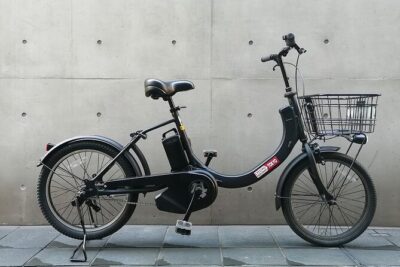
3h Tokyo E-Bike Tour: Hidden Gems, and Local Life with guide
Read our review →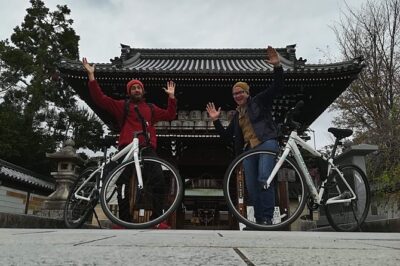
Arashiyama Bamboo Forest & Hidden Gems Bike Tour (Early Bird)
Read our review →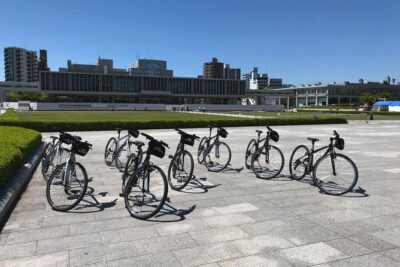
Hiroshima in a Nutshell: Morning Bike Adventure
Read our review →
5 Top Highlights of Kyoto Full Day Bike Tour (E-bike option)
Read our review →Browse the lists this tour appears in