Reviewed · KYOTO TOURS
The right way to know Kyoto
Kyoto can overwhelm fast, even with a map. This private walking tour hits major sights in a tight 6 hours, with an expert guide keeping you moving and explaining what you are actually seeing. It starts at Kyoto Station and builds a route around Fushimi Inari-taisha and the temple complex days many visitors cram into one rushed afternoon.
I especially like the private, customizable feel, because you can set the pace and adjust based on what you care about most. I also like that you get hotel pickup offered, which makes the whole day feel less like logistics and more like sightseeing.
One possible drawback is time pressure: with only a half-day, you can’t linger everywhere, and the day can feel “fast” if you hoped to do extra stops. Also, entrance tickets for key temples are not included, so you will want to budget for that on top of the tour price.
Key things to know before you go
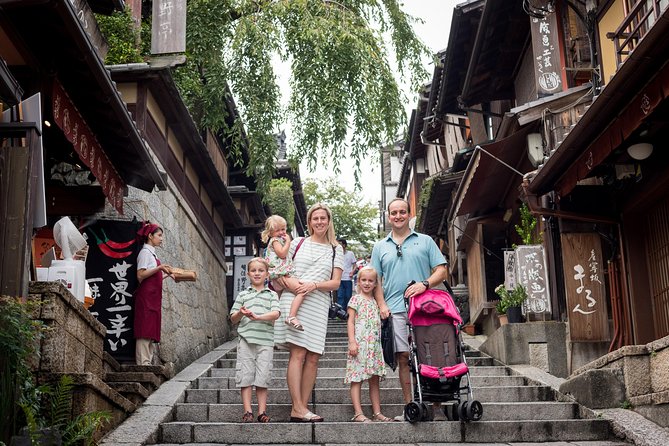
- Private walking format for a group up to 6, so you are not stuck in the herd
- 6-hour route that balances shrine, bamboo, and both temple pavilions without endless backtracking
- Expert guide focus on Japanese history and culture, not just photo spots
- Entrance tickets not included for Kinkakuji and Ginkakuji, so bring a little extra cash or card
- Mobile ticket and near-public-transport access, helpful if you want flexibility
Why this Kyoto half-day hits the sweet spot
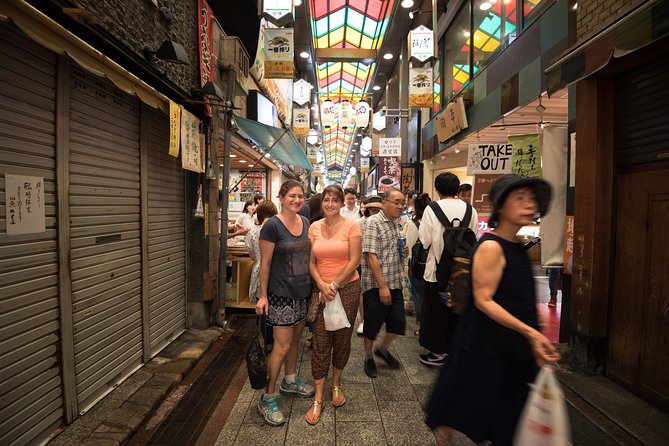
Kyoto is famous, and that means two things. First, the big names show up on every itinerary. Second, you can waste time in crowds and wrong turns if you go in blind. This tour is built to reduce that risk with a guide who keeps the route logical and the story clear.
The biggest value here is not that you see four famous places. It is that you see them with context. You learn how shrines and temples fit into Japanese life, what you are looking at beyond the postcard, and how to enjoy the sights instead of just collecting them.
Private also changes the feel. You can ask questions in real time, and your day does not get hijacked by other people’s pace, photo habits, or lingering.
A few more Kyoto days worth comparing
- PERFECT KYOTO 1-Day Bus Tour
★ 5.0 · 13,518 reviews - Kyoto: Fushimi Inari, Kinkakuji, Bamboo Grove 1 Day Bus Tour
★ 4.8 · 4,316 reviews - Kyoto: Tea Ceremony in a Traditional Tea House in Kiyomizu
★ 4.9 · 3,519 reviews
Meet at Kyoto Station, then let the guide do the threading
This experience starts at Kyoto Station, with a specific meeting point at Higashishiokoji Kamadonocho in Shimogyo Ward. The tour ends back at the meeting point, so you are not left wondering how to get home at the end of a long walk.
If pickup is offered, you may start closer to your hotel, which is a nice way to save energy before you begin walking. Either way, the plan is structured for you to spend your energy on the sights, not on figuring out trains and transfers.
One pattern from strong guide reviews for this kind of Kyoto format is that the guide helps you understand how to move through the city efficiently. That matters because Kyoto’s transit can feel tricky at first, especially when you are trying to keep timing for temples.
Stop 1: Fushimi Inari-taisha and the torii rhythm
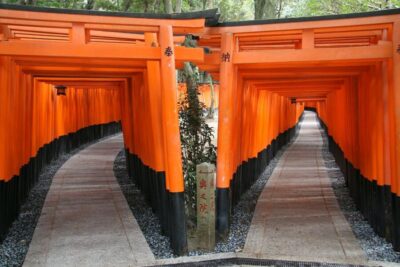
Your first stop is Fushimi Inari-taisha Shrine. Expect an unending path of orange torii gates that visually draws you forward, even before a guide explains anything. You get about an hour here, so you can walk, pause, and take in the scale without turning it into a marathon.
What makes this stop special is how it changes as you go deeper. Up close, torii look simple, but repeated rows create a tunnel effect that feels almost architectural. With a guide, you also get the cultural framing for Inari, so you understand why the shrine matters and what people are doing there.
Practical tip: wear shoes you can handle on a busy day. Fushimi Inari can mean lots of uneven stone paths and frequent stops. If you want photos, plan for a few moments of waiting at popular angles, then move on while the light and foot traffic shift.
Stop 2: Bamboo Forest Trail for calm, not just Instagram
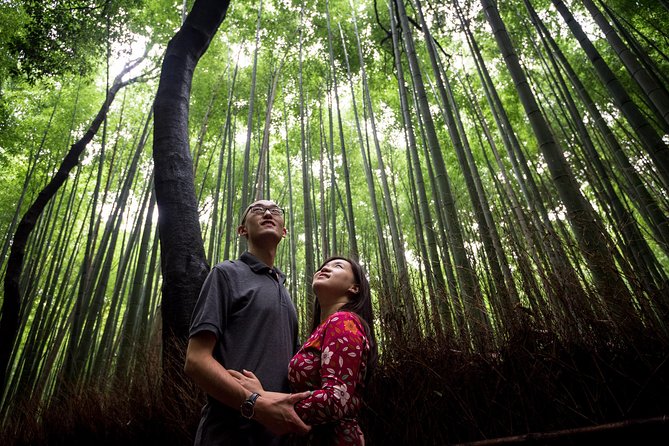
Next is the Bamboo Forest Trail, scheduled for about 45 minutes. This is where the day’s mood shifts from shrine energy to a more natural, quiet walk through a bamboo grove.
The bamboo area can be crowded, so the smart play is to treat it like a short reset. In a guided format, you are less likely to waste time locating the best path or getting stuck in the busiest entry points. You can also spend more time noticing textures and light and less time scanning for the right route.
What you should do while you are there is simple. Walk a little, stop a little. Bamboo feels dramatic in motion, but it also rewards stillness if you give it 10 to 20 minutes of attention.
Same corner of Japan, a different kind of day:
- Kyoto Geisha Walking Tour: Gion District & Hidden Gems
★ 4.7 · 3,273 reviews - Kyoto: Tea Ceremony Ju-An at Jotokuji Temple
★ 4.9 · 3,207 reviews - Kyoto: Gion Magical Night Walking Tour with Geisha Trivia
★ 4.9 · 2,393 reviews - Kyoto: 45-Minute Tea Ceremony Lesson Experience
★ 4.3 · 2,378 reviews
Stop 3: Kinkakuji and the practical art of managing crowds
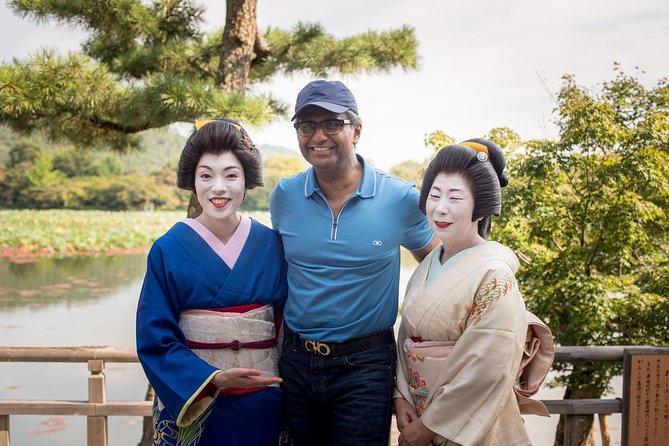
The Golden Pavilion, Kinkakuji Temple, is your third stop, with about an hour allocated. Entrance tickets are not included, so you will buy that onsite. This is one of Kyoto’s biggest draws, so expect crowds.
A good guide matters a lot at Kinkakuji. Instead of just pointing at the pavilion and moving on, a strong guide can explain what makes the architecture and setting important, and what details you should look for while people are flowing around you. You also get help timing your photos so you are not stuck waiting endlessly.
The pacing here is also important. If you show up wanting to study every corner, one hour might feel short. If you come ready for a focused visit, it feels just right.
Stop 4: Ginkakuji and wabi-sabi calm
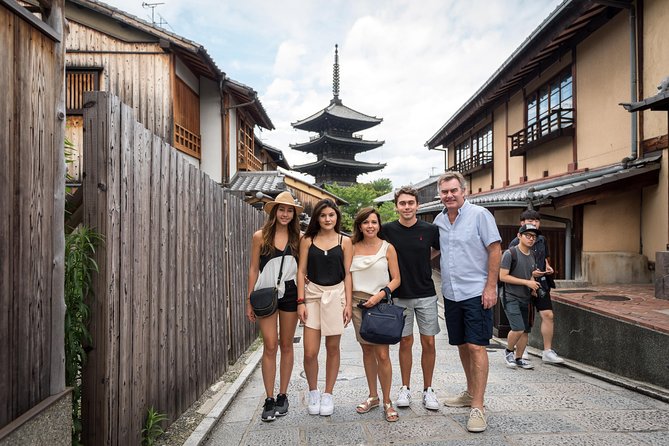
Last is Ginkakuji Temple, the Silver Pavilion, with about an hour. Entrance tickets are also not included here. Ginkakuji is often less hectic than some of Kyoto’s top flashiest stops, and that gives you a chance to slow down.
The big idea at Ginkakuji is aesthetic restraint. Even if you do not know the term wabi-sabi yet, the gardens and quiet atmosphere teach it. You are looking at elegance that does not need to shout.
A guided visit helps because you can connect what you see to the broader cultural logic behind Zen-influenced garden design. Without that context, you might just admire the scenery and move on. With a guide, you notice patterns, viewpoints, and the way the garden guides your senses.
Price and value: what $371.41 buys you (and what it does not)
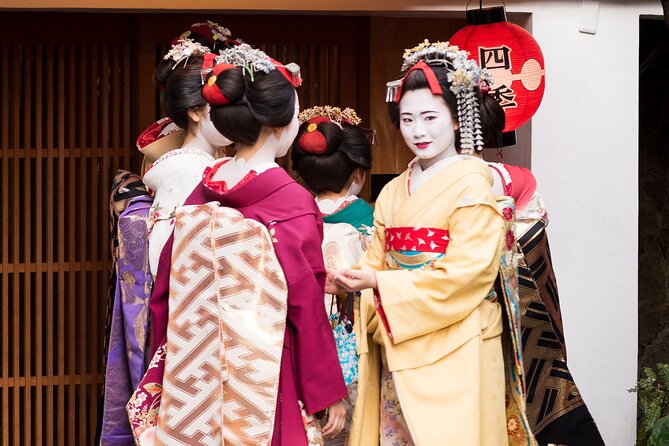
The price is $371.41 per group, up to 6 people. That means your per-person cost depends on how full your group is.
If you fill the group with 6 people, that is about $62 per person. If it is just 2 people, it is about $186 per person. Private tours swing like that, so the value is strongest when you can bring a small group.
What is included:
- Expert guide
What is not included:
- Entrance tickets (Kinkakuji and Ginkakuji are not included)
- Transportation
- Meals
This matters because you are paying for a guide and a route, not a packaged all-in day. The value comes from avoiding wasted time, getting cultural context, and not having to build the route yourself across multiple famous locations.
If you want a low-stress day and you hate spending your vacation cross-checking transit lines and opening hours, this format often feels worth it. If you already know your route, and you want maximum freedom to wander without stopping, you might decide to go self-guided.
Walking and timing reality: 6 hours can feel tight
Even with only four planned stops, the day still involves walking and transitions. Your scheduled times add up to about 3 hours 45 minutes of site time, which leaves time for travel between stops, restroom breaks, and moving through busy areas.
That is why I think it is best to treat this as a highlights-and-context tour, not a pick-and-choose mega itinerary. One reviewer note in similar tours was that there is not enough time to cover everything people expect to see. For this route, the fix is mindset: decide you want these four stops well, and you are not trying to squeeze in five bonus attractions.
Weather also changes the feel. Rain can slow foot traffic and make surfaces slick. The tour stays structured, but you might want to pack a small umbrella or rain layer and accept a slightly slower rhythm.
Who this tour suits best
This tour is a good match if you:
- want a private plan instead of a self-guided puzzle
- care about the meaning behind shrines and temples, not just the names
- prefer a guide to help you handle timing and crowds
- are traveling with family or a mixed-age group and want pacing flexibility
It is also a solid first-day option in Kyoto. When you only have a short window, seeing Fushimi Inari, bamboo, and both pavilion temples gives you a fast emotional introduction to what Kyoto feels like.
What guides tend to do well in this format
In reviews of this company’s Kyoto walking tours, guides often get praised for a few repeat skills that you can benefit from even if your itinerary matches the four stops here.
- They ask what you want to focus on, then steer the day accordingly
- They explain shrine and temple details in ways that make the sites easier to remember
- They manage pace so you can keep moving without feeling rushed
- They help with practical city navigation, including using public transportation when needed
Names that come up in guide feedback for Kyoto Daily Tours include Paco, Adrian, Tom, Peter, Jose David, Laura, Esteban, Brian, Cristobal, and Maki San. Even if you do not get the same guide, the consistent theme is that the guide’s role is not just route-following, it is interpretation plus logistics.
Should you book this Kyoto walking tour?
Book it if you want a guided, no-getting-lost day that combines three major Kyoto vibes: shrine drama at Fushimi Inari, nature calm in the bamboo area, and architectural serenity at Kinkakuji and Ginkakuji. The private group size up to 6 is also a strong way to keep the experience personal without paying for a solo tour price.
Skip it or adjust expectations if you:
- want to linger for long periods at every stop
- expect all temple entrance fees to be included in the price
- want a very flexible day with lots of extra add-ons
If you are short on time and you want Kyoto to feel readable, not chaotic, this tour’s structure is a good match. It trades maximum wandering for maximum understanding, and that is often the right trade in Kyoto.
FAQ
How long is the tour?
The tour duration is about 6 hours.
Is this tour private?
Yes. This is a private tour/activity, and only your group will participate.
Where does the tour start and end?
It starts at Kyoto Station (Higashishiokoji Kamadonocho, Shimogyo Ward, Kyoto) and ends back at the same meeting point.
Are entrance tickets included?
No. Entrance tickets are not included. Kinkakuji and Ginkakuji have admission tickets that you will need to pay separately.
Is hotel pickup included?
Pickup is offered.
What is the ticket method?
You will receive a mobile ticket.
What is the cancellation policy?
Cancellation is free. You can cancel up to 24 hours in advance for a full refund.
What time does the tour run?
The opening hours listed are 9:00 AM to 3:00 PM, Monday to Sunday.
Fresh options around Kyoto
- Kyoto Aquarium Admission Ticket★ 4.7 · 12 reviews
- Kyoto Gion Photoshoot – Private Session | Pro Photographer★ 5.0 · 12 reviews
- Gyoza Cooking Class in Kyoto: Traditional Japanese Dumplings★ 5.0 · 12 reviews
- Kyoto: Guided Food Tour with 12 Dishes & 3 Drinks★ 5.0 · 12 reviews
- Kyoto: Avoid the Crowds at the Hidden Gems of Arashiyama★ 4.9 · 13 reviews
- Kyoto Early Bird English Tour: Gion & Higashiyama(Private opt)★ 5.0 · 13 reviews
- Otsu-e Folk Art Workshop & Local Culture Walk Near Kyoto★ 5.0 · 13 reviews
- Kyoto, Osaka, Nara Full Day tour by Car English speaking Driver★ 3.5 · 13 reviews
Kyoto Tours, compared.
Fushimi Inari, Kinkakuji, Bamboo Grove 1 Day Bus Tour
Read our review →
Tea Ceremony in a Traditional Tea House in Kiyomizu
Read our review →
Kyoto Geisha Walking Tour: Gion District & Hidden Gems
Read our review →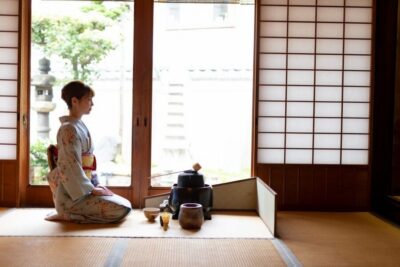
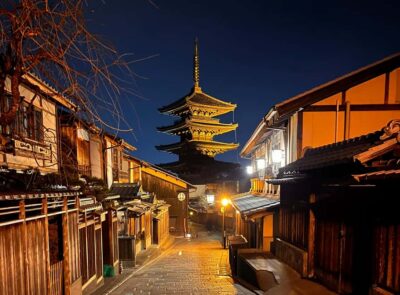
Gion Magical Night Walking Tour with Geisha Trivia
Read our review →