Reviewed · KYOTO TOURS
TAIKO, Japanese Drum Experience from Kyoto
Taiko sounds loud, and this is practical, too. You learn basic Taiko rhythms in a small group, with Hachimaki calligraphy and a live professional demo, not just a lecture. My one caution: Kyoto Station timing is strict, and you pay in cash at the studio, so arrive early and ready.
What makes this feel like real Japanese culture is how hands-on it is. You get step-by-step technique, then you actually play as a group. And yes, the final costume photo (happi and hachimaki) turns it into a memory you can hold onto, not a quick stop on a busy itinerary.
Key things I’d highlight before you book
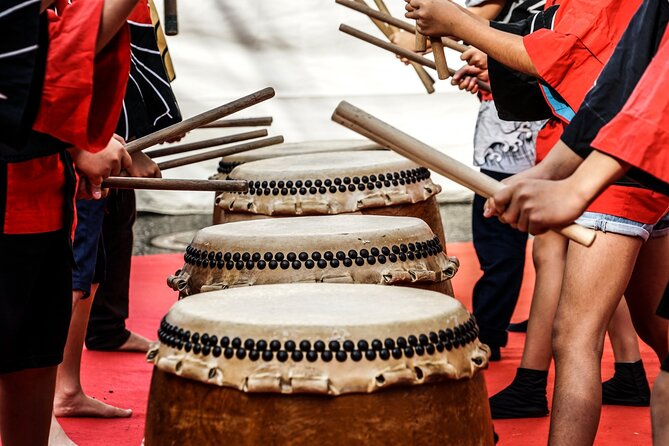
- Small-group access to the instructor, so you can ask questions while you learn
- Beginner-friendly training with movements and techniques tailored to your skill and fitness level
- Hachimaki (headband) calligraphy where you write your wishes before you drum
- Pro Taiko demonstration that sets the tone, power, and timing you’ll practice
- A group performance moment where you play a simple piece together at the end
Getting to the studio from Kyoto Station: fast rail, then short ride
This experience starts at Kyoto Station and then moves you out toward the nearby studio area. From Kyoto Station, you take a JR train for about 12 minutes to Takatsuki Station. Then there’s an approximately 10-minute cab ride to the studio.
That transport piece matters more than it sounds. Taiko isn’t taught in a city-center showroom. You’re going to a working studio space, which is part of why the session feels authentic and structured. Also, the full duration is listed at about 2 hours 30 minutes, including transfers, so plan your day around that block.
Two practical notes I’d treat like rules:
- Be at the meeting point 15 minutes early. If you’re late, you may not be able to participate, even if you call.
- Kyoto Station is huge. If you get turned around, ask for the central exit, not the Shinkansen central ticket gate.
The good part: the studio is reached by public transport routes that are straightforward. And since you’re given a mobile ticket, you’re not juggling paper confirmations.
A few more Kyoto days worth comparing
- PERFECT KYOTO 1-Day Bus Tour
★ 5.0 · 13,518 reviews - Kyoto: Fushimi Inari, Kinkakuji, Bamboo Grove 1 Day Bus Tour
★ 4.8 · 4,316 reviews - Kyoto: Tea Ceremony in a Traditional Tea House in Kiyomizu
★ 4.9 · 3,519 reviews
The pre-drumming flow: history chat, then your Hachimaki
Once you arrive, the session starts with context. You get a brief explanation of Taiko’s history and why drumming matters in Japanese culture. This isn’t a deep academic lecture. It’s timed to set your head right before you touch the drum.
Then comes one of my favorite non-drum moments of the day: simple calligraphy on a Hachimaki (a traditional headband). The idea is simple and fun. You write your wishes on the headband, and then you wear it as part of your session and later photos.
This small creative step does two useful things:
- It slows you down just enough to focus, instead of rushing into noise.
- It makes you feel part of the ritual, not just a tourist watching from the outside.
If you’re the type who usually skips “craft” stops, I’d still give this one a try. It’s not presented as a souvenir. It’s a quick cultural practice tied directly to the drumming experience.
Watching the pros: the demonstration that teaches your ears
Before you start playing, you watch a powerful Taiko demonstration by a professional instructor. This is where your expectations get set. Taiko looks athletic from the outside, but the demo shows you timing, body movement, and how the sound carries.
In one version of the demo setup, the demonstration can include live drumming along with video accompaniment. Either way, the point stays the same: you see the “real” version of what you’ll be working toward.
I love this step because it makes your practice feel less random. When you finally pick up the sticks, you’re not guessing what good rhythm feels like. You already have the sound in your head.
Also, the language support is built in. The guide offers English, and from the quality of the guide names people shared, that translation help is a big reason the session lands well for first-timers. You may meet guides such as Michiko-san, Kumi-san, Akemi, or Akiko, depending on your date.
The lesson itself: body technique, not just hitting a drum
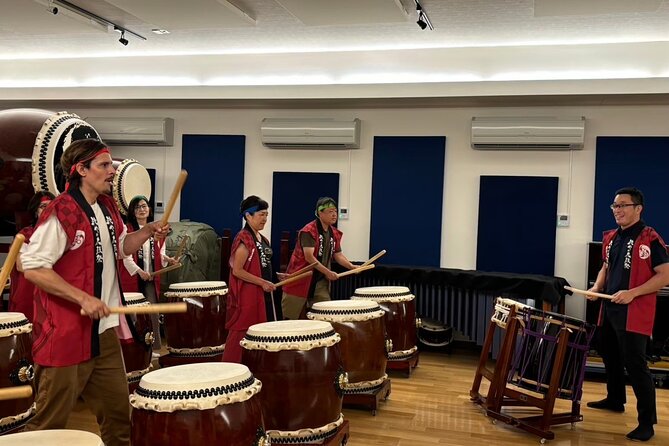
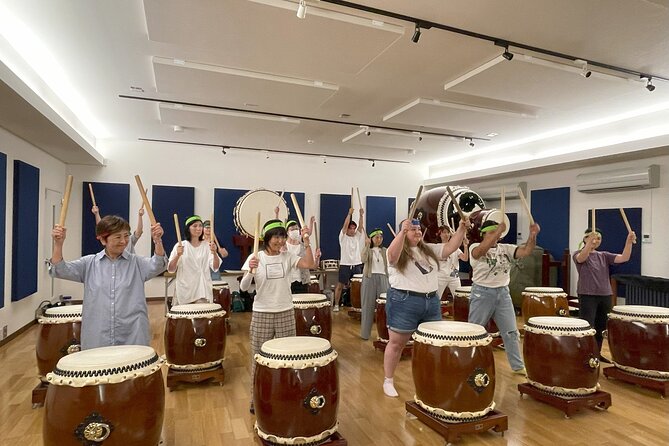
Now the main event: you learn basic movements and techniques of Taiko. The instruction is aimed at people with no experience, and it’s tailored to your skill and fitness level.
That “fitness and skill tailoring” sounds like a marketing phrase, but in a drumming class it matters. Taiko uses your whole body. If you’re stiff, tired, or just not used to coordinated movement, you need technique that adapts. The teaching style described in the experience feedback is patient and supportive, and that makes a huge difference when you’re learning something physical for the first time.
What you’ll do in the class:
- Learn the basic posture and striking movements
- Practice the core rhythm patterns the instructor gives you
- Build toward a short group piece at the end
You’ll also be playing alongside fellow participants in a max group size of 15. That size keeps the class from turning into a lecture where you get one quick turn. It gives the instructor space to correct technique and encourages you to stay with the rhythm together.
One more thing I’d take seriously if you like active travel. More than one person described Taiko as feeling like good cardiovascular exercise. Even if you’re just doing the basics, the repeated movement and arm work can add up.
Same corner of Japan, a different kind of day:
- Kyoto Geisha Walking Tour: Gion District & Hidden Gems
★ 4.7 · 3,273 reviews - Kyoto: Tea Ceremony Ju-An at Jotokuji Temple
★ 4.9 · 3,207 reviews - Kyoto: Gion Magical Night Walking Tour with Geisha Trivia
★ 4.9 · 2,393 reviews - Kyoto: 45-Minute Tea Ceremony Lesson Experience
★ 4.3 · 2,378 reviews
The payoff: playing together, then costume photos
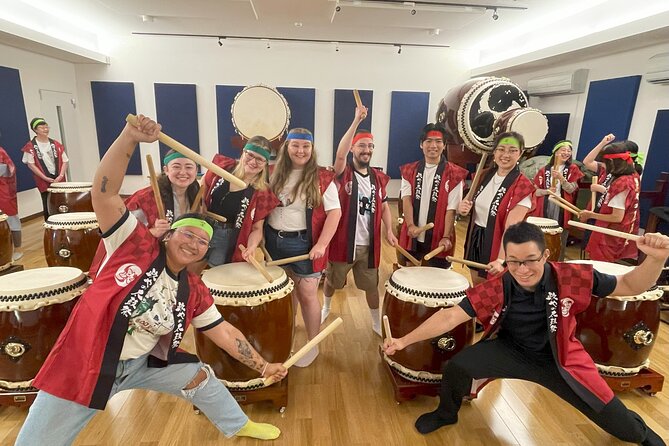
The session ends with you playing a simple piece of music with your fellow participants. This is the moment where the class clicks. You feel the timing, you hear the group, and you realize you can actually do it.
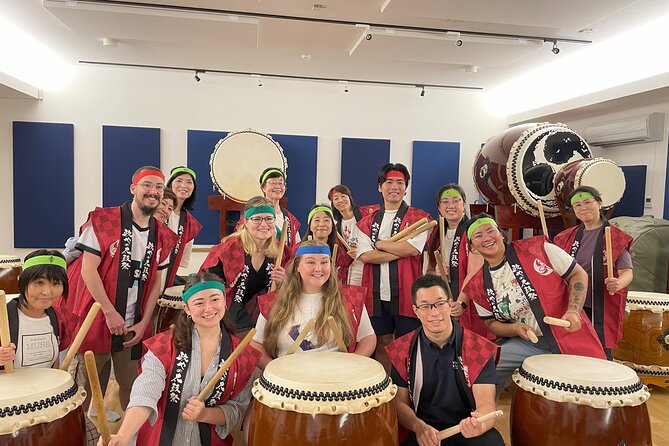
Then you get a commemorative photo in traditional Japanese costume. The costume includes a happi and your hachimaki. It’s a small thing, but it’s also what turns the experience into a keepsake you can share. This is the difference between a hands-on activity and a “check-the-box” attraction.
If you’re wondering whether the photo is worth it, I’d say it is because you’re wearing something you helped prepare. Your headband calligraphy connects you to the session, so the photo feels earned, not random.
Price and value: what you’re paying for at about $115.62
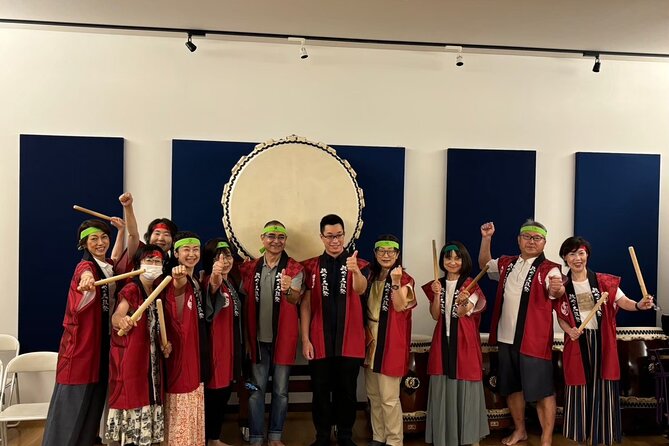
At about $115.62 per person for a 2.5-hour block, you’re paying for a lot more than “time with a drum.” Your package includes:
- Instruction from a Taiko drum instructor
- A professional demonstration
- A Hachimaki headband
- Cultural history explanation
- Transportation to and from the studio area (with train plus cab transfer)
- A JR one-way ticket to Takatsuki Station
- A commemorative photo in traditional costume
That’s a meaningful mix. If you were to try to recreate parts of it on your own, you’d likely end up spending time finding the studio, sorting out transport, and booking lessons. Here, those pieces are bundled so you can focus on the learning.
There’s also a separate cost mentioned for observers. If someone in your party wants to watch only, the cost is 9000 yen per observer. That number is a clue about how much of the value is tied to the participation portion, and why the class is built for hands-on drumming.
So who is this most cost-effective for?
- If you’re a first-timer who wants real instruction, not just a performance
- If you want an activity that feels tied to tradition rather than generic sightseeing
- If you can commit to the scheduled timing without stress
If your day is already packed and you can’t spare the 2.5-hour block plus punctual arrival, then the value might feel worse, because the schedule is strict.
Who this is best for (and who should rethink it)
This is a strong fit for:
- Absolute beginners. No previous experience is required.
- People who enjoy active, hands-on classes rather than passive tours.
- Anyone who wants a cultural activity that includes both drumming and a small tradition like calligraphy.
It’s also a nice option if you’re traveling with family, with one caution. Children under 7 years old aren’t allowed, so it’s best for older kids and adults.
Who might rethink it:
- You want mostly sightseeing time and would rather watch from the sidelines.
- You hate strict timing. The class has an “arrive early or you might miss participation” approach.
- You’re looking for a flexible add-on activity you can drop in and out of. This is a scheduled lesson with transfers.
Small tips that make a big difference on the day
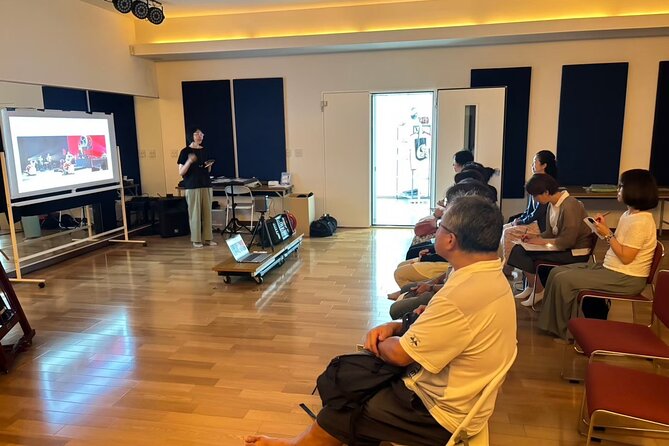
Here’s how to set yourself up for a smooth session with fewer surprises.
1) Arrive early, and plan around Kyoto Station size
You have to be at the meeting point 15 minutes before start time. If you arrive late, participation can be canceled, and refunds aren’t issued for missed start time due to lateness. Kyoto Station can swallow time, so give yourself buffer.
2) Expect cash payment at the studio
Payment is requested in cash (Japanese yen) at the drum studio on the day of the tour. Bring enough yen in advance so you’re not scrambling right before the class.
3) Wear comfortable clothes
You’re learning drumming movements that use your body. You’ll likely do repeated arm and upper-body motion. Comfortable clothes and practical shoes help.
4) Don’t worry about skill level
The session is tailored to your skill and fitness level. You’re not being graded. You’re building coordination and timing in a supportive group setting.
5) Bring your camera brain, not just your tourist brain
The experience ends with a costume photo, so it’s worth thinking about that moment. Keep your phone accessible, and follow instructions when it’s time to get ready.
Should you book it? My take
Book it if you want a Kyoto cultural activity with real participation, not just watching. The blend of Taiko instruction, Hachimaki calligraphy, a pro demonstration, and a group performance creates a complete arc in about 2.5 hours. And the class size limit of 15 supports the feeling that you’re learning, not waiting your turn.
Skip it (or at least reconsider) if strict timing will stress you out. The schedule depends on rail connections, and the day is built around being ready on time, paying cash, and getting to the studio.
If you like hands-on travel and you’re curious about why Taiko matters in Japan, this is one of those experiences that gives you a new skill, a story, and a photo with a headband you personally wrote.
FAQ
How long is the Taiko experience?
The experience is about 2 hours 30 minutes, and that includes transfer time. You should expect to return to Kyoto Station about 2.5 to 3 hours after the start time, depending on the train schedule.
Do I need any experience to join?
No. The lesson is designed for all levels, including people with no prior experience.
Where do we meet, and when should we arrive?
The start point is Kyoto Station. You should arrive at least 15 minutes early because you cannot participate if you are late for the start time.
How do we get to the studio from Kyoto Station?
You take a JR train for about 12 minutes from Kyoto Station to Takatsuki Station, then an approximately 10-minute cab ride to the studio.
If someone in my group doesn’t want to drum, is there an observer fee?
Yes. For those observing without participating in the drumming, the cost is 9000 yen per person.
Do I pay in advance or at the studio?
You pay in cash (Japanese yen) at the drum studio on the day of the tour.
What if the weather is bad?
This experience requires good weather. If it is canceled due to poor weather, you’ll be offered a different date or a full refund.
Fresh options around Kyoto
- Kyoto Aquarium Admission Ticket★ 4.7 · 12 reviews
- Kyoto Gion Photoshoot – Private Session | Pro Photographer★ 5.0 · 12 reviews
- Gyoza Cooking Class in Kyoto: Traditional Japanese Dumplings★ 5.0 · 12 reviews
- Kyoto: Guided Food Tour with 12 Dishes & 3 Drinks★ 5.0 · 12 reviews
- Kyoto: Avoid the Crowds at the Hidden Gems of Arashiyama★ 4.9 · 13 reviews
- Kyoto Early Bird English Tour: Gion & Higashiyama(Private opt)★ 5.0 · 13 reviews
- Otsu-e Folk Art Workshop & Local Culture Walk Near Kyoto★ 5.0 · 13 reviews
- Kyoto, Osaka, Nara Full Day tour by Car English speaking Driver★ 3.5 · 13 reviews
Kyoto Tours, compared.
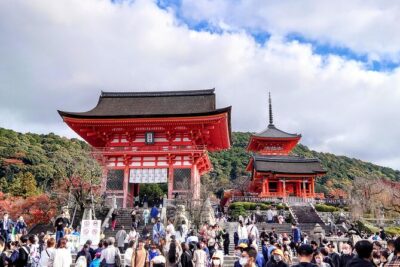
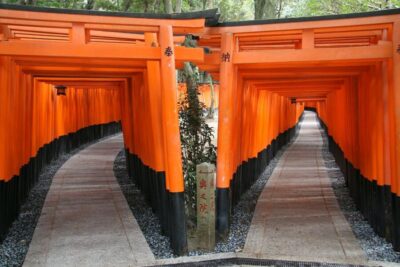
Fushimi Inari, Kinkakuji, Bamboo Grove 1 Day Bus Tour
Read our review →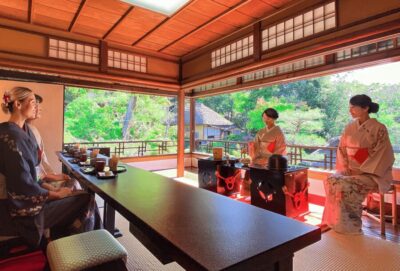
Tea Ceremony in a Traditional Tea House in Kiyomizu
Read our review →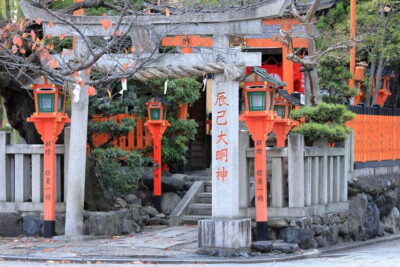
Kyoto Geisha Walking Tour: Gion District & Hidden Gems
Read our review →

Gion Magical Night Walking Tour with Geisha Trivia
Read our review →