
Reviewed · TEA CEREMONIES IN TOKYO
Shibuya Authentic Tea Ceremony with experienced instructor
Tokyo can feel loud. This tea ceremony is quiet on purpose. In Shibuya, you swap busy streets for an intimate tea house experience, guided by an expert who shows you how Japanese tea rituals work and how matcha actually gets made. You learn the story behind it, taste what you’re making, and then get to try the tools yourself.
I especially love the small-group setup (max 8), because it makes the whole session feel personal, not like you’re watching from the back row. I also like that you get both the performance and the practice, including choosing a beautiful chawan (tea bowl) for your own bowl of matcha.
One thing to consider is the time: it runs about 50 minutes, so it is hands-on and satisfying, but it will not turn into a long, slow training course. If you want hours of repeat practice, you may want to pair this with another tea experience later in your trip.
Key things to know before you go
- Max 8 people means you get attention while you learn the steps.
- Stone mill matcha process so you see more than just the final drink.
- 500+ year ritual watch gives context for why the movements matter.
- Nerikiri sweets come with your freshly prepared matcha tasting.
- Hands-on whisking with traditional tools, including choosing your own bowl.
A Shibuya Tea Reset in an Old Tea House
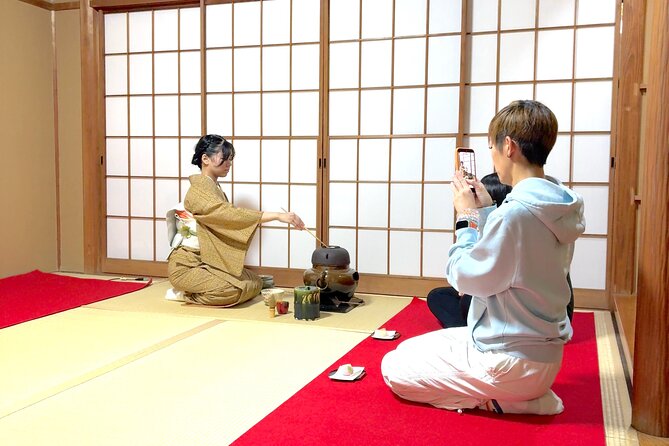
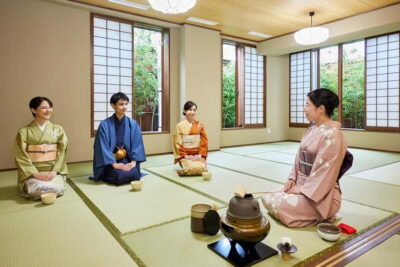
Shibuya is energy, neon, and crowds. This activity is the opposite mood in the best way. You meet in the Dōgenzaka area and head to a small tea house setting that feels like you’ve stepped away from the outside rush for a short, focused reset.
The meeting point is at Japan, 150-0043 Tokyo, Shibuya, Dōgenzaka, 1-chōme15 万字ビル. From there, you go to the tea space and stay with your group for the full experience. The whole thing runs about 50 minutes, which is ideal if you want cultural time that fits into a jam-packed Tokyo day.
What I like about this setup is the pacing. You are not forced to sit through long speeches before you do anything. You learn a little background, see the ritual, taste the results, then roll up your sleeves and make your own bowl of matcha. That flow helps you connect the history to what’s happening in front of you.
Also, with a mobile ticket you can keep things simple on the day. Tea ceremonies already feel formal and careful, so anything that reduces last-minute fuss helps your brain stay in the right mode.
More Tea Ceremonies in Tokyo
- Matcha Making Class in Tokyo with Authentic Japanese Sweets Set
★ 5.0 · 744 reviews - Tokyo: Traditional Tea Ceremony with a Tea Master
★ 5.0 · 528 reviews - Tokyo: Matcha Making Experience with Mochi Sweets in Asakusa
★ 4.9 · 388 reviews
What Happens in the First 10 Minutes (And Why It Matters)
You start with a short introduction about the history of tea in Japan, plus a look at how matcha gets made. Even if you already know matcha is powdered green tea, you’ll likely pick up new details from the way your instructor frames the process.
This early stage matters because Japanese tea is not just about the flavor. It is about attention and craft. When you understand the steps behind matcha, the ritual movements make more sense. Instead of watching motions that look pretty, you understand what the tools are doing and why the consistency matters.
Then you shift into visuals and explanation: you see matcha being made using a traditional stone mill. That detail is more meaningful than it sounds. Powder texture and grinding method influence the look and feel of matcha, and it helps you understand why matcha is handled differently from other drinks.
If you are the type of person who likes to connect food to culture, this first part is a great match. You get enough context to appreciate what’s next without turning it into a lecture marathon.
And since the group is capped at 8 travelers, questions are more likely to land naturally. Your instructor can slow down when needed, especially during the parts that involve the tools.
Watching the Tea Ritual: Otemae, Style, and Timing
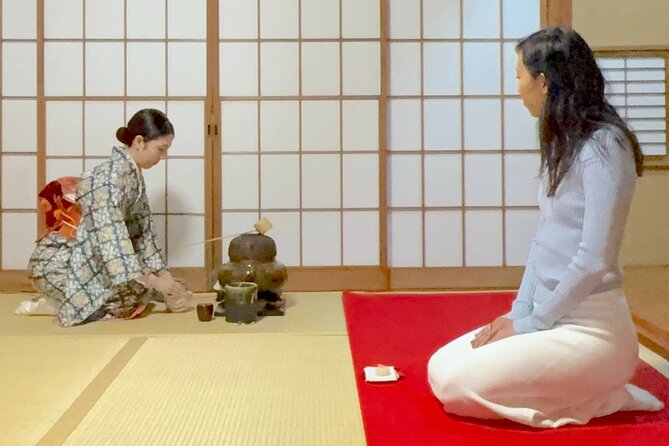
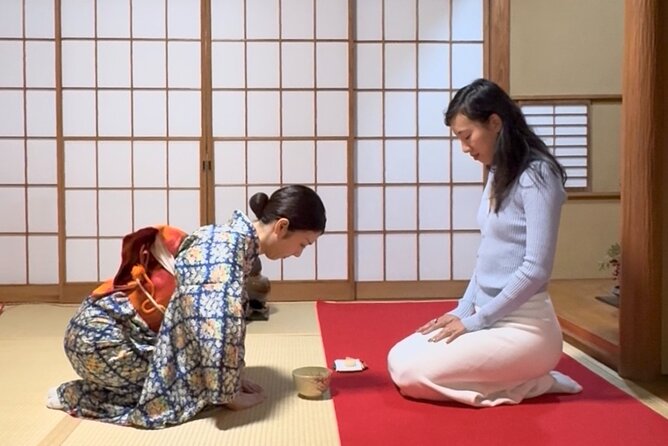
After the history and matcha process, the session moves into watching the traditional tea ceremony performance. You’ll see an otemae, the ritualized sequence of making tea. The ceremony you’re shown has a history of over 500 years, and the way it’s performed gives you the reason behind the structure.
The big value here is observation. You can watch the flow of steps in real time, and you also see how everything is arranged and handled with care. Tea ceremony is often described as calm and meditative, but the practical takeaway is this: the ritual creates consistency, from preparation to serving.
During this stage, you also get a break from doing. You’re not expected to whisk perfectly while trying to understand everything. Instead, you watch what your instructor does and build a mental checklist of what happens next when it becomes your turn.
One of the best surprises is how quickly you learn to read the small cues: posture, hand positioning, and the rhythm of each movement. If you’ve ever tried to cook something once and then watched someone else do it, you know the difference between effort and understanding. This is that same idea, but with tea.
Then comes the part you can enjoy immediately: the taste.
Nerikiri and Matcha Tasting: How the Flavors Work Together
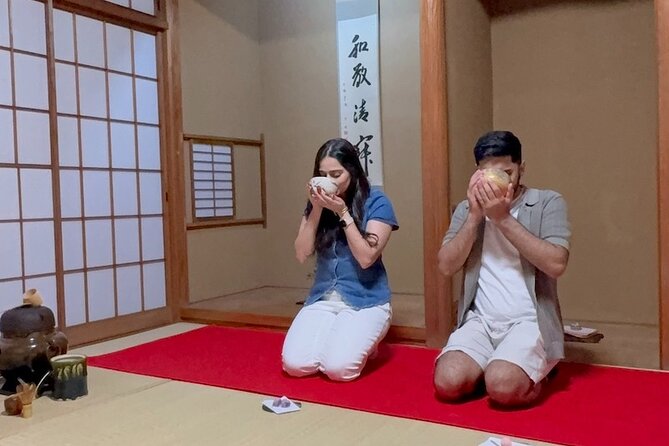
When your instructor finishes preparing the matcha, you taste it along with Japanese sweets. In this case, the sweet included is nerikiri, a traditional Japanese sweet that pairs nicely with matcha.
This tasting segment is where the ceremony stops being abstract. You get to experience the payoff of everything you just watched. Matcha has a grassy depth and a slightly bitter edge, and nerikiri brings sweetness and texture to balance it.
I like tastings like this because they teach you what to pay attention to beyond flavor. Notice the aroma, the warmth, and how the matcha feels in your mouth. If you’re the kind of traveler who usually orders food and moves on, this is a chance to slow down, really taste, and then link taste to technique.
Also, since this is a small group, you don’t feel rushed. You can take a moment to appreciate what you’re holding and how the experience is timed.
If you’ve only tried matcha from a café, this tasting is a good reality check. The quality and preparation style can change the experience a lot, and you’ll likely understand why tea people care about the details.
Same corner of Japan, a different kind of day:
- Mt Fuji and Hakone 1-Day Bus Tour Return by Bullet Train
★ 5.0 · 26,383 reviews - 1-Day Tokyo Bus Tour
★ 5.0 · 14,250 reviews - Tokyo: TOKYO SKYTREE® Admission ticket
★ 4.5 · 11,192 reviews - Tokyo: teamLab Planets TOKYO Digital Art Museum Entry Ticket
★ 4.6 · 9,779 reviews
Your Turn With Traditional Tools: Whisking the Bowl
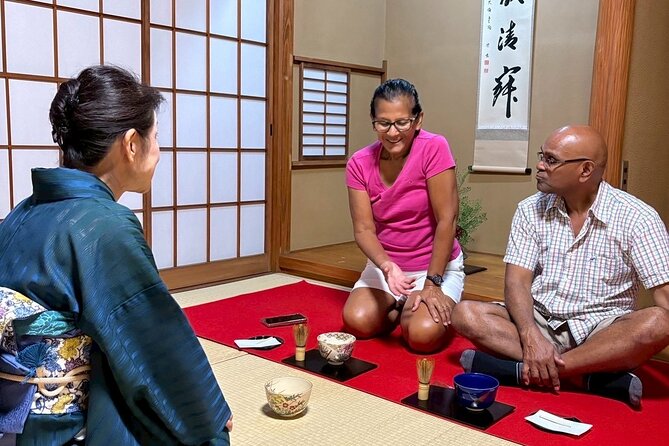
Finally, you make your own matcha. This is the part most people are secretly hoping for, and it’s also the part that makes the whole experience more than a show.
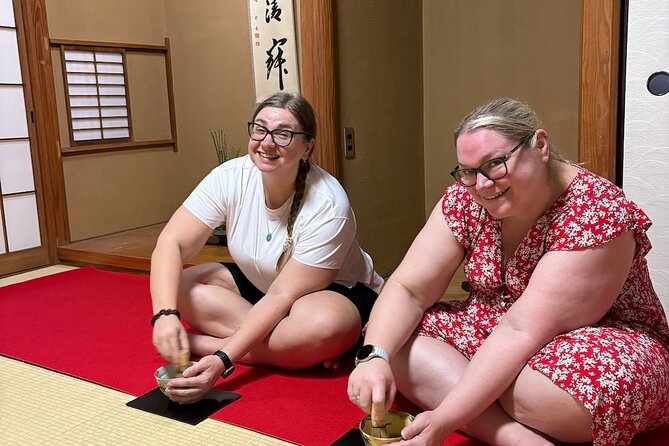
You use traditional tea tools, and your instructor guides you through the process step by step. The tour format includes the chance to prepare your own matcha using the techniques you can recreate at home.
There’s also a fun design element: you can choose your favorite tea bowl from a variety of beautiful chawan. That choice makes a difference emotionally. When you pick the bowl, you stop thinking of it as a prop and start thinking of it as your bowl, your session, your tea. It’s a small thing that makes the experience feel more yours.
Here’s what to focus on while you’re whisking. Try not to chase perfection. Instead, aim for consistency. Watch what your instructor does, then replicate the rhythm you’re shown. If the matcha foams in the way you expect, you’ll feel it.
And even if your bowl is not identical to the instructor’s, the goal is understanding. This is why the earlier parts matter: history, the stone mill process, and what you saw during the ritual all connect to what you’re doing now.
You leave with something you can actually practice. That makes the experience feel like a souvenir you can use, not just a photo.
Value and Price: Is $25.76 Worth It?
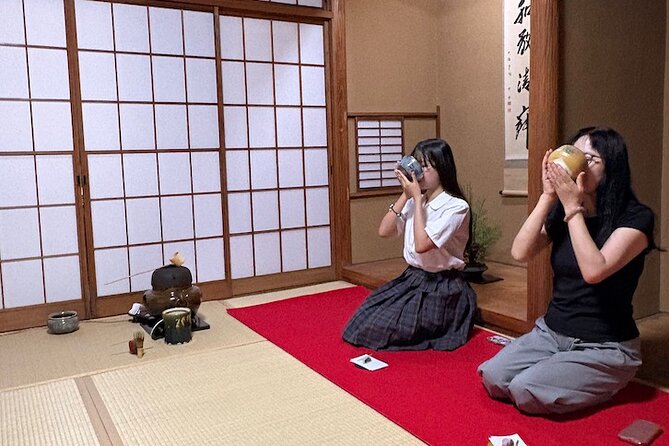
At $25.76 per person for about 50 minutes, this is priced like a quality cultural activity, not a budget add-on. The value comes from the combination of things you typically pay more for separately: expert guidance, a traditional ceremony demonstration, and hands-on instruction with real tools.
A lot of experiences in Tokyo fall into one of these traps: either you watch without participating, or you participate without getting meaningful context. Here, you get both. You learn a short history of tea, see matcha being ground with a stone mill, watch an otemae, taste matcha with nerikiri, and then make your own bowl.
The max 8 travelers part also matters for value. With smaller groups, instructors can correct technique and answer questions during the active portion, not just at the start. That improves your odds of leaving with skills you can use later.
You also get a mobile ticket, which reduces friction on the day. In a city where time is precious, less logistical stress is part of the value.
Based on the overall rating and feedback, the experience quality is strong: it earns 5 out of 5, with 54 reviews and recommendation at 100%. That kind of consistency is a good sign you’re not buying a gimmick.
Who This Tea Ceremony Is Best For
This ceremony is a great fit if you want a calm, structured cultural experience in the middle of a busy Tokyo itinerary. It works especially well if you like hands-on activities but don’t want a class that eats half a day.
I’d also recommend it for first-time visitors who feel overwhelmed by Shibuya’s pace. The tea house time is a reset, and the small-group limit helps you feel comfortable even if you’re traveling solo.
If you already enjoy matcha, you’ll like seeing the process from matcha history to tools to whisking. This is not just about drinking something green. It’s about learning the craft behind it.
It’s also a strong choice if you like Japanese traditions and want to understand the meaning behind movements. Watching the otemae gives you that story, and then making your own bowl ties the story to your hands.
Should You Book This Shibuya Matcha Session?
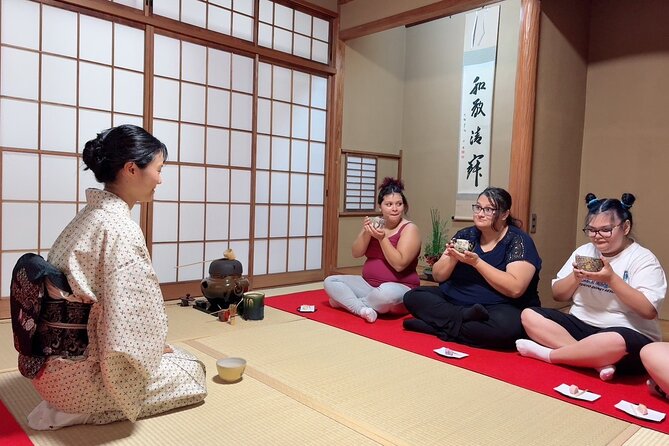
If your goal is a short, high-quality cultural experience that you can actually bring home, I think this is a smart booking. The best reason is the balance: you watch the ritual, you taste it with nerikiri, and then you make your own matcha with traditional tools.
If you’re the type who wants more time for repetition, keep your expectations aligned with the 50 minute format. You’ll learn enough to feel confident, but you won’t get hours of practice.
One more quick tip: come ready to slow down. This is not a race-through attraction. It works best when you let it be calm and focused, even if Shibuya outside is anything but.
If you want a peaceful break with real technique and a finish that feels complete, book it.
FAQ
How long is the Shibuya authentic tea ceremony?
It lasts about 50 minutes.
How many people are in the group?
The group size is limited to a maximum of 8 travelers.
Where is the meeting point?
The start location is in Shibuya, Dōgenzaka, at Japan, 150-0043 Tokyo, Shibuya, Dōgenzaka, 1-chōme15 万字ビル. The experience ends back at the meeting point.
What will I learn during the ceremony?
You’ll learn about the history of tea in Japan, see how matcha is made using a traditional stone mill, watch a traditional tea ceremony ritual, and then make matcha yourself using traditional tools.
Do I get to taste anything?
Yes. You’ll taste freshly prepared matcha along with a traditional Japanese sweet called nerikiri.
Will I be able to make my own matcha?
Yes. At the end, you’ll have the chance to whisk your own bowl of matcha with traditional tools.
Can I choose my tea bowl?
Yes. You can choose a favorite chawan (matcha bowl) from a variety of beautiful options.
What is the price?
The price is $25.76 per person.
Is it a mobile ticket?
Yes, the tour includes a mobile ticket.
What is the cancellation policy?
Free cancellation is available. You can cancel up to 24 hours in advance for a full refund. If you cancel less than 24 hours before the start time, the amount paid will not be refunded. Cut-off times are based on the local time of the experience.
Fresh options around Tokyo
- Tokyo: Nikko Kegon Falls Lake Chuzenji Toshogu Temple & More★ 4.9 · 12 reviews
- Tokyo: Samurai History Walking Tour★ 5.0 · 12 reviews
- Harajuku: Kawaii Fashion and Pop-Culture Tour★ 4.7 · 12 reviews
- Tokyo: Mt. Fuji & Lake Kawaguchi Instagram Full Day Trip★ 4.1 · 12 reviews
- Shibuya Tokyo: Modern Kintsugi Workshop in Shibuya★ 5.0 · 12 reviews
- Tokyo: GTR Guided Daikoku Experience at Night★ 5.0 · 12 reviews
- Tokyo: Daikoku JDM Car Culture Tour★ 4.6 · 12 reviews
- Mt Fuji Private Day Trip from Tokyo with English speaking driver★ 5.0 · 13 reviews
Tea Ceremonies in Tokyo, compared.

Matcha Making Class in Tokyo with Authentic Japanese Sweets Set
Read our review →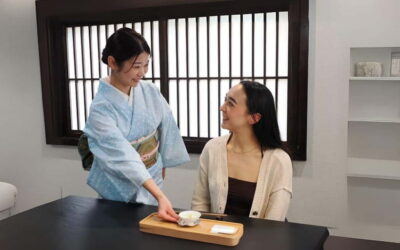

Matcha Making Experience with Mochi Sweets in Asakusa
Read our review →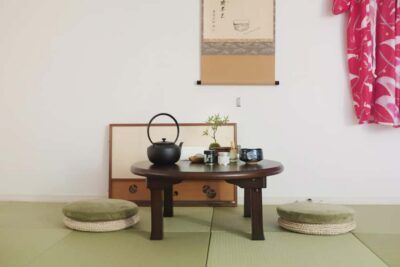
Tea Ceremony Workshop in Tokyo by the Experienced Instrucor
Read our review →
Asakusa: Kimono Tea Ceremony with Matcha and Sweet
Read our review →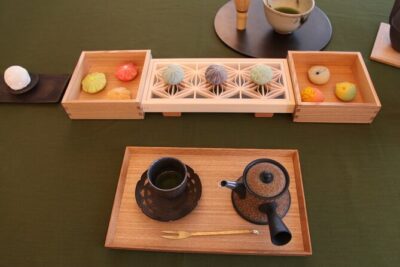
Make Traditional Nerikiri Sweets & Matcha experience in Shibuya
Read our review →Browse the lists this tour appears in