
Reviewed · WALKING TOURS
Sapporo: The Indigenous Ainu People & Jozankei walking tour
Ainu culture meets steaming onsen in one day. I like the Sapporo Ainu Culture Promotion Center because it focuses on the indigenous Ainu and even lets you touch traditional craftworks, so the culture feels real instead of untouchable. Your English guide, Scott, makes the displays and everyday life of the Ainu easier to understand and stick with.
I also love the ending in Hotel Shika no Yu, where you get a 2-hour onsen day-bath with clear etiquette rules. The possible drawback is the walking and uneven surfaces around Jozankei, plus this is not a good fit for back problems or wheelchair users.
Quick highlights to know before you go
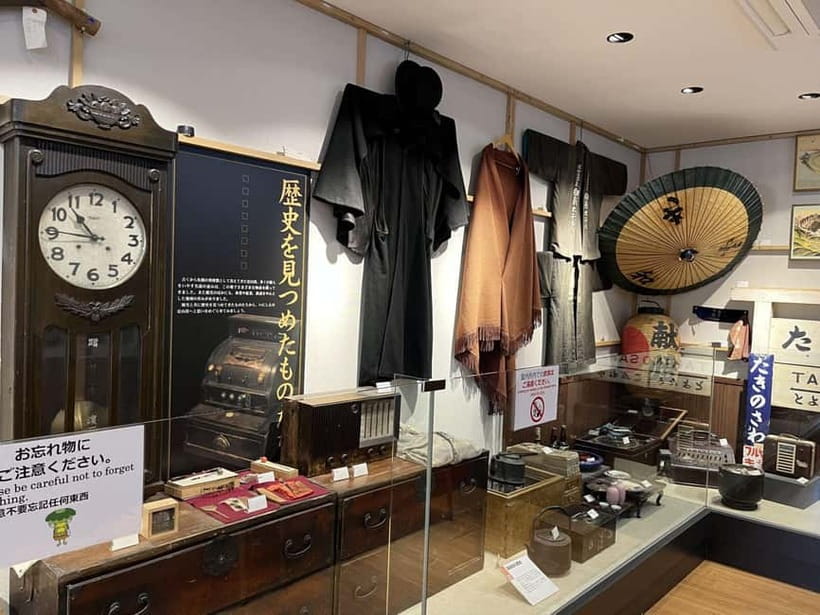
- Hands-on Ainu craftwork at the Sapporo Ainu Culture Promotion Center, not just a look-and-move-through museum
- Scott’s guided storytelling that keeps the day understandable during travel gaps and stops
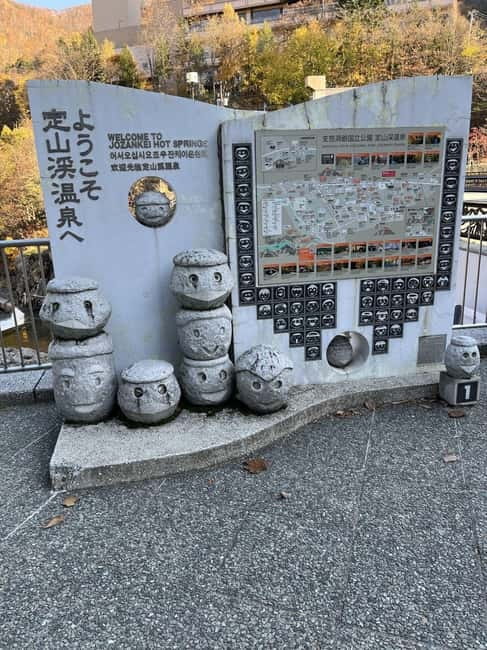
- Jozankei walking village highlights, including Jozankei Shrine and Temple, Gesen Park, and Futami Park
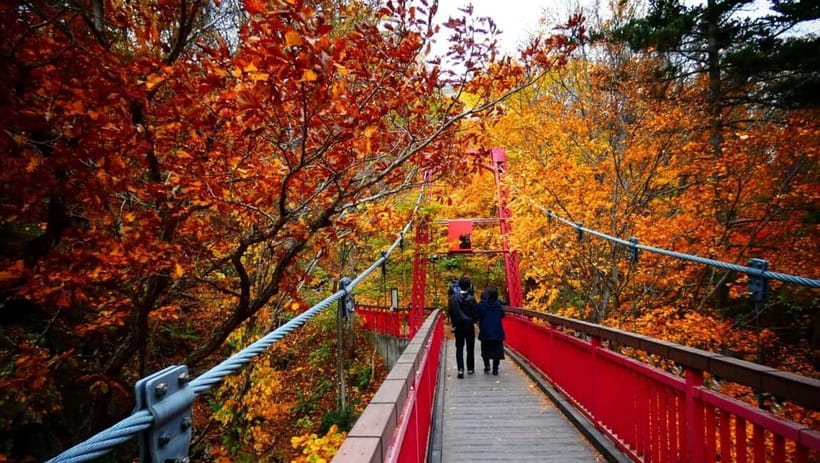
- Futami Tsuribashi Suspension Bridge crossing plus a footbath stop to warm up
- 2-hour day-bath onsen time at Hotel Shika no Yu, with etiquette guidance so you know what to do
Ainu Culture Promotion Center, hands-on learning in Sapporo
This tour starts with a short transfer from Sapporo Station to Myomu, the circular white stone structure where you meet your guide at 9 a.m. From there, you head to the Sapporo Ainu Culture Promotion Center, one of the best places in the region to get grounded in what the day is actually about: the Ainu people, the indigenous inhabitants of Hokkaido, and the culture they developed there.
What makes this stop valuable is the way it treats the Ainu as the original focus, not a side exhibit. You spend about 1.5 hours at the center, and you’re not limited to reading labels. You can feel and experience traditional Ainu craftworks made by Ainu artisans, which changes the tone from museum-lecture to lived culture.
This is also where Scott’s approach helps. The day is long, and the Ainu section gives you context so the rest of the itinerary does not feel like random sightseeing. If you like meaningful cultural stops with practical explanations, this is the anchor of the whole day.
More walking tours in Sapporo:
- Sapporo Walking Tour
★ 4.9 · 17 reviews - Sapporo Highlights: Golden Route Morning Guided Walking Tour
★ 4.9 · 16 reviews - Sapporo Highlights: Golden Route Morning Walking Tour
★ 4.5 · 14 reviews
The day’s structure, why the timing works
The tour runs for 570 minutes total, roughly a full day with travel, structured stops, and some breathing room in Jozankei. After leaving the center, you take a bus for about an hour to reach the hot spring area, then you spend about 4.25 hours exploring Jozankei with your guide and time on your own.
A practical point: the day includes both trains and coach travel. In winter, you may see extra waiting time in bus schedules, which can affect your mood if you like fast, nonstop movement. Still, the itinerary is built so you’re not stuck indoors all day. You get enough guided context early, then enough sights to keep the walk portion meaningful.
Also note what is included. Transportation and admission tickets for the listed stops are covered, and the guide is English speaking. Lunch and accommodations are not included, so you’ll want to plan to handle food separately.
Jozankei hot spring village, shrines and parks on foot
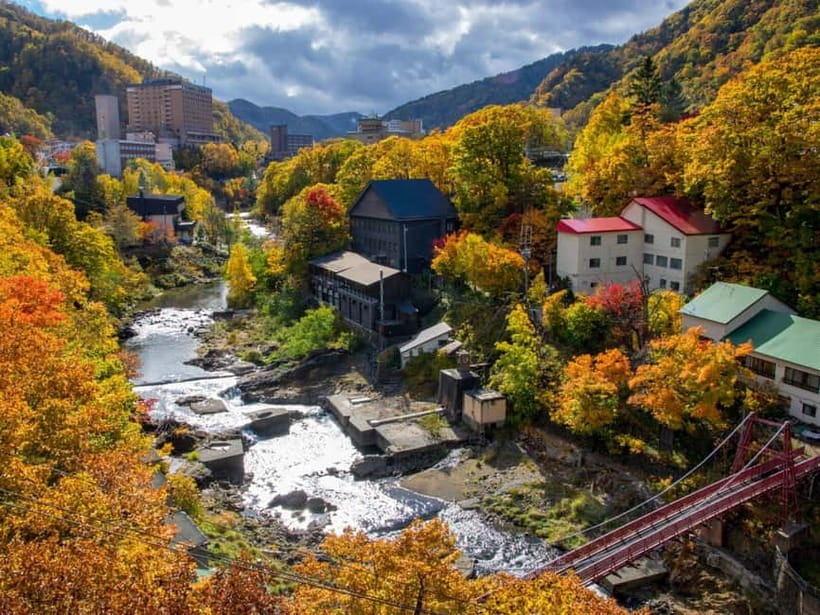
Jozankei is the “slow down” part of the day. The area sits within Shikotsu-Toya National Park, shaped by volcanic activity over hundreds of years, which is part of why it has the classic hot spring vibe. The tour uses that setting well by mixing religious sites, parks, and viewpoints instead of turning it into one long paved walk.
You’ll visit the Jozankei Shrine and Temple, then continue to Gesen Park, where you also stop for a footbath. This sequence matters because it gives you quick wins. Shrines and temple areas give structure and calm, then the park gives you something playful and physical, like soaking your feet before the bridge walk.
After that, you move on to Futami Park and then the suspension bridge crossing. This part feels like the classic winter-or-cold-season travel rhythm: look, walk, warm up, then walk again. If you’re the type who enjoys practical sightseeing with breaks, the pace fits well.
Gesen Park footbath, a small stop that helps a lot
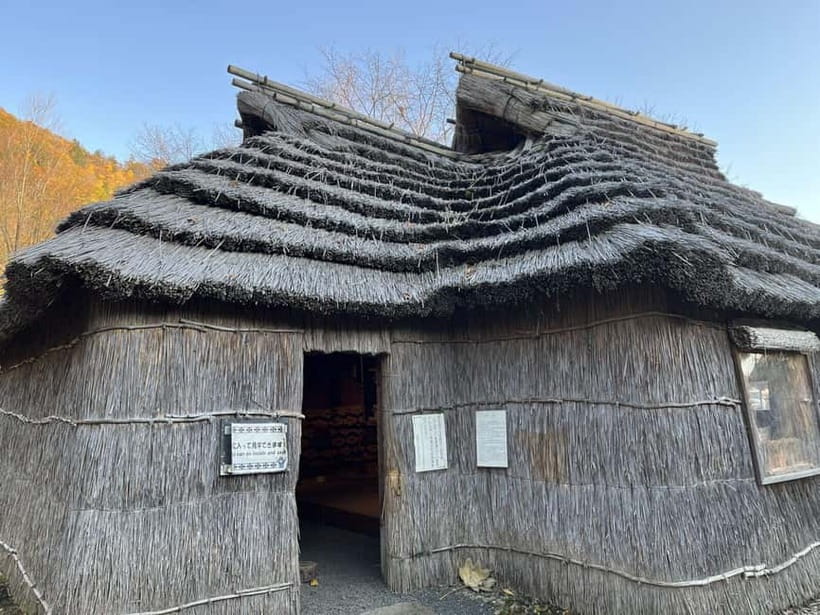
The footbath at Gesen Park is brief but useful. You’re on your feet, possibly on uneven ground, and the tour specifically builds in a moment to warm up before the next stretch. Even if you just do the foot soak quickly, it helps you reset.
This is also one of those moments where you learn how the itinerary is designed for comfort, not just photos. Since the day ends with a full onsen bath, the footbath acts like a lower-stakes warm-up. It can make the later onsen feel easier to enjoy instead of something you’re only tolerating because the tour is scheduled that way.
Bring the right basics for this part. Comfortable shoes matter, and having water with you matters too, especially in cold weather where you might not feel thirsty but still need hydration.
A few more Sapporo days worth comparing
- Sapporo Bar Hopping Food Tour
★ 5.0 · 232 reviews - Hokkaido Seasonal: Lake Toya & Noboribetsu Jigokudani Valley
★ 4.7 · 173 reviews - Sapporo Private Tour with a Local – Highlights & Hidden Gems
★ 5.0 · 91 reviews - Sapporo: Sumo Show Experience with Japanese food & Photo
★ 4.9 · 81 reviews
Futami Tsuribashi Suspension Bridge, the walk with payoff
The highlight list calls it out for a reason: the Futami Tsuribashi Suspension Bridge crossing is a real change of pace from shrines and parks. A suspension bridge is where you feel the environment, the movement, and the setting more than you do in flatter paths.
You’ll cross during the Jozankei section, and the bridge connects you to the tour’s idea of getting out and experiencing the area, not just looking at it. After the shrine and park stops, this feels like the “let’s move” portion of the day.
Because it’s a walk on a bridge, plan for cold and wind, especially if you’re going in winter. Also remember the tour notes warn about uneven surfaces, so wear shoes you trust. This is not the type of walking day where you want brand-new sneakers or flimsy footwear.
Onsen at Hotel Shika no Yu, 2-hour day-bath and etiquette basics
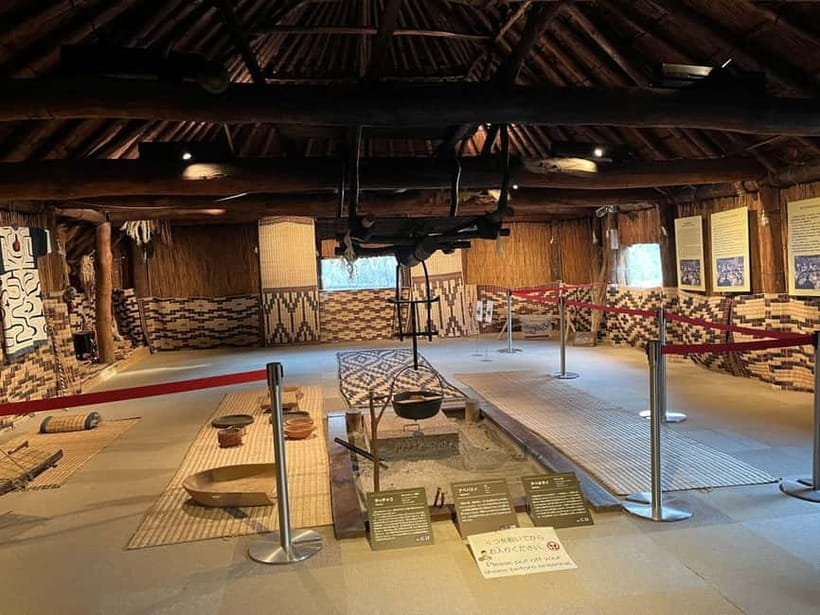
The end of the tour is the big finish: a hot spring bath at Hotel Shika no Yu. You get about a 2-hour day-bath, which gives you enough time to actually enjoy the water rather than rushing in and out.
The tour information is clear that you must follow onsen bathing etiquette. You’ll also get guidance on the rules, which is important because onsen culture in Japan works best when you know the basics ahead of time. This is also where bringing a towel and change of clothes becomes more than a suggestion. You’ll need them for a comfortable transition from walking to bathing.
Here is the best value angle: the onsen stop turns the day from “cultural walking tour” into a full-body reset. After hours of walking between points in Jozankei, the bath helps you feel like the day mattered, not just that you collected stamps.
Price and value: what $170 buys you, and what it doesn’t
At $170 per person, this tour sits in the midrange for a guided day trip. The key value is what’s included: an English-speaking guide, transportation between Sapporo Station and the listed destinations, plus admission tickets for each attraction on the schedule.
What you do not get is lunch or accommodation. That means your true cost depends on how you handle meals and where you’re staying. If you’re traveling light and want food handled for you, you’ll need to plan on buying lunch on your own.
Still, for many people, the combination of culture plus hot spring makes the price feel fair. You’re paying for a guide to translate and connect the Ainu cultural center to what you see later, and you’re also paying for friction-free logistics. Instead of bouncing between places by yourself, you get one organized route from central Sapporo out to Jozankei and back.
Getting to Myomu and what to bring for a smooth day
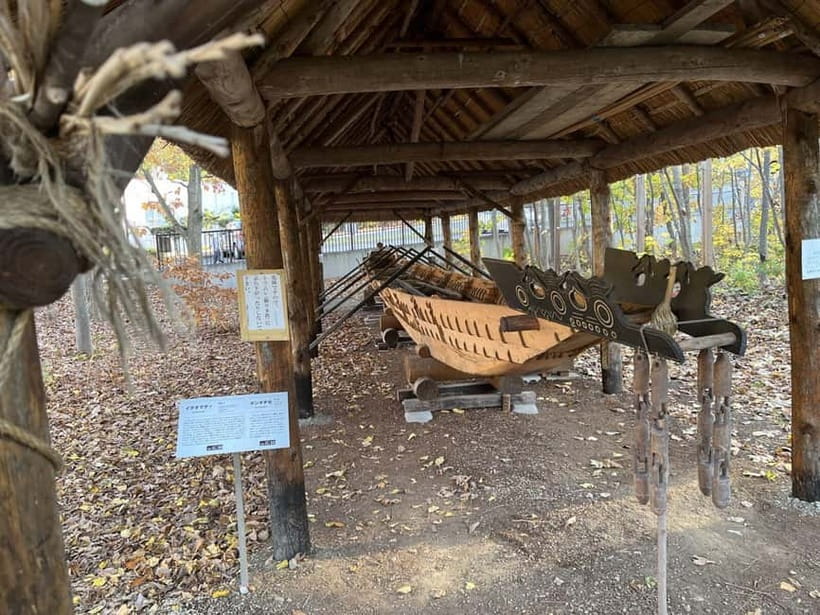
Meeting point matters on a day like this. You meet after exiting the main JR gates of Sapporo Station. Turn left, walk toward the South Exits (南出口), and look for MYOMU, the circular white stone structure. Your guide stands there wearing a Snow Monkey Resorts tour tag, and you’re asked to be there at 9 a.m.
For gear, the tour tells you the essentials, and they really do make a difference:
- Comfortable shoes for walking on uneven surfaces
- A change of clothes for after the onsen
- A towel
- Water to stay hydrated during the day
Winter can make small problems bigger. If you tend to get cold easily, pack like you’re going to be outside more than you think. The itinerary has bus rides, yes, but the core of the day is walking between Jozankei sights and then ending at the onsen.
Who this tour suits best (and who should skip it)
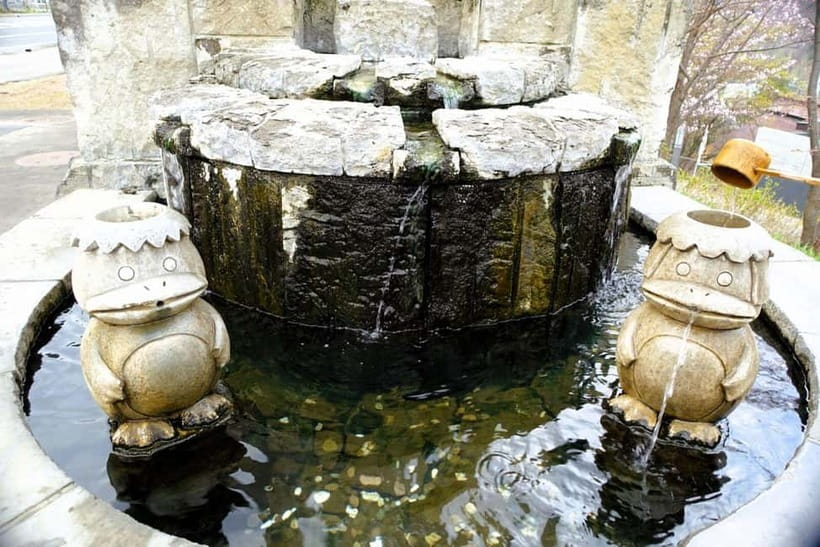
This is a great match if you want a guided day that mixes culture and hot spring time. If you care about understanding the indigenous Ainu people through a dedicated center, and you also want the payoff of Jozankei’s walking sights, this itinerary fits your style.
It’s especially good if you like guides who explain the what and the why, not just the where. Scott’s style is repeatedly praised for being personable and for keeping explanations clear, even when there are gaps during travel.
It’s not a good fit if you have back problems or if you use a wheelchair. The tour notes warn about uneven ground, so consider that seriously rather than assuming you can “power through.” Also keep in mind that winter conditions can make walking feel harder than it does in spring or autumn.
Should you book the Sapporo Ainu and Jozankei walking tour?
Book it if you want a day where the first half gives you real context about Ainu culture and the second half turns that context into a place-based experience in Jozankei, ending with a long, comfortable onsen day-bath.
Pass or consider alternatives if you need a very low-walking day, or if your mobility or back issues make uneven surfaces a risk. Also skip this one if you hate managing your own meals, because lunch is not included.
If you’re okay with a full-day schedule, bring the right shoes and onsen basics, and show up ready to learn plus soak, this tour has a clear reason to exist: it connects culture, place, and relaxation into one organized experience.
FAQ
Where do I meet the guide?
Meet at Myomu, the circular white stone structure near Sapporo Station. After exiting the main JR gates, turn left and walk toward the South Exits (南出口). Your guide will be standing in front of the stone structure with a Snow Monkey Resorts tour tag, at 9 a.m.
What time does the tour start?
You are asked to be at the meeting point at 9 a.m.
How long is the tour?
The tour runs for 570 minutes.
What is included in the price?
The price includes an English-speaking tour guide, transportation fees from Sapporo Station to the listed destinations and activities, and entry or admission tickets for each stop on the itinerary.
What is not included?
Lunch and accommodation are not included.
What onsen experience do you get?
You end with a relaxing hot spring bath at Hotel Shika no Yu with a 2-hour day-bath experience. The tour also includes rules and bathing etiquette that you must follow.
Do you get a footbath during the day?
Yes. You visit Gesen Park and there is a footbath stop.
What are the main sights in Jozankei?
You visit Jozankei Shrine and Temple, Gesen Park (including the footbath), Futami Park, and you cross the Futami Tsuribashi Suspension Bridge.
What should I bring?
Bring comfortable shoes, a change of clothes, a towel, and water.
Is the tour suitable for everyone?
No. It is not suitable for people with back problems or wheelchair users.
Fresh options around Sapporo
- Sapporo Highlights: Golden Route Morning Walking Tour★ 4.5 · 14 reviews
- Hokkaido Asahiyama Zoo Ningle Terrace Day trip★ 5.0 · 14 reviews
- Lake Toya and Noboribatsu Hell Valley Private Day Trip★ 5.0 · 15 reviews
- Snowshoe Hike Tour from Sapporo include hotel p/up & drop off★ 5.0 · 16 reviews
- Nopporo Forest Mountain Bike Tour from Sapporo, presenting a retro Cycle cap★ 5.0 · 16 reviews
- Sapporo Highlights: Golden Route Morning Guided Walking Tour★ 4.9 · 16 reviews
- Sapporo Walking Tour★ 4.9 · 17 reviews
- [Airport Transfer] Smoothly move between Sapporo and New Chitose Airport with a private car! one way★ 5.0 · 19 reviews
Walking Tours, compared.
Kyoto Geisha Walking Tour: Gion District & Hidden Gems
Read our review →
Tokyo Tsukiji Fish Market Food and Culture Walking Tour
Read our review →
Gion Magical Night Walking Tour with Geisha Trivia
Read our review →
Imperial Palace and Shogun Historical Walking Tour
Read our review →
Gion Geisha District Walking Tour – Stories of Geisha
Read our review →
Shinjuku Local Bar and Izakaya Guided Walking Tour
Read our review →
Browse the lists this tour appears in