
Reviewed · COOKING CLASSES
Private Cooking Class Udon in Kyoto Japan
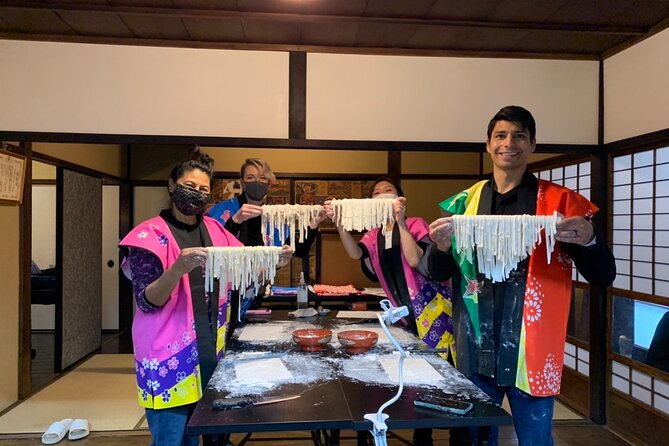
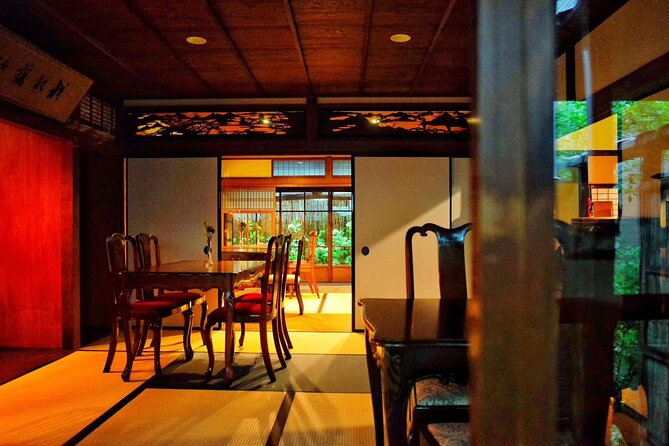
Knead noodles, then eat Kyoto udon. In a beautifully restored 130-year-old Kyoto house near Kyoto Station, you’ll learn how to make handmade udon step-by-step with a local teacher, then relax and eat your own bowl. I especially like the setting, with antique furniture and artifacts that make the room feel like you stepped back in time, and the way the class is practical and friendly for different ages.
One thing to consider is that you focus on the noodle-making process. The teacher handles the boiling and meal prep parts, so it is hands-on for udon dough, but not a full cook-everything from scratch experience.
Plan on a bit more time than the listed hour, since after you finish shaping your noodles you’ll have time to eat together, and a few classes run longer. The start time is 12:00 pm, so it works best as your mid-day food plan rather than a late-afternoon activity.
Key highlights
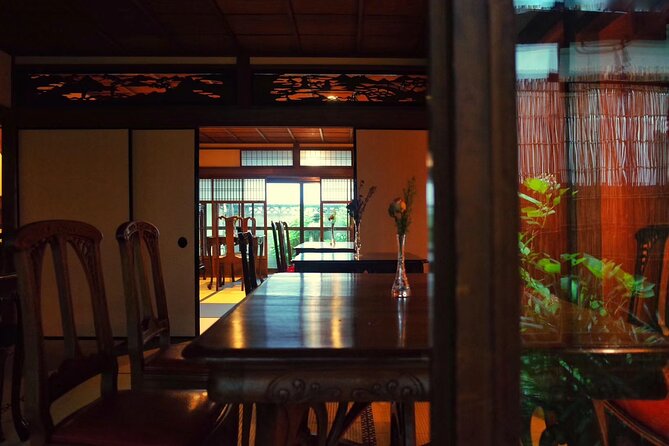
- 130-year-old kyomachiya classroom with antique furniture and artifacts
- Private class with only your group, taught by local Kyoto instructors
- Hands-on udon making using a clear step sequence (saltwater, knead, stretch, cut)
- Teacher does the boiling and meal components, keeping it easier and more family-friendly
- You eat what you make at Kyomachiya, with a tempura set and dipping sauce
- Take-home confidence from an udon recipe provided for making it again later
Step Into a 130-Year-Old Kyoto House Near Kyoto Station
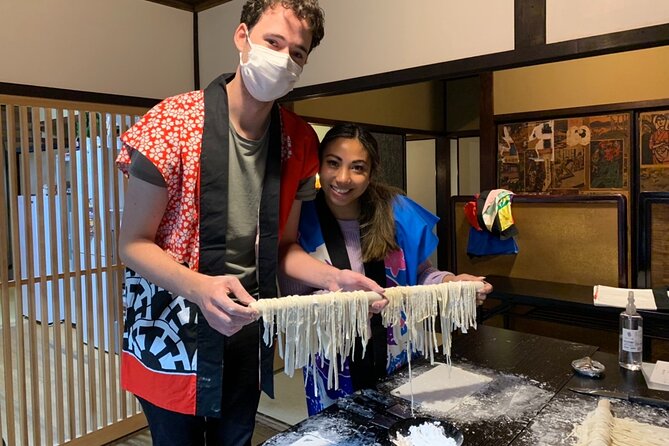
This class happens in Kyoto, but the vibe is more like a small neighborhood home cooking school than a busy tour stop. The meeting point is 364 Momijichō in Shimogyo Ward, and it’s an easy walk if you’re staying around Kyoto Station, about a 12-minute walk. It’s also close to Nishi Honganji Temple, roughly a 2-minute walk, so you can mentally anchor yourself.
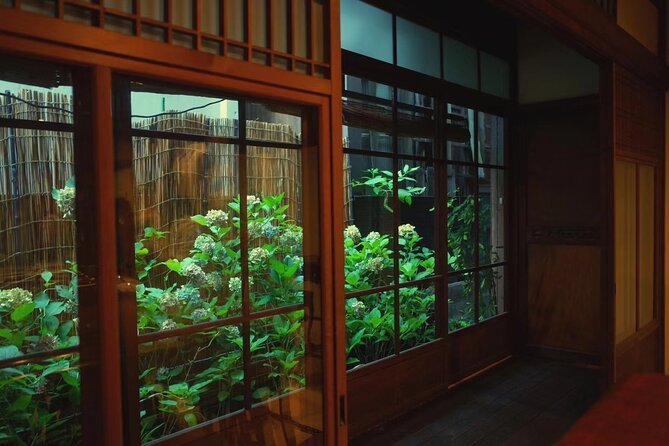
What matters is what you step into. The classroom is a traditional Japanese house that dates back around 130 years. Inside, you’ll find antique furniture and artifacts that are over 110 years old. In practice, that means the space doesn’t feel like a generic cooking room. It feels lived-in, quiet, and old in the best way, with traditional music adding to the mood.
The instructor team is local to Kyoto. In other words, you are not only learning steps, you are also getting explanations rooted in how Kyoto people talk about the food and its role in daily life. Some classes are taught by Tanaka-san, and others by teachers like Hisayu, with a family-style team approach that keeps things patient and clear, especially for kids.
The private format is a big deal for value and comfort. It is only your group, so you can ask questions without feeling rushed, and the teacher can slow down if your table needs more time.
More Cooking Classes in Kyoto
- Ramen Cooking Class at Ramen Factory in Kyoto
★ 5.0 · 1,937 reviews - Kyoto: Ramen Cooking Class at a Ramen Factory with Souvenir
★ 4.9 · 532 reviews - Kyoto: Ramen, Gyoza, and Onigiri Cooking Class
★ 5.0 · 445 reviews
Your Udon Workshop, From Saltwater to Knife-Cut
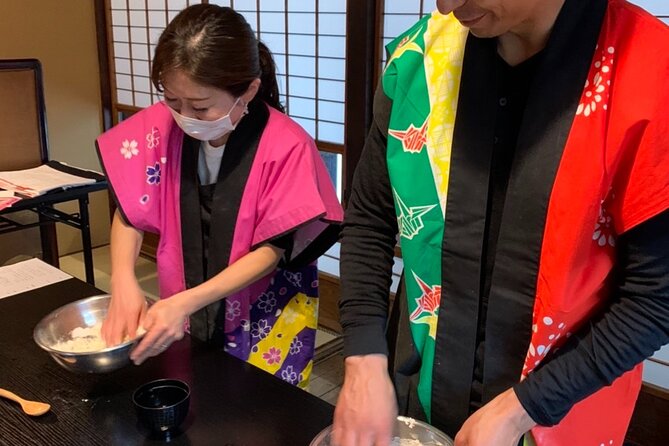
The class is built around a structured udon-making sequence. You start with saltwater, then move through rinsing and the dough-work steps. The exact flow goes like this: making saltwater, rinsing the water, a step described as footsteps, then mature, stretch the fabric, knife cut, and finally boiling.
A quick translation tip for your brain: the wording sounds a little poetic, but the goal is practical. You are learning how to handle udon dough so it turns out chewy and springy, not just how to form noodles. You will get guided instruction, plus ingredients are laid out and ready at your station so you are not hunting around for tools.
In the more hands-on moments, you’ll use aprons and work at spacious tables. One class experience notes that ingredients are pre-measured, which is exactly what you want in a cooking workshop. You can focus on technique, not mess.
If you’re traveling with kids, this process is a sweet spot. You get real participation without the high-stakes parts that require constant adult attention. Reviews highlight that children can fully join in, especially because the class is designed so the most technical steps are handled by the teacher.
What You Do Yourself, and What the Teacher Handles
Here is the practical split that makes this class work so well.
You make the udon. You mix and work the dough through the core shaping steps, and you end up with noodles that are truly yours. The learning payoff is confidence. More than one review points out that people felt they could make it at home again after the class, and they mention getting a recipe to take along.
The teacher handles boiling. The meal prep is also not on your shoulders. Even though the step list includes boiling, the cooking team takes care of the boiling and the setup for the meal. One review summary notes it clearly: you do not boil the udon yourself. That is why families find it easier, and why the timing stays smooth.
Tempura is included, and you do not make it. The class adds a separate tempura set for meals, so you don’t have to do batter work or fry anything. For most people, that is a smart trade. It keeps your hands on the udon, while still giving you a full Kyoto-style lunch plate.
Also, don’t worry if you are not a confident cook. The teaching style is patient and encouraging. People mention friendly English explanation, with demonstrations that guide you step-by-step.
One more fun note from the experience: you might even learn an udon dance. It sounds silly, but it’s a great way to keep momentum if you have a mixed group with kids and teens.
Eating Your Udon at Kyomachiya, With Tempura and Dashi
After you finish shaping, you shift from the work table to the eating part of the program. The class is described as “handmade udon in a kyomachiya,” and that matters because it’s not just hands-on instruction followed by an unrelated meal. You make the noodles, then you eat the udon you created.
The meal setup includes tempura vegetables and a dipping broth. Reviews also mention a dashi dipping sauce, ginger, and green onion. You’ll get a tray style presentation, and then your noodles arrive in a warm, bubbling bowl. The overall pacing feels like a lunch stop you planned, not a forced dinner rushed through.
One value point here is that you are not paying for a class that ends when the dough ends. You get the satisfaction of eating your own result while the food is at its best.
This also changes the way I think about timing. The stated duration is about 1 hour. In real life, the eating time can add more. Reviews mention classes that stayed closer to 1.5 to 2 hours after eating, which makes sense, since people take a moment to relax and chat after the cooking part.
If you have another reservation right after noon, consider a little buffer.
Same corner of Japan, a different kind of day:
- PERFECT KYOTO 1-Day Bus Tour
★ 5.0 · 13,518 reviews - Kyoto: Fushimi Inari, Kinkakuji, Bamboo Grove 1 Day Bus Tour
★ 4.8 · 4,316 reviews - Kyoto: Tea Ceremony in a Traditional Tea House in Kiyomizu
★ 4.9 · 3,519 reviews - Kyoto Geisha Walking Tour: Gion District & Hidden Gems
★ 4.7 · 3,273 reviews
Price and Value: What $60.43 Gets You in Kyoto
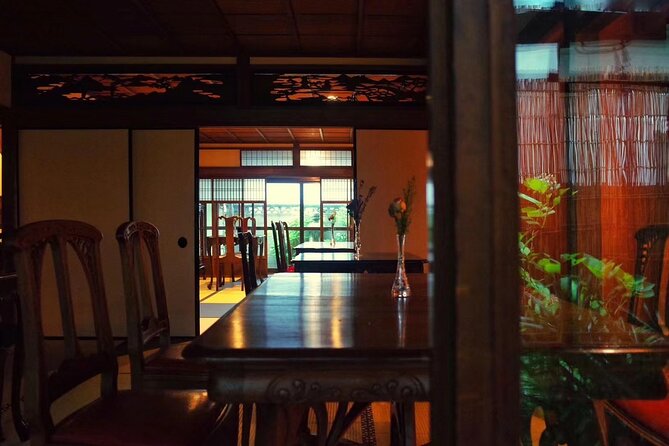
At $60.43 per person, this is not a low-cost snack class. But it also isn’t a tourist show. You are paying for three main things: a private group format, instruction from local Kyoto teachers, and the use of a historic house space with antique furnishings.
Private matters. If you are traveling as a family or a small group, private instruction is easier on energy and patience. You also get flexibility to move at your own pace, which is hard to replicate in a larger group class where everyone is learning over the noise of others.
You also get a complete lunchtime meal component. You make the udon. You also get a tempura set and dipping broth, without needing to fry or manage complicated cooking equipment.
Finally, there’s the after-effect. Multiple reviews emphasize that the recipe and the method help people reproduce the dish at home. That turns the class into more than entertainment. It becomes a skill, and it can mean you relive Kyoto udon nights later without paying for another workshop.
The only cost you should watch is the time cost. It’s a 12:00 pm start, so it’s best for people who build their day around lunch plans.
Who This Udon Class Suits Best (And Who Might Skip It)
This experience fits best if you want something authentic, practical, and not too stressful.
It’s ideal for:
- Families with kids, because the class is designed so children can actively participate while the boiling and frying work is handled for you
- Travelers who like hands-on learning and want to take home a repeatable skill
- People who want a calmer Kyoto activity near Kyoto Station, instead of racing around for a quick photo stop
- Food lovers who care about technique more than just tasting
It may not be the right fit if:
- You want to do every cooking step yourself, including boiling the noodles
- You only have time for a short stop and cannot spare extra time for eating
The private format also makes it a better choice than crowded classes if your group is sensitive to noise or you simply prefer a quieter setting.
And if you’re the type who enjoys “how it’s made” as much as “how it tastes,” you’ll likely appreciate the step-by-step approach, plus the small bits of food context shared by the teacher.
Getting There for the 12:00 Start at 364 Momijichō
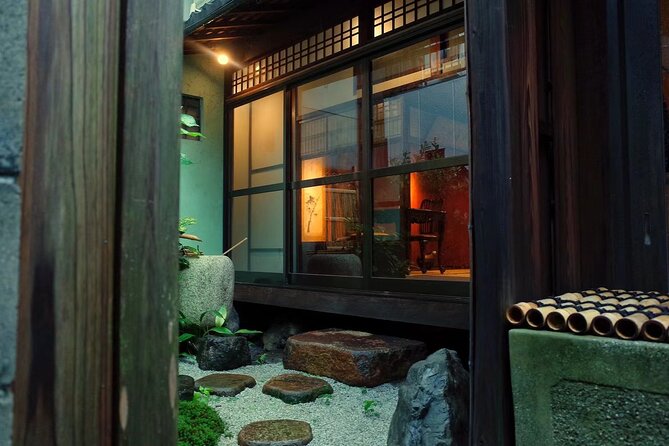
The start time is 12:00 pm. Plan to arrive a few minutes early so you can settle in, put on an apron, and get oriented in the old house.
Your meeting point is 364 Momijichō, Shimogyo Ward, Kyoto, 600-8345, Japan, and the activity ends back at the meeting point. That is helpful. No awkward mid-stroll detours, no guessing where to meet for the next part.
If you’re walking from Kyoto Station, the 12-minute route is reasonable. If you are also visiting Nishi Honganji Temple, you can use it as a landmark since the venue is about a 2-minute walk away.
Bring your appetite. You will eat after making the noodles, and the tempura set is part of the meal plan.
Also, expect a mobile ticket. If you’re the kind of traveler who likes to keep everything tidy on your phone, this is easy.
Should You Book This Private Udon Class in Kyoto?
Yes, if you want an actual cooking lesson in a historic setting, with a meal you will enjoy right after you make the noodles.
Book it if:
- You care about technique and want the recipe to make udon at home
- You like private instruction, especially if you are traveling with kids
- You want a Kyoto activity that fits lunch timing, not just another late afternoon wandering plan
- You appreciate a real traditional house setting, with antique furniture and local teaching style
Consider skipping or choosing a different class if:
- You want to be fully responsible for every cooking step, including boiling
- Your schedule is so tight that the meal time could cause trouble
- You prefer tasting-focused tours with zero hands-on cooking
My practical bottom line: this is a smart, value-heavy way to experience Kyoto udon, because you do the key work yourself, you eat your own result, and you leave with enough guidance to try again later.
FAQ
How long is the private udon cooking class?
The class is listed as about 1 hour, and the experience includes time to eat the udon you make.
Is this activity private?
Yes. It is a private tour or activity, so only your group will participate.
Where do I meet for the class?
The meeting point is 364 Momijichō, Shimogyo Ward, Kyoto, 600-8345, Japan.
Do I make the tempura too?
No. A separate tempura set is included for meals, so you do not need to make the tempura.
Do I boil the udon noodles myself?
No. You make the udon, while the boiling is handled as part of the meal preparation by the teachers.
Will I receive a mobile ticket?
Yes. The experience includes a mobile ticket.
Is there free cancellation, and what if weather is bad?
Yes, free cancellation is available. You can cancel up to 24 hours in advance for a full refund. If it is canceled due to poor weather, you will be offered a different date or a full refund.
Fresh options around Kyoto
- Kyoto Aquarium Admission Ticket★ 4.7 · 12 reviews
- Kyoto Gion Photoshoot – Private Session | Pro Photographer★ 5.0 · 12 reviews
- Gyoza Cooking Class in Kyoto: Traditional Japanese Dumplings★ 5.0 · 12 reviews
- Kyoto: Guided Food Tour with 12 Dishes & 3 Drinks★ 5.0 · 12 reviews
- Kyoto: Avoid the Crowds at the Hidden Gems of Arashiyama★ 4.9 · 13 reviews
- Kyoto Early Bird English Tour: Gion & Higashiyama(Private opt)★ 5.0 · 13 reviews
- Otsu-e Folk Art Workshop & Local Culture Walk Near Kyoto★ 5.0 · 13 reviews
- Kyoto, Osaka, Nara Full Day tour by Car English speaking Driver★ 3.5 · 13 reviews
Cooking Classes, compared.
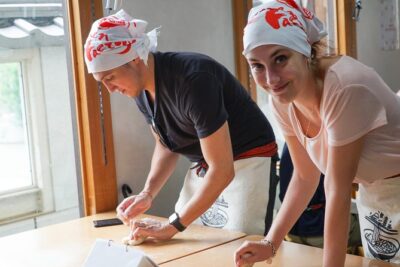
Ramen Cooking Class at Ramen Factory in Kyoto
Read our review →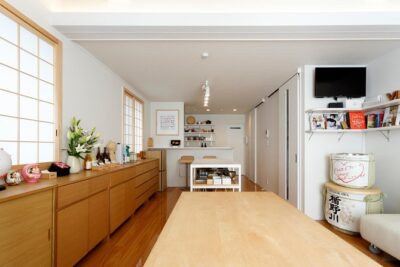
Ramen & Gyoza Cooking Class in Tokyo with Local Supermarket Visit
Read our review →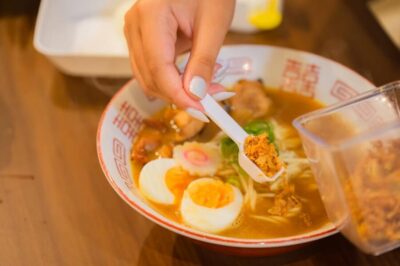
Ramen Cooking Class at a Ramen Factory with Souvenir
Read our review →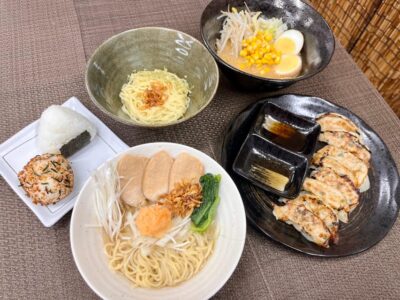
Japanese Washoku Bento Small Group Cooking Class
Read our review →
Easy Ramen Cooking Experience in Kabukicho, Shinjuku
Read our review →
Ramen and Sushi Cooking Class with Sake Pairing Set in Tokyo
Read our review →Browse the lists this tour appears in