
Reviewed · COOKING CLASSES
Osaka Sake Tasting with Takoyaki Cooking
Sake and takoyaki in one cozy class. In Osaka, the real draw is how this puts street food and sake education in the same room, led by Momo, a sake sommelier who used to brew beer. You’re not just sipping, you’re learning and cooking at the same time, with plenty of room for questions.
I love two parts of this setup. First, you make your own takoyaki with add-ins like wagyu beef and cheese, plus more options depending on the menu. Second, you get sake guidance that feels usable, not academic, with basics on history, culture, and the brewing process, plus tips that help you order with confidence later.
One possible drawback: it’s a 2-hour experience, so it moves along. If you want a slow, lingering tasting with zero structure, you may want to pair it with a longer evening at a sake bar afterward.
Key points to know before you go
- Small group up to 6, so you actually get answers, not just a wave-and-leave explanation
- Former brewer turned sommelier (Momo), which shows in how clearly she explains how sake is made
- Hands-on takoyaki you personalize, with mix-ins like wagyu beef and cheese
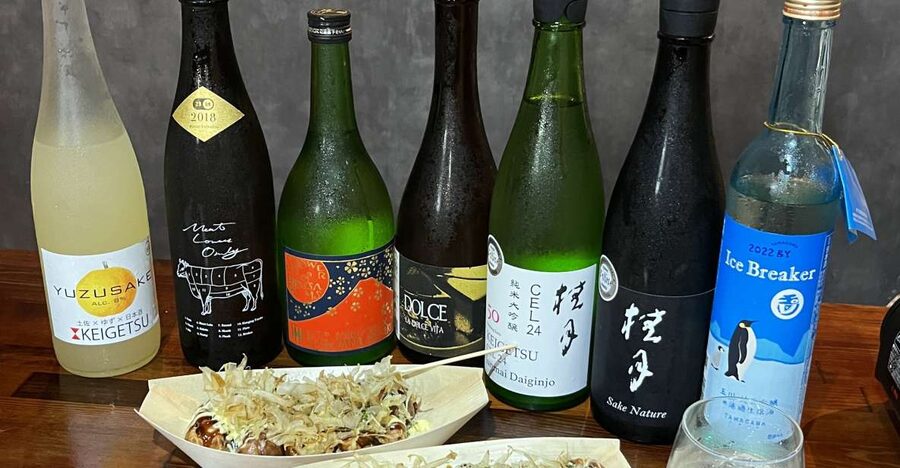
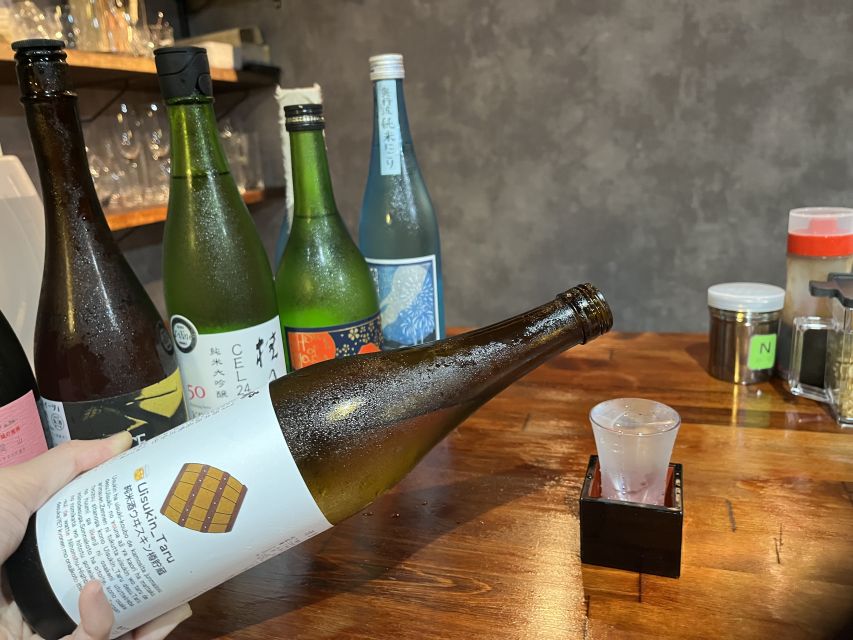
- More than 10 Japanese sake available, then you choose from a seasonal set of favorites
- English-speaking expert plus soft drinks, so non-sake drinkers still get a full experience
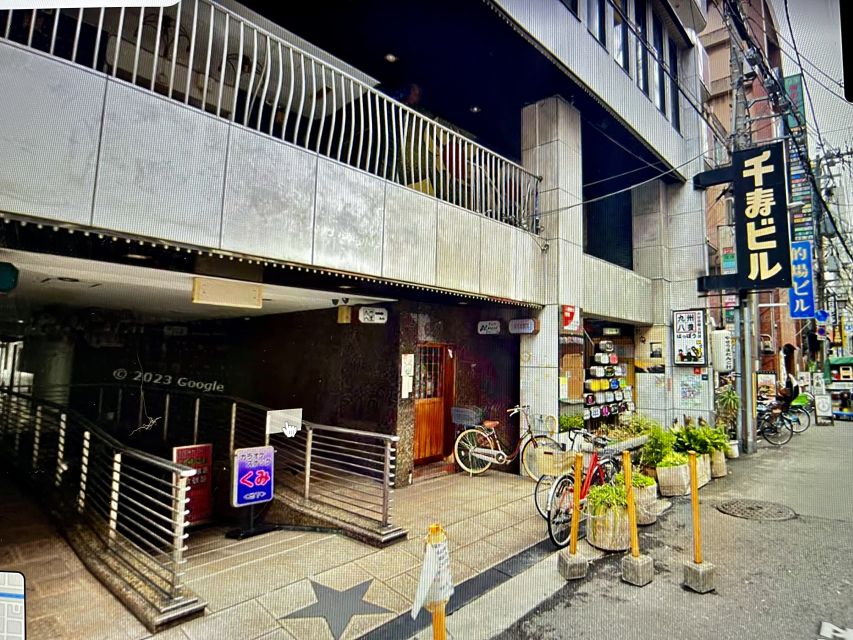
- Easy access from Osaka Namba, and the meeting point is simple to find on the second floor of MOMO to SAKE
Sake and takoyaki start on the second floor of MOMO to SAKE
This tour is based right in the Osaka action, with an easy run from the main Namba area. The meeting point is MOMO to SAKE, on the second floor, which matters because you can show up, get settled fast, and start cooking without wasting time figuring out stairs, signs, and side streets.
Inside, the vibe is the kind you want for a food-and-drink class: relaxed but structured. You’re there to learn, yes, but the goal is to leave with both food skills and real sake instincts. Momo sets the tone quickly, and the experience is paced so you’re not waiting around forever before the tastings begin.
Also, the small-group size is a real practical win. With a limit of 6 participants, it’s easier to ask questions about flavor preferences, dietary needs, or what you should order next. That sounds like a “nice-to-have,” but it changes the whole experience when you’re trying to translate what you learn into your evening out.
More Cooking Classes in Osaka
- Osaka: Ramen and Gyoza Cooking Class in Dotonbori
★ 5.0 · 378 reviews - Osaka Cooking Class: Okonomiyaki &Japanese cuisines experience
★ 5.0 · 261 reviews - Ramen and Gyoza Cooking Class in Osaka
★ 5.0 · 202 reviews
Cooking your Osaka takoyaki, from batter to personalized fillings
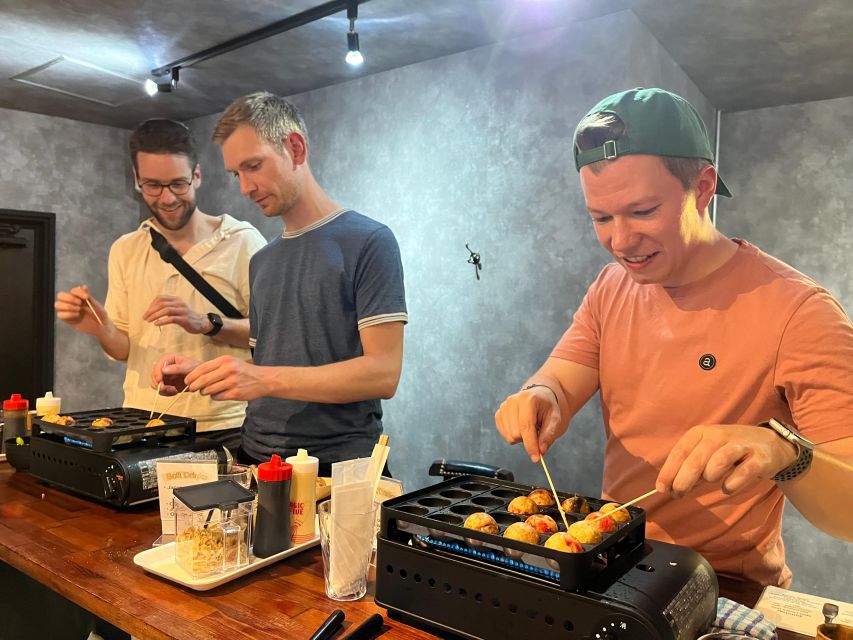
Takoyaki is Osaka’s street food for a reason. It’s portable, shareable, and fun to watch when locals flip those little rounds just right. Here, you get more than watching. You cook.
You’ll follow cooking instructions with all ingredients provided, including a local-style recipe approach described as a secret recipe by your guide. What makes it feel more personal than a generic class is that you’re not stuck with one topping. You build your own takoyaki using additional ingredients such as wagyu beef and cheese, and other options may come up depending on the session.
The hands-on part matters because it teaches you texture cues. If your batter is too thick, the balls can turn out heavy. If it’s too loose, they don’t hold shape. Takoyaki is all about getting that middle ground, then shaping and flipping so the outside crisps while the inside stays soft.
One detail I really appreciate: this class is flexible about what’s inside. Takoyaki can naturally include octopus, but the experience is designed for real people with real food preferences. In one documented case, Momo adapted for coeliac needs too. If you have an allergy or a strict diet, don’t assume it’s automatic, but do reach out early and ask what’s possible.
Practical tip: go hungry. You’ll be eating what you make, and it’s best when you’re not already full from dinner plans.
Learning sake like a brewer, with Momo’s simple explanations
Sake can feel intimidating when you’re just standing in a shop, reading labels you can’t decode. This is where the guide profile really pays off. Momo is a sake sommelier and also a former brewer, so when she talks about sake, you get both hospitality and real production insight.
You’ll start with the basics: sake history and culture, plus how it’s made. That brewing-process piece is important because it turns sake from a mysterious bottle into something you can predict. Even if you don’t memorize every term, you’ll start noticing how style and method connect to flavor.
Then comes the tasting framework. You’ll get tips on how to choose sake, which is exactly what you need before you go exploring Osaka’s bars. The best part is that the guidance is meant to help you order for your own tastes, not to make you perform.
And since the session includes more than 10 types of Japanese sake, you’re not stuck trying just one safe crowd-pleaser. You get enough variety to identify what you actually like, whether that’s cleaner, softer profiles or styles with more character.
If you do not drink alcohol, you’re not left out either. Soft drinks are included, so you can still follow the tasting education and enjoy the food portion without pressure.
The tasting menu: more than 10 sakes, then pick your favorites
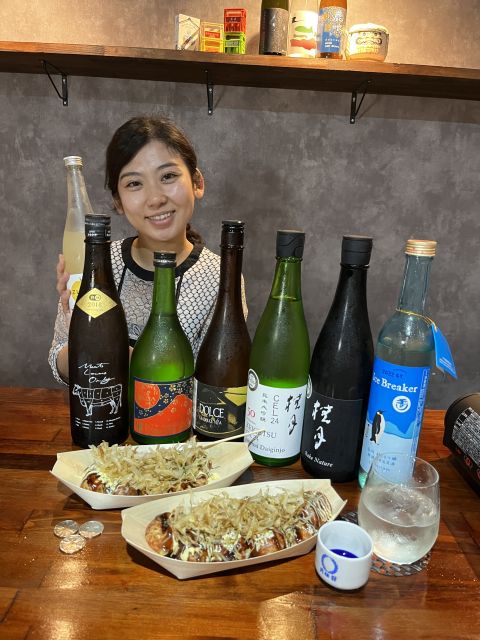
After the intro and learning portion, you select from a seasonal sake menu chosen by the expert. That seasonal angle is smart because sake is often treated like a living product, with variety changing by time of year.
In practice, the tasting becomes less about “trying everything” and more about pattern recognition. You taste multiple styles, then Momo helps you connect flavors to categories. This is what makes the class feel like it’s building skills, not just feeding you drinks.
The experience also supports different drinking styles. Some participants have been served several tasting pours, with amounts described as generous. I’d treat it as a proper tasting, not a few tiny samples. If you’re sensitive to alcohol, pace yourself from the start, and take water breaks while you’re learning.
Practical tip: when you taste, focus on one or two impressions at a time. For example, start with how it feels on your palate, then move to aroma and finish. You’ll retain more and make better choices later when you’re ordering.
More Food Tours in Osaka
- Osaka: Shinsekai Food Tour with 13-15 Dishes at 5 Eateries
★ 4.8 · 2,204 reviews - Osaka Food Tour: 13 Dishes at 5 Local Eateries
★ 5.0 · 2,149 reviews - Hungry Osaka Street Food Tour:15 Tastings & 3 Drinks with a Local
★ 5.0 · 1,727 reviews - Hungry Osaka Street Food Tour: 15 Dishes & 3 Drinks
★ 4.9 · 694 reviews
How this helps you order sake in Osaka bars after the class
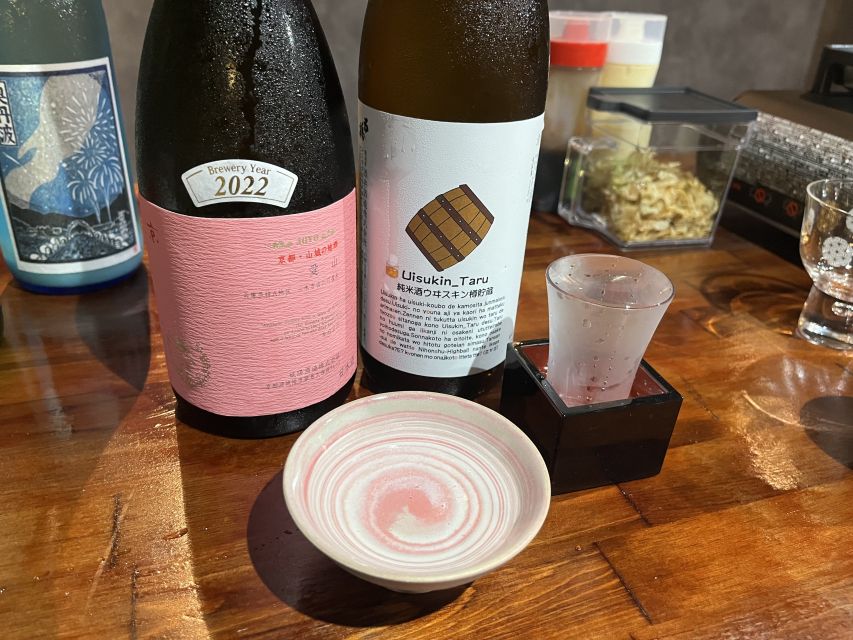
Osaka is full of sake bars and izakaya that serve small pours, so you can keep experimenting. But the problem is menu anxiety. Without a way to translate what you like, you end up ordering random.
This class gives you a way in. You learn what to look for when choosing sake, so when you see options later, you can narrow down quickly. You’re also better at asking staff questions because you’ll have your own tasting vocabulary, at least at a basic level.
A bonus many people love is the post-class momentum. Momo can suggest where to go next, including places that better match the type of sake you liked in your tasting session. That turns your time into an “education plus nightlife” plan rather than a standalone activity.
Food also becomes part of the decision-making. Because you’re eating takoyaki you made yourself right alongside your tasting, you’ll start to understand pairing in real terms. That makes your later bar ordering feel practical instead of theoretical.
What you eat and drink by the end, and pacing your night
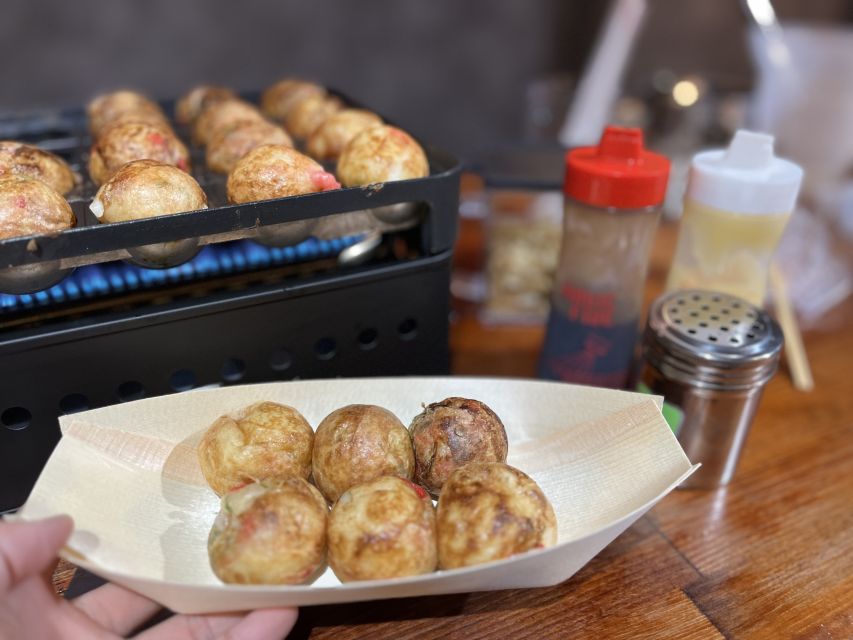
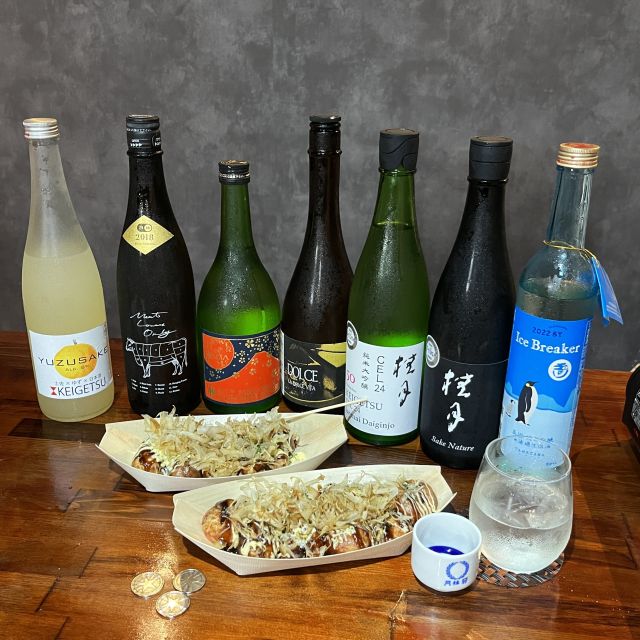
The tour ends with you enjoying your handmade takoyaki and the sake together. That matters because the meal is not an afterthought. It’s timed so the tasting and cooking reinforce each other.
You’ll cook first, then drink. That keeps the experience comfortable for most people. And because takoyaki is rich and savory, it helps balance the alcohol as you go from one tasting to the next.
You might also notice a small sweet finish in some sessions, since participants have mentioned a dessert element at the end. Even if your exact dessert varies, the structure stays the same: you finish full, not just “satisfied enough.”
Pacing tip if you’re planning the rest of the night: this is 2 hours. After you leave, you can either continue calmly with a second stop, or you can wrap early if you’re traveling with kids or you want a low-key evening.
Price and value: is $70 fair for 2 hours of cooking plus sake?
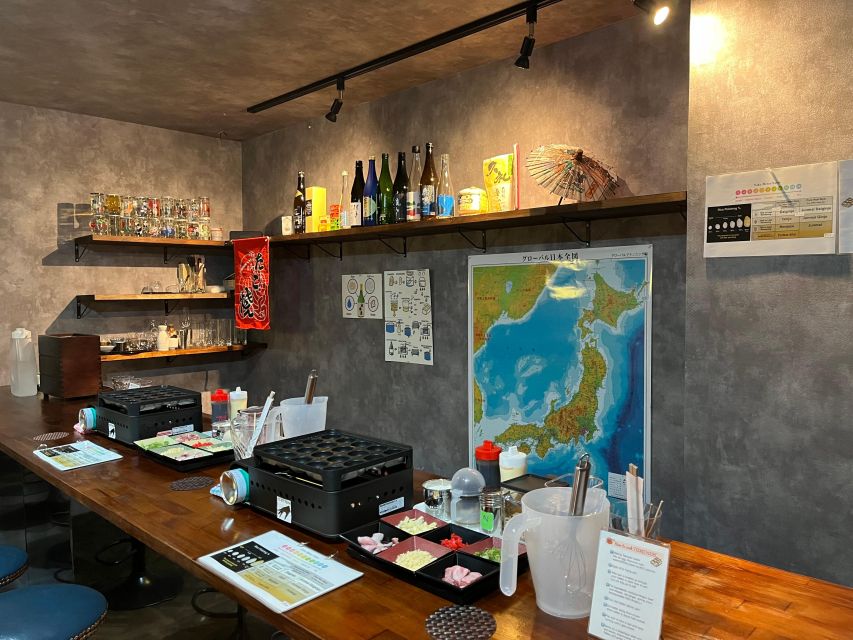
$70 per person sounds like a splurge until you break down what’s included.
You’re paying for:
- all ingredients and cooking instructions for takoyaki
- a small-group, English-speaking local expert
- a sake tasting featuring more than 10 sake types available, plus soft drinks
- learning time that helps you choose sake later, which is what most “just drink” experiences fail to deliver
If you compare this to the cost of buying sake in small pours plus a takoyaki cooking setup elsewhere, it starts to look more reasonable. You’re not only consuming. You’re learning how to consume better.
The small-group limit also makes a difference. In bigger classes, you may get general info and move on. Here, the format supports interaction, which is where much of the value lives.
In plain terms: if you like food classes and you want sake guidance that actually helps you order, $70 is a fair deal for what you get.
Who should book this takoyaki and sake class in Osaka
This works best if you fit at least one of these buckets:
- You want a hands-on Osaka food moment, not just a tasting from the sidelines
- You’re curious about sake but want it explained simply, with production context
- You plan to visit sake bars later and want to order with confidence
- You like small groups and interactive teaching
It may not be your best match if:
- You hate alcohol and prefer a pure non-drinking food class. Soft drinks exist, but the tasting is part of the core experience.
- You need a slower pace with zero structure. It’s designed to pack cooking and tasting into 2 hours.
Families can also make it work. A session described as family-friendly has been noted, with soft drinks for kids. If you’re traveling with younger eaters, it’s smart to confirm what they will be doing during the tasting portion when you book.
Should you book this Osaka Sake Tasting with Takoyaki Cooking?
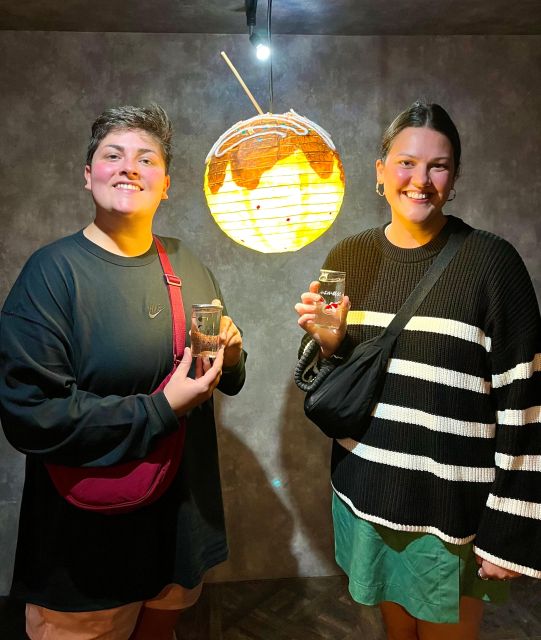
Yes, if you want an Osaka experience that’s both fun and useful. The biggest reason to book is that you leave with two practical wins: you can make takoyaki at home with a better sense of technique, and you understand how to choose sake when you’re out on your own.
I’d book it especially early in your Osaka trip. That way, your learning turns into better bar choices for the rest of your time in town. If you’re unsure, use this rule: if you enjoy cooking and you like the idea of tasting multiple sake styles with guidance, this is the kind of evening you’ll remember for the right reasons.
FAQ
How long is the Osaka Sake Tasting with Takoyaki Cooking experience?
The duration is 2 hours.
Where is the meeting point?
Meet at MOMO to SAKE, on the second floor of the building.
What is included in the tour price?
It includes all ingredients for the cooking experience, cooking instructions, more than 10 types of Japanese sake and soft drinks, and an English-speaking local sake expert.
How many people are in the group?
The group is limited to 6 participants.
What languages are used during the experience?
The experience is led by an English-speaking local expert, with instructor support also available in Japanese.
Is the tour flexible to book and cancel?
The experience offers free cancellation up to 24 hours in advance for a full refund, and it also offers reserve now & pay later to keep your plans flexible.
More Drinking Tours in Osaka
- Osaka Bar Hopping Night Walking Tour in Namba (3 bars, 6 tastes)
★ 5.0 · 958 reviews - Osaka: Namba Pub Bar Crawl with a Local Guide
★ 4.9 · 424 reviews - Osaka: Izakaya Bars Guided Walking Tour
★ 4.9 · 385 reviews - Osaka: Guided Pub Crawl
★ 4.4 · 331 reviews
More Sake Tastings in Osaka
- Osaka Sake Tasting & Takoyaki Cooking Experience
★ 5.0 · 149 reviews - Osaka Cooking Class and Sake Tasting with Local Supermarket Visit
★ 5.0 · 79 reviews - Osaka: Cooking Class & Sake Tasting with Local Market Visit
★ 4.8 · 31 reviews - 3.5h Osaka Night guided Local Bar Hopping, Sake & Karaoke
★ 5.0 · 27 reviews
Fresh options around Osaka
- Osaka Winery Tour with Wine Tasting & Vineyard Walk★ 4.9 · 12 reviews
- Osaka: Early Morning Osaka Castle Guided Tour, Avoid Crowds★ 4.9 · 12 reviews
- Kyoto Day Trip from Osaka Port – Private Shore Excursion★ 5.0 · 13 reviews
- Osaka Private Pop Culture Tour: Historic Tenma to Dotonbori★ 4.5 · 13 reviews
- Osaka Castle Admission Ticket★ 4.0 · 13 reviews
- Hidden Osaka Foodie Tour: Nishinari Backstreets & Local Dining★ 5.0 · 13 reviews
- Discover Real Osaka: A Cultural Walk with Food & Drink★ 5.0 · 13 reviews
- Nara private tour (Shore excursion available from Osaka or Kobe port)★ 5.0 · 13 reviews
Cooking Classes, compared.
Ramen Cooking Class at Ramen Factory in Kyoto
Read our review →
Ramen & Gyoza Cooking Class in Tokyo with Local Supermarket Visit
Read our review →
Ramen Cooking Class at a Ramen Factory with Souvenir
Read our review →
Japanese Washoku Bento Small Group Cooking Class
Read our review →
Easy Ramen Cooking Experience in Kabukicho, Shinjuku
Read our review →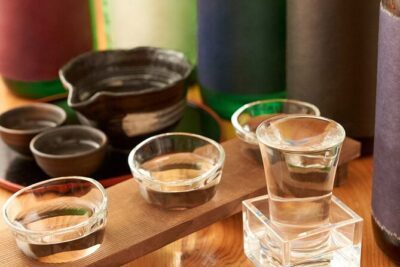
Ramen and Sushi Cooking Class with Sake Pairing Set in Tokyo
Read our review →Browse the lists this tour appears in