Reviewed · COOKING CLASSES
Osaka: Cooking Class & Sake Tasting with Local Market Visit
Osaka tastes better when you cook it. This 4-hour class pairs a local market visit with hands-on cooking of Osaka staples, then adds sake and beer while you eat and chat. I love how the guide walks you through each step in English, and I love that the recipes are built to be easy to repeat at home. The main drawback to plan for is that gluten-free options aren’t available, and the class involves cutting and heating, so it is for age 12 and up.
You also get the small-group feel, with a limit of 7 people, not a huge crowd. Guides you might meet include Chie, Eri, Emi, Ayu, and Akko, and their personalities come through, from calm, focused coaching to extra city tips after the meal. One consideration: the tour expects you to arrive on time at the FamilyMart meeting point, because late arrivals can’t join.
Key highlights to know before you go
- Market-first ingredient shopping at a local supermarket so you start with what people actually buy
- Three Osaka dishes, made by you: niku-sui, okonomiyaki, and gyoza
- English-speaking local guide, small group of 7 for questions that don’t get lost
- Lunch plus drinks included (3 canned drinks, plus tea during the experience)
- Recipes and photos after the tour via email, so you can cook again at home
Cooking Osaka classics in a real-life studio setting
Osaka food is casual, proud, and practical. You’ll see that right away because this class starts with real ingredients, not a pre-planned box of mystery supplies. After that, you cook in a welcoming studio space that keeps things relaxed, even when you’re learning a new technique.
This is the kind of experience that turns sightseeing into something you can recreate. You cook three signature dishes, eat what you make, and then leave with recipes you can actually follow later without needing fancy tools or rare products.
More Cooking Classes in Osaka
- Osaka: Ramen and Gyoza Cooking Class in Dotonbori
★ 5.0 · 378 reviews - Osaka Cooking Class: Okonomiyaki &Japanese cuisines experience
★ 5.0 · 261 reviews - Ramen and Gyoza Cooking Class in Osaka
★ 5.0 · 202 reviews
Where you start near Minami Morimachi Station (and why it matters)
Meeting is simple: in front of FamilyMart, about a 1-minute walk from Exit 4B of Minami Morimachi Station. I like this kind of meeting point because it gives you an easy landmark and keeps the first step low-stress.
Plan your timing with the tour start rule in mind. The class starts on time, and late arrivals can’t join, so I recommend arriving a few minutes early, especially if you’re using train connections or a map app for the first time.
The market stop: learning how Osaka shops, not just what Osaka eats
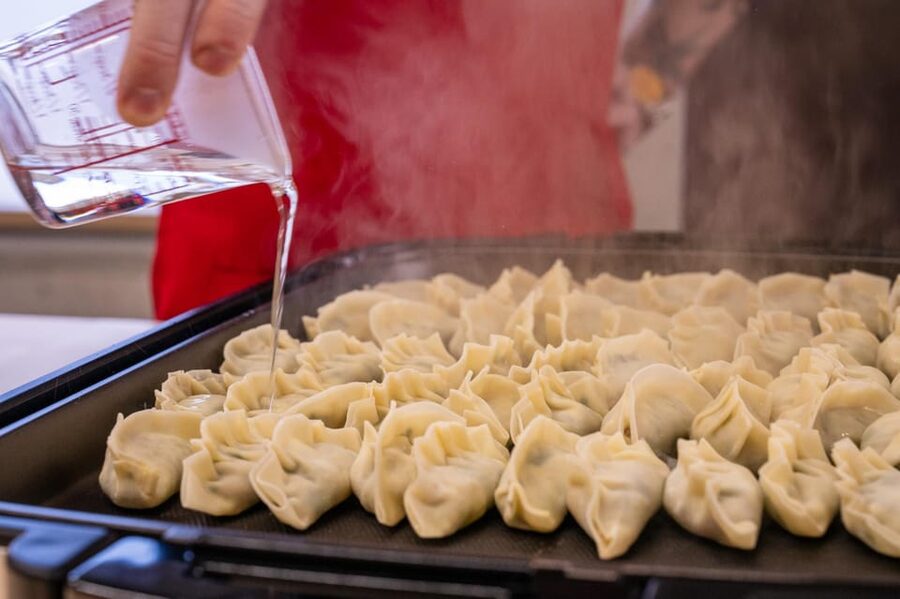
You begin with a trip to a local supermarket to pick up fresh ingredients. For me, this is half the value, because you’re practicing the way Japanese cooks think about ingredients, not just copying a recipe.
You’ll get to see choices you might not notice on your own, like what cuts of meat people use for comfort dishes, which wrappers or seasonings they reach for, and how vegetables are selected for texture. Then you carry that same logic into the studio kitchen where everything becomes step-by-step and doable.
One big plus from the guide styles is that the market experience can turn into a mini lesson. Guides such as Chie and Emi are known for explaining products and how they fit into daily life, and you can use those answers later when you shop on your own.
Your three-dish game plan: niku-sui, okonomiyaki, gyoza
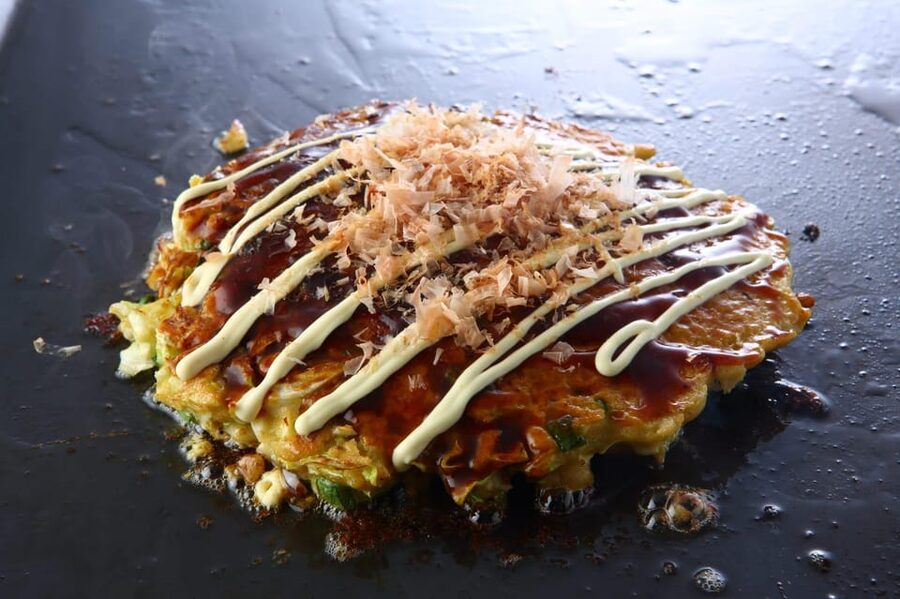
This class is built around three iconic Osaka favorites. You’re not just sampling flavors, you’re learning three different cooking styles, soup comfort, griddle technique, and dumpling folding.
More Food Tours in Osaka
- Osaka: Shinsekai Food Tour with 13-15 Dishes at 5 Eateries
★ 4.8 · 2,204 reviews - Osaka Food Tour: 13 Dishes at 5 Local Eateries
★ 5.0 · 2,149 reviews - Hungry Osaka Street Food Tour:15 Tastings & 3 Drinks with a Local
★ 5.0 · 1,727 reviews - Hungry Osaka Street Food Tour: 15 Dishes & 3 Drinks
★ 4.9 · 694 reviews
1) Niku-sui, a beef soup that feels like a hug
Niku-sui is a flavorful beef soup loved by locals. It’s a great starter dish because it shows you how Japanese home cooking builds depth with simple ingredients, and you can see the flow of the process quickly.
What you’ll learn here is less about complicated steps and more about balance: how the broth tastes as ingredients go in, and how to bring everything together into something satisfying without feeling heavy. The dish works well if you want a home-cookable option you can repeat when you crave something warm and comforting.
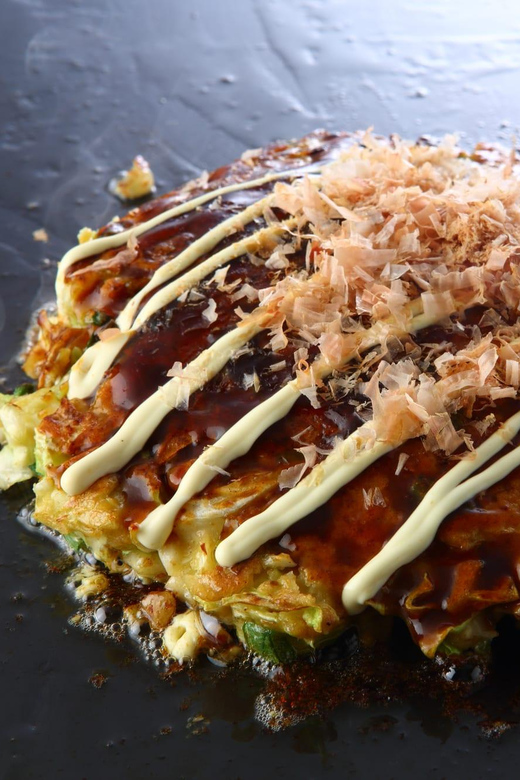
2) Okonomiyaki, Osaka’s savory pancake with endless personal style
Okonomiyaki is one of Osaka’s signature pride dishes, and the cooking class treats it like it deserves: you learn the core method, then you see how small choices change the final result. It’s a fun station because you get hands-on with griddle timing and the feel of shaping and layering.
A practical way to think about it: okonomiyaki is both food and technique. You’ll get a feel for how heat affects browning and how you manage cooking so it stays savory and satisfying instead of dry.
3) Gyoza, folded dumplings with crispy and juicy payoff
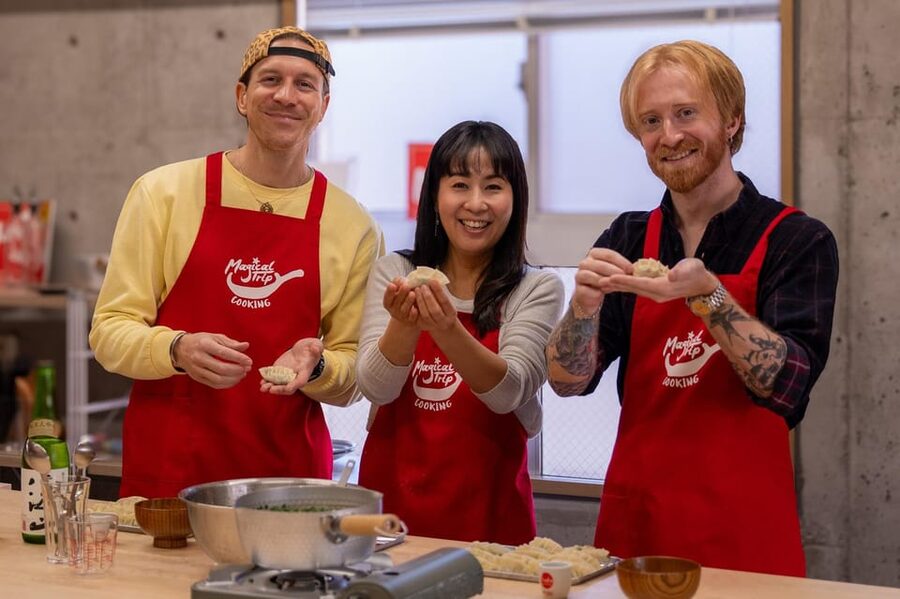
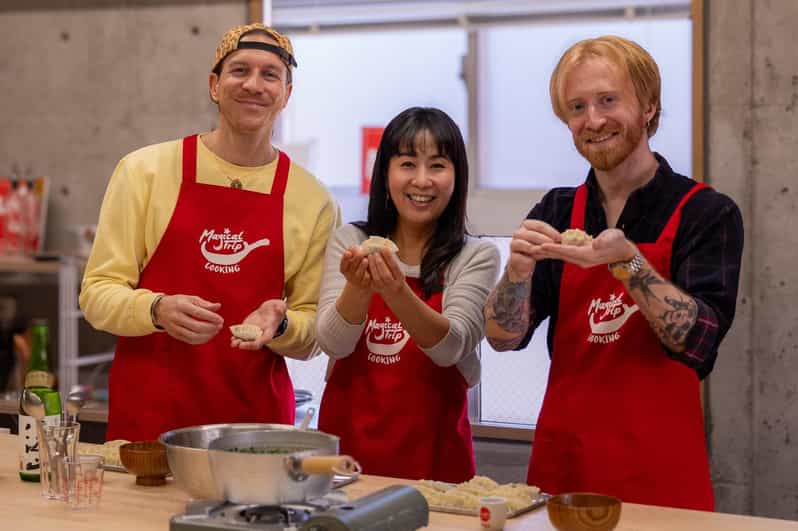
Gyoza is where the class gets lively. You fold dumplings, and that part sparks laughter because it’s both hands-on and a little tricky at first.
This dish teaches you texture control: the dumpling wrapper, the filling, and the cooking rhythm that creates that crispy outside with juicy inside. Even if you don’t get perfect shapes right away, you’re learning the process you can improve later.
The studio cooking flow, with English guidance you can actually use
You cook in a relaxed, welcoming MagicalTrip Original Cooking Studio environment. Your guide walks you through each recipe step-by-step, so even if you’ve never cooked Japanese food, you’re not left guessing.
I like that the class is designed for easy home cooking. The recipes use simple ingredients, and that matters, because you want results that survive a return to your own kitchen, not just a one-time vacation meal.
You’ll likely notice different guide styles depending on who hosts your session. Some guides, like Chie and Eri, are described as attentive and easy to follow, with a friendly pace. Others, like Francesco’s group experience, highlight a calm vibe where you can even choose background music while you cook.
Lunch and drinks: eating while the lesson continues
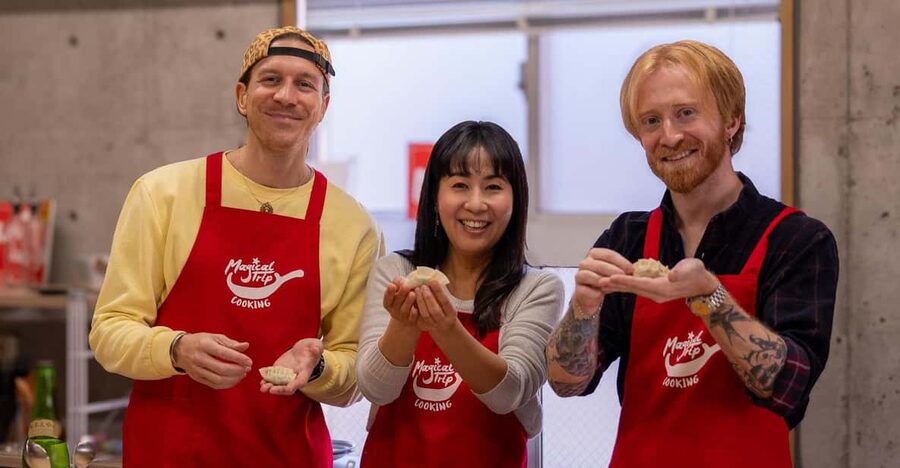
Lunch is included, and you eat what you cook. That’s a smart structure because you immediately taste what you just learned, and it makes it easier to remember what worked and why.
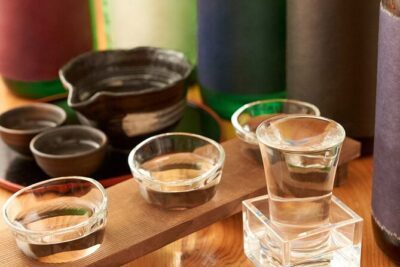
You also get drinks during the experience. Included are 3 canned drinks, alcoholic or non-alcoholic, plus tea. Since sake tasting is part of the spirit of the class, many sessions naturally lean into Japan’s drink culture, even when you choose non-alcoholic options.
One detail I really like from the guide experiences: some hosts go beyond the basics. For example, Linda is noted for taking extra steps to buy sake, and that kind of effort adds a personal touch if you’re into exploring local flavors.
Getting the recipes and photos after the tour
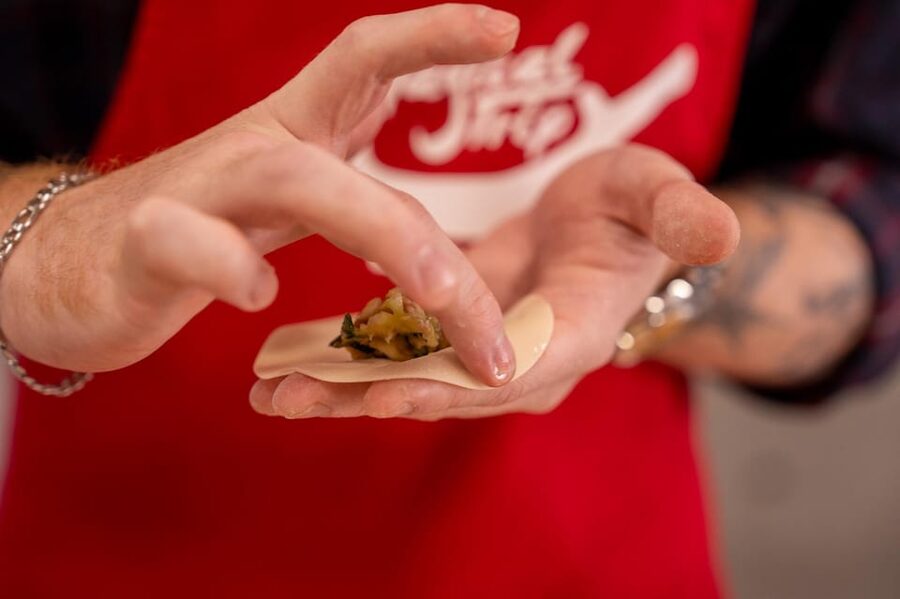
After the class, you get downloadable recipes and tour photos sent by email. This is more than a souvenir. It’s your real plan for making these dishes at home without rewatching anything or trying to reconstruct amounts from memory.
If you want to use this class like a skill-building workshop, the recipe sheet is your homework. Make one dish the first week you return, then another a month later, and you’ll spot what you remember easily versus what needs practice.
Who this cooking class suits best (and who should consider alternatives)
This class works especially well if you want a practical Osaka food lesson. It’s a good fit for couples, friends, or solo travelers who enjoy learning by doing and want to eat something you built yourself.
It’s also a strong choice if you value conversation. Several guides are praised for chatting during cooking, sharing history and product context, and answering city questions along the way. If you like the “local guide as human,” this tends to deliver.
If you have dietary needs, plan ahead. Vegans and vegetarians are welcome, but gluten-free options are unavailable, and substitutions can’t be guaranteed. Tell the team about allergies at least one day in advance, because same-day changes aren’t handled.
It’s not recommended for guests with mobility issues or stroller needs, since some locations may be hard to access. If walking is a challenge, a private tour is suggested.
Price and value: what $90 buys you in real skills
At $90 per person for a 4-hour experience, this is priced like a hands-on workshop, not a casual tasting. You get market ingredient shopping, cooking instruction for three dishes, lunch, tea, and three canned drinks, plus recipes and photos afterwards.
The value is in the full loop: you shop, cook, eat, and then get the follow-up tools to recreate the results. If you usually struggle with “I ate it once, now I can’t make it,” this class targets that exact frustration.
If you’re the type who plans your next dinner party based on what you learned, you’ll get more from it than a simple food tour. And if your travel style is small-group and guided, the limit of 7 people keeps it from turning into a factory line.
Practical tips so your 4 hours feel smooth
Japanese weather can be extreme, so dress for the season. Summer can reach about 40°C (110°F), and winter can drop to around -5°C (20°F), so layers and comfortable walking shoes matter.
Bring your appetite. You’re cooking three dishes and eating lunch, so you want to start hungry without planning a big dinner later that same day.
Also, take the tour start time seriously. Late arrivals can’t join, so if you’re bouncing between attractions, schedule buffer time.
The Osaka takeaways you’ll actually use after the tour
This class teaches more than a list of dishes. You’ll learn how Japanese home cooking approaches ingredient choices, how flavors build through process, and how to treat technique like something you can practice.
You’ll also come away with a sense of Osaka’s food culture as a daily habit, not a performance. The market stop helps you connect the dots between what people buy and what they cook.
Guides like Chie and Emi are mentioned for sharing history and product stories, which can help you understand why these dishes are so enduring. Even small facts, like which ingredient types people choose or what a particular step accomplishes, make your home attempts more successful.
Should you book this Osaka cooking class?
Yes, book it if you want a hands-on Osaka food lesson in a small group, with market shopping, three real dishes, and follow-up recipes. It’s a great value when you like learning by doing and you want a dinner-party plan for after you return home.
Pass or consider an alternative if you need gluten-free meals, if you have mobility constraints, or if you’re unlikely to handle cutting and heating involved in the cooking. If you’re traveling with dietary complexity, reach out early since same-day substitutions aren’t guaranteed.
If your goal is to leave Osaka with skills, not just photos, this is one of the cleaner bets in the city.
FAQ
Where is the meeting point?
Meet in front of FamilyMart, about a 1-minute walk from the 4B Exit of Minami Morimachi Station.
How long is the cooking class?
The experience lasts 4 hours.
What dishes will we cook?
You’ll cook niku-sui, okonomiyaki, and gyoza.
Are drinks included?
Yes. You’ll get 3 canned drinks (alcoholic or non-alcoholic) plus tea during the experience.
Is the tour suitable for vegetarians or vegans?
Yes, vegans and vegetarians are welcome. If you have dietary needs or allergies, you should inform the team at least one day in advance.
Is gluten-free food available?
No. Gluten-free options are unavailable.
What ages can join?
Anyone over 12 can join, since cooking involves cutting and heating.
Is the tour accessible for wheelchairs or strollers?
The tour may include locations inaccessible by wheelchair or stroller, so it is not recommended for those with mobility issues. If you have walking difficulties, booking a private tour is suggested.
More Sake Tastings in Osaka
- Osaka Sake Tasting with Takoyaki Cooking
★ 5.0 · 156 reviews - Osaka Sake Tasting & Takoyaki Cooking Experience
★ 5.0 · 149 reviews - Osaka Cooking Class and Sake Tasting with Local Supermarket Visit
★ 5.0 · 79 reviews - 3.5h Osaka Night guided Local Bar Hopping, Sake & Karaoke
★ 5.0 · 27 reviews
More Market Tours in Osaka
- Kuromon Market Food Walking Tour in Osaka (6 stops, 6 tastes)
★ 5.0 · 550 reviews - Osaka: Kuromon Market Food Walking Tour (6 stops, 6 tastes)
★ 4.6 · 272 reviews - Kuromon Market Tour: All inclusive 6~8 Dishes & 3~4 samplings
★ 5.0 · 103 reviews - PRIVATE 6hr, Food tour from Osaka Castle, Kuromon, Dotonbori.
★ 5.0 · 68 reviews
Fresh options around Osaka
- Osaka Winery Tour with Wine Tasting & Vineyard Walk★ 4.9 · 12 reviews
- Osaka: Early Morning Osaka Castle Guided Tour, Avoid Crowds★ 4.9 · 12 reviews
- Kyoto Day Trip from Osaka Port – Private Shore Excursion★ 5.0 · 13 reviews
- Osaka Private Pop Culture Tour: Historic Tenma to Dotonbori★ 4.5 · 13 reviews
- Osaka Castle Admission Ticket★ 4.0 · 13 reviews
- Hidden Osaka Foodie Tour: Nishinari Backstreets & Local Dining★ 5.0 · 13 reviews
- Discover Real Osaka: A Cultural Walk with Food & Drink★ 5.0 · 13 reviews
- Nara private tour (Shore excursion available from Osaka or Kobe port)★ 5.0 · 13 reviews
Cooking Classes, compared.
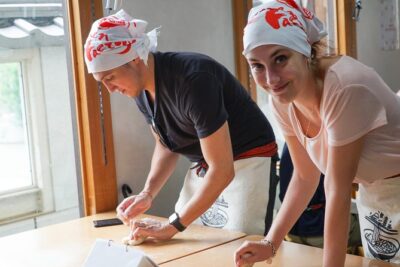
Ramen Cooking Class at Ramen Factory in Kyoto
Read our review →
Ramen & Gyoza Cooking Class in Tokyo with Local Supermarket Visit
Read our review →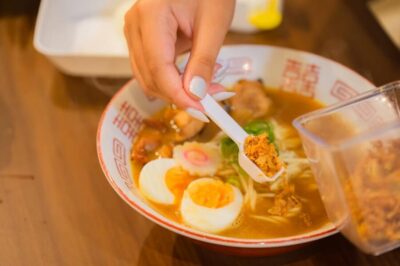
Ramen Cooking Class at a Ramen Factory with Souvenir
Read our review →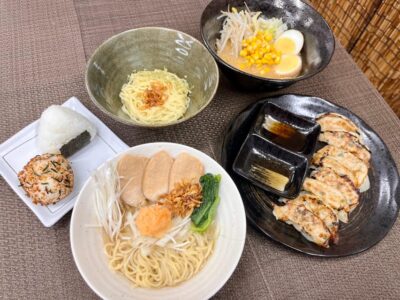
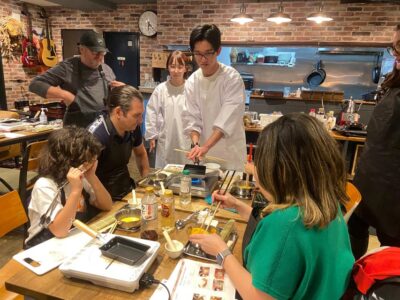
Japanese Washoku Bento Small Group Cooking Class
Read our review →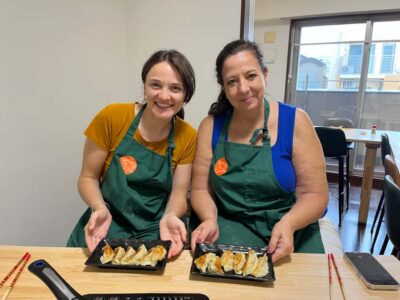
Easy Ramen Cooking Experience in Kabukicho, Shinjuku
Read our review →